








IAA MOBILITY Weekly
The mobility highlights of week 35/2026
Waymo, Continental, Genesis
- IAA MOBILITY Weekly
- 35/2026

Waymo plans to launch a fully autonomous ride-hailing service in Munich starting late 2027, Continental develops a concept tire containing 43 percent recycled materials, and Genesis expands its EV lineup with the GV90, a fully electric full-size SUV—these are our top news stories for Week 35 of 2026.
Waymo plans to launch a fully autonomous ride-hailing service in Munich starting late 2027, Continental develops a concept tire containing 43 percent recycled materials, and Genesis expands its EV lineup with the GV90, a fully electric full-size SUV—these are our top news stories for Week 35 of 2026.
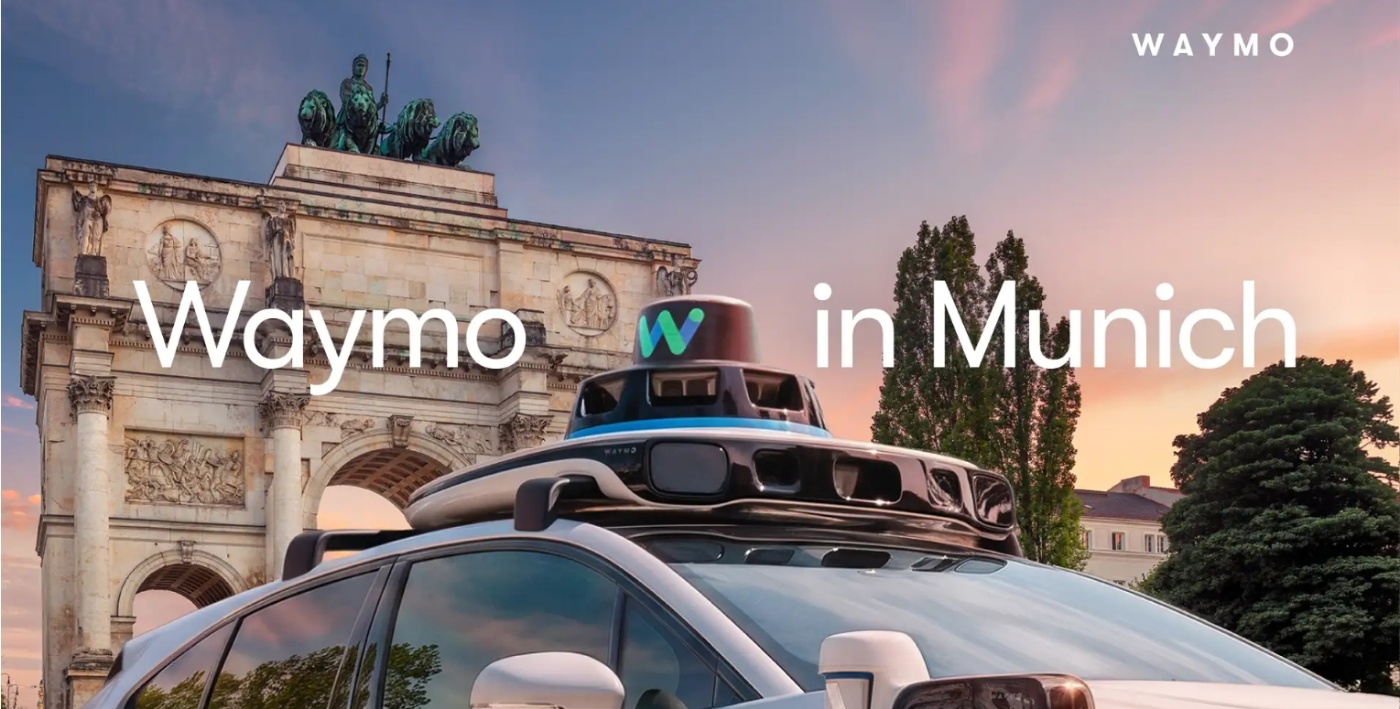
Waymo is preparing to launch its first fully autonomous ride-hailing service in Germany. Over the coming weeks, the first vehicles will take to the roads in Munich. Initially, they will be operated manually by trained personnel to map the street network and adapt the technology to local traffic conditions.
Based on the collected data, the autonomous driving system, Waymo Driver, will be tailored to Munich traffic and tested step-by-step. In parallel, Waymo aims to complete the necessary approval and licensing processes and, according to the company, is already in discussions with politicians and regulatory authorities.
The driverless ride-hailing service is scheduled to open to the public toward the end of 2027. This would make Munich Waymo’s first market in Germany. The company highlights its track record of more than 20 million autonomous miles driven to date and hundreds of thousands of commercial rides per week.
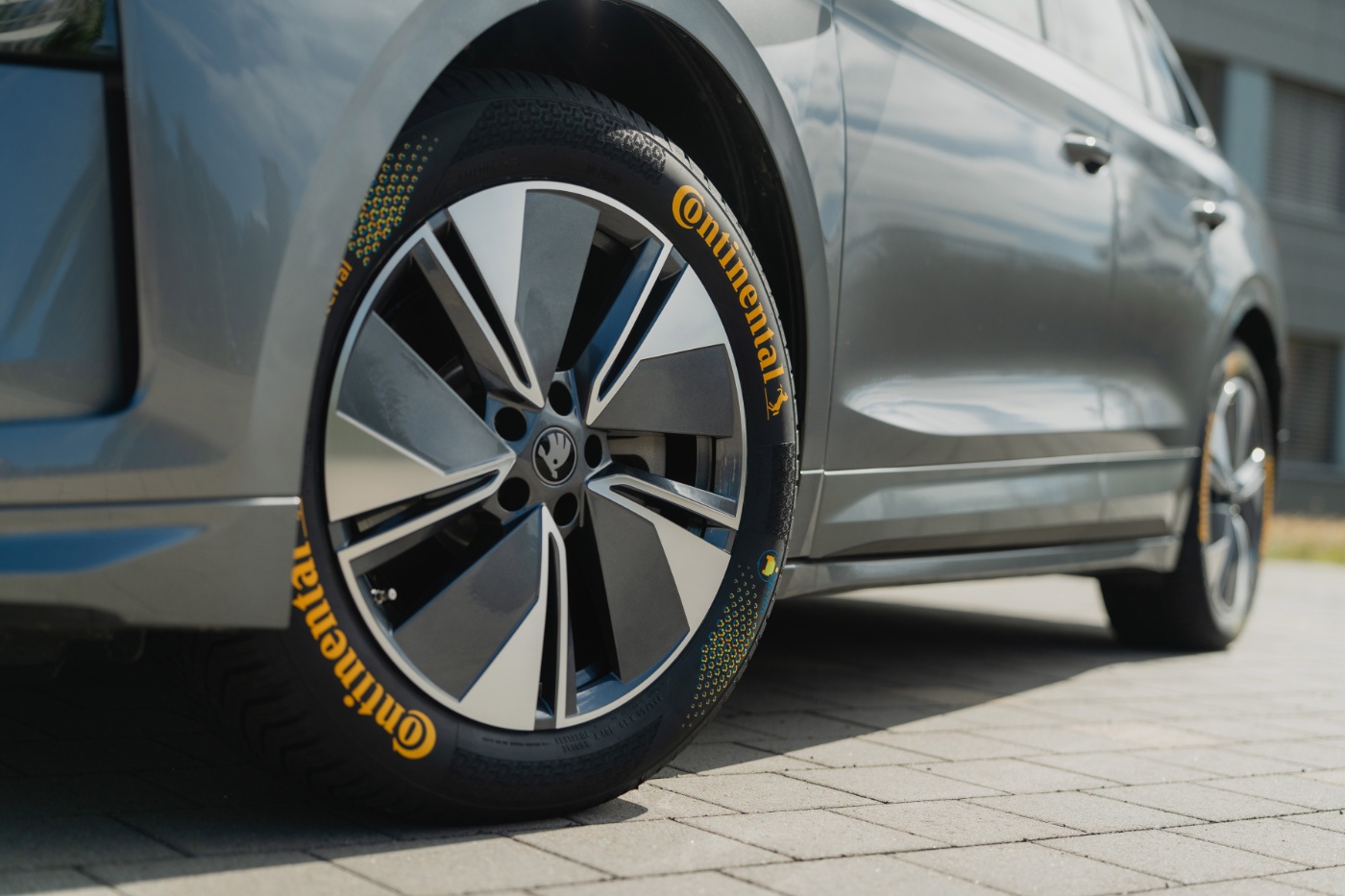
As part of the EU project ZEvRA, Continental has developed a concept tire made of approximately 43 percent recycled materials. Key components include rubber and carbon black recovered from end-of-life tires, recycled steel, tall oil, and polyester yarn made from PET bottles. Residual materials like foundry sand are also utilized to produce an alternative form of silica.
Despite the high percentage of recycled content, the tire is designed to meet all safety, efficiency, and durability requirements. According to Continental, the concept tire achieves top ratings for rolling resistance under the EU tire label. On top of the recycled components, roughly 13 percent of the tire consists of renewable materials, and another 25 percent comes from mass-balance-certified raw materials.
This brings the total share of alternative-source materials used in the tire to over 80 percent. The insights gained from the project will be integrated into future tire development to help further increase the proportion of recycled raw materials in upcoming tire generations.
Heart Aerospace has successfully completed the maiden flight of its all-electric X1 demonstrator aircraft. Weighing over 11.3 metric tons (25,000 lbs), the experimental plane completed a 27-minute test flight on August 12, 2026, at Plattsburgh International Airport in New York. According to the company, it is the largest battery-electric aircraft ever flown.
The X1 features a wingspan of roughly 32 meters (105 feet) and reached an altitude of around 335 meters (1,100 feet) above ground during the flight. Its all-electric powertrain delivered more than one megawatt of power. According to Heart Aerospace, the electrical energy required for the flight cost just around five U.S. dollars.
The demonstrator serves to test electric powertrain technology at a scale relevant to commercial airliners. The insights gained will feed into the development of the 30-seat hybrid-electric ES-30. Flight testing for the first pre-series aircraft is slated for 2028, with commercial entry into service targeted for 2031.
THE IAA MOBILITY Visionary Club brings together forward-thinking leaders, innovators and changemakers who are shaping the future of mobility. In our exclusive LinkedIn Group, members gain access to inspiring interviews, fresh perspectives and ideas from across the mobility ecosystem.
In the latest episode Christina Puello founder and CEO of Deutsche Dienstrad, discusses how mobility is evolving and the growing role of bike leasing.
Discover why bike leasing has become much more than an employee benefit, how companies can promote more sustainable ways of getting around and what role bicycles could play in tomorrow’s mobility.