


Sustainability
Continental develops concept tire using 43 percent recycled material
Image: Continental
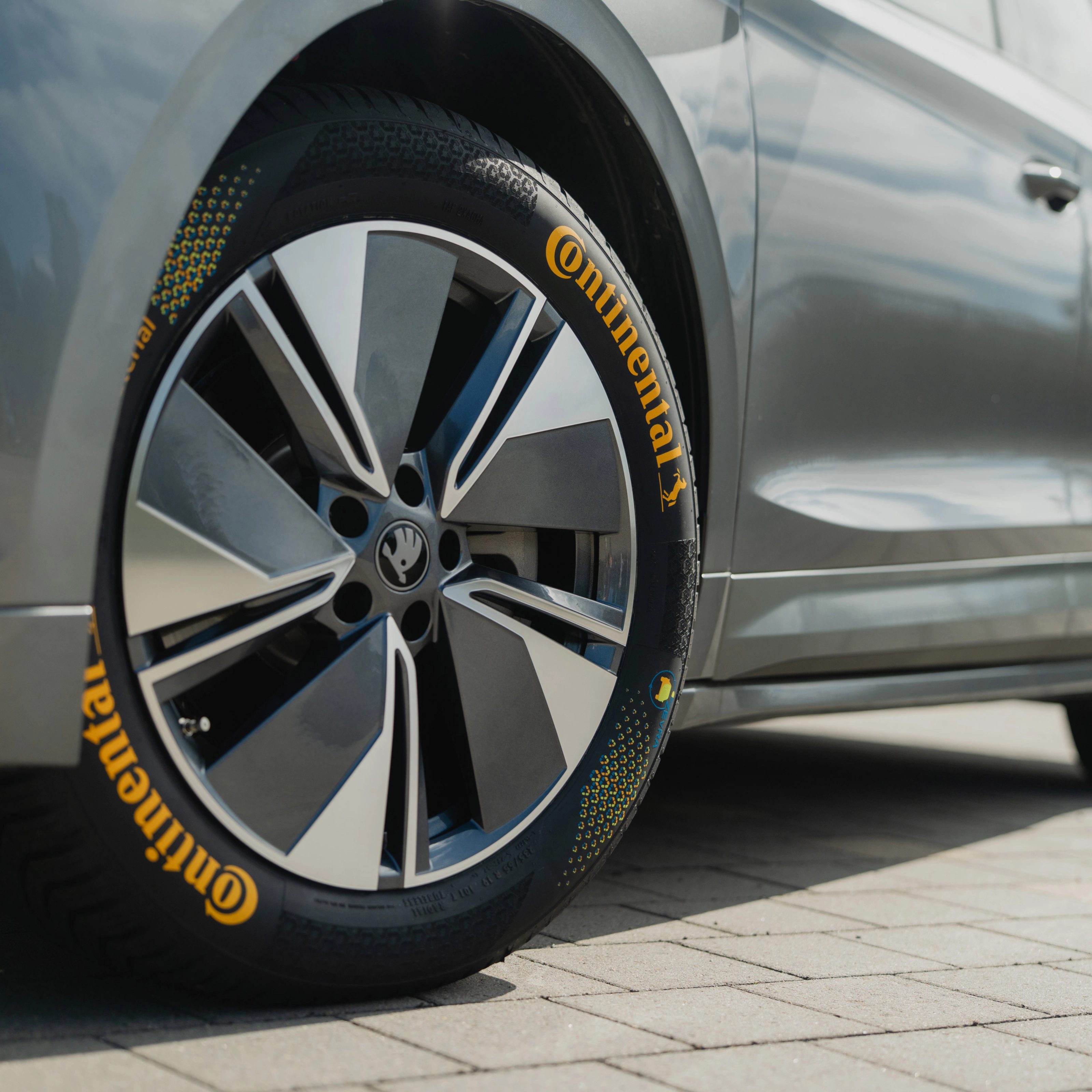
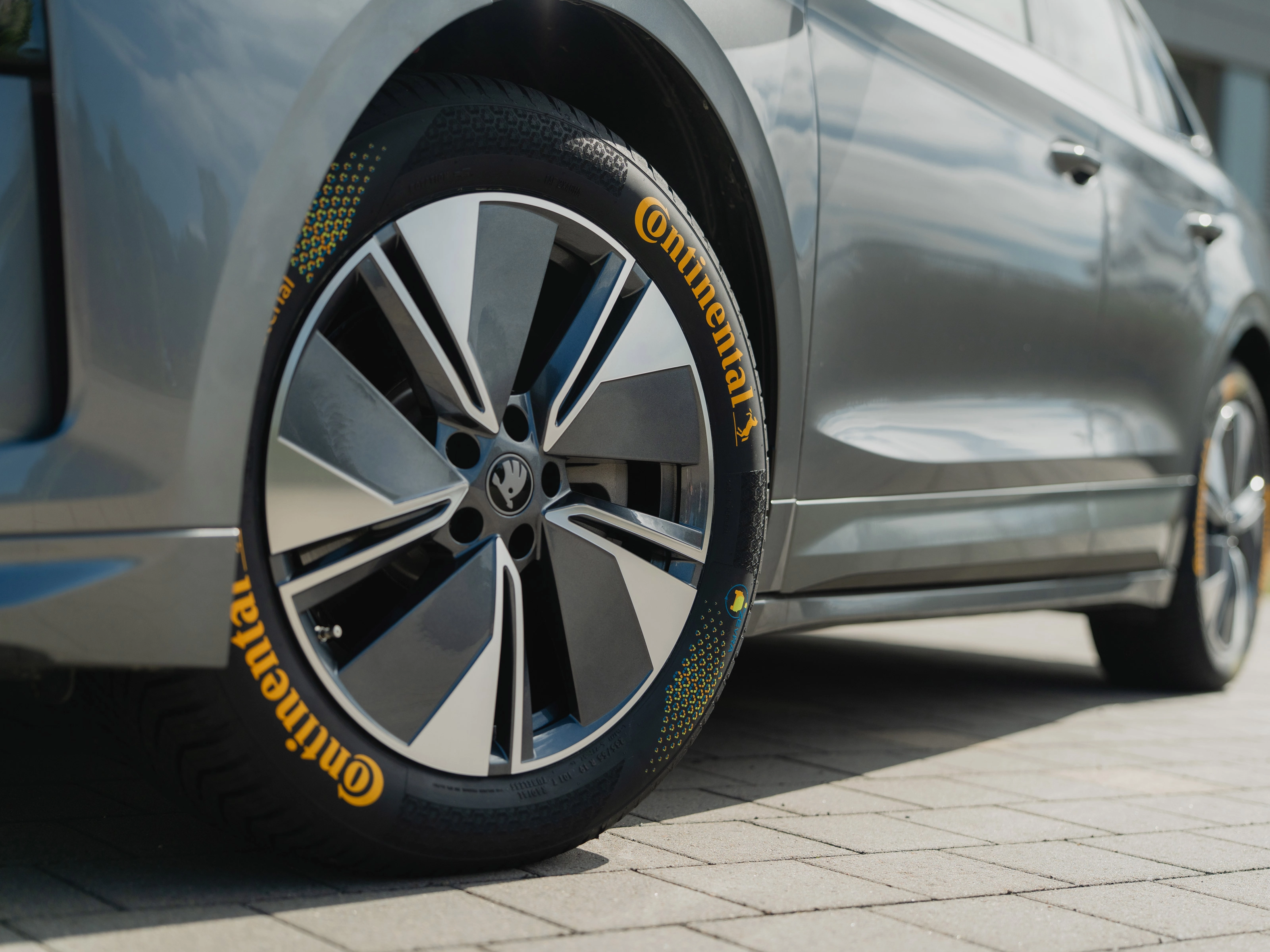
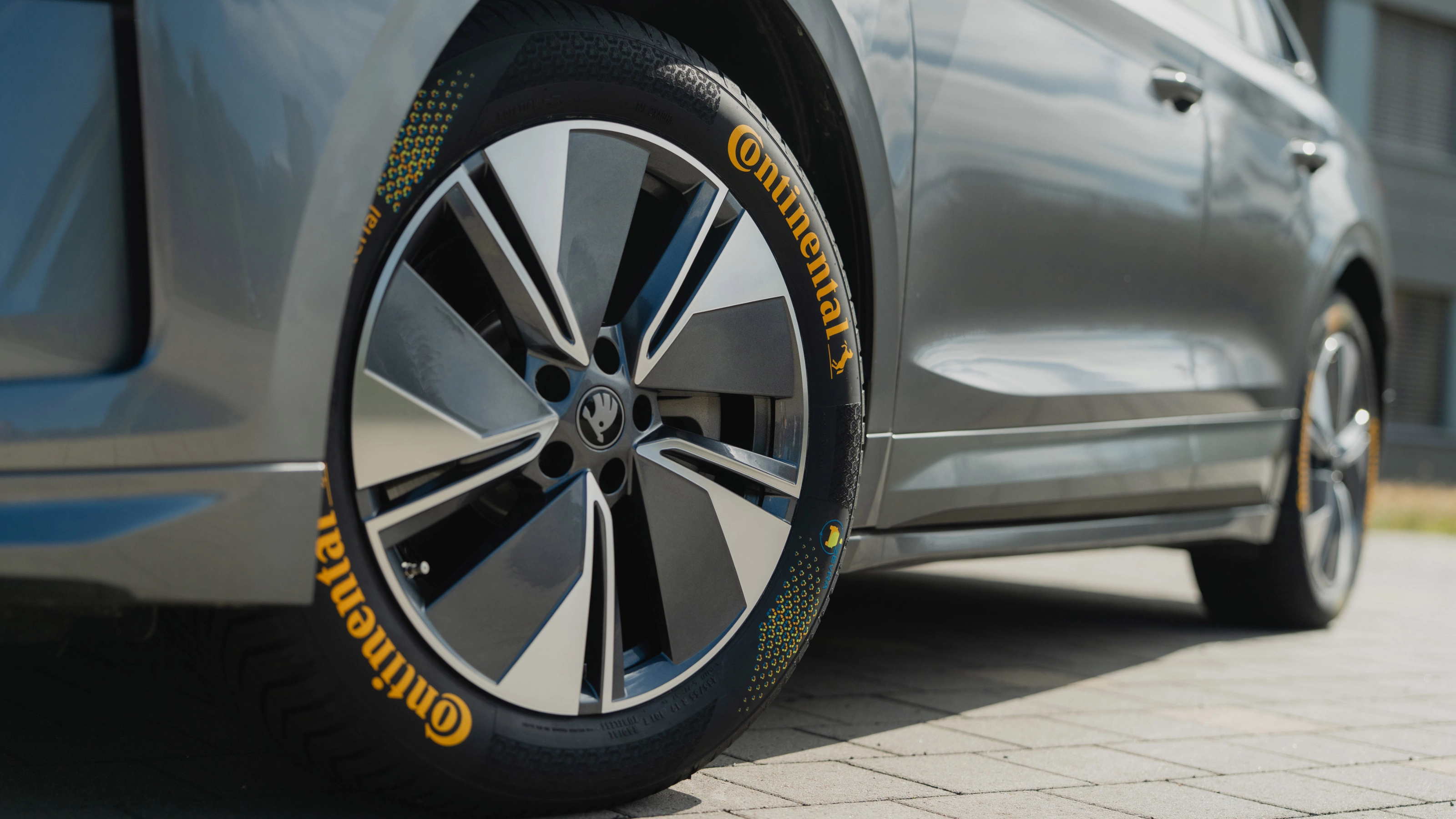
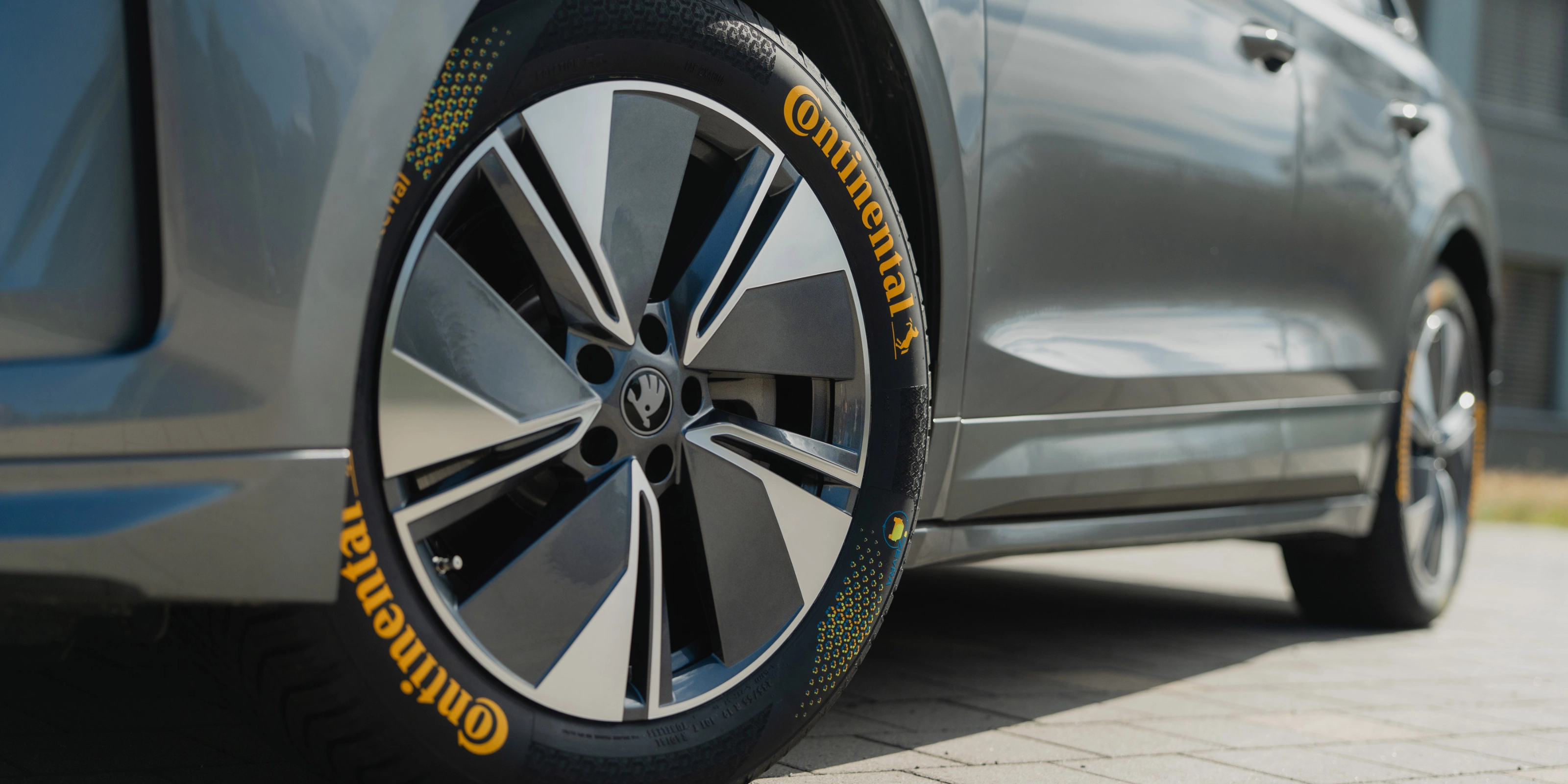
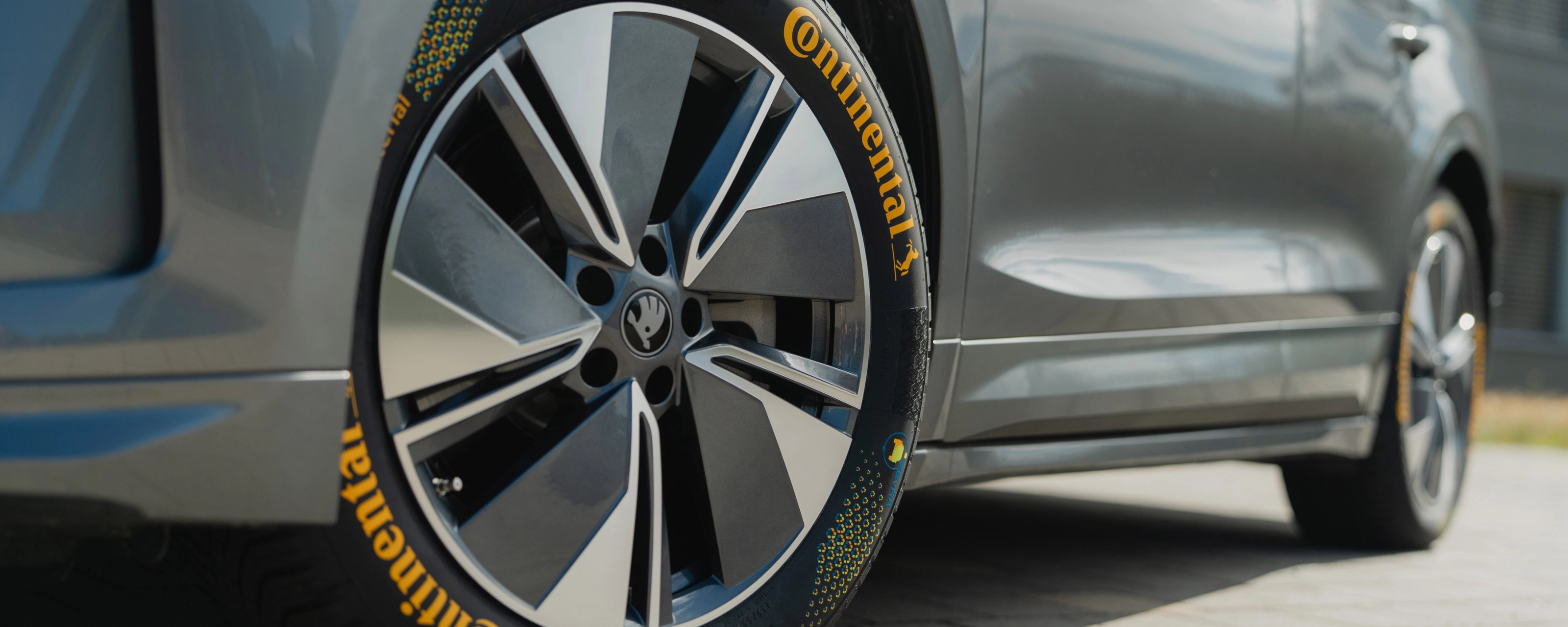
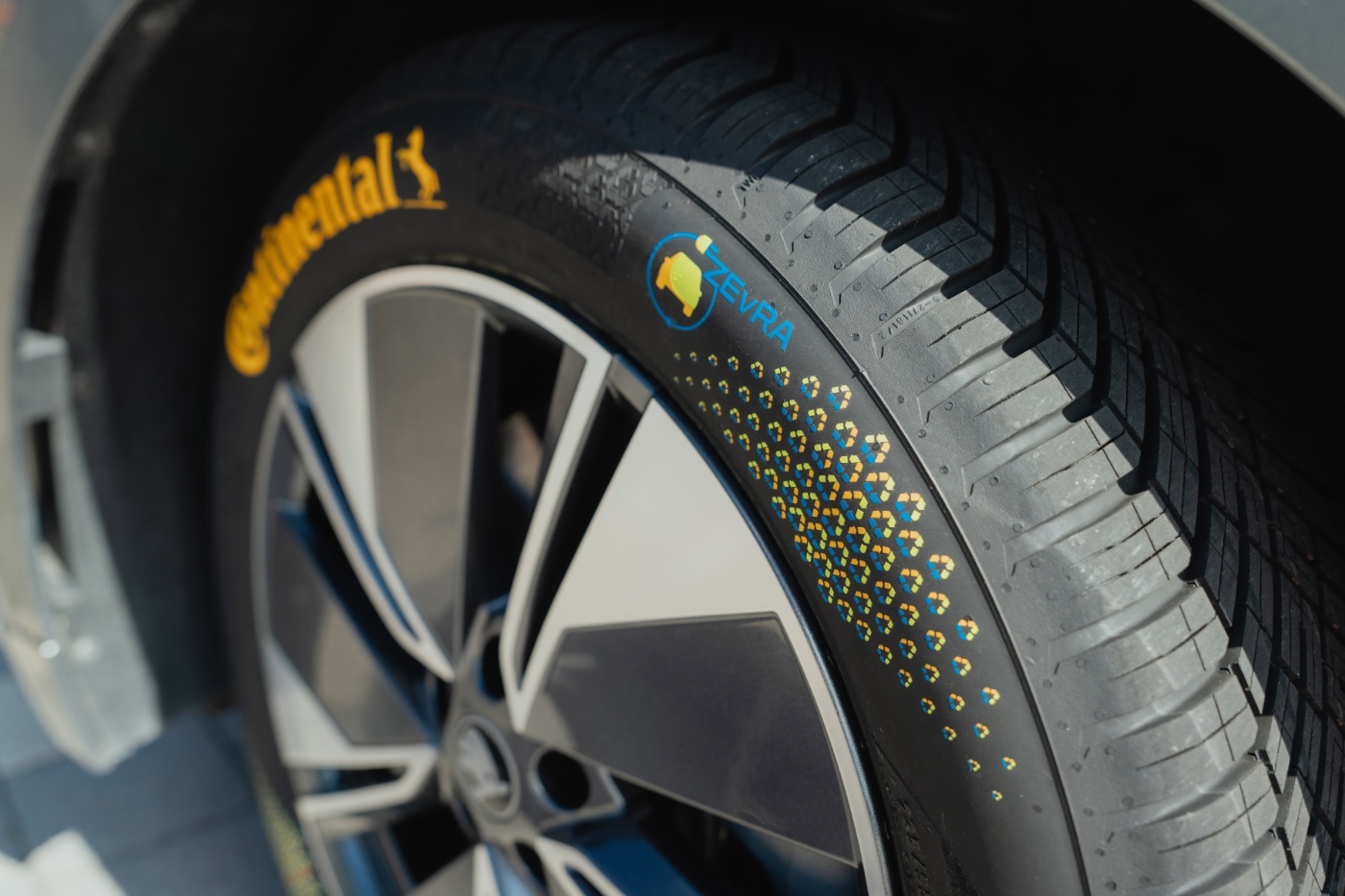
As part of the EU project ZEvRA, Continental has developed a concept tire made of approximately 43 percent recycled materials. The project aims to test new approaches to more circular production for electric vehicles and to further advance recycling technologies for industrial applications.
End-of-life tires and PET bottles serve as raw material sources
Continental uses a variety of reprocessed materials for the concept tire. These include recycled tall oil and steel, rubber from end-of-life tires, and polyester yarn made from recycled PET bottles. In addition, recovered carbon black is used, which can be extracted from end-of-life tires using pyrolysis. Residual materials such as foundry sand are also utilized to produce an alternative form of silica.
Despite the high proportion of reprocessed raw materials, the tire is designed to meet strict technical requirements for safety, efficiency, and durability. According to Continental, the concept tire achieves top ratings on the EU tire label for rolling resistance. The project is intended to demonstrate that a high recycled content is compatible with the performance characteristics required for tires.
More than 80 percent comes from alternative sources
In addition to roughly 43 percent recycled materials, the tire contains around 13 percent renewable raw materials. Another 25 percent consists of mass-balance-certified materials. In total, more than 80 percent of the materials used come from recycled, renewable, or mass-balance-certified sources.
The insights gained from the concept tire will be integrated into Continental’s ongoing material and technology development. Key areas of focus include the industrial availability of suitable recycled materials, their processing, and the scaling of corresponding manufacturing processes. The goal is to further increase the proportion of recycled materials in future generations of tires.