








IAA MOBILITY Weekly
The mobility highlights of week 25/2026
BMW, Mobileye, Mercedes-Benz Vans, IAV, Nexperia
- IAA MOBILITY Weekly
- 25/2026

With the M Concept Neue Klasse, BMW showcases the future of electric high-performance models; Mobileye enters the robotaxi business and plans its own autonomous fleet; Mercedes-Benz Vans starts series production of the new VLE at Vitoria plant; and IAV and Nexperia develop a new high-voltage architecture for more efficient electric vehicles – these are our top stories for week 25 of 2026.
With the M Concept Neue Klasse, BMW showcases the future of electric high-performance models; Mobileye enters the robotaxi business and plans its own autonomous fleet; Mercedes-Benz Vans starts series production of the new VLE at Vitoria plant; and IAV and Nexperia develop a new high-voltage architecture for more efficient electric vehicles – these are our top stories for week 25 of 2026.
- 1. BMW showcases the future of electric high-performance models with the M Concept Neue Klasse
- 2. Mobileye enters the robotaxi business and plans its own autonomous fleet
- 3. Mercedes-Benz Vans starts series production of the new VLE at the Vitoria plant
- 4. IAV and Nexperia develop a new high-voltage architecture for more efficient electric vehicles
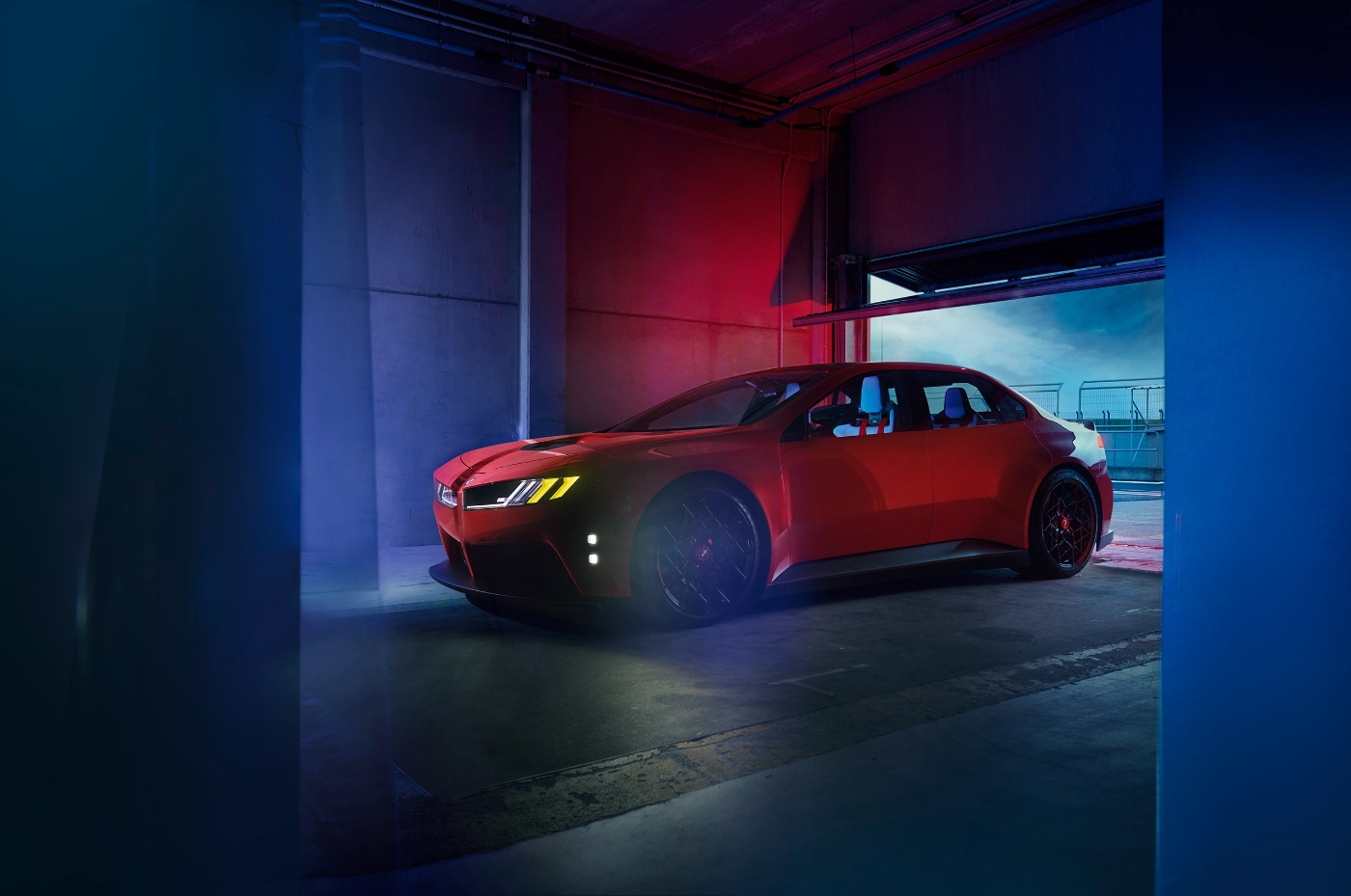
At the 24 Hours of Le Mans, BMW M offered a glimpse into the next generation of all-electric high-performance vehicles with the world premiere of the BMW M Concept Neue Klasse. The concept vehicle combines the design language of the Neue Klasse with signature M features, including a wide track, flared wheel arches, striking aerodynamic elements, a reinterpreted BMW kidney grille with an integrated light signature, and "M Yellow Lights," which are being featured for the very first time.
Inside, BMW focuses on a strictly driver-oriented cockpit with newly developed bucket seats, premium materials, and digital display and operating concepts. The layout is designed to blend motorsport DNA with Neue Klasse technologies.
On the technical side, the concept provides a preview of the future BMW M eDrive powertrain based on Gen6 technology. Four electric motors, the new BMW M Dynamic Performance Control software, and the central "Heart of Joy" computing unit are engineered to coordinate the powertrain, brakes, and driving dynamics for each individual wheel, ensuring maximum traction and precise handling. The concept is completed by an 800-volt architecture and a high-voltage battery with a capacity of over 100 kWh, enabling rapid charging and high performance.
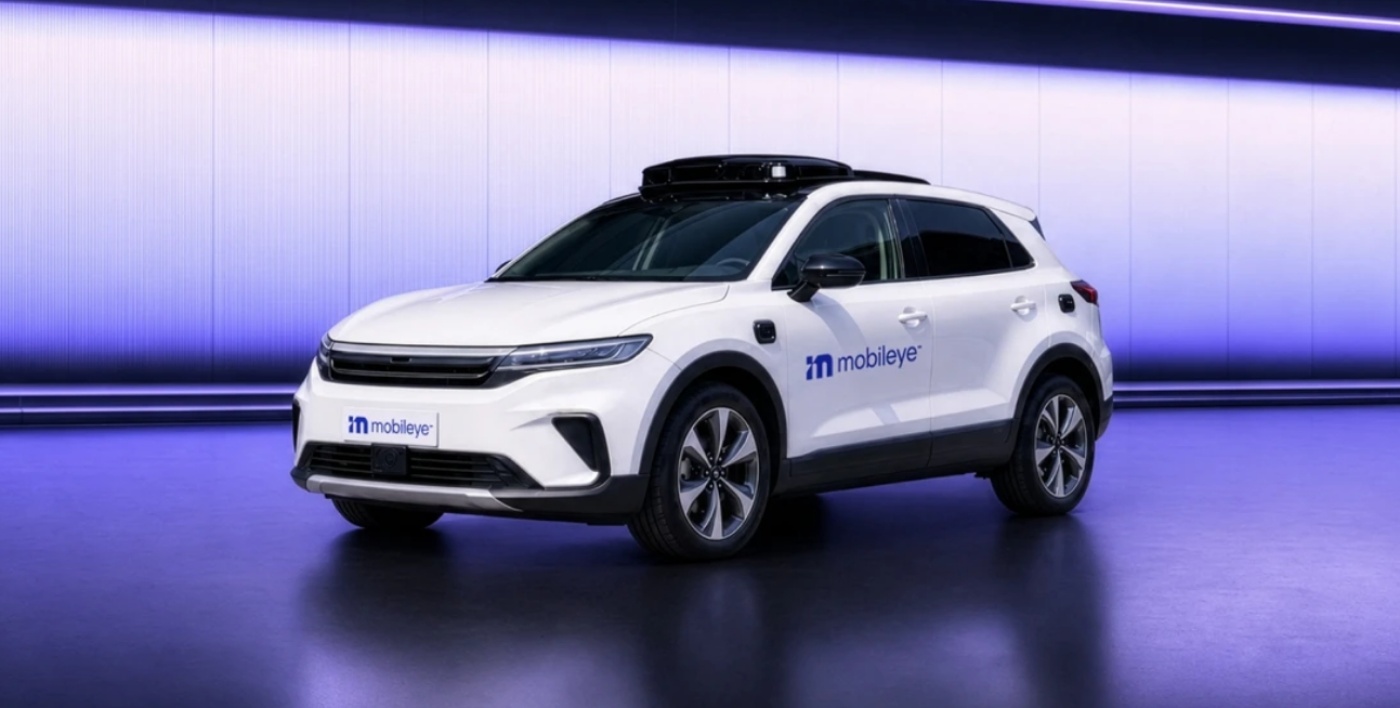
The Israeli autonomous driving specialist Mobileye aims to launch its own robotaxi services in a major US city in 2027. This marks an expansion of its existing business model as a technology provider into direct fleet operations. The company is combining its Mobileye Drive autonomous driving platform with the mobility and fleet management solutions of its subsidiary, Moovit.
The launch will feature an initial fleet of around 100 fully driverless robotaxis. Within the next five years, the service is projected to grow to approximately 17,000 vehicles. Through this initiative, Mobileye aims to cover the entire value chain—from autonomous driving technology and fleet management to teleoperation solutions and rider services.
Operating its own fleet is intended to complement existing partnerships with automakers and mobility providers while delivering additional real-world experience. The technological foundation is Mobileye Drive, which relies on computer vision, mapping, sensor technology, and autonomous driving. According to the company, more than 230 million vehicles worldwide have already been equipped with Mobileye technology.
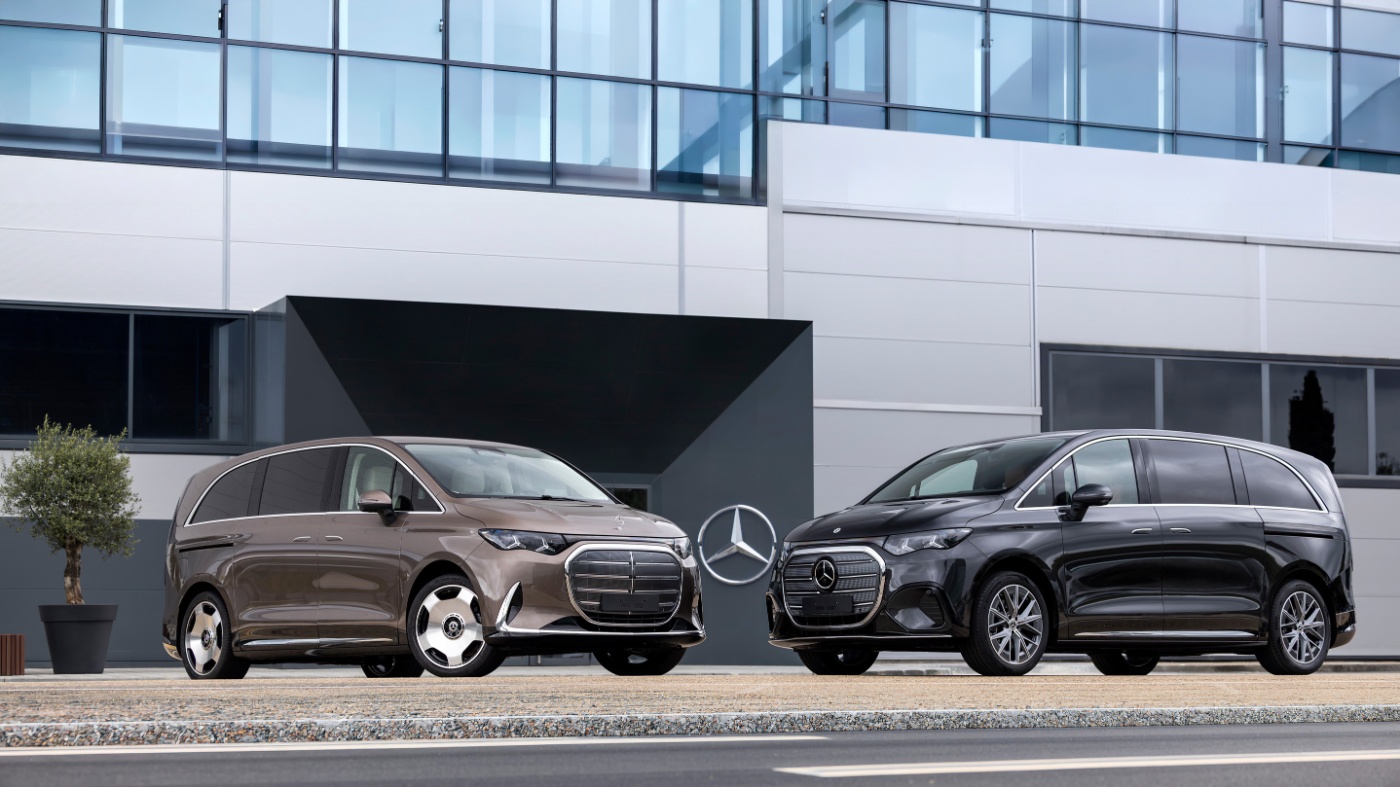
Mercedes-Benz Vans has launched series production of the all-electric Mercedes-Benz VLE at its Vitoria plant in Spain. The model is the first production vehicle based on the new modular van architecture from Mercedes-Benz and will serve as the future technological foundation for the brand's van portfolio. By the end of the year, the Fuzhou plant in China is also scheduled to begin production for its local market.
Designed as a "Grand Limousine," the VLE combines the comfort of a sedan with the flexibility of a multi-purpose vehicle (MPV), offering space for up to eight people. Thanks to its new 800-volt architecture, the vehicle is expected to achieve ranges of over 700 kilometers (approx. 435 miles) and support ultra-fast charging.
Additionally, the new Mercedes-Benz Operating System (MB.OS) is making its debut, managing driver assistance systems, infotainment, and vehicle functions in one place. With the production launch, Mercedes-Benz Vans highlights the successful transformation of the Vitoria site into a key hub for the brand's electric mobility.
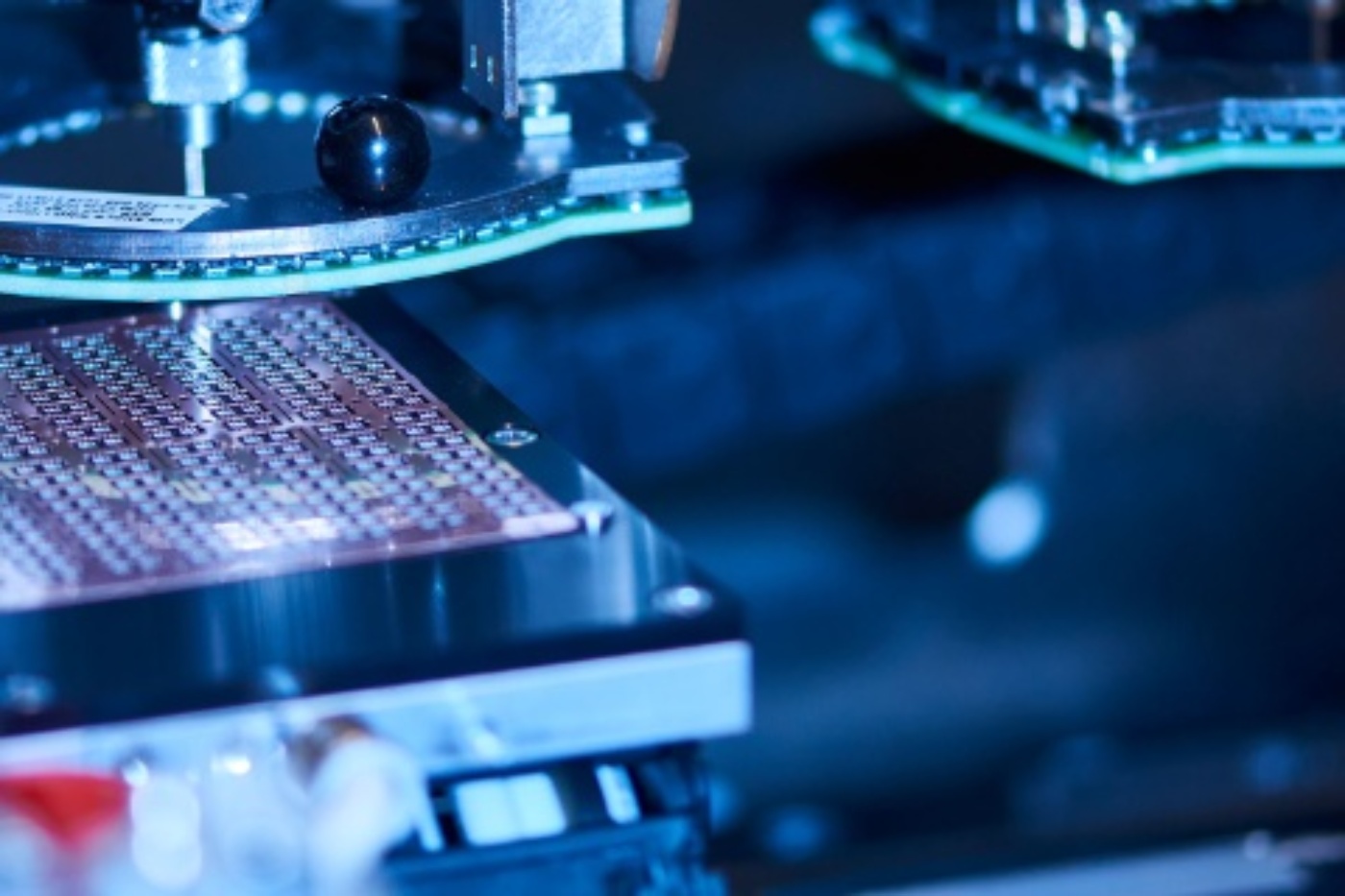
Engineering service provider IAV and semiconductor manufacturer Nexperia are collaborating on a new high-voltage architecture for electric vehicles. At the center of the project is the "ONE Inverter" concept, which aims to optimize the use of available battery capacity and increase electric vehicle efficiency by managing individual battery segments independently.
The approach is built on a software-defined system architecture developed by IAV that dynamically controls battery cells based on their respective status, consolidating several previously separate power electronics functions into a single system. This integration is designed to improve energy utilization, range, and overall system robustness.
The concept is made possible by Nexperia's wide-bandgap semiconductor technologies, including bidirectional gallium nitride (GaN) and silicon carbide (SiC) devices, which enable exceptionally fast and efficient switching at the cell level. The partners view this as a significant step toward software-defined vehicle architectures with enhanced energy efficiency and longer battery life. A shared laboratory demonstrator has already proven the technical feasibility of the concept.