






Mobility
Mobileye Enters the Robotaxi Business, Plans to Launch Its Own Autonomous Fleet
Image: (c) Mobileeye
Mobileye, the Israel-based autonomous driving specialist, plans to expand its horizon by not only supplying technology for robotaxis but also operating its own autonomous mobility services. The company announced the establishment of a vertically integrated robotaxi business, set to launch in a major U.S. city in 2027. This move expands Mobileye's existing business model as a technology partner for automakers and mobility providers into the direct operation of autonomous fleets.
Mobileye, the Israel-based autonomous driving specialist, plans to expand its horizon by not only supplying technology for robotaxis but also operating its own autonomous mobility services. The company announced the establishment of a vertically integrated robotaxi business, set to launch in a major U.S. city in 2027. This move expands Mobileye's existing business model as a technology partner for automakers and mobility providers into the direct operation of autonomous fleets.
At the core of the new offering is the combination of the Mobileye Drive autonomous driving platform with the mobility and fleet management solutions from its subsidiary, Moovit. The company aims to cover the entire value chain—from autonomous driving technology and fleet management to teleoperations solutions, passenger services, and trip planning.
For the market launch, Mobileye plans to deploy a fleet of around 100 robotaxis. The vehicles are expected to operate under fully driverless conditions right from the start. Following a successful trial phase, the company intends to significantly expand the service, scaling up to roughly 17,000 vehicles within five years.
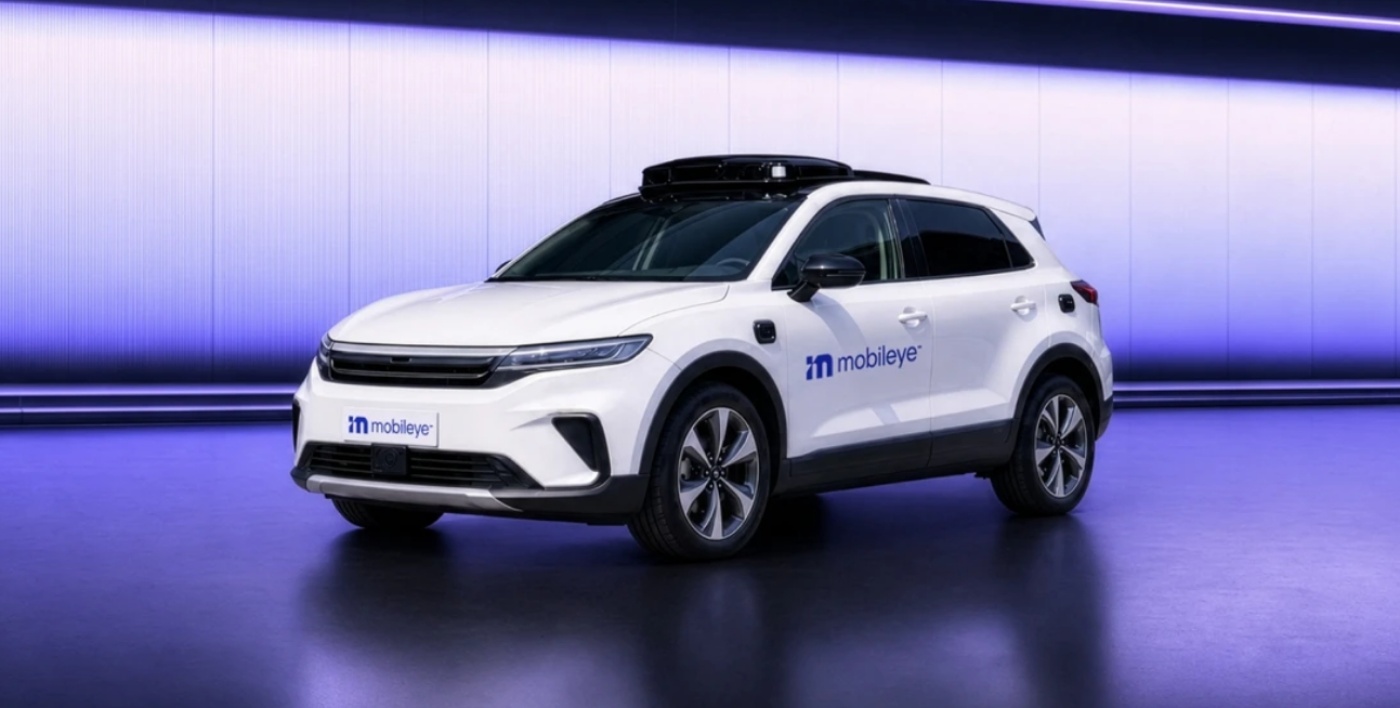
Mobileye emphasizes that entering the robotaxi operation market does not represent a shift away from its current business model. Instead, the new business segment is intended to complement existing partnerships with automakers and mobility providers. By operating its own fleet, the company aims to gain additional real-world experience, accelerate the adoption of autonomous mobility, and demonstrate the capabilities of its technology under real-world conditions.
The technological foundation is Mobileye Drive, which builds on more than 25 years of experience in computer vision, mapping, sensor technology, and autonomous driving. According to the company, more than 230 million vehicles worldwide have already been equipped with Mobileye technology.