








IAA MOBILITY Weekly
Mobility Highlights of the Week 14, 2026
Škoda, Cupra, Renault Group, REDSEL, NASA
- IAA MOBILITY Weekly
- 14/2026

Škoda offers a first look at the Škoda Peaq, the Cupra Tavascan receives a facelift, Renault Group expands AutoLOOP, the REDSEL research project aims to make electric vehicles safer and more reliable, and the NASA-led Artemis II mission has launched—marking the first manned journey toward the Moon in 55 years. These are the top stories for Week 14 of 2026.
Škoda offers a first look at the Škoda Peaq, the Cupra Tavascan receives a facelift, Renault Group expands AutoLOOP, the REDSEL research project aims to make electric vehicles safer and more reliable, and the NASA-led Artemis II mission has launched—marking the first manned journey toward the Moon in 55 years. These are the top stories for Week 14 of 2026.
- 1. Škoda Provides First Glimpse of the Škoda Peaq
- 2. Cupra Tavascan Receives Facelift
- 3. Renault Group Expands AutoLOOP: Platform Integrates EV Batteries into Recycling Circle
- 4. REDSEL: Research Project to Make Electric Vehicles Safer and More Reliable
- 5. Artemis II Launches to the Moon: German and European Technology on Board
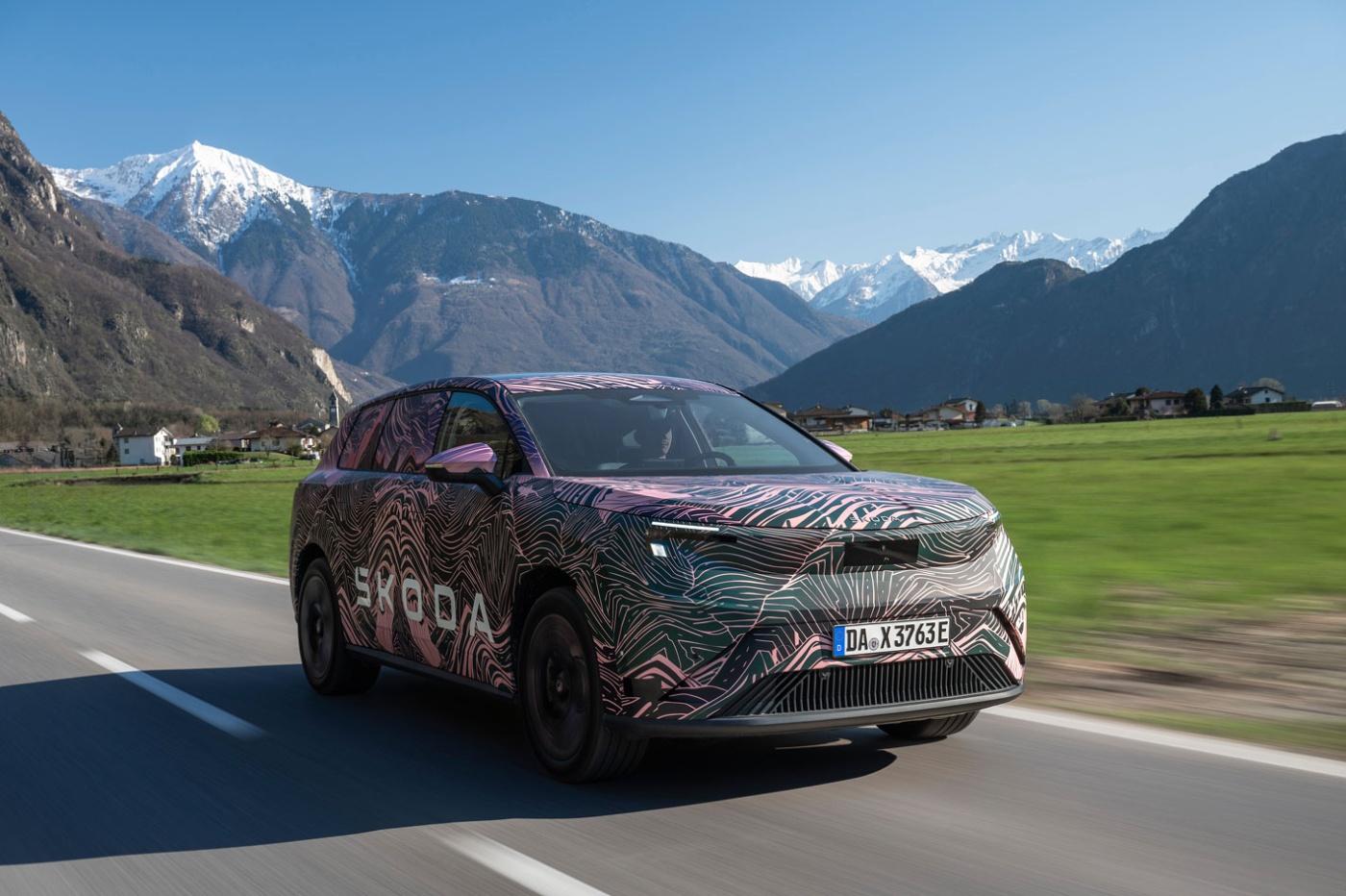
Škoda has previewed its new electric flagship, the Škoda Peaq, which is set to launch in mid-2026 based on the Vision 7S concept study.
The SUV, measuring up to 16 feet (4.9 meters) in length, offers five or seven seats, a range of over 370 miles (600 km), and a trunk capacity of up to 35.7 cubic feet (1,010 liters). Customers can choose from three powertrain variants (150–220 kW), with the top-of-the-line all-wheel-drive version accelerating from 0 to 62 mph (100 km/h) in 6.7 seconds.
Technically, Škoda focuses on fast charging (10–80% in approximately 28 minutes), Android-based infotainment with a large central display, an optional AR head-up display, and Vehicle-to-Load functionality. Aerodynamic details such as flush door handles and an electrochromic panoramic roof emphasize the focus on efficiency and comfort.
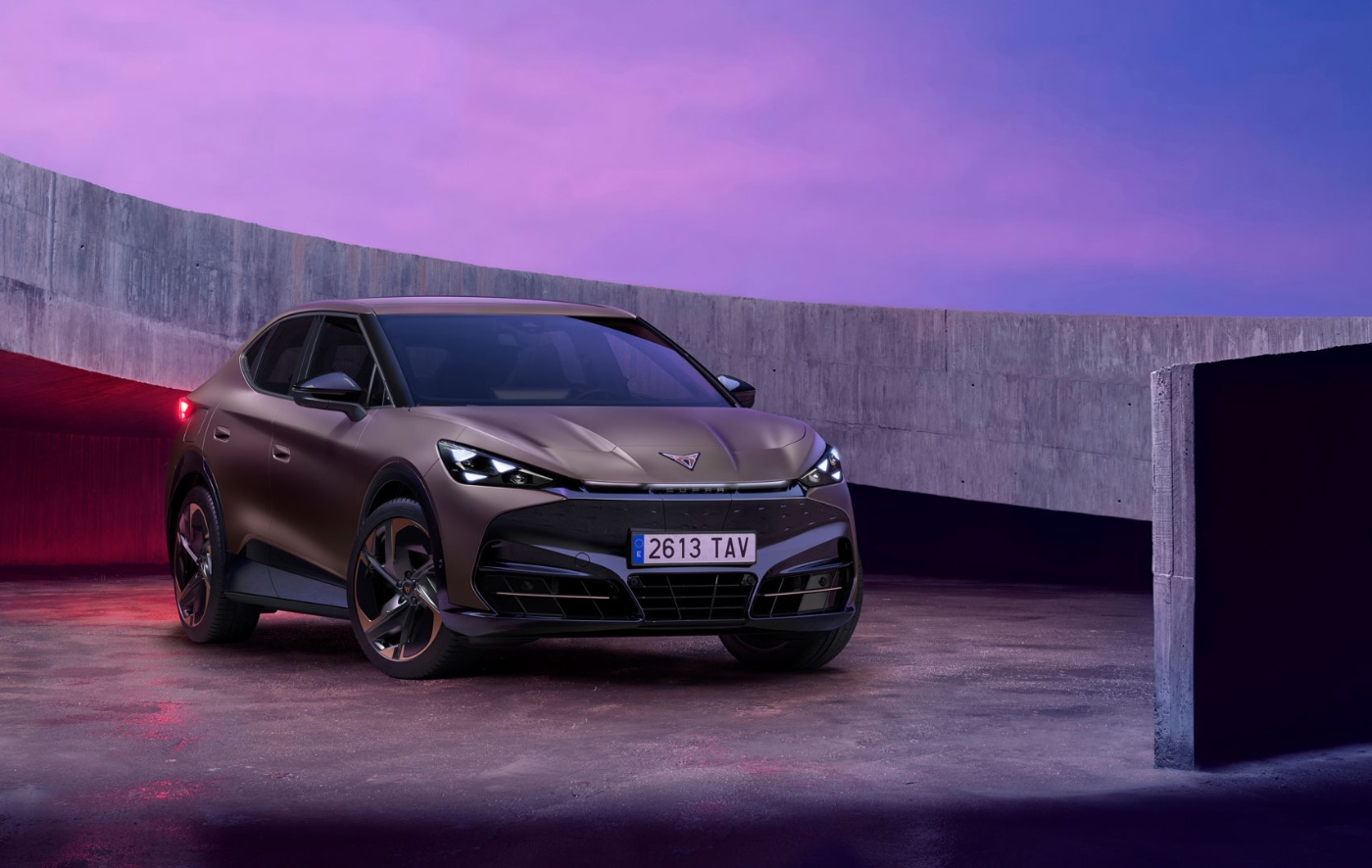
CUPRA is refreshing its electric SUV-coupe, the CUPRA Tavascan, expanding the lineup with a new entry-level version and a comprehensive digital upgrade.
The new base variant features a 140 kW drive with a 58 kWh LFP battery, offering a range of about 270 miles (435 km) and fast charging from 10% to 80% in roughly 26 minutes. The goal is to provide a more attractive entry-level price point while maintaining the brand's sporty appeal.
Meanwhile, the existing portfolio of higher-performance variants (up to 250 kW, 77 kWh) remains. The facelift is based on the continued evolution of the MEB platform. Inside, Cupra focuses on increased digitalization and better usability: a larger cockpit, Android-based infotainment, physical steering wheel buttons, and features like one-pedal driving ensure a more modern user experience.
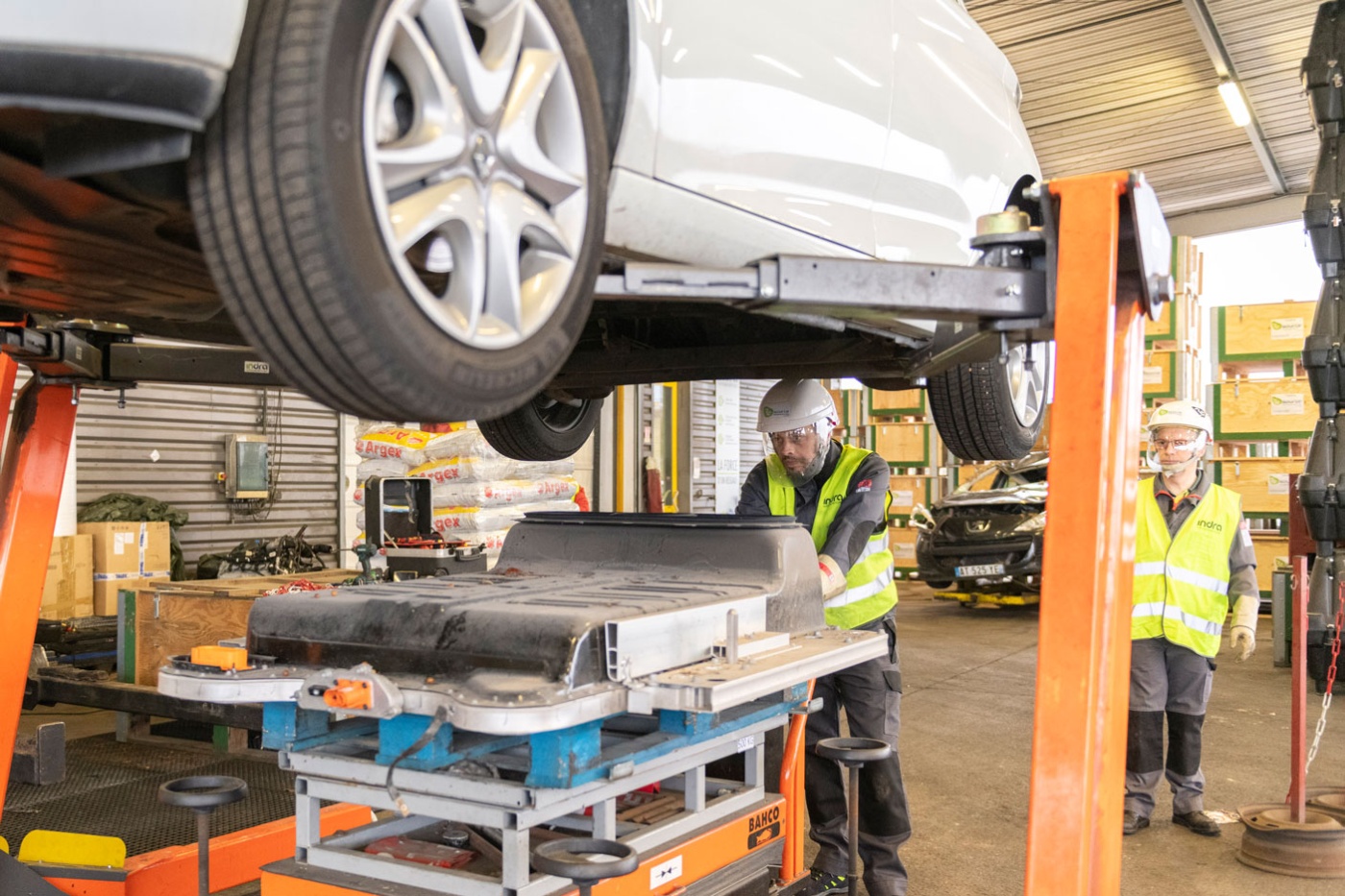
The Renault Group is expanding its AutoLOOP recycling platform, specifically integrating EV batteries into the circular economy for the first time. Developed by the subsidiary The Future is NEUTRAL, the platform is intended to become the central solution for recycling entire vehicles.
The focus is on recovering strategic raw materials such as lithium, cobalt, and nickel to reduce dependence on primary materials. The process is fully digitally controlled—from logging and dismantling to material recovery—and allows for end-to-end traceability. With this expansion, Renault is also responding to new EU producer responsibility mandates, positioning AutoLOOP as a scalable solution for efficient battery recycling.
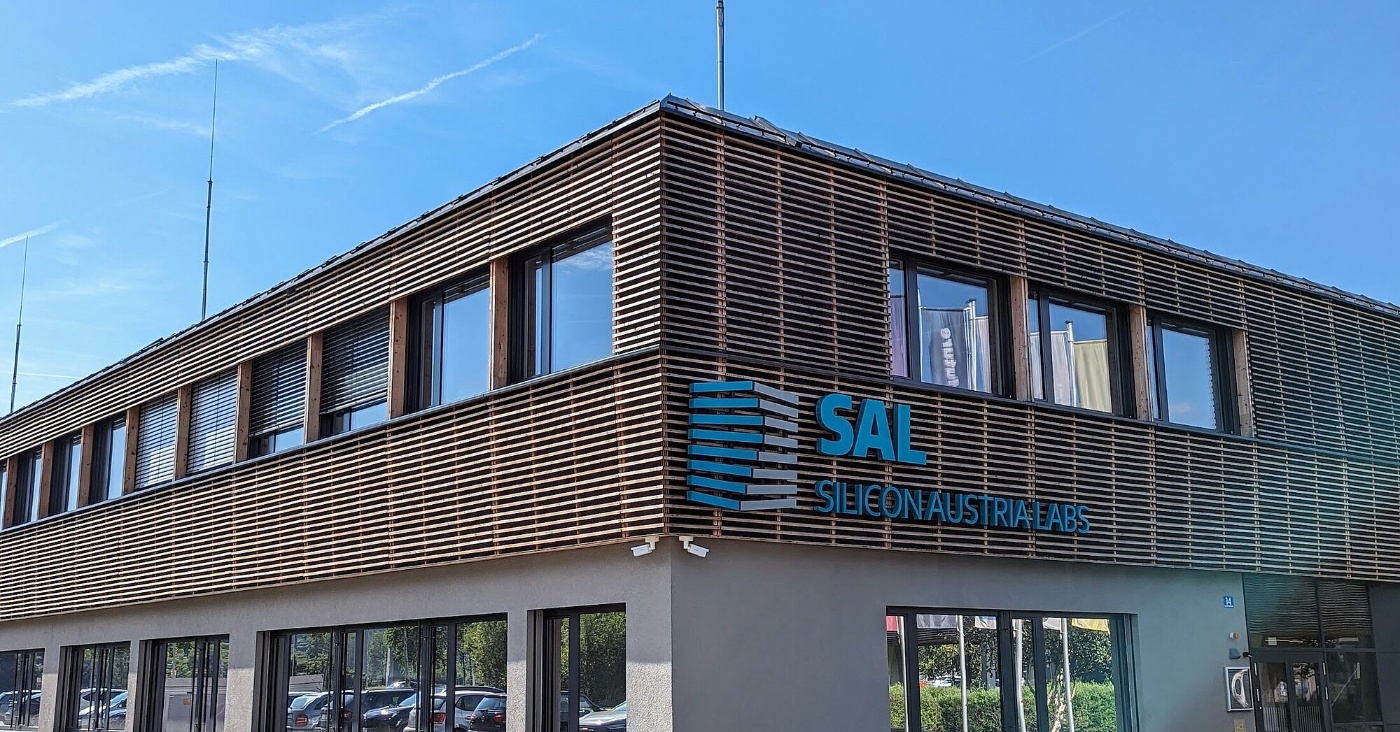
The Austrian research project REDSEL, led by Silicon Austria Labs, is developing new onboard power architectures for electric vehicles designed to significantly increase safety, efficiency, and reliability.
The core is a closely integrated high- and low-voltage architecture that could eventually replace the traditional 12-volt battery. A redundant energy supply with two high-voltage batteries and intelligent load distribution increases fail-safety.
Technologically, REDSEL relies on modern semiconductors such as SiC MOSFETs and electronic switches instead of mechanical relays, improving both efficiency and performance. A system demonstrator has already confirmed the practical viability of the new architecture.
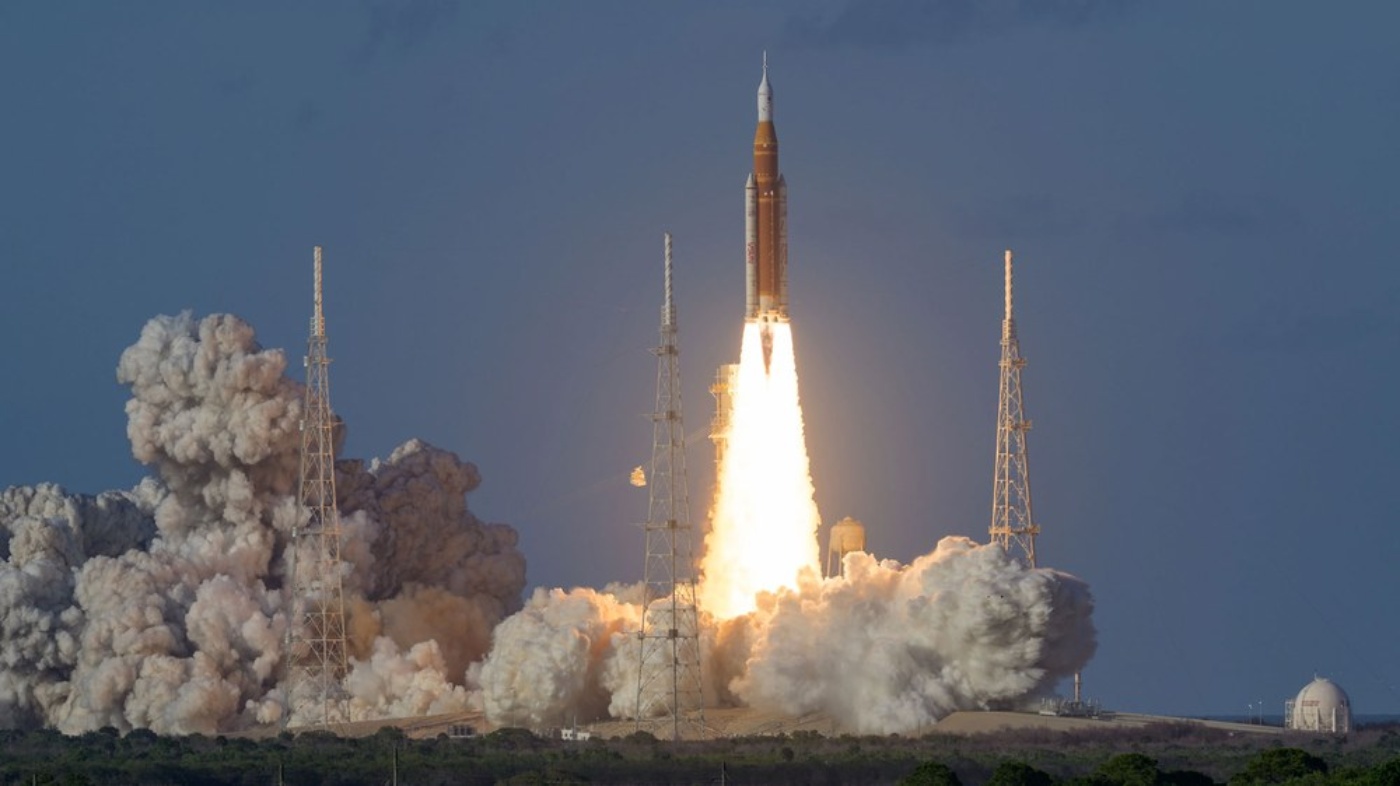
With the Artemis II mission, a manned journey to the Moon has launched for the first time in 55 years. The NASA-led mission carries four astronauts aboard the Orion spacecraft on a ten-day lunar orbit and serves as a pivotal test for future landings.
Europe and Germany play a key role: the European Service Module (ESM), developed under the leadership of Airbus Defence and Space, powers the capsule and marks the first time humans have traveled into space using European technology. Additionally, DLR radiation detectors are measuring space exposure, while German CubeSats and sensor systems test navigation and new technologies for future lunar missions. The mission is considered a major step toward a permanent human presence on the Moon.