

Technology
Renault Expands AutoLOOP: Platform Integrates EV Batteries into Circular Economy
Image: (c) Renault Group
The Renault Group is doubling down on its circular economy strategy by expanding its digital recycling platform, AutoLOOP. Developed by its subsidiary, The Future is NEUTRAL, the platform will now be used for the collection and recovery of traction batteries from electric vehicles.
The Renault Group is doubling down on its circular economy strategy by expanding its digital recycling platform, AutoLOOP. Developed by its subsidiary, The Future is NEUTRAL, the platform will now be used for the collection and recovery of traction batteries from electric vehicles.
AutoLOOP Becomes the Central Hub for Vehicle and Battery Recycling
In operation since early 2025, AutoLOOP was originally designed to manage the collection and recycling of traditional automotive materials such as aluminum, copper, and plastics.
With the addition of EV batteries, the platform is evolving into a comprehensive solution for recycling entire vehicles and their key components. The goal is to manage all relevant material streams—from base metals to complex battery systems—through a single, unified digital system.
Focus on Strategic Raw Materials: Lithium, Cobalt, and Nickel
The core of this new functionality is the recovery of critical battery raw materials. Traction batteries contain valuable elements like lithium, cobalt, and nickel, which are essential for manufacturing new batteries.
By recycling these components, Renault aims to feed these raw materials back into the production cycle. This marks a significant step toward reducing dependence on primary raw materials and stabilizing global supply chains.
Digital Processes Ensure Transparency and Efficiency
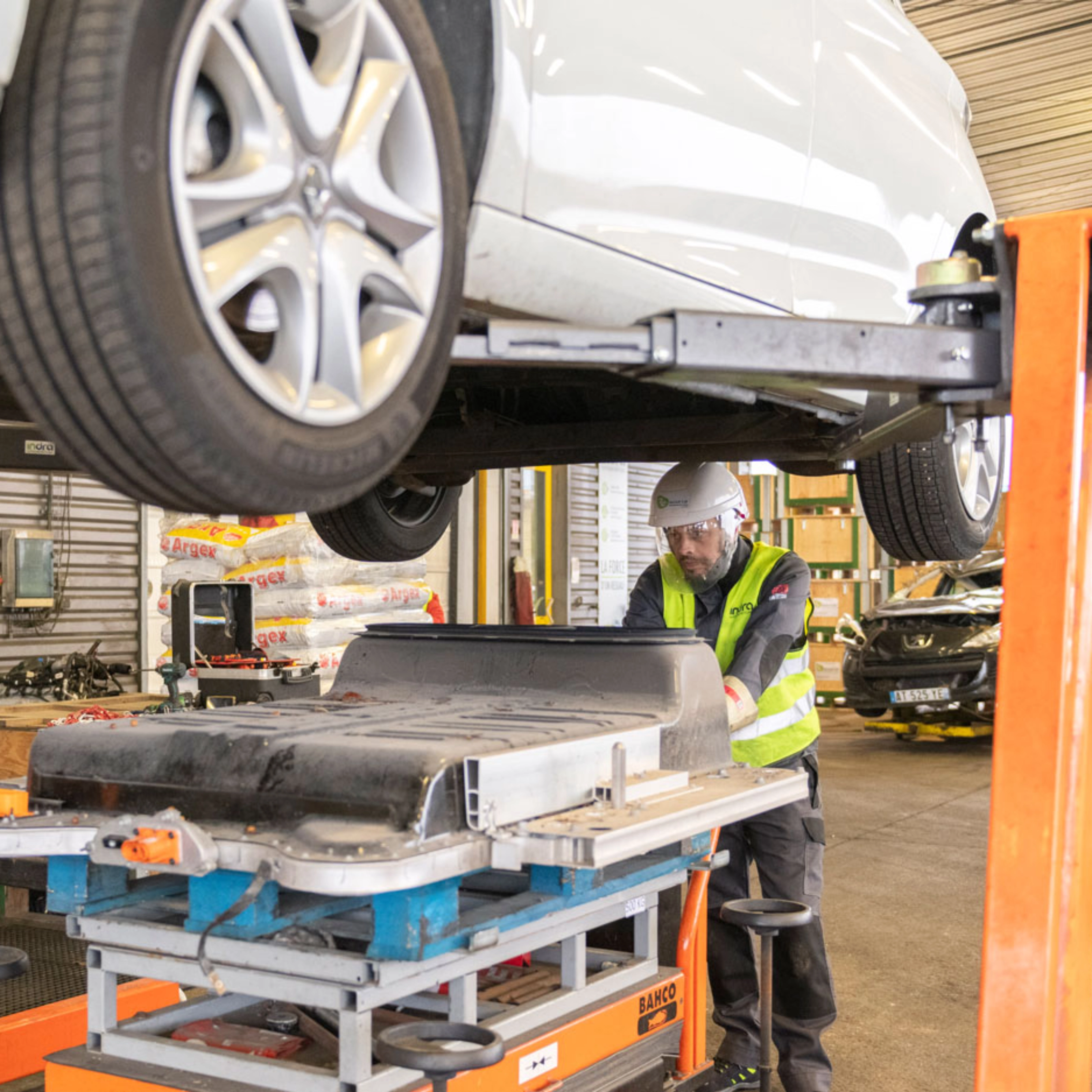
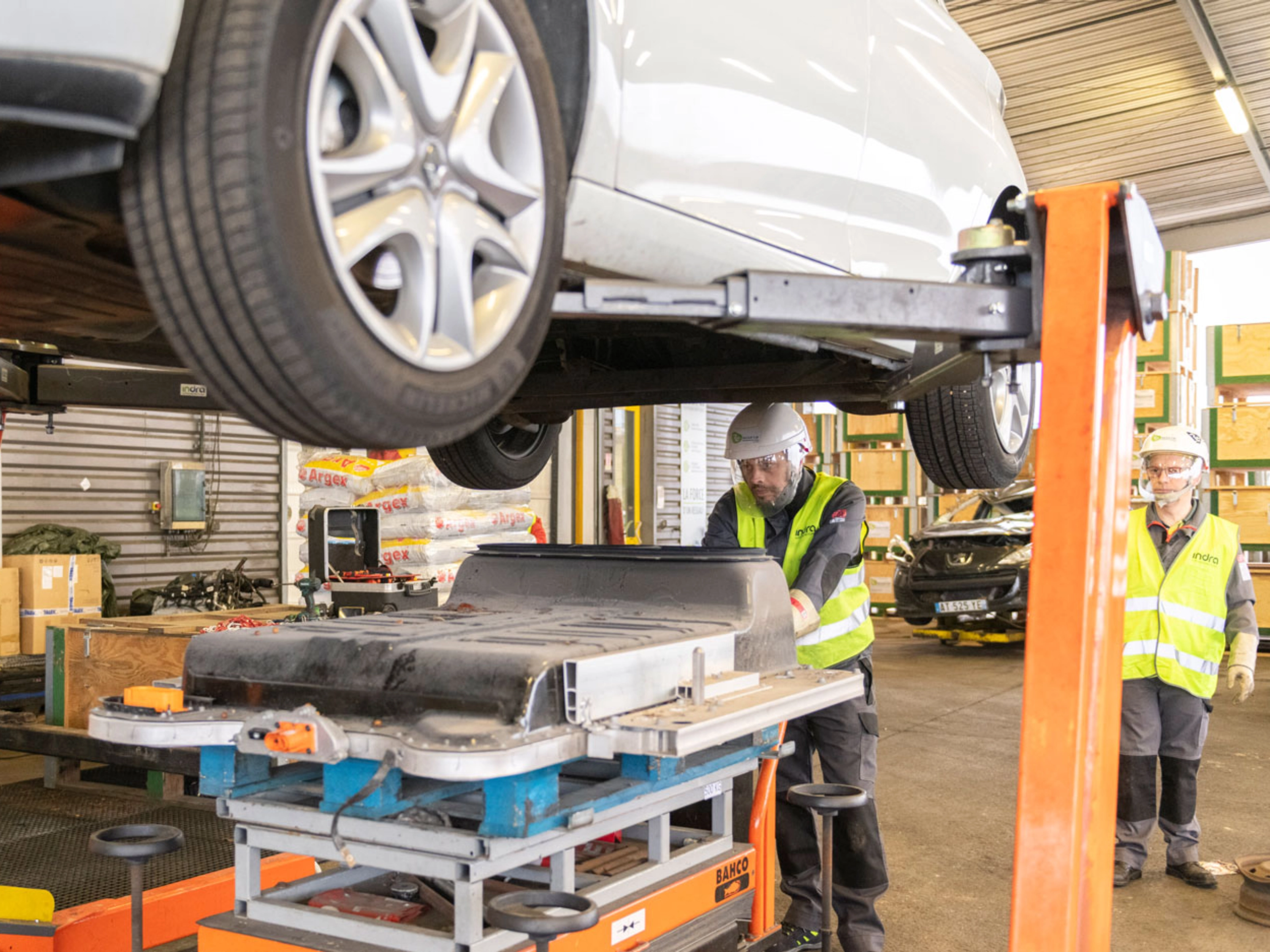
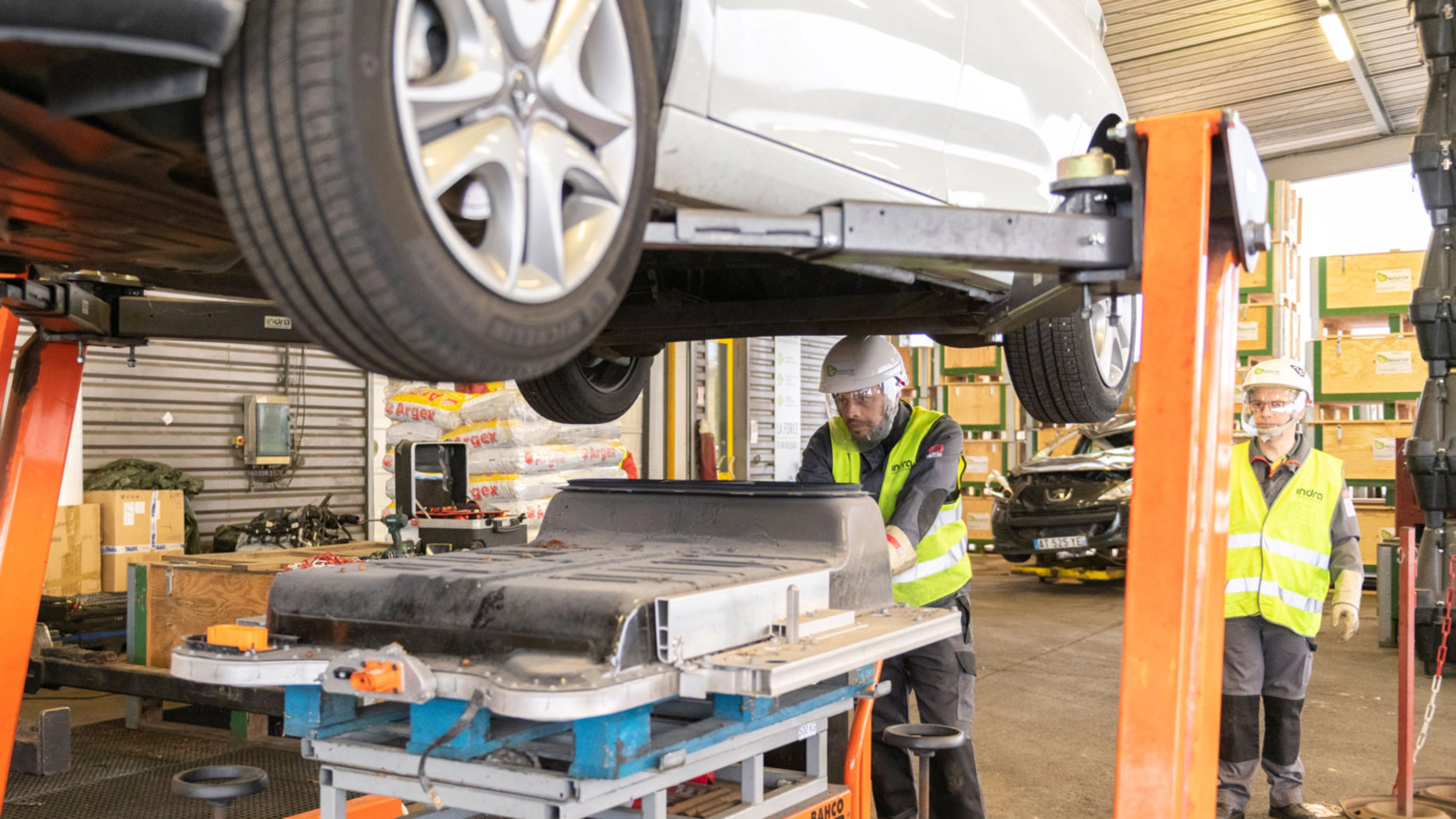
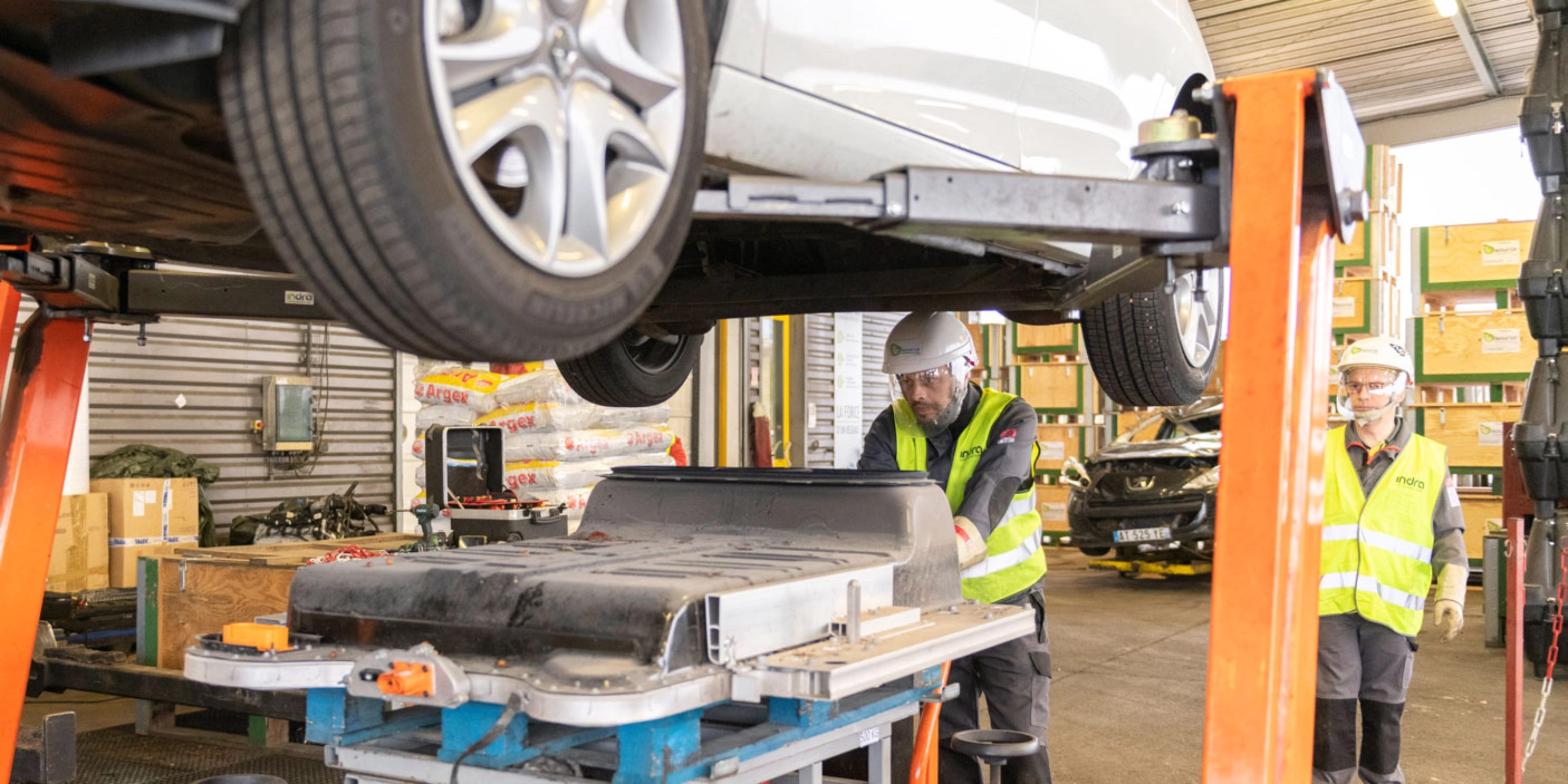
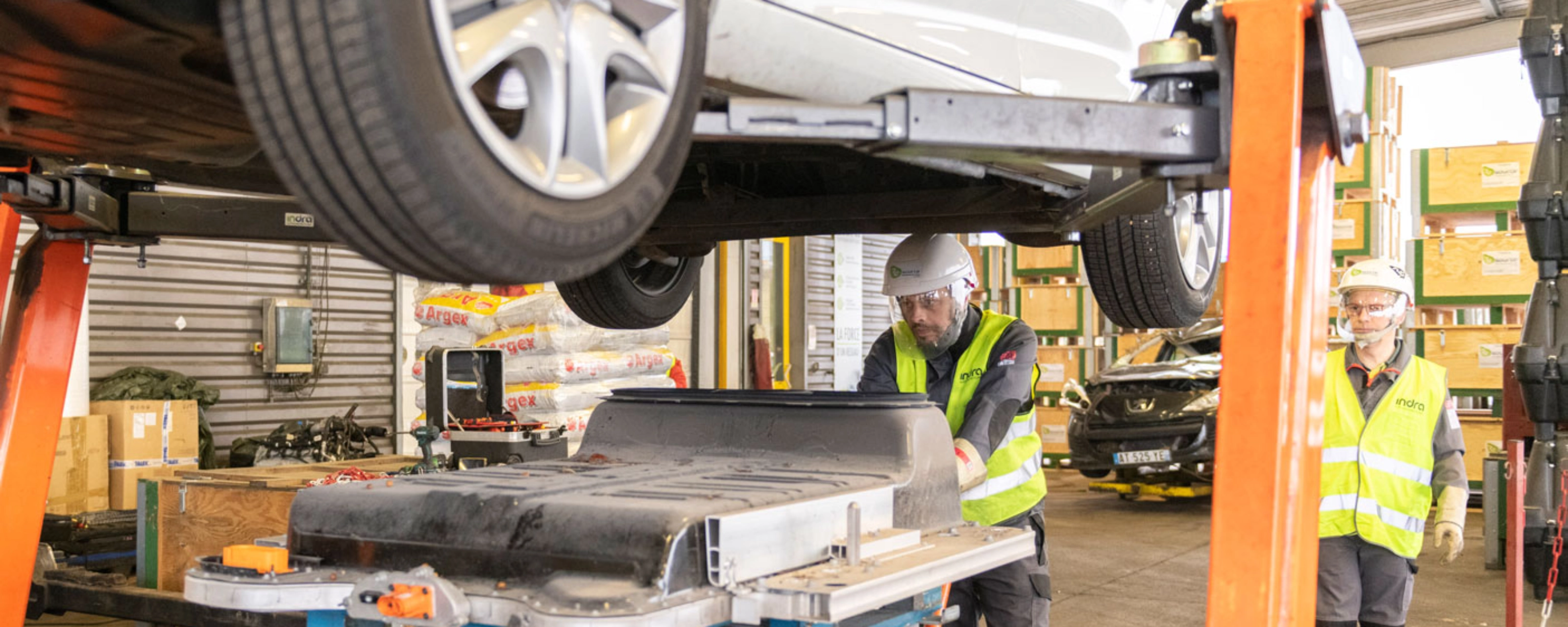
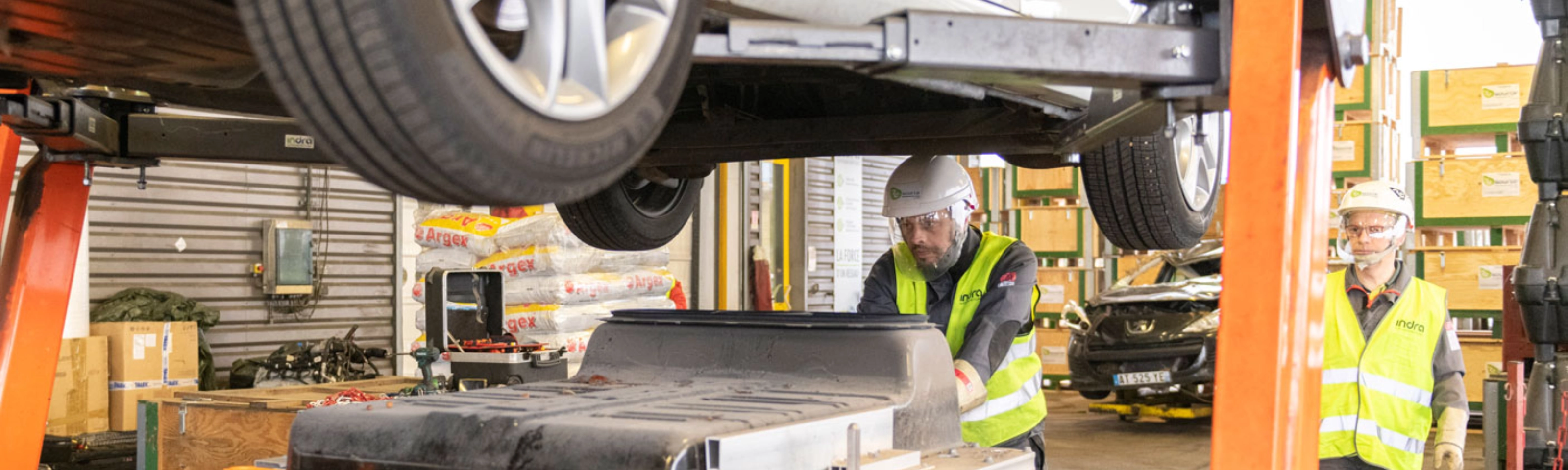
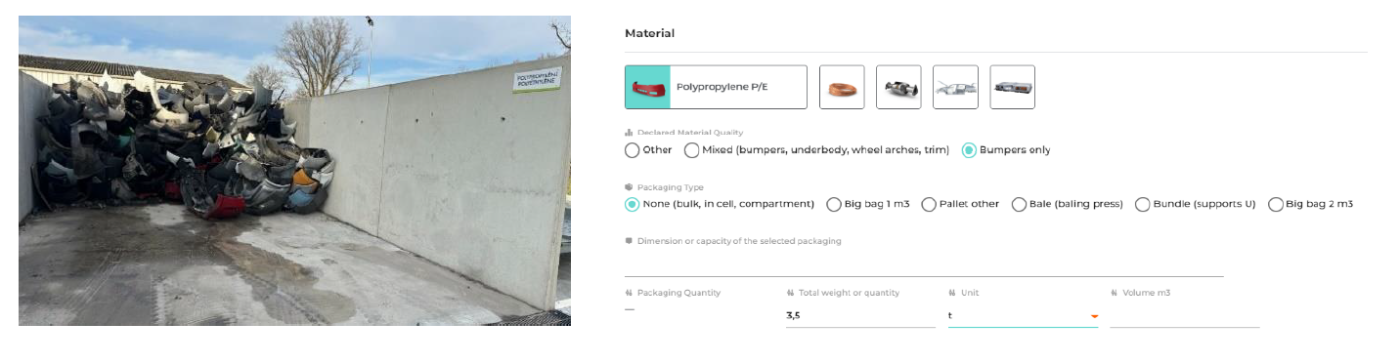
The platform digitizes the entire lifecycle: End-of-life vehicle (ELV) centers log the vehicles, professionally dismantle them, and register batteries and other materials for pickup.
The batteries are then transported to specialized facilities where they are discharged, disassembled, and recycled. A crucial element of this process is the end-to-end traceability of all materials involved.
Responding to New EU Extended Producer Responsibility Mandates
The expansion of AutoLOOP also comes in response to new regulatory requirements. Since August 2025, the EU’s Extended Producer Responsibility (EPR) regulation has mandated that automakers actively organize and fund the collection and recycling of batteries. AutoLOOP aims to provide a scalable solution that allows manufacturers to meet these obligations efficiently and in full compliance with the law.