


Technology
New Onboard Power Architectures: Research Project Makes Electric Vehicles Safer and More Reliable
Image: (c) DigitalLotsenAT
An Austrian research project is demonstrating how the electrical architecture of electric vehicles can be fundamentally redesigned. As part of the REDSEL project, Silicon Austria Labs and its industrial partners have developed new onboard power supply concepts aimed at increasing safety, efficiency, and reliability.
An Austrian research project is demonstrating how the electrical architecture of electric vehicles can be fundamentally redesigned. As part of the REDSEL project, Silicon Austria Labs and its industrial partners have developed new onboard power supply concepts aimed at increasing safety, efficiency, and reliability.
New Architecture Replaces Conventional Systems
At the heart of the project is an innovative power grid architecture that more closely integrates high-voltage and low-voltage systems. The goal is to create a flexible, fault-tolerant energy supply that remains stable even if individual components fail.
A key takeaway: In the long term, the traditional 12-volt battery could become obsolete, as power would be supplied directly from the high-voltage system.
Redundancy Ensures Higher Operational Safety
A central element is a redundant system architecture featuring active load balancing between two high-voltage batteries. This design is intended to distribute the load evenly and significantly increase fail-safety.
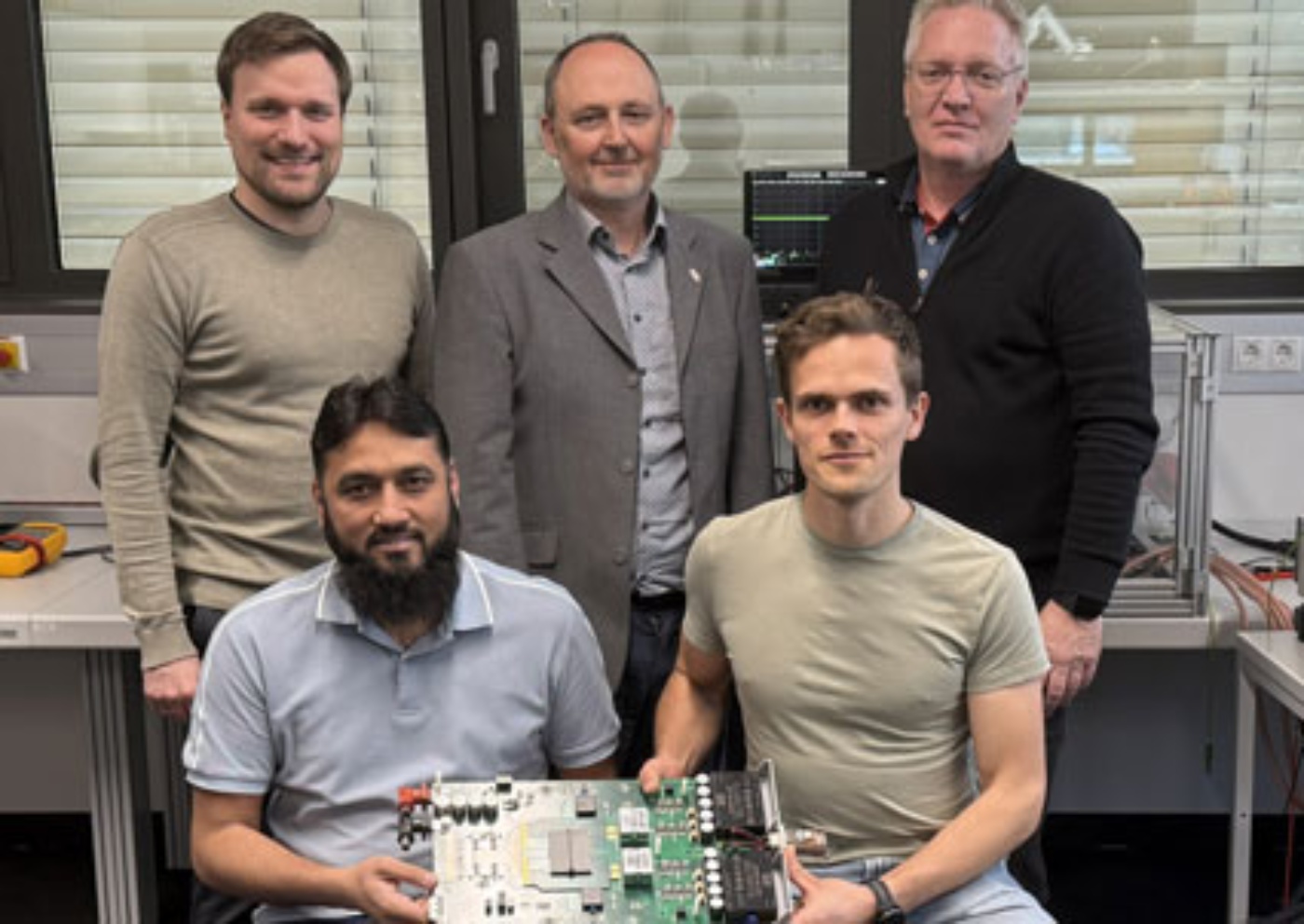
The concept is complemented by a newly developed multi-input power electronics converter, which is designed to be exceptionally compact and efficient.
Modern Semiconductors Boost Efficiency and Performance
Technologically, the project relies on advanced semiconductor solutions. The high-voltage section utilizes 750-volt Silicon Carbide (SiC) MOSFETs, while 30-volt power semiconductors are used in the low-voltage section for the first time.
This combination is expected to enable higher efficiency while simultaneously reducing energy losses within the system.
A further leap in innovation concerns the safety architecture: traditional mechanical relays are replaced by electronic semiconductor switches. These developed technologies were tested in a system demonstrator, proving that these new onboard power architectures are already scalable and viable for practical application.
The project spanned two years and is considered a major step toward a new generation of electric vehicle systems.