


Technology
NVIDIA Hyperion: Mercedes-Benz, Volkswagen, Volvo, and Bolt Advance Autonomous Driving
Image: (c) NVIDIA
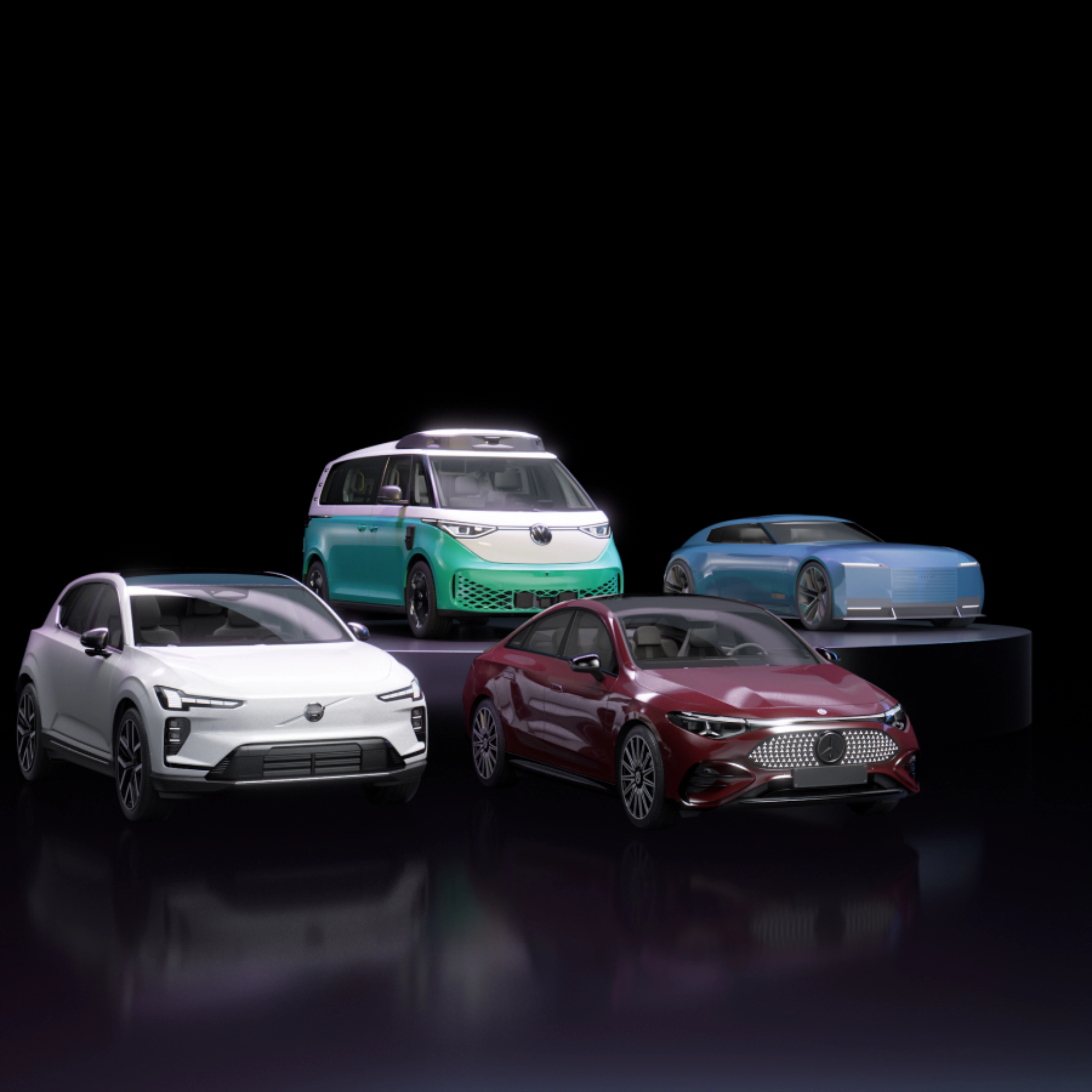
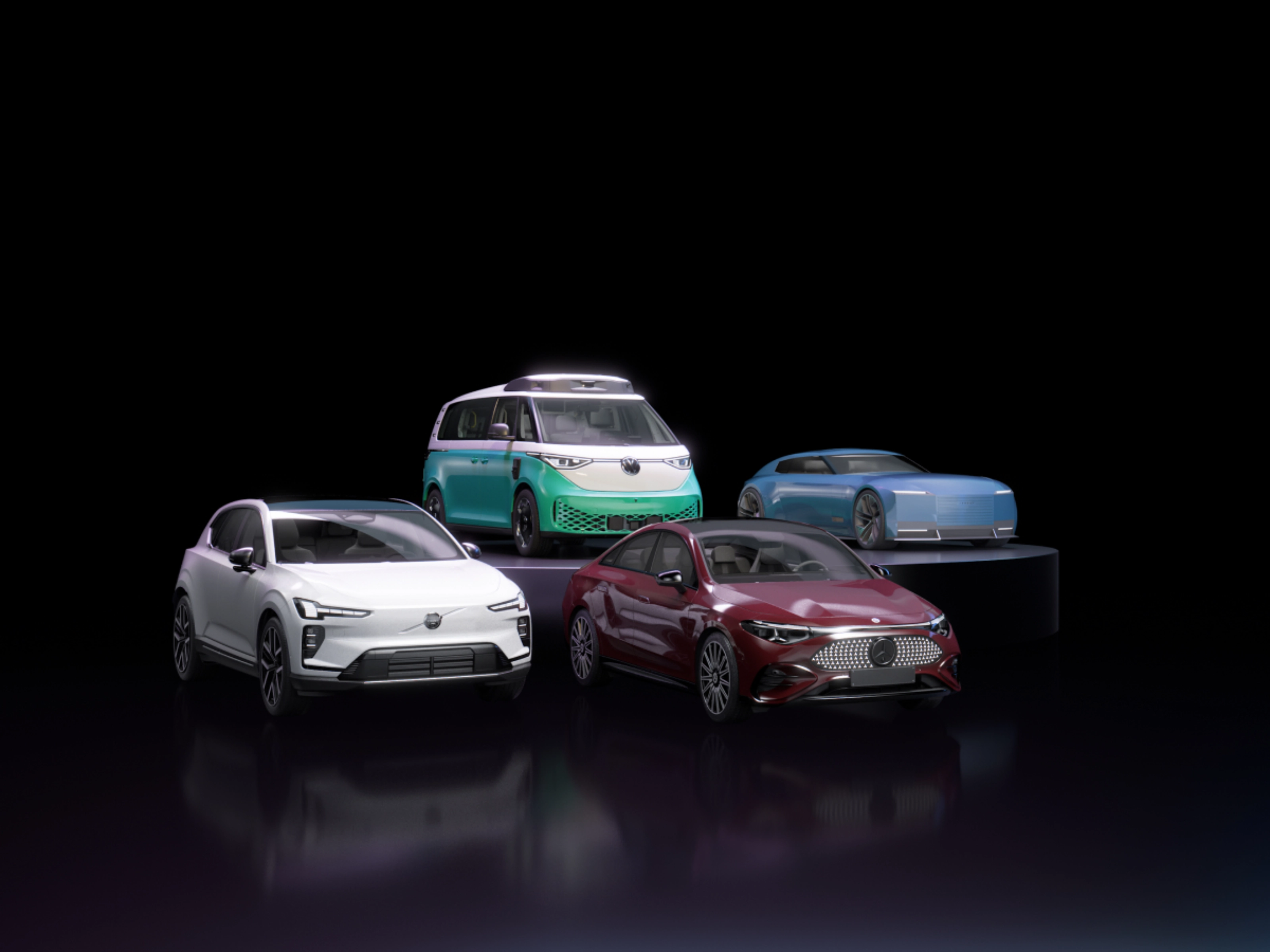
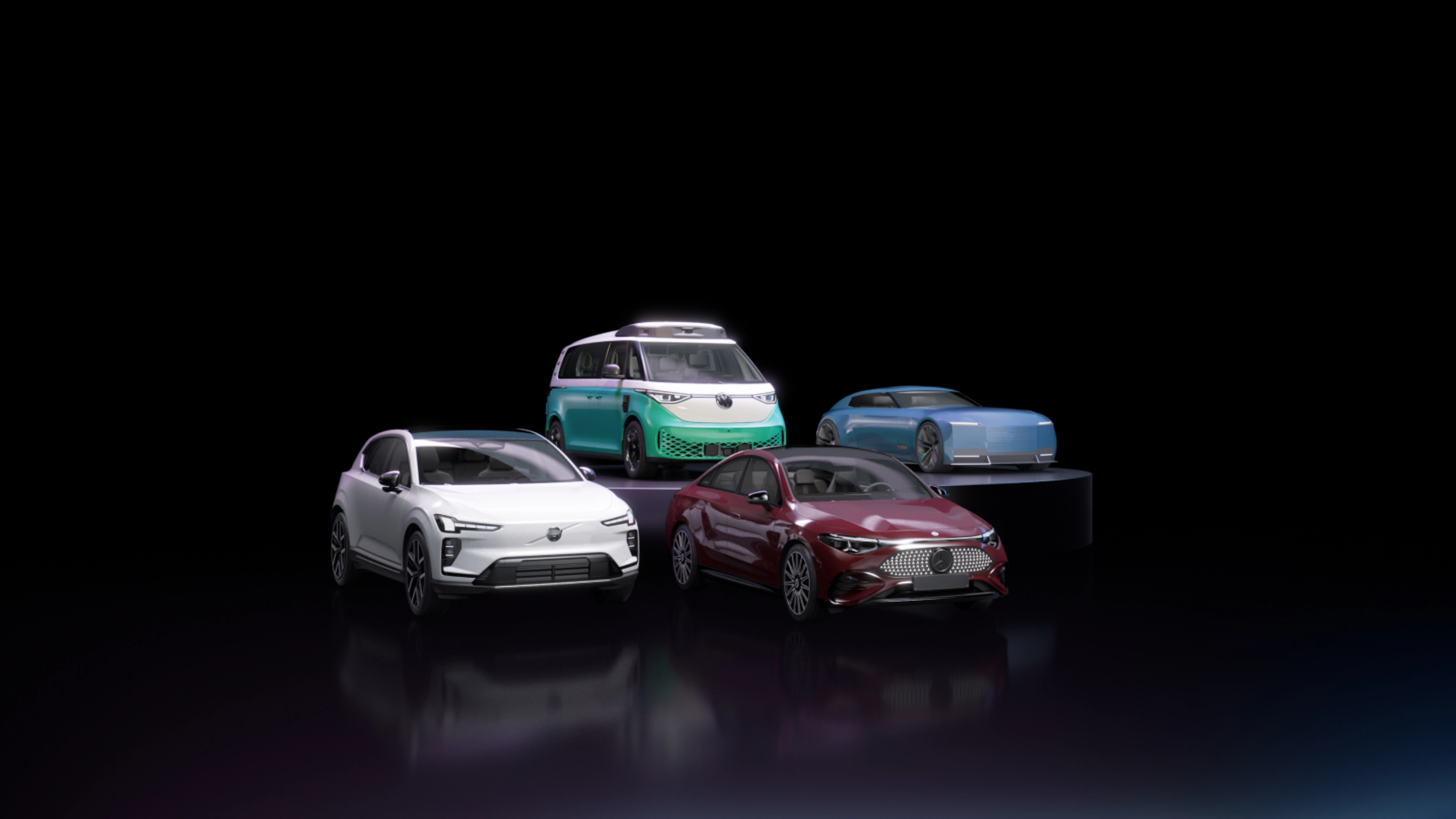
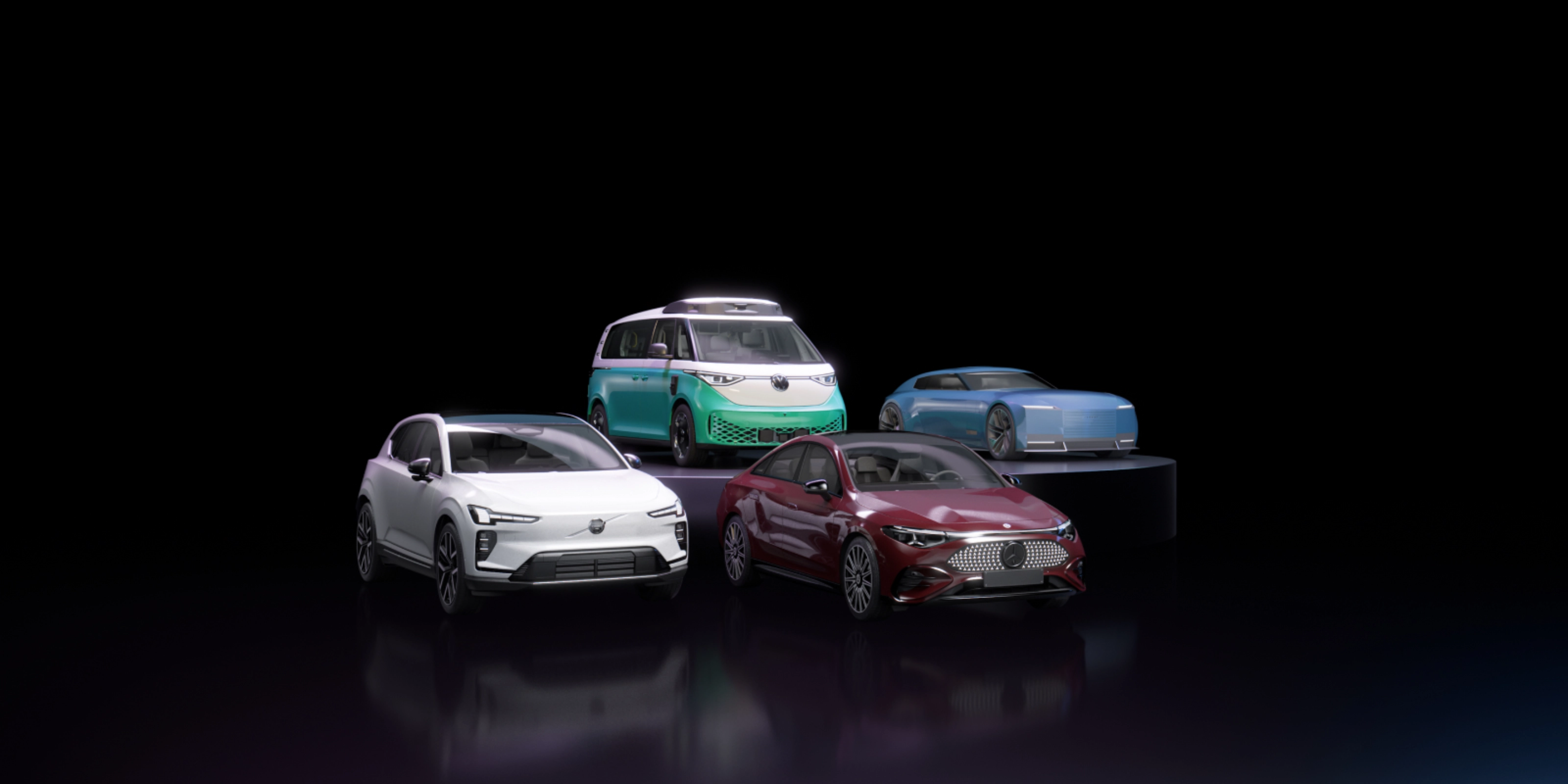
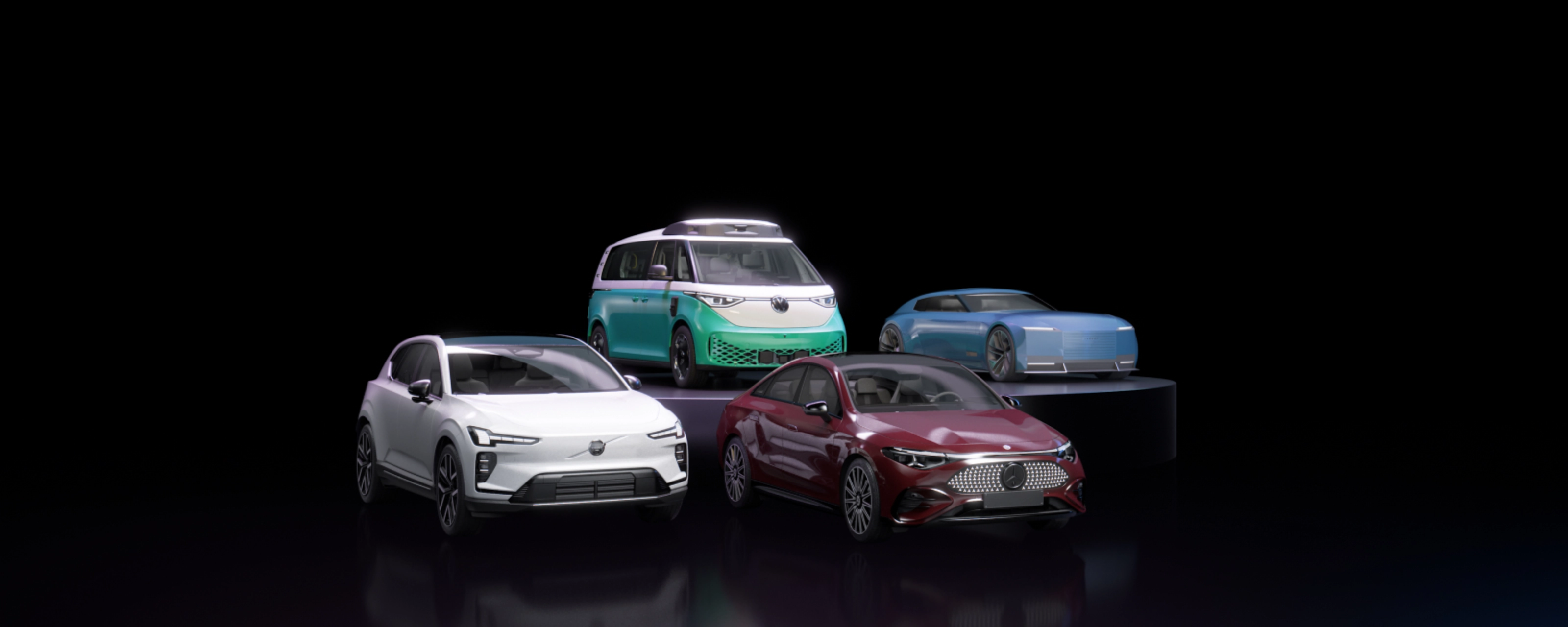
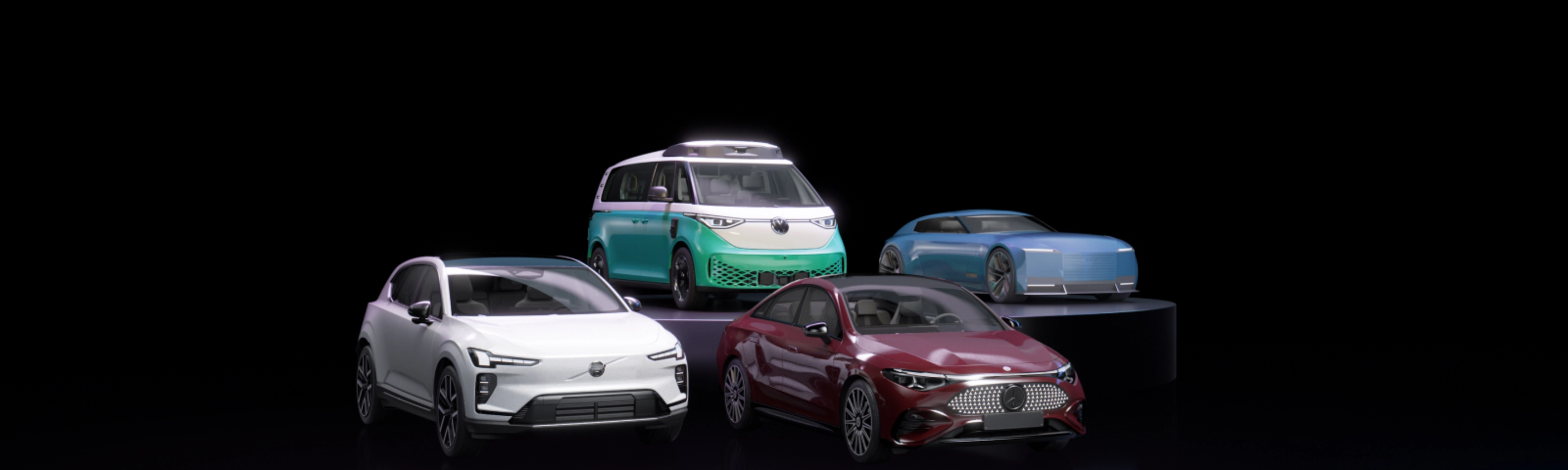
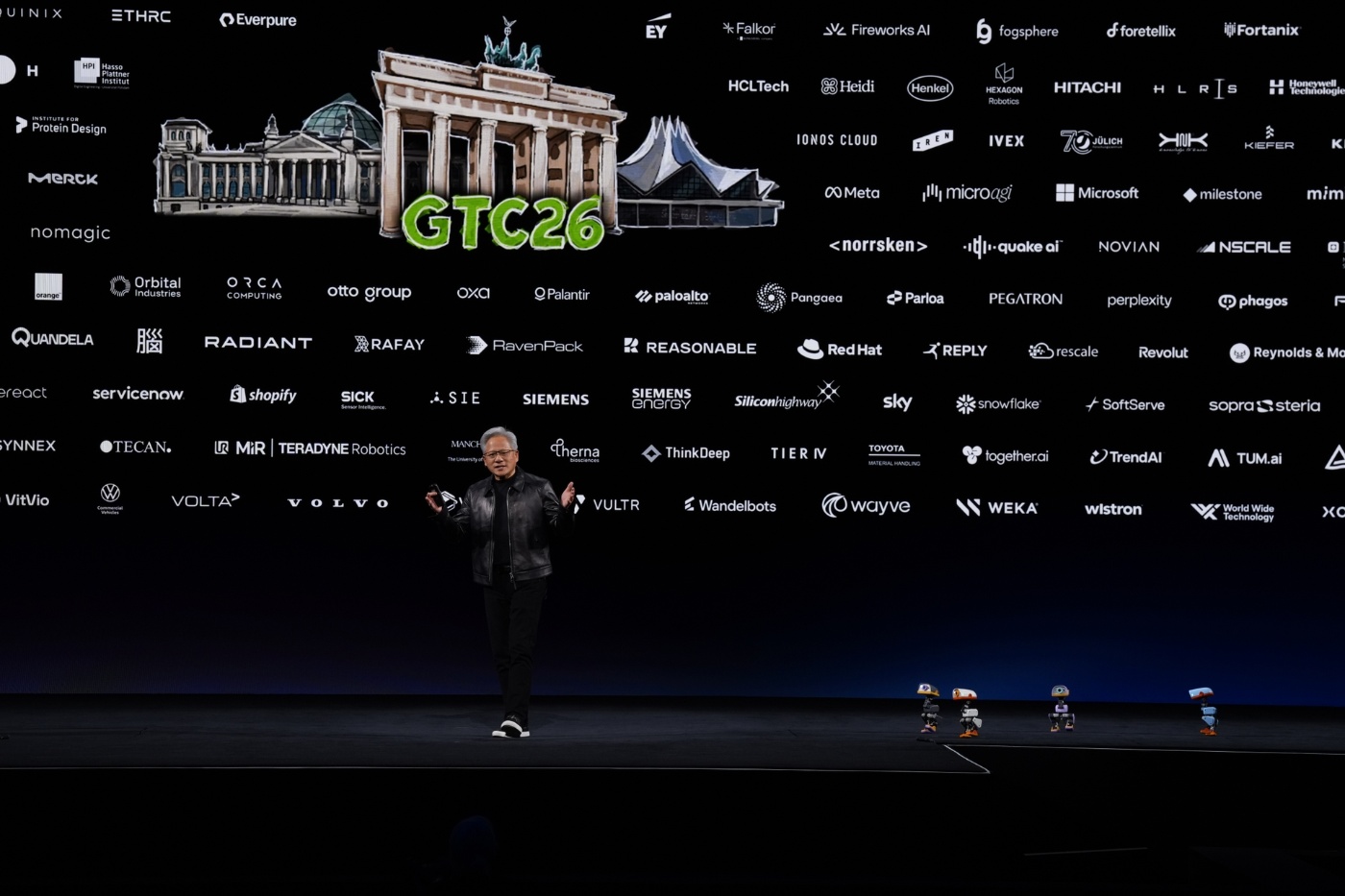
NVIDIA is expanding its collaboration with European automakers and mobility providers in autonomous driving. In Berlin, the US technology company presented new applications for its NVIDIA Hyperion platform. The platform provides a modular computing and sensor architecture that enables automakers to develop their own automated and autonomous driving systems.
The platform is designed to support different levels of driving automation, including Level 3 for highly automated driving and Level 4 for driverless operation within defined operational areas. In addition to the hardware, manufacturers will be able to use NVIDIA's Alpamayo Stack software platform or their own driving software. European companies planning to develop or demonstrate applications include Mercedes-Benz, Volkswagen Commercial Vehicles, and Volvo.
Another key focus is the development of autonomous robotaxi fleets. Mobility provider Bolt has selected NVIDIA Alpamayo Stack as the software foundation for its European robotaxi program.
The technology is initially expected to be deployed in future Lucid vehicles based on NVIDIA Hyperion. Bolt and NVIDIA plan to jointly adapt the software to European road conditions before integrating it into vehicles from other manufacturers.
Mercedes-Benz, Volkswagen, and Volvo Expand Their Collaboration
Mercedes-Benz also plans to expand its collaboration with NVIDIA on Hyperion and Alpamayo Stack to further develop Level 3 and Level 4 automated and autonomous driving capabilities.
The automaker also announced that MB.DRIVE ASSIST PRO, its driver assistance system developed jointly with NVIDIA, is expected to receive approval for urban point-to-point driving assistance in Germany soon.
Volkswagen Commercial Vehicles also showcased its autonomous ID. Buzz AD vehicle platform featuring NVIDIA Hyperion in Berlin. The shared computing and sensor architecture is intended to simplify the integration of different autonomous driving systems and support the development of mobility and transportation services.
Volvo Cars, meanwhile, plans to combine Hyperion, the Halos OS safety system, and Alpamayo Stack with its own vehicle and safety technologies. The goal is to develop future vehicles capable of navigating complex traffic situations autonomously.
Einride Adopts NVIDIA Technology for Autonomous Trucks
Swedish company Einride is also developing the next generation of its Einride Driver autonomous driving system based on the platform. In addition to Hyperion, the system will incorporate NVIDIA Halos, Alpamayo, and AI models from the Cosmos family.
Further applications are also planned for public transportation. Japanese company TIER IV and the Technical University of Munich intend to use NVIDIA Hyperion to develop and validate Level 4 autonomous driving systems for public transportation in Germany.
In addition, suppliers Aptiv, Valeo, and Schaeffler are developing Hyperion-based computing platforms that automakers will be able to integrate into autonomous vehicles and robotaxis.
NVIDIA Halos SAFE Aims to Simplify Safety Validation
Alongside the expansion of its partner network, NVIDIA introduced Halos SAFE, a new framework for evaluating the safety of autonomous vehicles.
The Safety Assurance Framework for Evaluation is designed to bring together different testing methods, including virtual simulations, software-in-the-loop and hardware-in-the-loop testing, real-world driving tests, and in-service fleet monitoring.
Companies working on the development of corresponding evaluation methods include dSPACE, IVEX, and TÜV Rheinland. Other members of the Halos SAFE ecosystem include Mercedes-Benz, Volvo Cars, and JLR.
New AI Models for Autonomous Vehicle Development
NVIDIA also introduced several new AI tools for developing and testing autonomous driving systems.
With Alpamayo 2 Edge, the company unveiled a two-billion-parameter AI model. Based on NVIDIA Cosmos and optimized for the DRIVE AGX Thor in-vehicle computing platform, the model is designed to analyze traffic situations and plan driving maneuvers at a frequency of 10 Hz.
Other new developments include AlpaJudge, an evaluation model designed to assess the quality of AI-generated explanations for driving decisions, and Foundation4D, which enables automated processing of camera data. New variants of Cosmos 3 Nano are also intended to improve the generation of synthetic training data and the simulation of complex traffic scenarios.
With Alpamayo Agentic Factory, NVIDIA also announced an AI-powered development environment designed to further automate data preparation, model training, and simulation. The platform is scheduled for release in early 2027.
Porsche is also working within the Volkswagen Group on a data-driven development platform that combines NVIDIA Cosmos Data Factory and Omniverse NuRec with Microsoft Azure. According to the announced targets, the platform could reduce repeated physical test drives by up to 90% and shorten development cycles by up to 85%.