



Mobility
Uber, Autobrains, and NVIDIA Plan Robotaxi Service in Munich
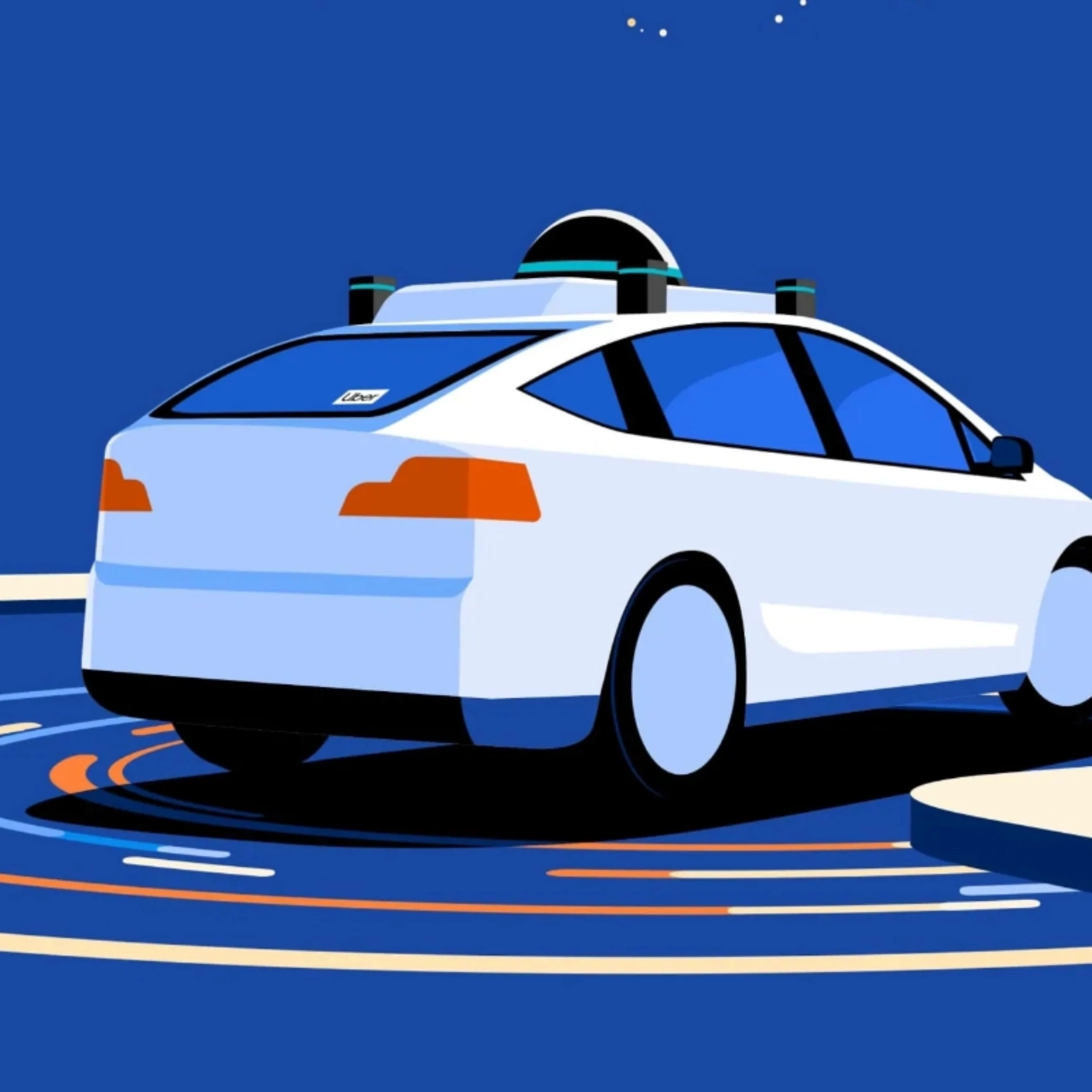
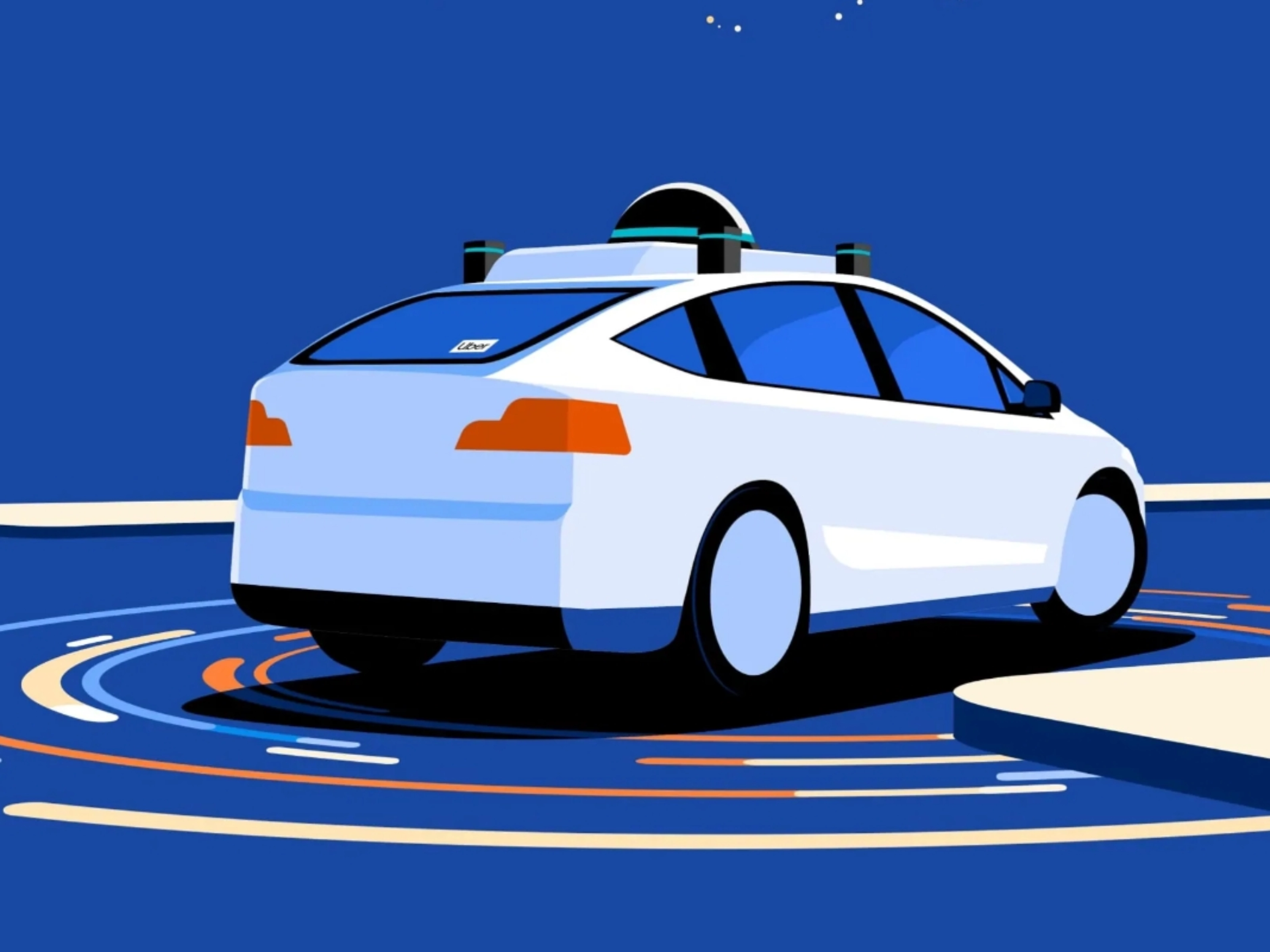
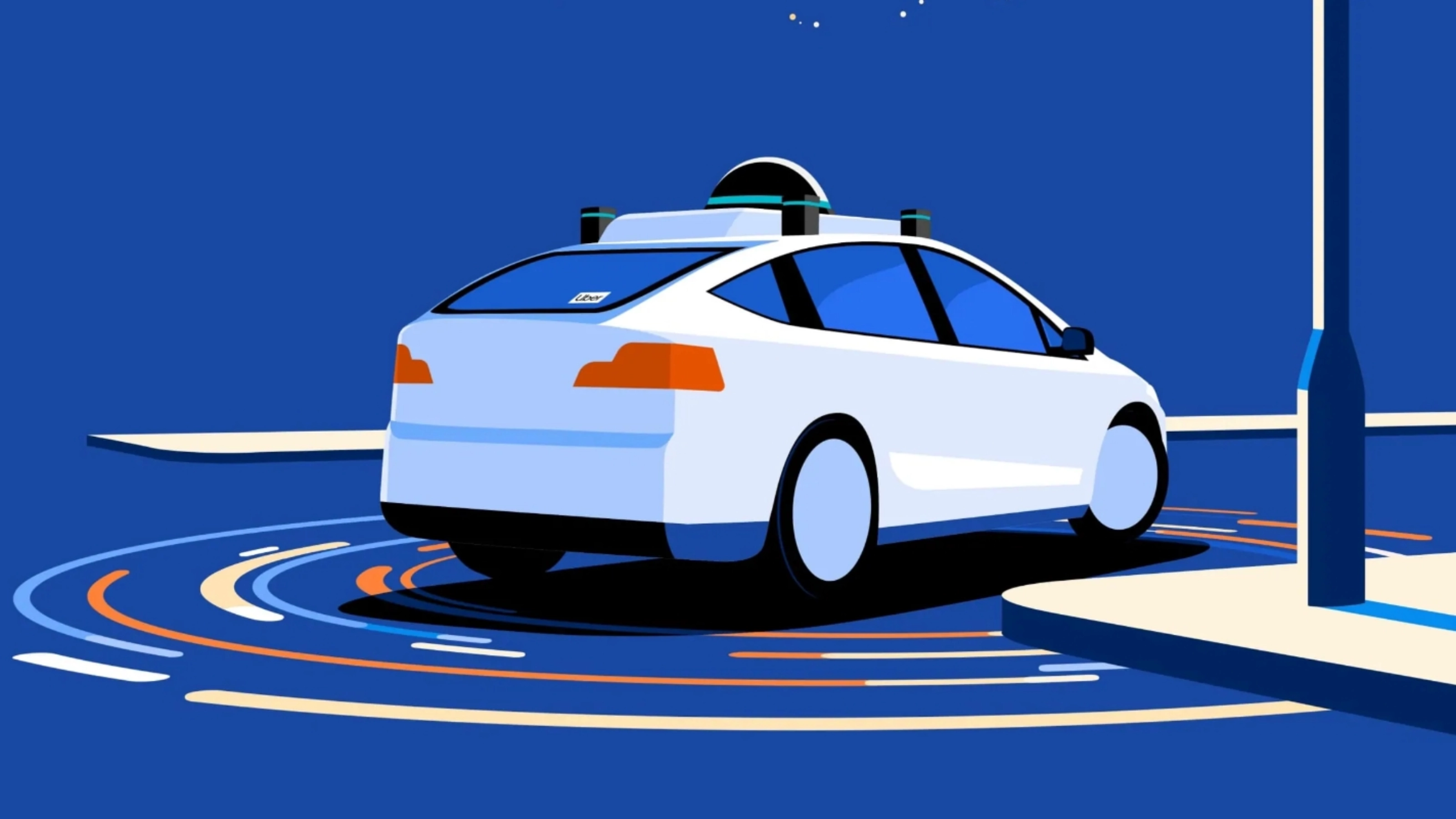
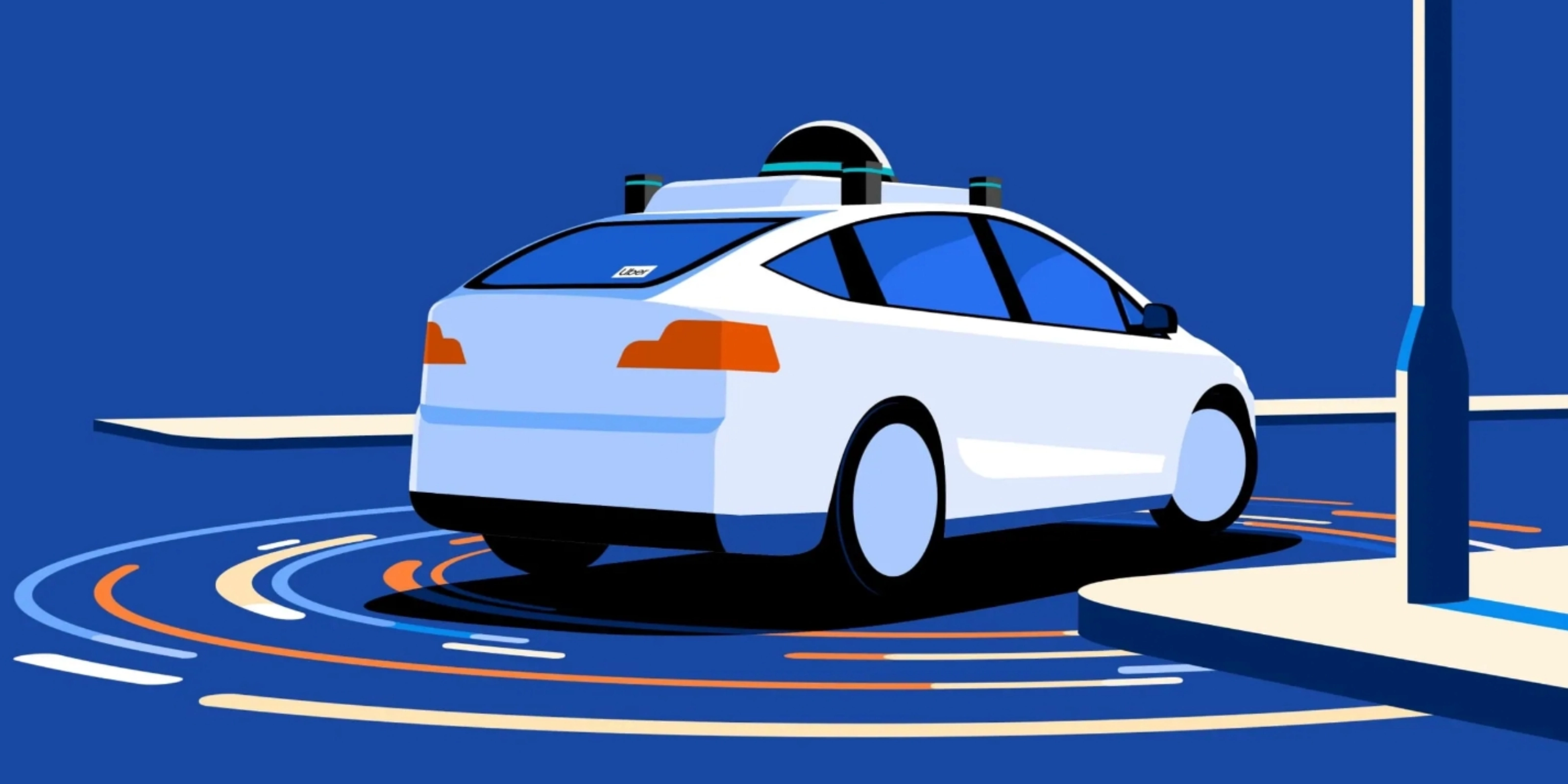
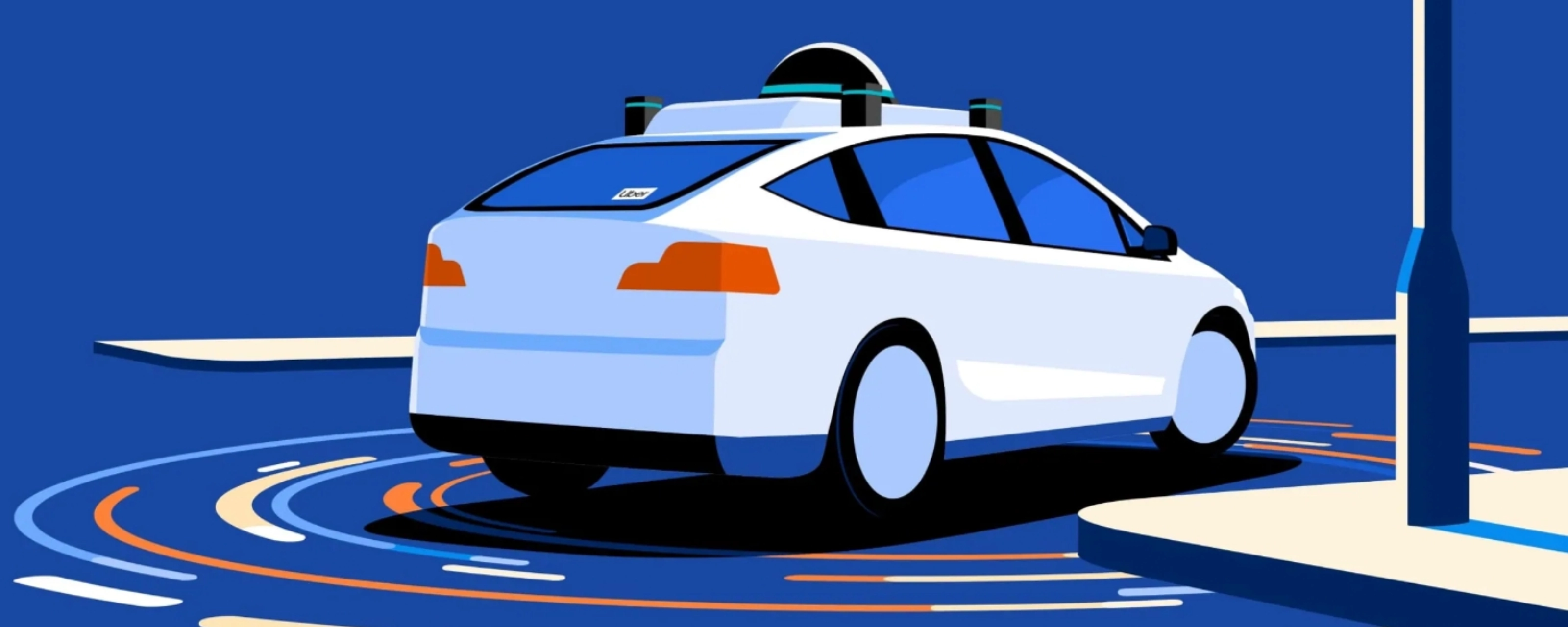
Image: (c) Uber
Uber, Israeli AI company Autobrains, and NVIDIA have announced a strategic partnership to launch a robotaxi program in Munich. The project was unveiled at NVIDIA GTC Taipei and aims—subject to regulatory approval—to lay the groundwork for a commercially scalable autonomous driving service in Europe.
Uber, Israeli AI company Autobrains, and NVIDIA have announced a strategic partnership to launch a robotaxi program in Munich. The project was unveiled at NVIDIA GTC Taipei and aims—subject to regulatory approval—to lay the groundwork for a commercially scalable autonomous driving service in Europe.
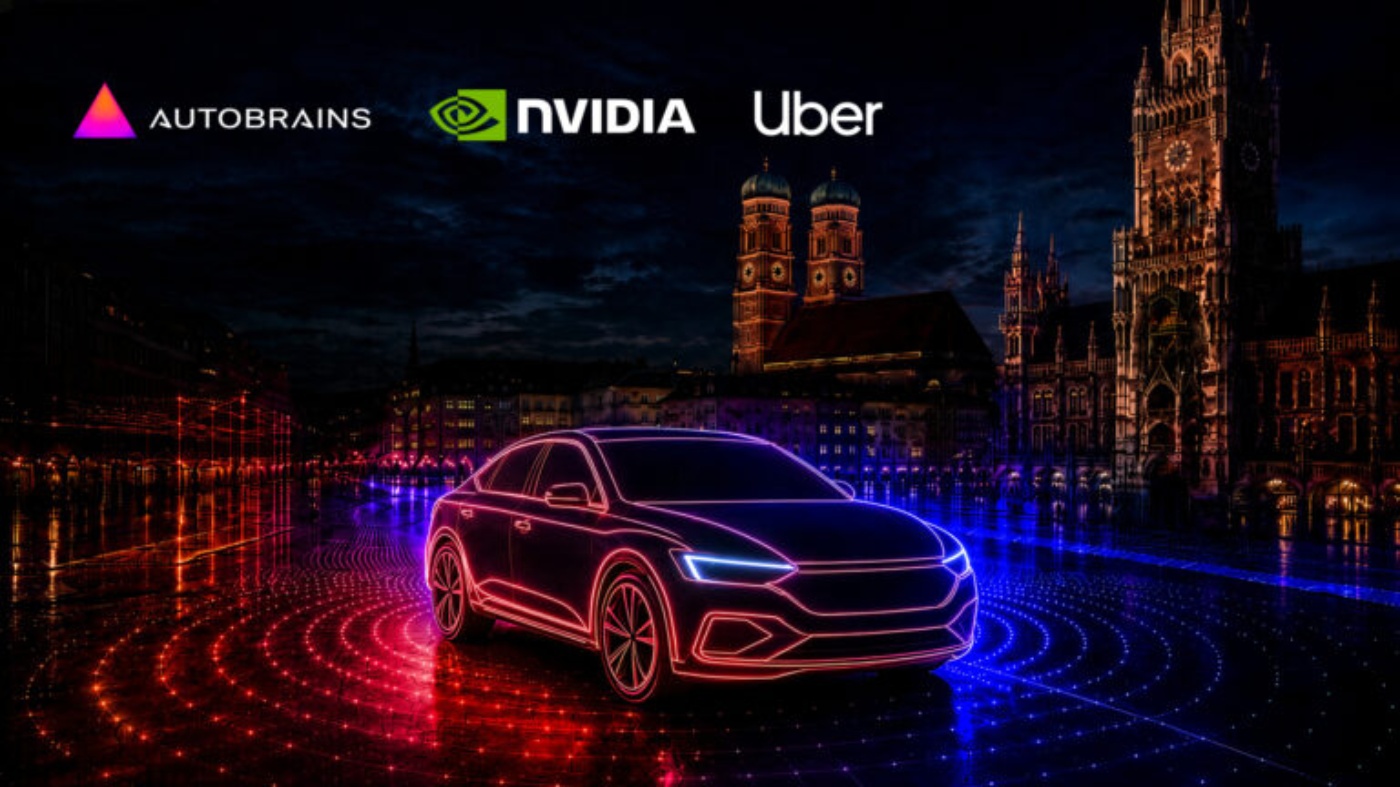
Munich will serve as the first city where the partners test their joint concept. The goal is to establish an OEM-agnostic robotaxi model that can be deployed across various vehicle platforms, independent of individual automakers. This is intended to create a foundation for scaling autonomous ride-hailing services more quickly in other cities and markets in the future.
At the heart of the project is Autobrains' "Agentic AI." In contrast to traditional end-to-end AI systems, the company relies on an agent-based approach: the driving task is broken down into numerous specialized AI agents, each analyzing specific traffic situations or decision-making processes. These agents continuously evaluate their surroundings, assess different courses of action, and make autonomous decisions in real time. According to Autobrains, this approach is designed to operate more robustly and efficiently, particularly in complex and unpredictable traffic scenarios.
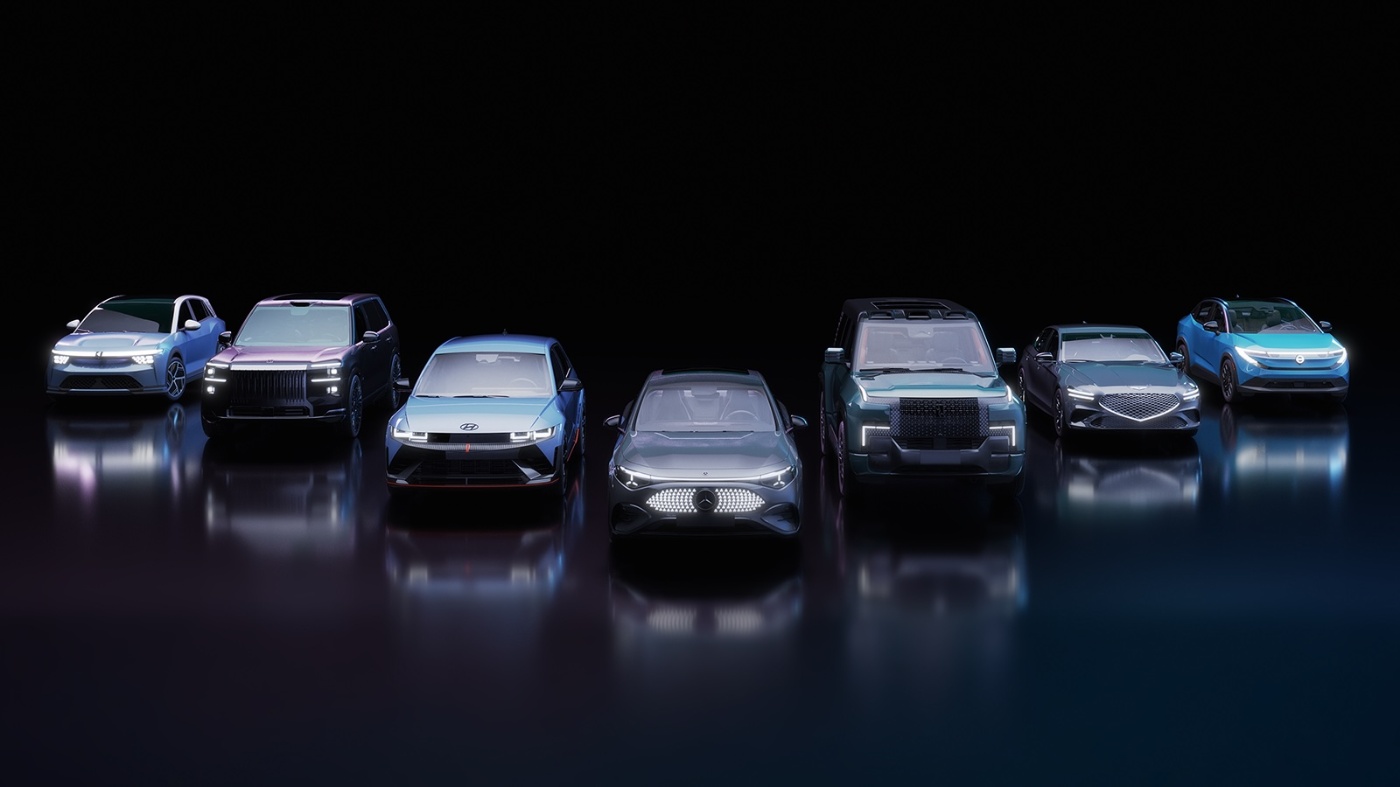
The autonomous driving software will run on the NVIDIA DRIVE Hyperion platform. Designed for robotaxi applications, this Level 4 architecture combines high-performance computing, sensors, and autonomous driving software, and is considered one of the leading development platforms for autonomous mobility services. By utilizing standardized sensors and automotive-grade computing hardware, the technology is also intended to be more cost-effective and easier to adapt to different vehicle models.
Uber brings its global ride-hailing network and operational expertise in running mobility services to the partnership. In the future, users will be able to book the robotaxis directly through the Uber app, integrating them into the existing platform. For automakers, the concept opens up the opportunity to integrate autonomous vehicles into an existing mobility ecosystem without having to build up their own ride-hailing service from scratch.
With this cooperation, Uber, Autobrains, and NVIDIA aim to establish a new approach to the commercialization of autonomous driving services. Instead of relying on proprietary, standalone solutions, the goal is to create a scalable platform model that connects various automakers, autonomous driving technologies, and mobility services.