

Technology
Fraunhofer EMI and PowerCo Develop X-Ray Technology for Safer Battery Cells
Image: (c) Fraunhofer EMI
The Fraunhofer Institute for High-Speed Dynamics, Ernst-Mach-Institut, EMI, and Volkswagen battery cell manufacturer PowerCo are teaming up to advance the development of safer battery cells using new high-speed X-ray technology. The process makes it possible to observe dynamic processes inside large-format prismatic battery cells in real time under high-stress conditions. The technology is scheduled to enter industrial use at PowerCo by 2028.
Up to 1,000 X-ray images per second reveal processes inside the cell
Until now, cell manufacturers and vehicle integrators evaluating what happens inside a failing battery cell have relied on simulations, destructive testing methods, and indirect measurements, among other approaches. The system developed by Fraunhofer EMI is designed to provide a direct view inside the cell while it is under stress. Other approaches to battery cell control and high-voltage technology are likewise intended to enable more targeted analysis and development of battery systems.
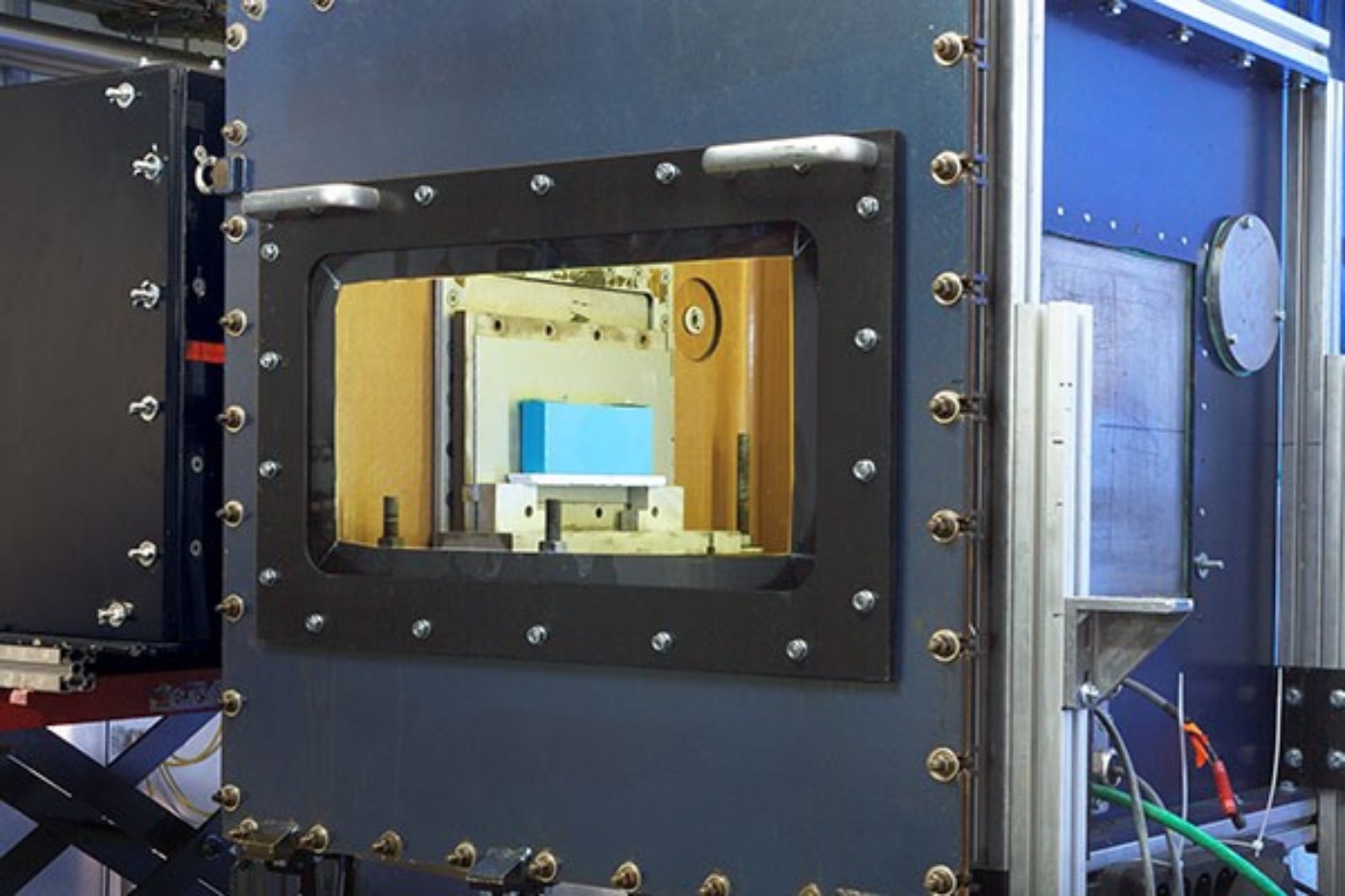
To achieve this, the setup combines high-performance X-ray technology with a specially developed battery test chamber and additional sensors. Alongside the X-ray imaging, temperature, pressure, voltage, and gas flow are recorded simultaneously. At speeds of up to 1,000 frames per second, researchers can track phenomena such as gas formation, material displacement, and crack formation within the cell.
Creating the testing environment posed a particular challenge. Fraunhofer EMI engineered a protective chamber designed to safeguard the sensitive components of the X-ray system from the extreme conditions that occur during thermal runaway in lithium-ion cells.
Measurement data to improve cell and simulation development
The technology has already been used in studies for several German automakers. Among other projects, Fraunhofer EMI examined material ejection during thermal runaway and propagation behavior in multi-cell configurations for Volkswagen and Audi.
The data gathered is intended to help evaluate cell designs based on directly observed events and to refine existing simulation models in a targeted way. These findings can then feed into both product development and certification processes. Developments such as PULSETRAIN and Yazaki’s multilevel battery technology likewise show how targeted cell control is intended to address battery-system safety and performance.
“With our in-situ process, we can trace what happens inside a cell in fractions of a second—in real time and at maximum resolution,” explains Dr. Sebastian Schopferer, Head of Battery Safety at Fraunhofer EMI.
Industrial deployment at PowerCo planned for 2028
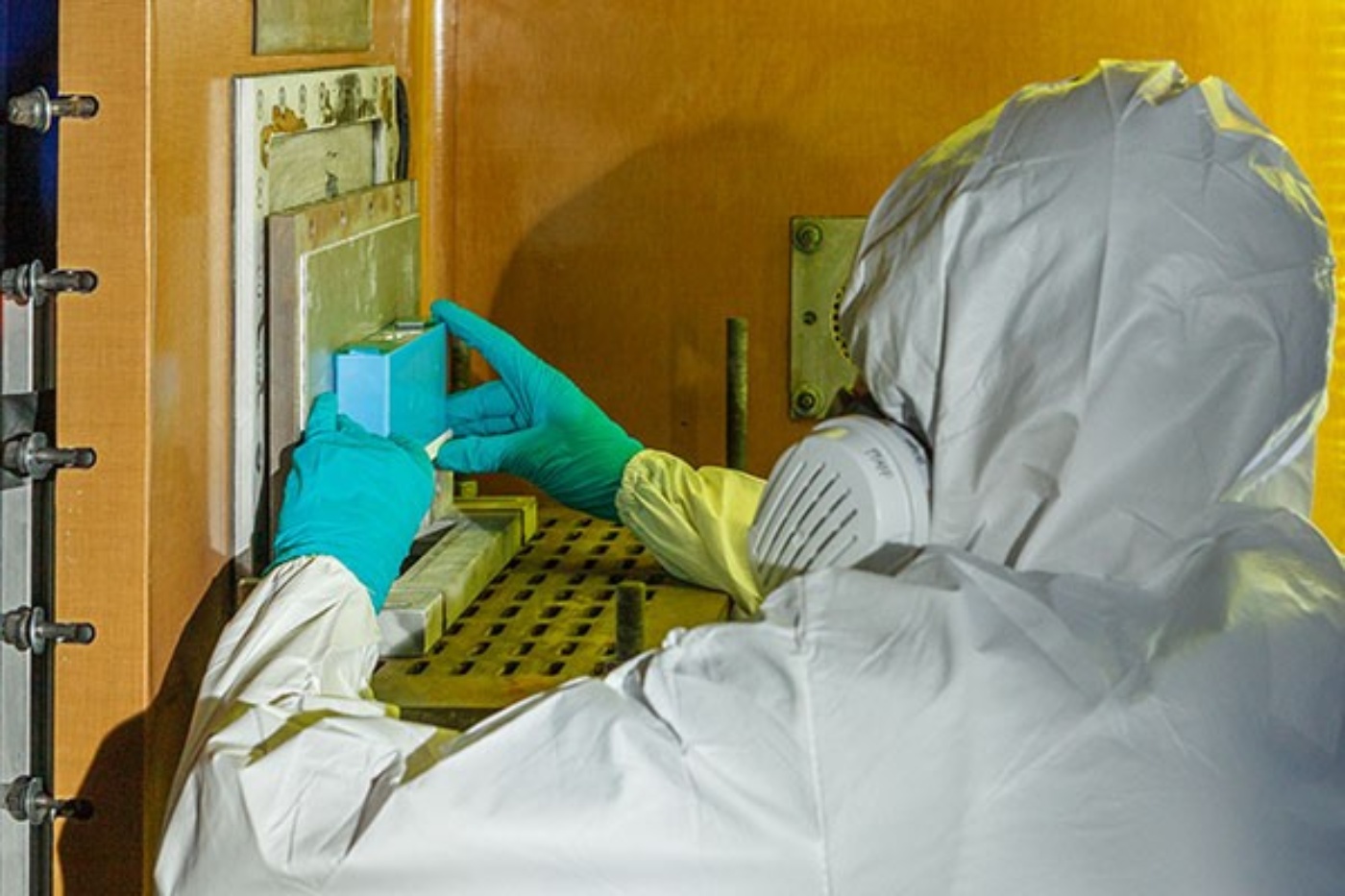
Working with PowerCo, the team now plans to further develop the X-ray technology for industrial use. Fraunhofer EMI contributes its expertise in materials research, battery abuse testing, and high-speed imaging, while PowerCo provides requirements from series production as well as real cell types.
According to the partners, initial findings from the collaboration are already being incorporated into the development of optimized PowerCo production cells. The equipment is set to be installed at PowerCo’s Salzgitter site in 2028.
The system has a modular design, allowing it to be adapted to different cell formats and new cell chemistries. This means the technology could also be used to develop future generations of batteries.
“For the first time, we can visualize dynamic processes inside cells in real time and slow motion,” says PowerCo CTO HW Vassen. The insights gained are expected to help optimize battery cell safety and design more precisely while accelerating the transfer of new developments into industrial use.