




Mobility
IAV and Nexperia Develop New High-Voltage Architecture for More Efficient Electric Vehicles
Image: (c) NXPERIA
Engineering services provider IAV and semiconductor manufacturer Nexperia are collaborating on a new generation of high-voltage architectures for electric vehicles. The project centers around the "ONE Inverter" concept, which is designed to optimize battery capacity utilization and boost the efficiency of future electric vehicles.
Engineering services provider IAV and semiconductor manufacturer Nexperia are collaborating on a new generation of high-voltage architectures for electric vehicles. The project centers around the "ONE Inverter" concept, which is designed to optimize battery capacity utilization and boost the efficiency of future electric vehicles.
Unlike today's battery systems, where the performance of the entire pack is often limited by its weakest cell, the ONE Inverter concept allows for the individual control of distinct battery sections. Driven by a software-defined architecture, battery cells can be utilized based on their actual condition and performance capabilities. This approach is intended to deploy available energy more efficiently while enhancing the overall system's robustness.
The foundation is a software-defined system architecture developed by IAV, which includes a dedicated battery management strategy. This allows for the dynamic allocation and control of individual battery units, integrating functions that were previously spread across several separate power electronics systems into a single, centralized system concept.
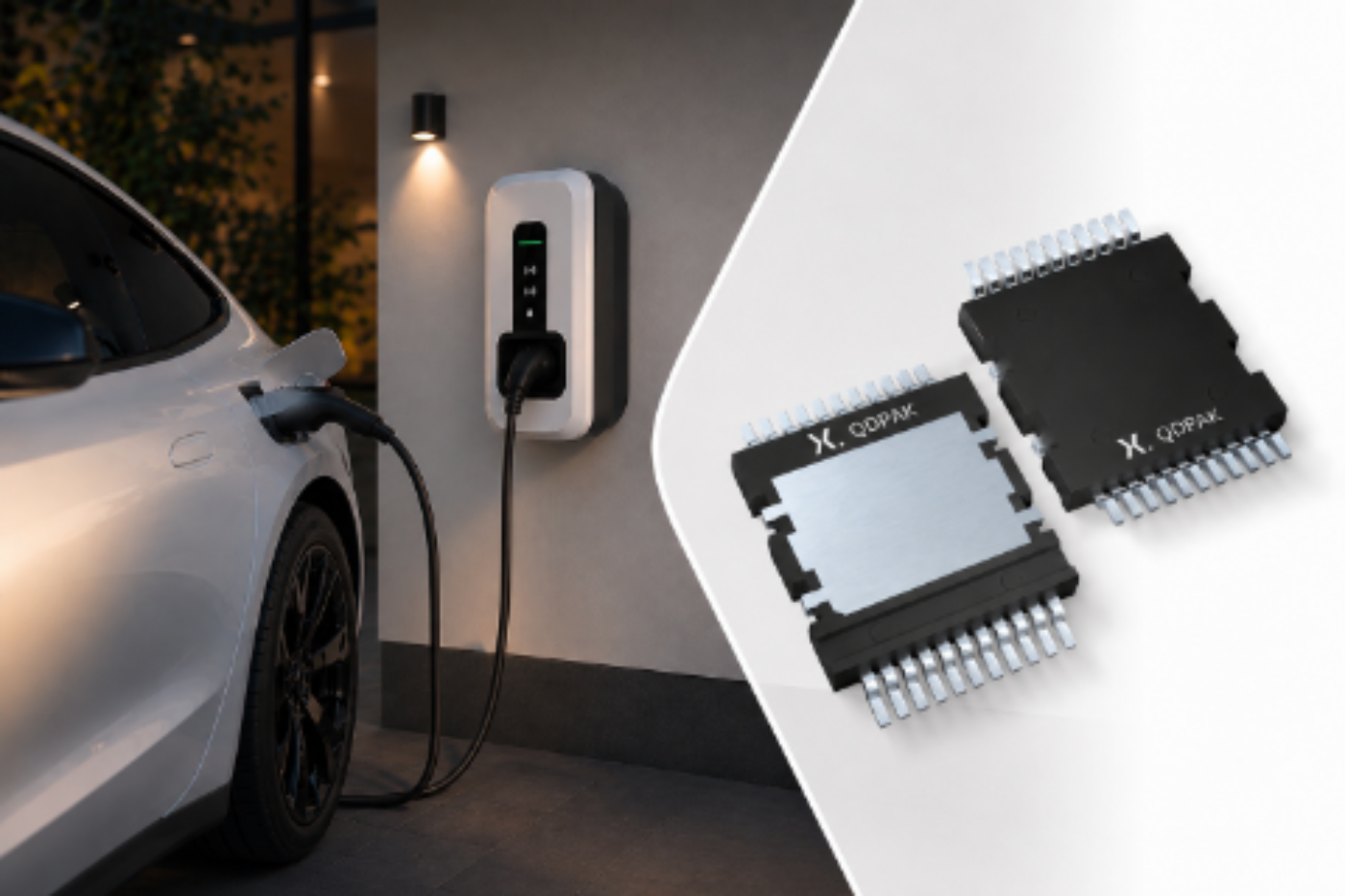
This approach is made possible by Nexperia's wide-bandgap semiconductor technologies. Specifically, a bidirectional Gallium Nitride (GaN) device enables fast and efficient switching at the battery cell level. The concept is further supported by other semiconductor solutions from the company's portfolio, including Silicon Carbide (SiC) technologies and bipolar power semiconductors.
The partners view this as a major step toward software-defined vehicle architectures. Intelligent control of individual battery cells could pave the way for improvements in the range, energy efficiency, and lifespan of future battery systems. At the same time, the technology is expected to open up new possibilities for more flexible and resilient vehicle platforms.
A jointly developed laboratory demonstrator has already successfully proven the technical feasibility of the concept.