








IAA MOBILITY Weekly
This Week's Mobility Highlights Week 05/2026
Focus: Mercedes-Benz, Ford, Volkswagen, Nissan, Didi Autonomous Driving, PULSETRAIN, Yazaki
- IAA MOBILITY Weekly
- 05/2026

The world premiere of the new Mercedes-Benz S-Class, Ford upgrades the Explorer and Capri with new LFP batteries, Volkswagen launches the "China Electronic Architecture" (CEA) in series production, Nissan unveils a solar-powered Ariya, DiDi Autonomous Driving begins delivery of its first Robotaxi R2 fleet, and PULSETRAIN and Yazaki partner on multilevel battery technology—these are our top stories for Week 5 of 2026.
The world premiere of the new Mercedes-Benz S-Class, Ford upgrades the Explorer and Capri with new LFP batteries, Volkswagen launches the "China Electronic Architecture" (CEA) in series production, Nissan unveils a solar-powered Ariya, DiDi Autonomous Driving begins delivery of its first Robotaxi R2 fleet, and PULSETRAIN and Yazaki partner on multilevel battery technology—these are our top stories for Week 5 of 2026.
- 1. World Premiere of the New Mercedes-Benz S-Class
- 2. Ford Upgrades Explorer and Capri: New LFP Battery Boosts Range and Performance
- 3. Volkswagen Launches New "China Electronic Architecture" (CEA)
- 4. Nissan Unveils Solar-Powered Ariya Concept
- 5. DiDi Autonomous Driving: Robotaxi R2 Fleet Enters Real-World Testing
- 6. PULSETRAIN and Yazaki Partner on Multilevel Battery Tech
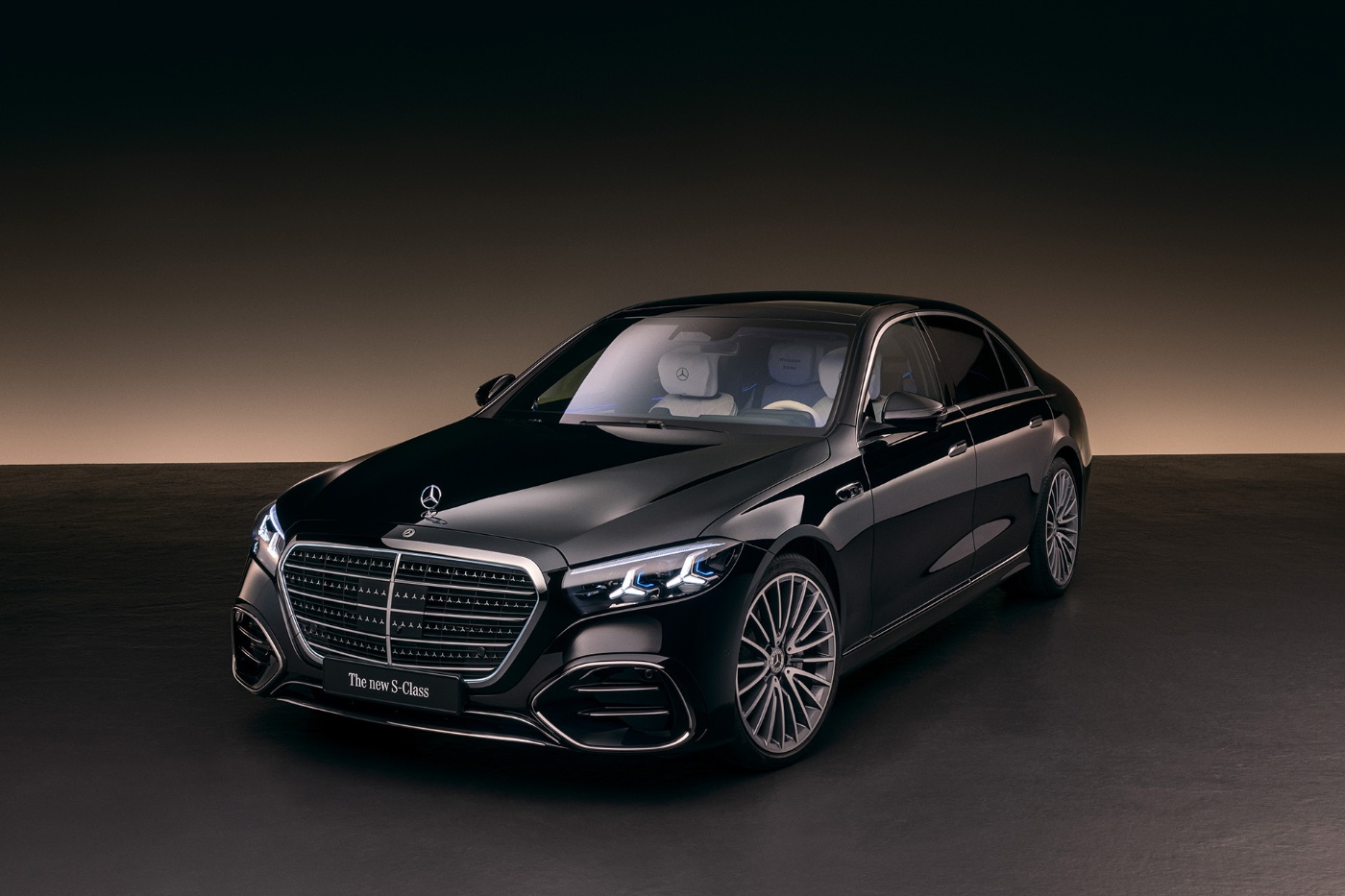
To celebrate the 140th anniversary of Carl Benz’s invention of the automobile in 1886, Mercedes-Benz has unveiled the new S-Class — the most comprehensive update ever for a single model generation. More than 50% of the vehicle’s components (roughly 2,700 parts) have been redesigned or significantly enhanced to re-establish this luxury sedan as the global benchmark for technology, digitalization, and comfort.
Visually, the S-Class features new highlights including an optional illuminated Mercedes star, a larger illuminated grille, and DIGITAL LIGHT headlights with a "twin-star" design. The advanced micro-LED lighting system offers a brighter, more efficient high beam with a range of up to 600 meters (approx. 1,970 ft), improving safety and visibility at night.
The digital heart of the car is MB.OS, which connects all vehicle domains and enables over-the-air (OTA) updates throughout its entire lifecycle. Building on this, MB.DRIVE introduces next-generation driver assistance featuring an extensive sensor suite; MB.DRIVE ASSIST PRO offers point-to-point support even in city traffic (launching first in China, with other markets to follow).
Inside, the MBUX super screen defines the user experience. The fourth-generation MBUX integrates AI agents, including generative AI for natural "Hey Mercedes" dialogs, complemented by a new "Zero Layer" interface, numerous apps, and AR navigation. Optional First-Class Rear transforms the long-wheelbase version into a mobile business lounge with large displays, conferencing tech, and high-end sound.
Other highlights include safety and comfort innovations such as heated seatbelts, ENERGIZING AIR CONTROL, an expanded PRE-SAFE® restraint system with up to 15 airbags, and the in-house developed Integrated Protection System on the iSS S 680 GUARD 4MATIC with VR10 certification.
Powertrains range from electrified six- and eight-cylinder engines to a plug-in hybrid with an electric range of approximately 100 km (62 miles). The new V8 in the S 580 4MATIC produces 395 kW (537 hp) and 750 Nm of torque. All engines are supported by a 48-volt mild-hybrid system.
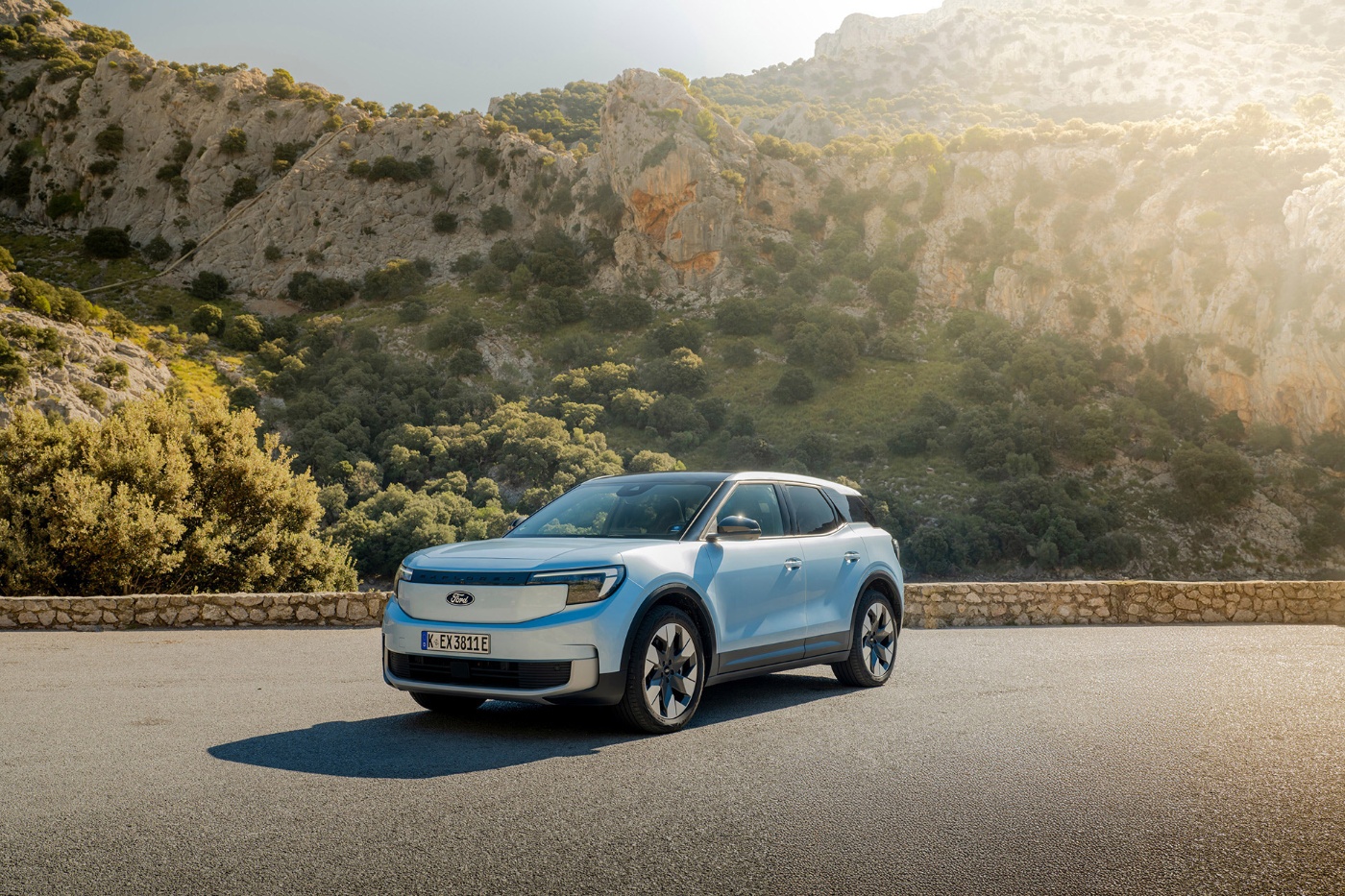
Ford is upgrading its electric Explorer and Capri SUVs: Standard Range versions will now feature a 58 kWh Lithium Iron Phosphate (LFP) battery, resulting in significantly more range and better performance.
The Explorer Standard Range is now rated for up to 444 km (276 miles), while the Capri Standard Range reaches up to 464 km (288 miles)—an increase of up to 70 km (43 miles). Simultaneously, the output of the revised electric motors has increased from 125 kW to 140 kW (190 hp) with 258 lb-ft (350 Nm) of torque; both models now hit 0–60 mph in roughly 8 seconds.
LFP chemistry offers additional advantages in charging flexibility and longevity (allowing for frequent 100% charging without significant degradation), as well as improved cost-efficiency and durability. On a 110 kW DC fast charger, a 10% to 80% charge is expected to take about 28 minutes.
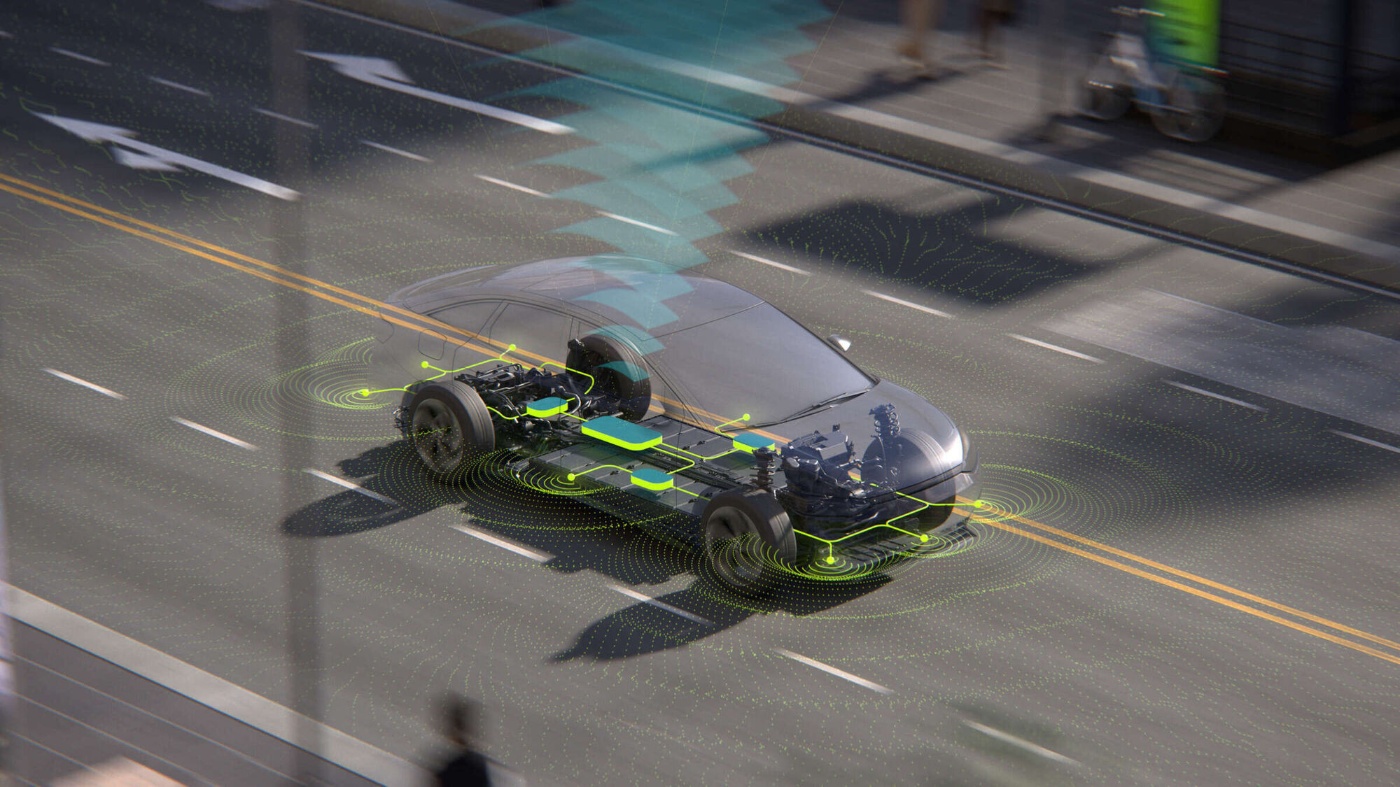
The Volkswagen Group launched its China Electronic Architecture (CEA) in series production, marking a milestone in its "In China, for China" strategy. This locally developed, high-performance zonal architecture serves as the foundation for software-defined, connected vehicles. The first production model to use this architecture—developed, tested, and manufactured entirely in China—will be the VW ID.UNYX 07.
The CEA relies on powerful central computers and full OTA update capabilities. It reduces the number of electronic control units (ECUs) by about 30%, lowering complexity and expenses while enabling rapid software development. It was developed in just 18 months by the Volkswagen Group China Technology Company in collaboration with CARIAD China and partner Xpeng.
A major advantage is powertrain flexibility: the CEA is designed for BEVs as well as hybrid and internal combustion models. Volkswagen plans a rapid rollout starting in 2026 across other vehicles from its Chinese joint ventures, beginning in the A- and B-segments.
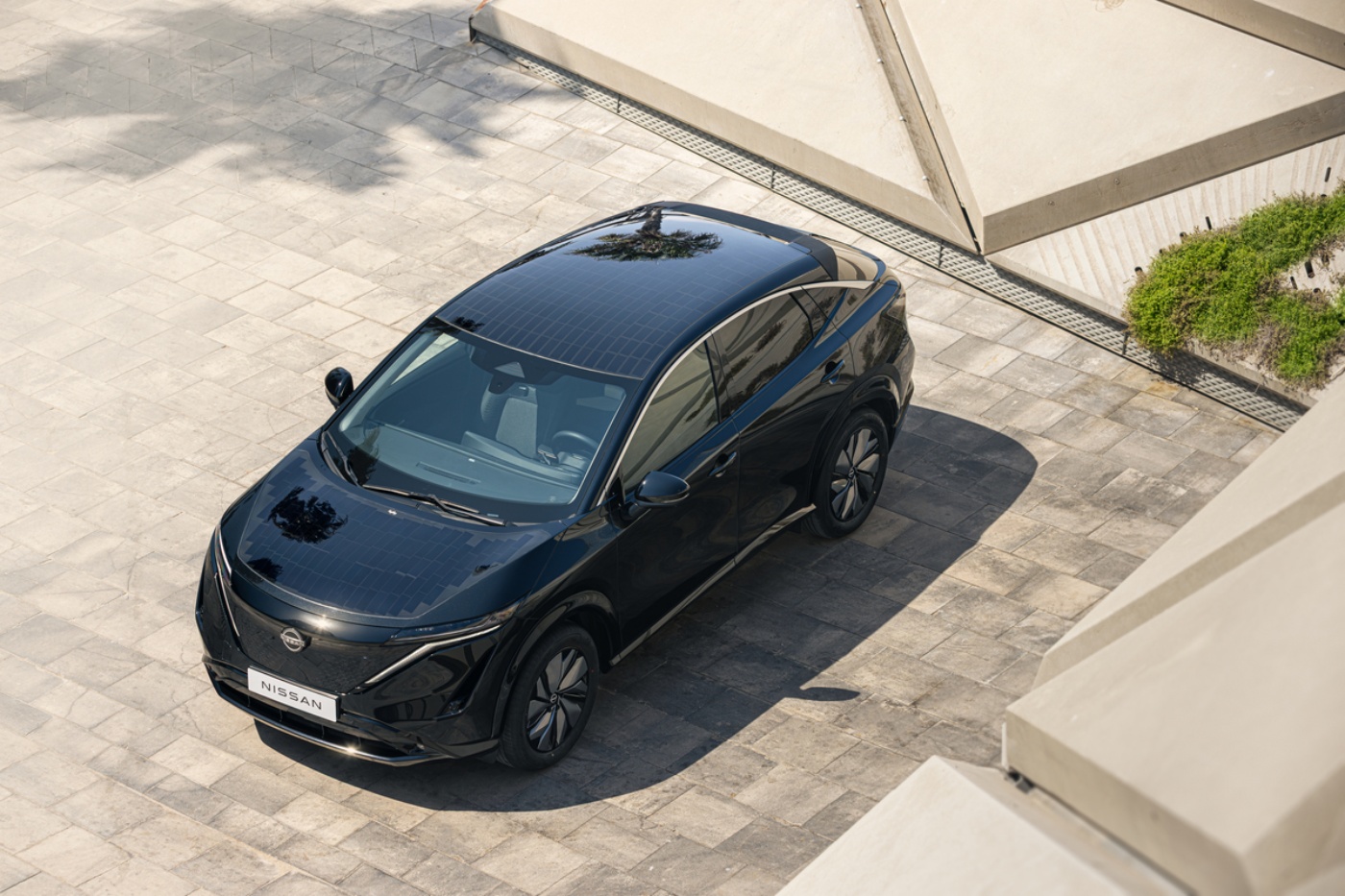
To mark Clean Energy Day 2026, Nissan presented a solar-powered concept of its Ariya electric SUV. The vehicle combines its standard electric drive with integrated photovoltaics on the hood, roof, and liftgate. High-performance solar cells covering approximately 3.8 square meters (41 sq. ft) convert sunlight directly into electricity for the vehicle's energy management system.
Initial field tests show promising potential: under ideal conditions, the car can gain up to 23 km (14 miles) of additional range per day, with averages of 17.6 km (11 miles) in Barcelona and 10.2 km (6.3 miles) in London. Furthermore, the system could reduce the frequency of charging sessions by 35% to 65% depending on usage.
Developed by Nissan teams in Dubai and Barcelona, the concept is part of a long-term strategy to make EVs more sustainable and reduce dependence on charging infrastructure. While mass production is not currently planned, the solar-powered Ariya serves as a technological preview of how solar energy could supplement battery charging, particularly in sun-drenched regions.
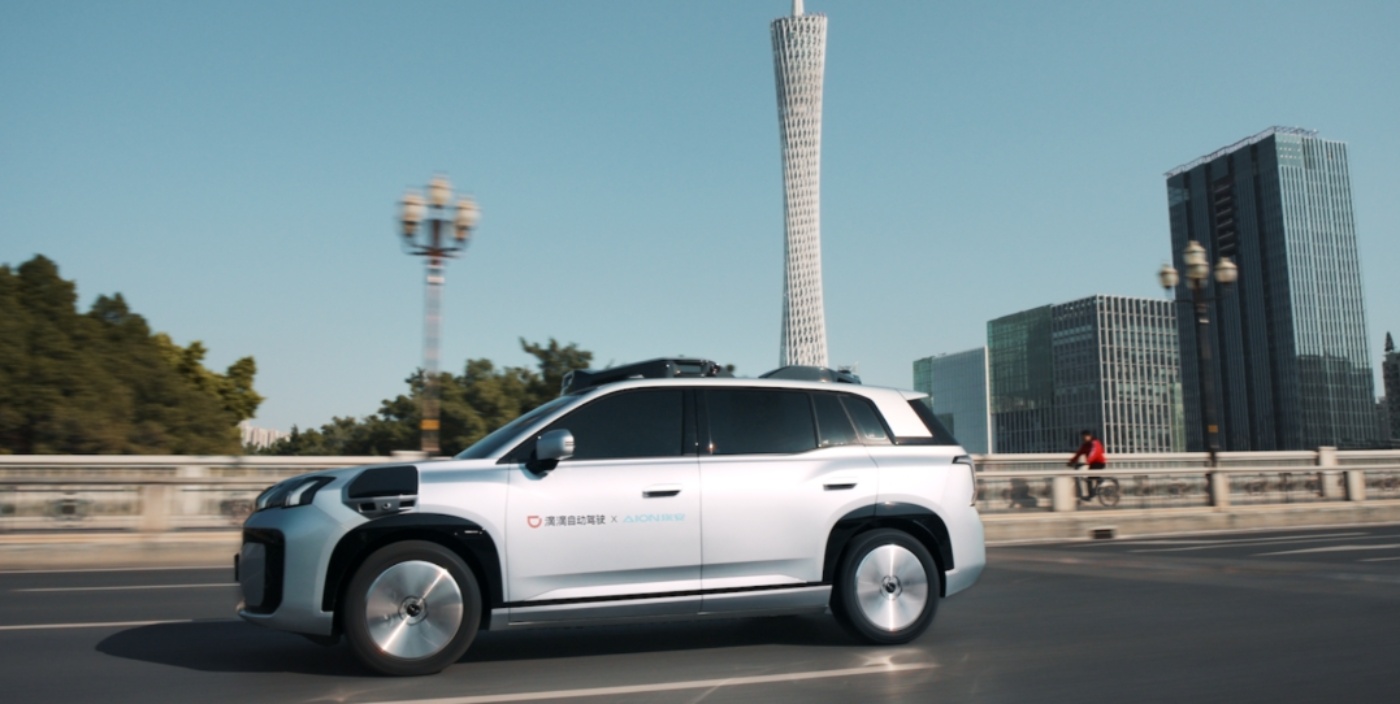
DiDi Global is accelerating the expansion of autonomous mobility: its subsidiary, DiDi Autonomous Driving, has begun delivering its first Robotaxi R2 fleet for real-world traffic testing. The vehicles were co-developed with GAC Aion.
The Robotaxi R2 is based on the Aion V SUV and is equipped with 33 sensors, including LiDAR, 4D radar, cameras, and infrared sensors. A central AI computer with over 2,000 TOPS of processing power handles data in real-time to enable autonomous driving in complex urban environments. Initial road tests have been approved in Guangzhou, with Beijing expected to follow.
DiDi views the R2 as a critical step from the prototype phase toward scalable commercialization. Building on previous 24/7 driverless tests, the company aims to gradually integrate autonomous vehicles into real traffic networks and establish a widely deployable robotaxi fleet.
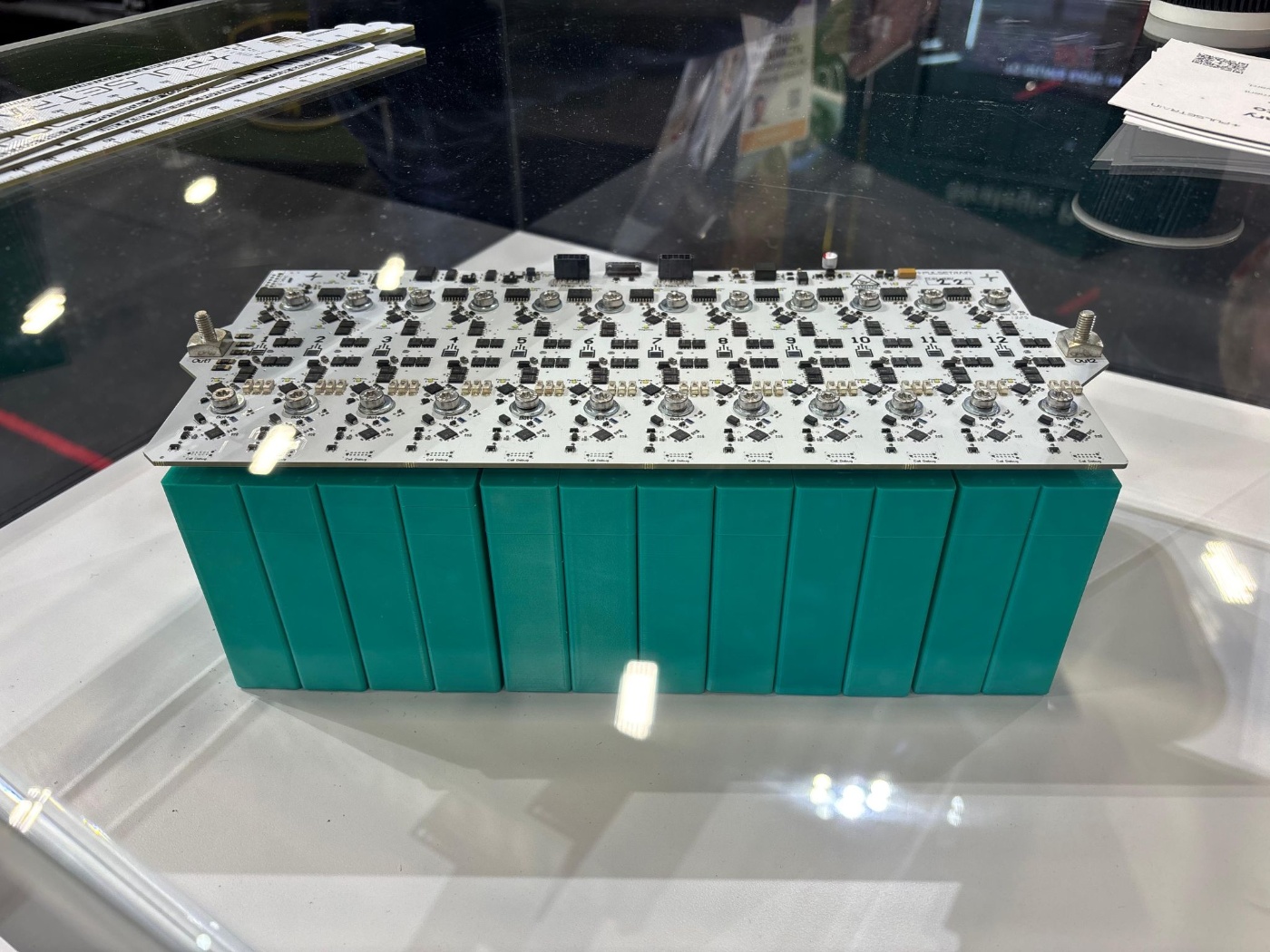
Munich-based deep-tech startup PULSETRAIN and Tier-1 supplier Yazaki Europe Middle East Africa have entered a strategic partnership to bring multilevel battery technology for EVs to industrial series production. The agreement was signed on January 22, 2026.
At the heart of the collaboration is the MultiCellBridge developed by PULSETRAIN, which combines intelligent cell management and integrated power electronics. This allows each battery cell to be controlled individually, significantly increasing the efficiency, safety, and lifespan of battery packs. A major benefit: inverter and charging functions can be integrated directly into the battery system, eliminating separate components and reducing weight, space, and system complexity.
The partners will first conduct a Proof of Concept to demonstrate industrial feasibility and scalability. The joint concept made its public debut at CES in Las Vegas. While PULSETRAIN provides the software-defined power electronics, Yazaki contributes its extensive expertise in mass production, high-voltage systems, and battery components.