








IAA MOBILITY Weekly
The Mobility Highlights of Week 36/2026
Nissan, Honda, Hyundai, AUDI
- IAA MOBILITY Weekly
- 36/2026

Nissan and Honda are developing a joint platform for software-defined vehicles, Hyundai is planning more than 100 new models while expanding its EV, SDV, and robotaxi operations, and AUDI is opening a development center in Shanghai for new electric vehicles—here is our top news for Week 36 of 2026.
Nissan and Honda are developing a joint platform for software-defined vehicles, Hyundai is planning more than 100 new models while expanding its EV, SDV, and robotaxi operations, and AUDI is opening a development center in Shanghai for new electric vehicles—here is our top news for Week 36 of 2026.
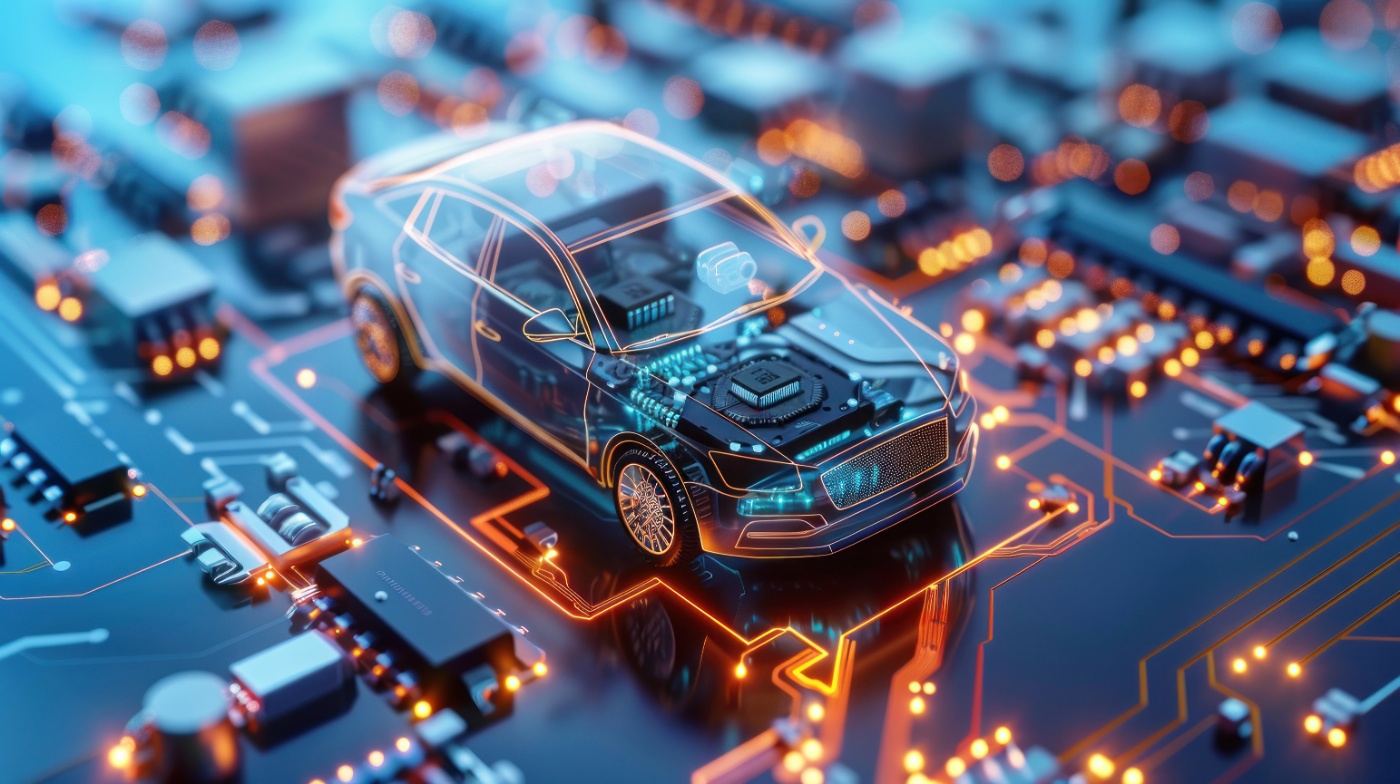
Nissan and Honda are deepening their cooperation on software-defined vehicles (SDVs). The two automakers aim to jointly develop and standardize central electronic control units and the corresponding software. The new E/E architecture is scheduled for implementation in both companies' next-generation SDVs starting in fiscal year 2029.
The main focus is on several Electronic Control Units (ECUs), which will be based on shared specifications in the future. At the same time, Nissan and Honda plan to standardize key parts of the software stack, including the vehicle operating system, middleware, and vehicle control software.
By creating a shared technical foundation, the manufacturers aim to pool development resources and expertise, streamline development processes, and integrate new technologies into future vehicle generations more rapidly.
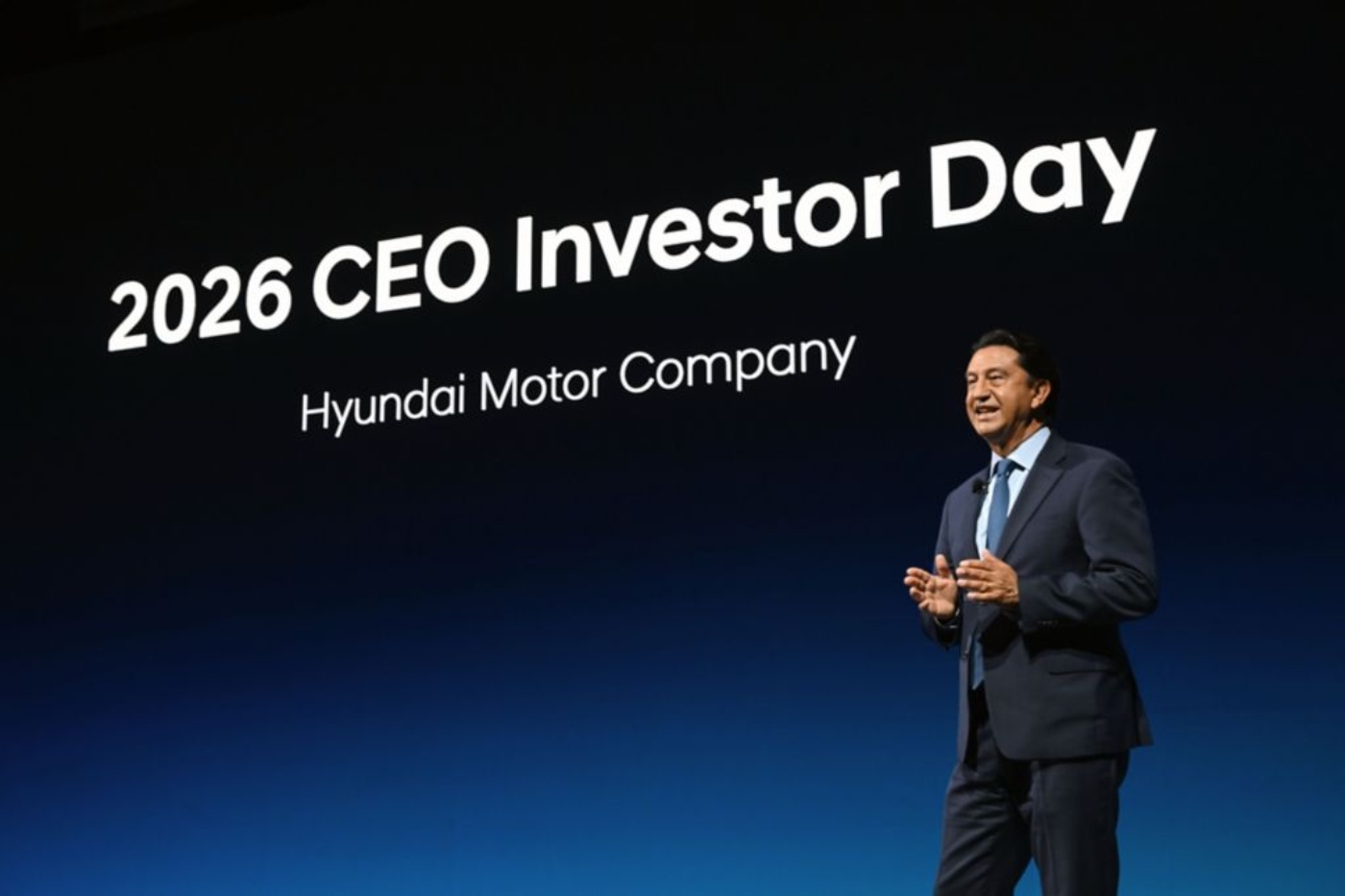
Hyundai Motor has unveiled its growth strategy through 2030. As part of the plan, the company intends to launch more than 100 new or refreshed models worldwide. The company has slated 58 market launches in North America alone and 41 planned for the European market.
Starting in the first half of 2027, Hyundai also plans to offer its first Extended Range Electric Vehicles (EREVs). For the Santa Fe EREV, the manufacturer is promising a total range of over 600 miles (965 kilometers). New high-performance battery cells are expected to provide more than double the output of current high-nickel cells while reducing charging time by 40 percent. For new electric models, lower-cost mid-nickel NCM cells are also scheduled for introduction starting in 2027.
Hyundai is expanding its autonomous and software-defined driving initiatives as well. The first IONIQ 5 units for Waymo's robotaxi fleet are scheduled for delivery in late 2026. By 2028, Hyundai plans to introduce Level 2+ features alongside NVIDIA in the company's first mass-produced software-defined vehicle. Starting in 2029, a 100-megawatt AI data center powered by more than 50,000 GPUs will support the development of SDV and autonomous driving capabilities.
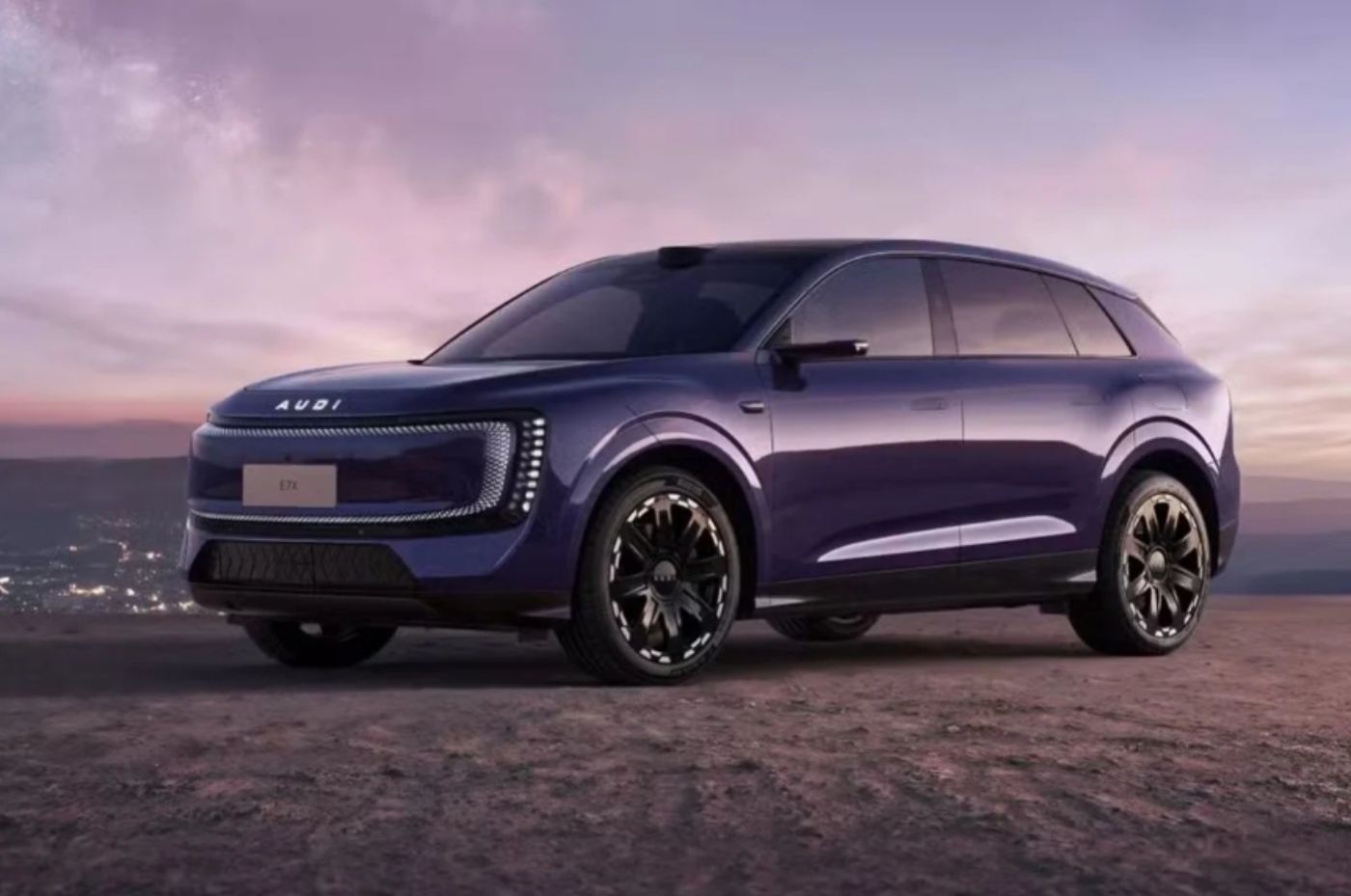
Audi and SAIC have opened the new AUDI Innovation & Technology Center (AITC) in Shanghai for their joint Chinese brand, AUDI. The plant will develop the next-generation vehicle platform alongside four new models. The first vehicles based on the new architecture are scheduled for launch starting in 2028.
The AITC is expected to employ around 300 people over time. The primary focus is developing the Advanced Digitized Platform 2.0 (ADP 2.0), tailored specifically for the Chinese market. Additional priorities include driving dynamics and handling, AI-supported smart cockpits, and driver assistance systems.
The development center is part of the deepened partnership between Audi and SAIC. Audi brings its expertise in premium vehicle manufacturing to the table, while SAIC contributes its experience in electric vehicles, digitalization, and local market development for China. The goal is to shorten development cycles and build out new technologies directly within China.
THE IAA MOBILITY Visionary Club brings together forward-thinking leaders, innovators and changemakers who are shaping the future of mobility. In our exclusive LinkedIn Group, members gain access to inspiring interviews, fresh perspectives and ideas from across the mobility ecosystem.
In the latest episode Christina Puello founder and CEO of Deutsche Dienstrad, discusses how mobility is evolving and the growing role of bike leasing.
Discover why bike leasing has become much more than an employee benefit, how companies can promote more sustainable ways of getting around and what role bicycles could play in tomorrow’s mobility.