








IAA MOBILITY Weekly
The mobility highlights of week 24/2026
VW Charging Robot, Guangdong Chargers, Seres Aiva & Denza Z
- IAA MOBILITY Weekly
- 24/2026

Volkswagen presents a mobile charging robot prototype in Dresden, Guangdong plans over three million charging points by 2027, Seres relies on ByteDance AI technology for its new EV brand Aiva, and Denza announces the Z electric sports car with up to 1,180 kW of power—here is the top news from week 24 of 2026.
Volkswagen presents a mobile charging robot prototype in Dresden, Guangdong plans over three million charging points by 2027, Seres relies on ByteDance AI technology for its new EV brand Aiva, and Denza announces the Z electric sports car with up to 1,180 kW of power—here is the top news from week 24 of 2026.
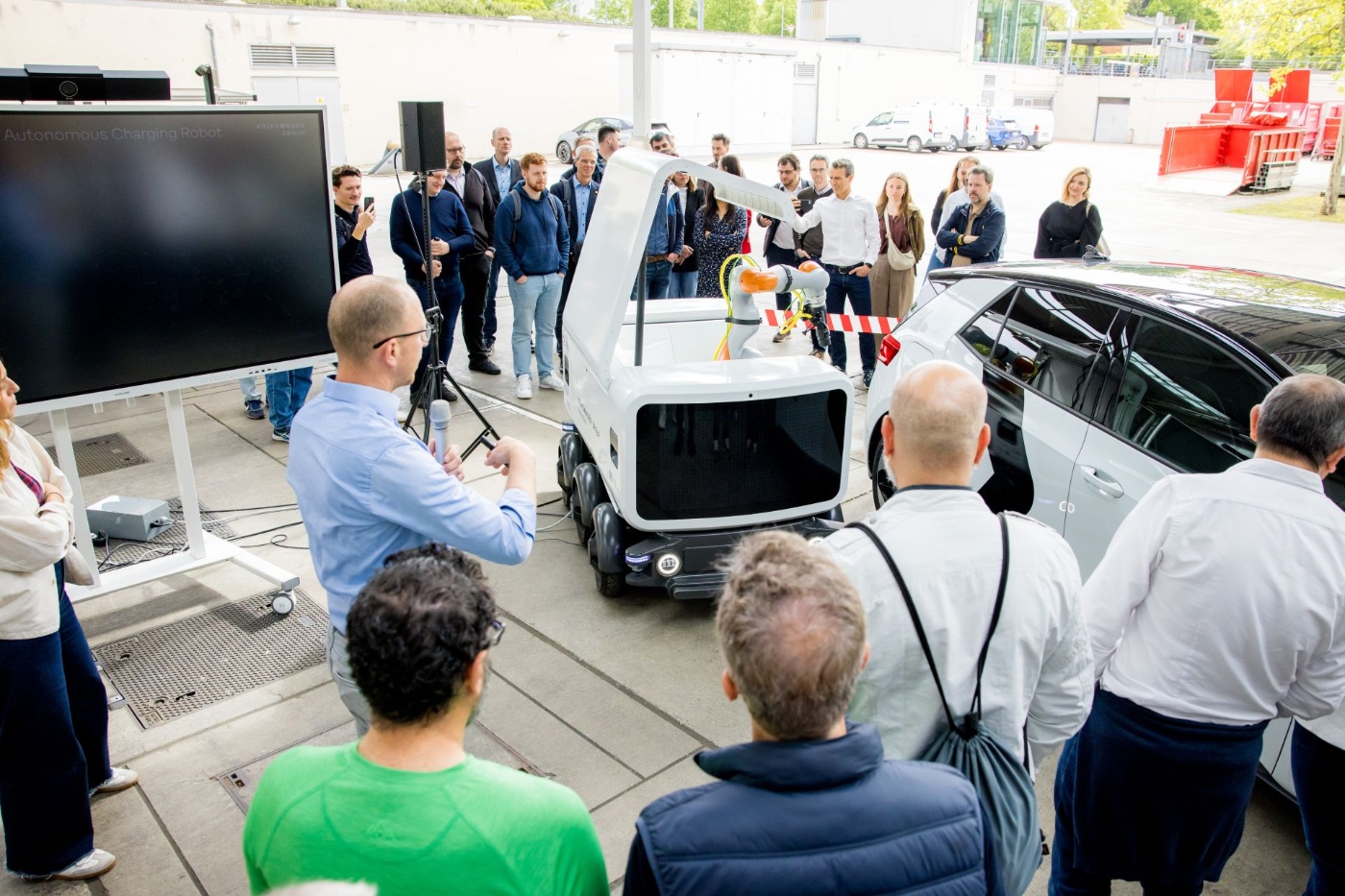
As part of the EU research project "MOBILITIES for EU," Volkswagen has unveiled a prototype for autonomous electric vehicle charging in Dresden. The mobile system is designed to supplement existing charging infrastructure, particularly in areas where permanent charging points are difficult to set up.
Unlike stationary charging robots, this is a self-driving, six-wheeled vehicle equipped with an integrated robotic arm and charging cable. The charging robot drives independently to parked vehicles and handles the charging process autonomously or assists with manual connection.
The mobile units feature a battery capacity of 55 kWh and are designed for flexible deployment across various locations. As part of the project, two prototypes are initially being developed and tested under real-world conditions at the Dresden Sportpark Ostra.
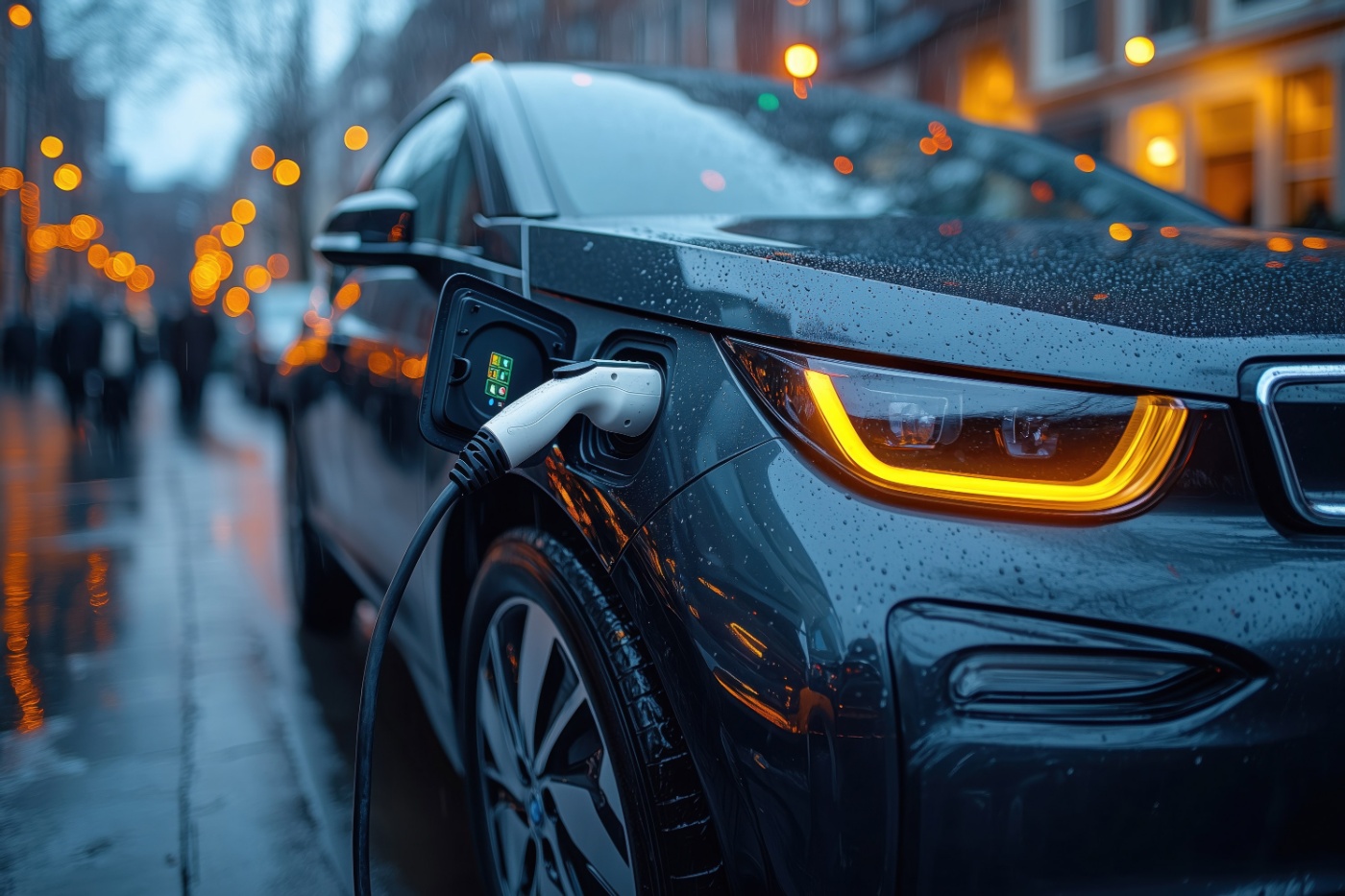
The Chinese province of Guangdong aims to expand its EV charging infrastructure to more than three million charging points by the end of 2027. The program includes public and private charging points, as well as additional fast-charging stations along major transport corridors, in the Greater Bay Area, and at logistics hubs.
The expansion is intended to support the rapid growth of electromobility and, in particular, accelerate the electrification of freight transport. With major cities like Guangzhou and Shenzhen, Guangdong is one of the key hubs of the Chinese EV industry and home to numerous vehicle, battery, and technology companies.
Alongside the infrastructure investment, the province is focusing on smart charging solutions such as load management, grid-friendly charging, and the integration of renewable energy to keep power grids stable despite rising demand.
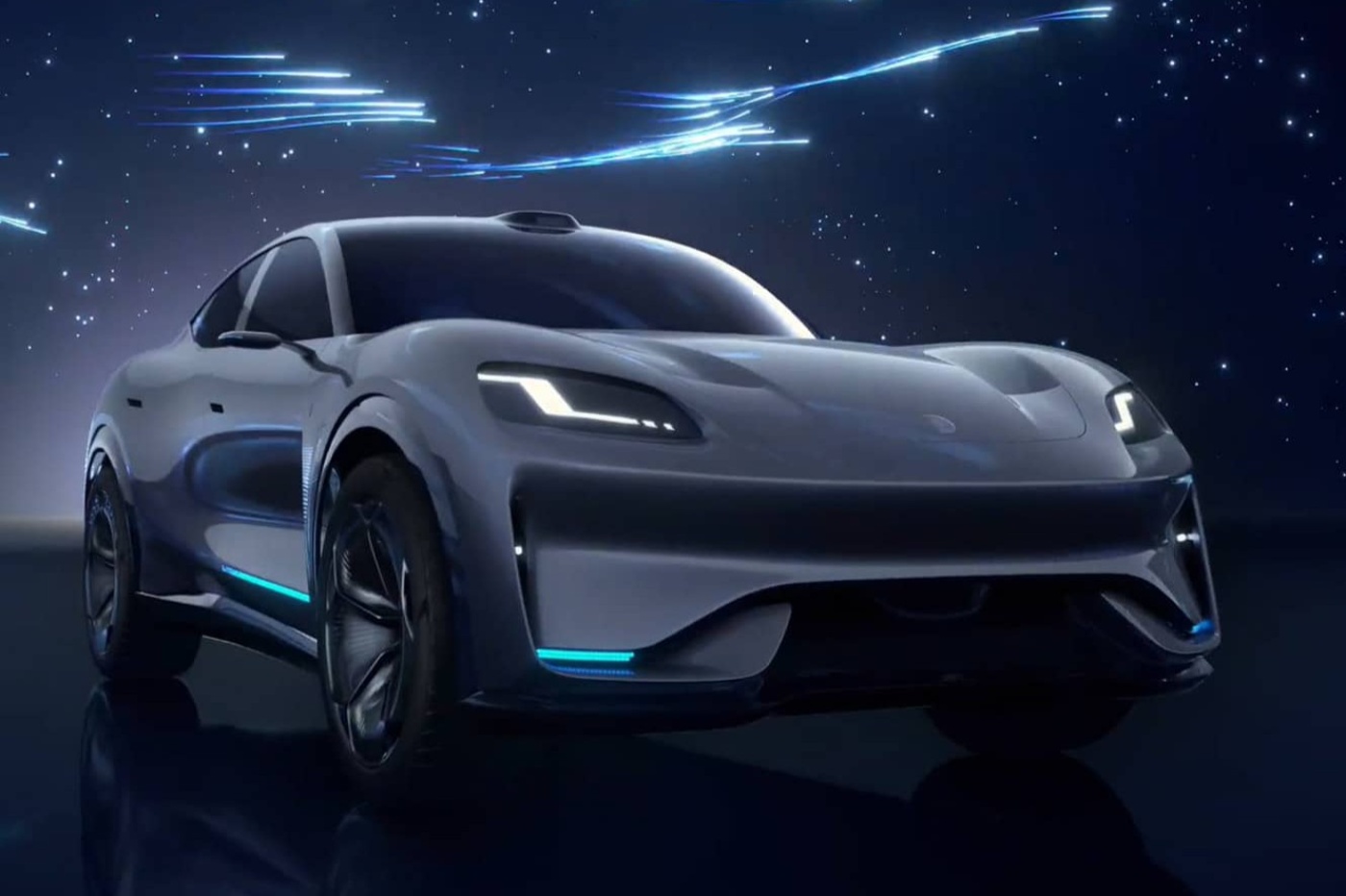
Chinese automaker Seres has introduced Aiva, a new electric vehicle brand designed to closely merge electromobility and artificial intelligence. Partnering with CATL and state-owned investors from Chongqing, the company primarily targets tech-savvy customers. The first production model, the Aiva ME7, is slated to launch before the end of 2026.
A central element of this venture is the cooperation with Volcengine, the cloud and AI division of ByteDance. The vehicles will feature multimodal interaction, personalized services, and the seamless integration of digital ecosystems. AI functions will store user preferences, analyze environmental data, and provide context-aware recommendations.
With the unveiling of the Aiva Origin Concept, the brand is also offering a glimpse into its future design language. The concept car will serve as the foundation for a new generation of software-defined electric vehicles centered around digital features and AI applications.
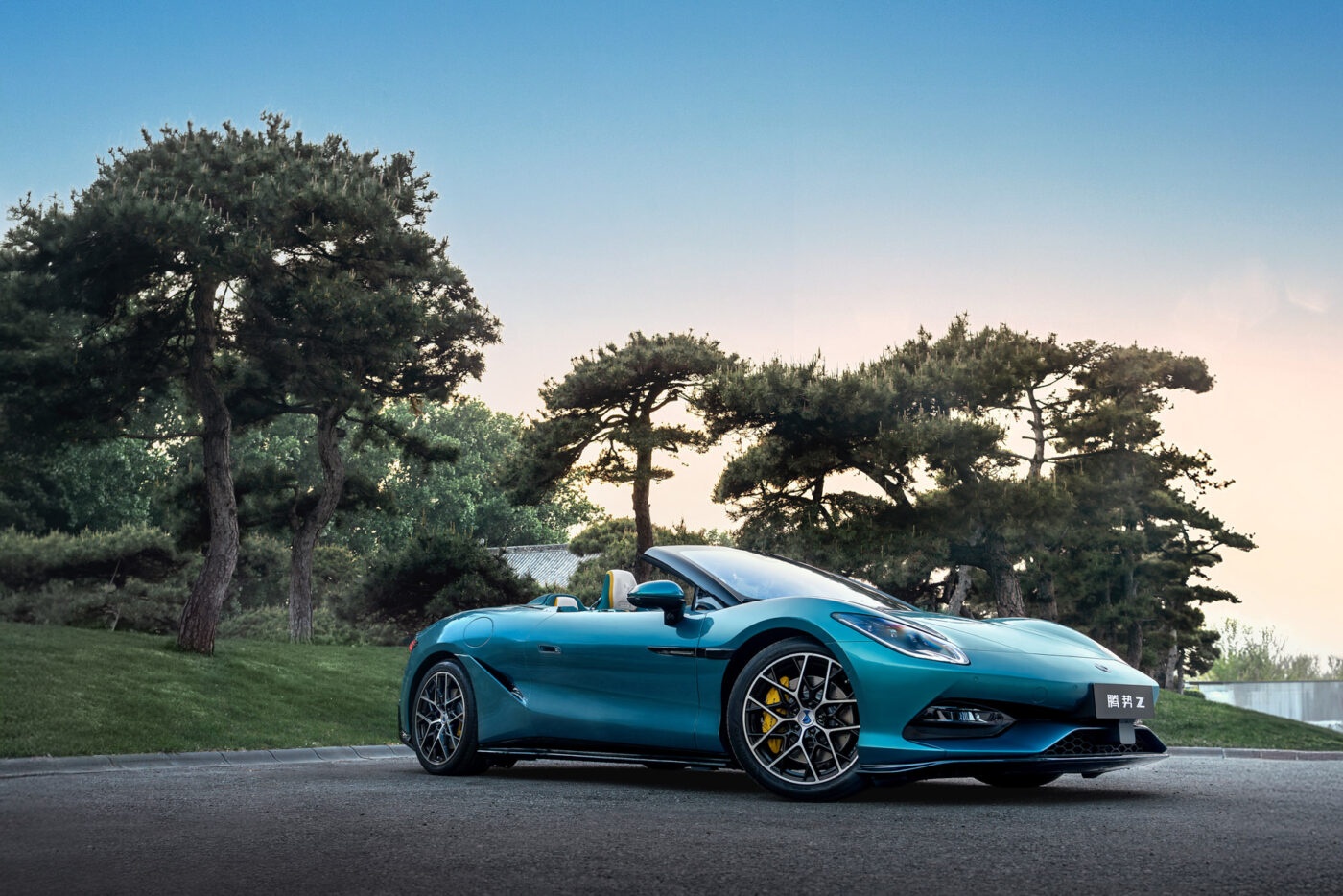
BYD's premium brand, Denza, has released further details about its upcoming electric sports car, the Denza Z. Scheduled for production in 2026, the model is set to be among the most powerful EVs worldwide, boasting up to 1,180 kW (1,603 hp), and will also be offered internationally following its market launch in China.
First showcased at Auto Shanghai 2025, the sports car is based on BYD's e³ platform and features three electric motors alongside all-wheel drive. Styled by former Audi and Lamborghini designer Wolfgang Egger, the model will be available as a coupe, with a spyder version to follow later.
In addition to high performance, Denza is leveraging advanced chassis technologies such as steer-by-wire, the DiSus-M active suspension system, and precise torque vectoring between the wheels. This is intended to give the Denza Z hypercar performance combined with high driving stability and agility.