








IAA MOBILITY Weekly
This Week's Mobility Highlights Week 07/2026
BMW, E.ON, Toyota, Pony.ai and Changan
- IAA MOBILITY Weekly
- 07/2026

BMW and E.ON launch Germany’s first commercial V2G charging solution; Toyota and Pony.ai begin mass production of the bZ4X Robotaxi; Changan Automobile set to debut the world's first production EV with a sodium-ion battery in mid-2026; and Toyota unveils the new Highlander BEV in California—these are our top stories for week 7 of 2026.
BMW and E.ON launch Germany’s first commercial V2G charging solution; Toyota and Pony.ai begin mass production of the bZ4X Robotaxi; Changan Automobile set to debut the world's first production EV with a sodium-ion battery in mid-2026; and Toyota unveils the new Highlander BEV in California—these are our top stories for week 7 of 2026.
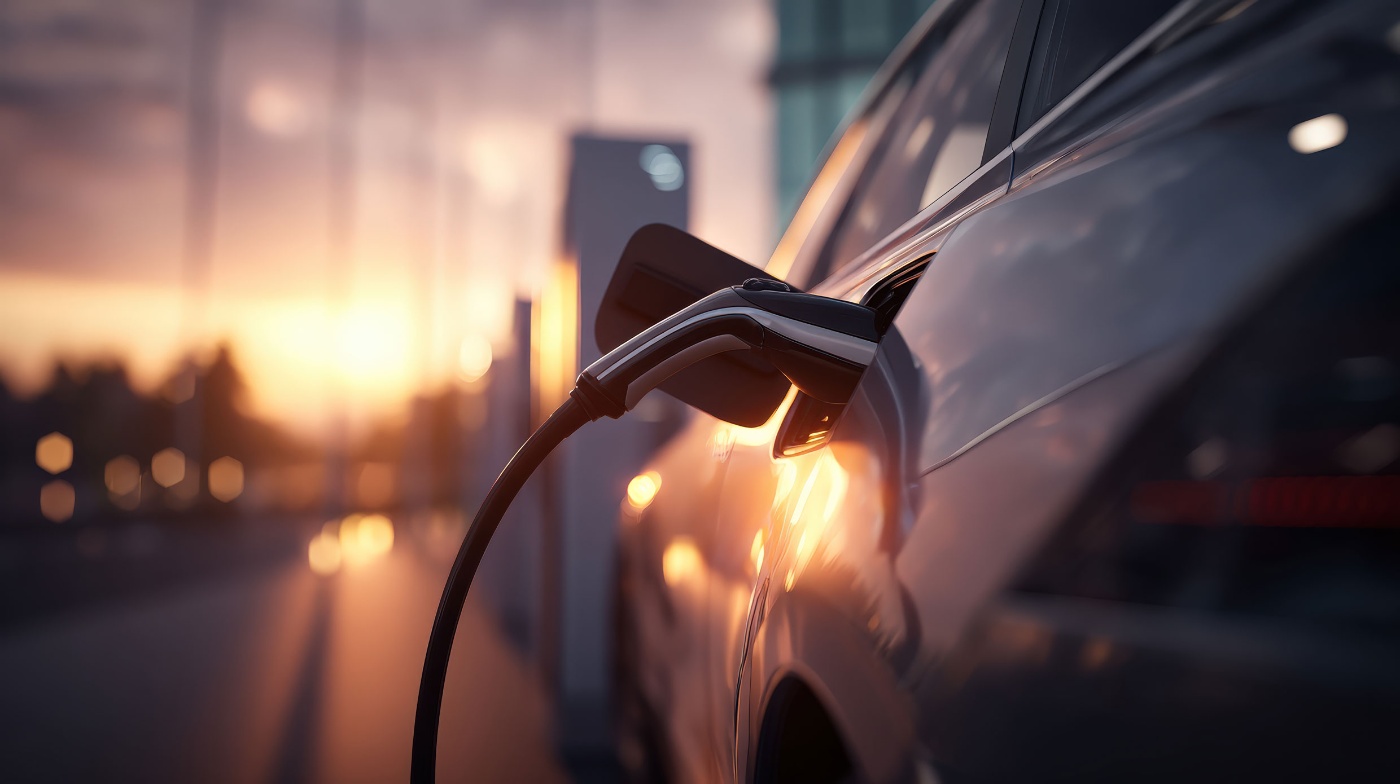
BMW and E.ON are taking the next major step in their long-standing strategic partnership. Following the successful announcement of Germany's first-ever commercial Vehicle-to-Grid (V2G) offering at IAA MOBILITY in September 2025, the program is now officially live. The comprehensive package includes the BMW Wallbox Professional (11 kW), the E.ON "ÖkoStrom Home & Drive V2G" tariff—which includes a formal feed-in contract—and a smart meter. This setup allows EVs to actively feed power back into the grid for the first time in a commercial residential setting.
At launch, the service is tailored for "Neue Klasse" models equipped with BMW eDrive Gen6 technology, starting with the new BMW iX3. An intelligent algorithm automatically manages the charging and discharging process to optimize grid stability and user benefits.
From a financial perspective, the program is highly attractive: participants can earn an annual bonus of up to €720 simply by keeping their vehicle plugged in with V2G activated—regardless of whether the battery is actually being charged or discharged. As an added incentive, the first 100 iX3 customers will receive a €700 discount on the Wallbox. The entire system is managed via the My BMW App. Additionally, BMW is offering alternative, cost-optimized home charging plans for other BMW and MINI models to encourage broader energy market integration.
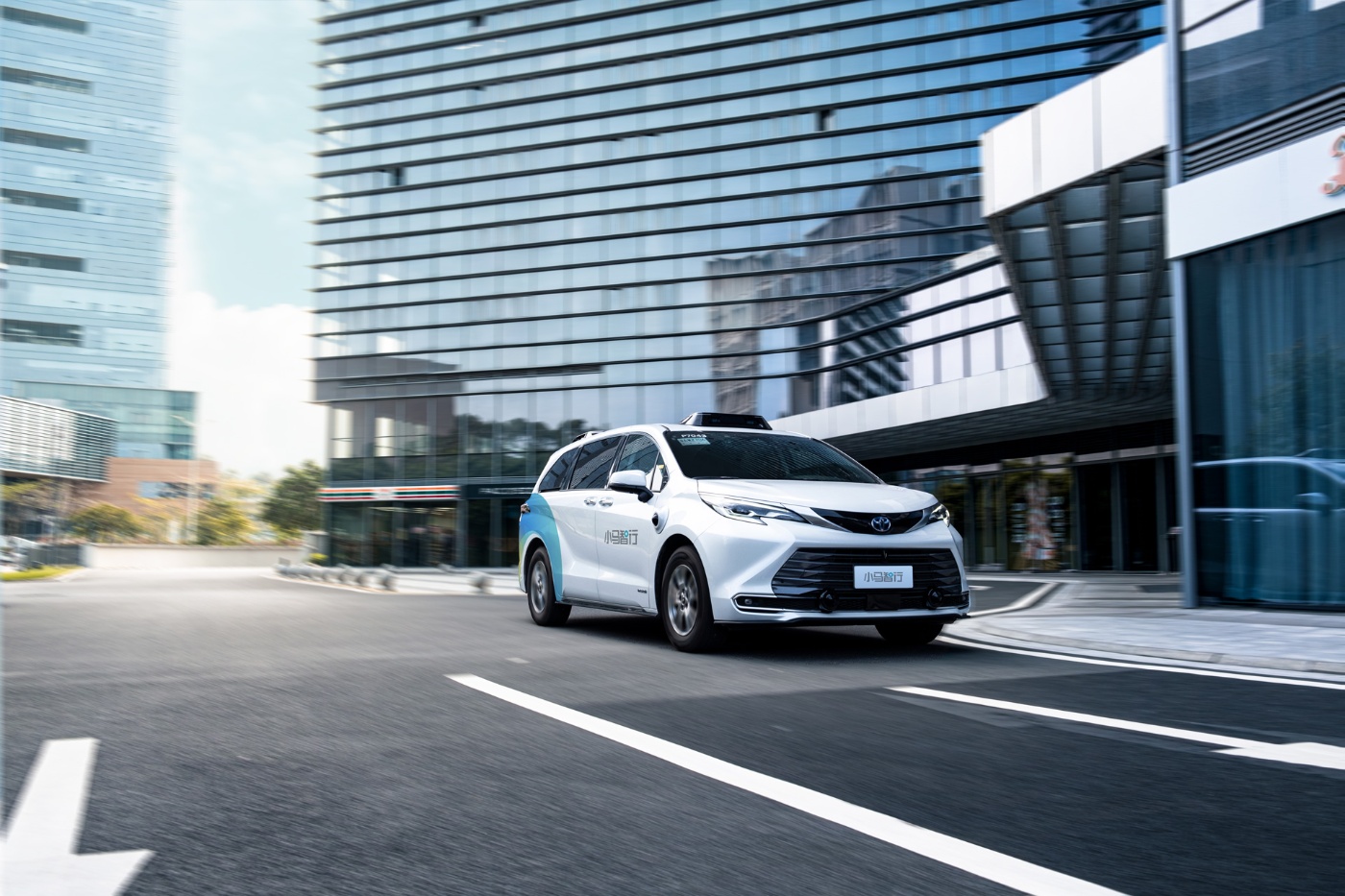
Pony.ai and Toyota have launched mass production of a robotaxi based on the Toyota bZ4X in China. The vehicles are rolling off the line at the GAC Toyota joint venture in Guangzhou, with over 1,000 units planned for 2026. They will be deployed in Pony.ai fleets across major hubs including Guangzhou, Beijing, Shanghai, and Shenzhen.
The technical foundation is the bZ4X platform updated in 2025, featuring SiC (silicon carbide) power electronics and optimized e-axles. For autonomous operation, the vehicles utilize Pony.ai’s Gen-7 system with SAE Level 4 capabilities; remote monitoring remains part of the protocol.
A key innovation is the factory integration of sensors and control systems during the production process, rather than retrofitting them later. This is expected to significantly improve the robotaxis' durability, safety, and maintainability while accelerating the transition to commercial scaling.
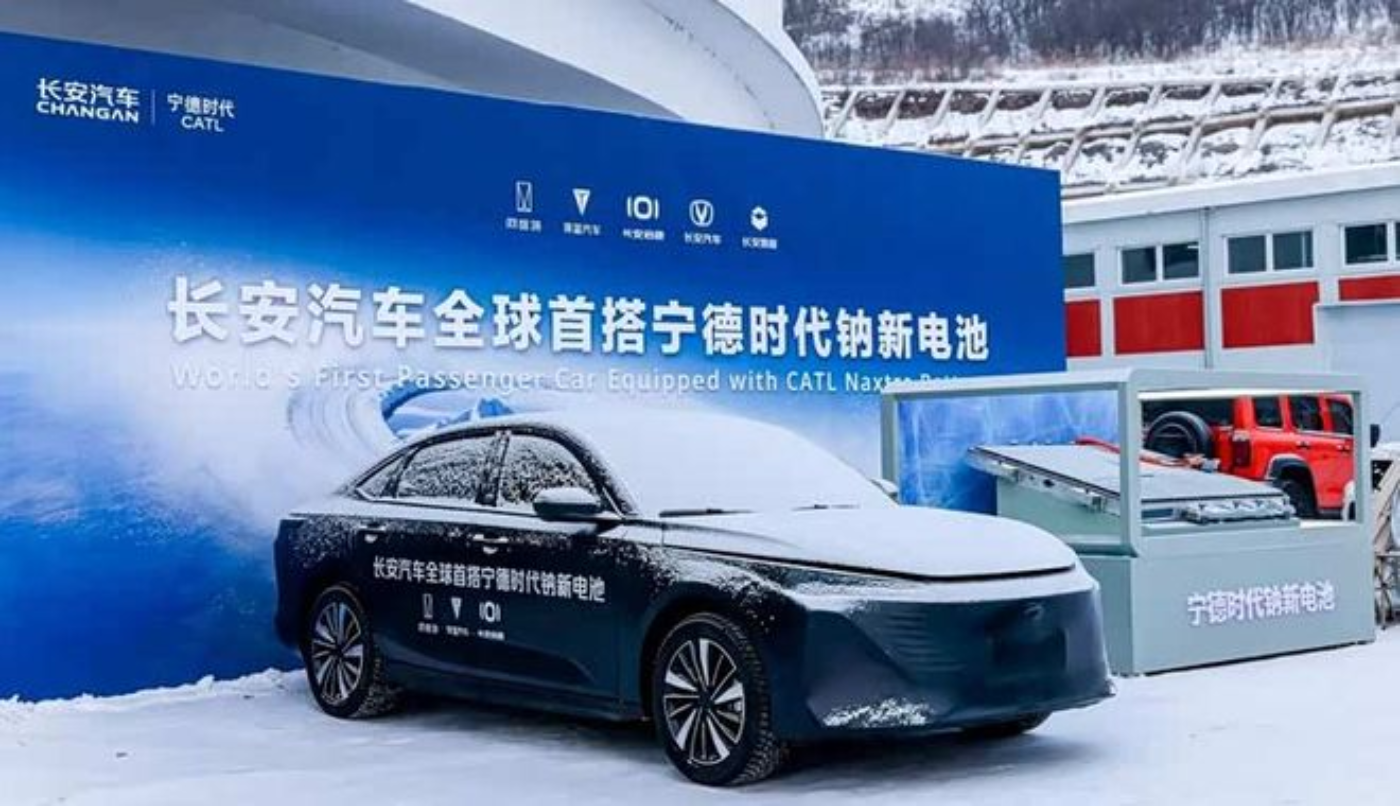
Changan Automobile plans to launch the Changan Nevo A06 in mid-2026, making it the world's first production EV powered by a sodium-ion battery. The vehicle will use CATL's new "Naxtra" cell, which eliminates the need for lithium, cobalt, and nickel, relying instead on abundant sodium.
According to CATL, the battery achieves an energy density of approximately 175 Wh/kg, charges to 80% in about 15 minutes, and maintains performance in temperatures ranging from -40°F to 158°F (-40°C to +70°C). The Nevo A06 will feature a 45 kWh pack, providing a range of over 400 kilometers (approx. 250 miles) based on the CLTC cycle.
In addition to potentially lower costs, its high resistance to cold is a major advantage over traditional lithium-ion cells. Changan plans to gradually integrate Na-ion technology into further models, positioning it as a strategic pillar of its global battery offensive.
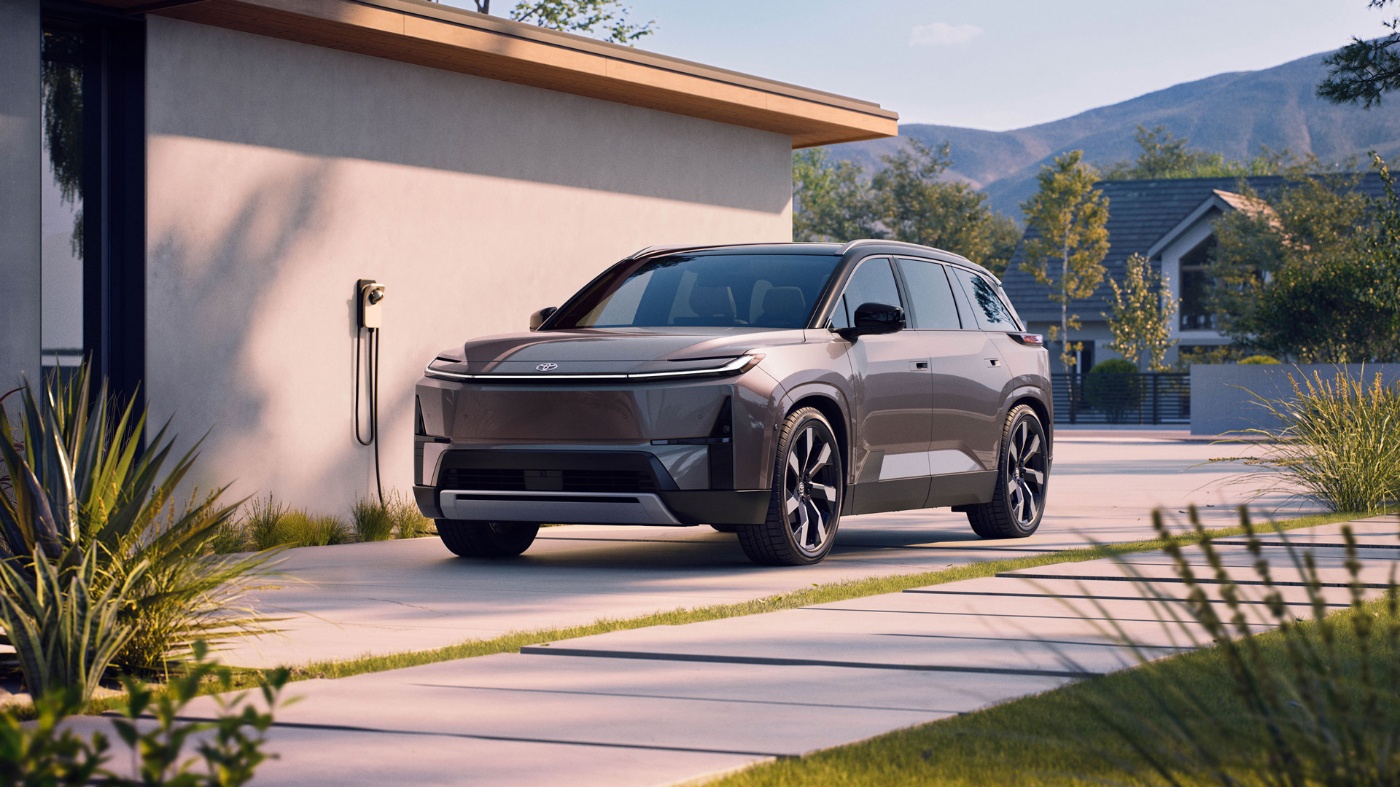
Toyota Motor Corporation has debuted the new Toyota Highlander BEV in California. The three-row electric SUV is slated to launch in North America in late 2026, expanding Toyota’s "Beyond Zero" portfolio as part of its multi-pathway approach to carbon neutrality.
The Highlander BEV is the brand’s fourth all-electric model in North America and builds on the legacy of the Highlander, which has seen over 3.6 million units sold in the region.
The SUV will be offered with two battery options—76.96 kWh and 95.82 kWh—paired with either front-wheel or all-wheel drive. Maximum range is expected to be around 320 miles. Features such as battery pre-conditioning are included to optimize DC fast charging, particularly in cold weather.