
Mobility
Toyota and Pony.ai Launch Mass Production of the bZ4X Robotaxi
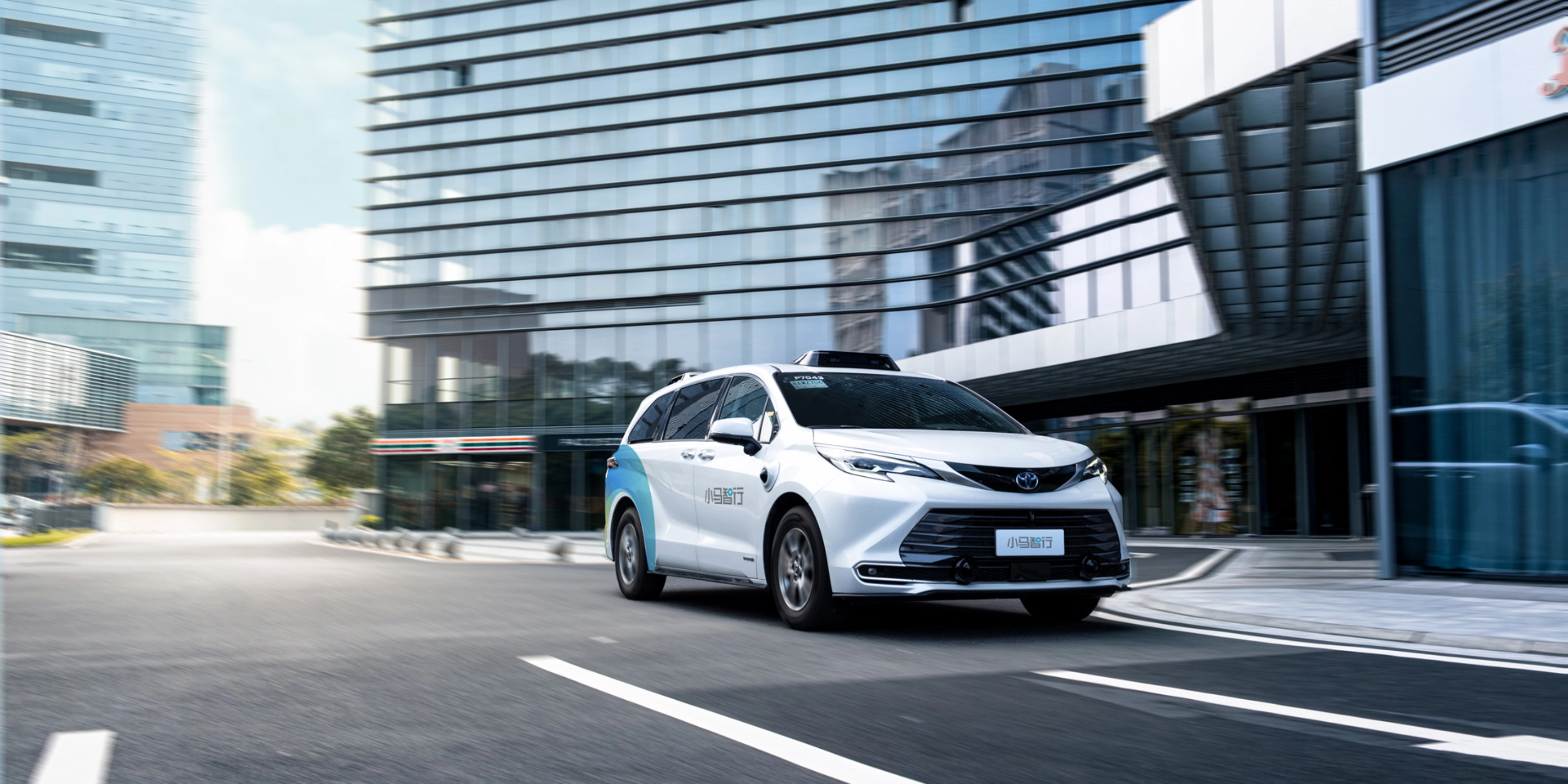
Image (c) PonyAI
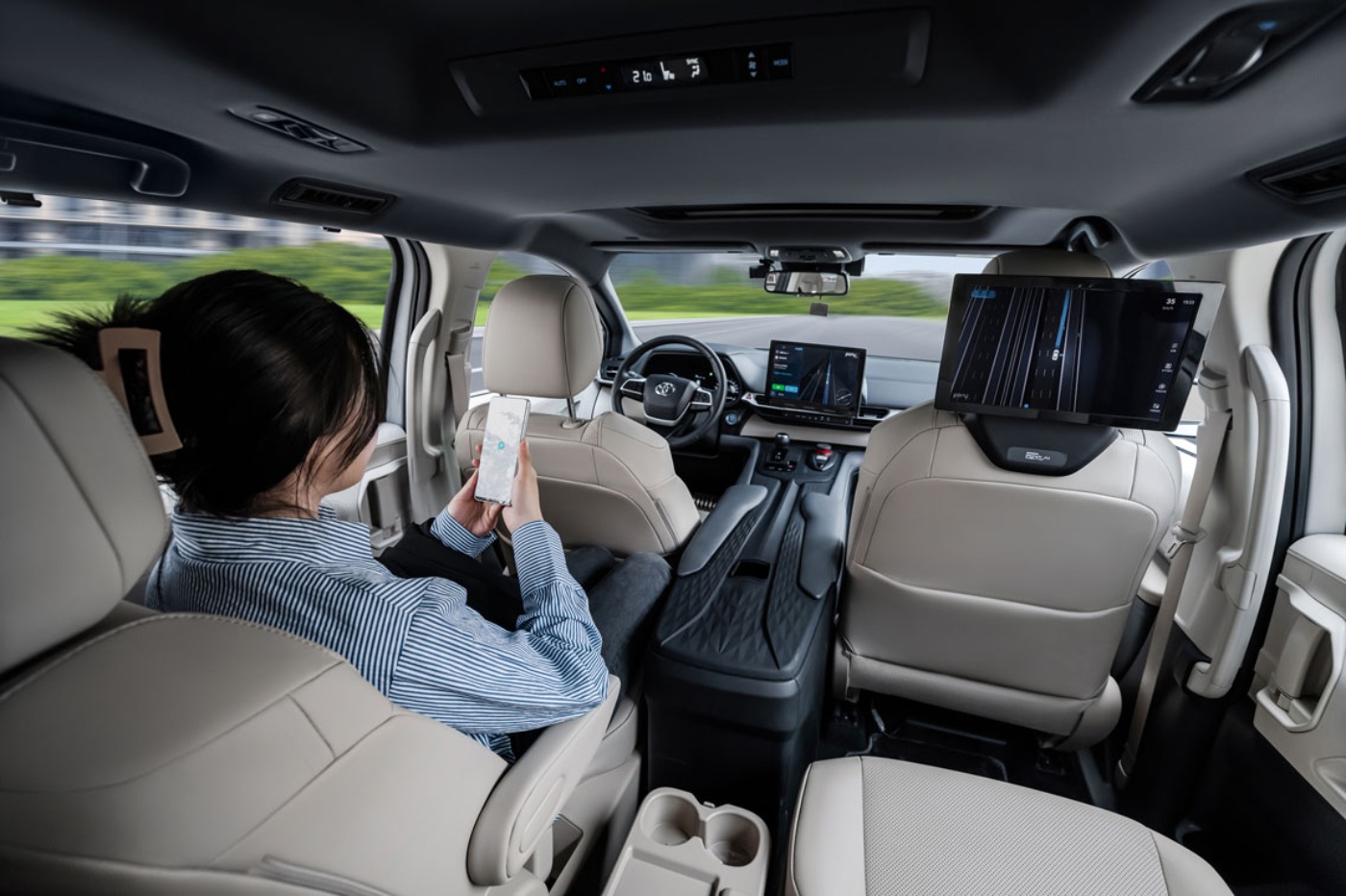
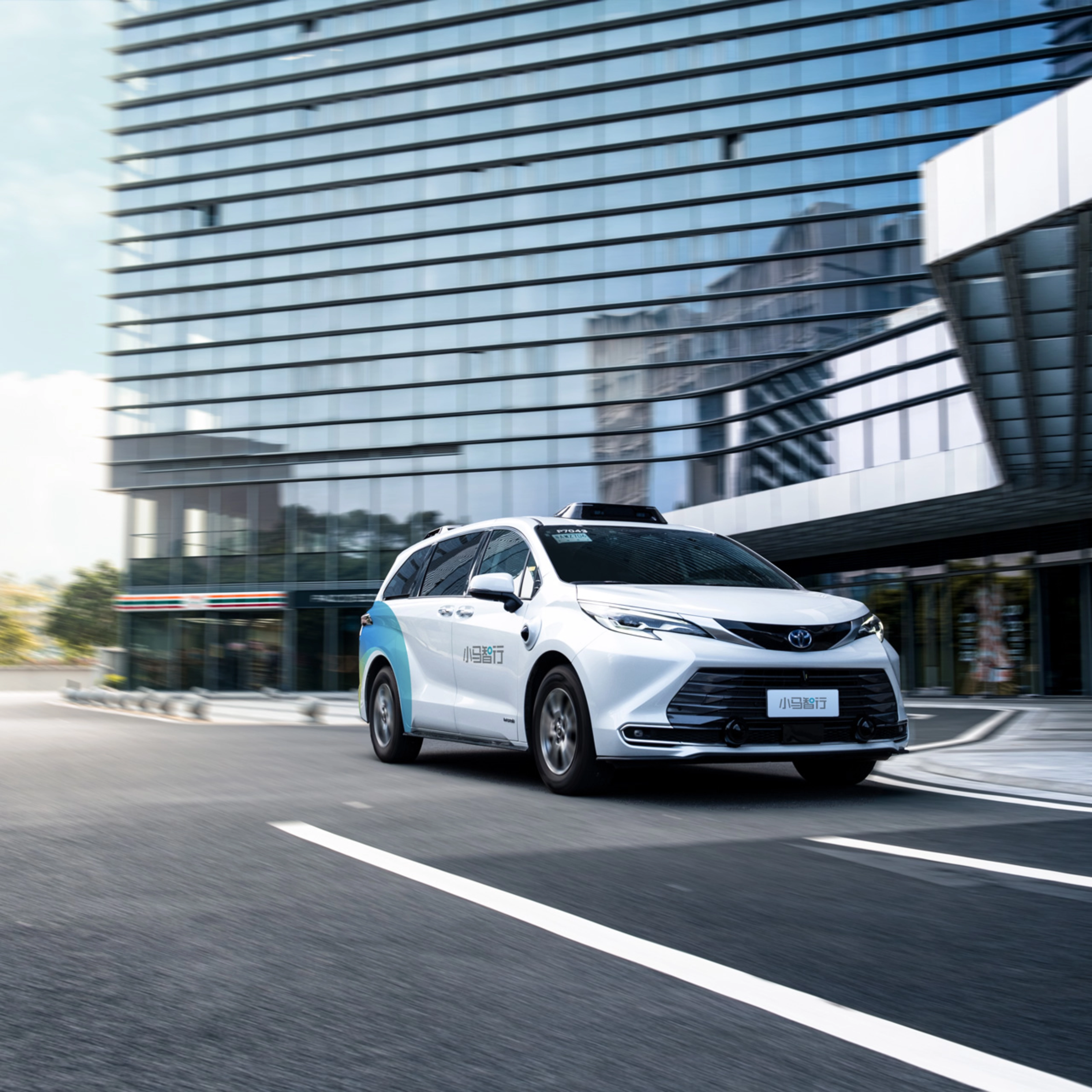
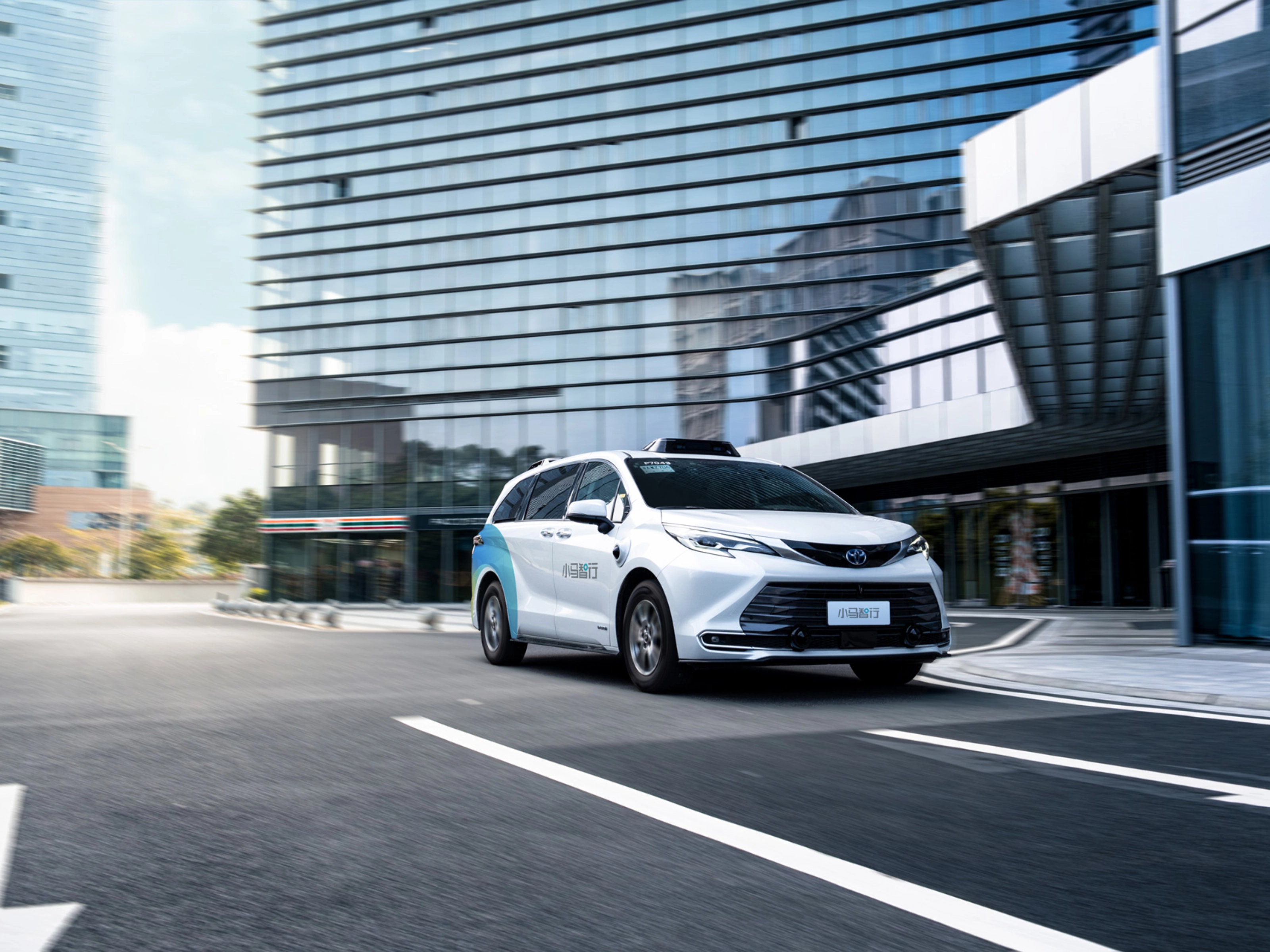
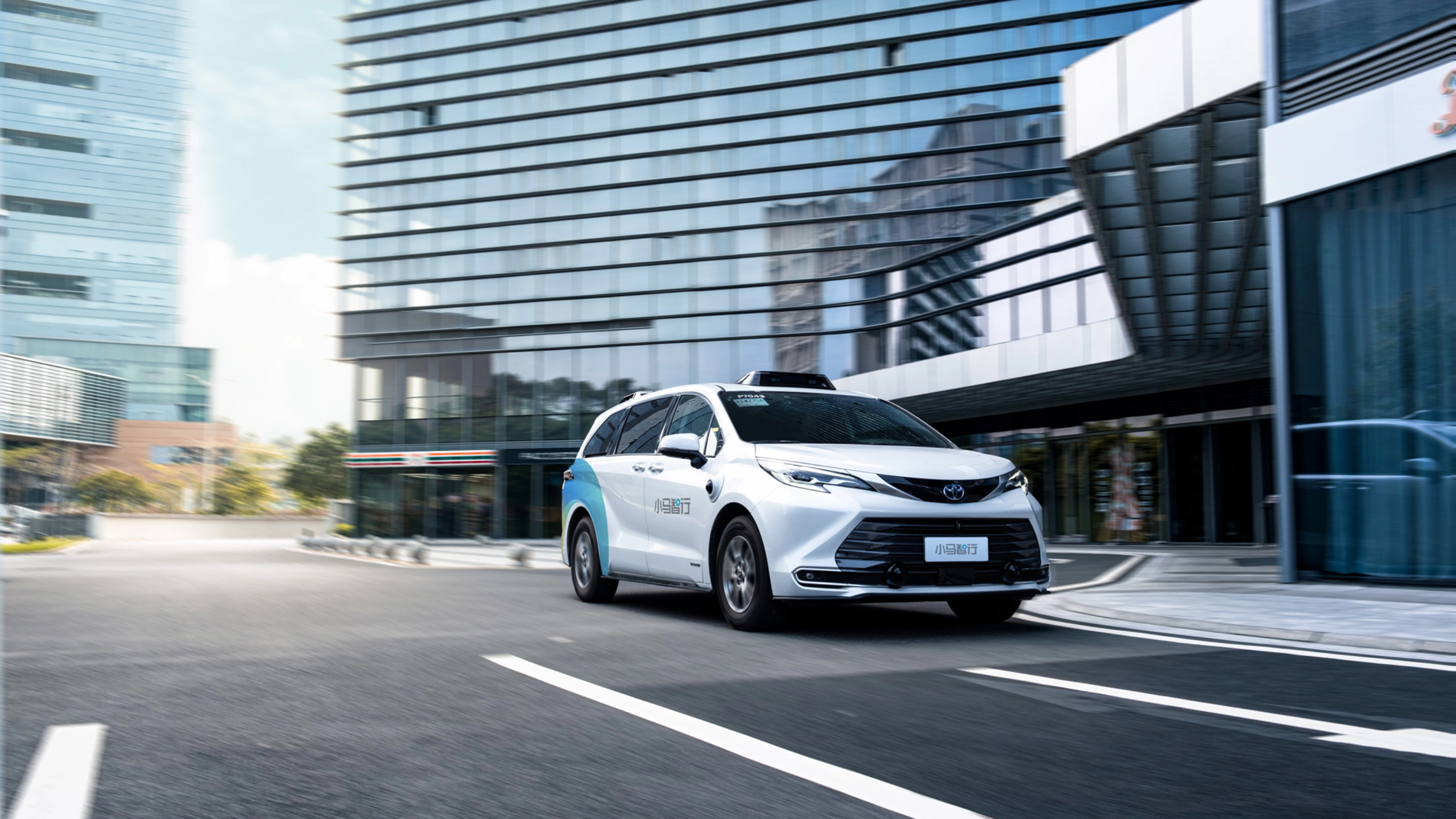
Pony.ai and Toyota have officially kicked off mass production of an autonomous robotaxi based on the Toyota bZ4X in China, marking a major milestone in the push toward commercial autonomous mobility. The first units of the all-electric SUV have already rolled off the line at the GAC Toyota joint venture in Guangzhou. Production is expected to exceed 1,000 units in 2026. These vehicles are destined for Pony.ai’s fleets and will be phased into commercial service across China's largest Tier-1 cities, including Guangzhou, Beijing, Shanghai, and Shenzhen.
Pony.ai and Toyota have officially kicked off mass production of an autonomous robotaxi based on the Toyota bZ4X in China, marking a major milestone in the push toward commercial autonomous mobility. The first units of the all-electric SUV have already rolled off the line at the GAC Toyota joint venture in Guangzhou. Production is expected to exceed 1,000 units in 2026. These vehicles are destined for Pony.ai’s fleets and will be phased into commercial service across China's largest Tier-1 cities, including Guangzhou, Beijing, Shanghai, and Shenzhen.
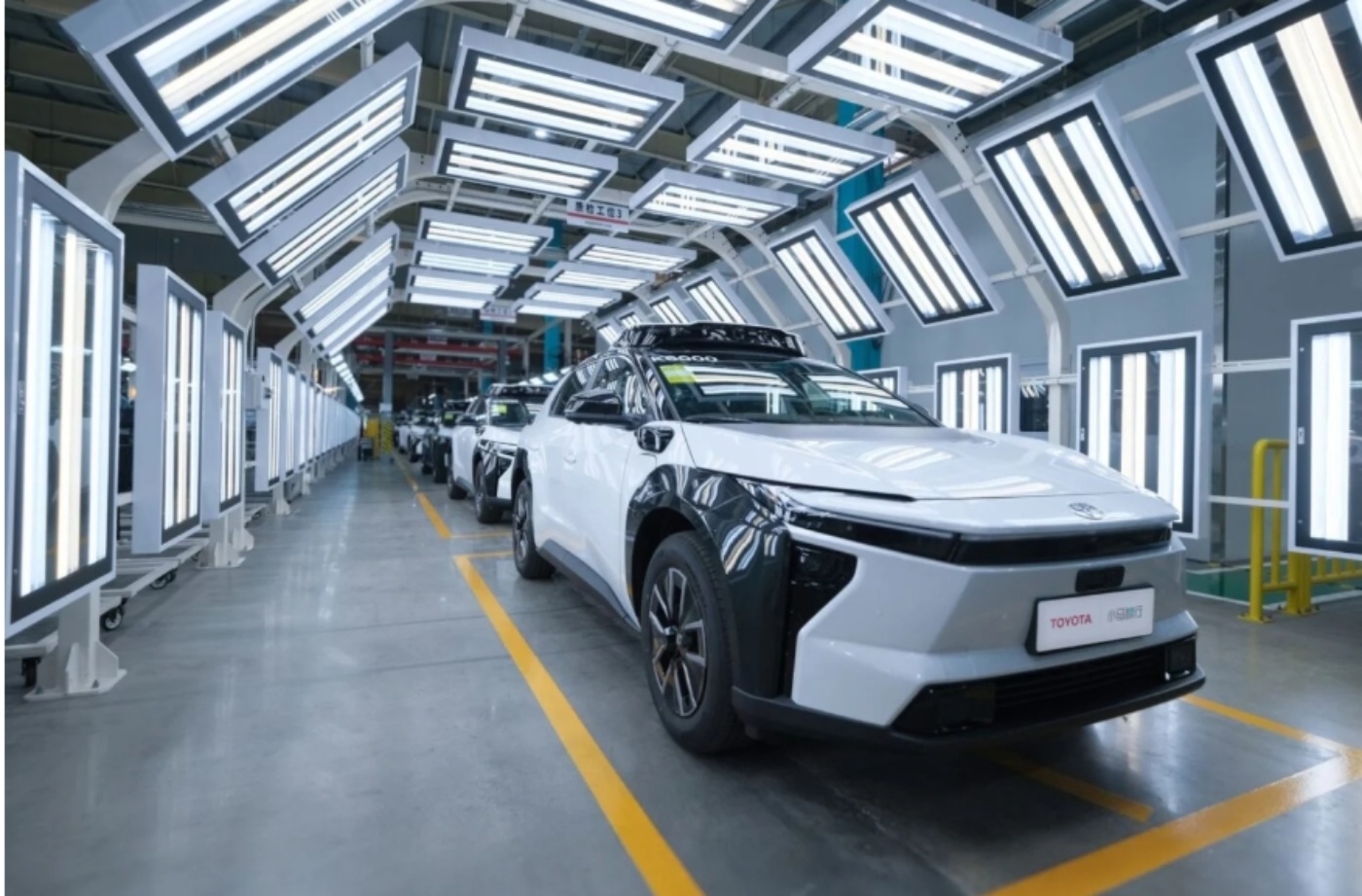
The Toyota bZ4X, a compact battery-electric SUV, serves as the hardware platform for this new robotaxi model. Following a 2025 update, the platform features technical enhancements such as SiC (silicon carbide) power electronics and redesigned e-axles. The standard version delivers approximately 219 hp (163 kW), with a more powerful dual-motor AWD variant also available.
For autonomous operation, the robotaxi utilizes Pony.ai’s seventh-generation autonomous driving technology (Gen-7). The system is designed for full SAE Level 4 autonomy, meaning the vehicle can operate without human intervention within defined geographic areas. Despite this capability, current reports indicate that remote human monitoring remains in place to provide assistance in complex scenarios.
A key shift in this mass production phase is the manufacturing approach: unlike earlier robotaxi fleets, where autonomous systems were retrofitted onto standard production cars, the Level 4 sensors and control hardware are now integrated directly on the assembly line. According to the manufacturers, this factory-integrated approach significantly improves vehicle durability, safety, and serviceability—crucial factors for scaling a commercial fleet.