








IAA MOBILITY Weekly
This Week's Mobility Highlights Week 05/2026
Focus: China, BMW, BYD, Porsche and ZF
- IAA MOBILITY Weekly
- 06/2026

China bans electric door release systems starting in 2027; BMW produces the first pre-series units of the new BMW i3 at its main plant in Munich; BYD kicks off passenger car test production in Hungary; Porsche launches series production of the Cayenne Electric; and ZF and BMW ink a long-term partnership for next-gen powertrain technologies. These are our top stories for Week 6 of 2026.
China bans electric door release systems starting in 2027; BMW produces the first pre-series units of the new BMW i3 at its main plant in Munich; BYD kicks off passenger car test production in Hungary; Porsche launches series production of the Cayenne Electric; and ZF and BMW ink a long-term partnership for next-gen powertrain technologies. These are our top stories for Week 6 of 2026.
- 1. China Banning Electric Door Release Systems Starting in 2027
- 2. BMW Reaches Major Milestone: New i3 Pre-Series Vehicles Roll Off the Line in Munich
- 3. BYD Starts Passenger Car Test Production in Hungary
- 4. Porsche Launches Cayenne Electric Series Production, Boosts Battery Expertise
- 5. ZF and BMW Form Long-Term Partnership for Next-Gen Powertrain Tech
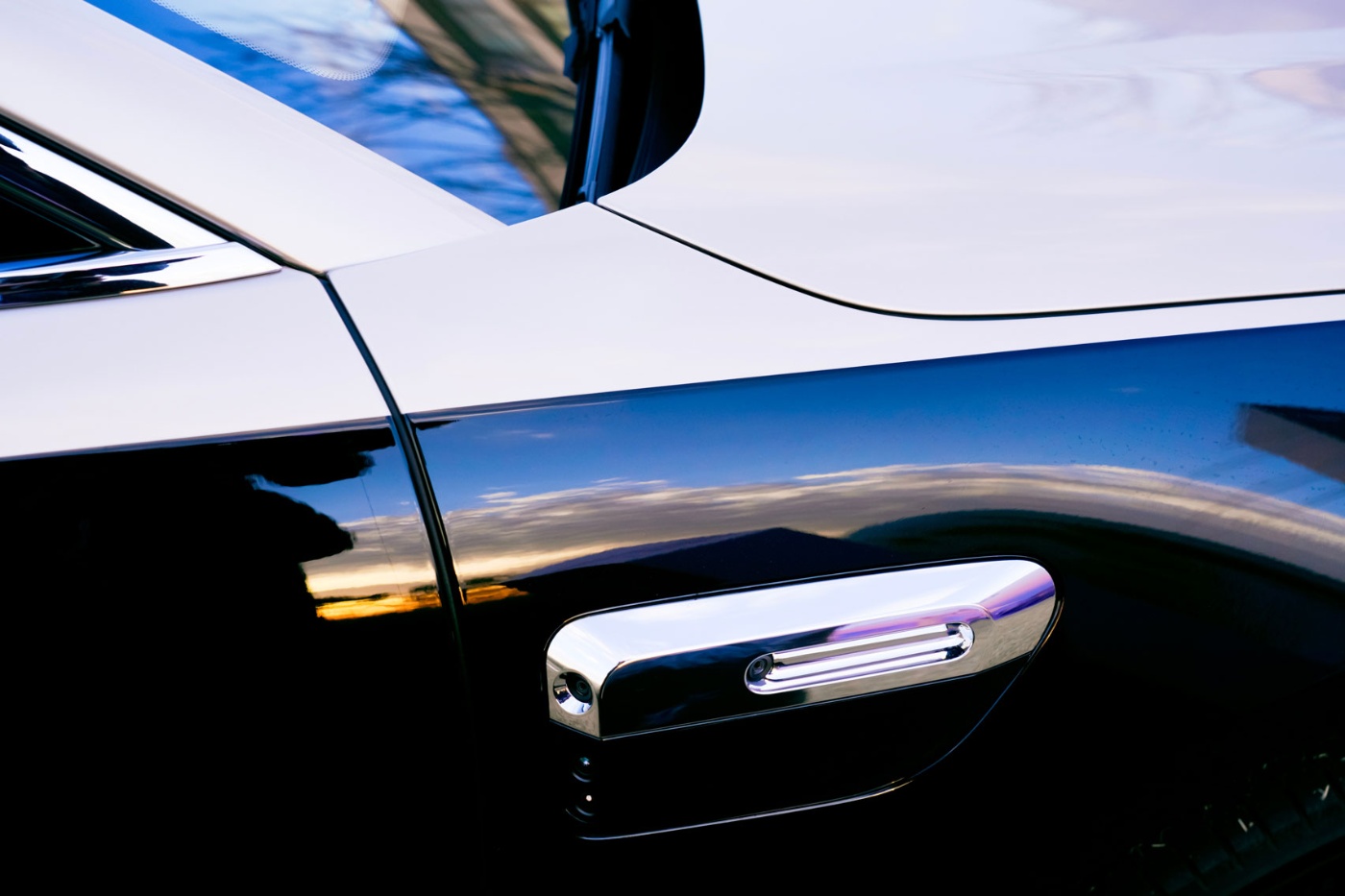
China is tightening its passenger vehicle safety regulations. Starting January 1, 2027, new cars featuring fully retractable door handles and purely electronic release systems will no longer be eligible for registration. This comes from a new mandate issued by the Ministry of Industry and Information Technology (MIIT). Models that have already been approved can still be sold through 2029 but must be retrofitted after that date.
In the future, mechanical door releases from both the inside and outside will be mandatory. Additionally, the regulations require sufficiently large recessed grips and interior instructions for use. The move is driven by safety concerns: flush-mounted, electrically operated handles can fail in accident scenarios, such as during a power outage. The new requirements aim to ensure that doors can be reliably opened manually at any time.
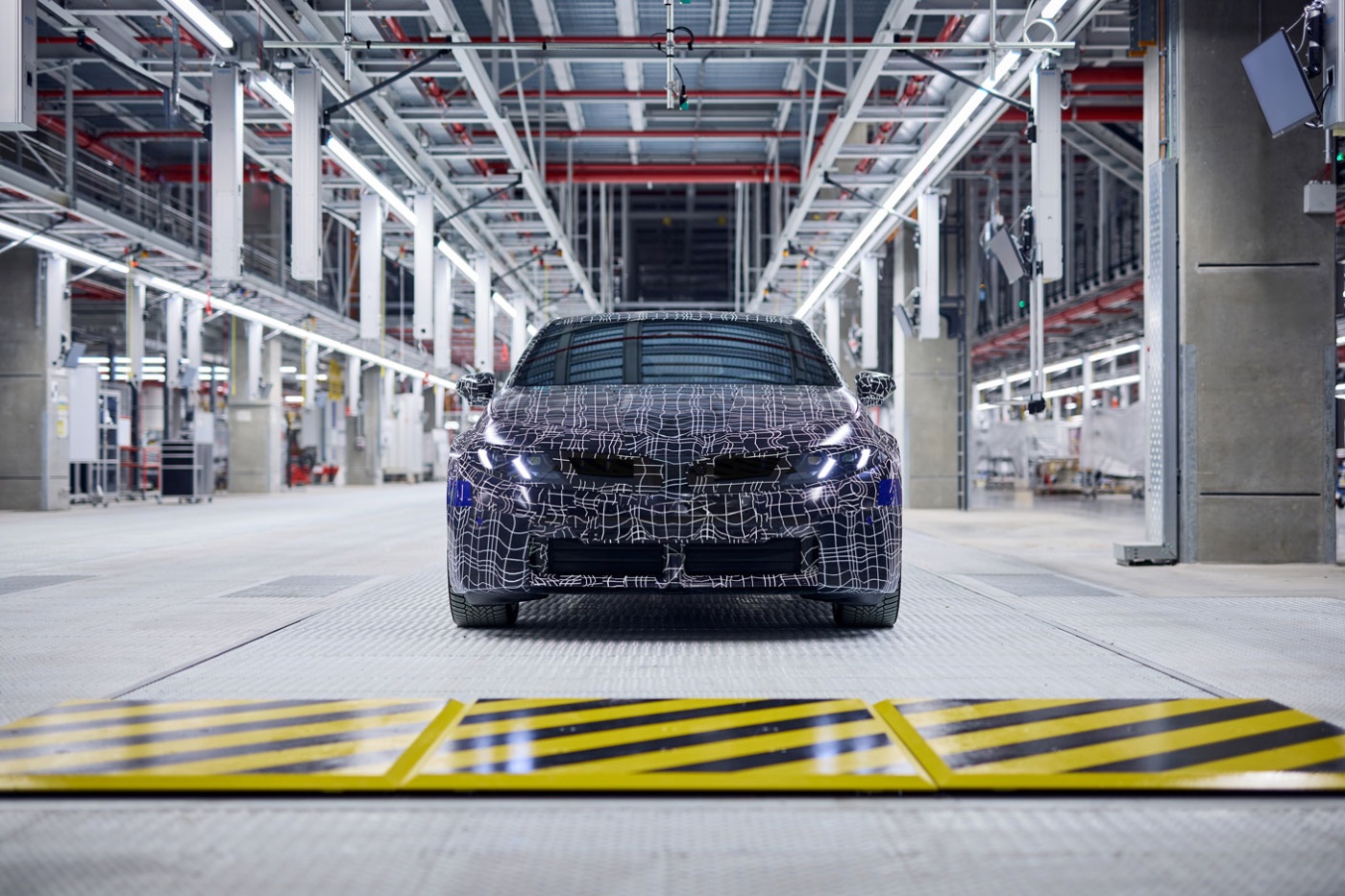
The BMW Group has produced the first pre-series units of the new BMW i3 at its flagship plant in Munich. This marks the start of the final preparation phase for the start of series production (SOP) in the second half of 2026. For the first time, the i3 will be manufactured entirely at the modernized plant using digitally networked processes and new production technologies.
During pre-series operations, the vehicles undergo every stage of production—from the press shop, body shop, and paint shop to assembly and logistics. The insights gained will be used to further optimize workflows and ensure a smooth series launch.
What makes this milestone unique: while early units were built in collaboration with the pilot plant at the Research and Innovation Center, all production and material flows are now handled entirely within the Munich plant. Even with low volumes, the logistics, equipment, and processes must already function at near-series standards—a crucial step toward the market launch.
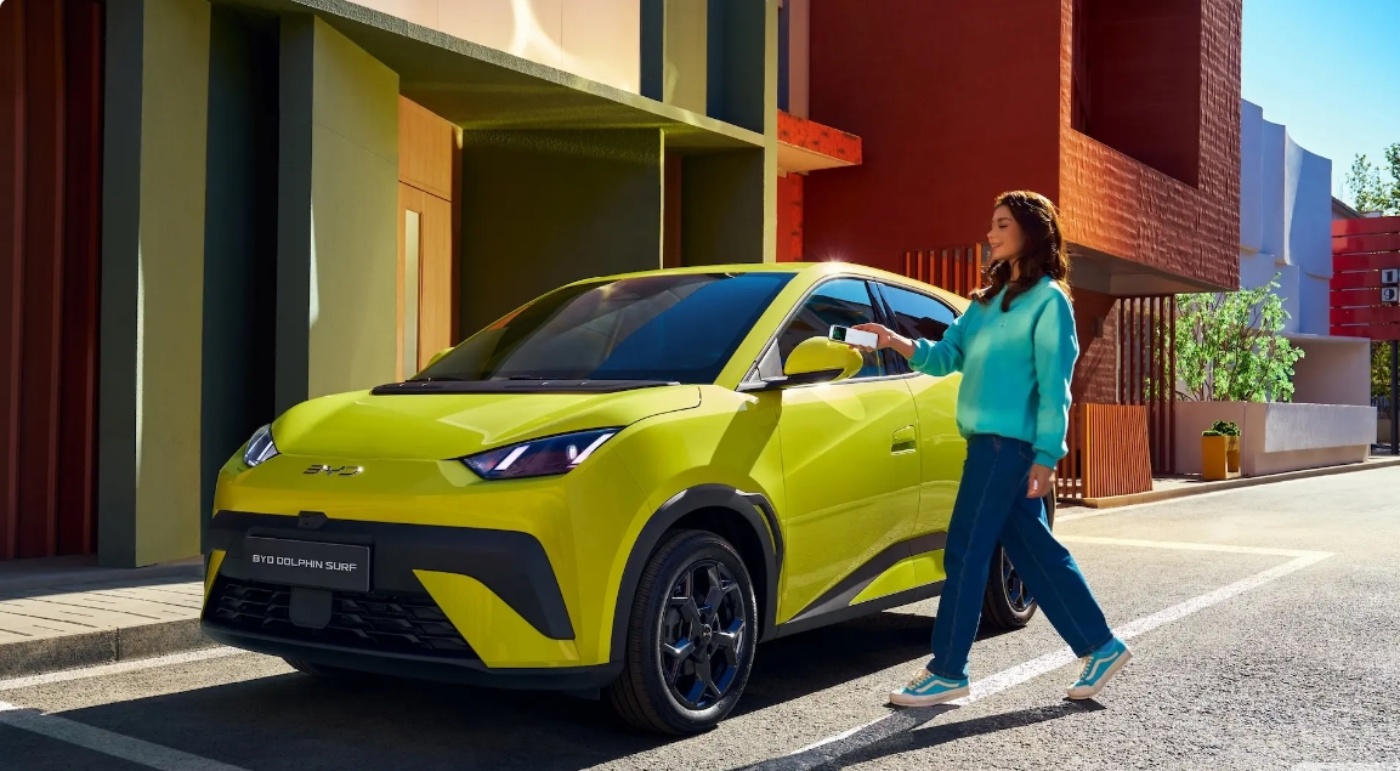
BYD has launched test production for passenger cars in Szeged, Hungary, marking its first step toward local manufacturing in Europe. Series production is slated for the second quarter of 2026.
The plant is expected to eventually reach an annual capacity of up to 200,000 vehicles. It is a cornerstone of BYD’s European strategy to produce cars "in Europe for Europe," reducing import duties and logistics costs. The start of production comes with a slight delay compared to the original timeline.
The site currently employs about 960 people, with the workforce expected to grow as capacity increases. The first model expected to roll off the line is the BYD Dolphin Surf (known in China as the Seagull), which is set to lead BYD’s locally produced lineup in Europe.
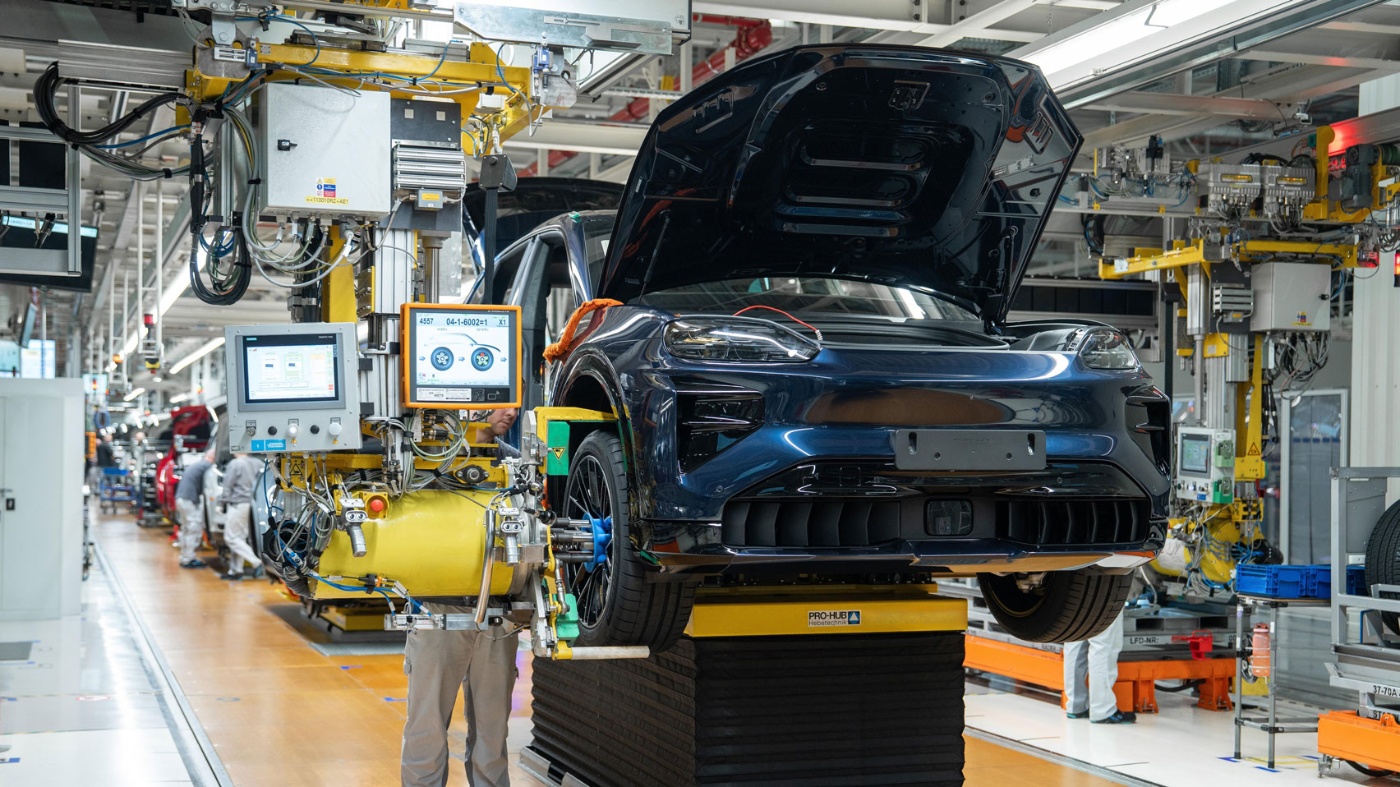
Porsche has officially started series production of the all-electric Porsche Cayenne Electric. The model is being built at the multi-brand plant in Bratislava on a shared line with internal combustion and hybrid variants—an approach that offers high flexibility to meet fluctuating demand.
A major focus is on expanded battery expertise "Made in Europe." High-voltage battery modules are manufactured at the "Porsche Smart Battery Shop" in Horná Streda, utilizing precision processes ranging from cell preparation and laser welding to final testing. The 113-kWh battery, featuring large pouch cells, is designed to provide a range of over 370 miles (600 km) and support 800-volt fast charging. Dual-sided cooling with two cooling plates optimizes thermal management and efficiency.
To accommodate the start of production, the Devínska Nová Ves site underwent an extensive expansion, including a new platform hall for the "skateboard" chassis. Body components are sourced from one of Europe’s most advanced press shops. With the Cayenne Electric, Porsche is strengthening its electrification strategy while deepening its in-house battery capabilities.
ZF Friedrichshafen AG and the BMW Group have signed a long-term supply and development agreement for powertrain systems. The contract, valued at several billion dollars, runs through the late 2030s and is designed to secure technological options for future mobility concepts.
The core of the partnership is the further development of a new generation of the 8-speed automatic transmission, which supports both conventional and electrified drivetrains. Working closely together, both companies aim to further enhance efficiency, performance, and integration for upcoming vehicle generations.
The cooperation goes beyond a traditional supplier relationship; it is structured as a long-term development platform involving joint technical alignment, validation, and integration into future model series.