








IAA MOBILITY Weekly
This Week's Mobility Highlights Week 04/2026
Focus: German EV Subsidies, China’s Battery Market, Volvo Cars, Jetta, Delta, and Connected Energy
- IAA MOBILITY Weekly
- 04/2026

The German federal government approves a new EV incentive program, China’s EV battery market grows by over 40% in 2025, Volvo celebrates the world premiere of the EX60, FAW-Volkswagen launches "Jetta" as a standalone NEV player in China, Delta introduces a new 350 kW HPC charger for EMEA, and Connected Energy builds a large-scale testing facility for second-life EV batteries in the UK—these are our top stories for Week 4 of 2026.
The German federal government approves a new EV incentive program, China’s EV battery market grows by over 40% in 2025, Volvo celebrates the world premiere of the EX60, FAW-Volkswagen launches "Jetta" as a standalone NEV player in China, Delta introduces a new 350 kW HPC charger for EMEA, and Connected Energy builds a large-scale testing facility for second-life EV batteries in the UK—these are our top stories for Week 4 of 2026.
- 1. German Federal Government Approves New EV Subsidy Program
- 2. China’s EV Battery Market Grew by Over 40% in 2025
- 3. Volvo Cars Celebrates World Premiere of the EX60
- 4. FAW-Volkswagen Launches "Jetta" as Standalone NEV Player in China
- 5. Delta Introduces New 350 kW HPC Charger for EMEA
- 6. Connected Energy Builds Large-Scale Testing Facility for Second-Life EV Batteries in the UK
Effective January 1, 2026, the German federal government is introducing a new state-funded EV incentive, officially bringing back the "purchase bonus." The program is retroactive, meaning all electric vehicles and certain plug-in hybrids registered since the beginning of the year are eligible, regardless of when the application is filed. According to the German Federal Minister for Environment Carsten Schneider, the goal is to prevent consumer hesitation and stabilize the market early on. Eligibility is based on the date of first registration rather than the order date; both purchases and leases are covered.
Battery-electric vehicles (BEVs) qualify for a base incentive of €3,000, which can increase to up to €6,000 based on a social sliding scale depending income and number of children. Plug-in hybrids and range-extended vehicles receive €1,500, if their emission is below 60g CO2/km or if they have an electric range of at least 80 kilometers (approx. 50 miles). Additionally, eligibility generally requires a taxable household income of up to €80,000, or up to €90,000 for families with children. Applications can be submitted via an online portal starting in May 2026—up to twelve months after initial registration.
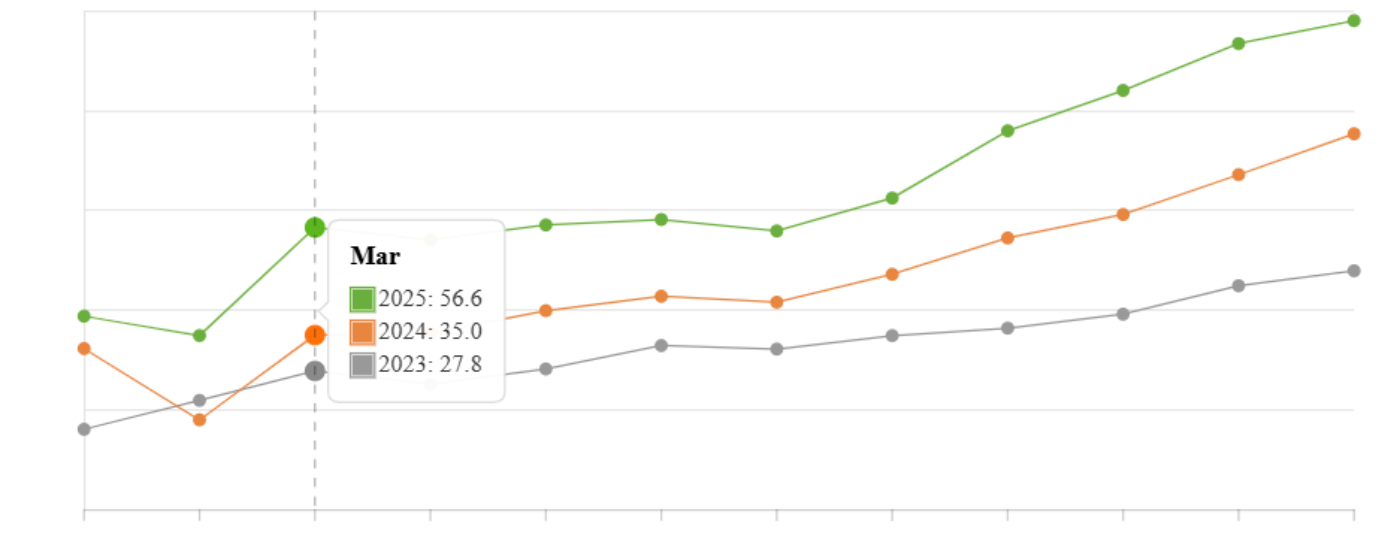
The Chinese electric battery market saw massive growth in 2025. According to the China Automotive Battery Innovation Alliance (CABIA), installed battery capacity in EVs rose to 769.7 GWh—a 40.4% increase year-over-year. This confirms the continued high momentum of electric mobility in the world’s largest automotive market.
LFP batteries dominate the market, accounting for approximately 81% of the installed capacity in 2025. Their installed output grew by nearly 53%, while Nickel Manganese Cobalt (NMC) batteries only saw a 3.7% increase. The primary drivers are lower costs, high thermal stability, and sufficient range for the mass market. Manufacturers like BYD and other Chinese OEMs have aligned their portfolios accordingly.
In tandem with rising demand, China also significantly ramped up battery production. This growth reflects the overall booming NEV market, which again saw millions of units sold and a sharp rise in exports in 2025. Among the best-selling EVs in 2025, a model from Geely’s Galaxy brand took the top spot, ahead of volume models from other manufacturers. While BYD remains the highest-volume provider overall, its individual models did not reach the top of the podium.
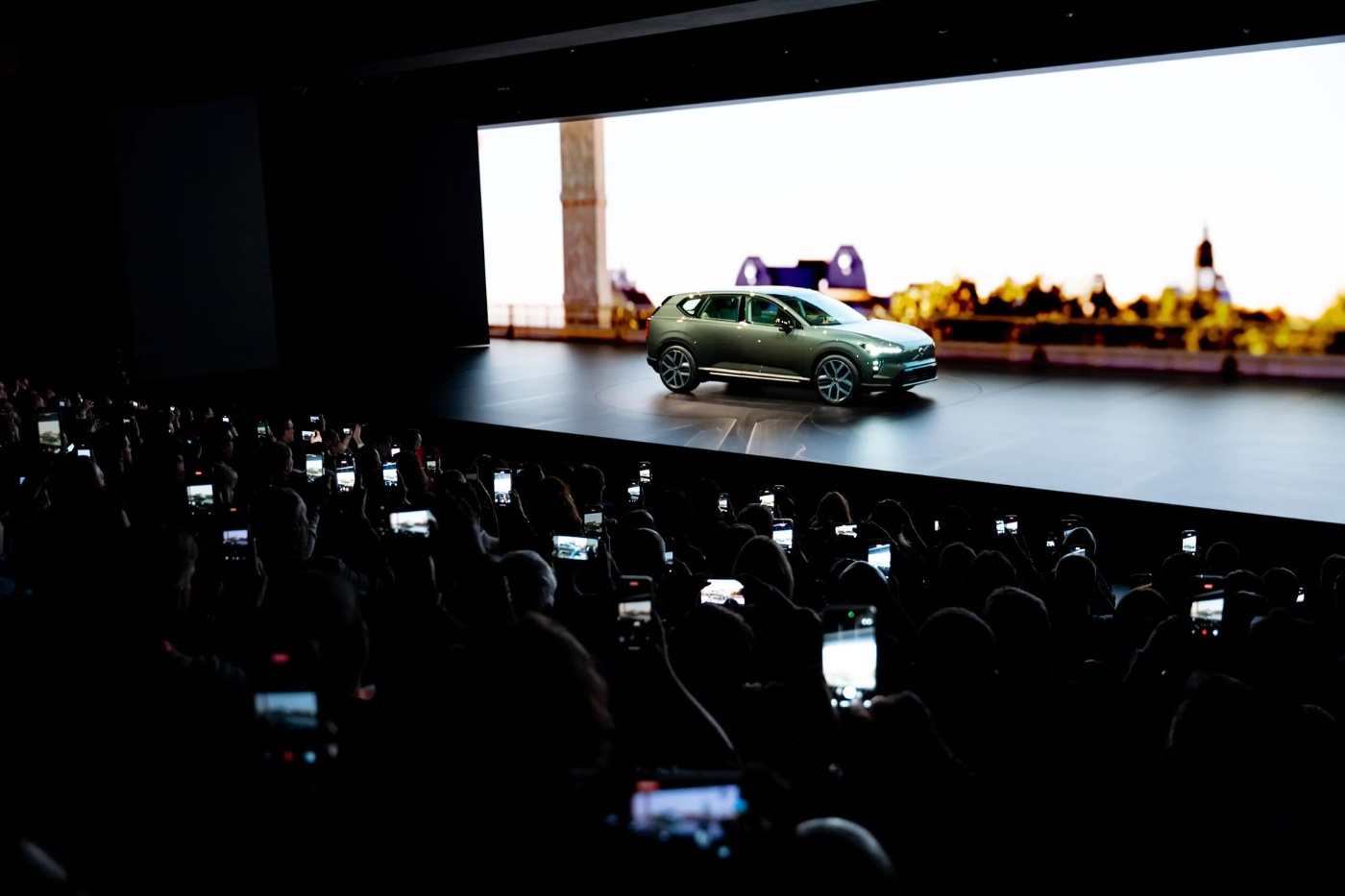
Volvo Cars has unveiled the Volvo EX60, a fully electric premium mid-size SUV designed to set new benchmarks in range, charging performance, and technology. Production is set to begin in Sweden in 2026, with a market launch scheduled for Summer 2026.
The EX60 will be available in three powertrain variants: The flagship P12 AWD Electric offers a range of up to 810 kilometers (503 miles), the P10 AWD Electric up to 660 kilometers (410 miles), and the rear-wheel-drive P6 Electric up to 620 kilometers (385 miles). Thanks to 400 kW fast charging, up to 340 kilometers (211 miles) of range can be added in about ten minutes.
Technically, the EX60 is based on the new SPA3 electric platform and utilizes megacasting components, cell-to-body battery integration, and the new HuginCore central computing system. It is also the first Volvo model to integrate the AI assistant Google Gemini into Android Automotive OS for dialog-based operation.
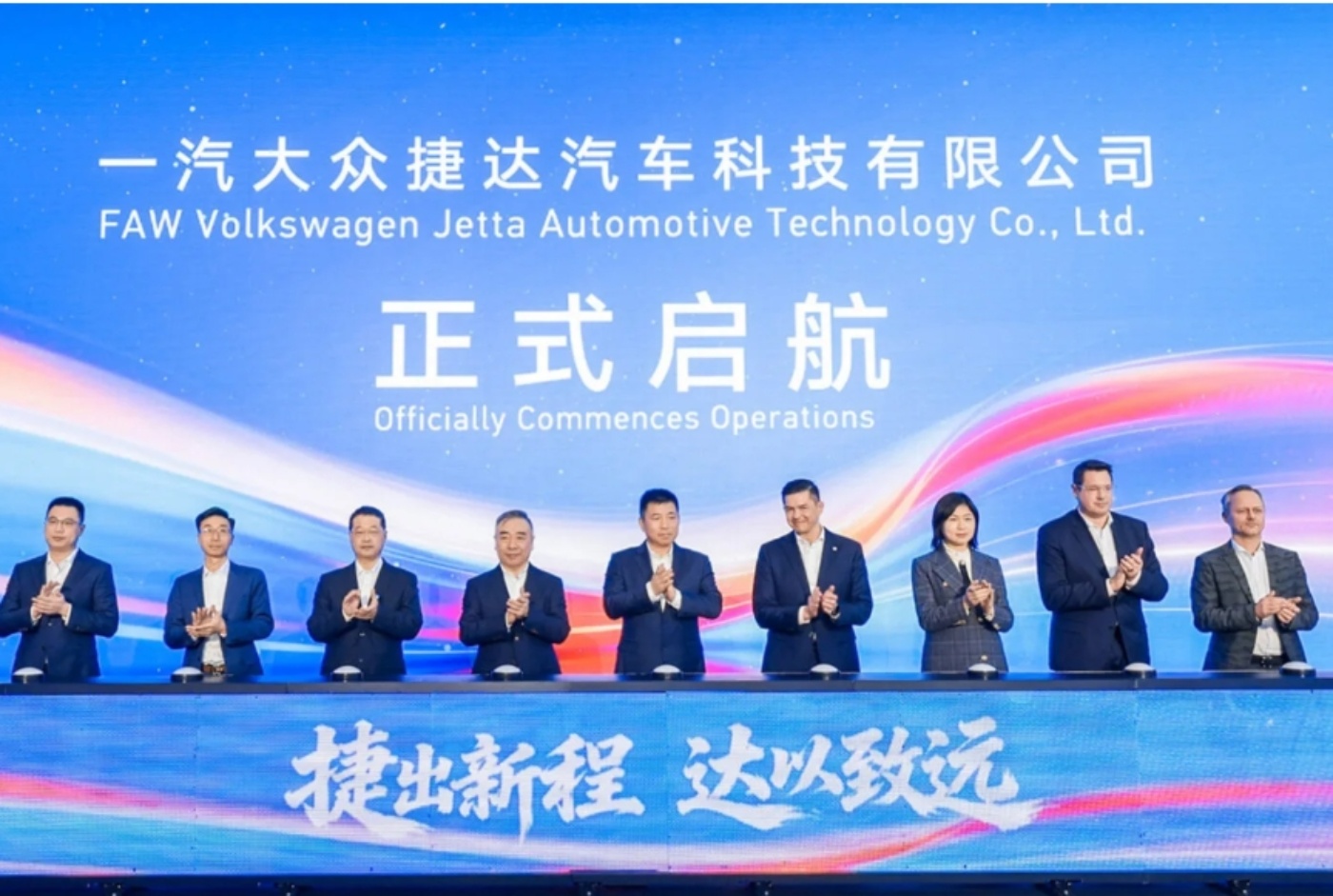
The FAW-Volkswagen joint venture is repositioning the Jetta brand, launching it as an independent NEV provider in the Chinese market. With the founding of FAW-Volkswagen Jetta Automotive Technology Co. Ltd., Jetta will gain significantly more autonomy in R&D and strategic decision-making.
Volkswagen will contribute its global technology and software expertise, while FAW Group provides its strengths in R&D, smart manufacturing, and supply chain management. The goal is an independent development and production approach for smart electric vehicles tailored particularly for the Chinese market. Jetta plans to introduce five new models by 2028, four of which will be New Energy Vehicles. In the medium term, the company is targeting an annual production and sales volume of 400,000 to 500,000 vehicles.
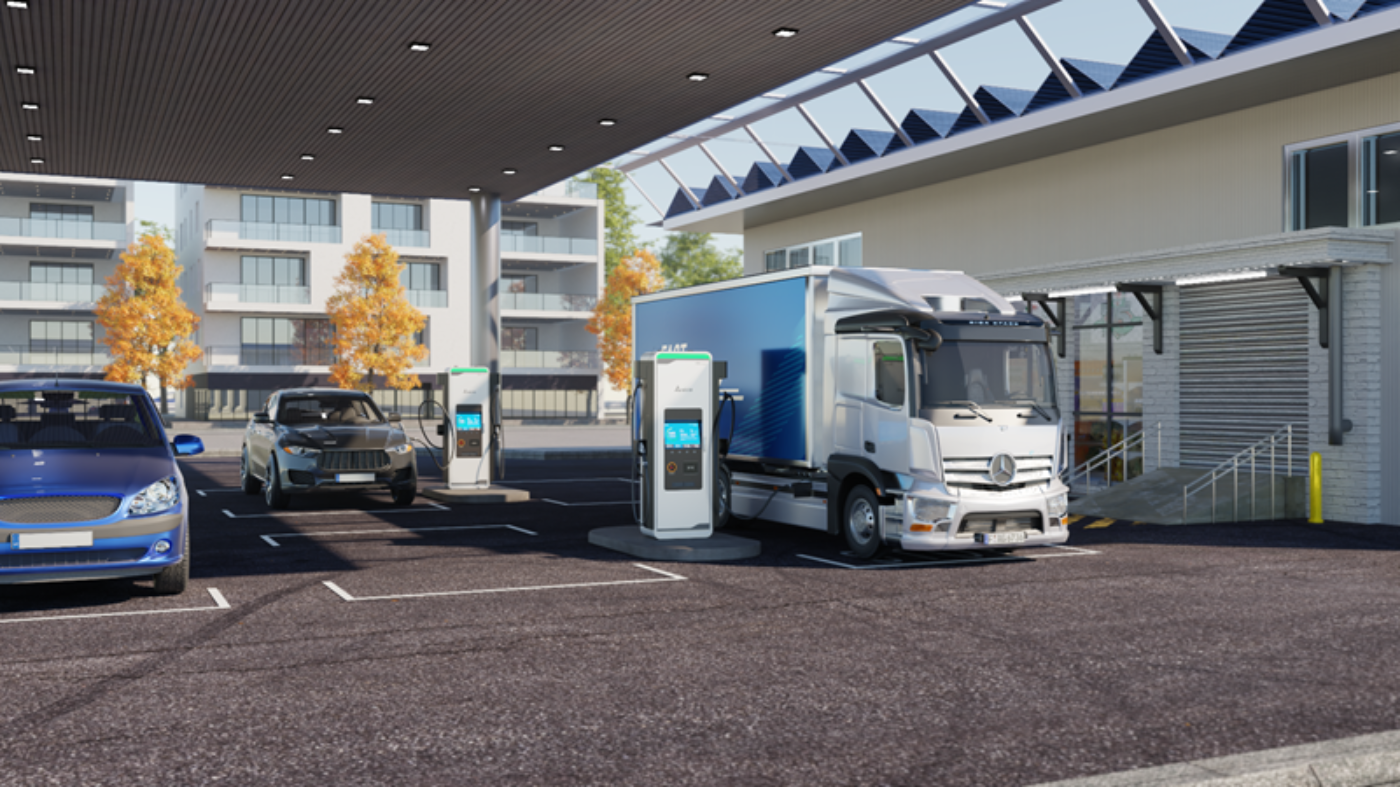
Delta Electronics has introduced a new 350 kW High-Power Charging (HPC) station for the EMEA market. The solution is aimed at battery-electric passenger cars as well as buses, trucks, and commercial vehicles, enabling flexible and reliable fast-charging infrastructure even at locations with weak grid connections.
The HPC 350 combines ultra-fast DC charging with intelligent energy management, dynamic load balancing, and grid conditions. This makes the system particularly suitable for highway hubs, rest areas, gas stations, as well as logistics, fleet, and industrial sites with high utilization and mixed vehicle fleets. The solution consists of a separate power cabinet and a charging pedestal with two charging points. Liquid-cooled cables allow for a continuous 500 amps, reducing thermal decreasing and ensuring consistently high charging speeds even during intensive use.
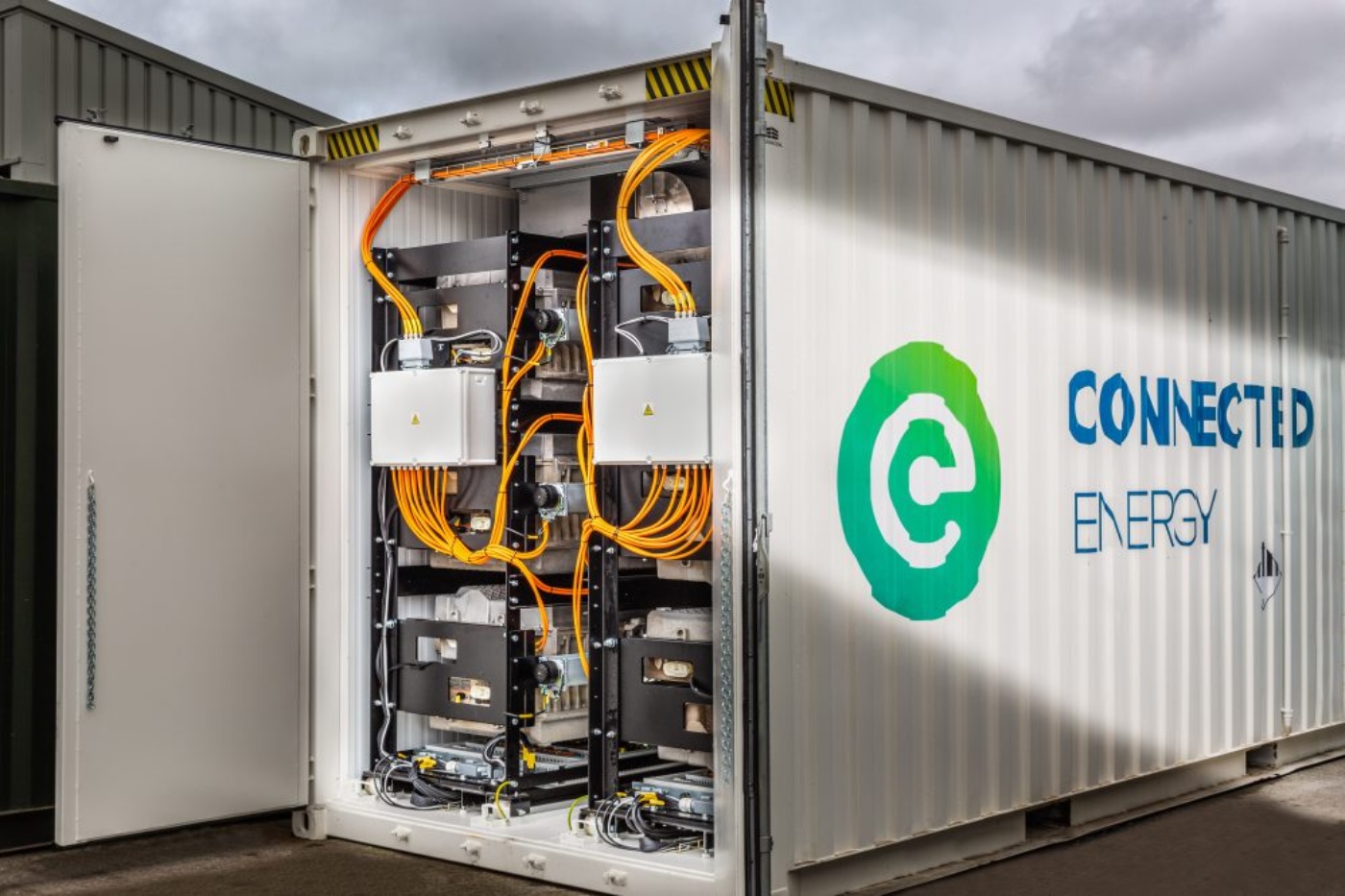
Connected Energy plans to build a large-scale testing facility for second-life batteries at Scottow Enterprise Park. With an investment of approximately £2 million, the plant is expected to go into operation by mid-2026 and will be among the most advanced testing infrastructures for repurposed EV batteries in Europe.
The facility, with a capacity of approximately 5 MWh, is designed for batteries from electric buses and trucks. It will test and integrate various cell types into stationary energy storage systems to evaluate both the technical performance and economic viability of second-life usage. The goal is to generate reliable data on how retired traction batteries can generate revenue through grid operations and provide system services, such as energy arbitrage or grid flexibility. The results will serve as a foundation for future large-volume second-life projects.