








IAA MOBILITY Weekly
This Week's Mobility Highlights Week 03/2026
Focus: Hyundai, Opel, Mazda, Peugot, Kia, BMW, CAM, Bosch, and more
- IAA MOBILITY Weekly
- 03/2026

Hyundai, Opel, Mazda, Peugeot, and Kia celebrate model premieres; BMW M ushers in a new era of high-performance electric models; Geely, Volkswagen, and BYD dominate innovation rankings in the CAM Electromobility Report; Bosch and Neura Robotics aim to scale humanoid AI robots for industrial use; and Volkswagen and Qualcomm deepen their partnership for future infotainment and software architectures—these are our top stories for week 3 of 2026.
Hyundai, Opel, Mazda, Peugeot, and Kia celebrate model premieres; BMW M ushers in a new era of high-performance electric models; Geely, Volkswagen, and BYD dominate innovation rankings in the CAM Electromobility Report; Bosch and Neura Robotics aim to scale humanoid AI robots for industrial use; and Volkswagen and Qualcomm deepen their partnership for future infotainment and software architectures—these are our top stories for week 3 of 2026.
- 1. Hyundai, Opel, Mazda, Peugeot, and Kia Celebrate Model Premieres
- 2. BMW M Ushers in a New Era of High-Performance Electric Models
- 3. CAM Electromobility Report: Geely, VW, and BYD Dominate Innovation Rankings
- 4. Bosch and Neura Robotics Aim to Scale Humanoid AI Robots Industrially
- 5. Volkswagen and Qualcomm Deepen Cooperation for Future Infotainment and Software Architectures
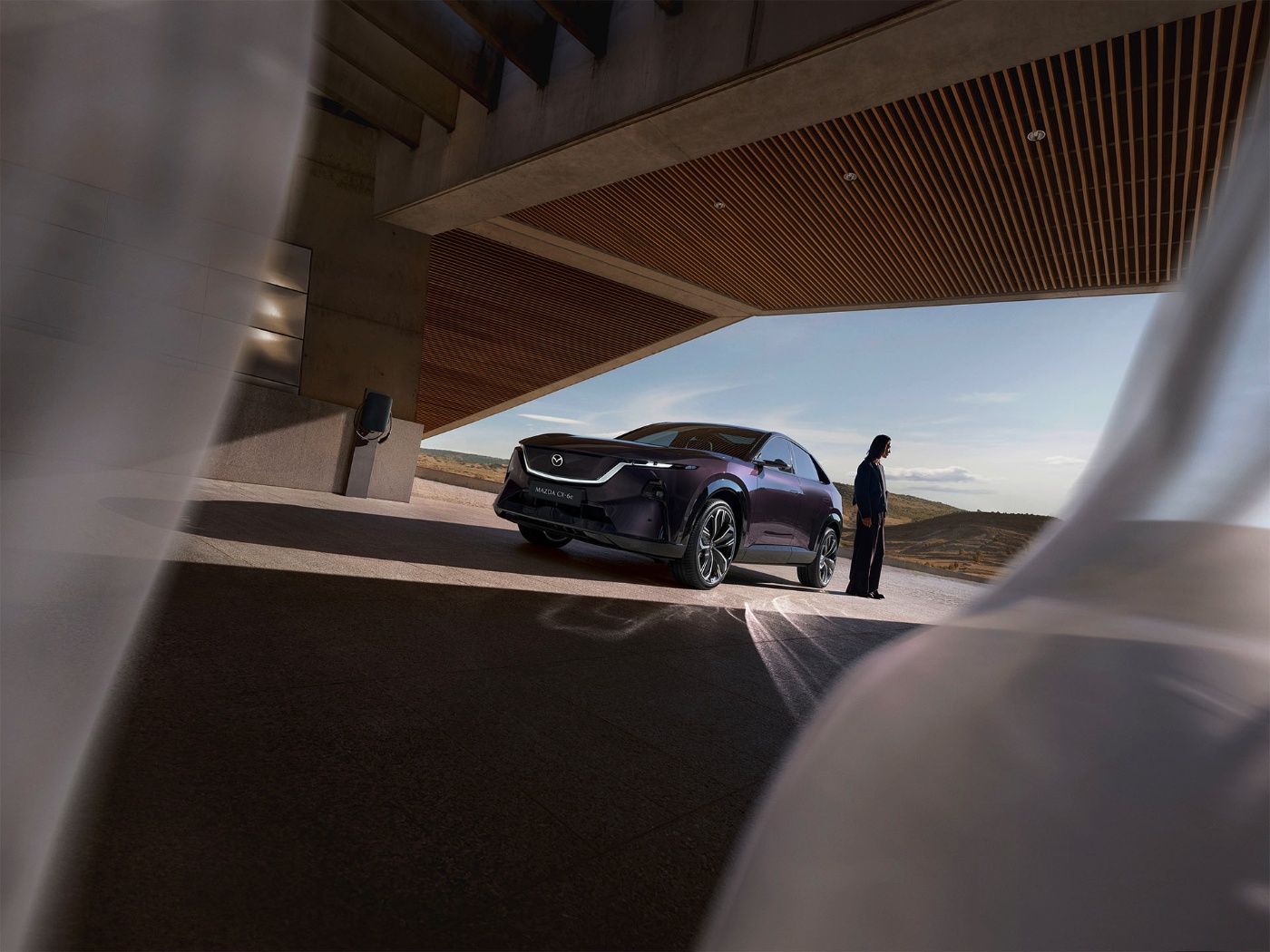
Following last week’s CES in Las Vegas (Jan 6–9, 2026), the Brussels Auto Show is currently running until January 18. Hyundai, Opel, Mazda, Peugeot, and Kia have utilized the event to showcase several premieres.
Hyundai hosted the world premiere of the all-electric STARIA EV, while Opel debuted the new Opel Astra and Astra Sports Tourer. Mazda introduced the world premiere of the all-electric CX-6e alongside the European premiere of the Mazda CX-5. Peugeot unveiled the new PEUGEOT 408, and Kia introduced three new sporty electric variants: the EV3 GT, EV4 GT, and EV5 GT.
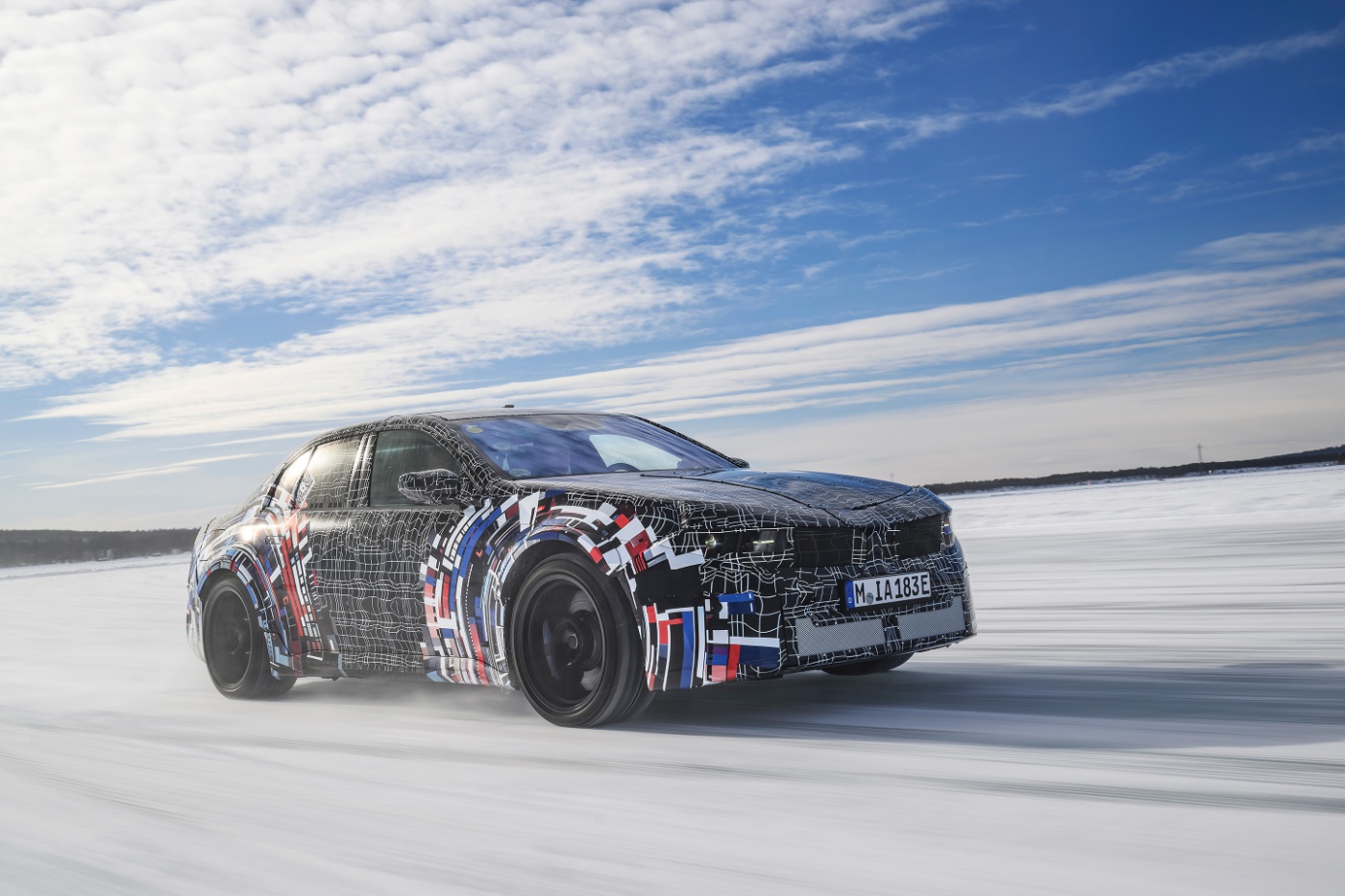
Starting in 2027, BMW will bring its all-electric "Neue Klasse" high-performance models to the streets featuring the new BMW M eDrive powertrain. Based on Gen6 technology, the system utilizes four electric motors — one per wheel — allowing for precise, individually controlled power distribution. This blend of rear-wheel and all-wheel-drive characteristics is designed to deliver maximum traction and exceptional driving dynamics on both the road and the track.
Drivers can access signature "M" driving experiences through various drive modes, including emulated gear shifts and a custom-tuned soundscape. The powertrain is fueled by a specially developed high-voltage battery with over 100 kWh of usable energy.
These vehicles are expected to offer long range, fast charging via 800-volt technology, and high-efficiency recuperation, where regenerative braking enhances efficiency and safety. The system is managed by the new "Heart of Joy" electronic architecture, utilizing multiple high-performance computers for driving dynamics, assistance, infotainment, as well as comfort. The concept is rounded up by sustainable materials, marking the first time BMW M will use natural fiber elements in its all-electric high-performance models.
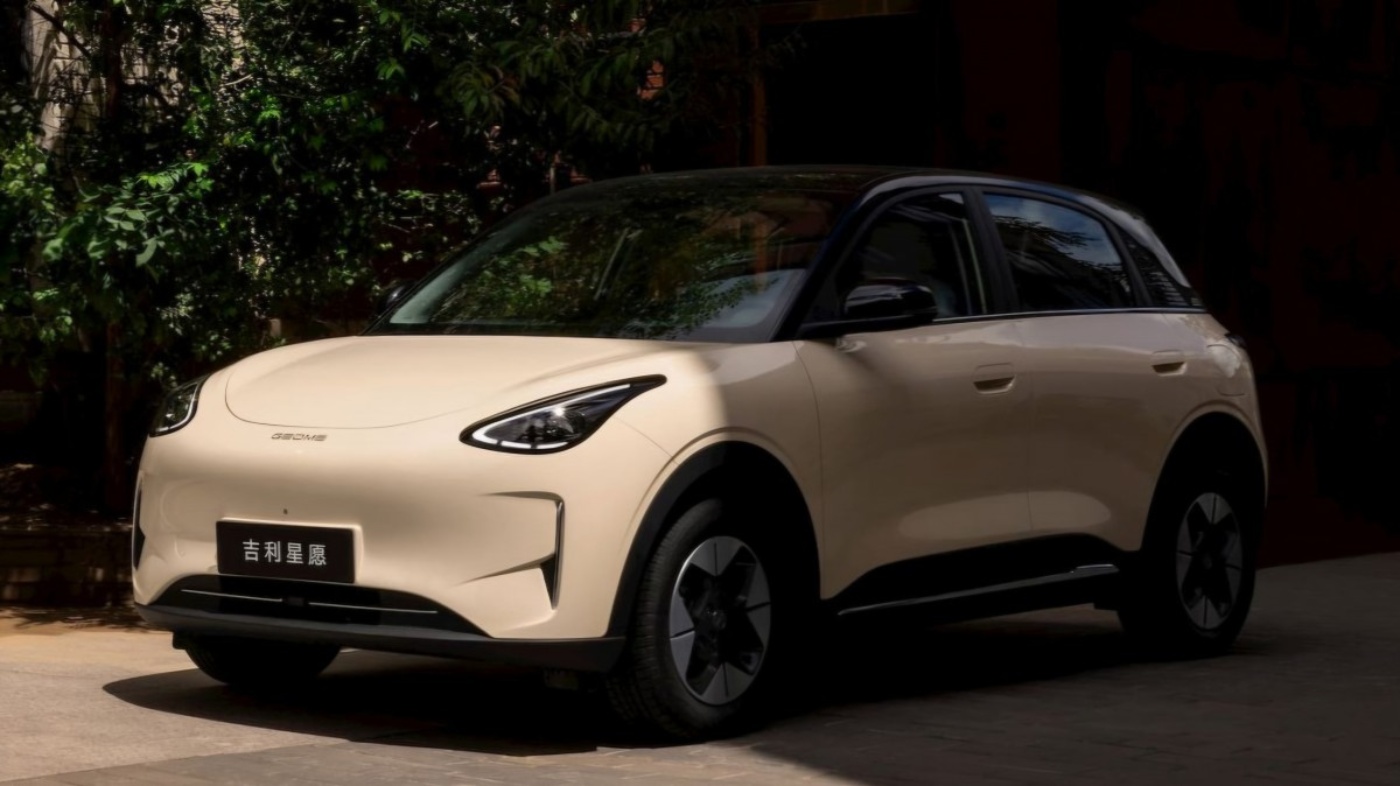
The latest CAM Electromobility Report from the Center of Automotive Management (CAM) at FHDW in Bergisch Gladbach, Germany analyzes series-production innovations in battery-electric vehicles (BEVs) from 2021 to 2025. Innovations were evaluated based on maturity, originality, customer benefit, and level of innovation. On a global scale, Geely, the Volkswagen Group, and BYD lead the rankings.
The study examined innovations across the entire electric powertrain—from battery technology and efficiency to charging performance, assistance systems, software, and connected services. In addition to Geely and BYD, other Chinese manufacturers like SAIC and Nio were identified as top innovators. Meanwhile, German manufacturers are gaining significant ground: Volkswagen holds steady in second place with its broad BEV strategy, while BMW and Mercedes climbed eight and four spots, respectively. The report also highlights that high innovation strength usually correlates with higher EV sales, with the global electric mobility market currently being shaped primarily by Chinese and German manufacturers.
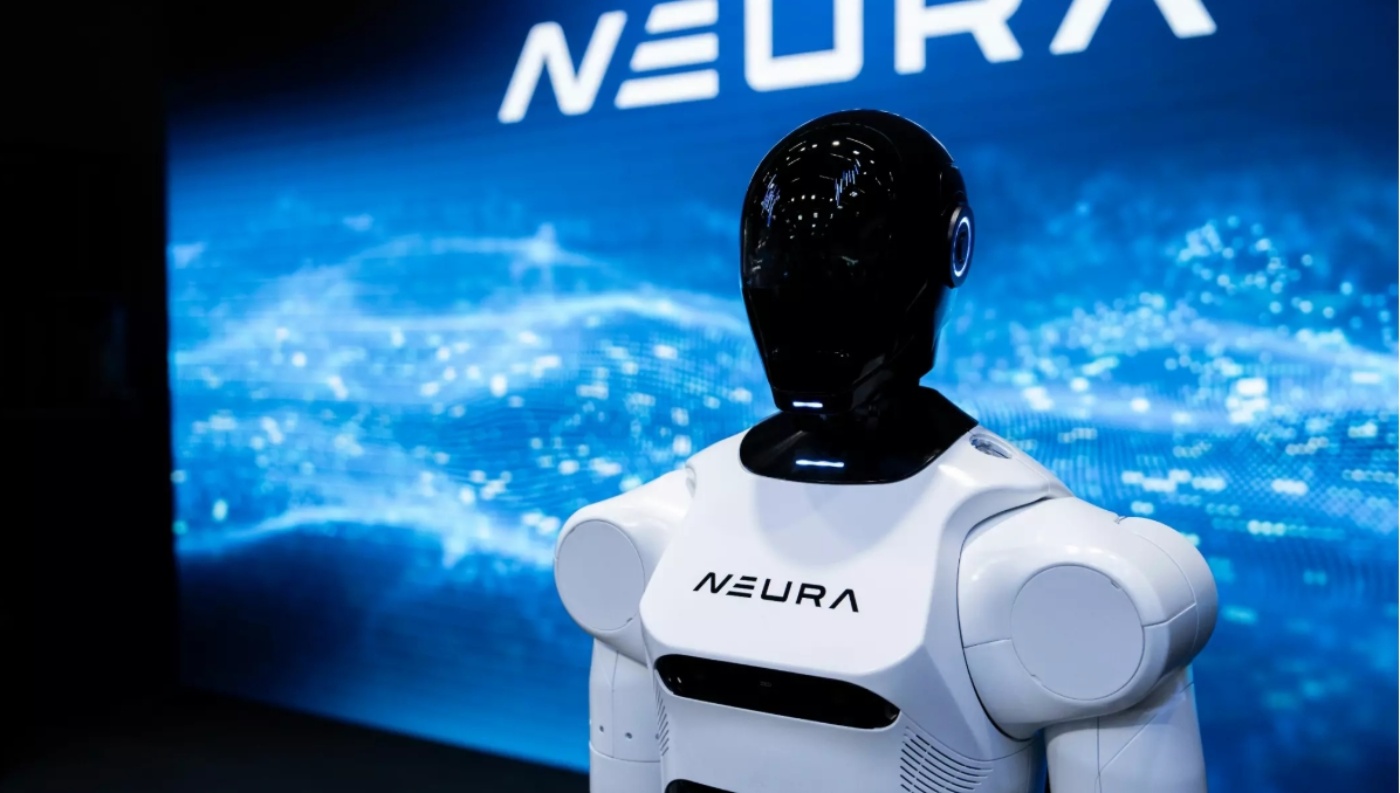
Bosch and the startup Neura Robotics have formed a strategic partnership to advance humanoid robots and "Physical AI" on an industrial scale. The collaboration combines Bosch's manufacturing and scaling expertise with Neura’s AI and software mastery to develop world-class humanoid systems "Made in Germany."
A key focus of the partnership is the collection of real-world training data: at Bosch plants, employees equipped with sensor suits provide movement and task data that is fed into AI software, robotics functions, and user-friendly interfaces. The goal is to significantly improve the robots' "locomotion intelligence" and situational behavior in industrial environments.
Bosch is also contributing hardware, components, and assembly expertise to build scalable production capacities, making humanoid robots economically viable. Neura Robotics, founded in 2019, utilizes an open ecosystem called "Neuraverse," where robots share skills and AI models to evolve collectively via updates. Their portfolio ranges from general-purpose humanoid robots to collaborative systems for industrial use. Pilot projects with companies like Schaeffler demonstrate that the market for intelligent robotics is growing even within traditional industries.

The Volkswagen Group and Qualcomm Technologies have signed a Memorandum of Understanding (MoU) for a long-term supply partnership starting in 2027. The agreement involves using high-performance Qualcomm System-on-Chips (SoCs) in Volkswagen vehicles to manage core functions for infotainment, connectivity, and automated driving as part of the Group's new Software-Defined Vehicle (SDV) architecture.
Central to the deal is the integration of the Snapdragon Digital Chassis into the new Volkswagen platform, which is being developed alongside Rivian in the "RV Tech" joint venture. Based on zonal SDV architecture, modular high-performance computers will control all vehicle functions — from the digital cockpit and assistance systems to comfort and connectivity services. The architecture will debut in the electric ID.Every1 starting in 2027, followed by a rollout to other models on the Scalable Systems Platform (SSP).
Beyond infotainment, Qualcomm chips will enable 5G, V2X (Vehicle-to-Everything) communication, and AI-powered personalized driving experiences. Over-the-air (OTA) updates will keep vehicles current over the long term. Simultaneously, the Automated Driving Alliance (CARIAD and Bosch) plans to use Qualcomm’s Snapdragon Ride Elite for highly automated driving to develop a scalable, cross-brand AI platform with ultra-low latency. The partnership is being driven by Audi and Volkswagen Passenger Cars and is expected to have a group-wide impact.