





Sustainability
Clemson University develops energy-positive EV powered by solar cells
Image: (c) Clemson University
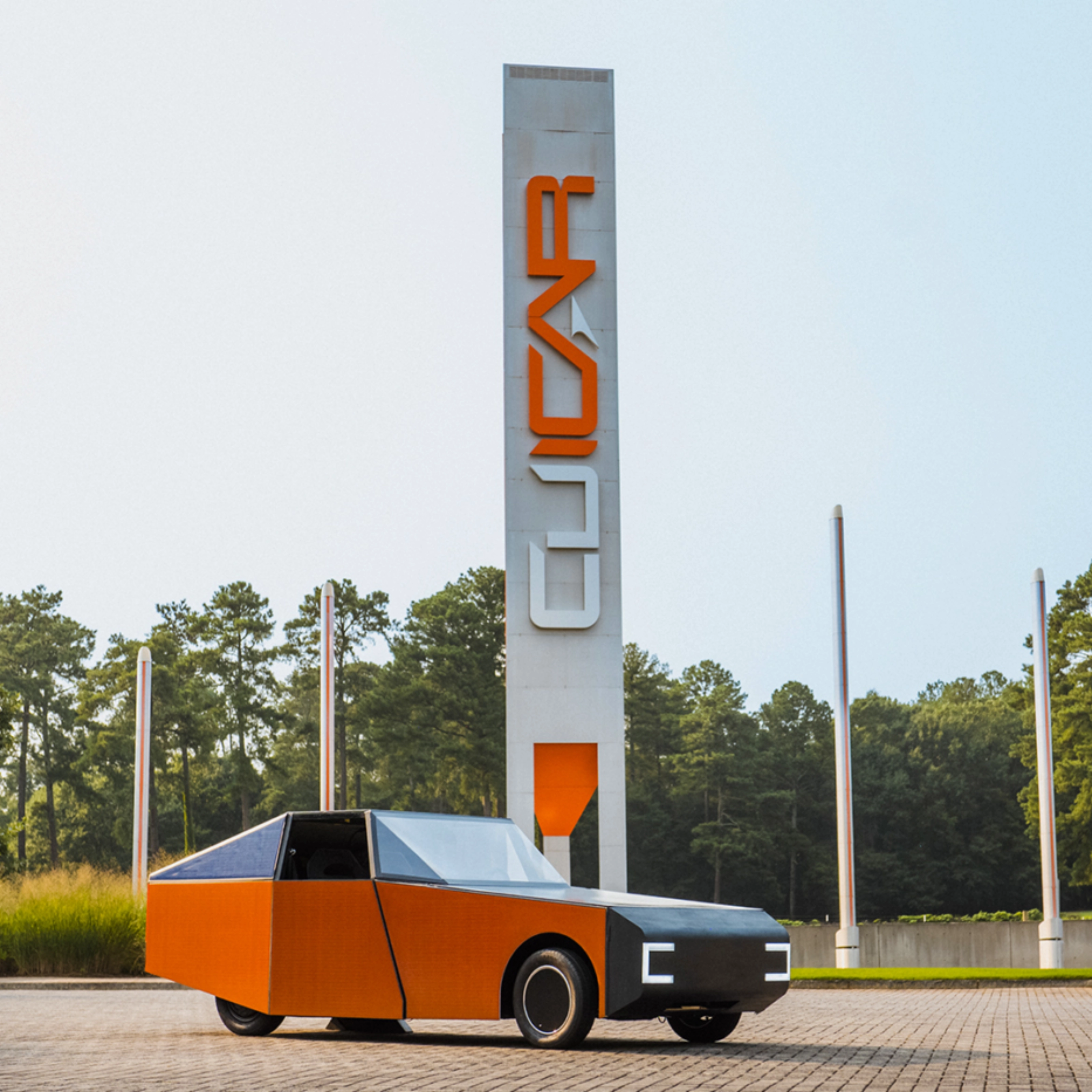
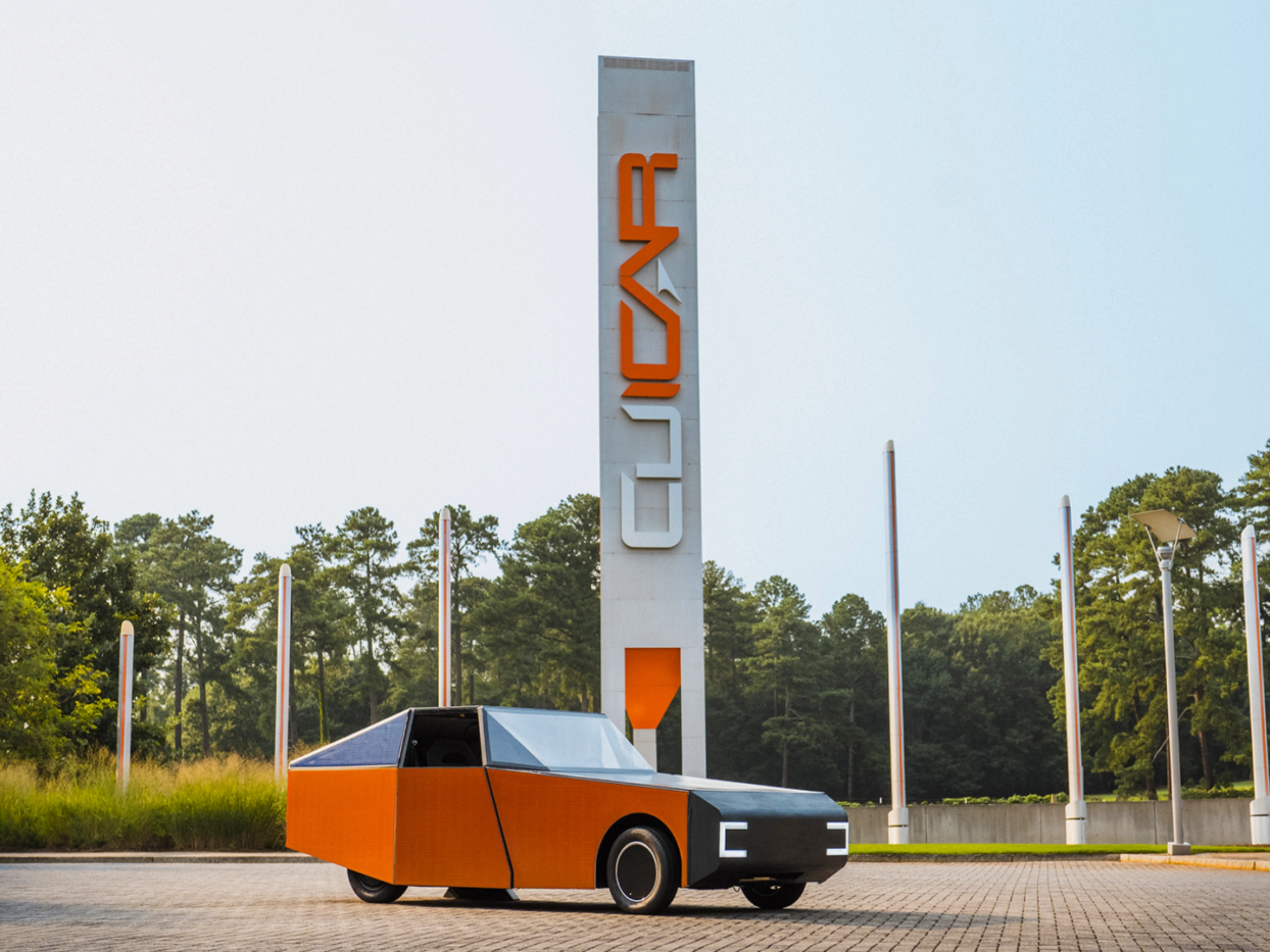
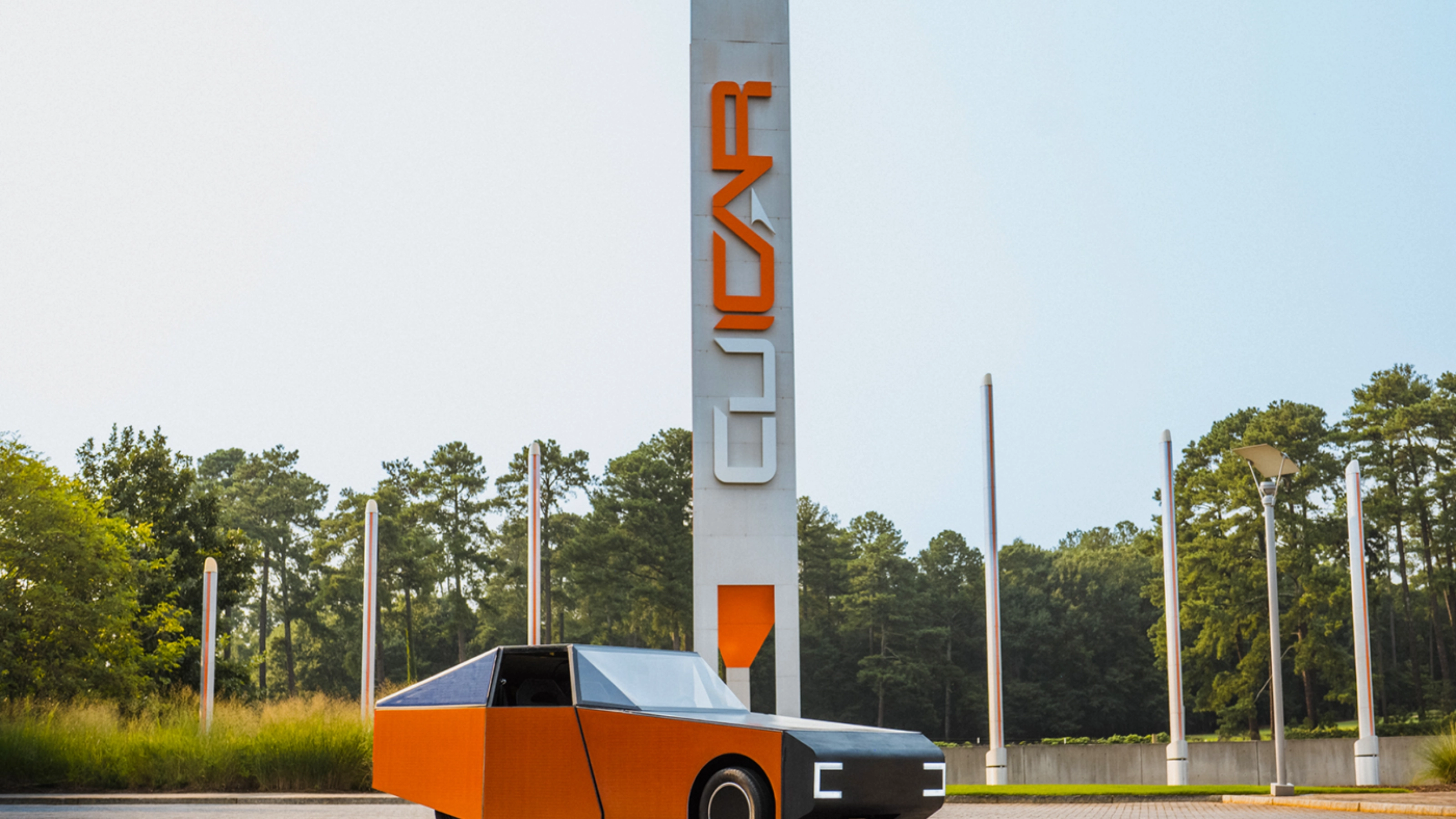
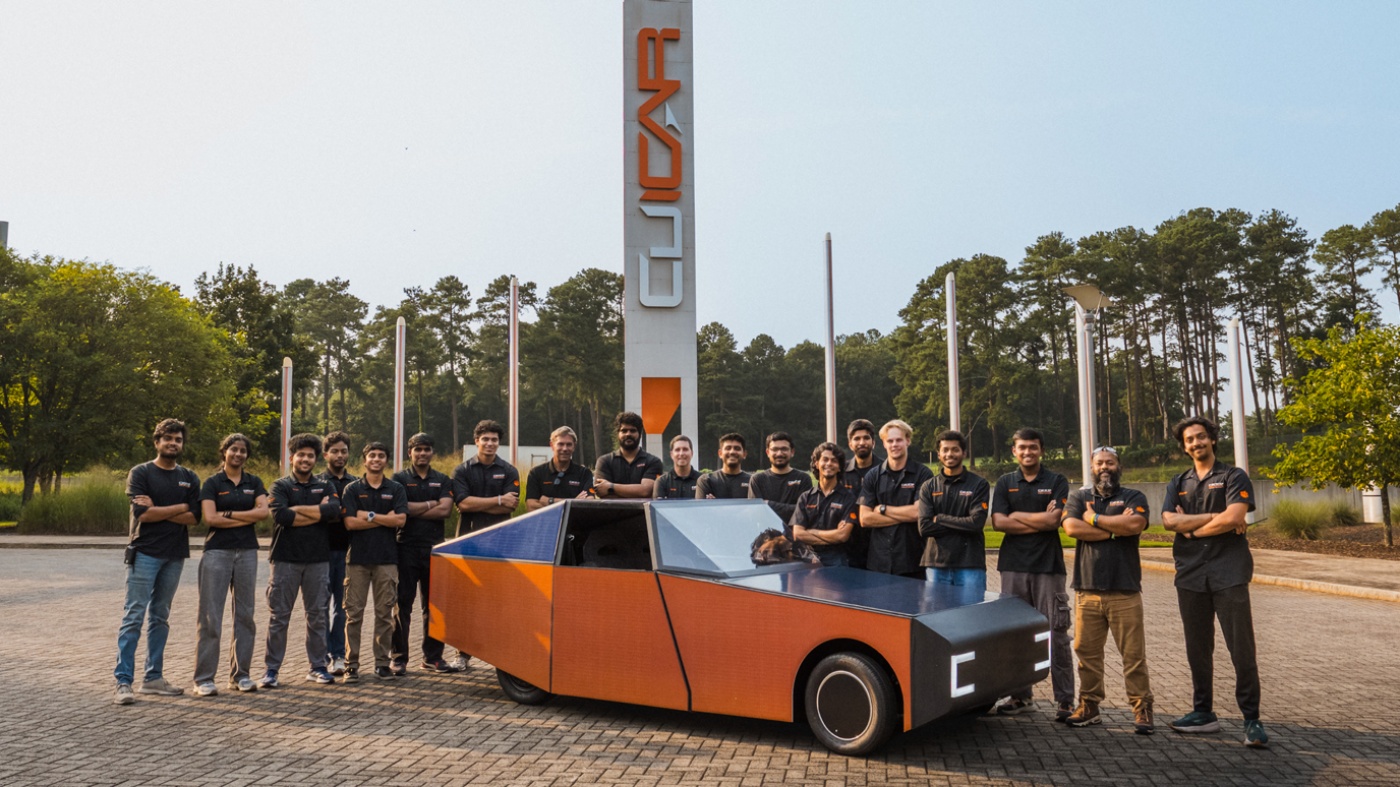
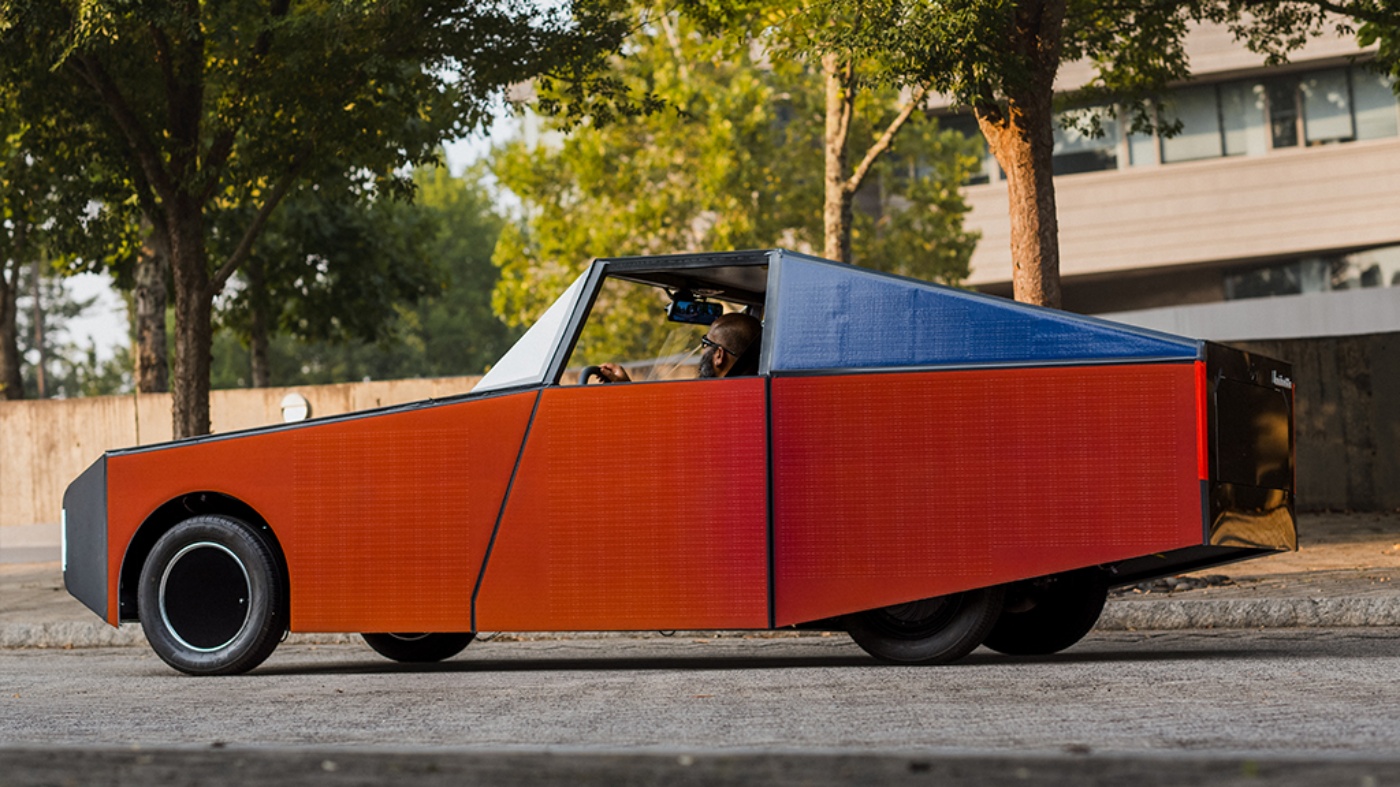
Clemson University has unveiled the Deep Orange 17, an electric vehicle prototype designed to generate more energy during daily city driving than it consumes. Developed in collaboration with BMW’s R&D team, the concept pairs more than 1,700 solar cells with lightweight construction and efficiency-optimized vehicle controls.
Solar cells become part of the drive concept
The project grew out of a simple question: Can a vehicle produce more energy during everyday use than it needs to drive? Rather than relying solely on standardized drive cycles, the student engineering team analyzed typical real-world driving habits.
A key focus was the long periods vehicles spend parked. While parked, the photovoltaic cells integrated into the car’s body continuously harvest solar energy. The system also generates electricity on the go, provided there is sufficient sunlight. IAA MOBILITY also explores vehicle-integrated photovoltaics in its article on new solar cells for car roofs.
In total, over 1,700 photovoltaic cells are integrated into the vehicle’s exterior surfaces. Co-developed with the Fraunhofer Institute for Solar Energy Systems ISE, the solar technology is engineered to keep generating power even when parts of the modules are shaded. A durable protective film covers the solar surfaces.
Solar energy adds 50 kilometers of range
To evaluate the concept, developers simulated various solar and environmental conditions in Greenville, South Carolina, as well as in Frankfurt, Madrid, and Mumbai.
Assuming a daily driving distance of 20 kilometers (about 12.4 miles), Deep Orange 17 is projected to generate enough surplus solar power across all four locations to add an average of 50 kilometers (about 31 miles) of driving range. Under these baseline conditions, the car achieves a net-positive energy balance.
Lightweight construction reduces energy demand
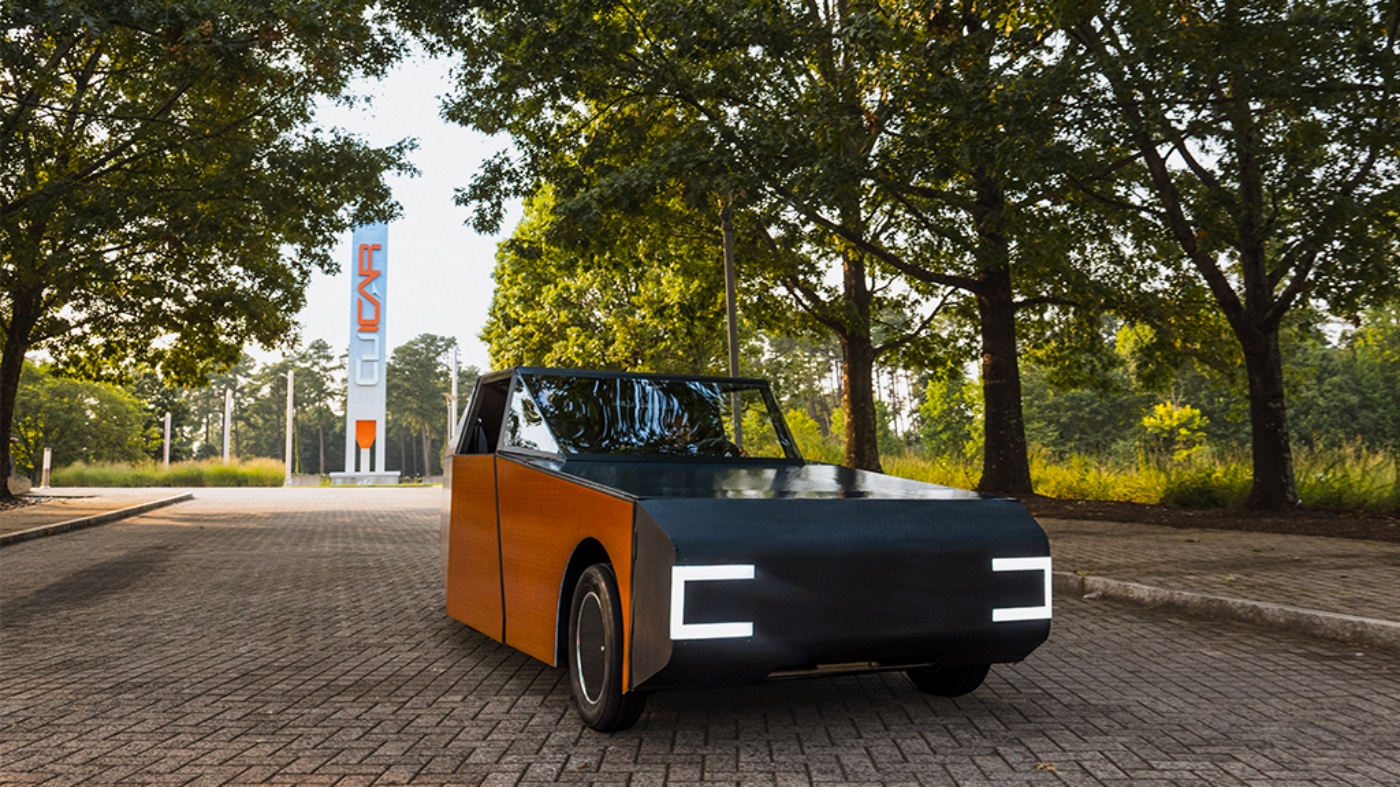
To ensure that the relatively limited solar output covers as much of the car’s energy needs as possible, efficiency was prioritized throughout the design process. The prototype weighs around 550 kilograms (about 1,212 lbs).
Its multi-material chassis combines structural steel for occupant protection with aluminum, carbon-fiber structural elements, and 3D-printed metal joints. This setup is intended to achieve high structural rigidity while keeping vehicle weight to a minimum.
The aerodynamics were also tailored for low energy consumption. Developers drew inspiration from the body shape of the boxfish, which combines low aerodynamic drag with a comparatively spacious interior. Regenerative braking, intelligent torque vectoring, and optimized drivetrain management are designed to further increase efficiency.
BMW-inspired coupe is named Luminetta
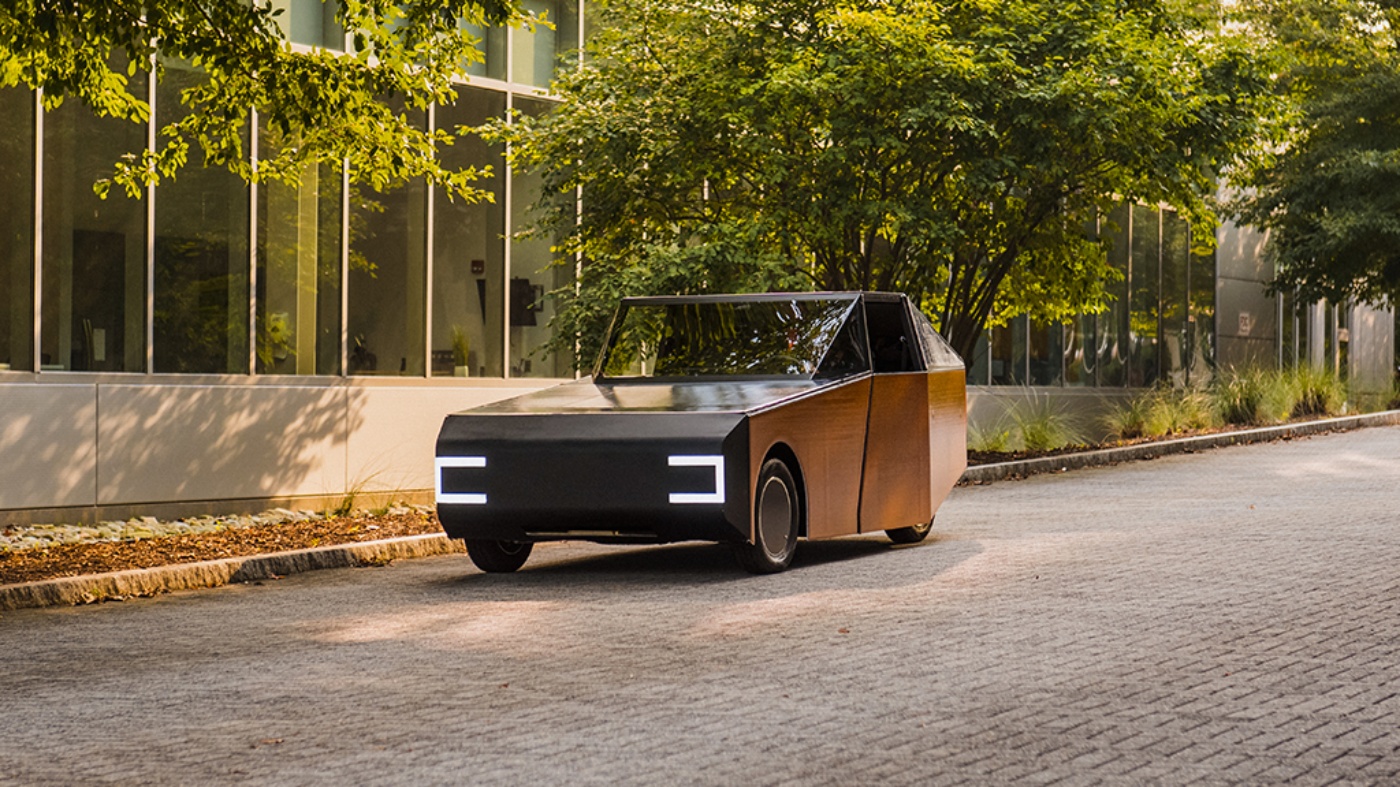
Despite the strong focus on efficiency, BMW specified that the car should also feature an emotionally engaging design. The result is a two-door coupe named “Luminetta”, blending elements of BMW’s design heritage with a modern approach.
Inside, the prototype features a custom human-machine interface that displays real-time vehicle and energy data. Apple CarPlay and Android Auto are also integrated.