Technology
General Motors develops EV platform with 40 times more computing power and AI features
Image: (c) General Motors
General Motors (GM) has unveiled a new generation of vehicle technologies designed to provide a new technical foundation for electric vehicles across different vehicle segments. The platform is intended to combine advanced battery chemistry with more compact electric drive units and a centralized electronic architecture.
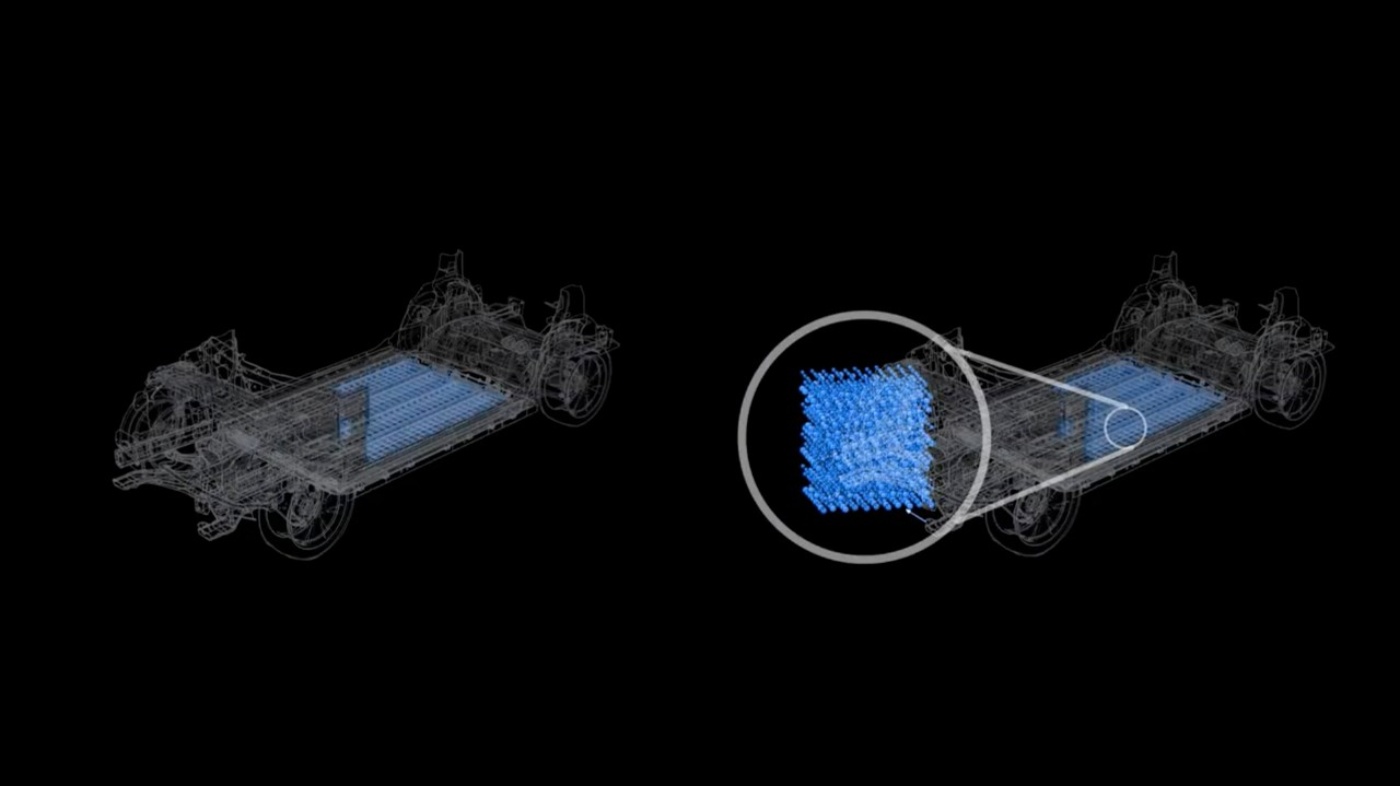
For its batteries, GM plans to adopt lithium-manganese-rich (LMR) technology. The manganese-rich cell chemistry is expected to improve the balance between driving range and battery costs while delivering high performance and durability.
The electric drive units are also being redesigned. More compact electric motors and power electronics are expected to reduce the number of required components by 40% compared with existing systems.
Centralized Computing Architecture Delivers 40 Times More Processing Power
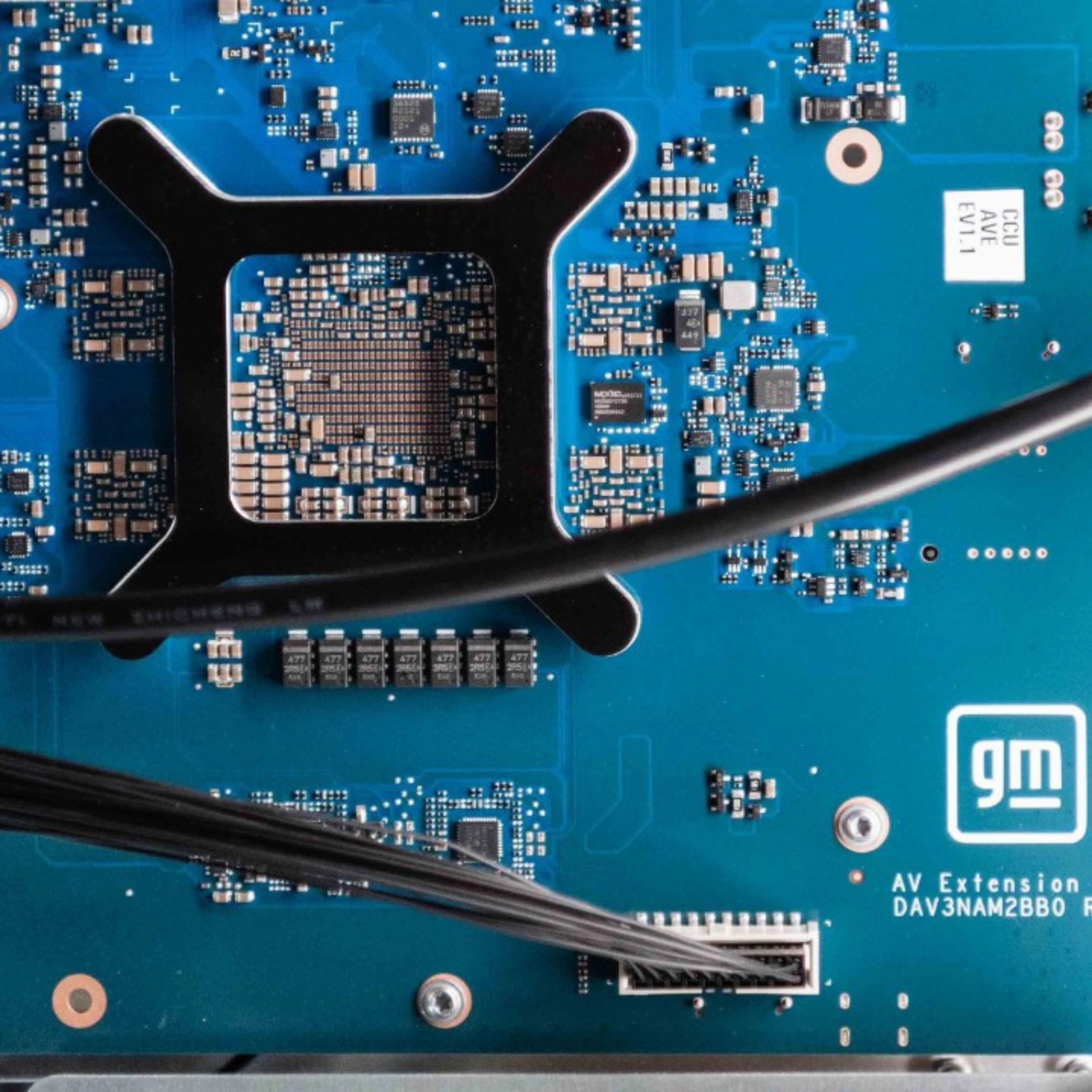
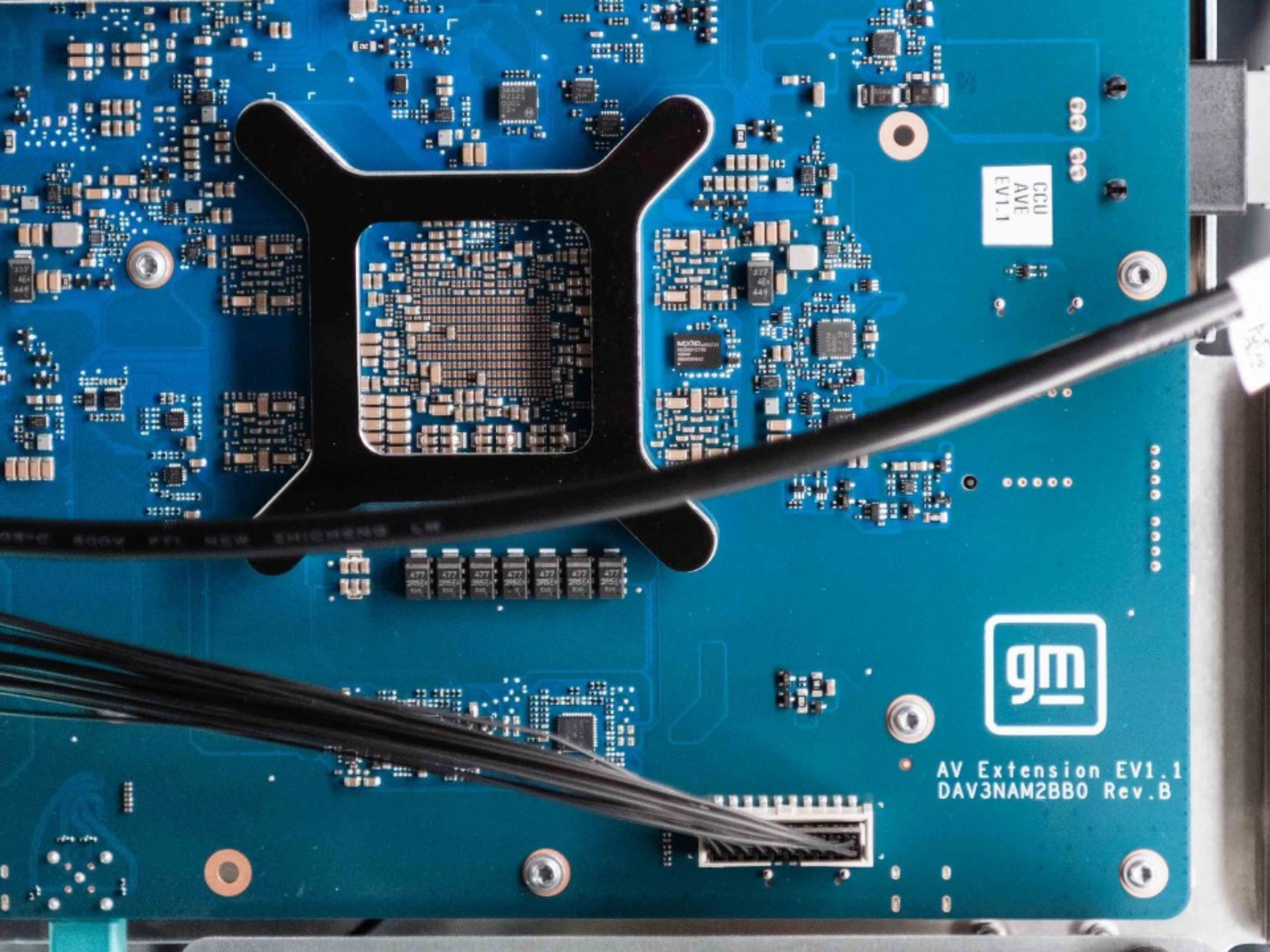
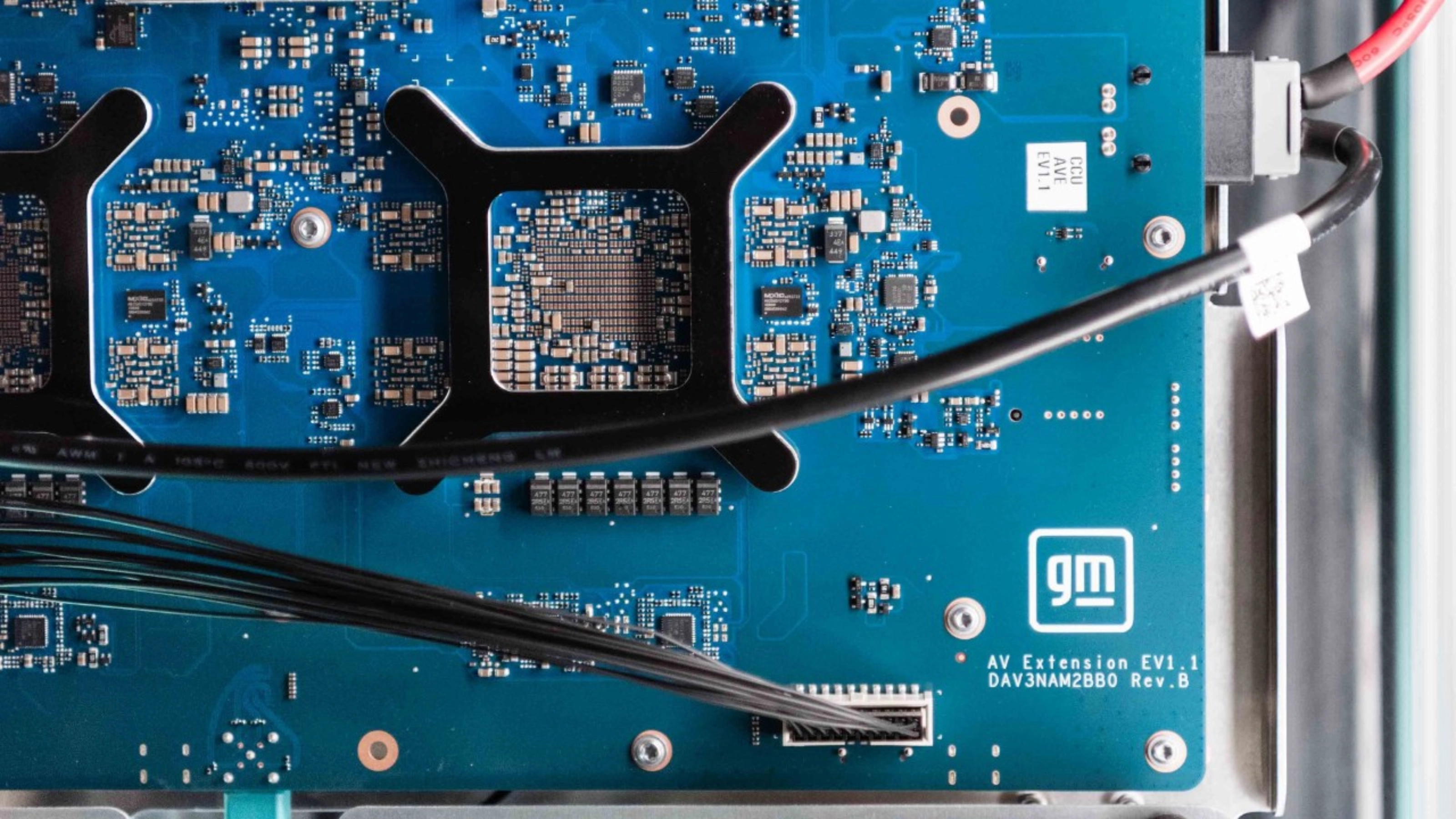
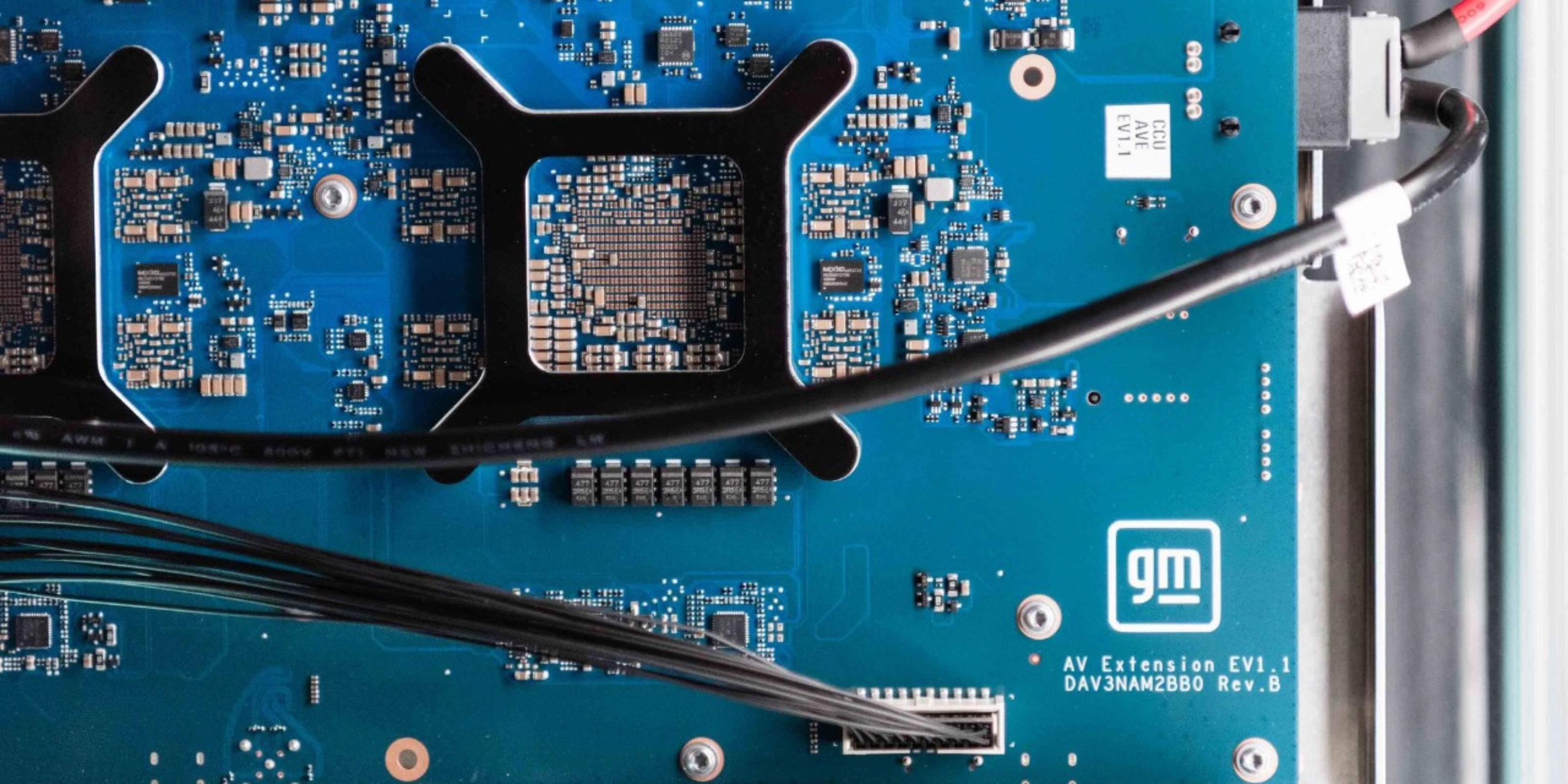
Another key focus is a new electrical and electronic vehicle architecture. Rather than managing numerous functions through separate electronic control units, GM plans to consolidate essential tasks in a central computing unit, known as the Central Compute Unit (CCU). Other companies are also developing software-based vehicle solutions.
The CCU will handle functions including sensor data processing, powertrain control, active safety systems, and chassis control. At the same time, the architecture is designed to provide sufficient computing power for in-vehicle AI applications and automated driving functions.
According to the manufacturer, the new system offers 40 times more computing power, 30% less wiring length and mass, and up to 50% faster cellular connections compared with previous architectures.
The architecture is designed to be powertrain-independent and will be used in both electric vehicles and models with internal combustion engines.
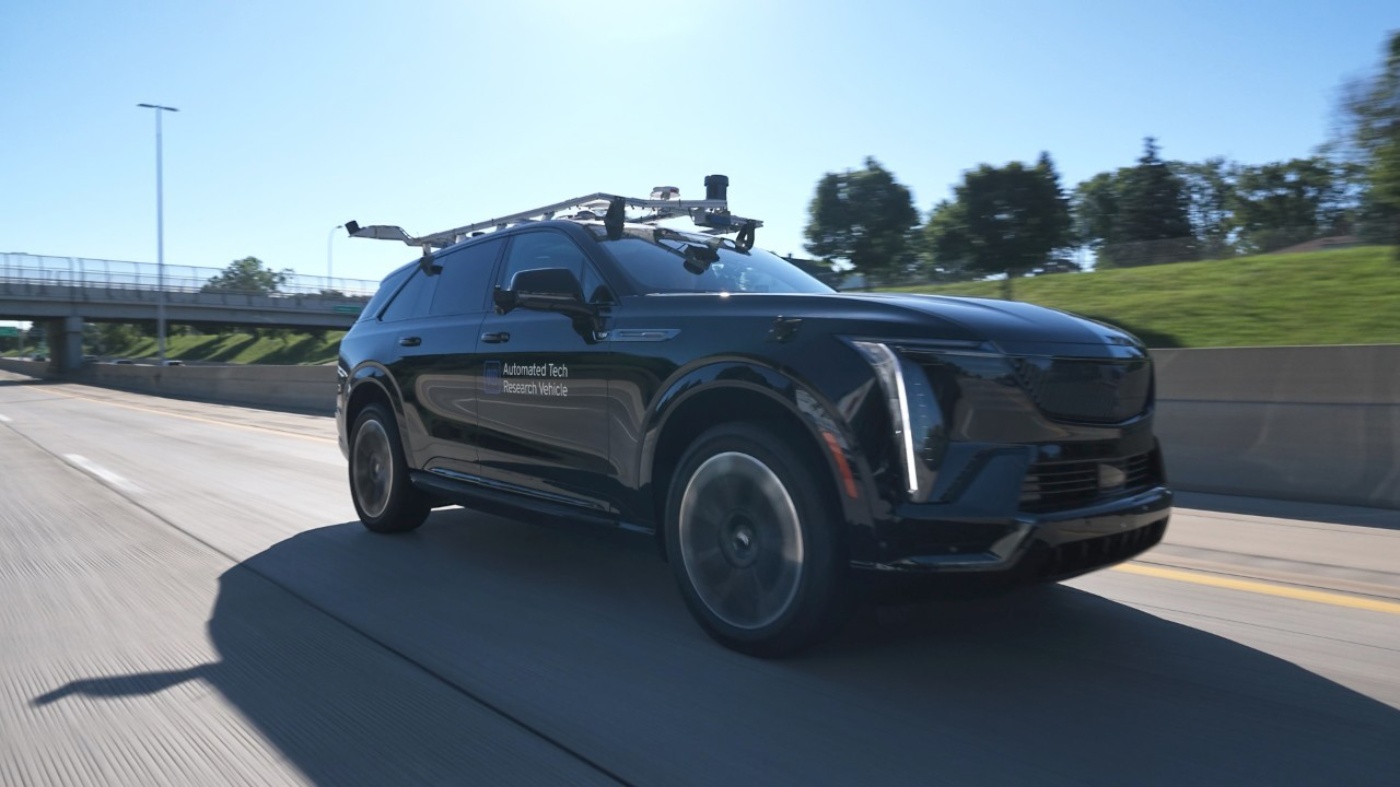
The new architecture is scheduled to debut in the Cadillac ESCALADE IQ in 2028. GM then plans to introduce it across additional SUV and pickup truck model lines, including vehicles in the Chevrolet Silverado family, as well as its fourth generation of electric vehicles.
OnStar AI Assistant Brings Artificial Intelligence into the Vehicle
Alongside the new vehicle architecture, GM is transforming its OnStar digital service into an AI-powered platform.
The new OnStar AI Assistant is designed to provide drivers with personalized information and assistance with vehicle-related questions. It will be powered by AI models tailored to GM's technical expertise and vehicle data.
The initial rollout is planned for the 2027 model-year Cadillac LYRIQ in the coming months.
Starting in 2027, GM also plans to introduce a new OnStar app. It will replace the existing Chevrolet, Cadillac, Buick, and GMC apps, as well as OnStar Guardian.
The app is designed to bring together vehicle management, connected camera features, security recordings, and new features for monitoring and supporting family members. Users will be able to choose which functions they want to activate.
Autonomous Highway Driving Planned for 2028
General Motors is also developing the next generation of automated driving features. The company has announced plans to introduce an autonomous highway driving system in the Cadillac ESCALADE IQ in 2028.
GM also intends to expand its use of artificial intelligence in vehicle development and manufacturing.
The company aims to cut traditional vehicle development timelines of four to five years by approximately half. To achieve this, vehicle design, engineering, and production will be more closely integrated through a shared digital development environment.
One example is the development of the new LMR batteries. According to GM, more than 300,000 different battery designs were initially tested virtually before a physical prototype was built. The company says this approach enabled it to move from the initial battery pack concept to formal project approval within just one month.