

Technology
Geely Plans Solid-State Battery Pilot with Up to 500 Wh/kg Starting in 2027
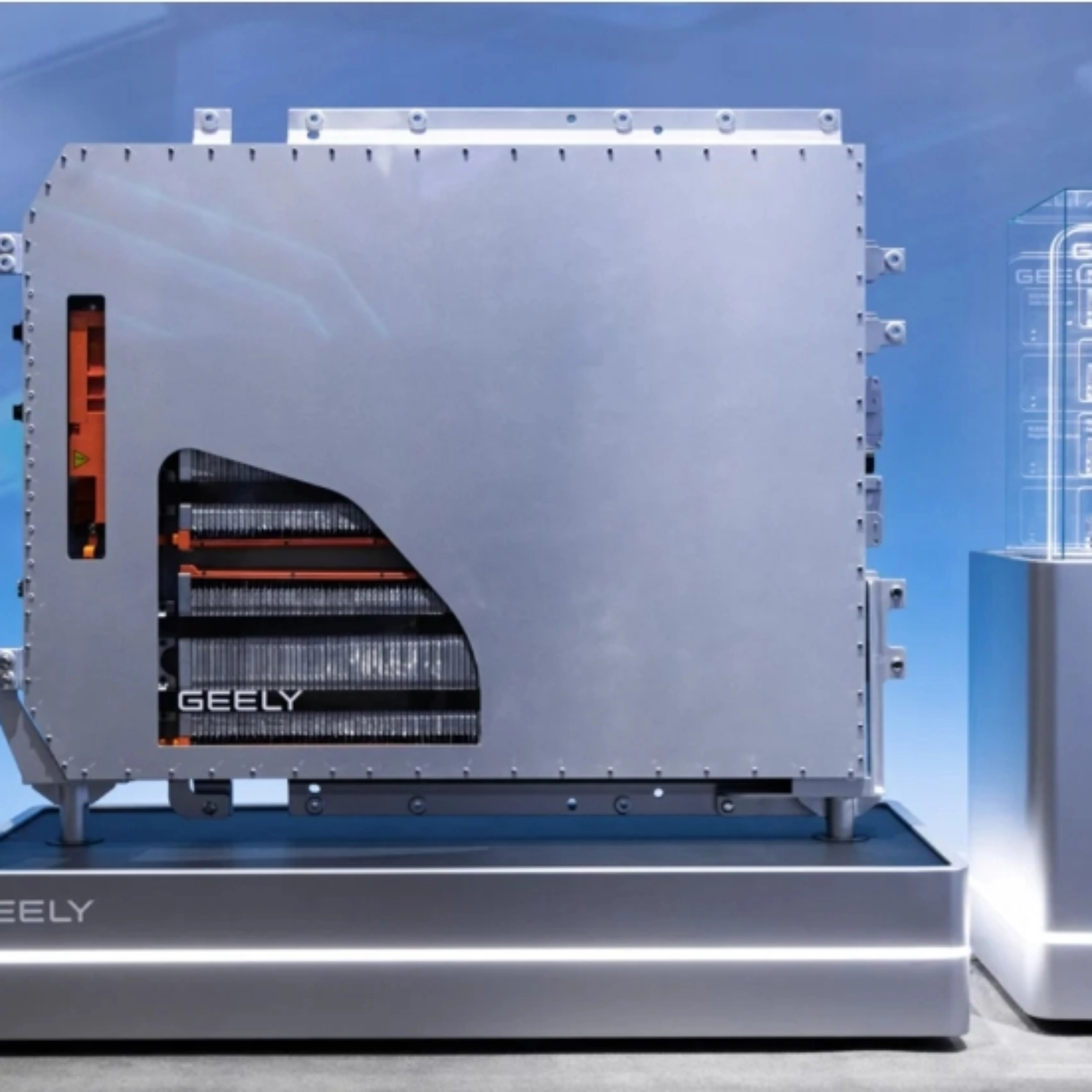
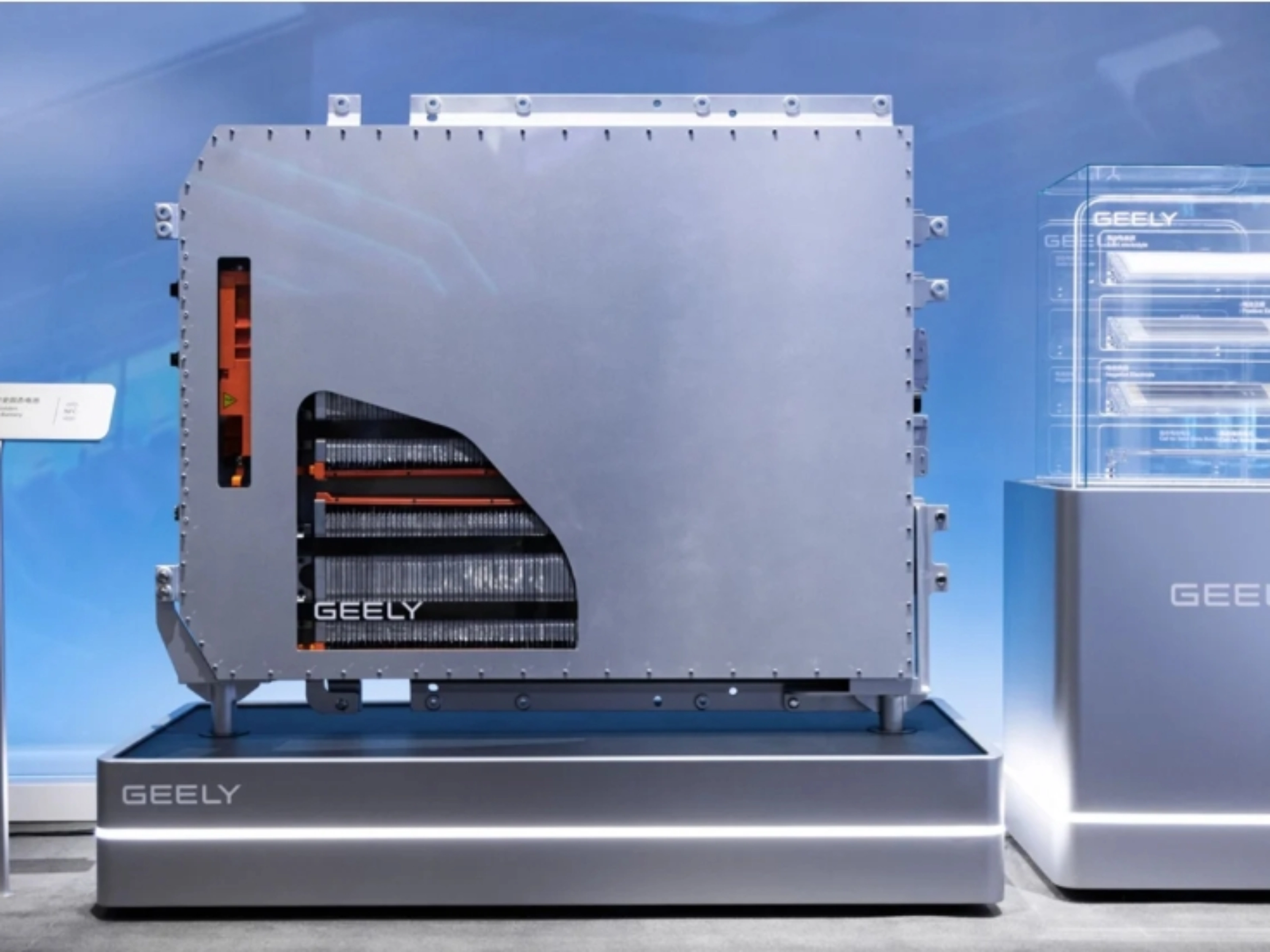
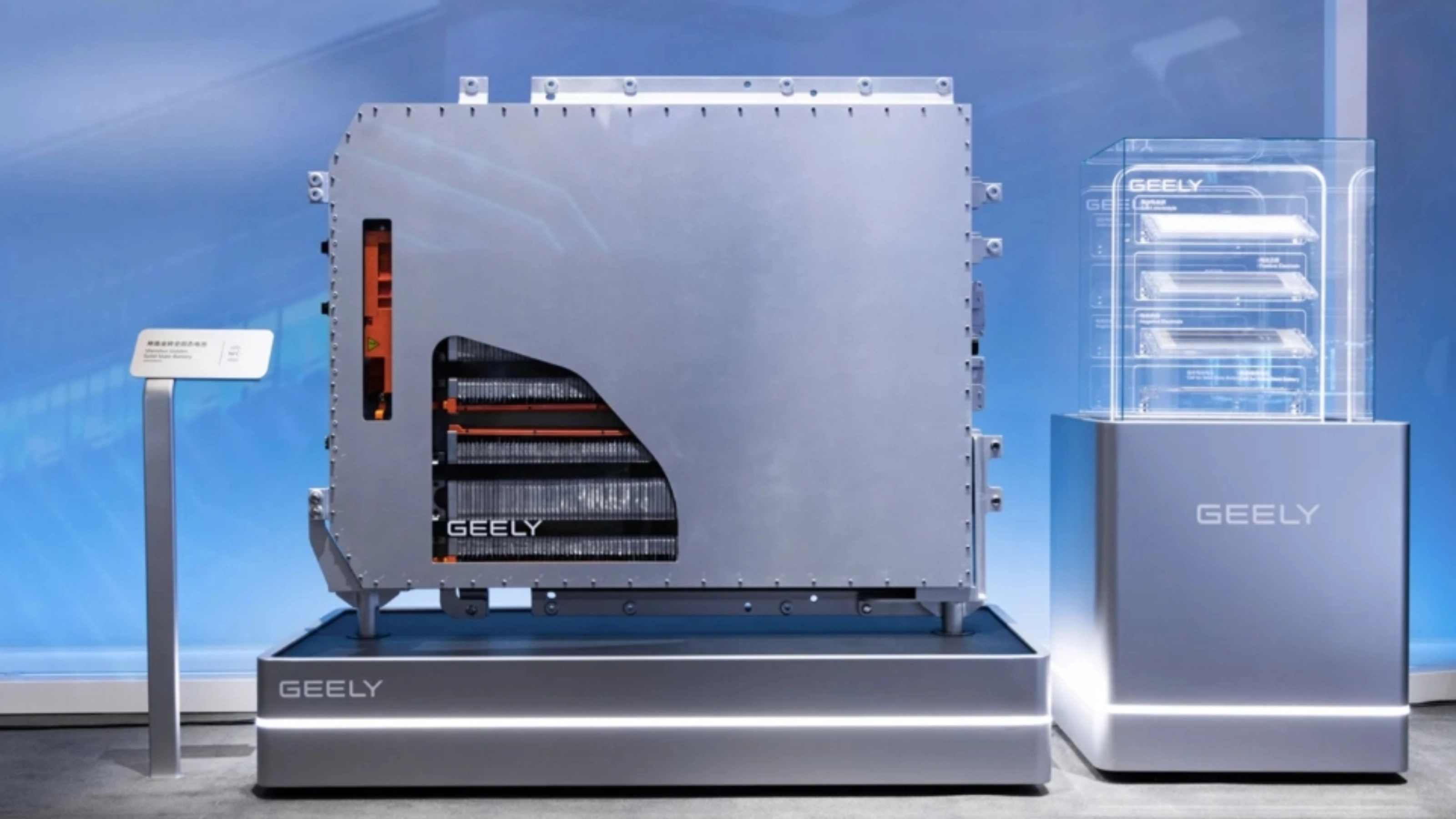
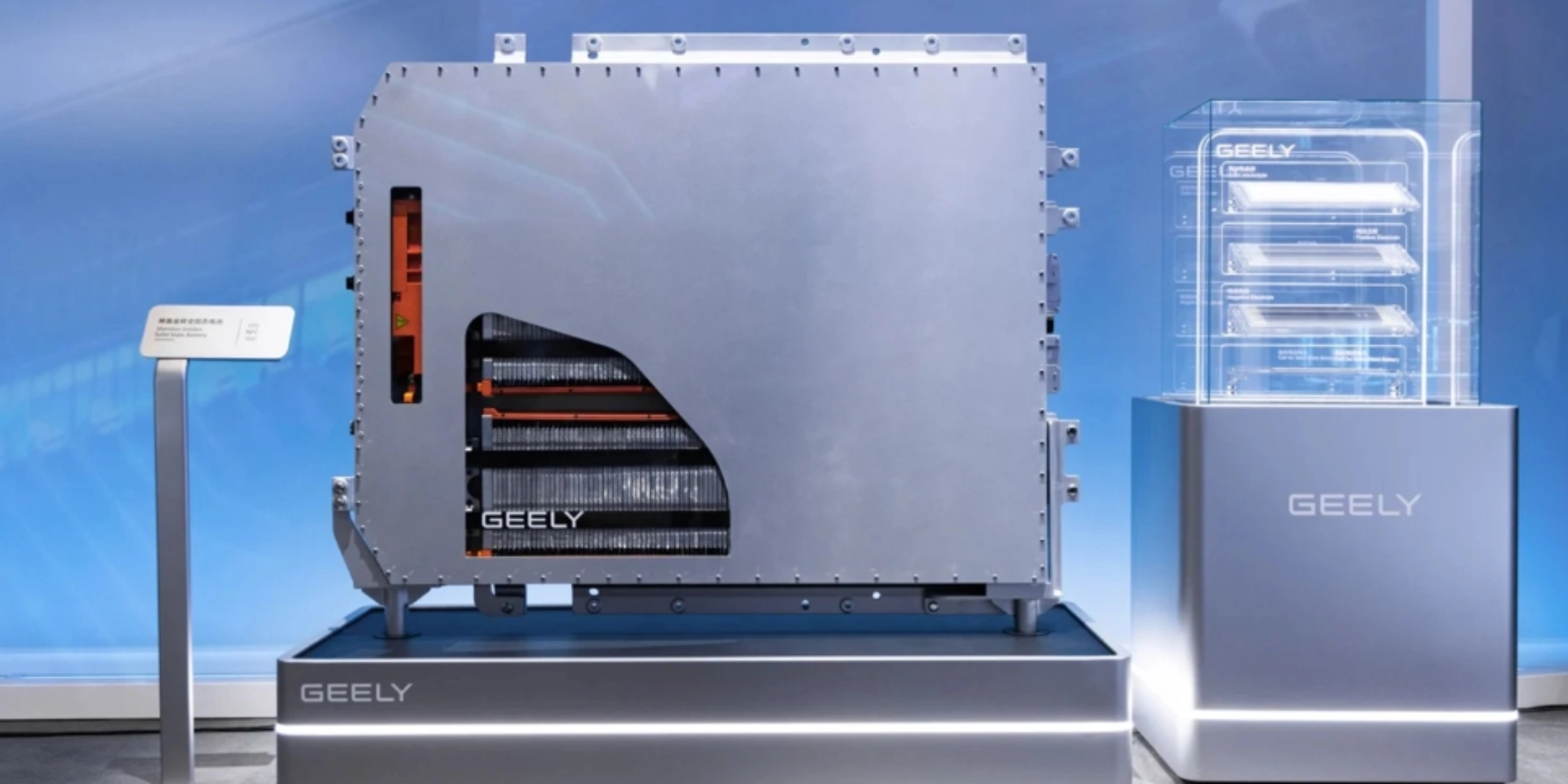
Image: (c) Geely
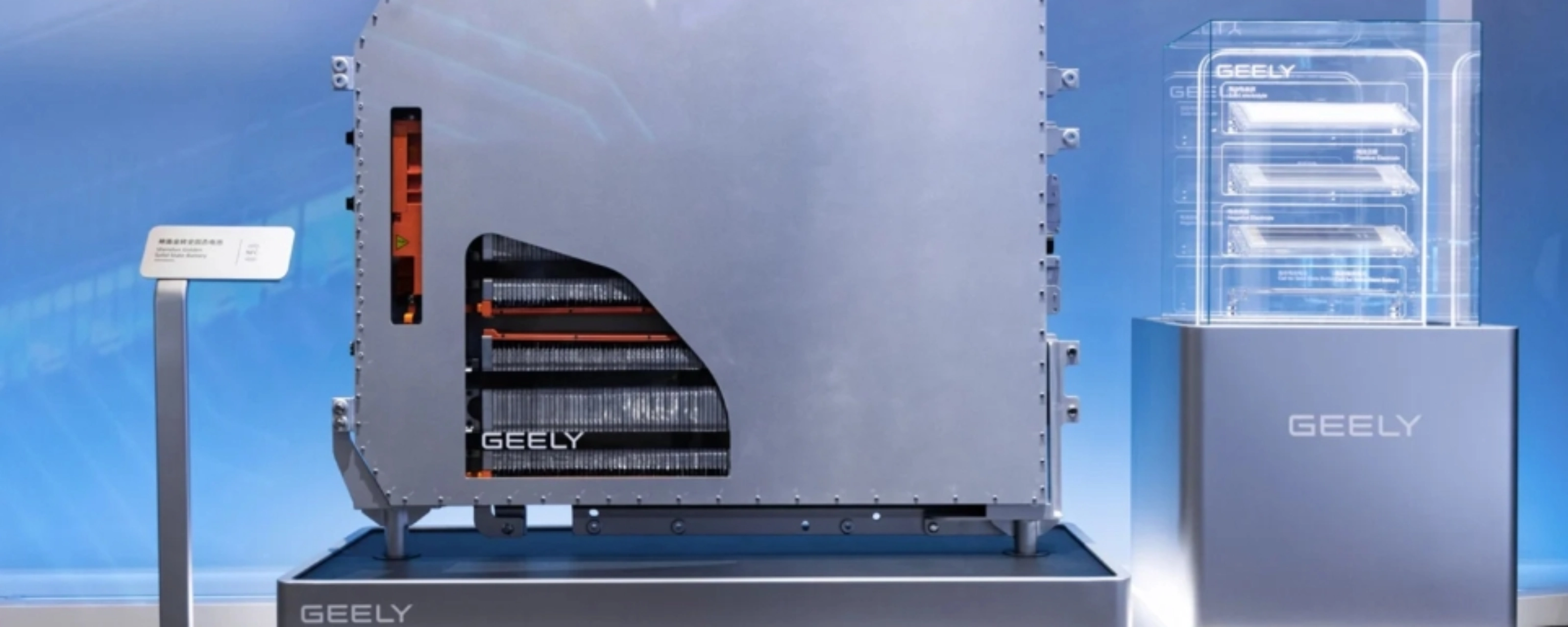
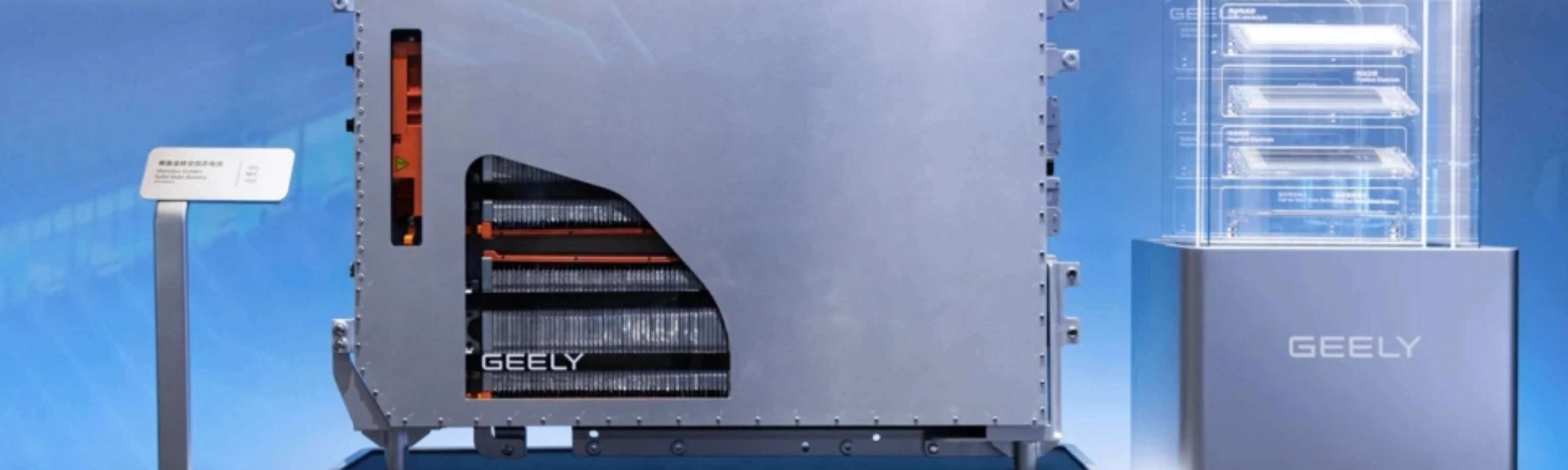
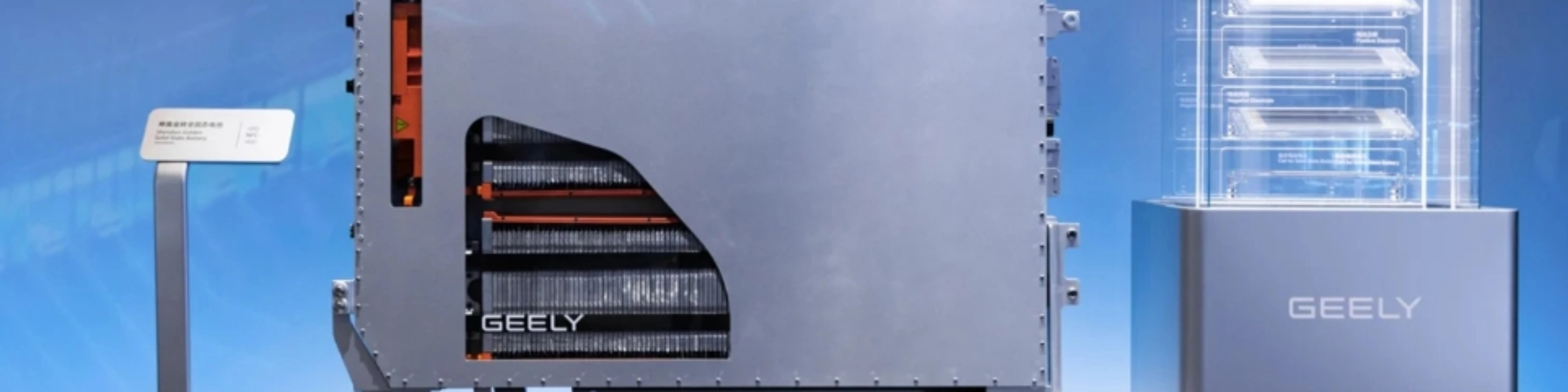
Geely Holding plans to begin pilot operations for solid-state batteries in vehicles across its various brands starting in 2027. Prior to this, the new battery systems will undergo validation under real-world conditions. In its top configuration, the company promises an energy density of up to 500 Wh/kg. This could allow electric vehicles to achieve ranges exceeding 1,000 kilometers (approx. 620 miles) in the future.
Energy density expected to reach up to 500 Wh/kg
Geely is developing its solid-state batteries in several variants with varying energy densities. According to the company, the highest-performance version will reach up to 500 Wh/kg. For comparison, the “Golden Brick” liquid-electrolyte battery cells currently produced by Geely reach an energy density of around 250 Wh/kg, according to reports.
The higher energy density could make it possible to store significantly more energy in a vehicle without increasing the battery size. Geely expects these ranges to rival those of diesel vehicles—specifically promising over 1,000 kilometers per charge.
Pilot deployment across Geely brands set for 2027
According to company statements, Geely began real-world validation of the technology in 2026. Pilot deployment across the group’s brand portfolio is scheduled to follow starting in 2027. Geely Holding’s portfolio includes brands such as Geely, Zeekr, Lynk & Co, Volvo, Polestar, Lotus, Smart, Proton, and Farizon. The company has not yet disclosed which brands or models will receive the new battery technology first.
Dow Chemical supports materials development
Geely is collaborating with Dow Chemical to develop the materials. Among other components, Dow has developed an adhesive for solid-state cells designed to remain stable across a temperature range of -40 °C to +120 °C (-40 °F to 248 °F).
Solid-state batteries are widely considered a possible next step in battery technology. By using a solid electrolyte instead of a conventional liquid one, manufacturers aim to unlock higher energy densities. However, large-scale industrial manufacturing continues to present significant challenges for producers.
Race for solid-state batteries accelerates
With this timeline, Geely joins a growing list of Chinese automakers that have announced pilot production or the initial integration of solid-state batteries into vehicles over the coming years. According to the report, BYD and CATL are also pursuing similar plans for 2027.
However, the technology remains far from broad mass production. CATL recently placed its own development status at level four on a nine-stage Technology Readiness Level (TRL) scale. At the same time, the battery manufacturer is aiming to advance its solid-state technology toward full prototypes under commercial conditions and product certification.
With its announced vehicle testing, Geely is taking another step toward real-world application. However, based on information provided so far, it remains unclear whether—and when—the pilot operations planned for 2027 will lead to high-volume mass production.