



Technology
Ford Begins In-House LFP Battery Production for Fathom Electric Pickup
Image: (c) Ford
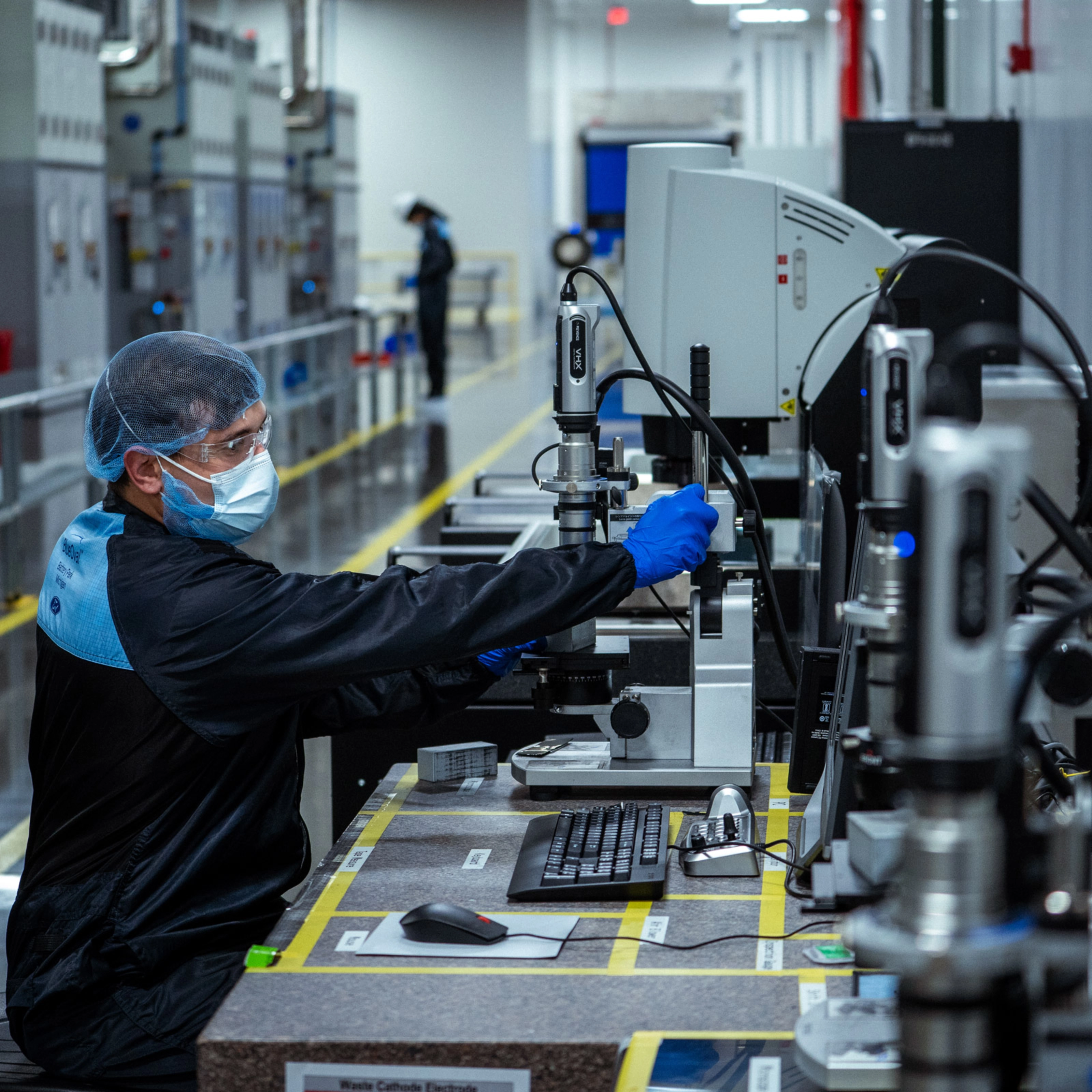
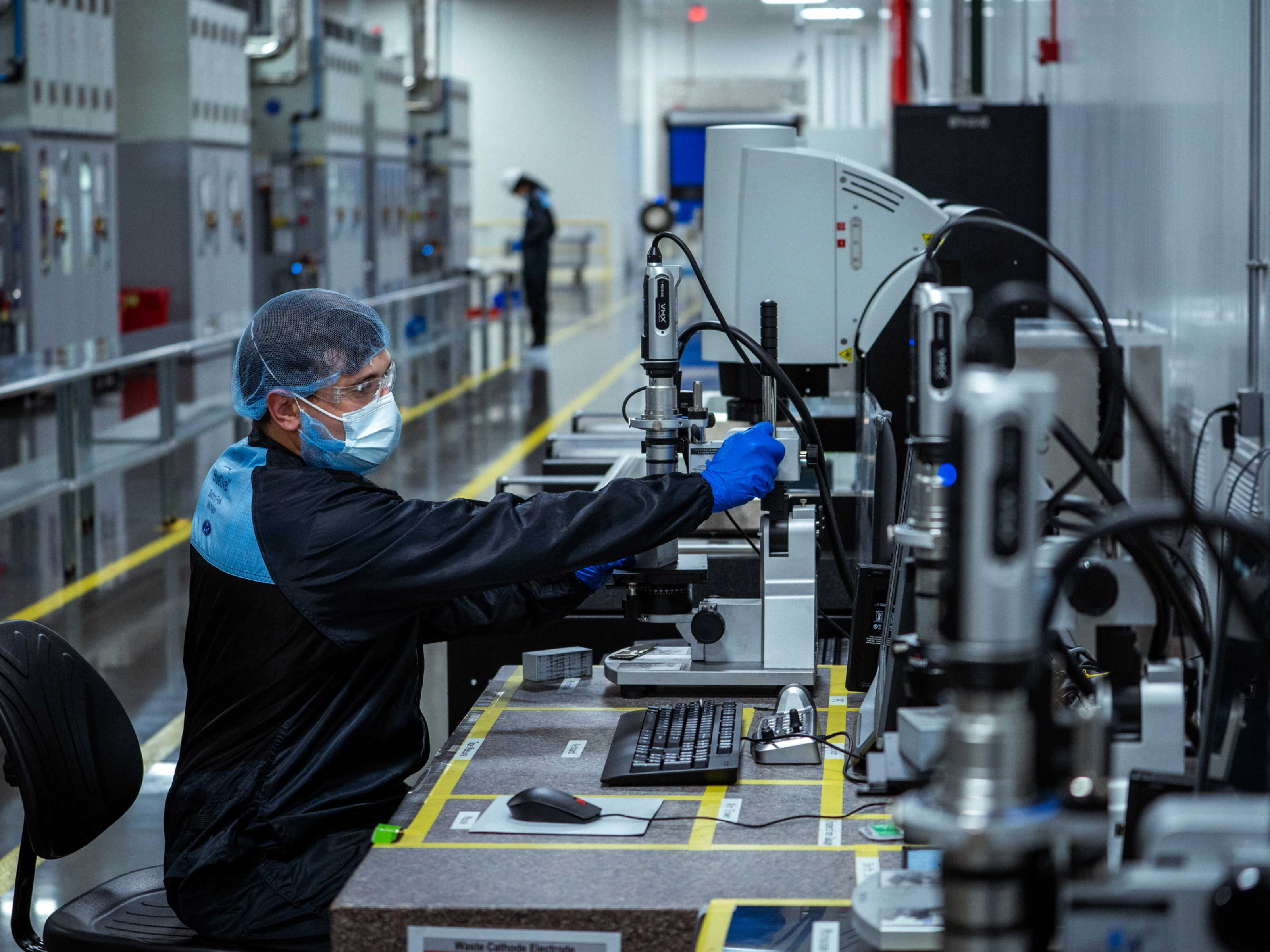
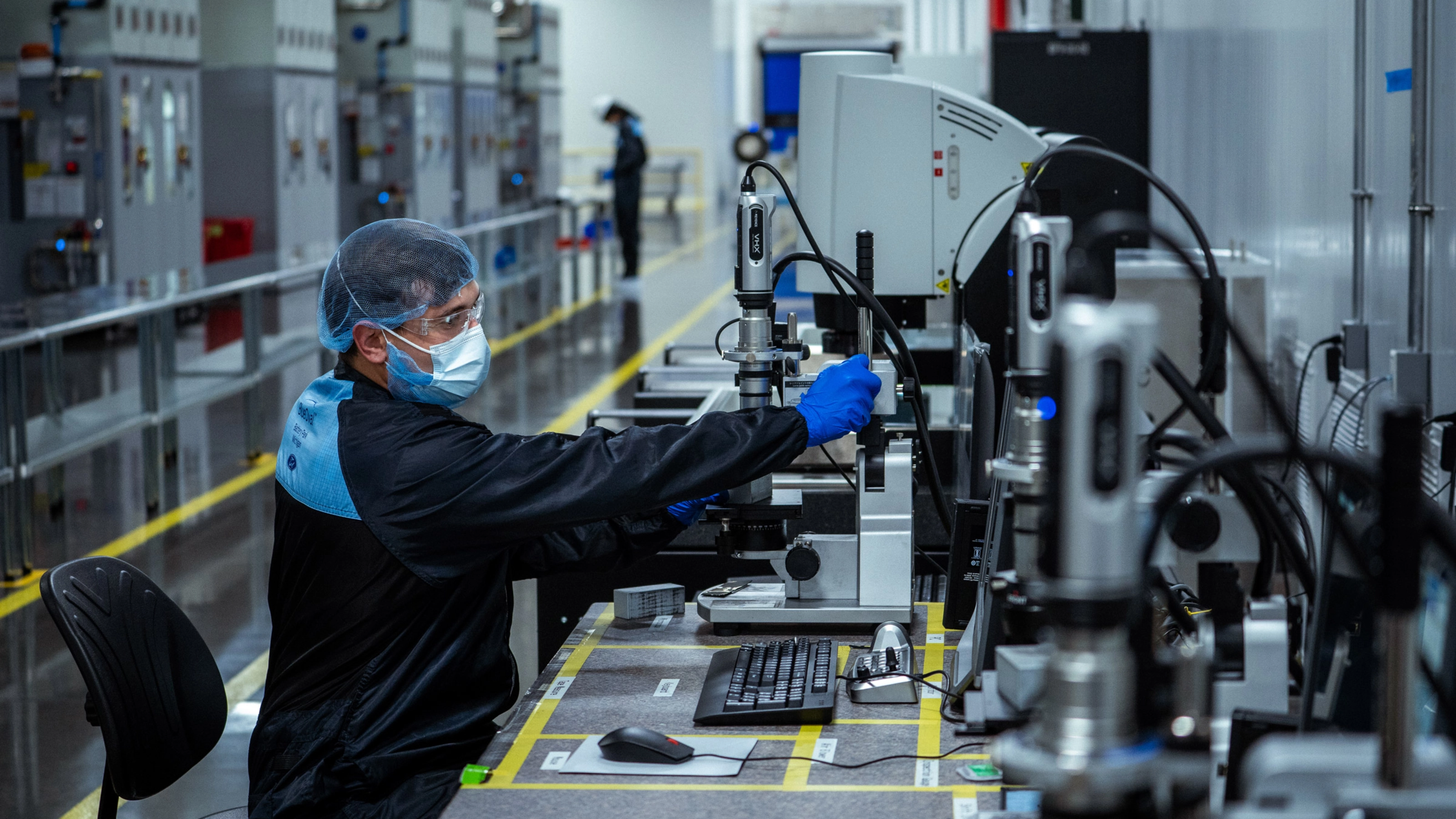
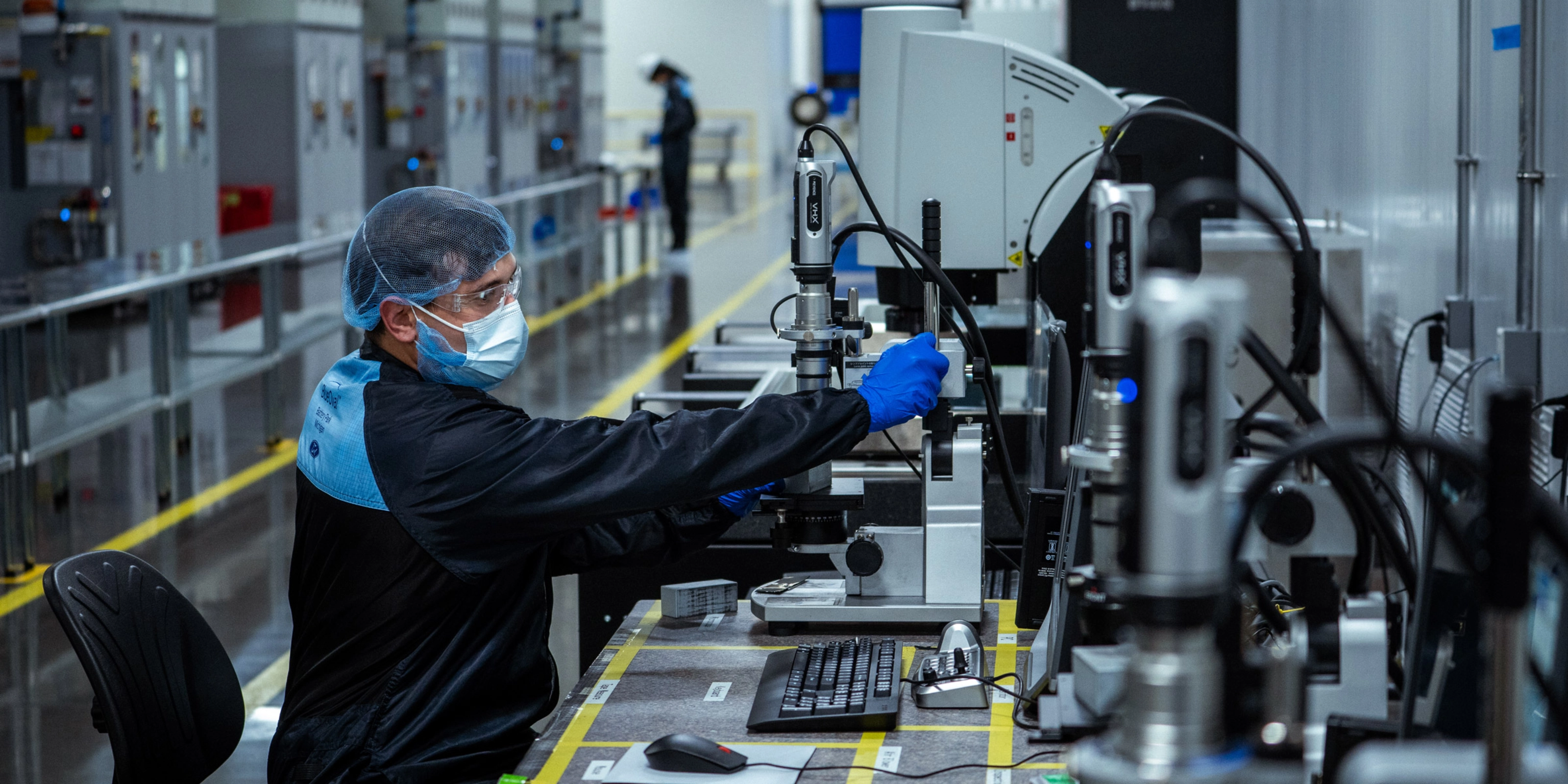
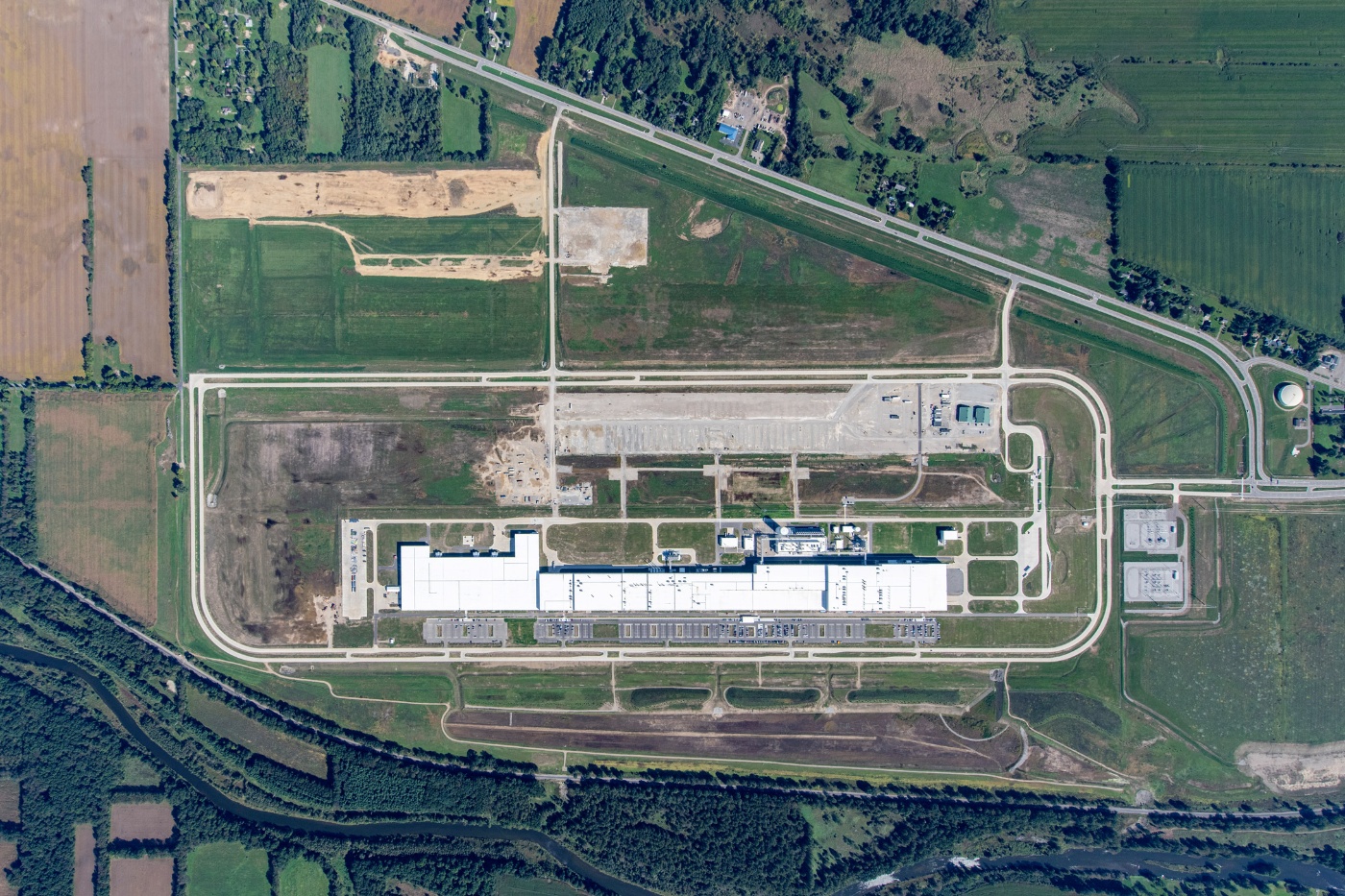
Ford has started producing lithium iron phosphate (LFP) battery cells at its BlueOval Battery Park Michigan facility. The first prismatic cells have been delivered to the Louisville Assembly Plant, where they will be used in prototypes of the new Ford Fathom electric pickup.
Ford has collaborated with Chinese battery manufacturer CATL on the technology. It is primarily intended for more affordable electric vehicles based on Ford’s new Universal Electric Vehicle Platform. Ford also uses LFP batteries in its Explorer and Capri electric models.
Structural battery pack designed to reduce weight and costs
A key feature is the integration of the battery pack as a structural component of the vehicle. The rectangular prismatic cells can be incorporated directly into the vehicle architecture, eliminating the need for additional structural elements and helping reduce weight and production costs.
Ford also combines electrical connections and sensors on a flexible circuit board and integrates compact power electronics directly into the battery pack.
The battery technology is also designed to support bidirectional charging. This could allow appropriately equipped vehicles to draw electricity from a building’s electrical system and supply power back to the building when needed.

Battery plant designed to produce up to 40 cells per minute
According to Ford, the production lines at BlueOval Battery Park Michigan are designed to manufacture up to 40 prismatic LFP cells per minute. The automaker says this makes the facility one of the fastest production plants of its kind outside China.
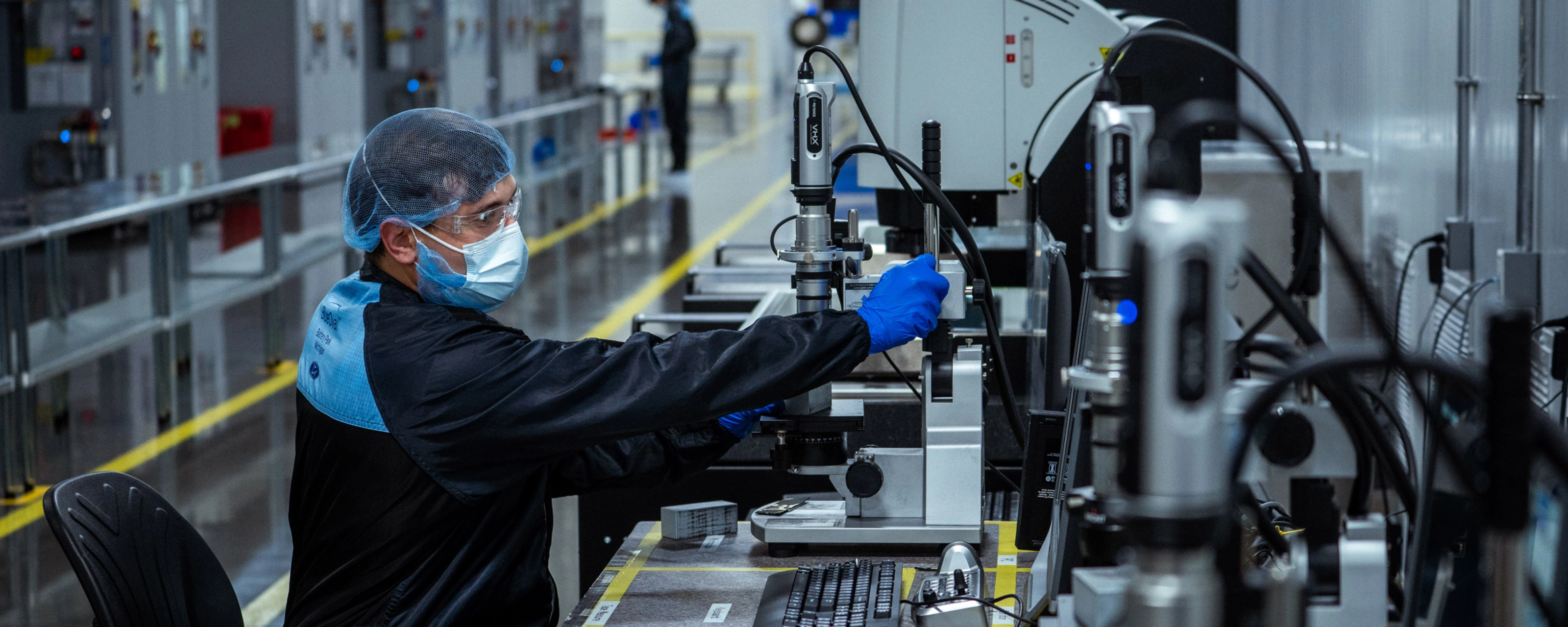
For quality assurance, Ford uses AI-powered image recognition and X-ray inspections, among other technologies. These systems are designed to identify potential manufacturing defects early and maintain consistent cell quality.
The first cells will initially be used to develop and test the Ford Fathom. Ford’s announcement does not provide specific details about the electric pickup’s battery capacity, driving range or charging power.