

Mobility
Ford Upgrades Explorer and Capri: New LFP Battery Boosts Range and Performance
Picture (c) Ford
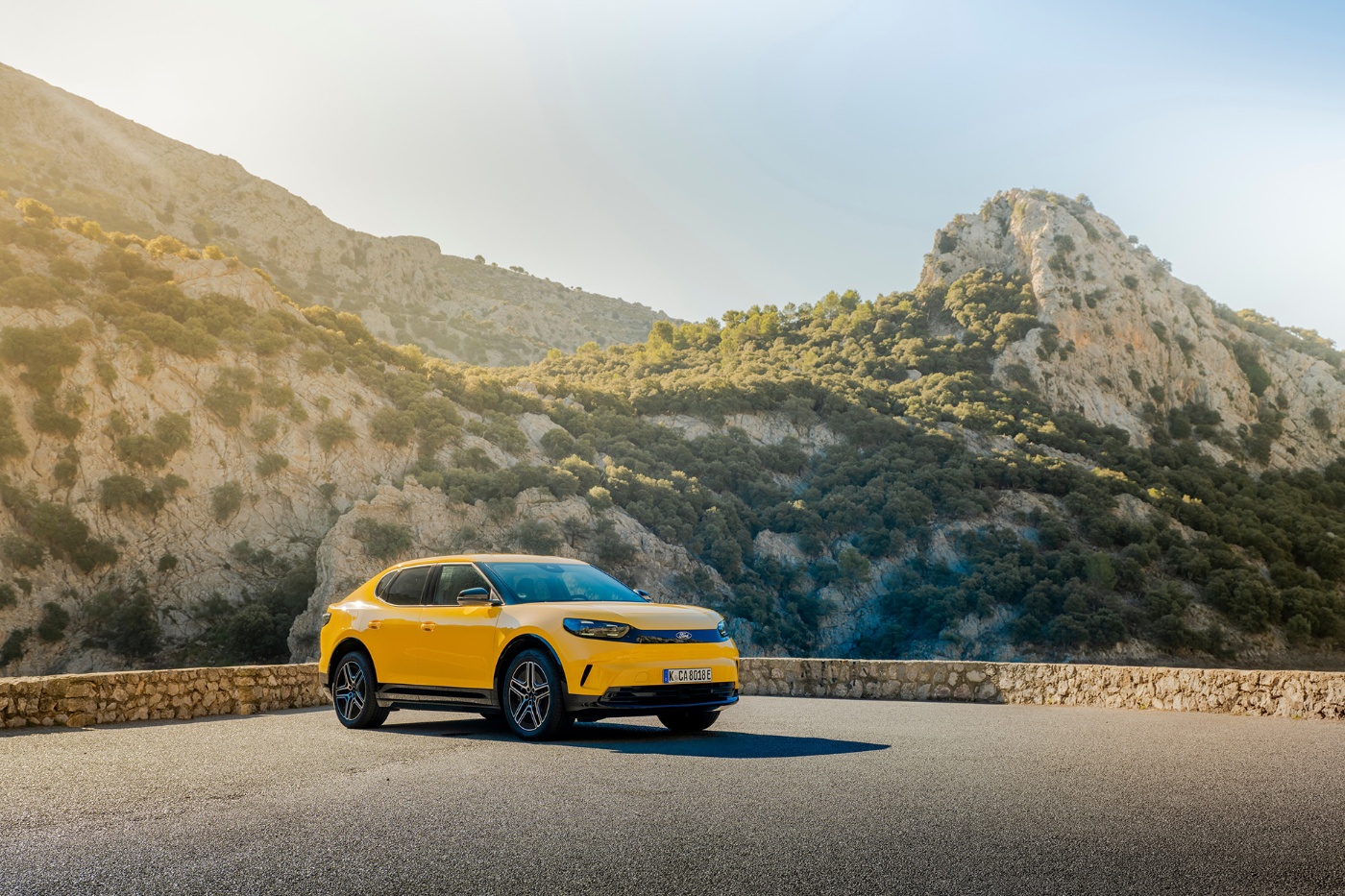
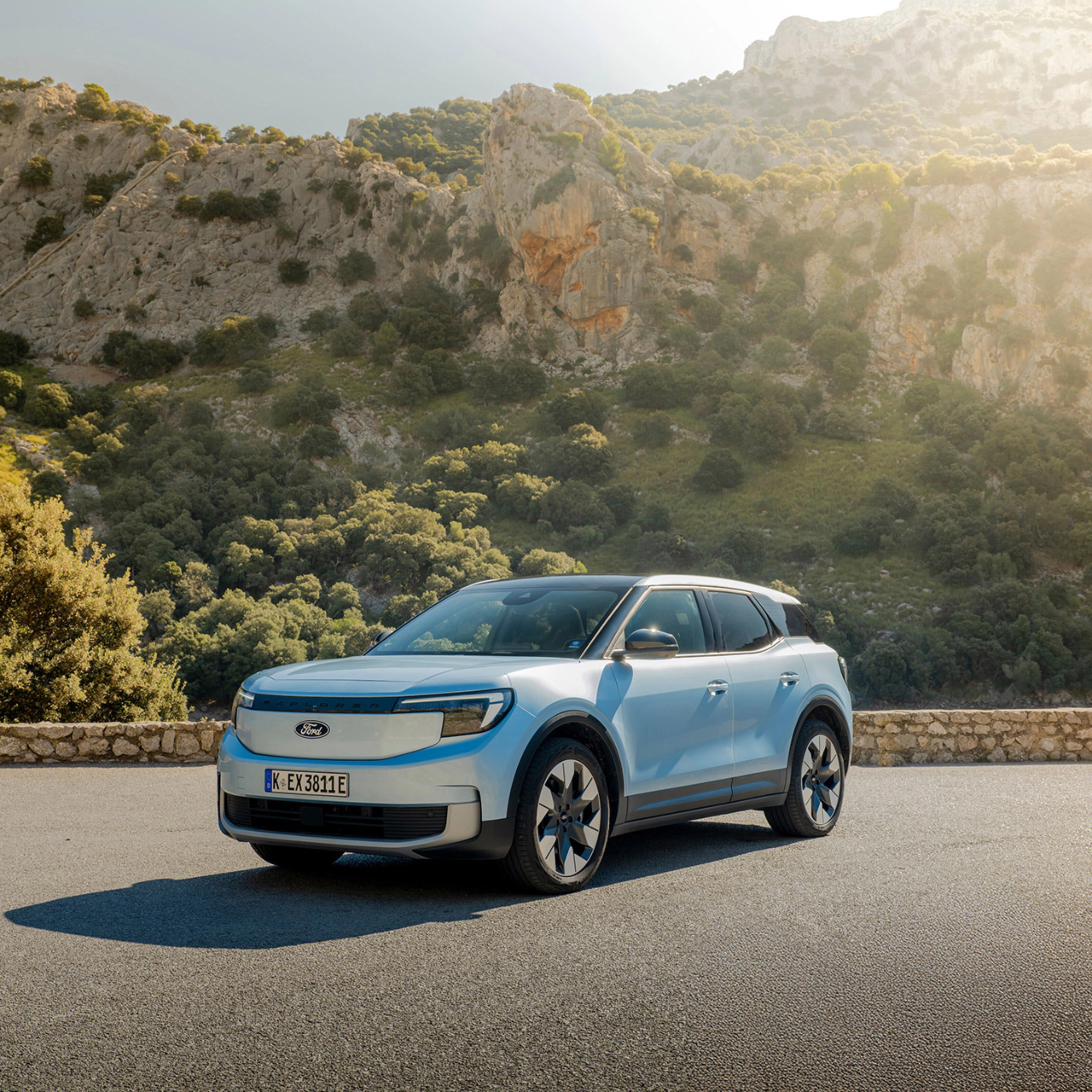
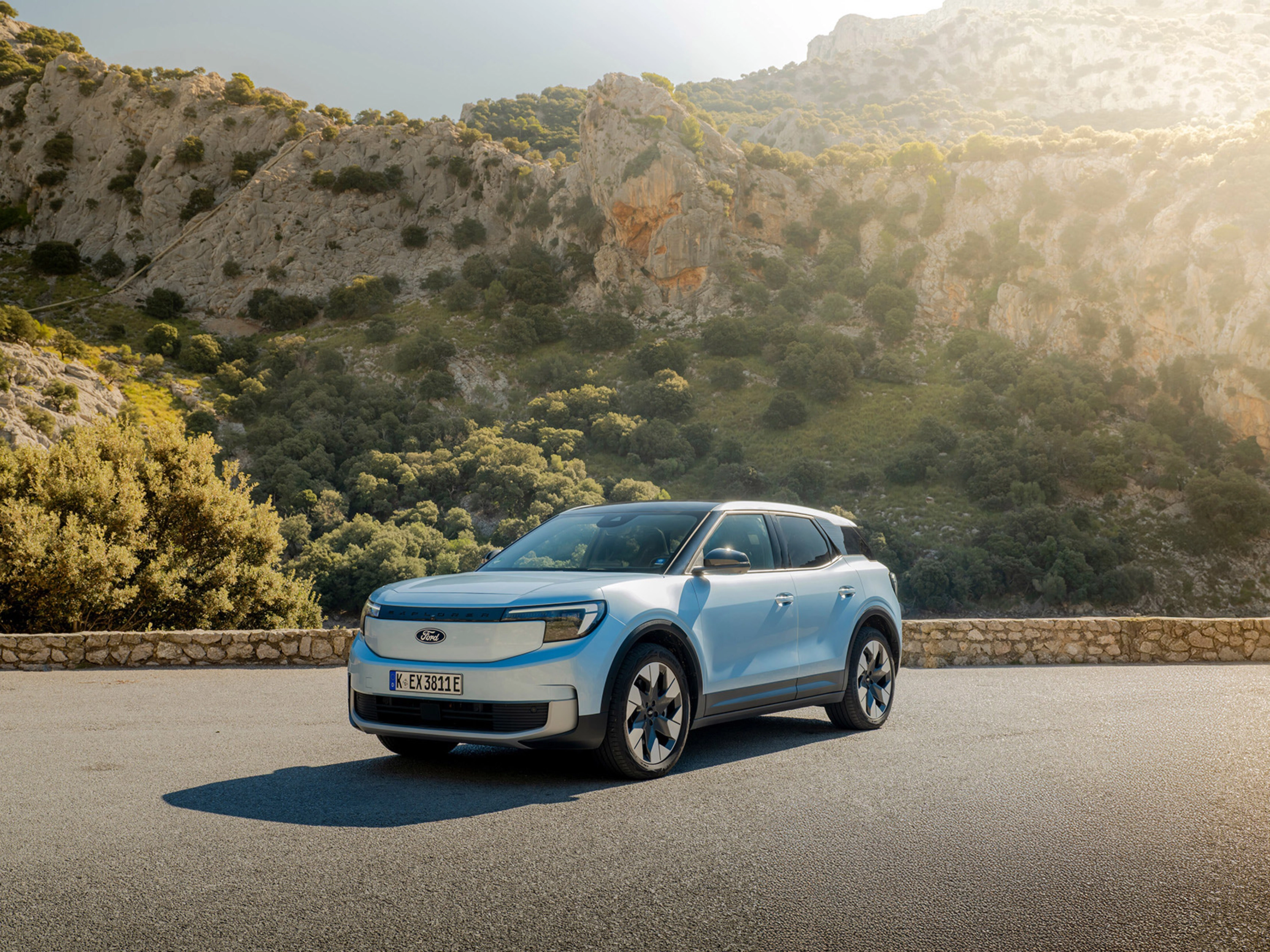
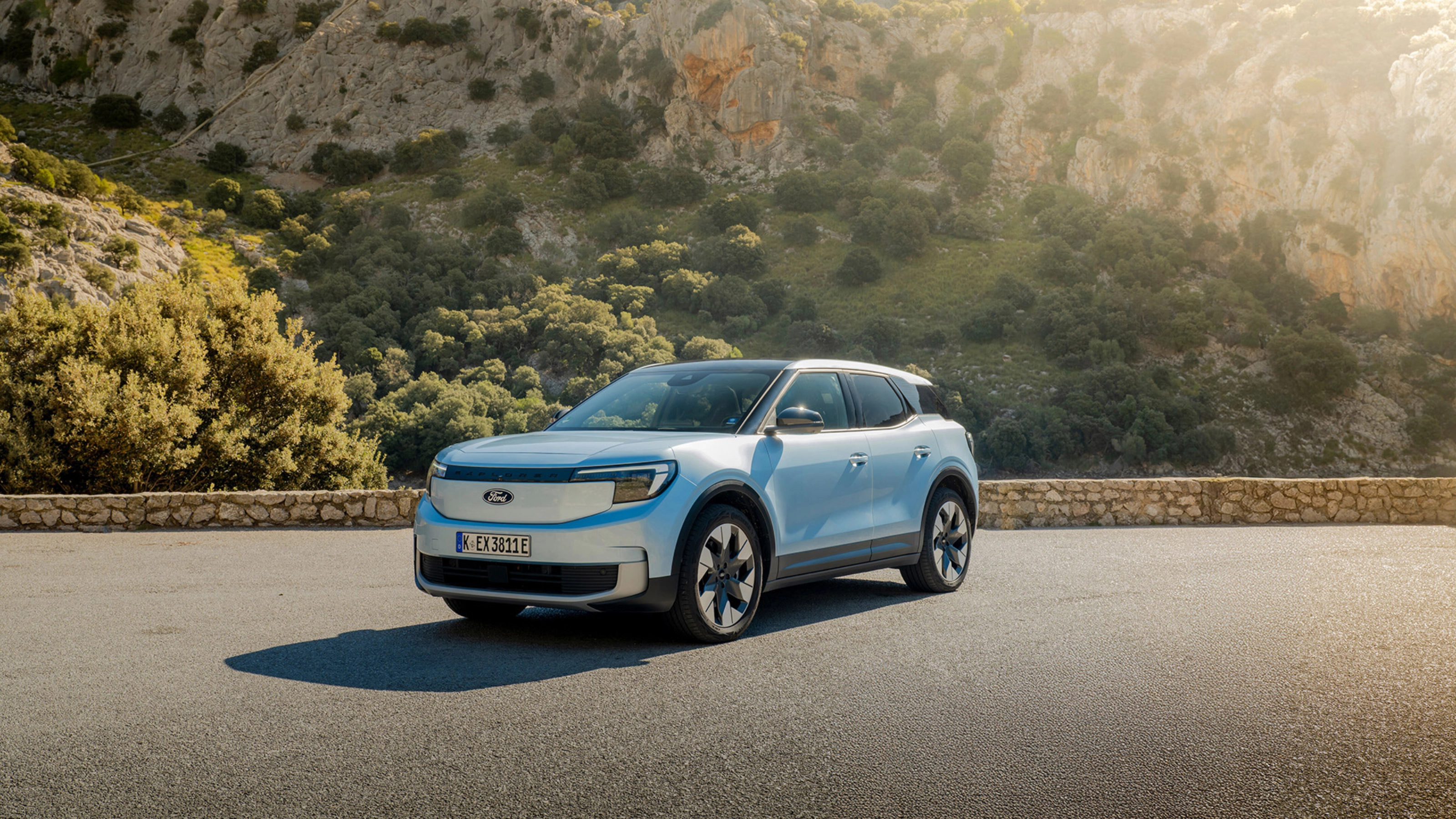
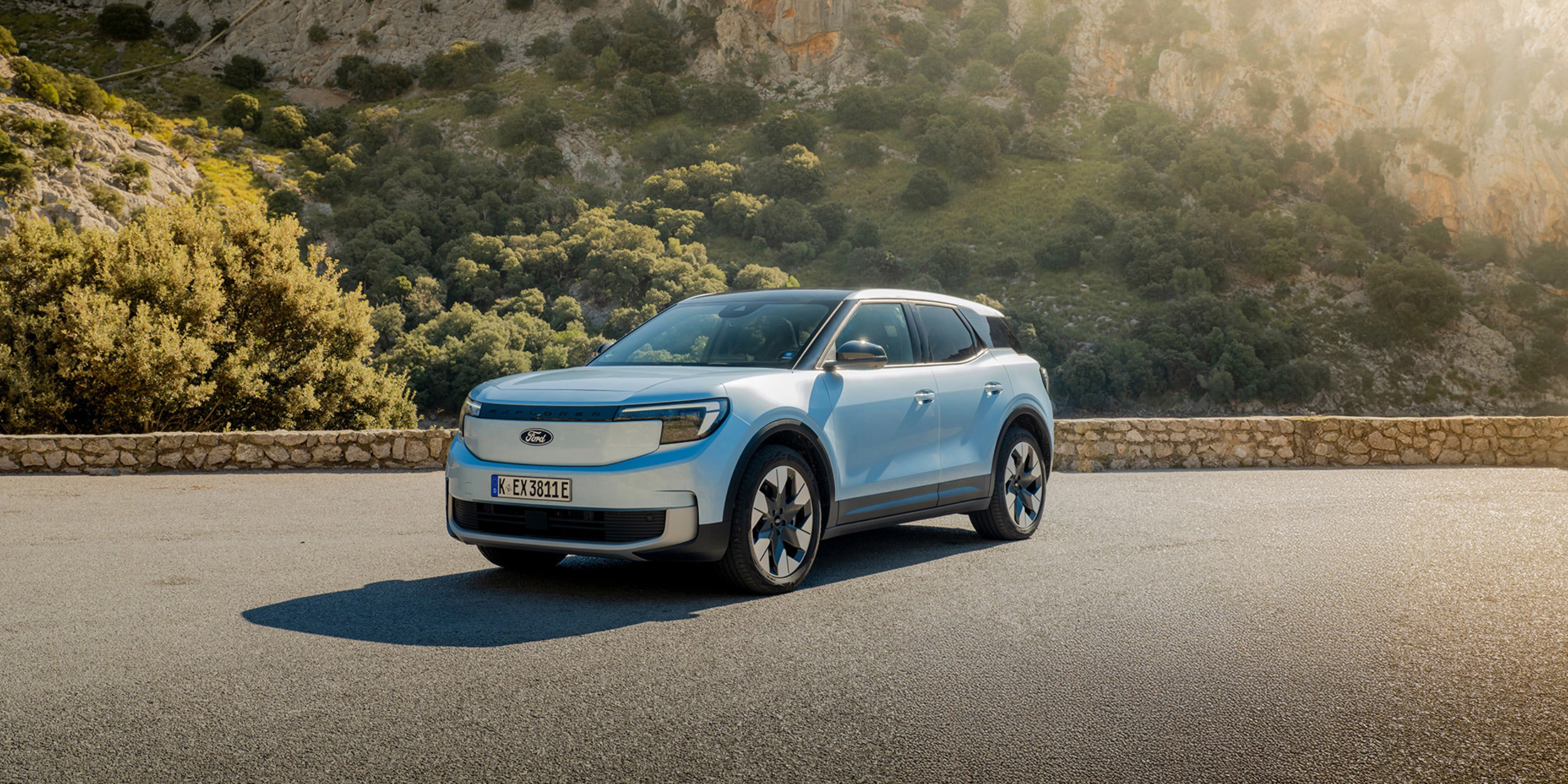
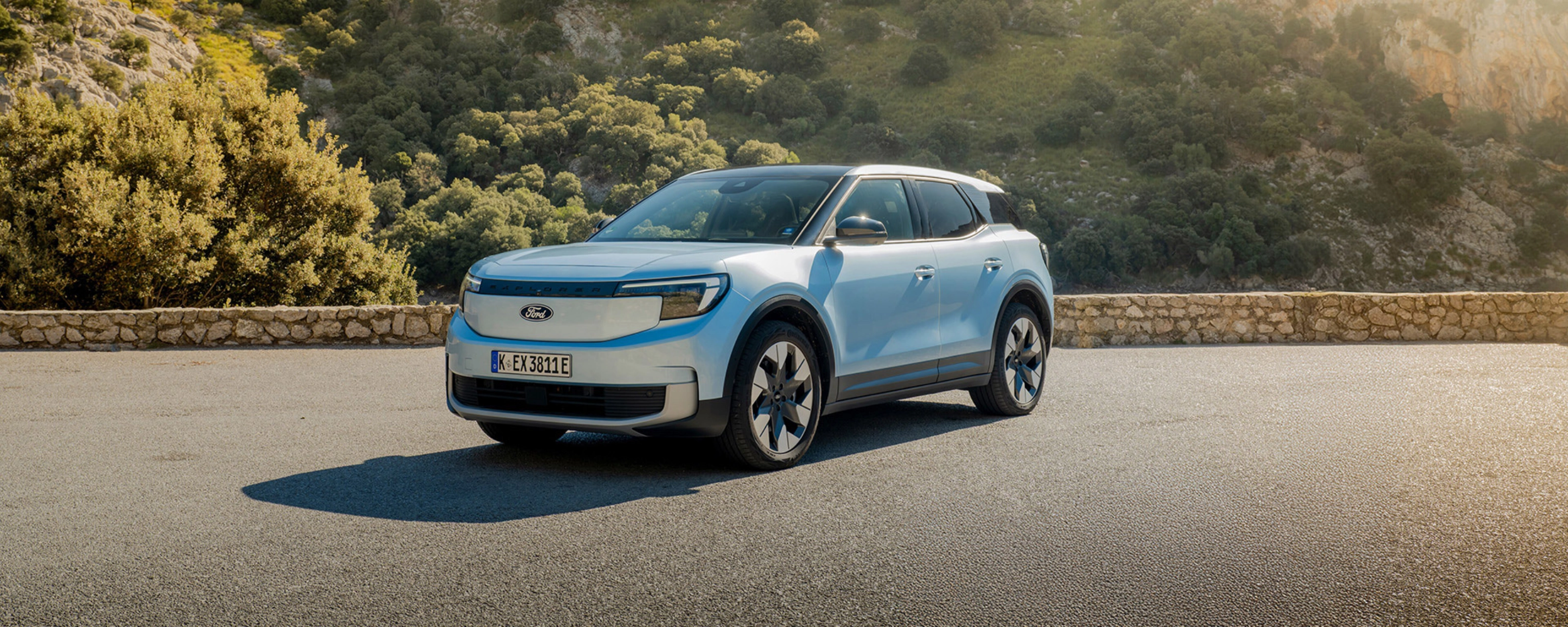
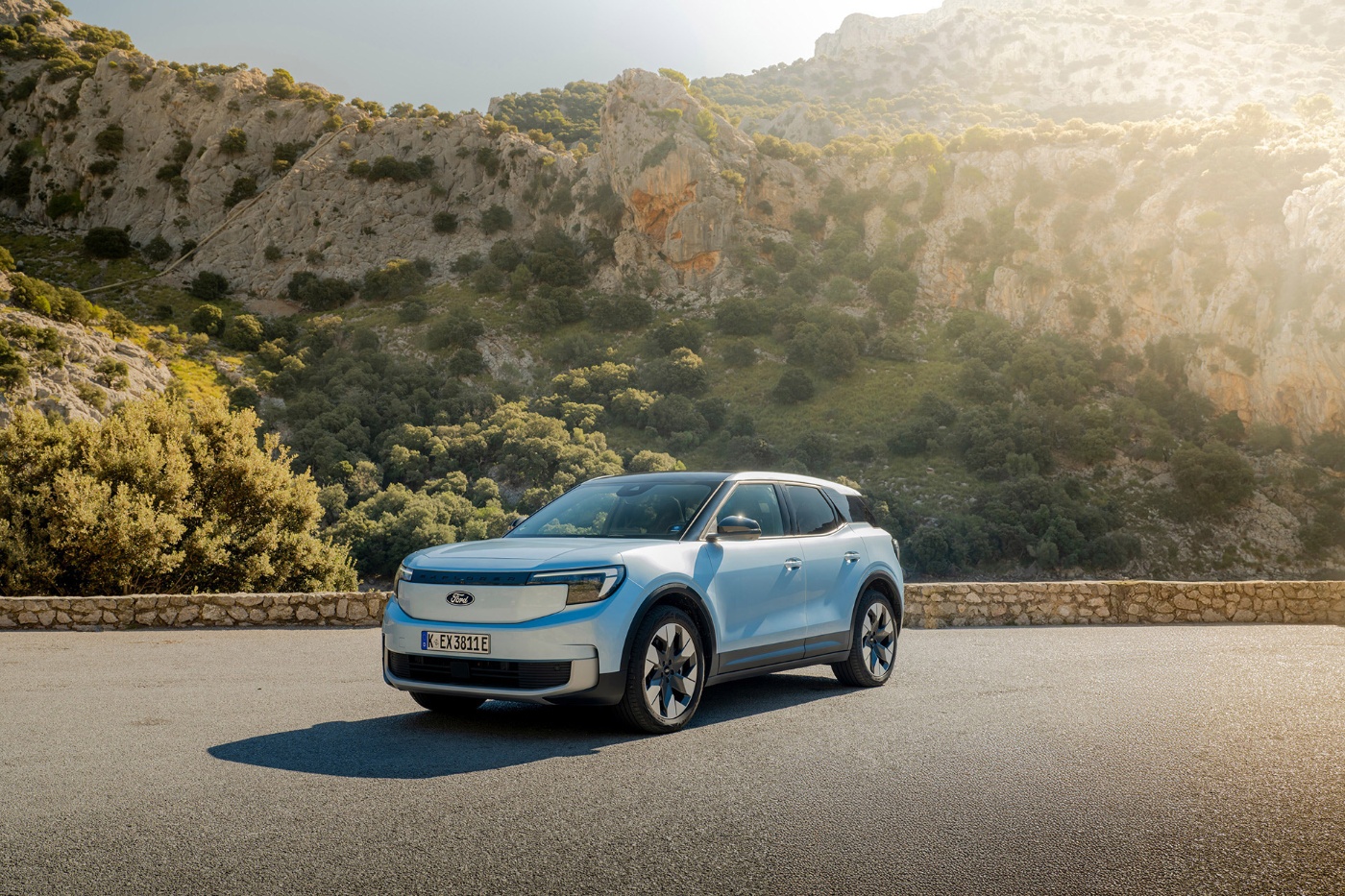
Ford has updated its electric Explorer and Capri SUV models with a new Lithium Iron Phosphate (LFP) battery and revised electric motors. These upgrades specifically target the Standard Range entry-level trims, which now offer significantly improved range and driving dynamics.
Ford has updated its electric Explorer and Capri SUV models with a new Lithium Iron Phosphate (LFP) battery and revised electric motors. These upgrades specifically target the Standard Range entry-level trims, which now offer significantly improved range and driving dynamics.
The new 58 kWh battery is designed to push range well beyond the 400 km mark. Specifically, the Explorer Standard Range is now rated for up to 444 km (approx. 276 miles), while the more aerodynamic Capri Standard Range reaches up to 464 km (approx. 288 miles). In both cases, this represents an increase of roughly 70 km (43 miles), or 17%, over previous versions.
Alongside the battery update, Ford has overhauled the electric motors. Standard models now produce 140 kW (187 hp)—up from the previous 125 kW (168 hp)—with a peak torque of 258 lb-ft (350 Nm). This translates to a more responsive driving feel and a noticeable improvement in off-the-line speed. Both models now complete the 0–60 mph sprint in approximately 7.8 seconds (0–100 km/h in 8.0 seconds), shaving a full second off their previous times. The shift to LFP (Lithium Iron Phosphate) chemistry offers several key advantages regarding charging habits and longevity: 100% Charging: Unlike conventional Nickel Manganese Cobalt (NMC) batteries, LFP cells can be frequently charged to 100% without significant long-term degradation. Sustainability & Durability: By eliminating the need for rare raw materials like cobalt and nickel, these batteries are more robust and cost-efficient to manufacture. Fast Charging: On-the-road charging has also been optimized. At a 110 kW DC fast charger, the vehicles can charge from 10% to 80% in approximately 28 minutes, making long-distance travel much more practical.