


Technology
DiDi Autonomous Driving: Robotaxi R2 Fleet Begins Real-World Testing
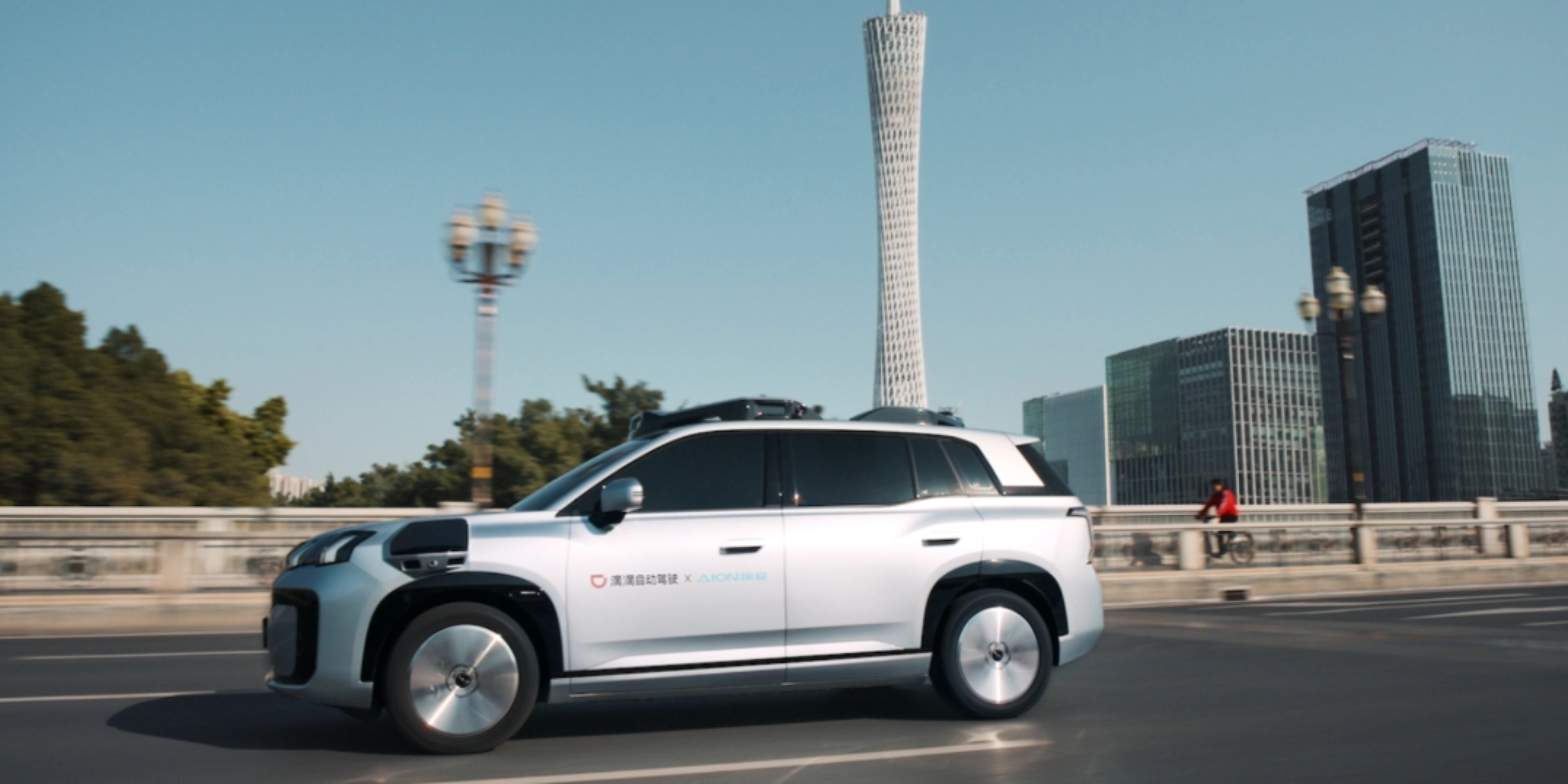
Image: (c) DiDi Global
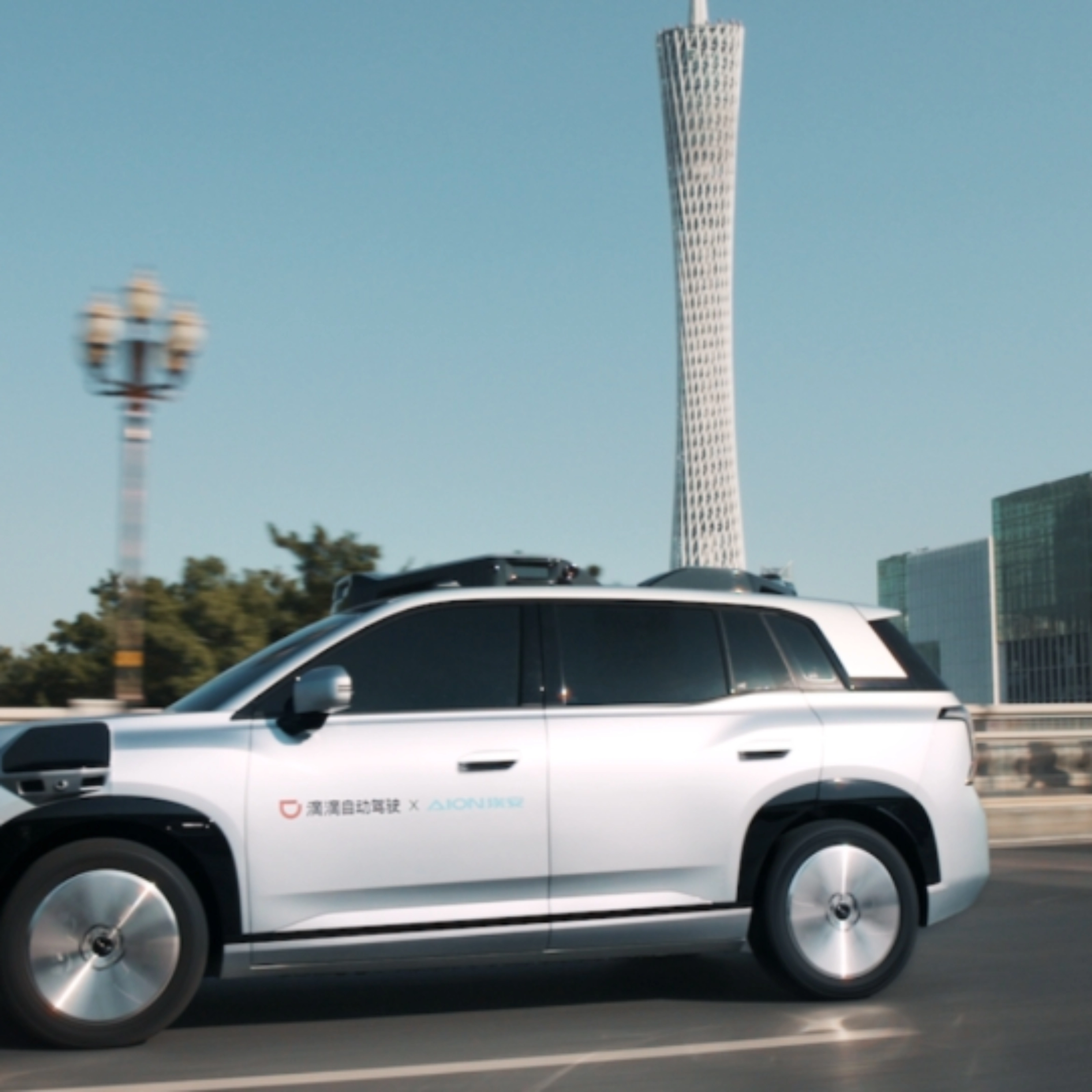
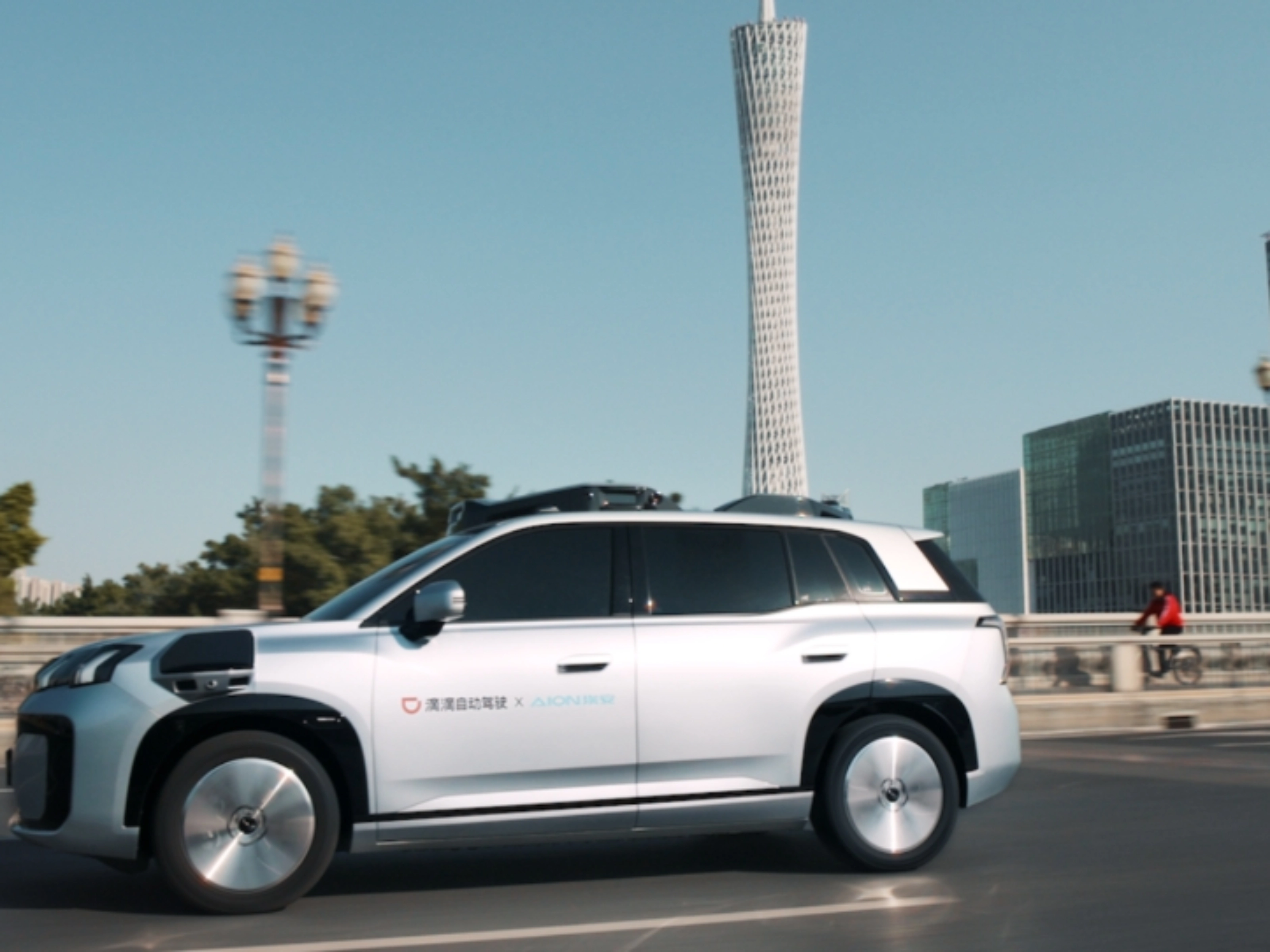
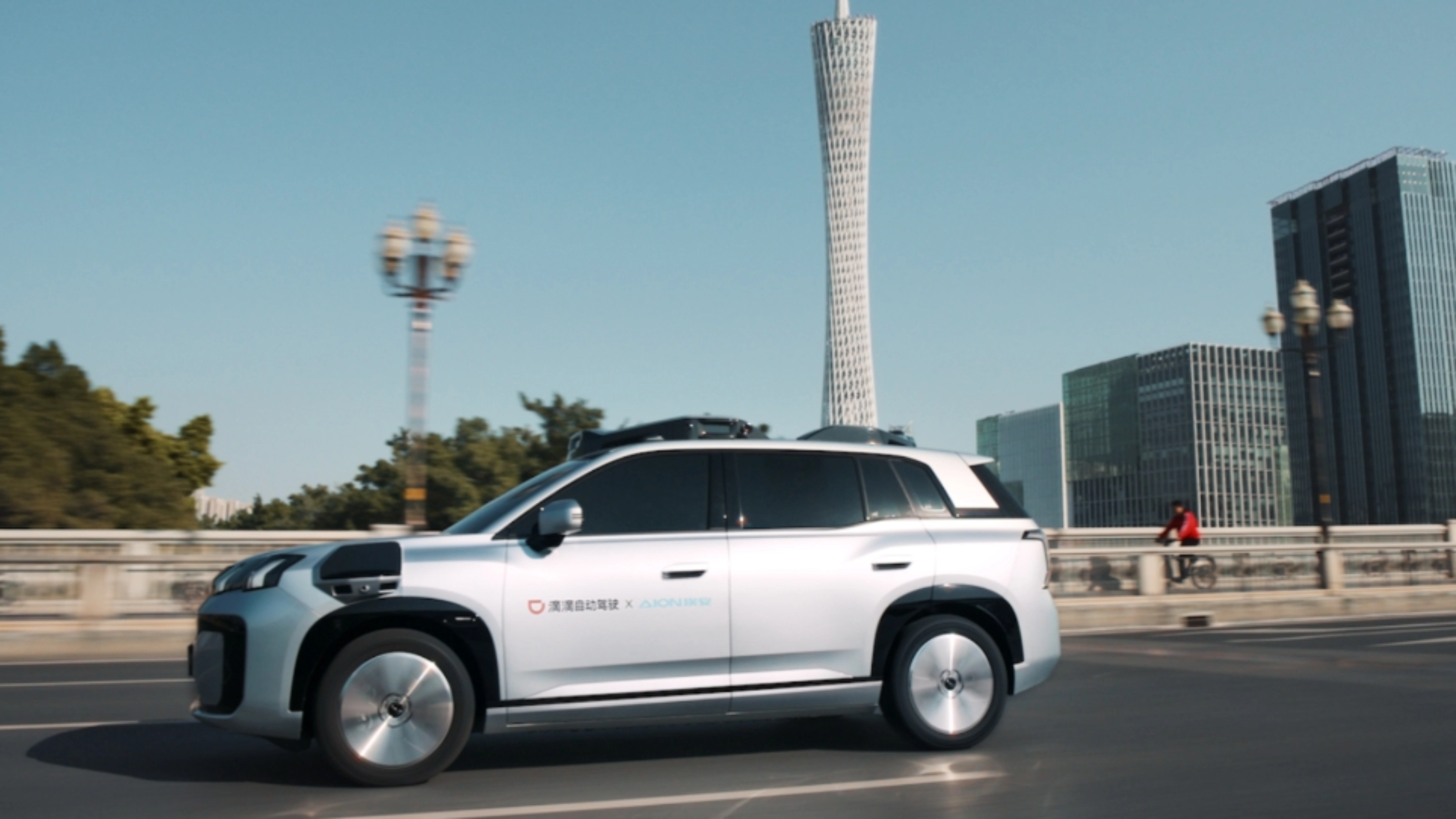
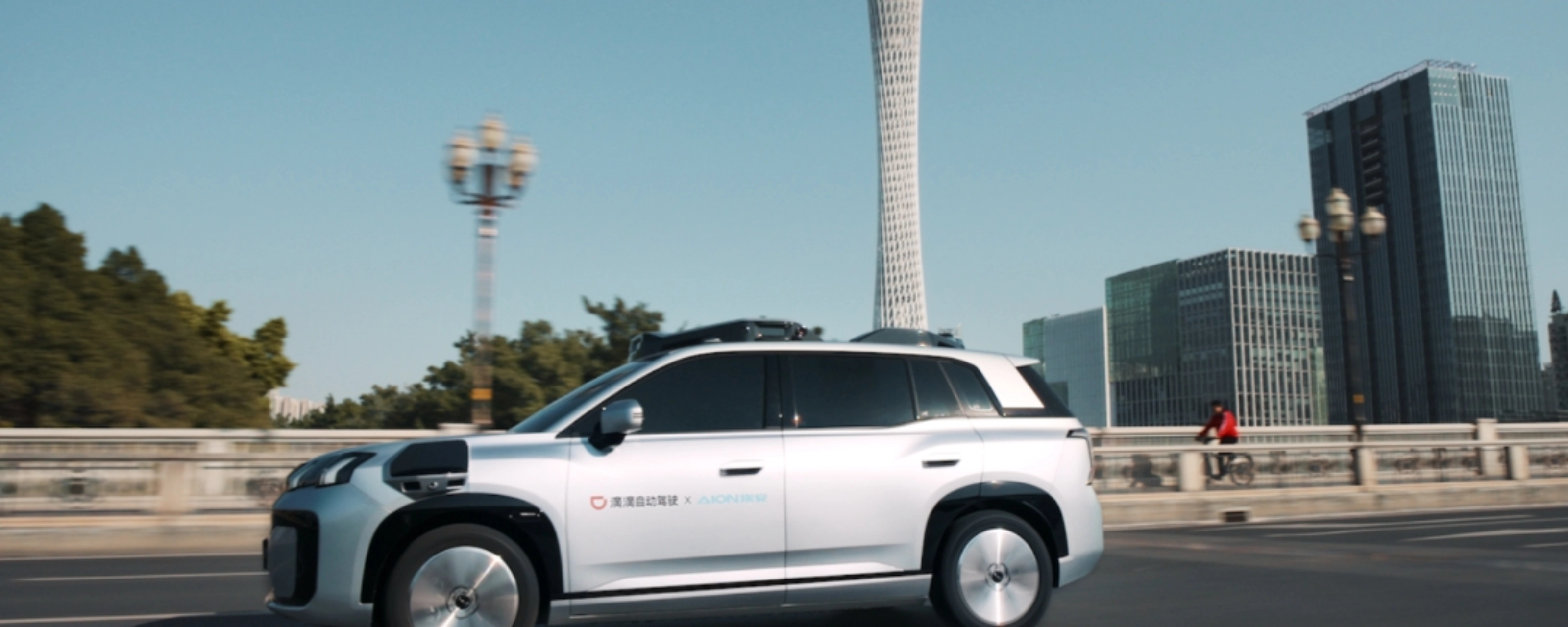
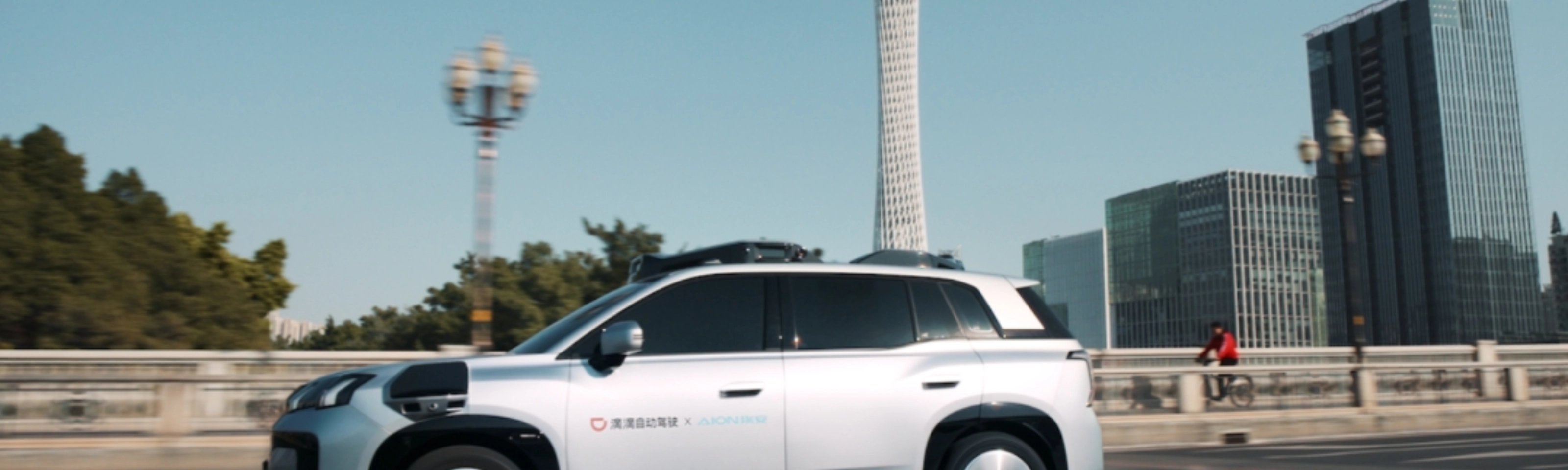
The Chinese mobility service provider DiDi Global is scaling its autonomous mobility efforts with the recent rollout of its first Robotaxi R2 fleet, which has now begun testing on public roads. Developed by DiDi Autonomous Driving (DiDi’s self-driving subsidiary) in partnership with Chinese automaker GAC Aion, these vehicles are designed to showcase the current state of robotaxi technology in real-world operations.
The Chinese mobility service provider DiDi Global is scaling its autonomous mobility efforts with the recent rollout of its first Robotaxi R2 fleet, which has now begun testing on public roads. Developed by DiDi Autonomous Driving (DiDi’s self-driving subsidiary) in partnership with Chinese automaker GAC Aion, these vehicles are designed to showcase the current state of robotaxi technology in real-world operations.
Robotaxi R2: Technology and Objectives
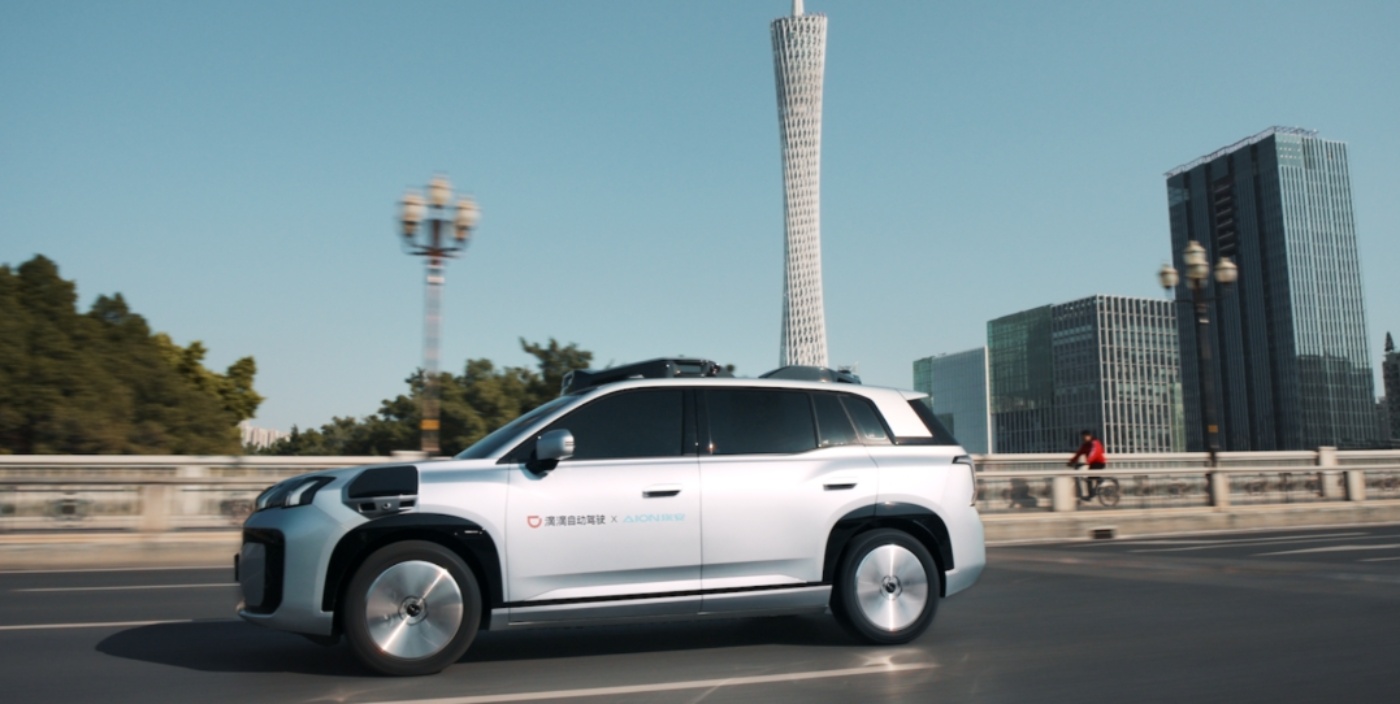
The "R2" model is based on the production Aion V SUV and features a comprehensive sensor suite consisting of 33 sensors, including LiDAR units, 4D millimeter-wave radar, cameras, infrared sensors, and audio systems. Powering the vehicle is a central AI compute platform delivering over 2,000 TOPS of GPU performance, designed to process massive amounts of data in real time. The fleet has already received approval for road testing in Guangzhou, with plans for a phased rollout of demonstration pilots in Beijing and other major cities.
Strategic Importance and Outlook
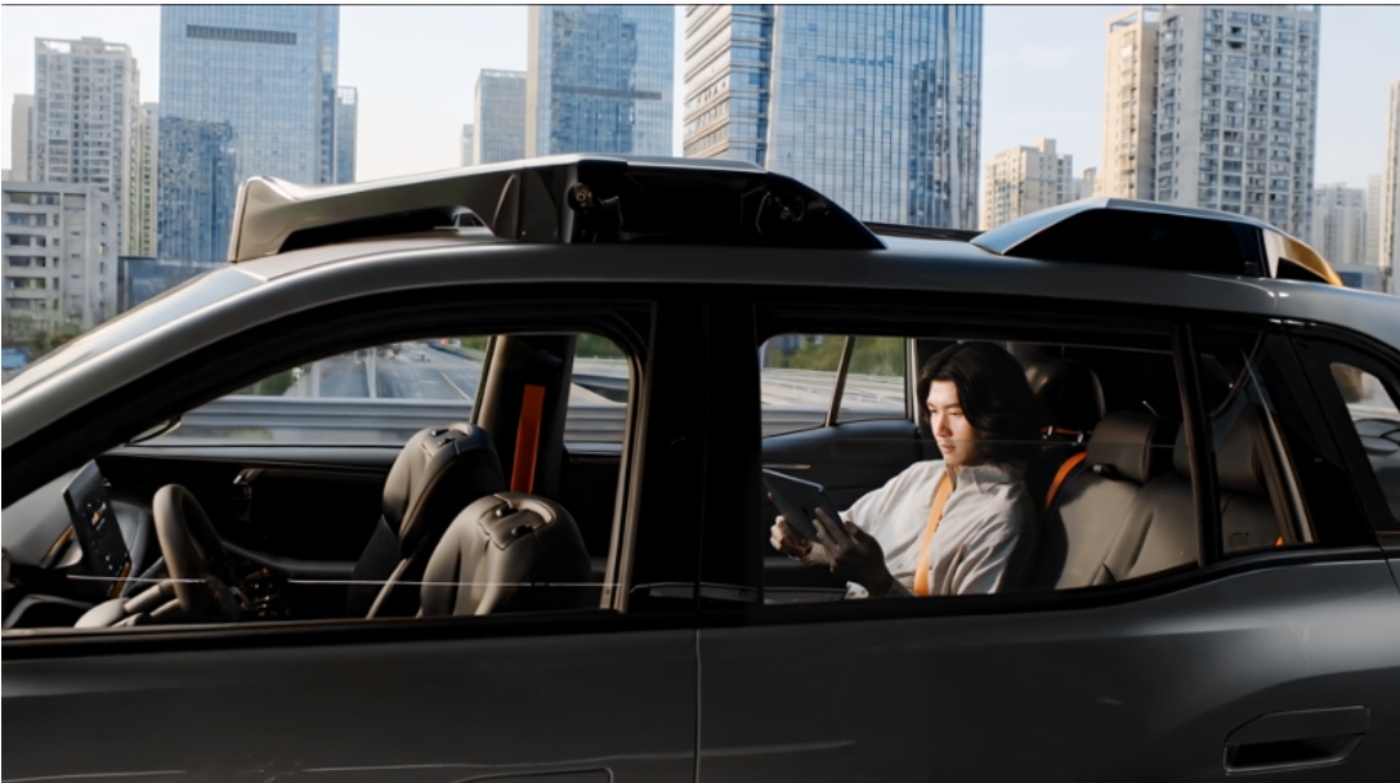
This is not DiDi Autonomous Driving's first foray into the space; the company previously launched 24/7 driverless taxi trials in Guangzhou, allowing users to hail autonomous rides via the DiDi app. The R2 project builds on that foundation, marking a transition from early prototypes to large-scale demonstration applications and potential commercial use cases.
The project illustrates the transition from early prototypes to large-scale demonstration
applications and potential commercial use cases. In the United States, Zoox has already
received a commercial exemption for a purpose-built autonomous robotaxi.
The partnership between DiDi and GAC Aion is a key pillar of a broader strategy to move autonomous mobility out of the lab and into active transit networks. By integrating local manufacturing, advanced driver-assistance systems (ADAS), and fleet operations, the companies aim to build a widely accessible robotaxi fleet in the coming years.
This development is part of a broader transformation of urban mobility in China. Shenzhen demonstrates how electric vehicles, autonomous transport concepts and public infrastructure can contribute to a more sustainable urban mobility system.
Autonomous driving refers to technology that enables a vehicle to perform driving tasks using sensors, computing systems and software. The degree of automation and the need for human intervention depend on the system's capabilities, its automation level and the conditions under which it is designed to operate.
Robotaxi services operate in selected areas of cities worldwide, particularly in the United States and China, with services also available in the United Arab Emirates. Availability depends on the provider, local regulations and designated operating areas. Some services are open to the public, while others remain limited to pilot programs or selected users.
Robotaxi services and pilot programs operate in several cities worldwide, including Beijing, Shanghai, Shenzhen and Wuhan in China, as well as San Francisco, Los Angeles, Phoenix, Las Vegas and Austin in the United States. Availability, operating areas and access conditions vary by provider and location.
No, DiDi does not currently offer public ride-hailing or robotaxi services in the United States. While the company previously conducted autonomous-driving tests in California, its robotaxi operations are currently focused on China, including selected areas of Beijing and Guangzhou.
What is DiDi Robotaxi? DiDi Robotaxi is DiDi’s autonomous ride-hailing program. It combines self-driving technology with DiDi’s mobility platform and is developed through test and pilot operations.
DiDi’s autonomous-driving technology combines cameras, LiDAR, radar and advanced computing systems to detect its surroundings, predict traffic movements and navigate autonomously. Redundant safety systems and remote assistance provide additional support when needed.
DiDi has not publicly disclosed a verified, up-to-date total for its robotaxi fleet. The company operates and tests autonomous vehicles in selected Chinese cities, including Guangzhou and Beijing. Fleet size may vary as testing and commercial operations expand.