







Mobility
Nio Forms New Solid-State Battery Division
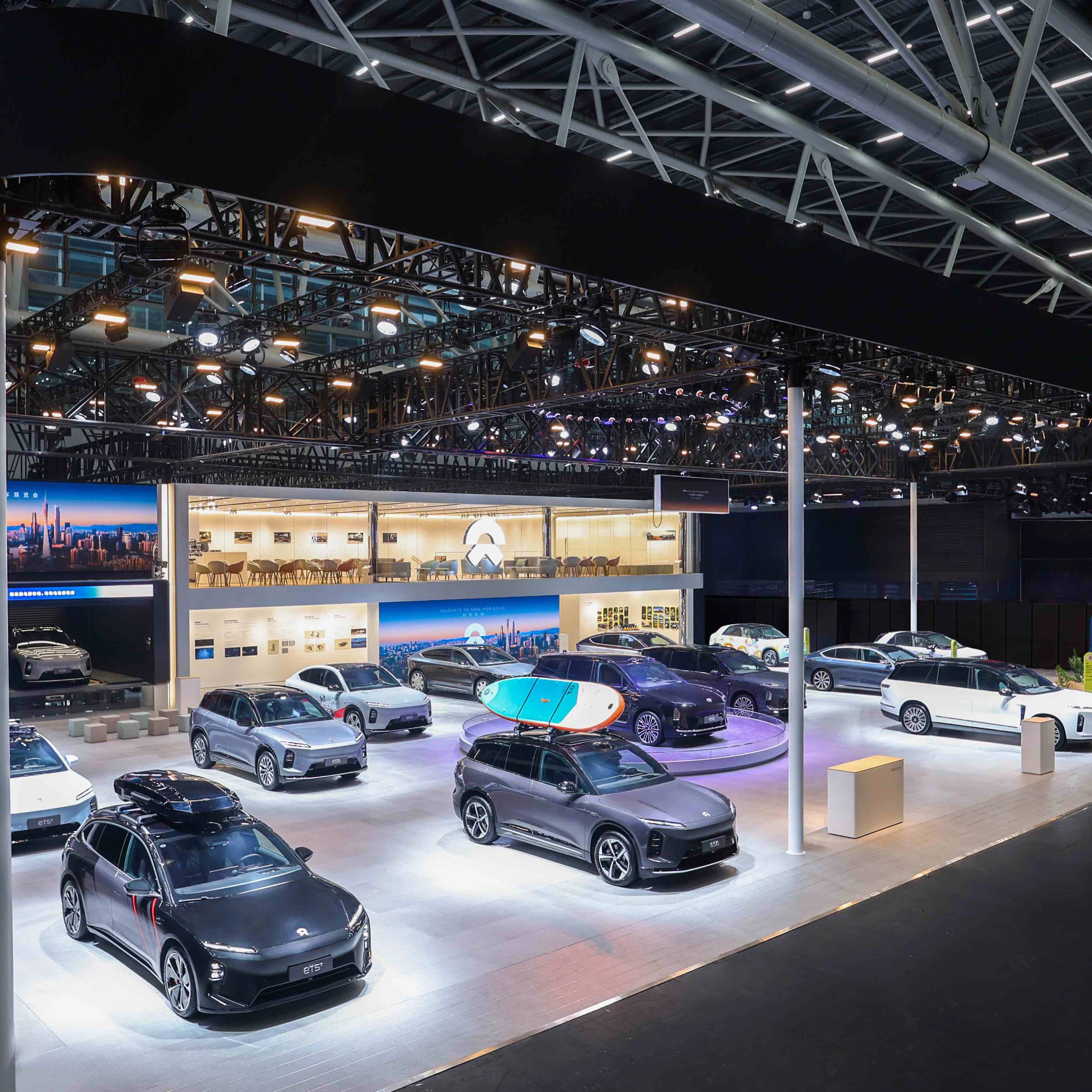
Picture (c) Nio
Chinese EV manufacturer Nio is doubling down on its battery expertise with the launch of a new subsidiary dedicated to solid-state battery development. Registered in Shanghai as Nio Battery Technology, the unit is tasked with accelerating the R&D of next-generation energy storage solutions.
Chinese EV manufacturer Nio is doubling down on its battery expertise with the launch of a new subsidiary dedicated to solid-state battery development. Registered in Shanghai as Nio Battery Technology, the unit is tasked with accelerating the R&D of next-generation energy storage solutions.

By establishing this dedicated entity, Nio aims to build an independent technological foundation for its future power cells. Current roadmaps suggest that Nio could begin large-scale implementation of solid-state batteries in its vehicles as early as 2027 or 2028. Consequently, the new division will focus on both cell chemistry and manufacturing processes to successfully transition the technology from the laboratory to industrial-scale production.
Strategically, the company is bridging its R&D hub in Shanghai with its manufacturing base in Anhui. This integrated structure—coupling development and production sites—is designed to significantly shorten the timeline for scaling this breakthrough technology.