


IAA MOBILITY
Key Topics 2027
Four key themes of IAA MOBILITY 2027 highlight the central developments shaping the mobility of tomorrow.
- Exhibitors
- IAA 2027
- Key Topics 2027
The key themes of IAA MOBILITY 2027 at a glance
-
Technology
Innovations in areas such as software-defined vehicles, AI, semiconductor and battery technology, as well as powertrain technologies.
Learn more -
Sustainability & Resilience
Circular economy, decarbonization, and sustainable supply chains as key pillars of tomorrow’s mobility.
Learn more -
Smart
InfrastructureConnected and secure urban and rural spaces, and intelligent infrastructure as the foundation of connected mobility.
Learn more




The Mobility key theme showcases the full spectrum of modern mobility—from innovative vehicle concepts and autonomous driving features to intelligently connected mobility services that make transportation more efficient, flexible, and user-centric.
At its core are a wide range of mobility solutions: battery-electric and hybrid vehicles, bicycles, e-bikes, light electric vehicles (LEVs), and other micromobility options. These are complemented by public transportation and digital mobility platforms that connect different modes of transport. Mobility-as-a-Service, sharing, and on-demand offerings enable seamless planning, booking, and use of both individual and shared mobility.
At the same time, connected vehicles, real-time data, and intermodal mobility concepts are coming into focus. They form the foundation for intelligent mobility ecosystems, where private transport, public transit, and shared mobility services work together efficiently—making the mobility of the future more sustainable, safer, and more convenient.
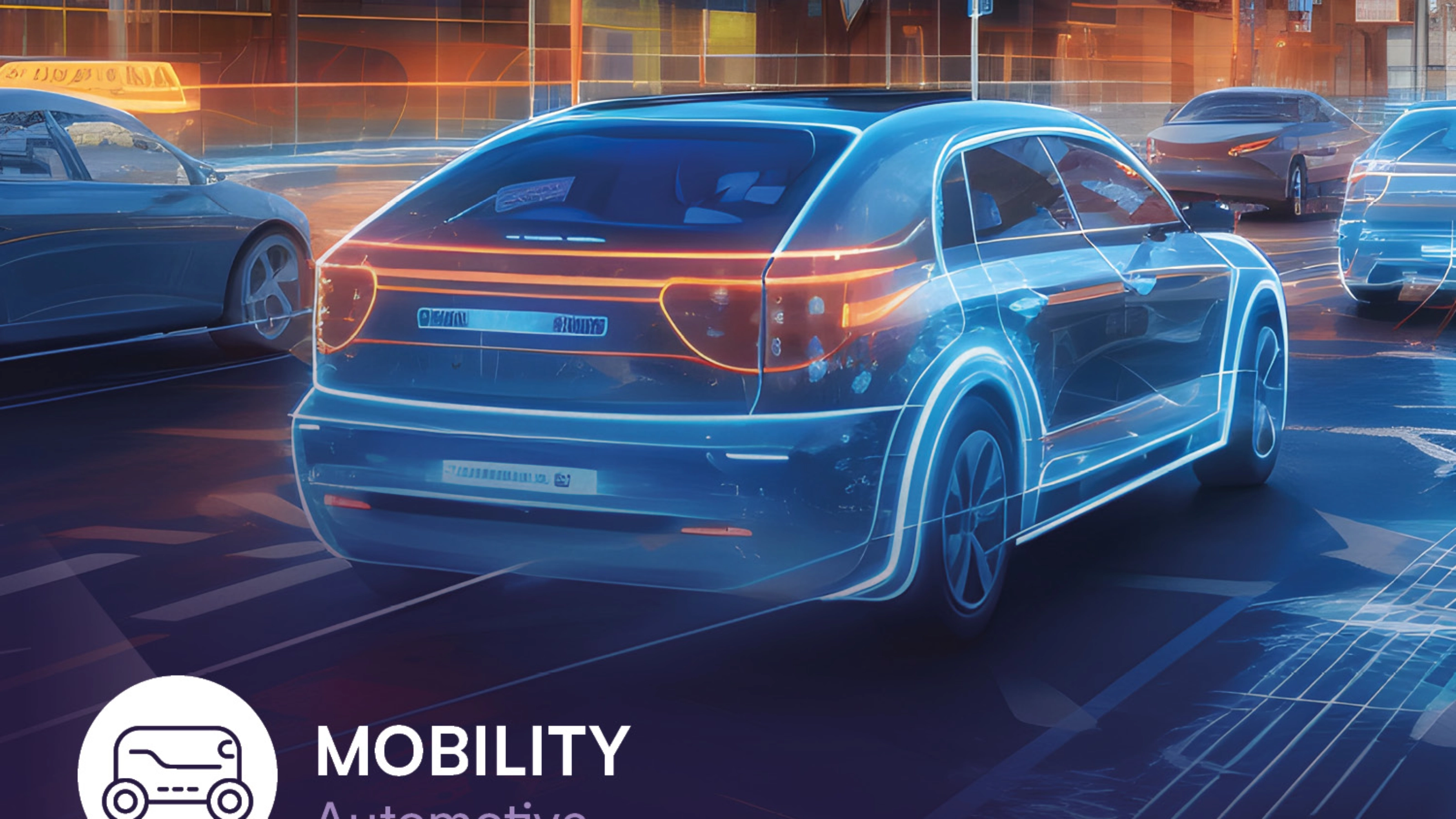
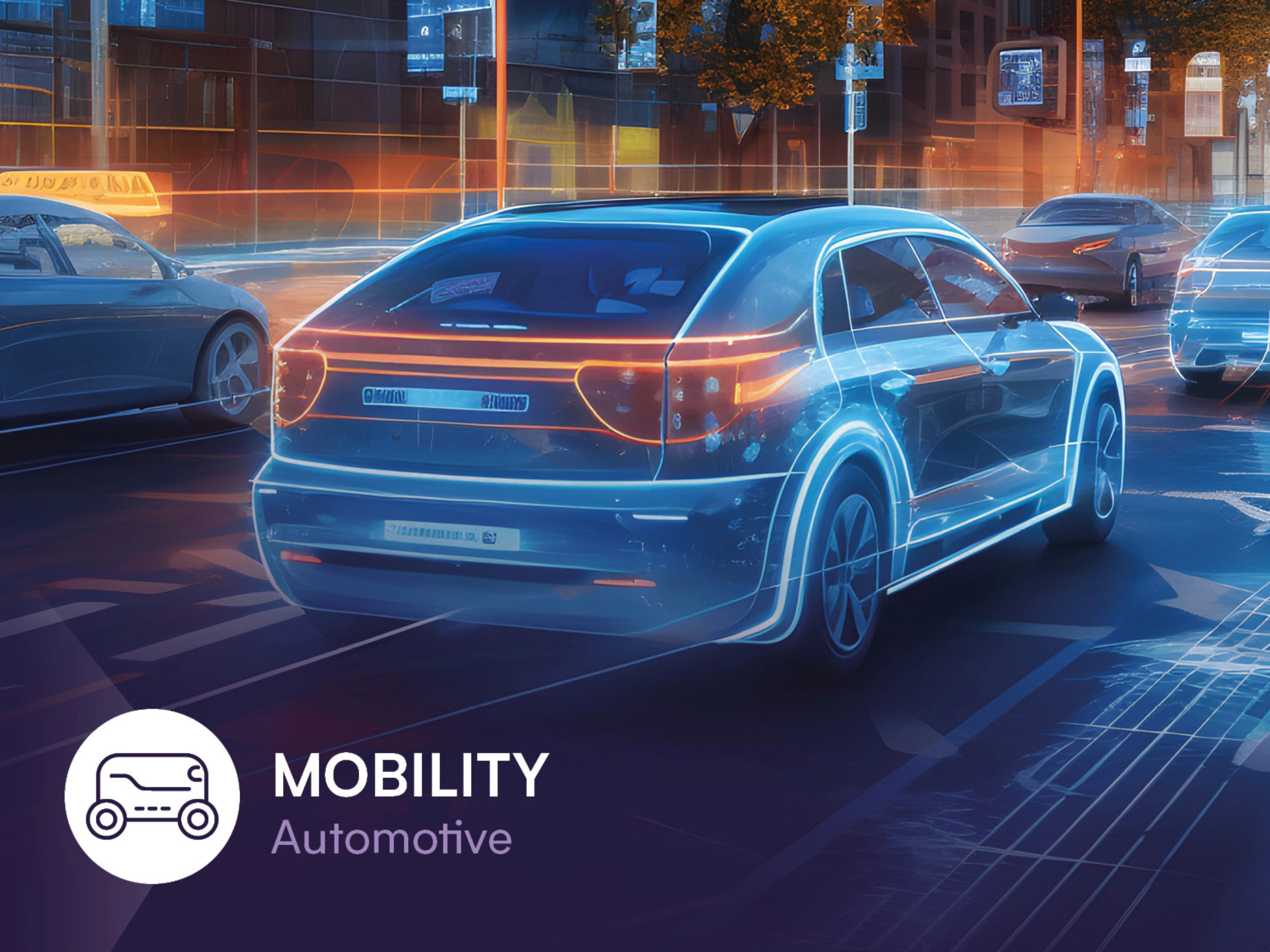
Automotive covers the development, production, and use of passenger vehicles and other road-based transportation solutions. The focus is on new vehicle concepts—including battery electric vehicles (BEVs), plug-in hybrid electric vehicles (PHEVs), hybrid electric vehicles (HEVs), and autonomous vehicles—as well as innovative mobility solutions and technological advancements that make individual mobility safer, more sustainable, and increasingly connected.
This topic encompasses bicycles, e-bikes, light electric vehicles (LEVs), and other micromobility solutions such as e-scooters for short- and medium-distance travel. The focus is on innovative vehicle concepts, new use cases, and the role of these modes of transport in enabling sustainable, flexible, and urban mobility.
Public Transport covers all forms of public passenger transportation, including buses, rail services, subways, suburban rail systems, and emerging demand-responsive transport solutions. The focus is on efficient, connected, and sustainable mobility solutions.
Digital platforms and mobility services connect different transportation options and enable seamless planning, booking, and use of mobility services. These include Mobility-as-a-Service (MaaS), shared mobility, and on-demand solutions that make transportation more flexible and user-centric.
Intermodality describes the seamless combination of different modes of transport within a single journey. By intelligently connecting individual, public, and shared mobility options, efficient, convenient, and sustainable mobility chains can be created.
The key topic of Technology highlights the technological innovations driving the transformation of mobility and setting new standards for efficiency, safety, and the user experience.
The focus is on forward-looking developments such as software-defined vehicles, autonomous driving, artificial intelligence, and connected vehicle and data ecosystems. Advances in battery and charging technology, hydrogen and other alternative powertrain systems, as well as high-performance semiconductors, sensors, and software platforms are laying the foundation for the mobility of tomorrow. At the same time, cloud technologies, edge computing, digital twins, and cybersecurity are accelerating the industry’s digital transformation.
Technology also represents close collaboration among automakers, suppliers, and technology companies. Advanced robotics, AI-powered production processes, and digital in-car experiences with personalized services and continuous software updates are creating new opportunities across the entire mobility value chain—from development and production to the driving experience.
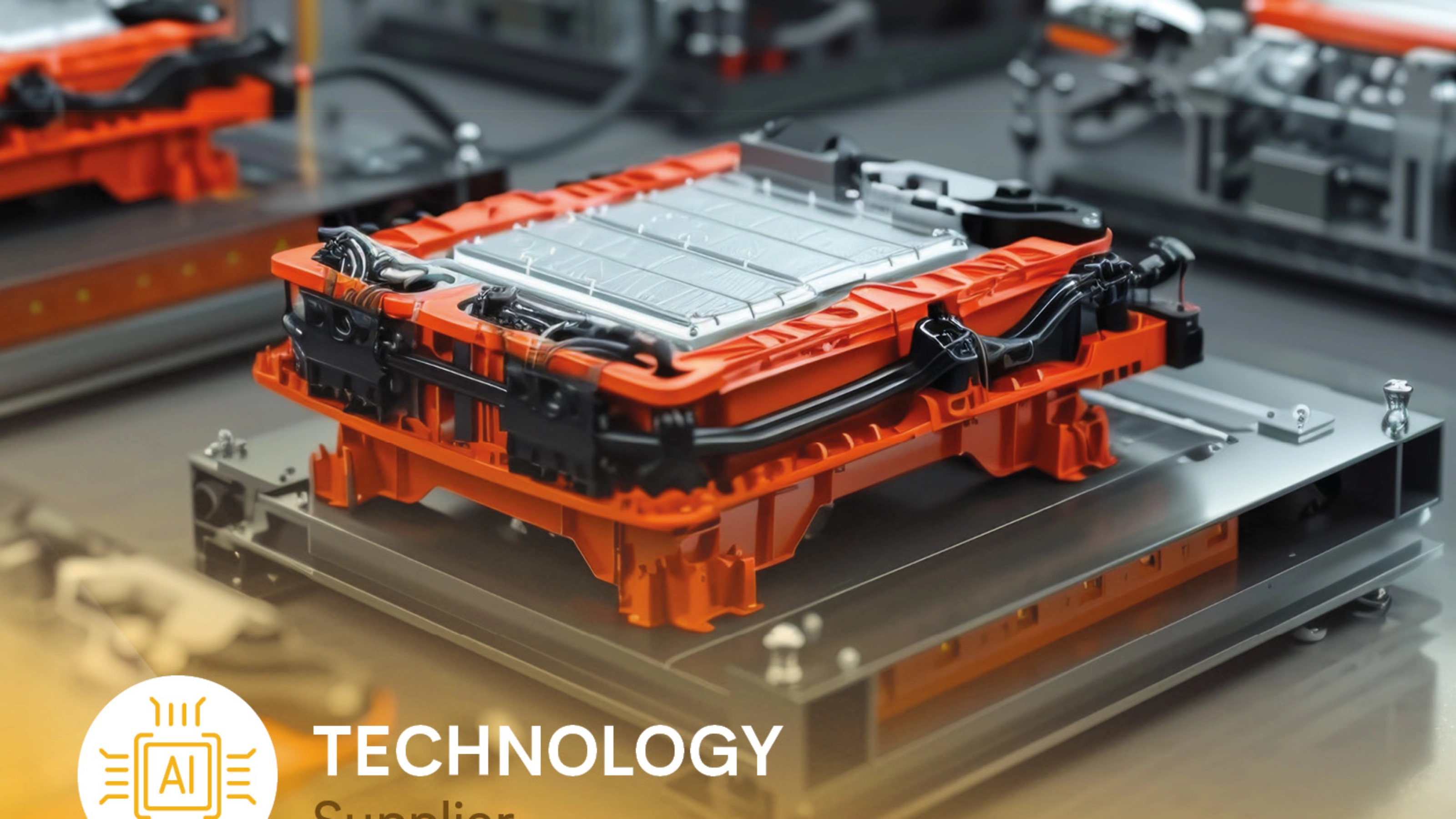
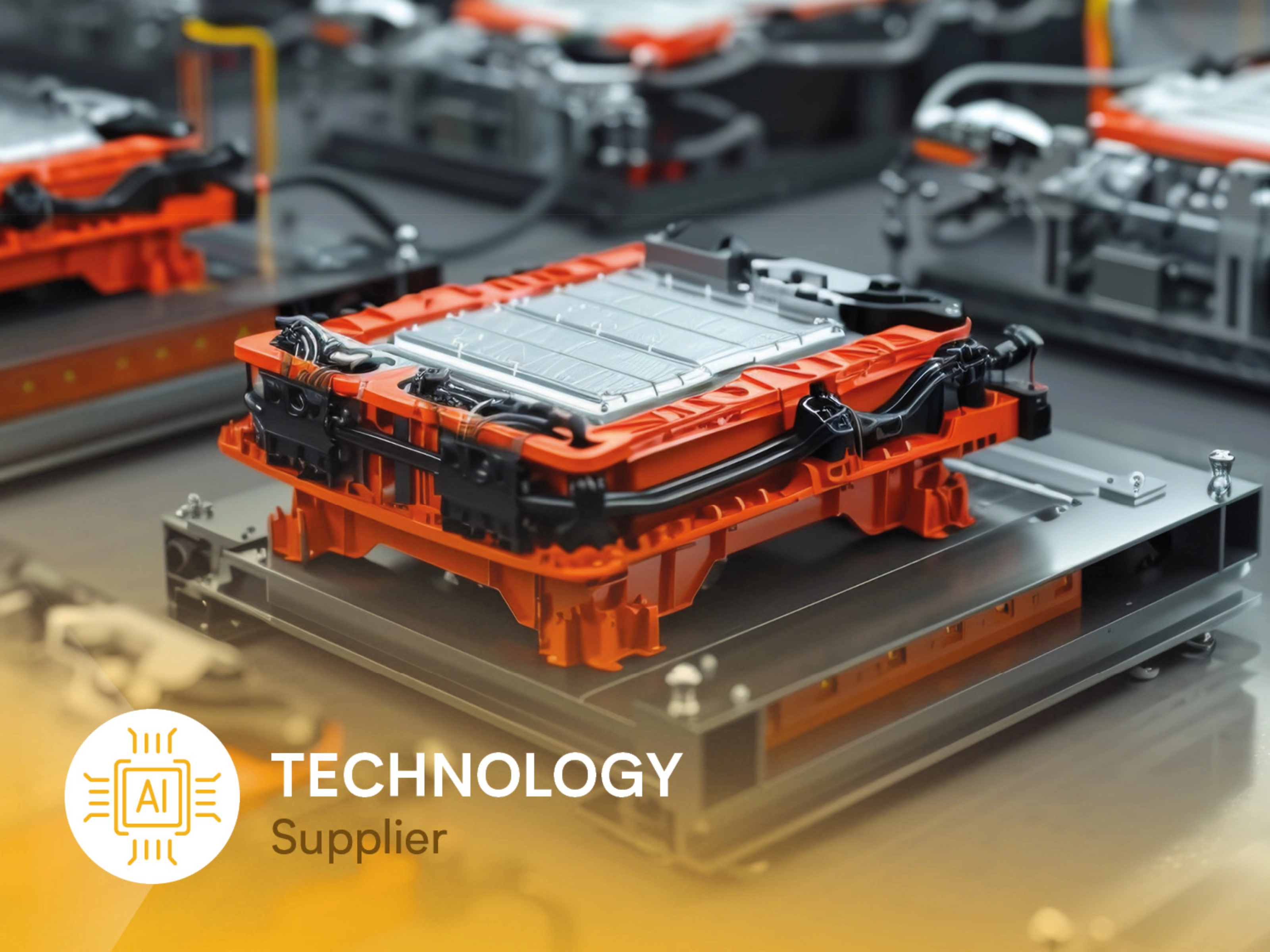
Tech Supply encompasses companies and stakeholders—including Tier 1, Tier 2, and Tier 3 suppliers—that develop and provide technologies, components, software, materials, and services for the mobility industry. As key innovation enablers, they play a vital role in advancing mobility technologies across the entire ecosystem.
Autonomous Driving and Advanced Driver Assistance Systems (ADAS) comprise technologies that support drivers or partially to fully perform driving tasks. The focus lies on safety, efficiency, and new mobility concepts enabled by sensors, connectivity, and artificial intelligence.
Artificial Intelligence is increasingly becoming a key technology across the entire mobility value chain. The focus is on scalable applications ranging from research and development to manufacturing, vehicle functionality, mobility services, and industrial operations.
Software Defined Vehicles (SDVs) are vehicles whose functions can increasingly be controlled, enhanced, and updated through software, including over-the-air (OTA) updates. This enables new levels of personalization, connectivity, continuous improvement, and digital services throughout the vehicle lifecycle.
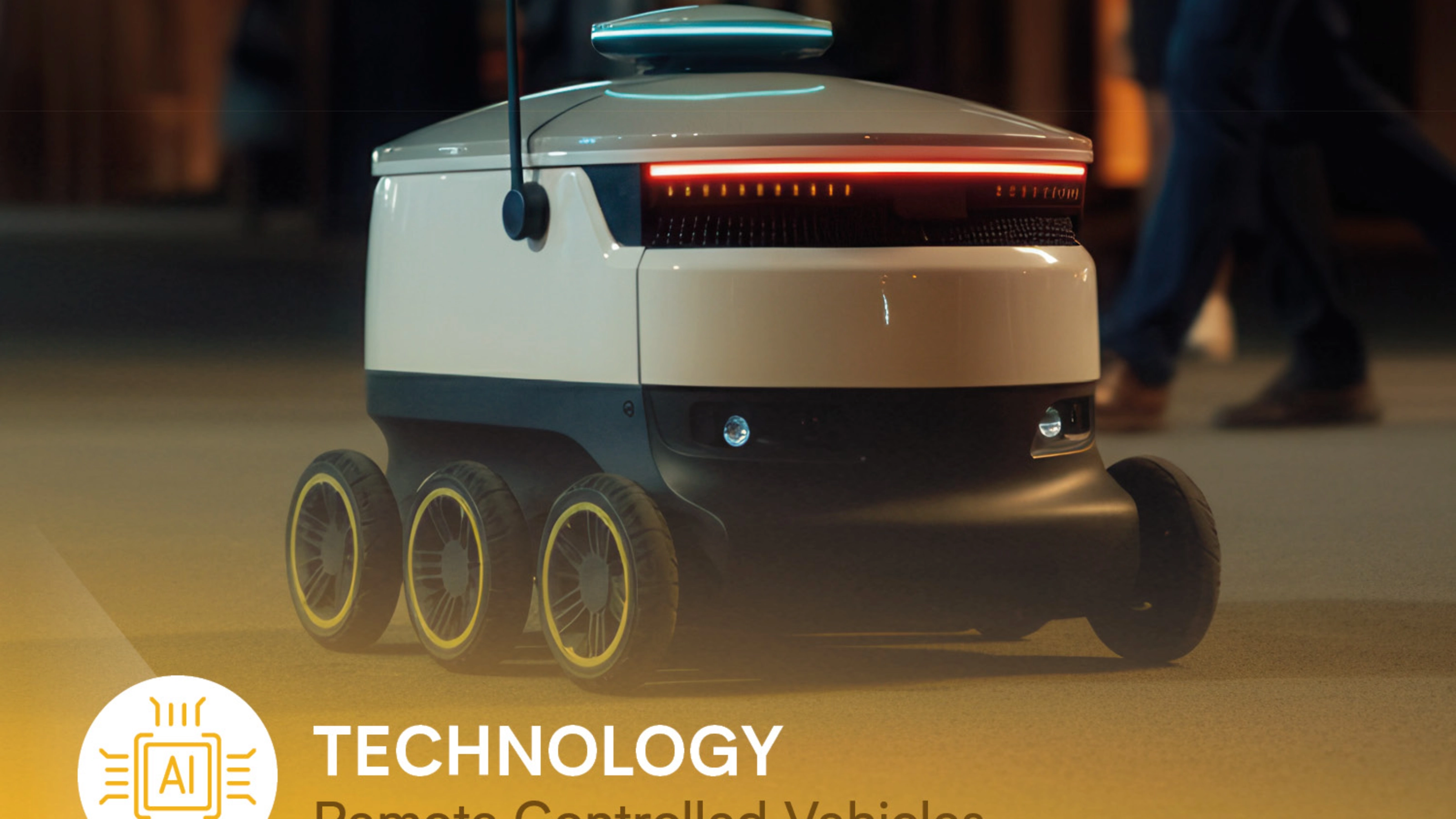
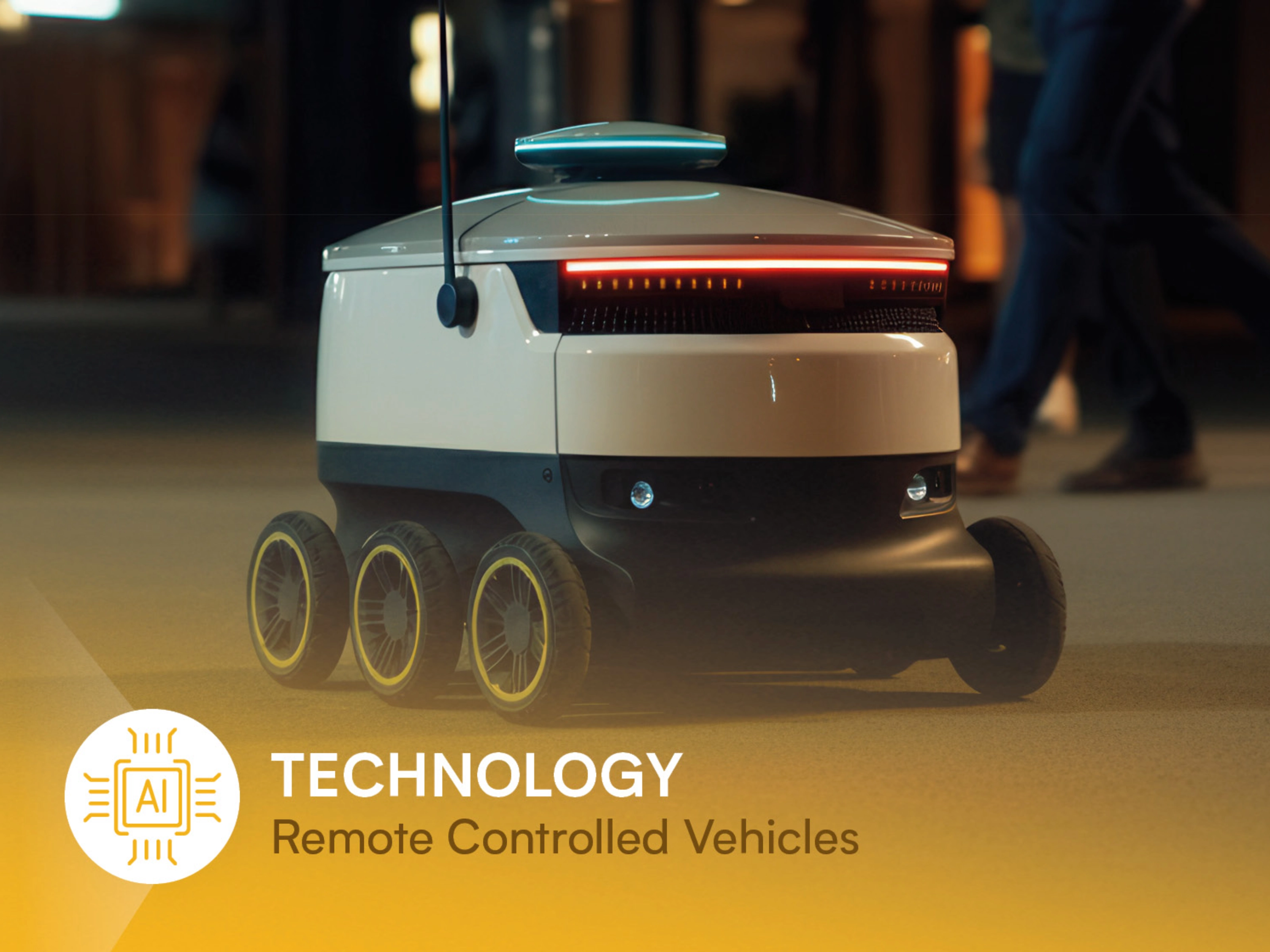
Advanced robotics is transforming manufacturing, logistics, and service processes across mobility industry value chains. In particular, humanoid and AI-powered robots are enabling new applications in industrial and working environments originally designed for humans.
Connected vehicles communicate with other vehicles, infrastructure, and digital platforms. The resulting data ecosystems enable new applications for safety, traffic management, operational efficiency, and innovative mobility services.
Semiconductors and chips form the technological backbone of modern mobility. They enable key functions such as vehicle control, connectivity, automation, energy management, and digital user experiences.
Innovations in battery technology are a key driver of electric mobility. The focus is on performance, driving range, charging speed, safety, resource efficiency, and new approaches to battery production, usage, and recycling.
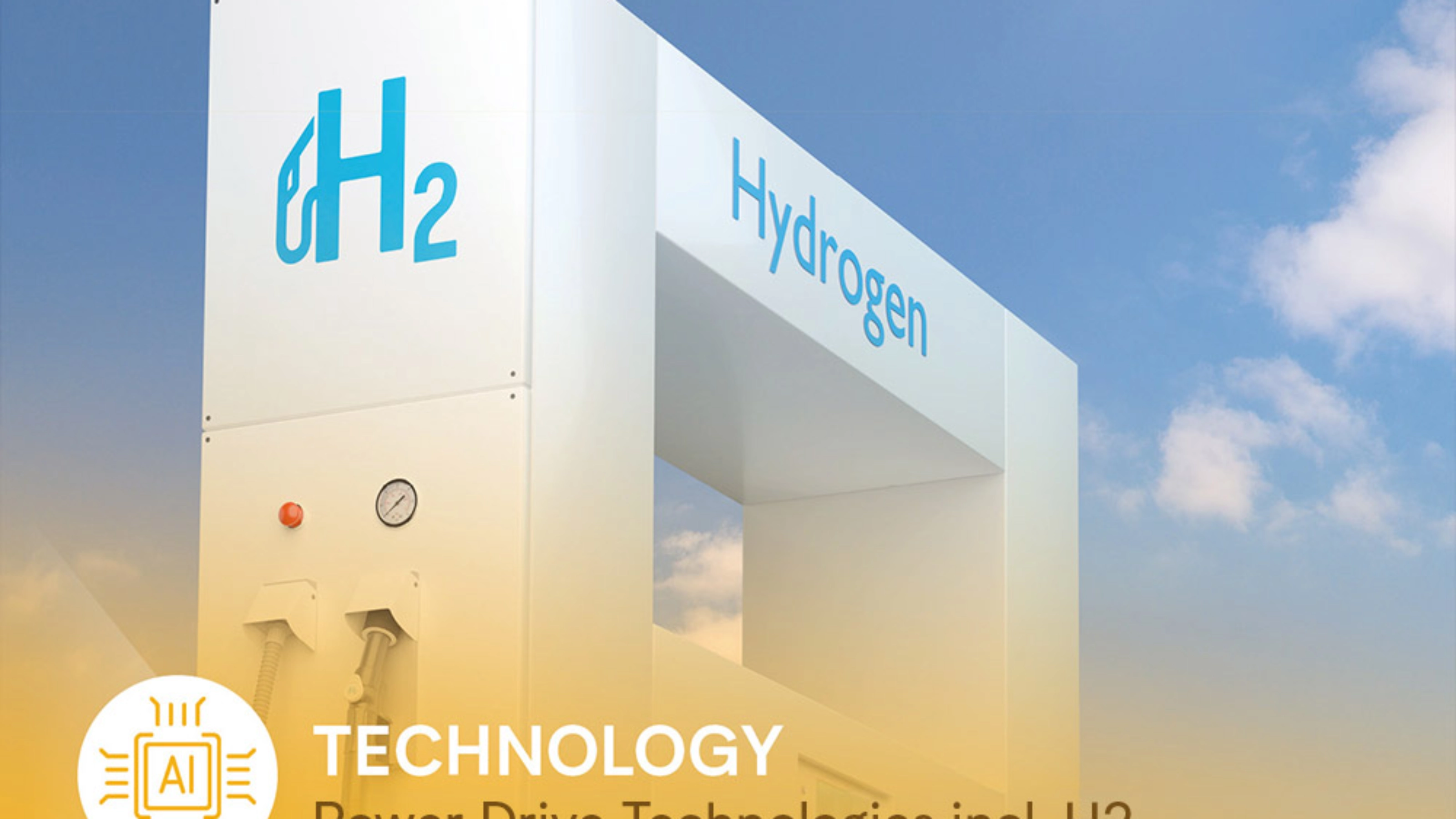
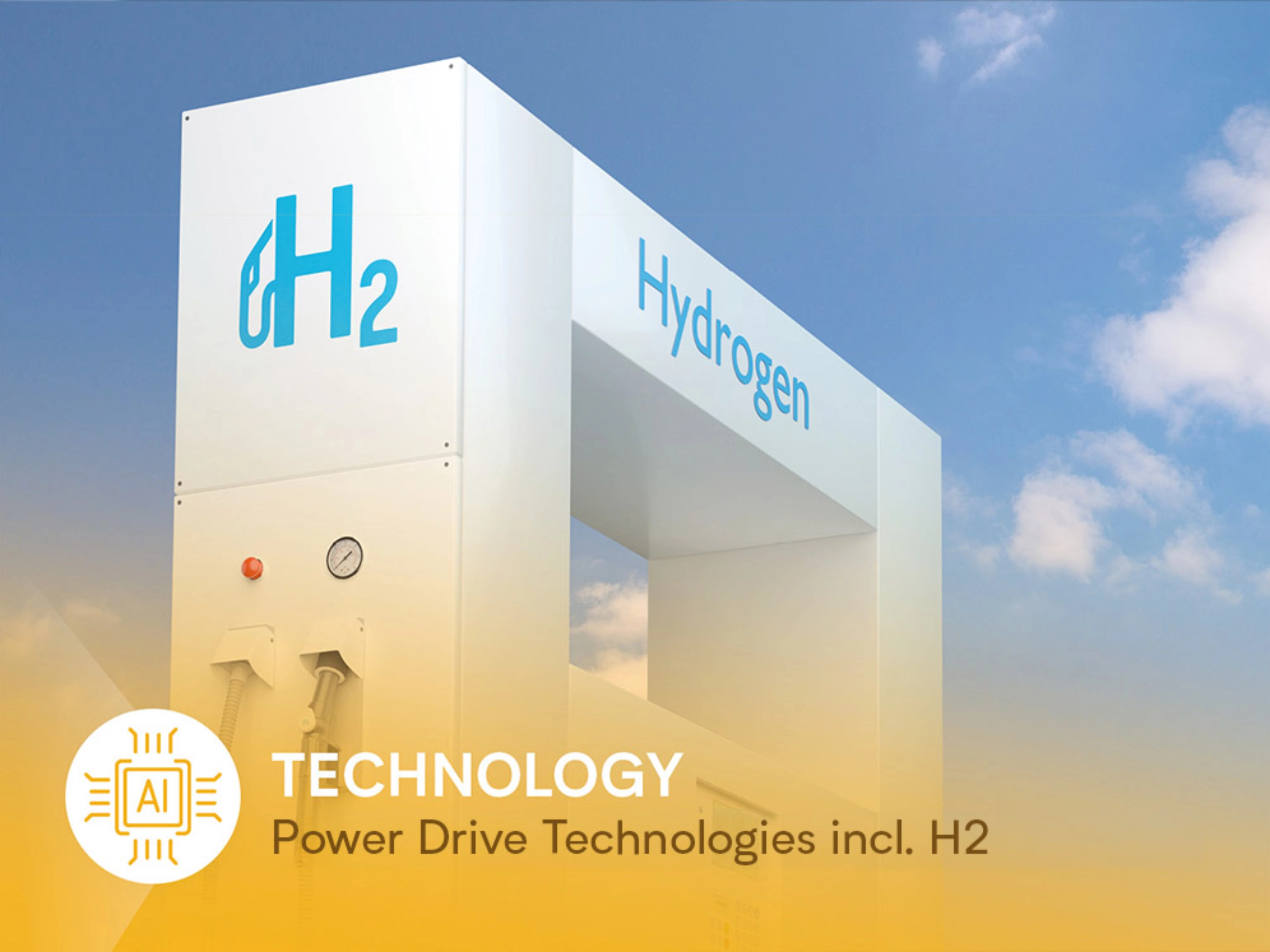
Power Drive Technologies encompass a wide range of propulsion solutions for future mobility. These include battery-electric, hybrid, hydrogen-based, and other alternative drive technologies that contribute to reducing emissions and diversifying energy sources.
Cybersecurity covers the protection of vehicles, infrastructure, networks, and data against digital threats. As connectivity increases, cybersecurity is becoming a critical prerequisite for safe and trustworthy mobility.
Digital in-car experiences combine infotainment, connectivity, productivity, and personalized services within the vehicle. The goal is to enhance comfort and convenience while creating added value for drivers and passengers.
The key topic of Sustainability & Resilience explores how environmental responsibility, economic competitiveness, and resilient value chains are working together to shape the future of mobility.
The focus is on decarbonization strategies, the expansion of a functioning circular economy, and the responsible use of raw materials and resources. Sustainable production methods, recycling and second-life concepts, transparent supply chains, and renewable energy all play an important role in reducing emissions and securing critical raw materials over the long term. At the same time, resilient supply and production networks are becoming increasingly important in light of geopolitical shifts and global challenges.
Regulatory frameworks, liability issues, and ESG criteria are also moving into focus, along with inclusive and accessible mobility for everyone. Sustainability & Resilience demonstrates how innovative technologies, responsible corporate strategies, and resilient business models can make mobility more sustainable, crisis-resistant, and future-ready.
Geopolitical developments, industrial policy shifts affecting production capacities, and global supply chains are increasingly shaping the future of the mobility industry. The focus is on resilience, supply security, competitiveness, and the establishment of robust value chains.
Die Kreislaufwirtschaft verfolgt das Ziel, Ressourcen möglichst lange im Wirtschaftskreislauf zu halten. Im Fokus stehen Wiederverwendung, Reparatur, Recycling und innovative Materialkonzepte, um den Ressourcenverbrauch in der Mobilitätsindustrie nachhaltig zu reduzieren.
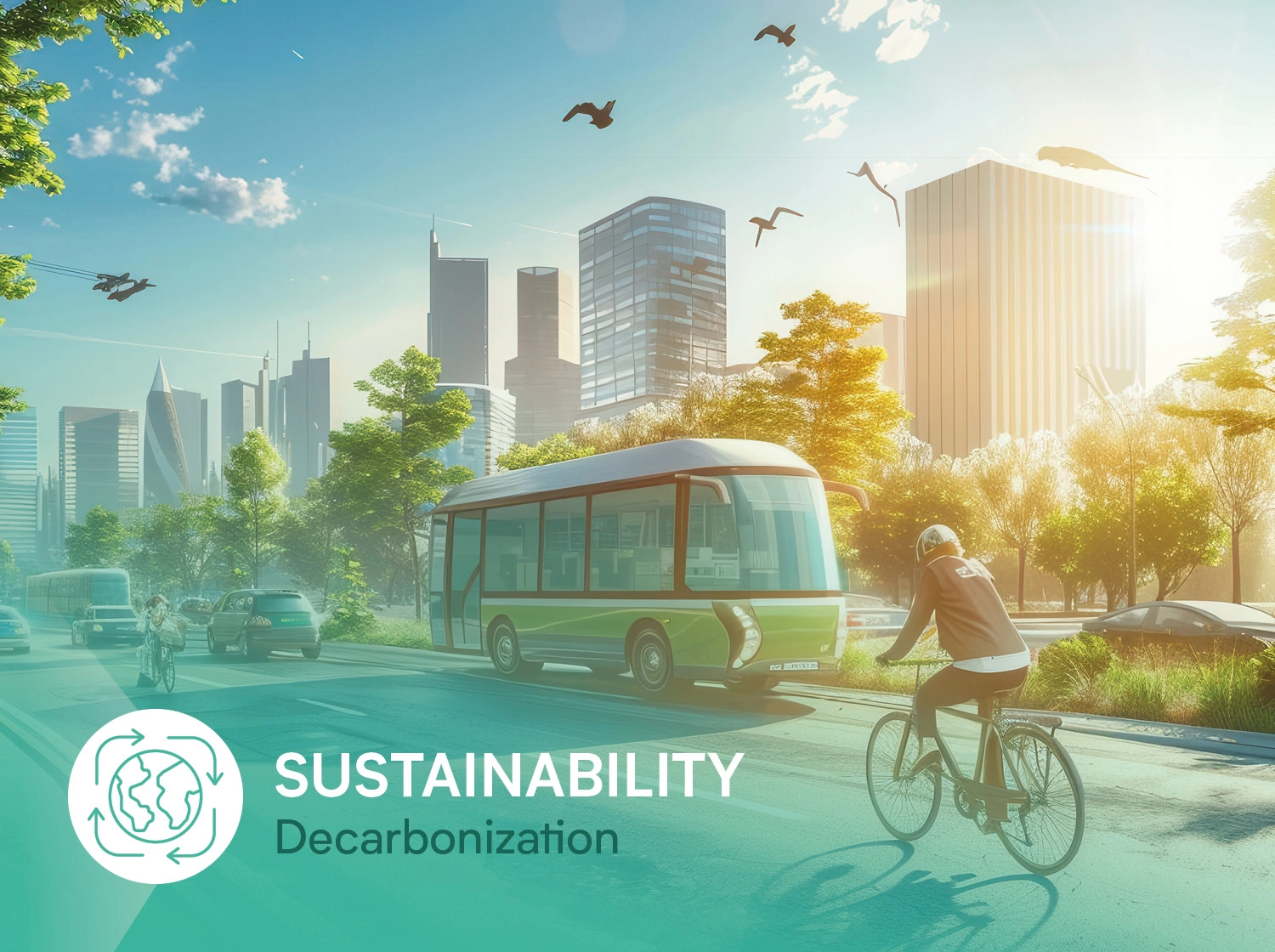
Decarbonization encompasses strategies and technologies aimed at reducing greenhouse gas emissions across the mobility sector. This includes low-emission propulsion systems, renewable energy sources, efficient infrastructure, and sustainable mobility concepts.
Regulatory frameworks, liability issues, and Environmental, Social and Governance (ESG) criteria significantly influence the development and market introduction of new mobility solutions. This topic explores the political and legal conditions required for innovation and sustainable growth.

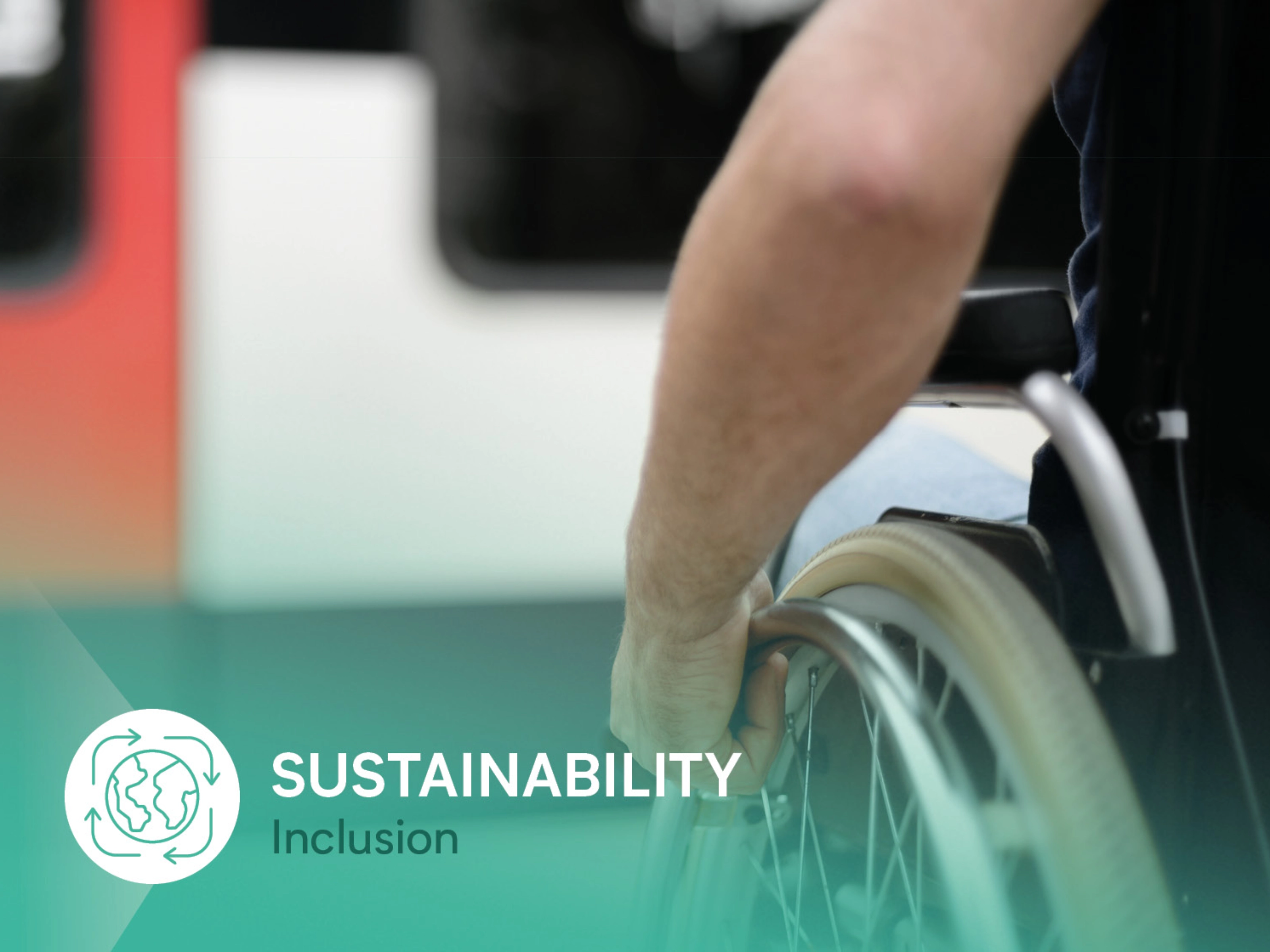
Inclusive mobility aims to ensure that mobility services are accessible and usable for everyone, regardless of age, gender, income, or individual limitations. The goal is to enable barrier-free mobility and equitable participation in society.
The sourcing, processing, and use of raw materials are essential foundations of modern mobility technologies. The focus is on supply security, sustainability, transparency, and responsible value creation across global raw material supply chains.
The key topic of Sustainability & Resilience explores how environmental responsibility, economic competitiveness, and resilient value chains are working together to shape the future of mobility.
The focus is on decarbonization strategies, the expansion of a functioning circular economy, and the responsible use of raw materials and resources. Sustainable production methods, recycling and second-life concepts, transparent supply chains, and renewable energy all play an important role in reducing emissions and securing critical raw materials over the long term. At the same time, resilient supply and production networks are becoming increasingly important in light of geopolitical shifts and global challenges.
Regulatory frameworks, liability issues, and ESG criteria are also moving into focus, along with inclusive and accessible mobility for everyone. Sustainability & Resilience demonstrates how innovative technologies, responsible corporate strategies, and resilient business models can make mobility more sustainable, crisis-resistant, and future-ready.
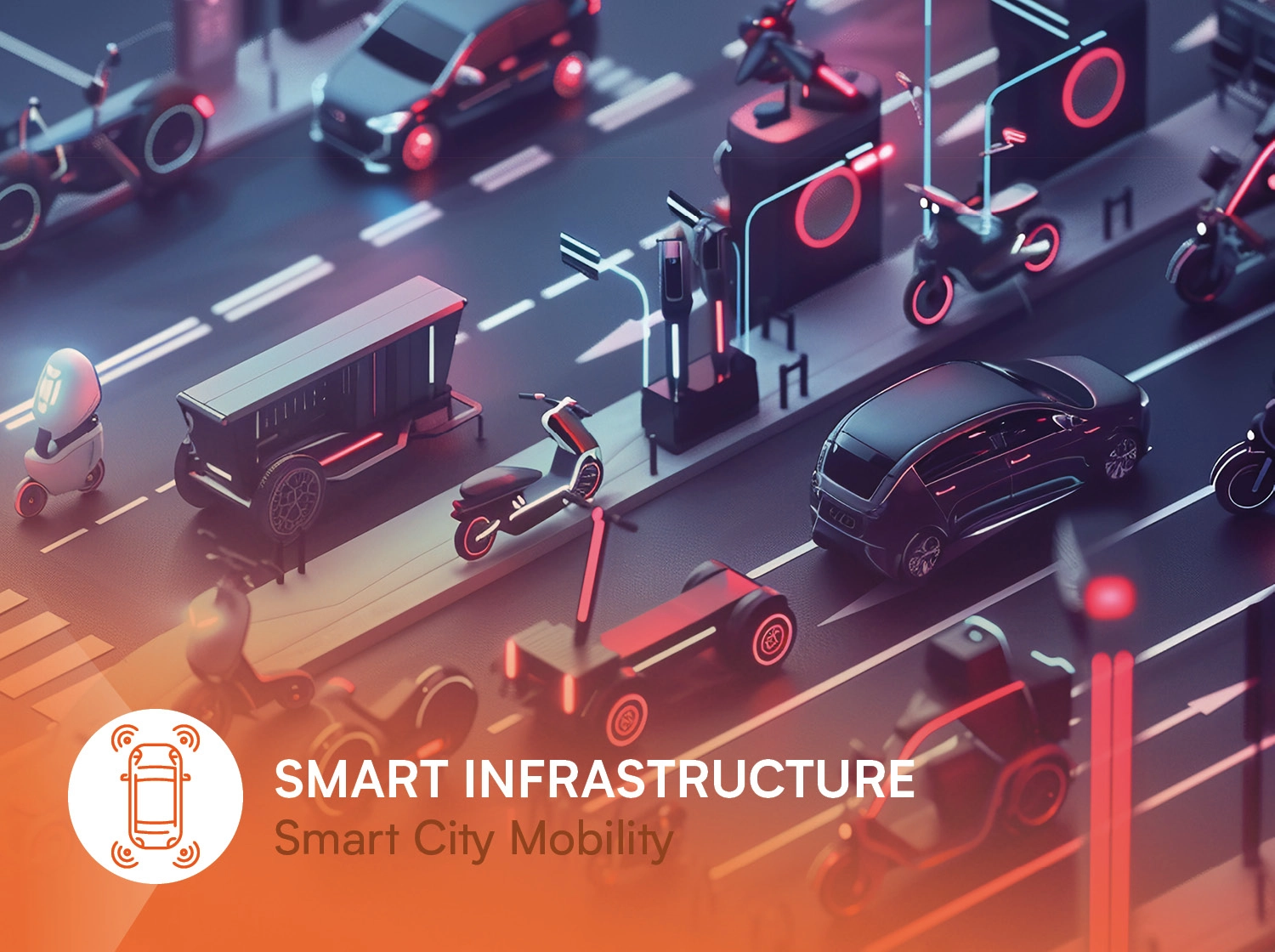
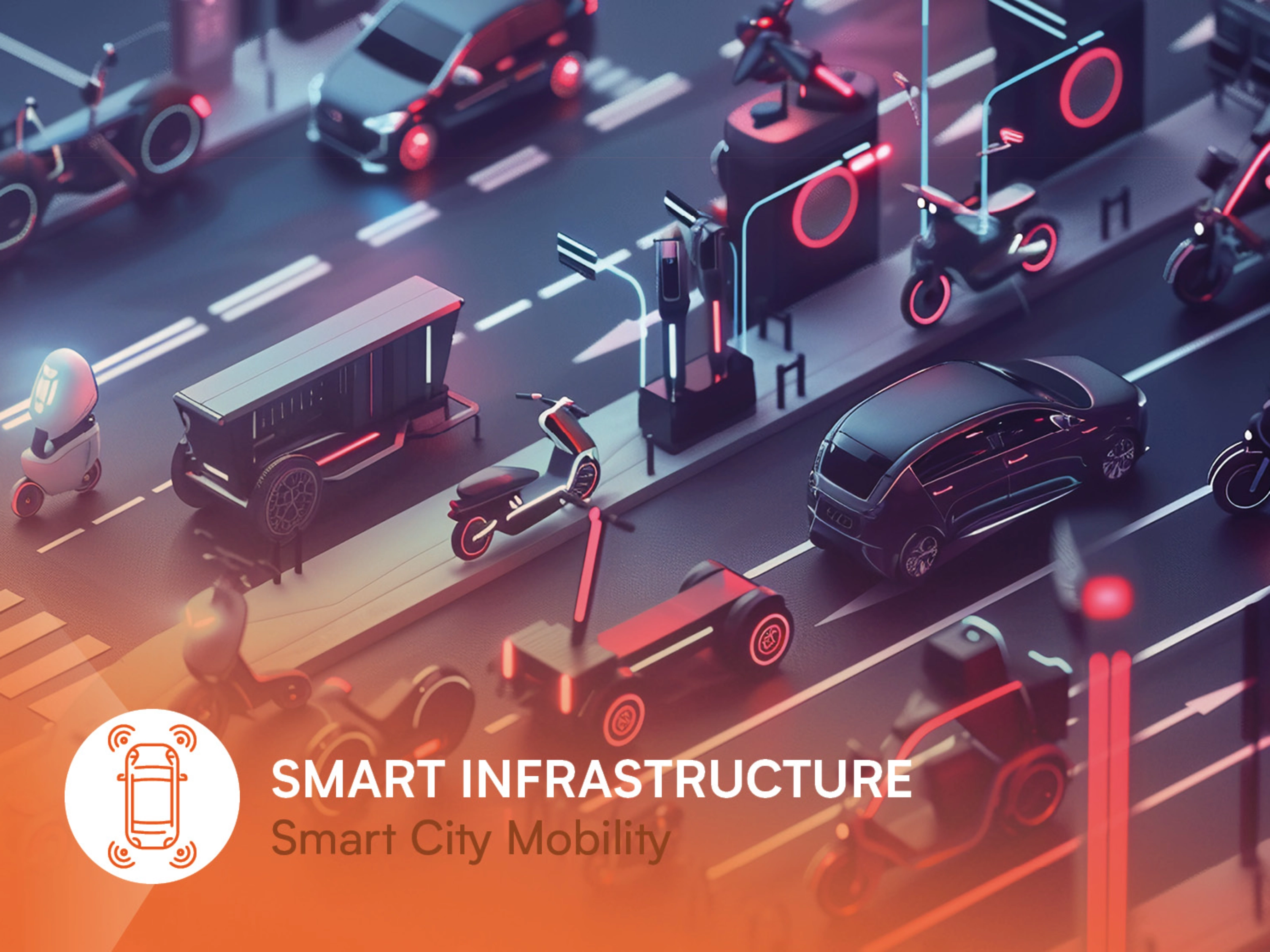
Smart City Mobility leverages digital technologies, data, and intelligent infrastructure to make urban mobility more efficient, safer, and more sustainable. The goal is to create an integrated mobility system that serves the needs of people, businesses, and the environment alike.
Smart Country Mobility encompasses innovative transportation solutions for rural and underserved regions. Through intelligent mobility concepts, digital services, and multimodal transportation options, it aims to improve accessibility, quality of life, and economic participation.
A comprehensive charging and refueling infrastructure is a key prerequisite for the future of mobility. The focus is on expanding charging and hydrogen refueling networks, integrating them into smart energy systems, and advancing new approaches such as bidirectional charging.
Road Safety covers technologies, concepts, and measures aimed at preventing accidents and improving traffic safety. The goal is to make mobility safer for all road users and to sustainably reduce the number of traffic-related fatalities and injuries