








IAA MOBILITY Weekly
Mobility Highlights of Week 48/2026
Porsche, Nuro, Lucid, Uber, Volkswagen and more
- IAA MOBILITY Weekly
- 48/2026

Porsche presents the prototype of its first electric 718 Boxster, Nuro, Lucid, and Uber begin testing robotaxis on public roads without a safety driver, and Volkswagen plans to expand production of its small electric cars in Spain. Nissan develops body panels made with pineapple leaf fibers, BYD brand Fang Cheng Bao shows the Tai 9 with a retractable steering wheel, and a University of Osaka research team tests radio positioning for wireless EV charging. Tesla outlines plans for a driverless Model Y for up to seven passengers, Scout shares initial power figures for the range-extended Traveler, and Pope Leo XIV receives an e-bike inspired by the Popemobile. These are our top stories for week 48 of 2026. The IAA MOBILITY Advent game “Liaa’s Adventures – Save Christmas” also launches on November 29.
Porsche presents the prototype of its first electric 718 Boxster, Nuro, Lucid, and Uber begin testing robotaxis on public roads without a safety driver, and Volkswagen plans to expand production of its small electric cars in Spain. Nissan develops body panels made with pineapple leaf fibers, BYD brand Fang Cheng Bao shows the Tai 9 with a retractable steering wheel, and a University of Osaka research team tests radio positioning for wireless EV charging. Tesla outlines plans for a driverless Model Y for up to seven passengers, Scout shares initial power figures for the range-extended Traveler, and Pope Leo XIV receives an e-bike inspired by the Popemobile. These are our top stories for week 48 of 2026. The IAA MOBILITY Advent game “Liaa’s Adventures – Save Christmas” also launches on November 29.
- 1. Porsche Shows Electric 718 Boxster Prototype
- 2. Nuro, Lucid, and Uber Begin Driverless Robotaxi Testing in California
- 3. Volkswagen Plans to Expand Small EV Production in Spain
- 4. Nissan Develops Body Panels With Pineapple Leaf Fibers
- 5. BYD’s Fang Cheng Bao Introduces Tai 9 With a Retractable Steering Wheel
- 6. University of Osaka Tests Radio Positioning for Wireless EV Charging
- 7. Tesla Outlines a Driverless Model Y for Up to Seven Passengers
- 8. Scout Targets 800 Horsepower for the Range-Extended Traveler
- 9. Pope Leo XIV Receives an E-Bike Inspired by the Popemobile
- 10. An Advent Game from IAA MOBILITY: Liaa’s Adventures – Save Christmas
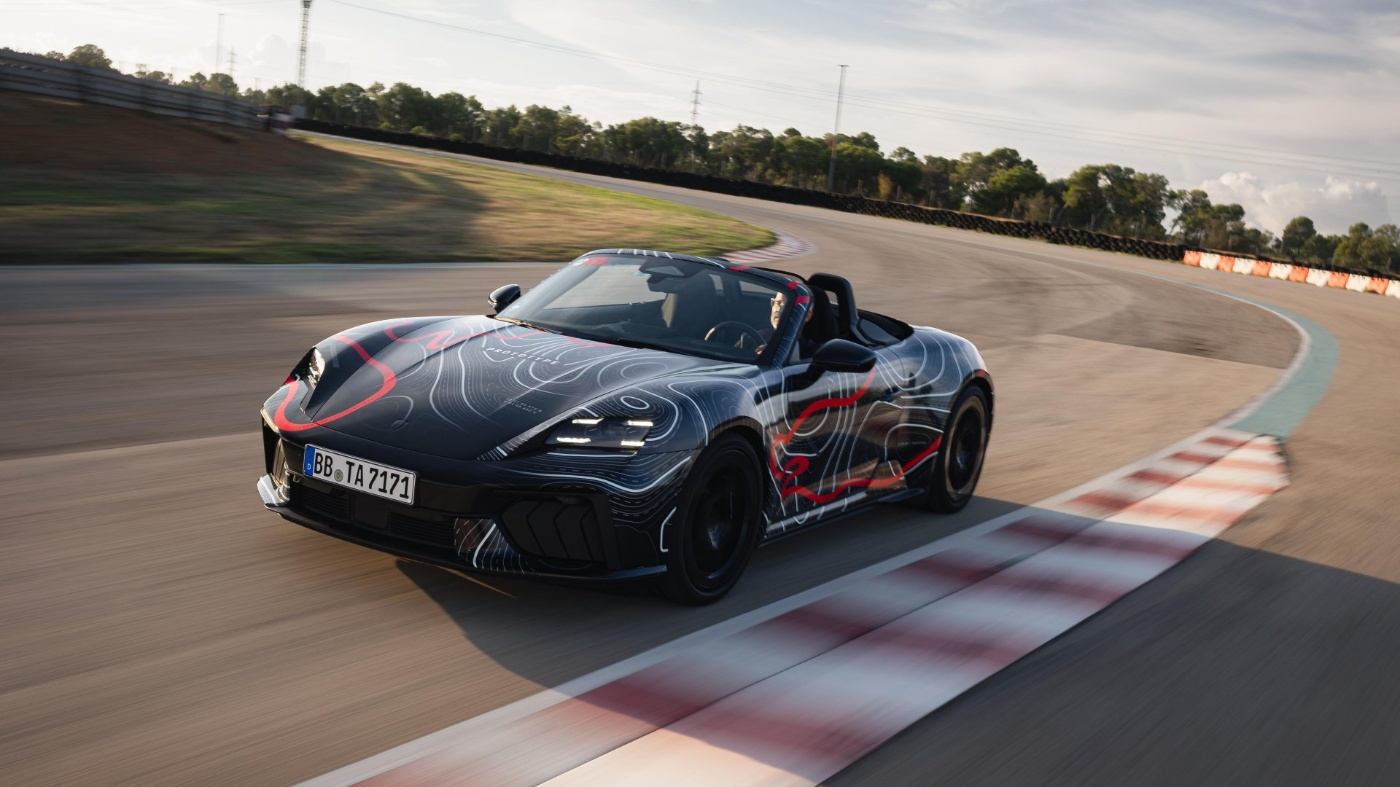
Porsche has unveiled a prototype of its first electric 718 Boxster. Porsche says the prototypes have covered about four million kilometers in testing.
The 800-volt battery sits behind the seats, allowing a low seating position and a weight distribution similar to that of a mid-engine sports car. Porsche puts the split at 40 percent front and 60 percent rear. All versions will have rear-wheel drive. Rear-axle steering will also be available on the 718 Boxster for the first time.
E-Shift comes standard. At the push of a button, the system simulates a seven-speed dual-clutch transmission. Drivers can let it shift automatically or use paddles behind the steering wheel. The system also recreates the sound of the six-cylinder boxer engine from the 981-generation Boxster GTS. With E-Shift switched off, the paddles select three levels of regenerative braking.
The production model is set to debut in the first quarter of 2027 and will be built at Porsche’s main plant in Stuttgart-Zuffenhausen.
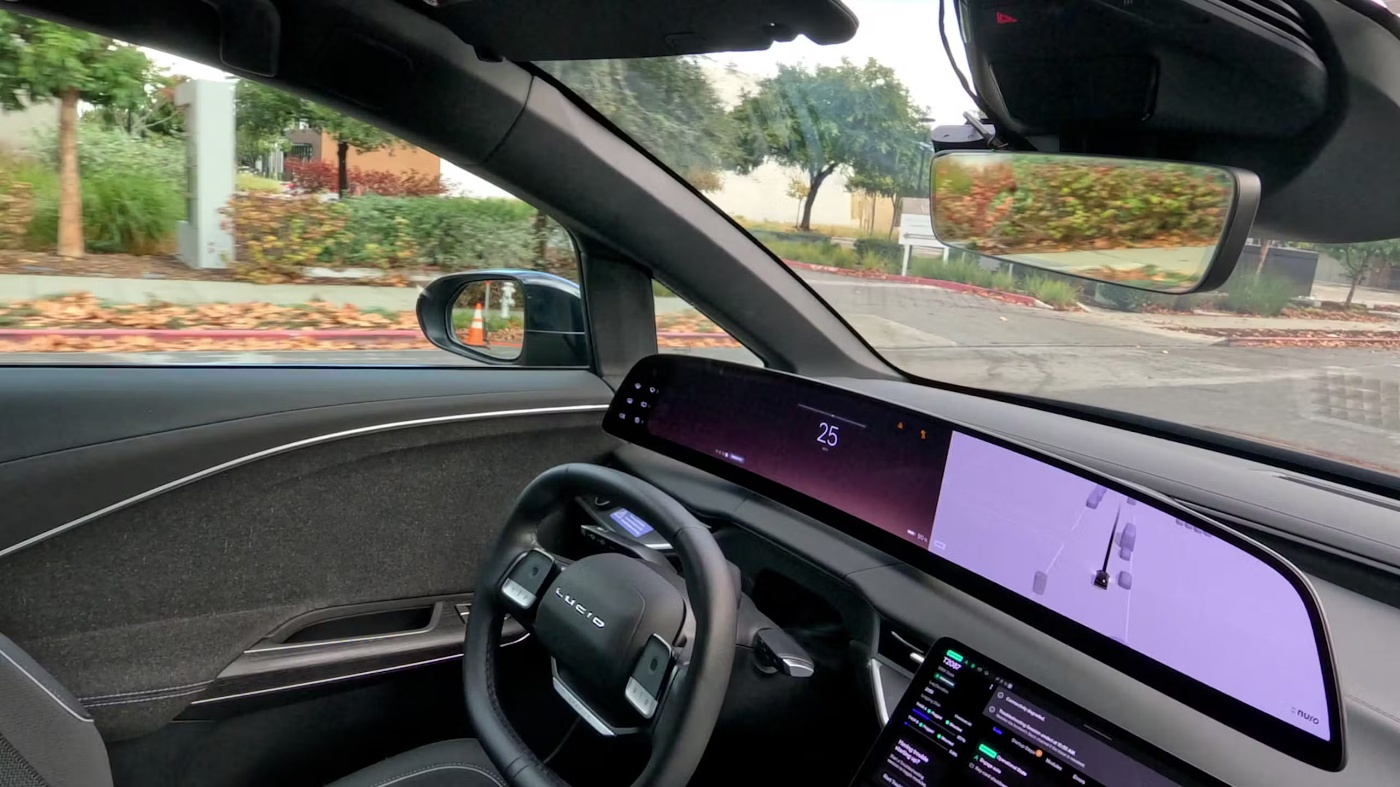
Nuro, Lucid, and Uber have started testing robotaxis without a safety driver on board in the San Francisco Bay Area. The vehicles are initially operating on public roads in Palo Alto, Mountain View, Los Altos, and Sunnyvale. The partners expect employees to begin taking driverless test rides soon.
The tests use a modified Lucid Gravity equipped with the Level 4 Nuro Driver automated driving system. Lucid delivered more than 100 vehicles with updated hardware and software for this phase. The partners have been testing with a safety driver in the Bay Area and Houston since December 2025. The California Department of Motor Vehicles granted Nuro a permit for driverless testing.
The partners expect to launch the service to the public in the Bay Area in the first quarter of 2027. Rides will be available exclusively through Uber. For the longer-term rollout, Uber has committed to buying at least 35,000 Lucid vehicles equipped with the Nuro Driver, according to Nuro.
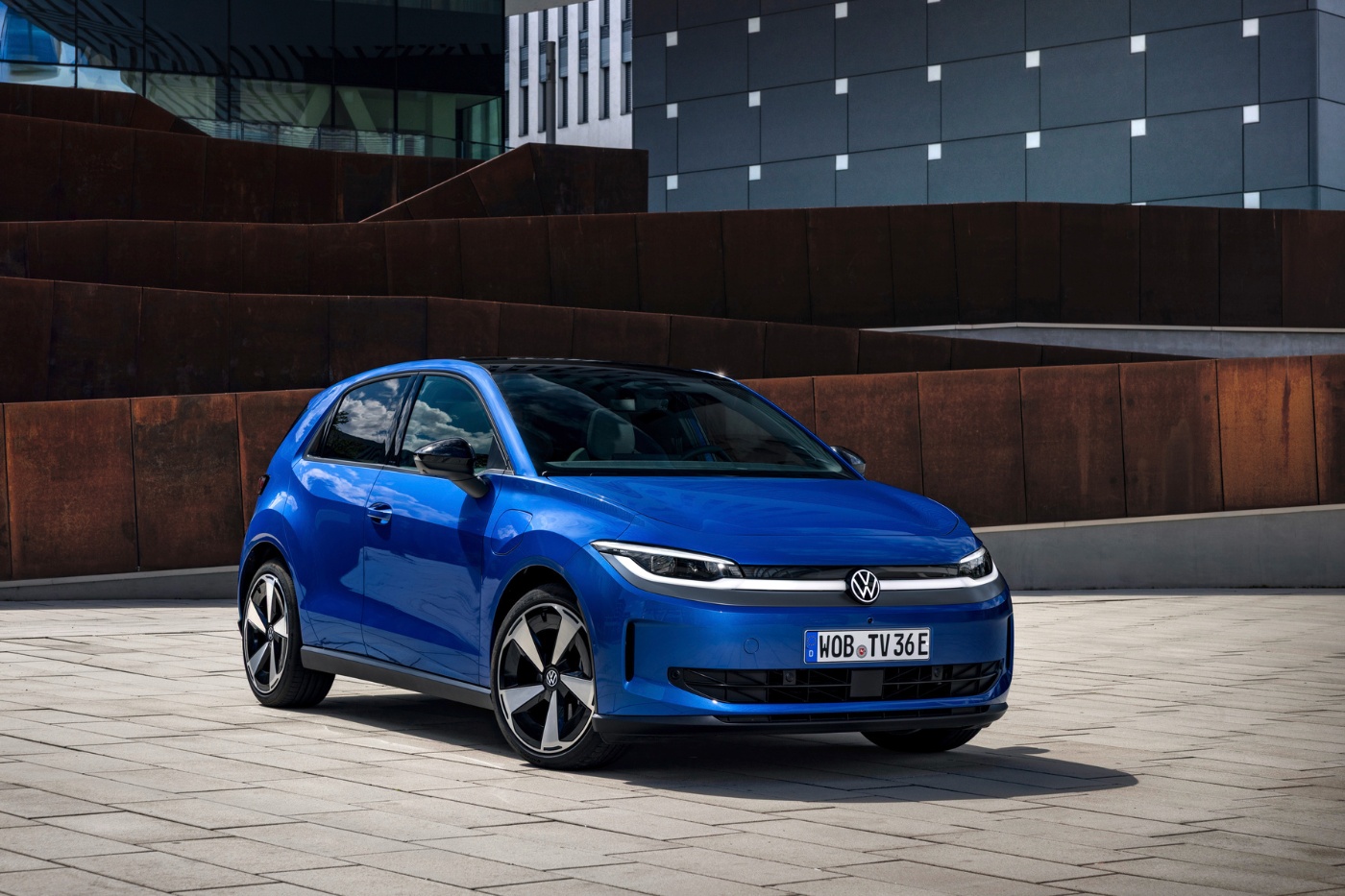
Volkswagen plans to increase production of small electric cars at its Martorell plant in Spain. The Volkswagen ID. Polo and Cupra Raval share a production line there. Ecomento, citing trade publication Automobilwoche, reports that the group plans to move gradually to three shifts and full capacity in the first half of 2027.
According to the report, the site currently produces up to 1,000 electric vehicles per day. The line has a capacity of up to 1,200 vehicles daily. Shortages of supplier components, including batteries, are limiting a near-term increase, the report says.
The report puts ID. Polo orders at about 53,000 by the end of September. Orders for all four small electric models, the Volkswagen ID. Polo, Volkswagen ID. Cross, Cupra Raval, and Škoda Epiq, totaled about 150,000. The models share much of their technology and are made in Spain.
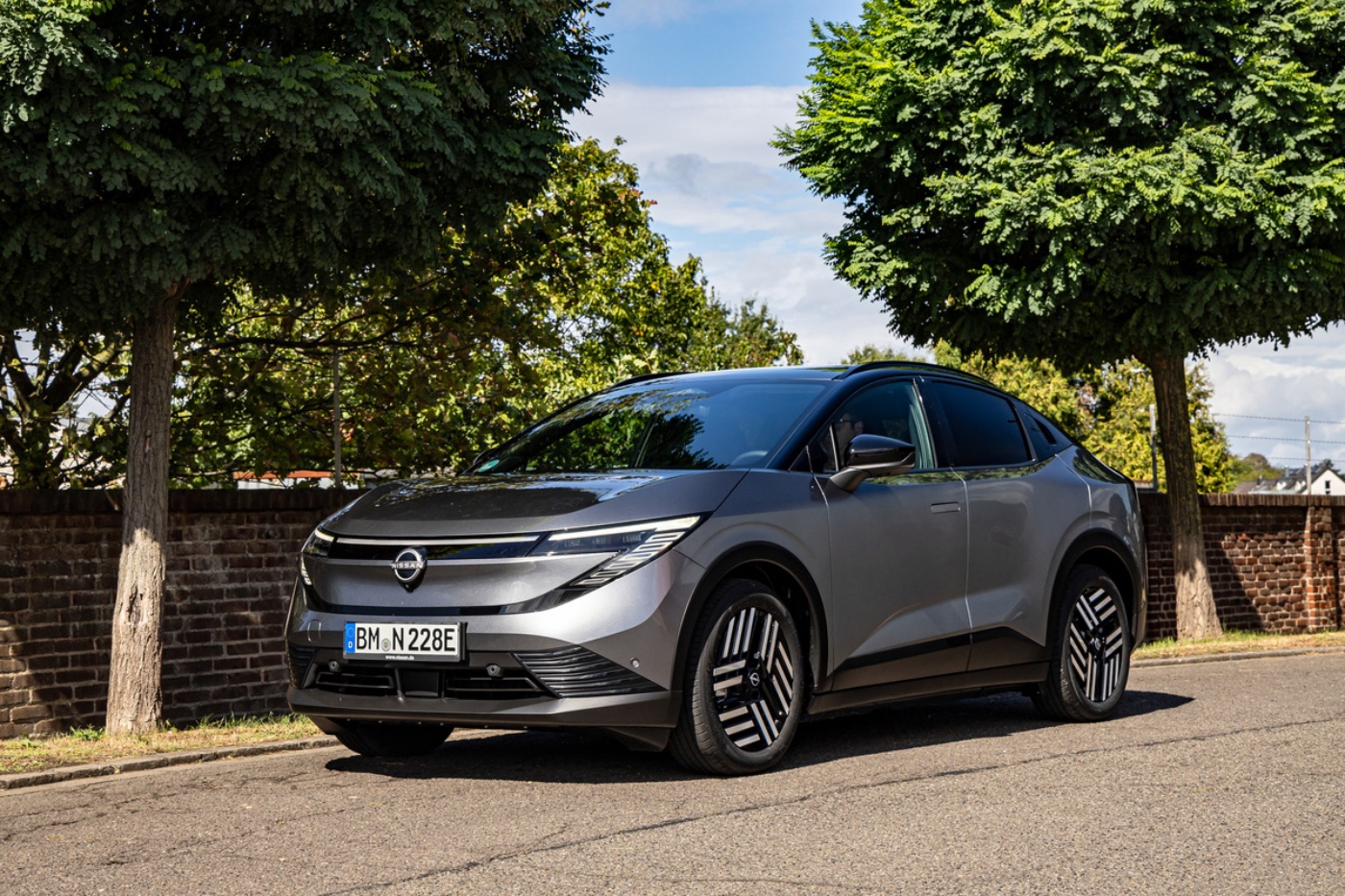
Nissan and Japanese materials company Food Reborn have developed a natural fiber-reinforced plastic for exterior body panels. A prototype hood demonstrates how the composite can be used. The fibers come from pineapple leaves, a byproduct of pineapple farming that Nissan says largely goes unused.
The partners process the fibers into flat yarn and weave it into fabric. They then impregnate the fabric with resin to make a material that can be molded into a body panel. Nissan says the composite has higher tensile strength than conventional flax-based natural fiber composites.
Nissan has licensed Food Reborn its manufacturing know-how for the yarn, fabric, and resin-impregnated material. Nissan sees potential in motorsports, where some racing series require natural fiber-reinforced plastics for modified exterior panels. Nissan has yet to announce a production-car application.
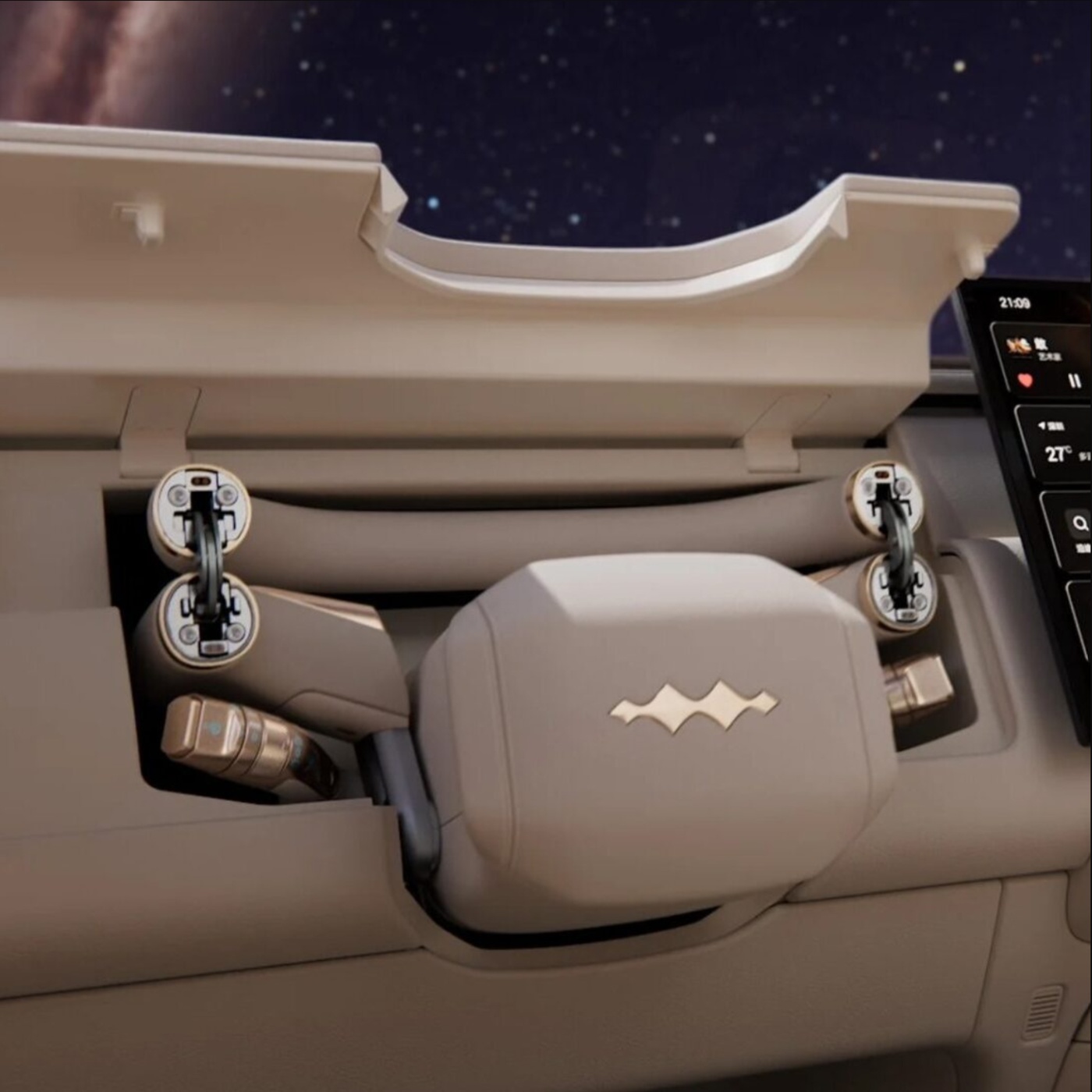
BYD brand Fang Cheng Bao introduced the Tai 9 in China on November 19. In the top six-seat version of the plug-in hybrid, the steering wheel folds into the dashboard at the push of a button. New Atlas reports that the process takes about 10 seconds and frees up about 25 centimeters of space in front of the driver’s seat.
Steer-by-wire makes that possible. Sensors read steering wheel movements and transmit them electronically to the steering actuators, eliminating the direct mechanical link between the steering wheel and the front wheels. When stowed, the wheel rotates 180 degrees and disappears beneath a cover.
The retractable wheel frees up space for the driver during stops such as charging breaks. The feature is currently limited to the top trim sold in China. New Atlas reports a price of 329,900 yuan.
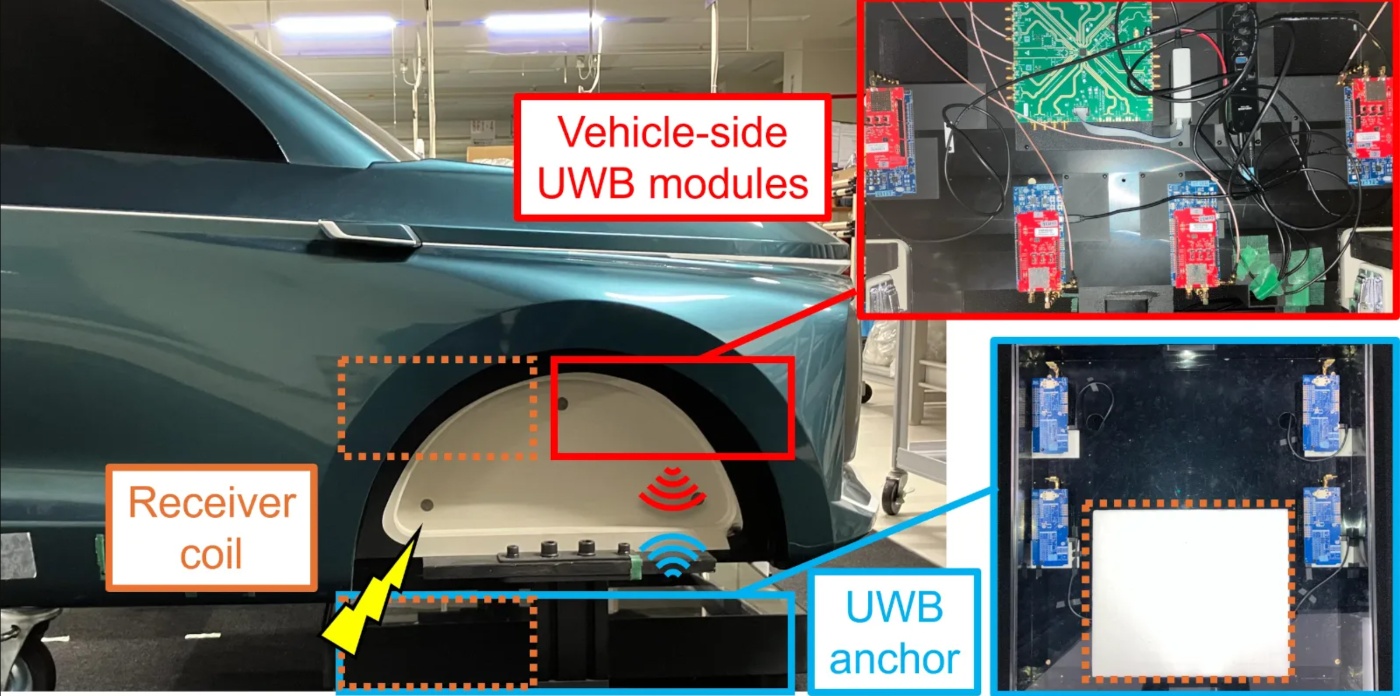
Researchers at the University of Osaka, Tokai Rika, and the University of California San Diego have developed a method, detailed in November, that could help position electric vehicles more accurately over a wireless charging pad. Better alignment between the vehicle’s receiver coil and the ground coil makes it easier to transfer power efficiently.
The system uses ultra-wideband radio (UWB), a technology also used in some digital car keys. Four radio modules on the vehicle communicate with four antenna elements at the pad. The system uses signal travel times and phase differences to estimate the position and orientation of the vehicle’s coil.
In repeated laboratory measurements of a scaled-down vehicle model at a fixed stopping position, median errors were 2.32 millimeters for position and 0.25 degrees for orientation. The experiment tested positioning. Outdoor trials with full-size vehicles and actual power transfer are still needed.
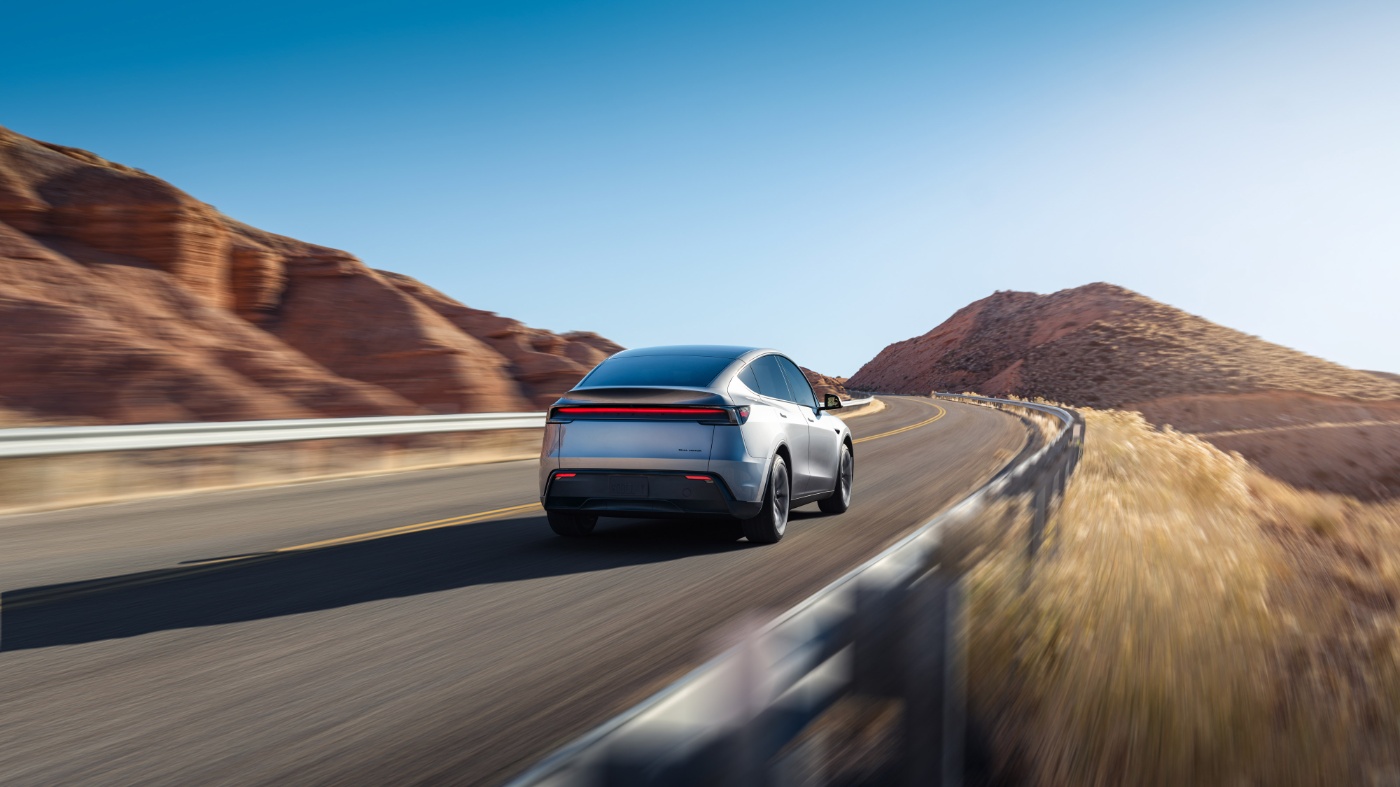
Tesla CEO Elon Musk has outlined plans for a fully autonomous Model Y at a New York Times event. The vehicle would seat six to seven people and operate without a steering wheel or pedals. It could serve families and larger groups alongside the two-seat Cybercab.
Tesla already offers the extended Model Y L with six seats in three rows. The company has yet to say whether that model would serve as the basis for the driverless version. Tesla has also shared no details on range, technical specifications, or where the autonomous system would operate.
The vehicle is at the announcement stage. Tesla has given no launch date or details on whether it would sell the model to individual buyers.
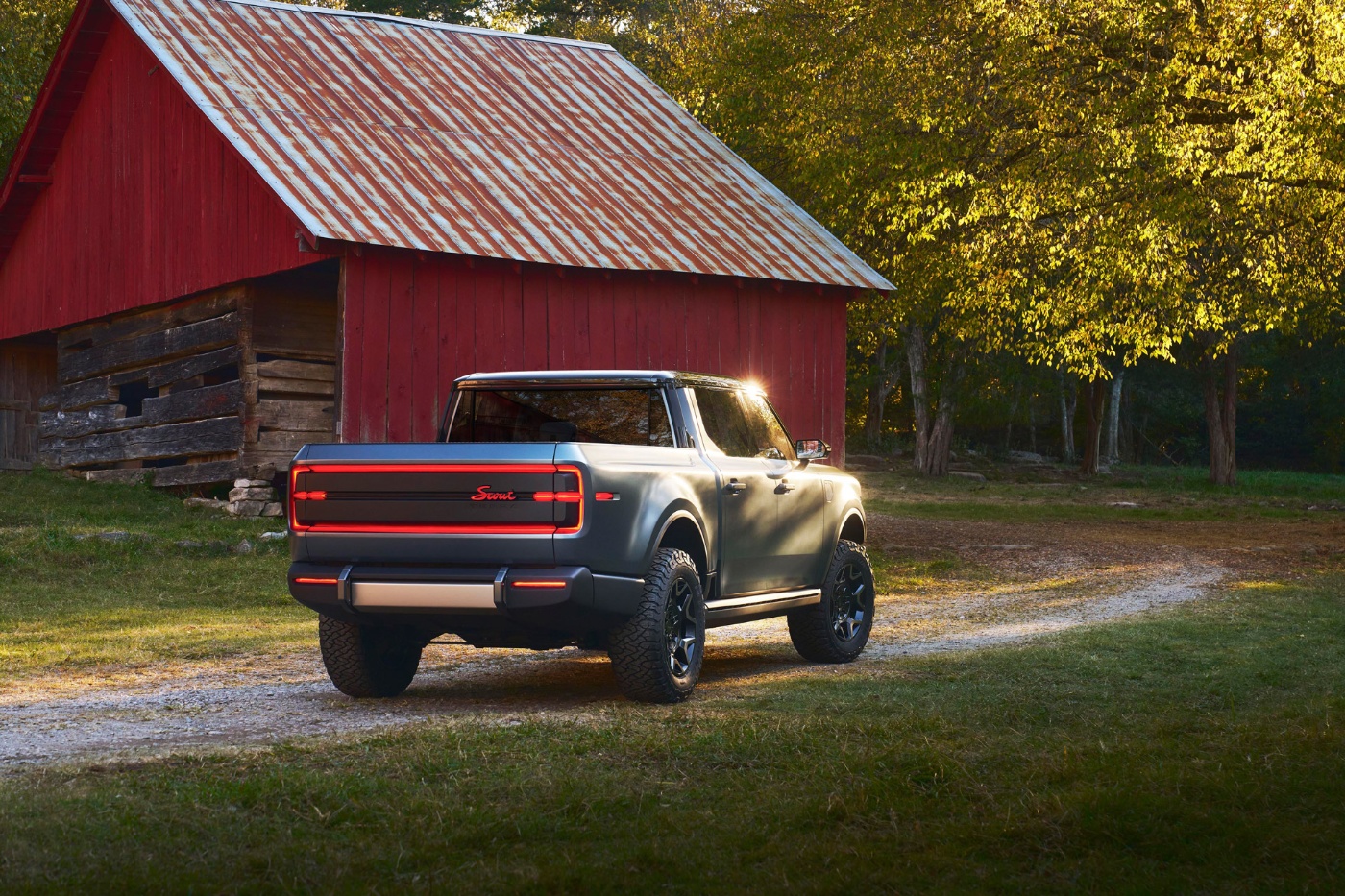
Scout Motors CEO Scott Keogh offered the first power figure for the planned Traveler with the Harvester powertrain in an interview published by The Drive on November 13. He cited 800 horsepower, or about 597 kW, for the electric SUV equipped with a gasoline range extender. Keogh also cited 1,000 pound-feet of torque, or about 1,356 Nm.
Electric motors drive the wheels in this version. A gasoline engine powers a generator as needed to supply electricity to the electric powertrain. Keogh cited approximately 150 miles of electric-only range and 500 miles of total range. Scout has yet to disclose battery capacity or a certified test cycle for those figures.
Scout told Edmunds it expects the range-extended Traveler to arrive first in 2028. A battery-electric version and the Terra pickup remain in the company’s plans.
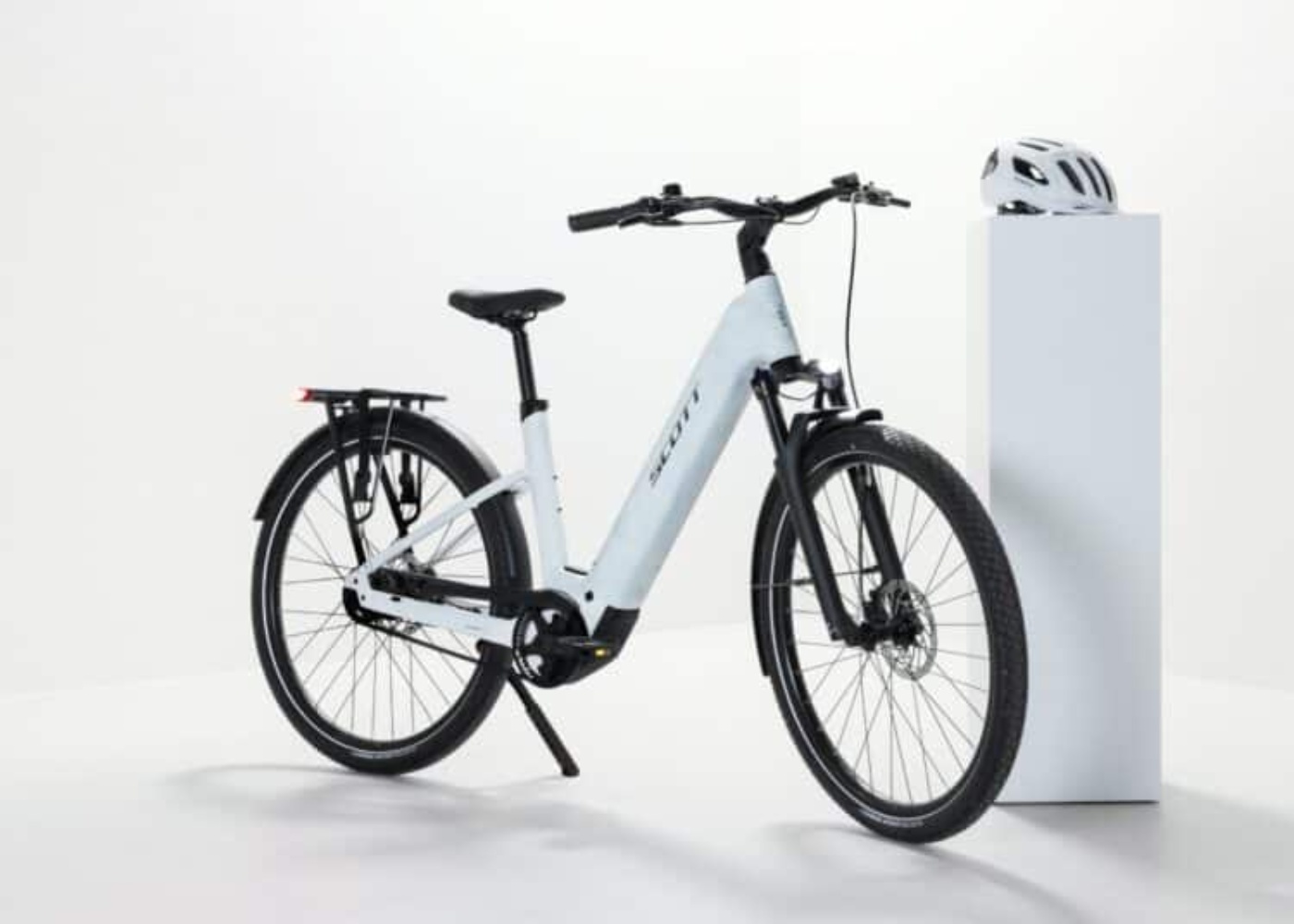
Pope Leo XIV received a custom Scott e-bike at the Vatican on November 23. The Union Cycliste Internationale (UCI), cycling’s world governing body, presented it during an audience with members of the cycling community, including Demi Vollering and Eddy Merckx.
The one-off is based on the Scott SUB Tour 10 Wave city e-bike. Its marble-white and silver finish takes its cues from the Popemobile. It features the Vatican coat of arms and came with a helmet customized for the occasion.
During the audience, Pope Leo highlighted cycling as a simple way to get around that can support a healthy lifestyle. The gift also put the spotlight on the bicycle as an everyday means of transportation.
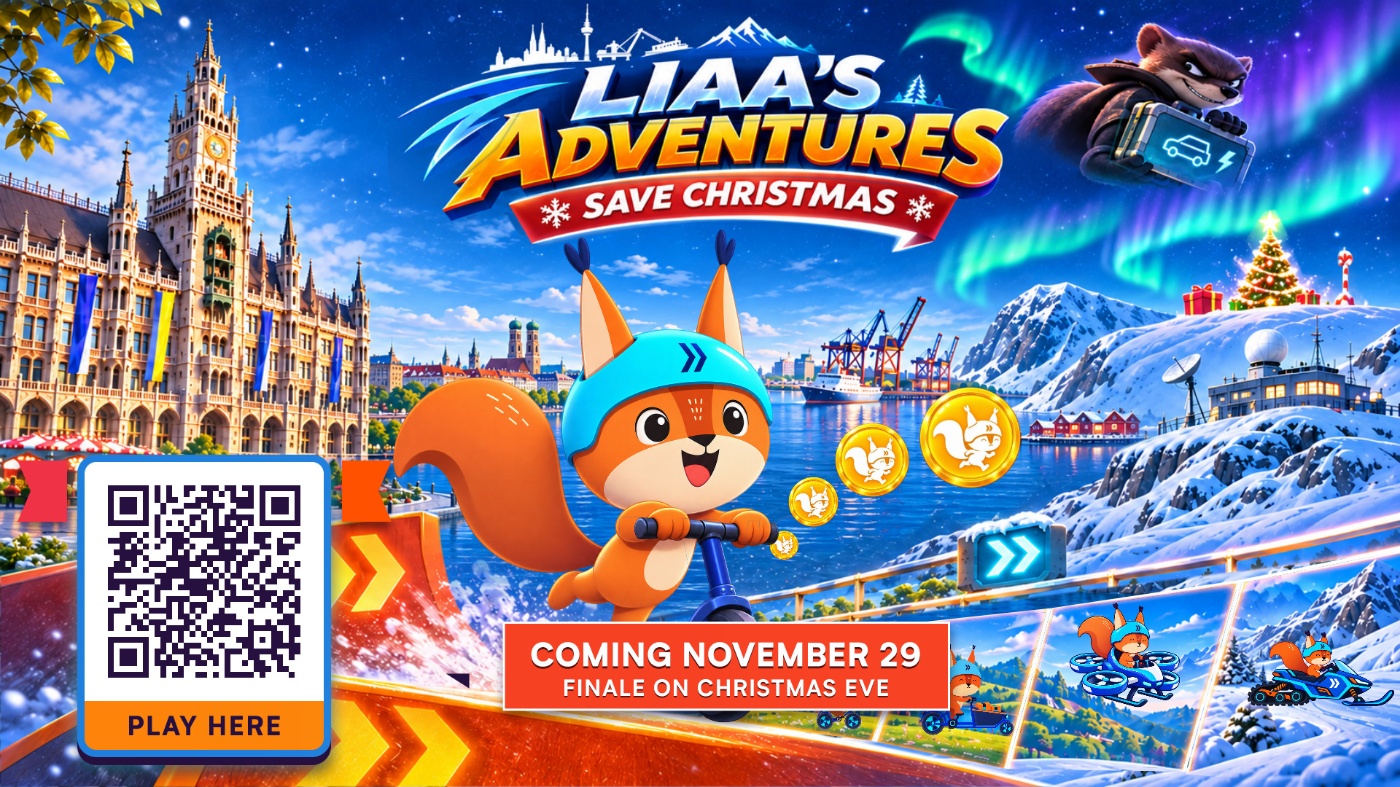
A mysterious thief steals the mobility innovations from the IAA Open Space in downtown Munich. In the new IAA MOBILITY browser game, you help Liaa, the event’s mascot, get them back. The chase takes you from Munich to the North Pole.
The first level opens on November 29, with a new level unlocking every Sunday of Advent through December 20. The finale arrives on Christmas Eve. Kids ages six and up and adults can play in English or German right in their browser, on a computer or phone. Even play with a controller, rumble included.