








IAA MOBILITY Weekly
Mobility Highlights of Week 47/2026
Ford, QuantumScape, May Mobility
- IAA MOBILITY Weekly
- 47/2026

Ford begins in-house LFP battery production for new Fathom electric pickup, QuantumScape unveils new solid-state battery platform with five-minute charging, and May Mobility plans to deploy more than 10,000 autonomous VW ID. Buzz robotaxis by 2031. These are our top stories for week 47 of 2026.
Ford begins in-house LFP battery production for new Fathom electric pickup, QuantumScape unveils new solid-state battery platform with five-minute charging, and May Mobility plans to deploy more than 10,000 autonomous VW ID. Buzz robotaxis by 2031. These are our top stories for week 47 of 2026.
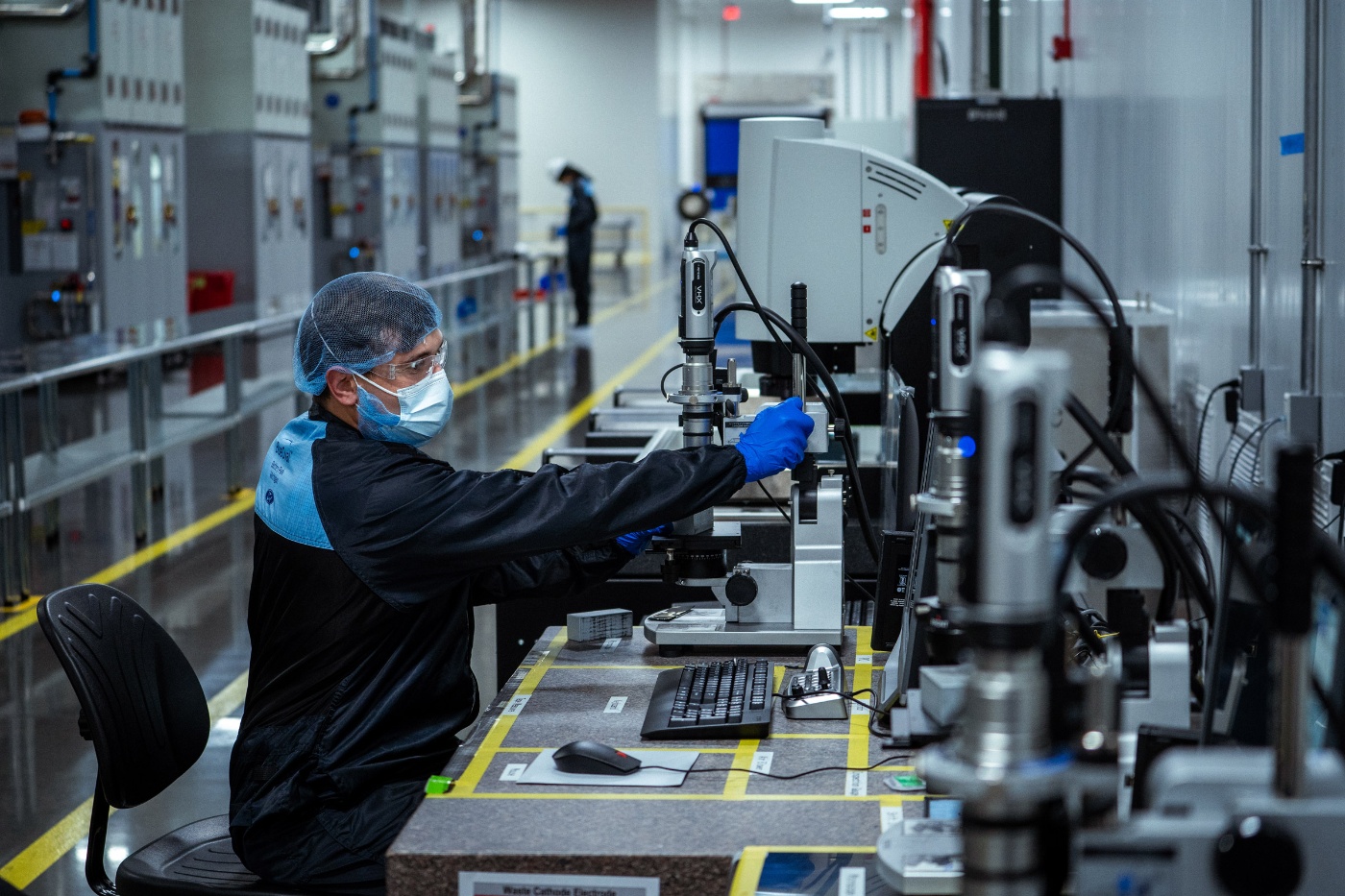
Ford has started producing lithium iron phosphate (LFP) battery cells at its BlueOval Battery Park Michigan facility. The first prismatic cells have already been delivered to the Louisville Assembly Plant, where they will be used in prototypes of the new Ford Fathom electric pickup truck. Ford collaborated with Chinese battery manufacturer CATL to develop the technology. The batteries are primarily intended for more affordable electric vehicles based on Ford's new Universal Electric Vehicle Platform.
One key feature is the integration of the battery pack as a structural component of the vehicle. By incorporating the prismatic cells directly into the vehicle architecture, Ford aims to eliminate additional structural components while reducing vehicle weight and production costs. Ford also combines electrical connections and sensors on a flexible circuit board and integrates compact power electronics directly into the battery pack. The technology is also designed to support bidirectional charging, allowing appropriately equipped vehicles to draw electricity from a building's electrical system and supply power back to the building when needed.
According to Ford, the production lines at BlueOval Battery Park Michigan are designed to manufacture up to 40 battery cells per minute. The company says this makes the facility one of the fastest production plants of its kind outside China. Quality control measures include AI-powered image recognition and X-ray inspections to detect potential manufacturing defects at an early stage. The first cells will initially be used to develop and test the Ford Fathom. Ford has not yet released specific details about the new electric pickup's battery capacity, driving range, or charging performance.
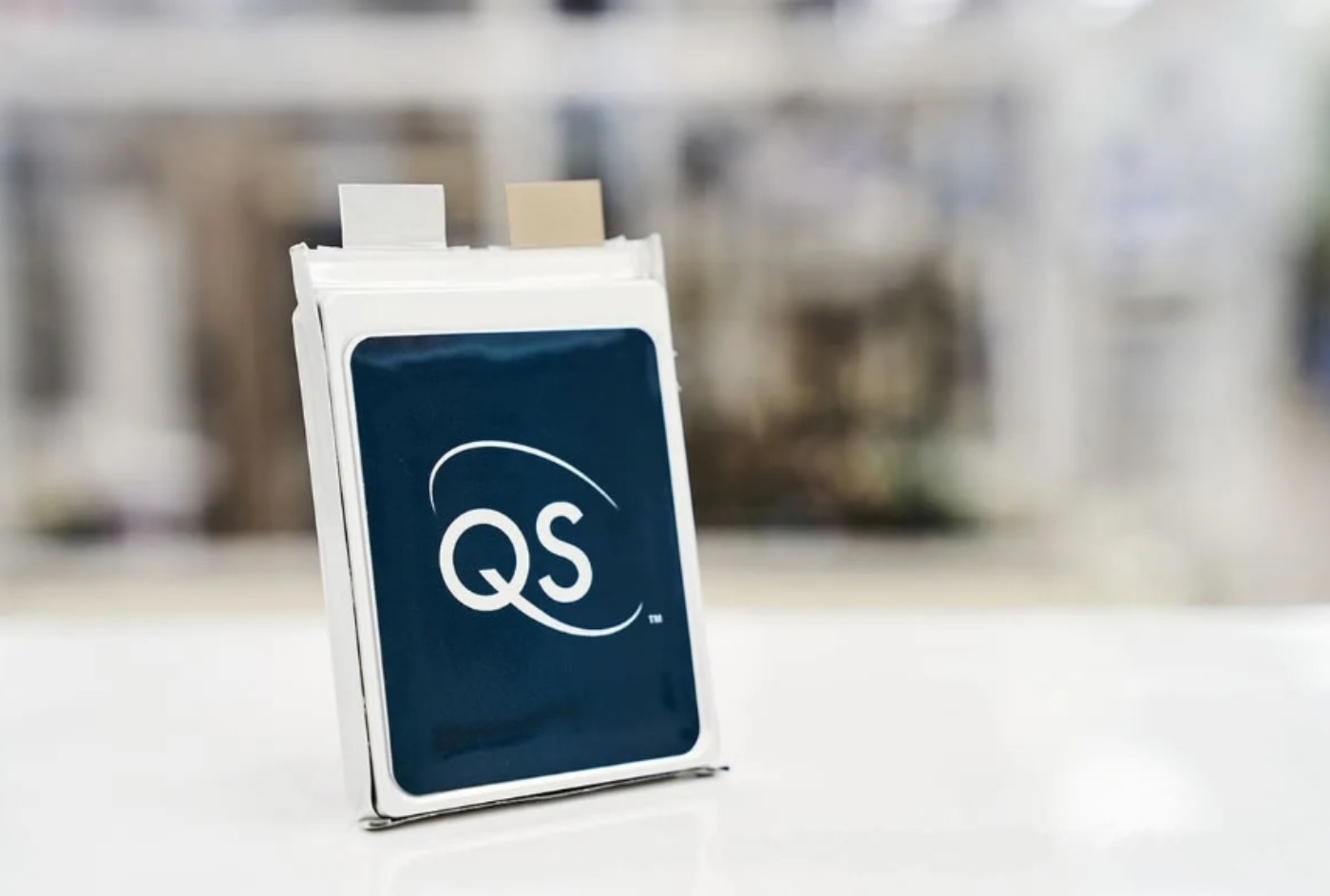
US battery developer QuantumScape has introduced Osprey, a new technology platform for solid-state batteries. The battery cells combine a ceramic separator with an anode-free, lithium-metal architecture and a solid cathode. In initial testing, the cells completed 1,000 full charge cycles while retaining approximately 80 percent of their original capacity. According to the company, this represents the first publicly documented demonstration of this level of cycle durability using a sulfide-based cathode under the tested pressure conditions.
In addition to cycle durability, QuantumScape reports significant advances in charging speed and temperature tolerance. Initial tests showed that Osprey cells could charge from 10 to 80 percent in just five minutes. The cells are also designed to operate at temperatures below minus 20 degrees Celsius. In the longer term, the company is targeting a volumetric energy density of up to 1,100 watt-hours per liter. However, this figure remains a development target and has not yet been demonstrated in a production battery.
With Osprey, QuantumScape is pursuing an open development approach that allows the platform to be combined with different cathode chemistries. According to the company, solid cathodes developed both in-house and by automotive customers have already been successfully tested with the technology. QuantumScape also plans to introduce new licensing and joint development models, giving other companies working on sulfide-based solid-state batteries access to the platform. No specific timeline for potential series production has been announced.

US-based May Mobility plans to deploy more than 10,000 all-electric Volkswagen ID. Buzz vehicles as autonomous robotaxis in international markets by 2031. The project involves developing a specially prepared version of the electric van designed to accommodate May Mobility's Autonomous Driving Kit (ADK). The autonomous driving system will be integrated in collaboration with automotive technology company ECARX, while Charlton Intelligence.ai will support vehicle deployment and the development of robotaxi fleets. Initial road testing in the United States is scheduled for early 2027, with deliveries of the first production vehicles expected to begin in 2028.
The autonomous driving system is based on an AI-powered Predictive World Model designed to analyze traffic situations and simulate potential developments up to ten seconds into the future. The technology evaluates different driving strategies in real time to select appropriate maneuvers. With its spacious interior and multiple entry doors, the all-electric VW ID. Buzz provides a suitable platform for autonomous passenger transportation. Through its partnerships with ECARX and Charlton Intelligence.ai, May Mobility aims to reduce total costs by more than 50 percent compared with its previous vehicle generation. Specific technical details regarding the robotaxi version's sensors, battery capacity, and driving range have not yet been released.
According to May Mobility, the company has already completed more than 600,000 autonomous rides and currently operates commercial ride services at three US locations: in Atlanta in partnership with Lyft, as well as in Eden Prairie and Grand Rapids, Minnesota. The company also plans to launch an autonomous ride service with Uber in Arlington, Texas, in 2027. In Japan, May Mobility began a six-month pilot project with NTT Mobility in Nagoya in September 2026. With the planned deployment of the VW ID. Buzz, May Mobility aims to expand its robotaxi fleets internationally.