








IAA MOBILITY Weekly
Mobility Highlights of Week 46/2026
Mercedes-Benz, ZF, Polestar, BMW, Uber, Tesla
- IAA MOBILITY Weekly
- 46/2026

Mercedes-Benz is selling its European fast-charging network to Electra, ZF is developing an electric drive capable of up to 30,000 rpm, Polestar is previewing upcoming models with its Formula 2030 concept, BMW has crossed Europe in the new i3 with a total charging time of around 166 minutes, Uber is expanding its robotaxi service, and Tesla has opened a new European development center in Berlin. These are our top stories for week 46 of 2026.
Mercedes-Benz is selling its European fast-charging network to Electra, ZF is developing an electric drive capable of up to 30,000 rpm, Polestar is previewing upcoming models with its Formula 2030 concept, BMW has crossed Europe in the new i3 with a total charging time of around 166 minutes, Uber is expanding its robotaxi service, and Tesla has opened a new European development center in Berlin. These are our top stories for week 46 of 2026.
- 1. Mercedes-Benz Sells European Fast-Charging Network to Electra
- 2. ZF Develops Compact Electric Drive Capable of Up to 30,000 RPM
- 3. Polestar Previews Its Next Generation of Models with Formula 2030
- 4. BMW i3 Crosses Europe with Around 166 Minutes of Charging Time
- 5. Uber Plans to Offer Around 700 Driverless Vehicles on Its Platform by the End of 2026
- 6. Tesla Opens New European Development Center in Berlin
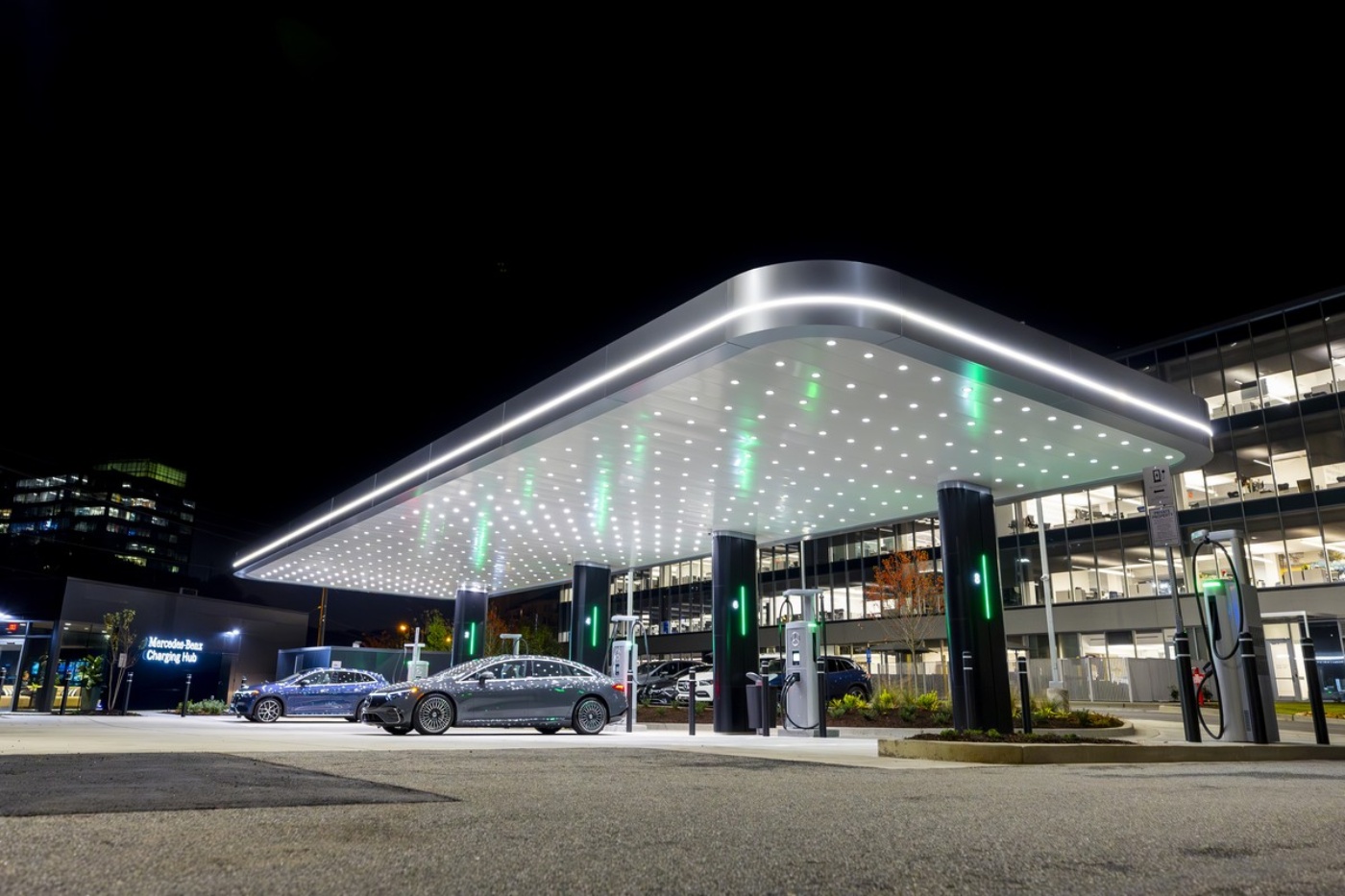
Mercedes-Benz is selling its European fast-charging network to French charging provider Electra. The acquisition includes 47 charging hubs with a total of 374 charging points, including 31 locations in Germany and six in Austria. The existing Mercedes-Benz locations will be integrated into Electra's European network.
At the same time, the two companies are expanding their public charging partnership. Through MB.CHARGE Public, Mercedes-Benz customers will gain easier access to more than 800 Electra stations with over 5,000 charging points across ten European countries. Preferential rates will be available depending on the charging plan selected.
Drivers can find and use the stations through the vehicle's charging system and the Mercedes-Benz app. Compatible charging points can also be reserved directly from the vehicle before arrival. Selected Electra locations offer charging power of up to 600 kW.
The acquisition expands Electra's German network from 50 to 81 charging hubs. The company plans to invest a further €200 million in Germany in 2027. Mercedes-Benz announced plans to build its own global fast-charging network in early 2023. The purchase price for the European network was not disclosed.
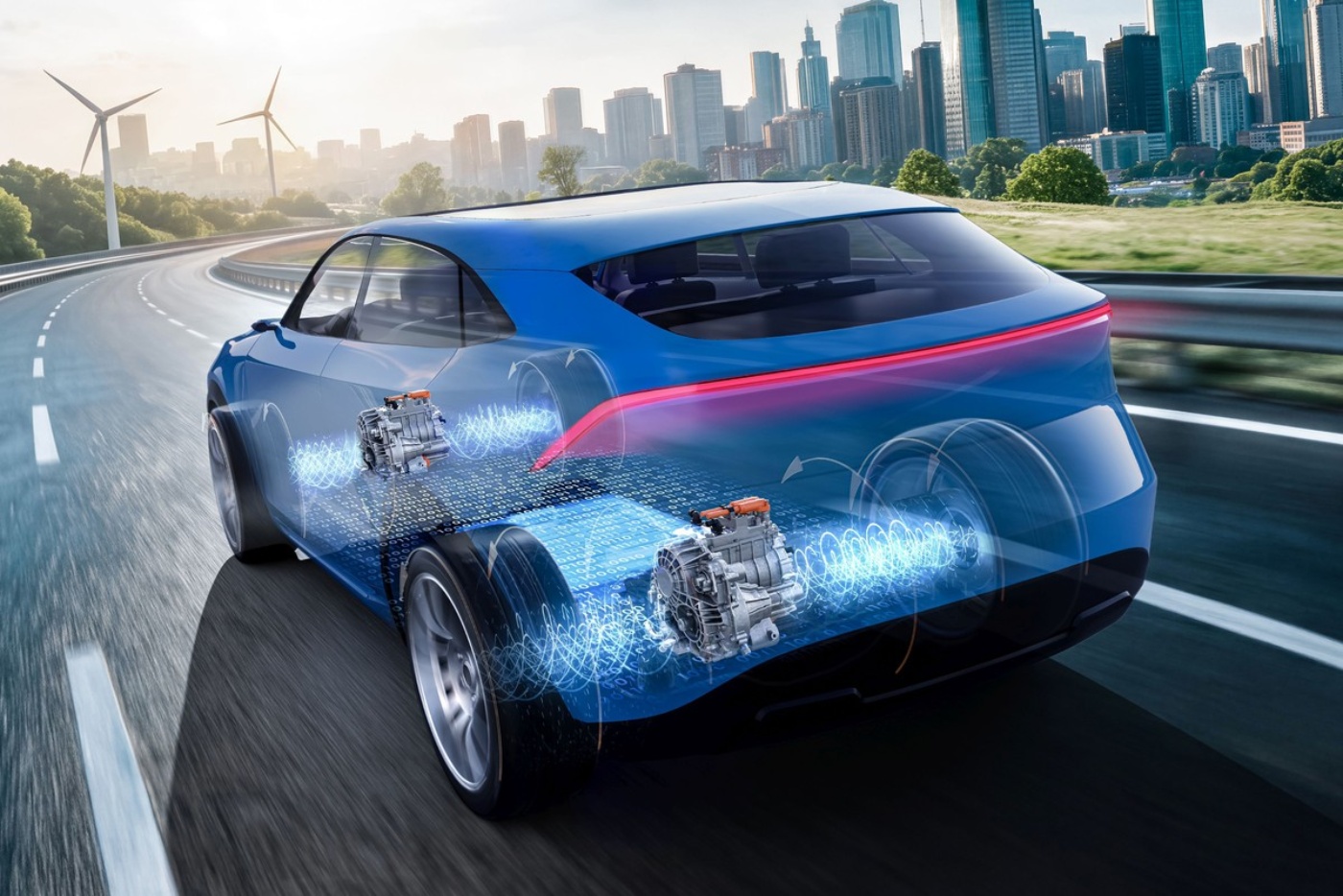
ZF has unveiled the High Revolution Drive, a new electric drive capable of speeds of up to 30,000 rpm. The system combines an electric motor, power electronics, and a transmission and is designed to require less space and weigh less than conventional drives while delivering the same power.
The higher rotational speed allows for a smaller electric motor. A two-stage transmission with a ratio of approximately 18:1 transfers power to the wheels. The version presented delivers peak output of 200 kW and maximum torque of 3,500 Nm at the wheel.
Relative to a comparable drive from ZF's SELECT platform operating at 18,000 rpm, installation space and weight are each expected to decrease by nearly 25 percent. According to the company, the required magnet mass is reduced by 50 percent. Efficiency is nearly 93 percent.
The drive is based on the modular SELECT platform and can be scaled for 400- and 800-volt systems. It primarily targets passenger cars with power outputs of approximately 150 to 200 kW. ZF is already in discussions with several automakers and is targeting series production by 2030.
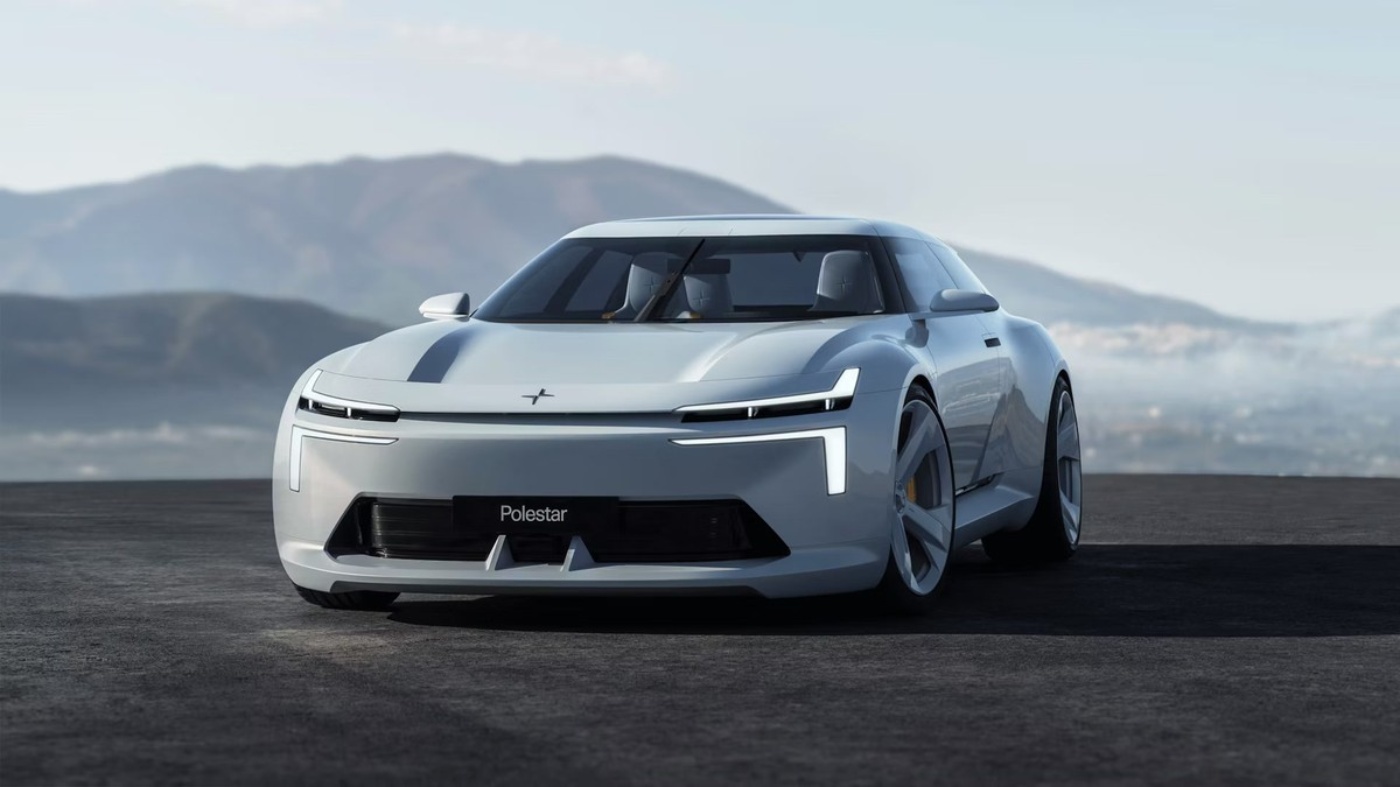
Polestar has unveiled Formula 2030, a design study that previews key features of upcoming production models. The concept vehicle is intended to showcase the brand's future direction toward more compact segments and a stronger focus on the driver. Individual design elements are set to appear in the new Polestar 2 and the upcoming Polestar 7.
The front combines the familiar Dual Blade headlights with an aerodynamic wing and previews the Polestar 2 announced for 2027. The rear, with its new Single Blade lighting signature, points to the Polestar 7. The side profile combines a low, sporty body with a crossover silhouette derived from the Polestar 4.
Inside, Polestar places greater emphasis on orienting displays and controls toward the driver. A large, curved driver display is paired with a multifunction steering wheel and physical buttons. The positions and functions of these buttons are designed to be customizable.
A central drive mode selector adjusts features including the displays, seat and steering wheel positions, and steering feel. The concept also uses a steer-by-wire system that transmits steering inputs electronically, eliminating the mechanical connection between the steering wheel and the wheels. Formula 2030 thus previews the continued development of the brand's design, controls, and vehicle technology.
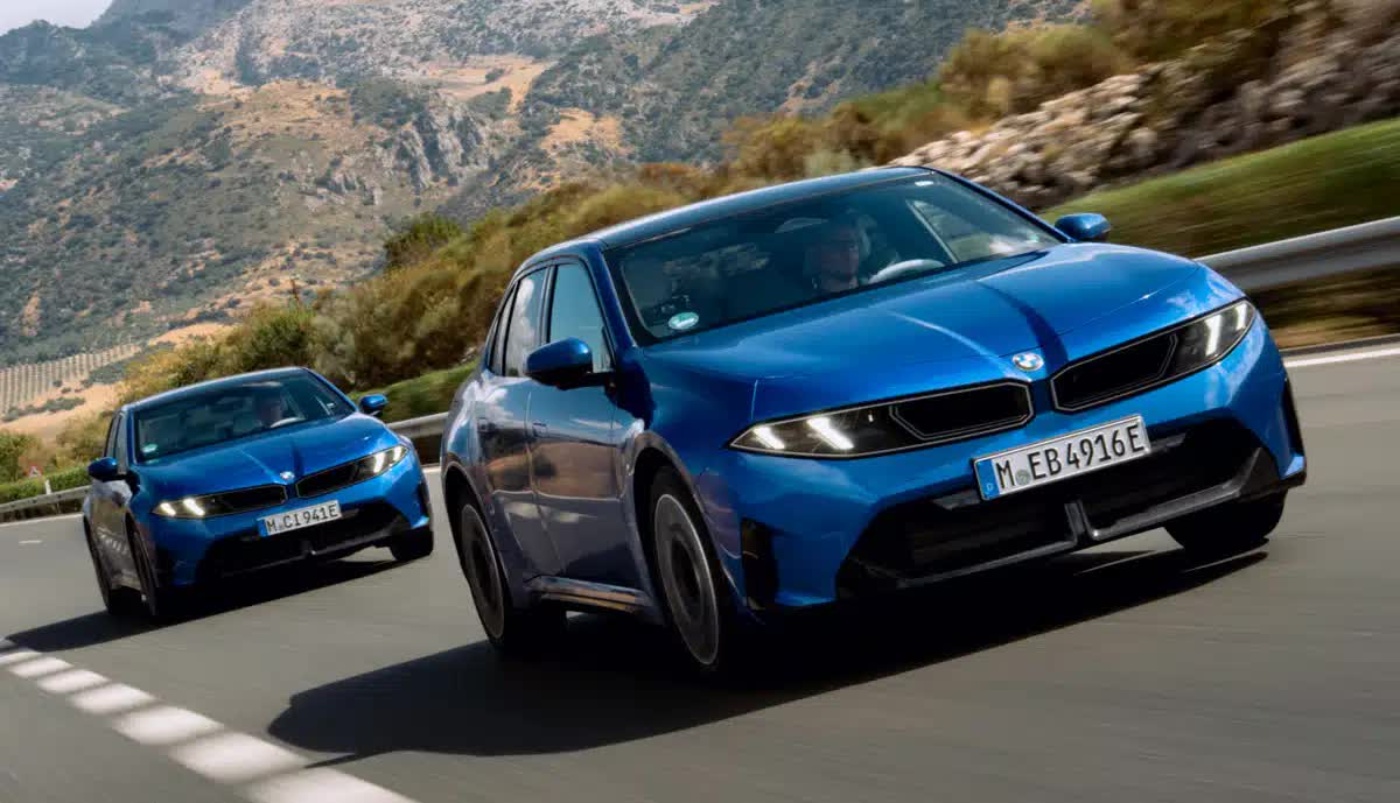
BMW has completed the Paneuropeana in the new i3 50 xDrive, covering 5,886.7 kilometers from Norway's North Cape to Tarifa, Spain. According to the manufacturer, total charging time was two hours, 45 minutes, and 54 seconds, beating the previous record set in 2017 by more than seven hours.
BMW reports that the vehicle averaged energy consumption of 12.5 kWh per 100 kilometers on the journey through eight countries. All charging took place at publicly accessible charging points. Average charging power was 275 kW.
The Paneuropeana follows designated checkpoints along highways, rural roads, and city streets. The goal is to minimize total charging time, making charging station selection and route planning central to the challenge. According to BMW, the vehicles used matched the production specifications available for customers to order. The i3 50 xDrive is based on the Neue Klasse and uses an 800-volt architecture. Two electric motors deliver a combined 345 kW. Usable battery capacity is 108.7 kWh, with a maximum WLTP range of up to 912 kilometers.

Uber plans to significantly expand its autonomous ride services. Around 700 fully driverless vehicles are expected to be available through the platform by the end of 2026. The company anticipates more than 2,000 vehicles in 2027. The focus is on moving from testing and partnerships to commercial operations.
A driverless service with Zoox is scheduled to launch in Las Vegas later in November, followed by the deployment of autonomous Motional vehicles in the city. Uber also plans to launch a commercial service with Lucid and Nuro in the San Francisco Bay Area in early 2027. Houston and other cities are expected to follow.
Fully driverless testing with Lucid and Nuro is scheduled to begin this quarter. Uber is working with several automakers and technology companies on the expansion. Plans include bringing at least 20,000 Lucid Gravity vehicles onto the platform over several years. An agreement with Rivian also provides for the potential deployment of up to 50,000 autonomous R2 vehicles.
Uber intends to build on its existing ride-hailing platform and demand in the respective cities. From 2028 onward, the company aims to reach a scale of tens of thousands of autonomous vehicles.
Tesla has opened a new European development center in Berlin. The Berlin Tesla Engineering Center brings together materials research, powertrain and vehicle development, validation, and safety testing. Its proximity to the Grünheide factory is intended to facilitate collaboration between development and series production.
An existing factory complex was converted for the new location. A total of 30 specialized laboratories will develop and test components including batteries and electric motors. Work will also include safety testing of vehicle components such as airbags, as well as battery cell testing.
The center has begun partial operations with around 250 engineers and technicians. Employees are transferring from existing facilities, including Tilburg in the Netherlands and other laboratory locations. Following a further expansion, the site could accommodate up to 500 employees. Tesla says the project represents a total investment of around €100 million.
Berlin is the third development location of its kind, following Fremont and Shanghai. Bringing the different disciplines together is intended to strengthen the links between development, testing, and the introduction of new technologies into series production.
Meanwhile, Tesla plans to phase out Cybertruck production in Austin, Texas, in mid-2027 and use the freed-up capacity to produce the Cybercab robotaxi.