








IAA MOBILITY Weekly
The mobility highlights of week 34/2026
Schaeffler, CATL, Geely, Heart Aerospace
- IAA MOBILITY Weekly
- 34/2026

Schaeffler and CATL plan to develop battery management and power electronics together; Geely targets a 2027 pilot launch for solid-state batteries featuring up to 500 Wh/kg; and Heart Aerospace completes the maiden flight of the largest battery-electric aircraft to date—these are our top stories for week 34 of 2026.
Schaeffler and CATL plan to develop battery management and power electronics together; Geely targets a 2027 pilot launch for solid-state batteries featuring up to 500 Wh/kg; and Heart Aerospace completes the maiden flight of the largest battery-electric aircraft to date—these are our top stories for week 34 of 2026.

Schaeffler and CATL are deepening their partnership in electric mobility. The companies signed a memorandum of understanding to develop battery management systems (BMS) and highly integrated "X-in-1" PowerBox solutions together. The initial focus will be on Europe, with plans to expand the collaboration to other markets later.
The planned battery management systems will be tailored specifically to the requirements of European automakers. Schaeffler will contribute expertise ranging from hardware and software development, system integration, and functional safety to European series production. CATL will supply its know-how in battery cells, battery systems, and algorithms. The partnership is already building on an awarded customer project.
At the same time, the partners intend to more closely integrate high-voltage electronics and electromechanical components into joint PowerBox systems. Looking ahead, the collaboration will also incorporate AI and cloud computing for battery management applications, aiming to bring new solutions to industrial series production more quickly.
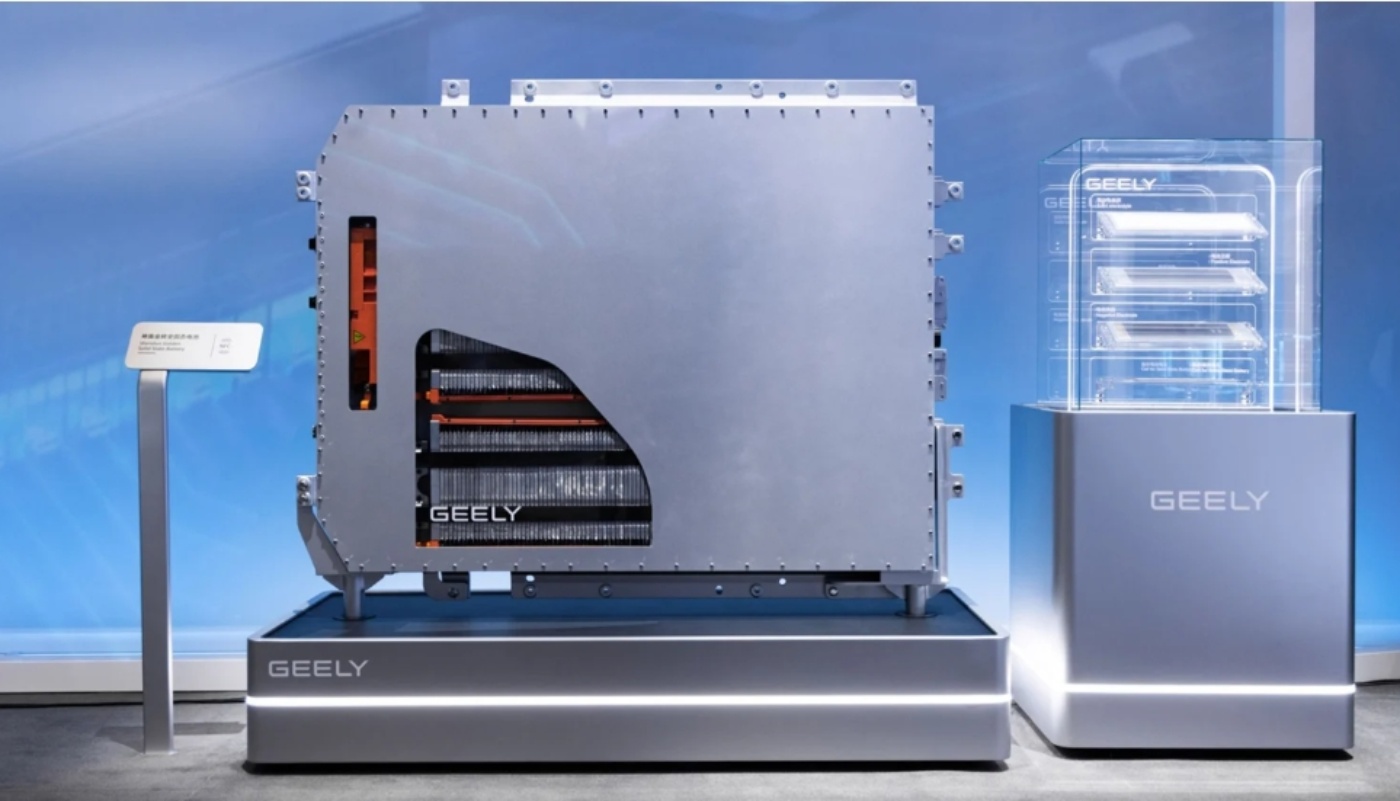
Geely Holding plans to begin vehicle testing of solid-state batteries starting in 2027. According to the company, the highest-performing version is expected to achieve an energy density of up to 500 Wh/kg, enabling electric vehicles to reach ranges of more than 1,000 kilometers (620 miles). By comparison, Geely's current "Golden Brick" liquid-electrolyte cells reach roughly 250 Wh/kg.
The group started validating the technology under real-world conditions this year. Pilot operations across its brand portfolio are scheduled to follow in 2027. It has not yet been disclosed which brands or models will receive the solid-state batteries first.
For materials development, Geely is partnering with Dow Chemical, among others. Dow is supplying an adhesive for solid-state cells designed to withstand temperatures ranging from -40 to +120 degrees Celsius (-40 to +248 degrees Fahrenheit). Geely has not yet provided a roadmap for large-scale series production.

Heart Aerospace has successfully completed the maiden flight of its all-electric X1 demonstrator aircraft. Weighing over 11.3 metric tons (25,000 lbs), the experimental plane completed a 27-minute test flight on August 12, 2026, at Plattsburgh International Airport in New York. According to the company, it is the largest battery-electric aircraft ever flown.
The X1 features a wingspan of roughly 32 meters (105 feet) and reached an altitude of around 335 meters (1,100 feet) above ground during the flight. Its all-electric powertrain delivered more than one megawatt of power. According to Heart Aerospace, the electrical energy required for the flight cost just around five U.S. dollars.
The demonstrator serves to test electric powertrain technology at a scale relevant to commercial airliners. The insights gained will feed into the development of the 30-seat hybrid-electric ES-30. Flight testing for the first pre-series aircraft is slated for 2028, with commercial entry into service targeted for 2031.