








IAA MOBILITY Weekly
The mobility highlights of week 33/2026
Skoda, Fraunhofer, Clemson University
- IAA MOBILITY Weekly
- 33/2026

Škoda kicks off series production of its new electric flagship Peaq, Fraunhofer EMI and PowerCo develop X-ray technology for safer battery cells, and Clemson University creates an electric car with a positive energy balance using solar cells—here are the top stories for Week 33 of 2026.
Škoda kicks off series production of its new electric flagship Peaq, Fraunhofer EMI and PowerCo develop X-ray technology for safer battery cells, and Clemson University creates an electric car with a positive energy balance using solar cells—here are the top stories for Week 33 of 2026.
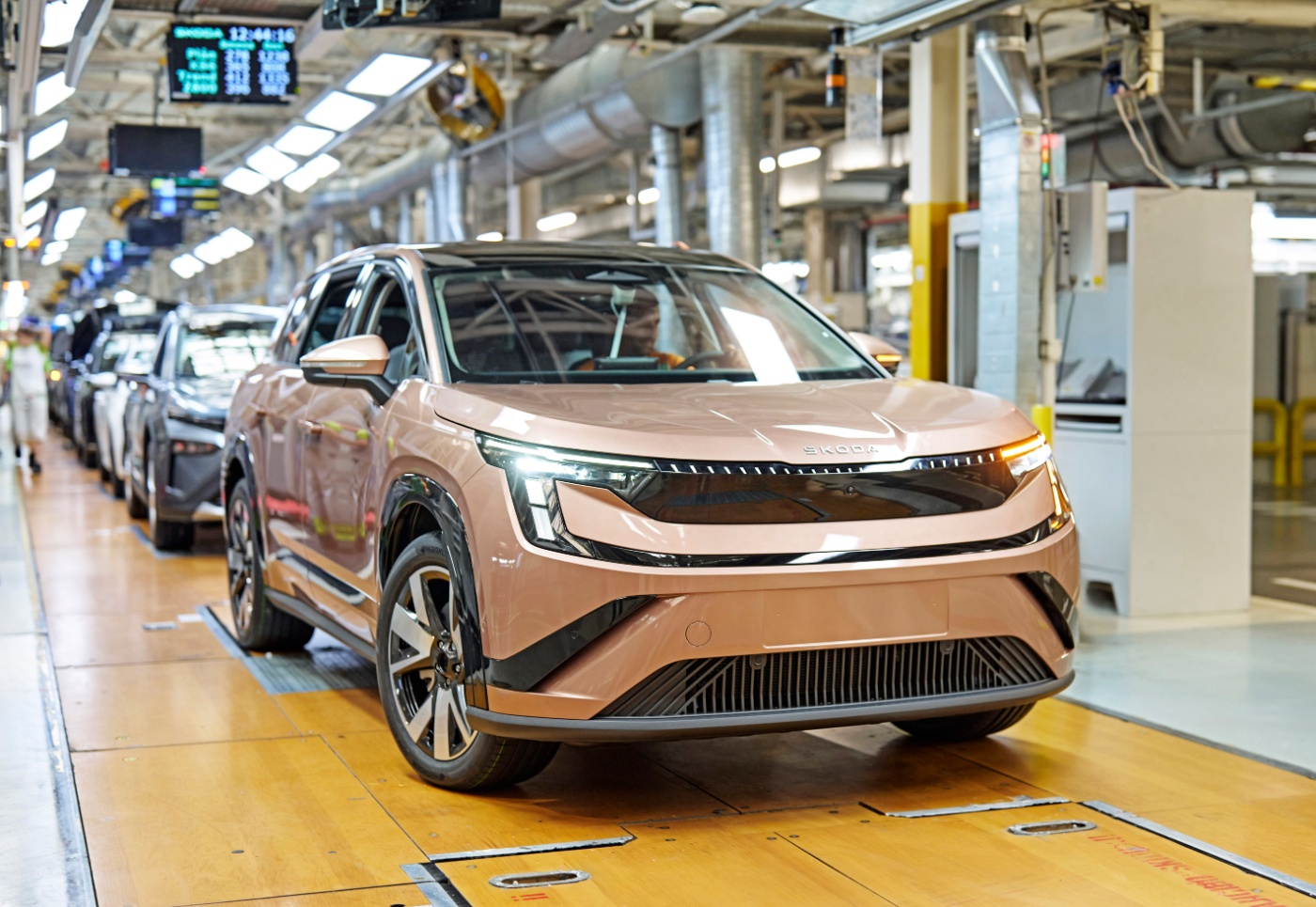
Škoda has launched series production of the new Peaq at its main plant in Mladá Boleslav. The all-electric seven-seater SUV is produced on a single assembly line alongside the Elroq, Enyaq, and the conventionally powered Octavia. To accommodate the brand’s largest SUV to date—measuring 4.87 meters in length—updates were made to production rails, body shop operations, and assembly technology.
The Peaq is built on the MEB+ platform and comes with a choice of two battery sizes. The larger battery has a gross capacity of 91 kWh (86 kWh usable), which Škoda says enables a range of more than 640 kilometers (over 395 miles). Buyers can choose from three power outputs ranging between 150 kW (204 hp) and 220 kW (299 hp), offered in both rear-wheel and all-wheel drive. The battery systems are also manufactured in Mladá Boleslav.
As the new flagship EV, the Peaq also features flush door handles, a panoramic roof with Dynamic Shade Control, and bidirectional charging capability.
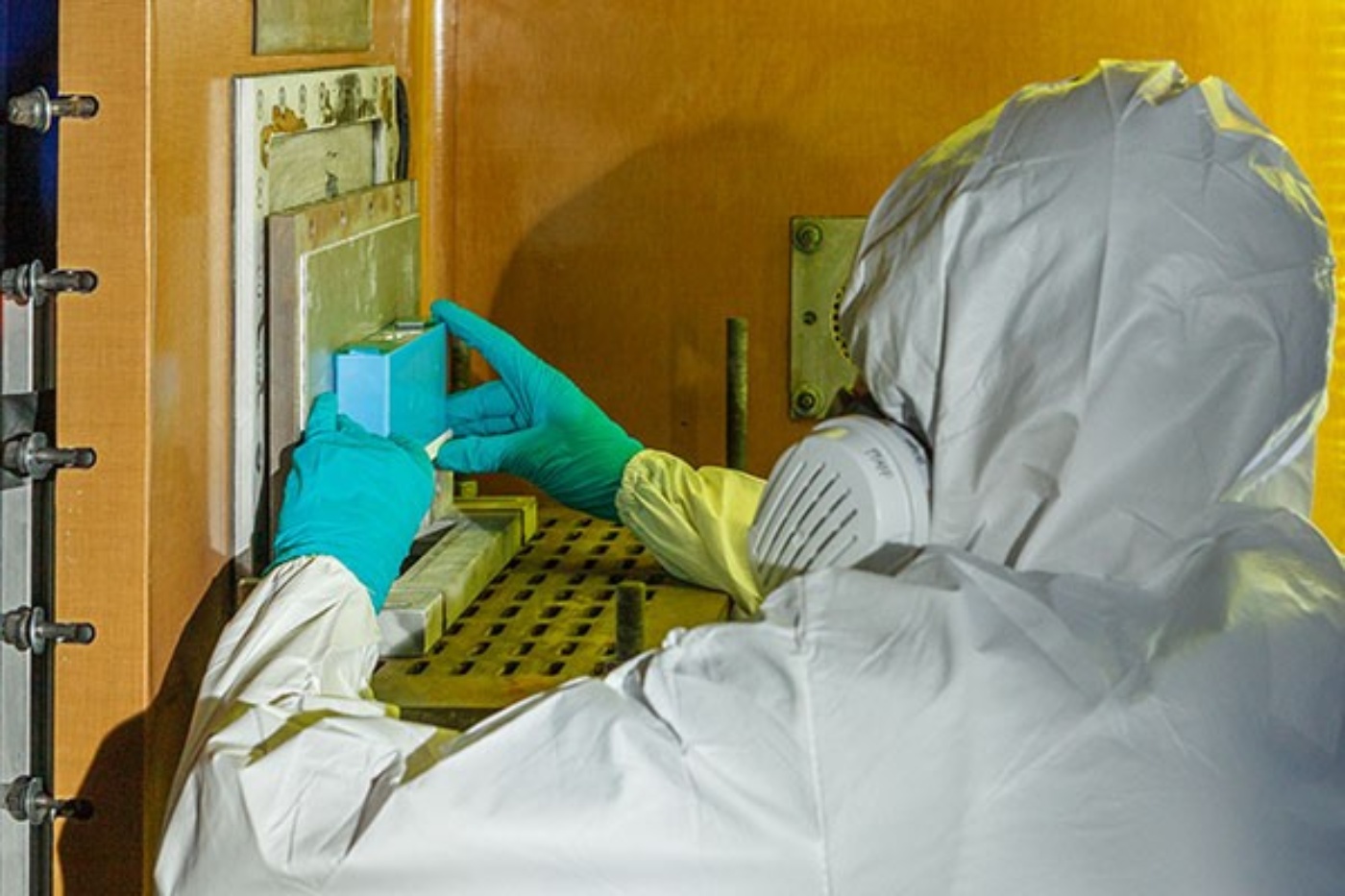
The Fraunhofer Institute for High-Speed Dynamics (EMI) and PowerCo are developing a new high-speed X-ray technology designed to capture real-time internal processes inside large-format battery cells during extreme stress. By 2028, the technology is set to be refined for industrial use at PowerCo and installed at its Salzgitter facility.
The process combines high-performance X-ray imaging with a specialized test chamber, capturing up to 1,000 frames per second. At the same time, it measures temperature, pressure, voltage, and gas flow. This allows engineers to directly analyze thermal runaway phenomena like gas formation, material displacement, and crack formation during cell failure.
The resulting data will help optimize battery cell safety and refine simulation models. According to the partners, early insights from the collaboration are already being incorporated into PowerCo's production cells. Thanks to its modular design, the system can also be adapted to different cell formats and future cell chemistries.
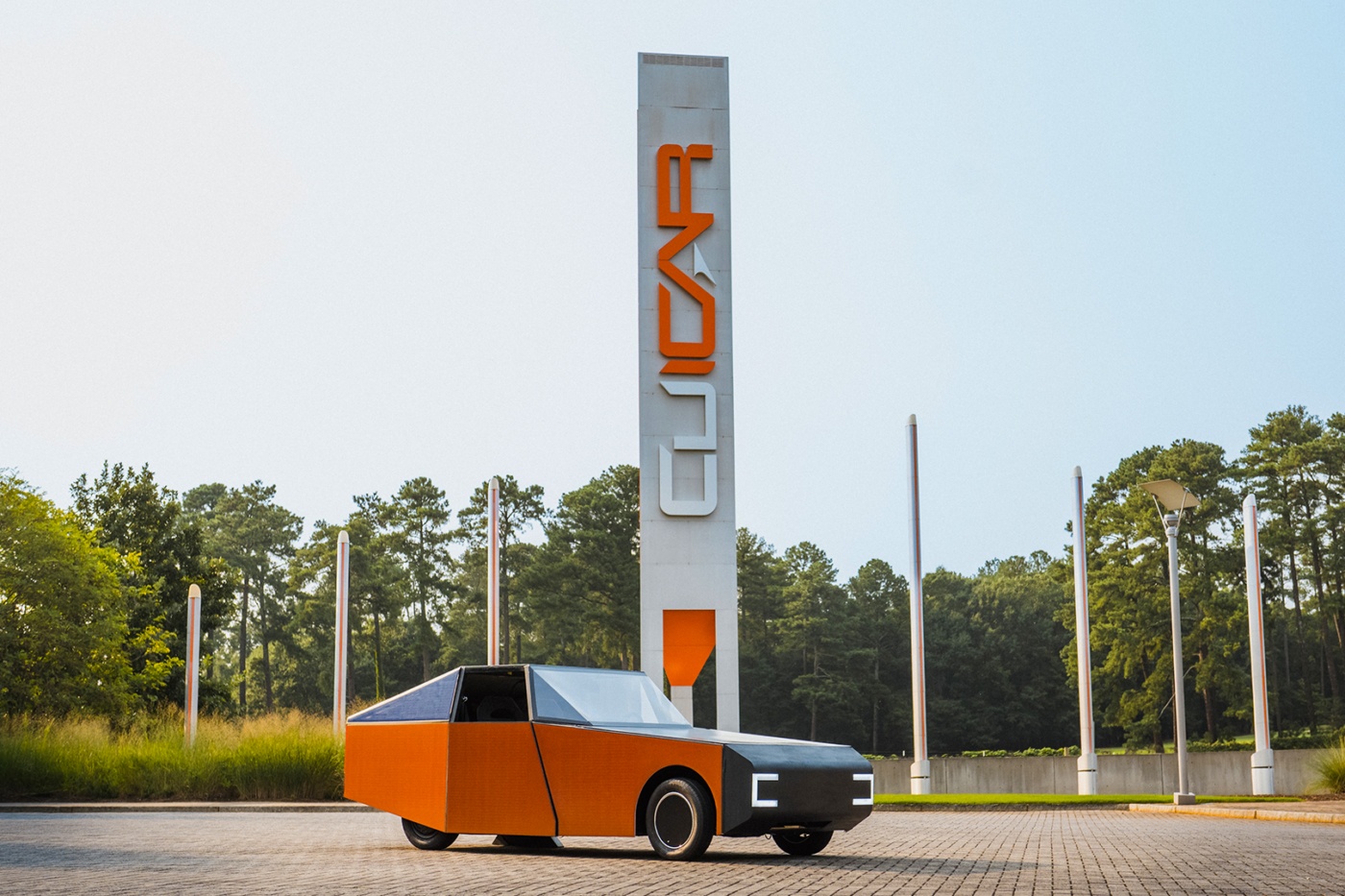
Clemson University has unveiled Deep Orange 17, an electric vehicle prototype designed to generate more energy during daily city driving than it consumes. Co-developed with BMW’s research and development team, the concept pairs more than 1,700 integrated solar cells with ultra-lightweight construction and an efficiency-optimized control system.
Based on an assumed daily driving distance of 20 kilometers (approx. 12.5 miles), the prototype is designed to generate enough surplus solar energy under simulated conditions in Greenville, Frankfurt, Madrid, and Mumbai to add an average of 50 kilometers (31 miles) of range. The photovoltaic technology, developed jointly with Fraunhofer ISE, generates power even during extended periods of standing still and continues operating even when the solar panels are partially shaded.
To keep energy demand as low as possible, the vehicle weighs only about 550 kilograms (approx. 1,210 lbs). A multi-material chassis, optimized aerodynamics, regenerative braking, and intelligent torque distribution boost efficiency even further. The two-door prototype has been named Luminetta.