








IAA MOBILITY Weekly
The mobility highlights of week 32/2026
Audi, Zoox, FAW Hongqi
- IAA MOBILITY Weekly
- 32/2026

Audi A2 e-tron sets a new efficiency benchmark for electric vehicles, Zoox receives the first commercial US approval for a purpose-built robotaxi, and FAW Hongqi unveils an ultra-fast charging battery that charges in under four minutes—these are our top news stories for Week 32 of 2026.
Audi A2 e-tron sets a new efficiency benchmark for electric vehicles, Zoox receives the first commercial US approval for a purpose-built robotaxi, and FAW Hongqi unveils an ultra-fast charging battery that charges in under four minutes—these are our top news stories for Week 32 of 2026.
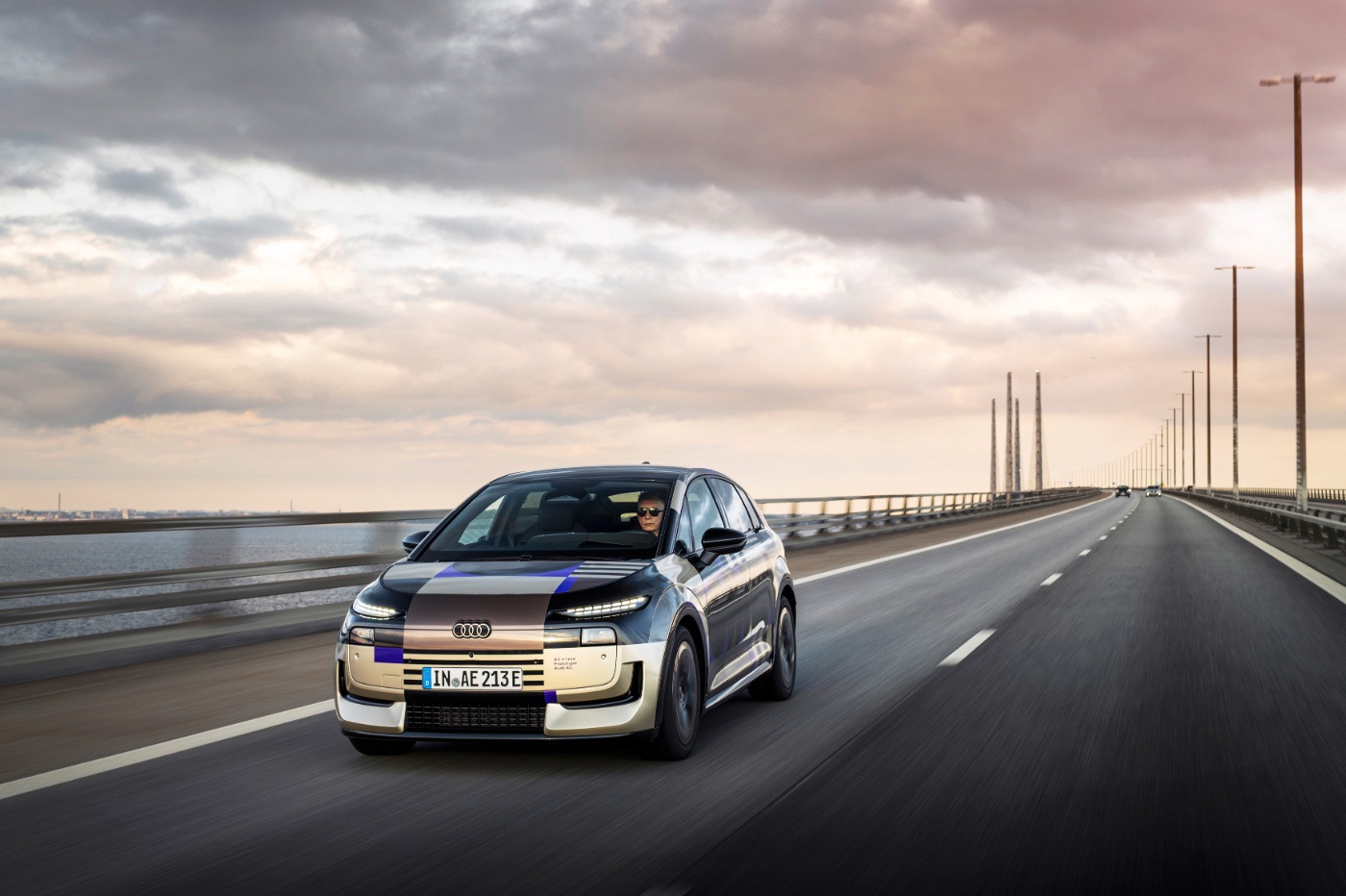
Audi has released new details about the A2 e-tron. In the 140 kW version equipped with the optional efficiency package, the all-electric compact model achieves a preliminary WLTP energy consumption of 12.8 kWh per 100 kilometers, making it Audi's most efficient model to date. This performance is made possible by optimized aerodynamics, an advanced electric drive system, and a new 61 kWh LFP battery.
Featuring a drag coefficient (Cd) of 0.24, an upgraded drivetrain based on silicon carbide semiconductors, and an optimized synchronous motor, the A2 e-tron significantly reduces energy demand. The cell-to-pack battery architecture also supports bidirectional charging via Vehicle-to-Load (V2L) and Vehicle-to-Home (V2H), while enhancing overall charging efficiency.
The market launch of the Audi A2 e-tron is scheduled for fall 2026. With this model, Audi is expanding its electric lineup in the compact segment while carrying forward the efficiency-driven concept of the original A2.

Zoox has received the first commercial exemption permit from the U.S. National Highway Traffic Safety Administration (NHTSA) for a purpose-built autonomous robotaxi designed without a steering wheel or pedals. This clearance allows the company to charge for its driverless ride-hailing service, marking a major milestone in the deployment of autonomous mobility services.
Commercial operations are scheduled to launch first in Las Vegas. Zoox has already transported more than 500,000 passengers through its service there and the Zoox Explorers Program in San Francisco. In parallel, the company is working with regulatory authorities in Nevada and California to meet additional requirements for expanding its service.
In the long term, Zoox is advocating for updates to U.S. federal vehicle regulations to establish a dedicated framework for fully autonomous vehicles operating without traditional manual driving controls.
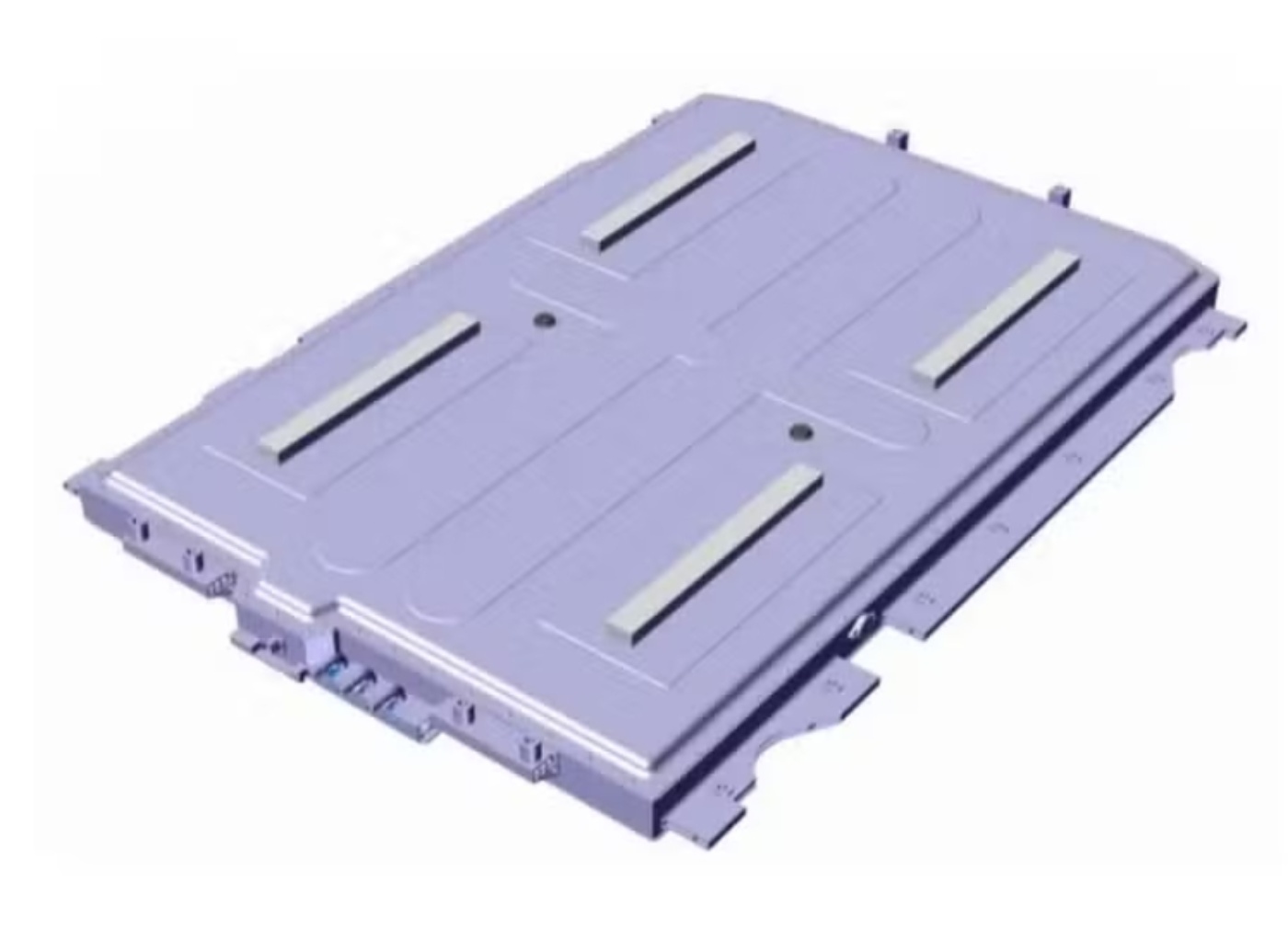
FAW Hongqi has introduced a new ultra-fast-charging battery engineered to increase the state of charge from 10 to 70 percent in just 3 minutes and 41 seconds under test conditions. Jointly developed with China Automotive New Energy Battery Technology (CNET), the battery achieves a peak charging rate of 12C, surpassing the charging speed of BYD’s current Blade Battery.
These rapid charging times are enabled by a new anode design, an optimized electrolyte, and an intelligent liquid cooling system that limits the temperature variance across the battery pack to less than three degrees Celsius during fast charging. In addition, an adaptive fast-charging strategy continuously monitors cell temperature, voltage, and state of charge to optimize safety and charging performance in real time.
Hongqi has not yet disclosed a timeline for mass production or specified which vehicle model will be the first to feature the new battery technology.