








IAA MOBILITY Weekly
The mobility highlights of week 22/2026
Stellantis, Ferrari, Voltera, Revel
- IAA MOBILITY Weekly
- 22/2026

Stellantis drives its software offensive forward and revitalizes iconic brands, Ferrari presents its first all-electric production vehicle, and Voltera and Revel join forces for the urban fast-charging networks of the future – these are our top news stories for week 22 of 2026.
Stellantis drives its software offensive forward and revitalizes iconic brands, Ferrari presents its first all-electric production vehicle, and Voltera and Revel join forces for the urban fast-charging networks of the future – these are our top news stories for week 22 of 2026.
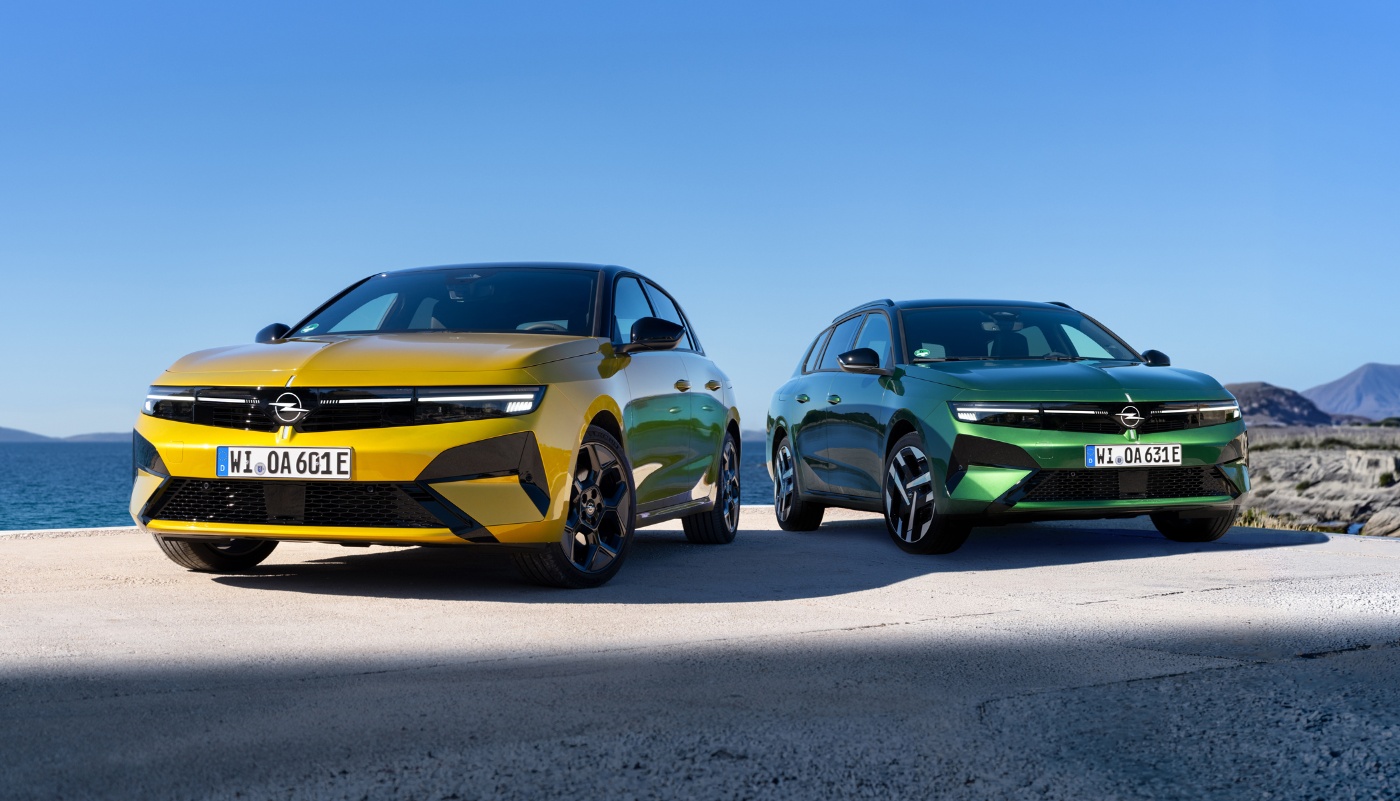
Stellantis is pushing ahead with its technology and product offensive, featuring the new STLA One vehicle architecture, expanded software partnerships, and new models from Citroën, Alfa Romeo, Lancia, and Opel.
With STLA One, Stellantis is introducing a global platform for software-defined vehicles. The architecture combines hardware, AI, cloud services, and over-the-air updates, and is designed to be used across various brands, vehicle segments, and drivetrain types. Core components include STLA Brain for vehicle software, STLA AutoDrive for automated driving functions, and STLA SmartCockpit for digital user experiences.
In parallel, Stellantis is expanding its collaborations with Qualcomm Technologies, Applied Intuition, and Wayve. The goal is to develop higher-performance cockpit and assistance systems, as well as AI-based, hands-free Level 2++ driving. The first production vehicles featuring Wayve technology are scheduled to launch in North America starting in 2028.
Stellantis is also injecting fresh momentum into its product lineup: Citroën is reviving the legendary 2CV as an electric car, while Lancia aims to return to the premium D-segment starting in 2026 with the new Gamma. The Gamma will be offered as a hybrid and an electric car, boasting a range of up to 740 kilometers.
In addition, Opel is pursuing a technology-agnostic approach with the new Astra. Moving forward, the model will be available as an electric car, plug-in hybrid, hybrid, and diesel. The Astra Electric is expected to deliver ranges of up to 454 kilometers and will feature new assistance systems alongside the Intelli-Lux HD light system with more than 50,000 LED elements.
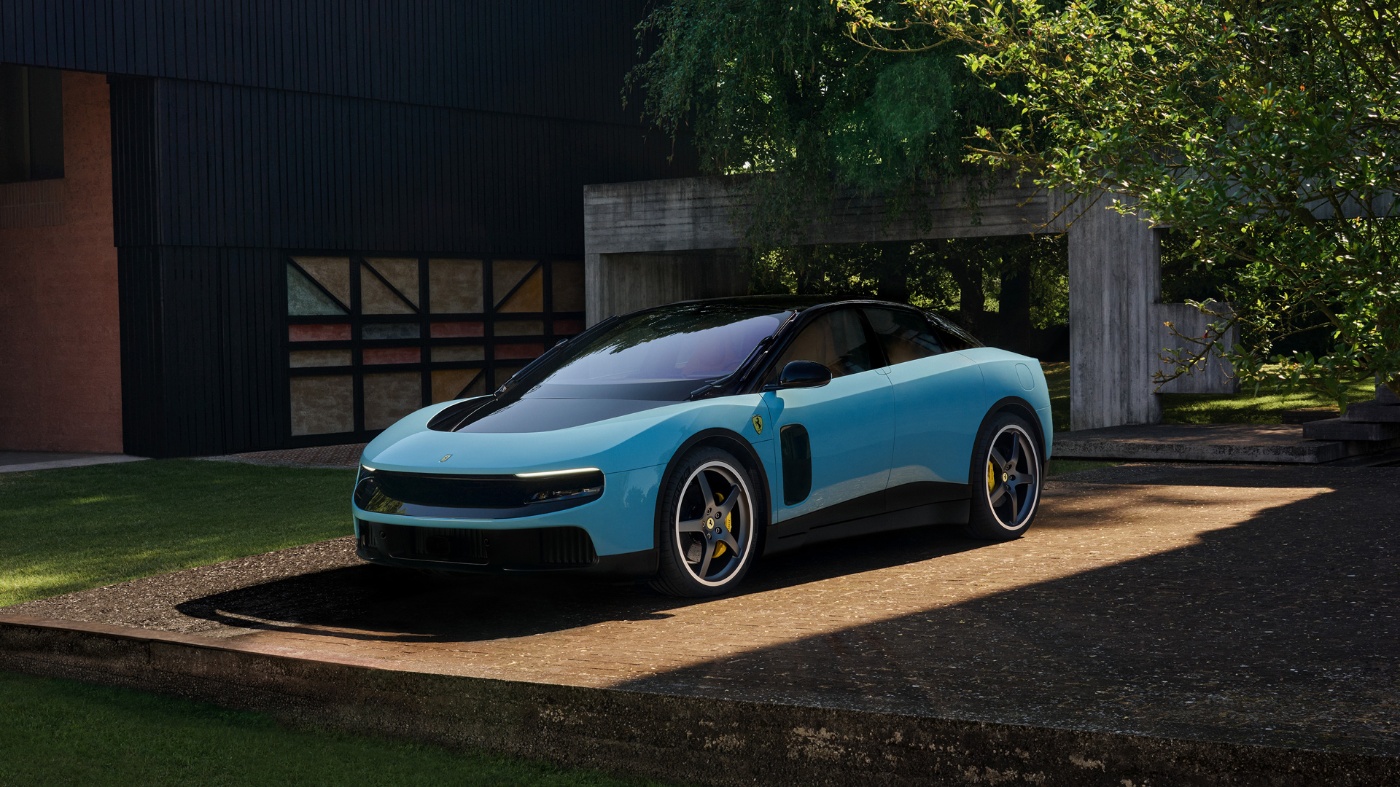
Ferrari has unveiled the Ferrari Luce, its first all-electric production vehicle. Instead of a classic two-seater supercar, Ferrari has opted for a four-door Gran Turismo with five seats and a lounge-like interior concept. Moving forward, electromobility is intended to serve as an additional powertrain option within the brand.
Technically, the Luce is based on a newly developed 800-volt platform. Four electric motors—one for each wheel—combine to deliver more than 1,000 hp. The sprint from 0 to 100 km/h is expected to take around 2.5 seconds, with a top speed exceeding 310 km/h. The roughly 122 kWh battery is projected to enable ranges of about 530 kilometers. The system is complemented by torque vectoring, active suspension control, and four-wheel steering.
The Luce was developed in collaboration with the LoveFrom design studio, led by former Apple Chief Design Officer Jony Ive and designer Marc Newson. In the interior, Ferrari combines digital displays with mechanical switches and haptic controls. Additionally, the manufacturer relies on artificially generated driving sounds and simulated vibrations to create an emotional driving experience despite the electric drive.
The entry-level price is expected to be around 550,000 euros. The first deliveries are planned for 2027.
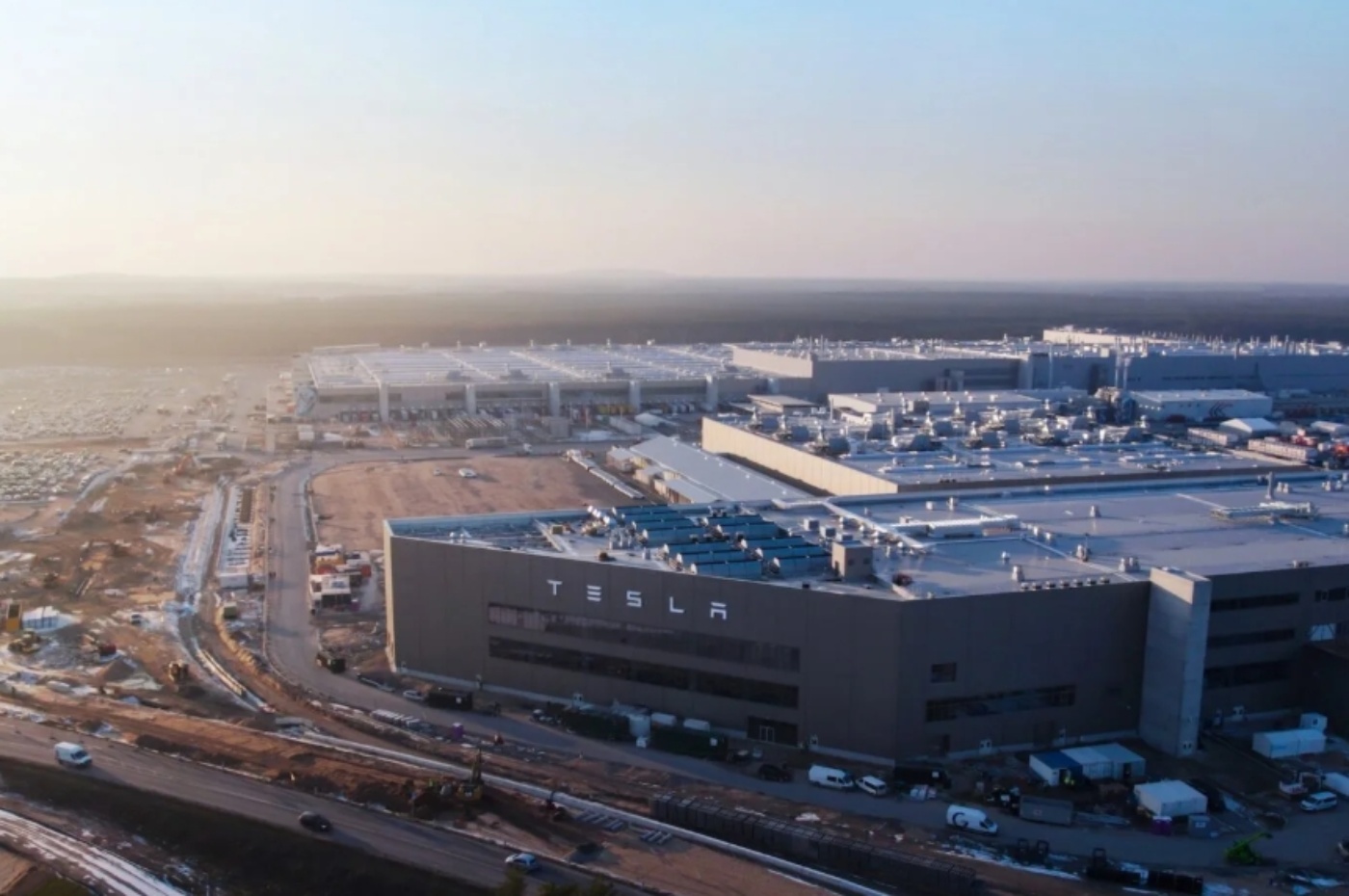
US companies Voltera and Revel are combining their charging infrastructure activities, creating a new platform for urban fast-charging networks in the US. The focus lies on electric fleets, autonomous vehicles, and ride-hailing services. According to the companies, this creates one of the largest specialized fast-charging networks for commercial applications in the United States.
The merger is expected to yield more than 1,000 fast-charging points distributed across eleven major US metropolitan areas. The infrastructure specifically targets high-utilization fleets and professional mobility providers rather than private EV drivers.
In addition to fast chargers, the new platform plans to integrate fleet management, service areas, and energy infrastructure in the future. The goal is to establish charging hubs as a central component of urban mobility and logistics systems. While Voltera already specializes in so-called "high-throughput" charging hubs for autonomous mobility services, Revel brings its experience as one of the largest fast-charging providers in New York City.