Mobility
Stellantis Drives Software Offensive Forward and Revitalizes Iconic Brands
Image: (c) Stellantis
Stellantis has announced a comprehensive technology and product offensive. At its center are the new global STLA One vehicle architecture, the expansion of strategic software partnerships with Qualcomm and Applied Intuition, and new models and brand strategies from Citroën, Alfa Romeo, and Opel. With this move, the group aims to make its vehicles more software-defined, modular, and globally scalable.
Stellantis has announced a comprehensive technology and product offensive. At its center are the new global STLA One vehicle architecture, the expansion of strategic software partnerships with Qualcomm and Applied Intuition, and new models and brand strategies from Citroën, Alfa Romeo, and Opel. With this move, the group aims to make its vehicles more software-defined, modular, and globally scalable.
STLA One: New Global Architecture for Software-Defined Vehicles
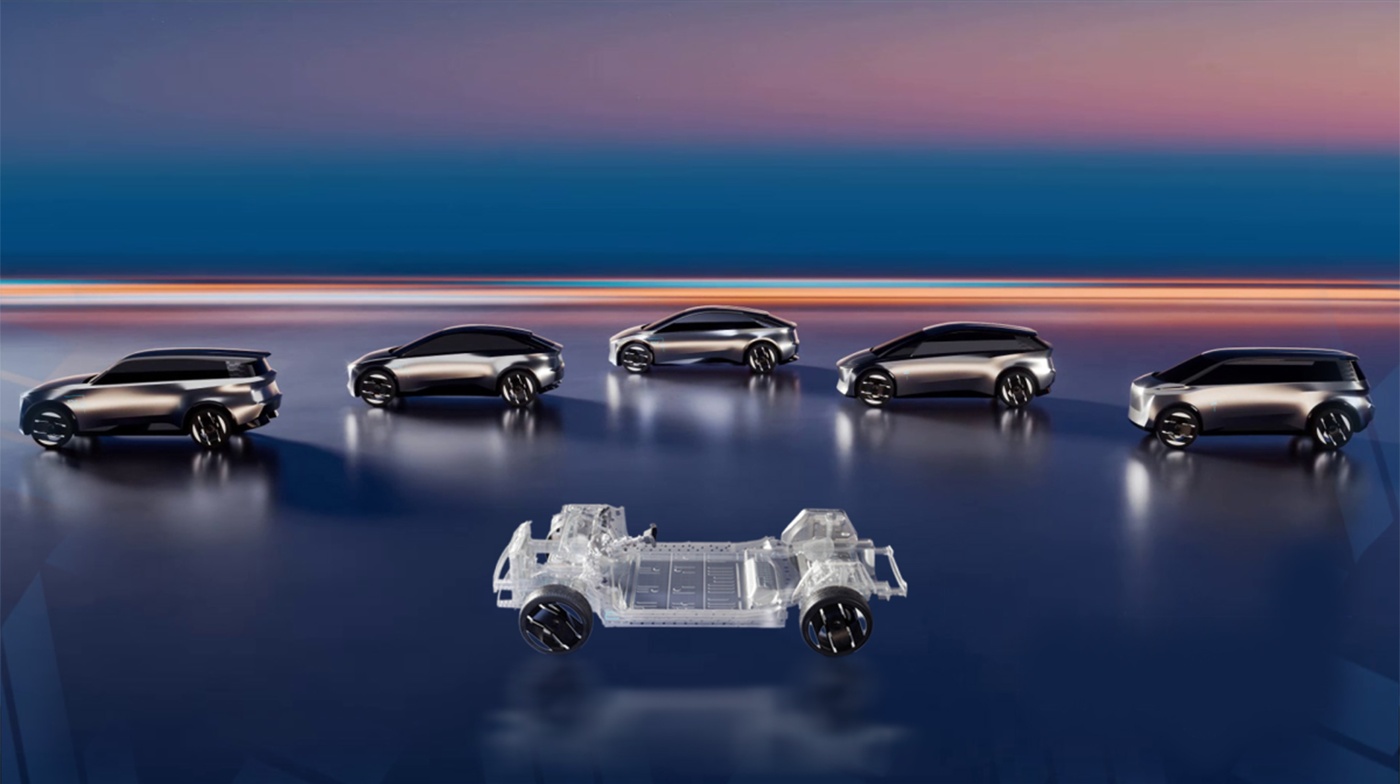
With STLA One, Stellantis has unveiled a new modular vehicle architecture that will serve as the technological foundation for numerous upcoming models across the group. The platform integrates hardware, software, artificial intelligence, and cloud services into a centralized architecture, laying the groundwork for the next generation of software-defined vehicles.
The new platform is designed to be used across multiple brands, supporting various vehicle segments, propulsion types, and markets. The objective is to shorten development times, enable over-the-air updates, and integrate new digital services into vehicles more rapidly. At the same time, Stellantis aims to reduce internal complexity and achieve economies of scale.
STLA One focuses on three core areas: the STLA Brain electronic vehicle architecture, automated driving features via STLA AutoDrive, and digital user experiences and services through STLA SmartCockpit.
Qualcomm Supplies Computing Power for Cockpits and Driver Assistance Systems
In parallel, Stellantis is significantly expanding its partnership with Qualcomm Technologies. Moving forward, Snapdragon Digital Chassis solutions will be deployed across the group's new vehicle architectures. These technologies include high-performance computers for advanced driver assistance systems (ADAS), connectivity, infotainment, and digital cockpit functions.
Among other things, the collaboration is set to build the foundation for highly automated driving functions and AI-powered user experiences. Vehicles will also benefit from more powerful processors, faster data processing, and new cloud capabilities.
Stellantis views this as a crucial step toward more connected and personalized vehicles that can continuously evolve.
Applied Intuition Supports Development of STLA Brain
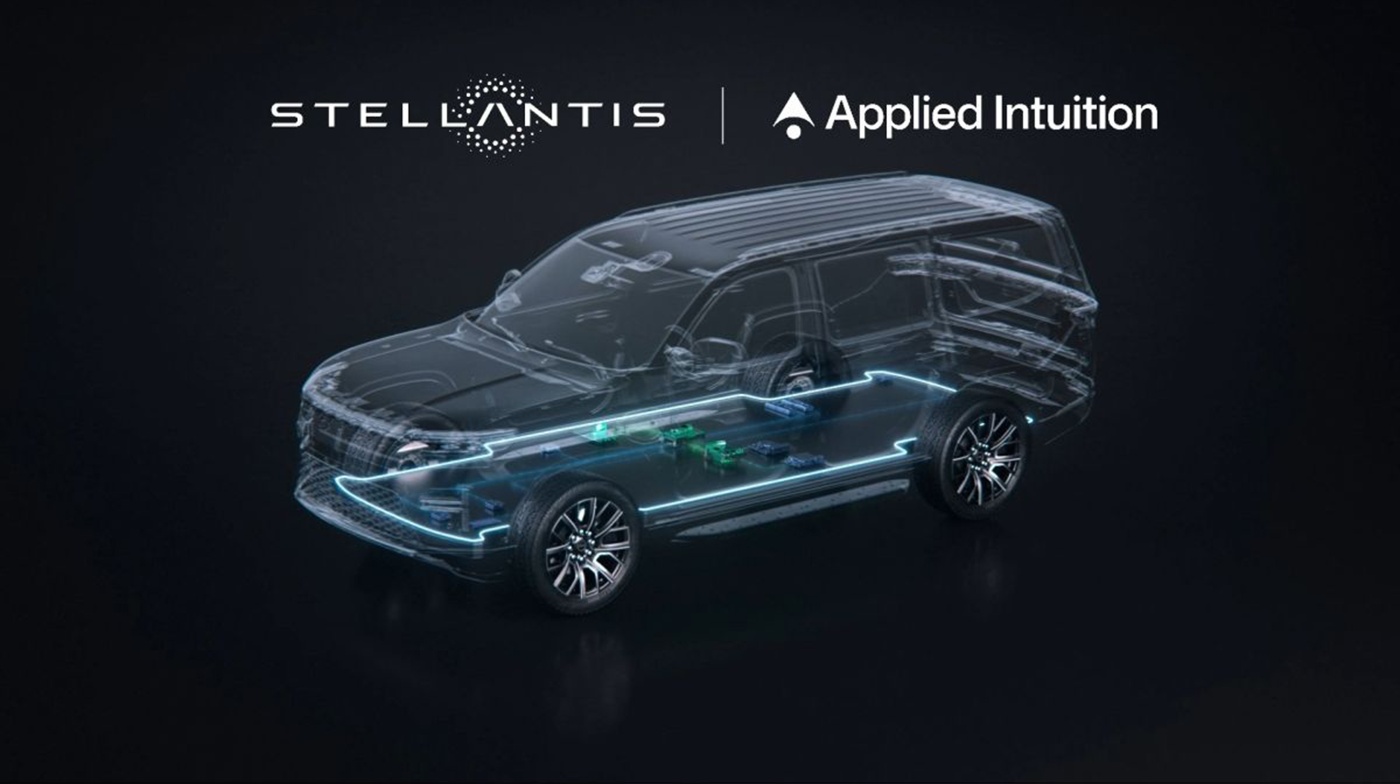
The cooperation with software company Applied Intuition is also being expanded. Together, the two companies are working on the next generation of STLA Brain—the group's centralized software architecture.
Applied Intuition primarily brings expertise in simulation, vehicle software, development tools, and automated driving functions to the table. The goal is to significantly accelerate software development and testing, bringing new features to the road much faster.
Through this, Stellantis aims to further centralize the development of software-defined vehicles while enhancing the user experience across all brands.
Wayve Partnership Aims to Enable Hands-Free Automated Driving
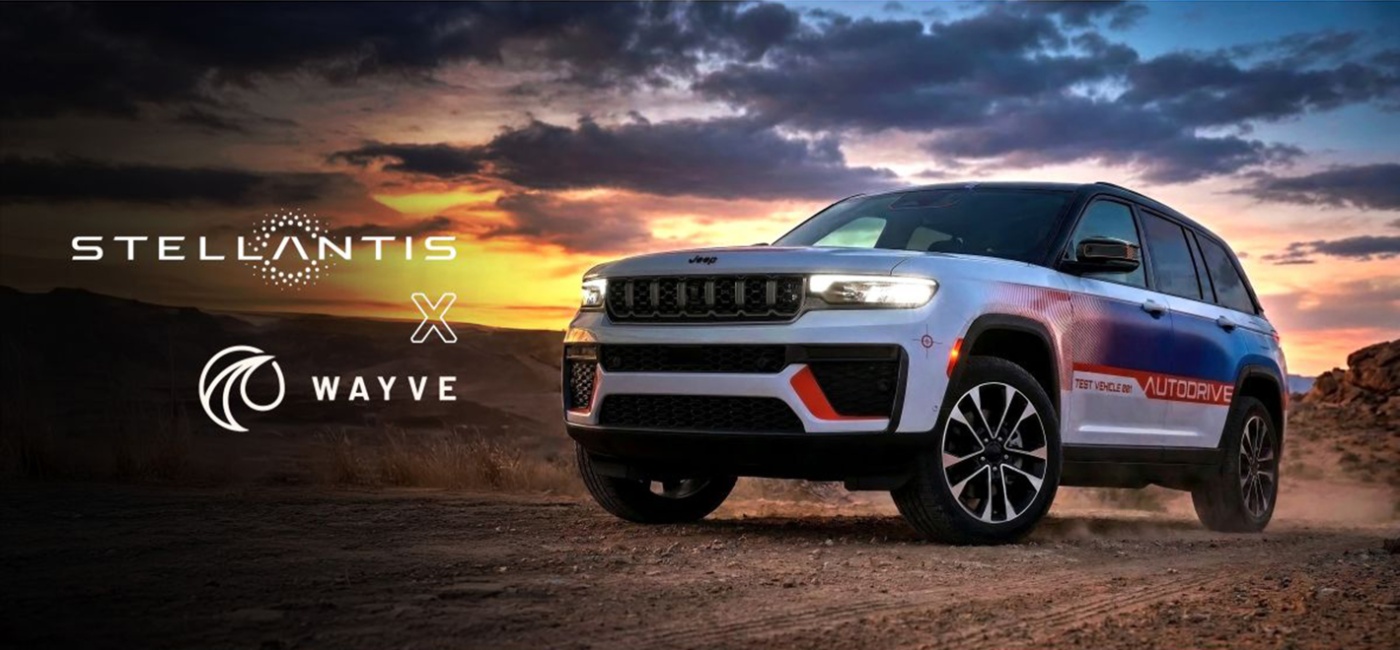
Another key element of the new Stellantis software strategy is its cooperation with British AI company Wayve. Together, the two companies intend to enable supervised, hands-free automated driving at scale. To achieve this, Wayve’s AI-based driving software will be integrated into the new STLA AutoDrive platform.
The initial phase focuses on what is known as "Level 2++" driving. This will allow vehicles to operate hands-free under driver supervision on both highways and city streets. Drivers must remain attentive and ready to take control at any time.
Unlike traditional, rule-based driver assistance systems, Wayve relies on an AI-first approach. The software learns from real-world traffic situations and is designed to adapt flexibly to different vehicle types, markets, and traffic environments. Stellantis considers this a major step toward more intuitive and natural driving experiences.
The first production vehicles featuring this new technology are scheduled to launch in North America starting in 2028. Looking ahead, STLA AutoDrive aims to support higher levels of automation in partnership with Wayve.
Citroën Revives the Legendary 2CV
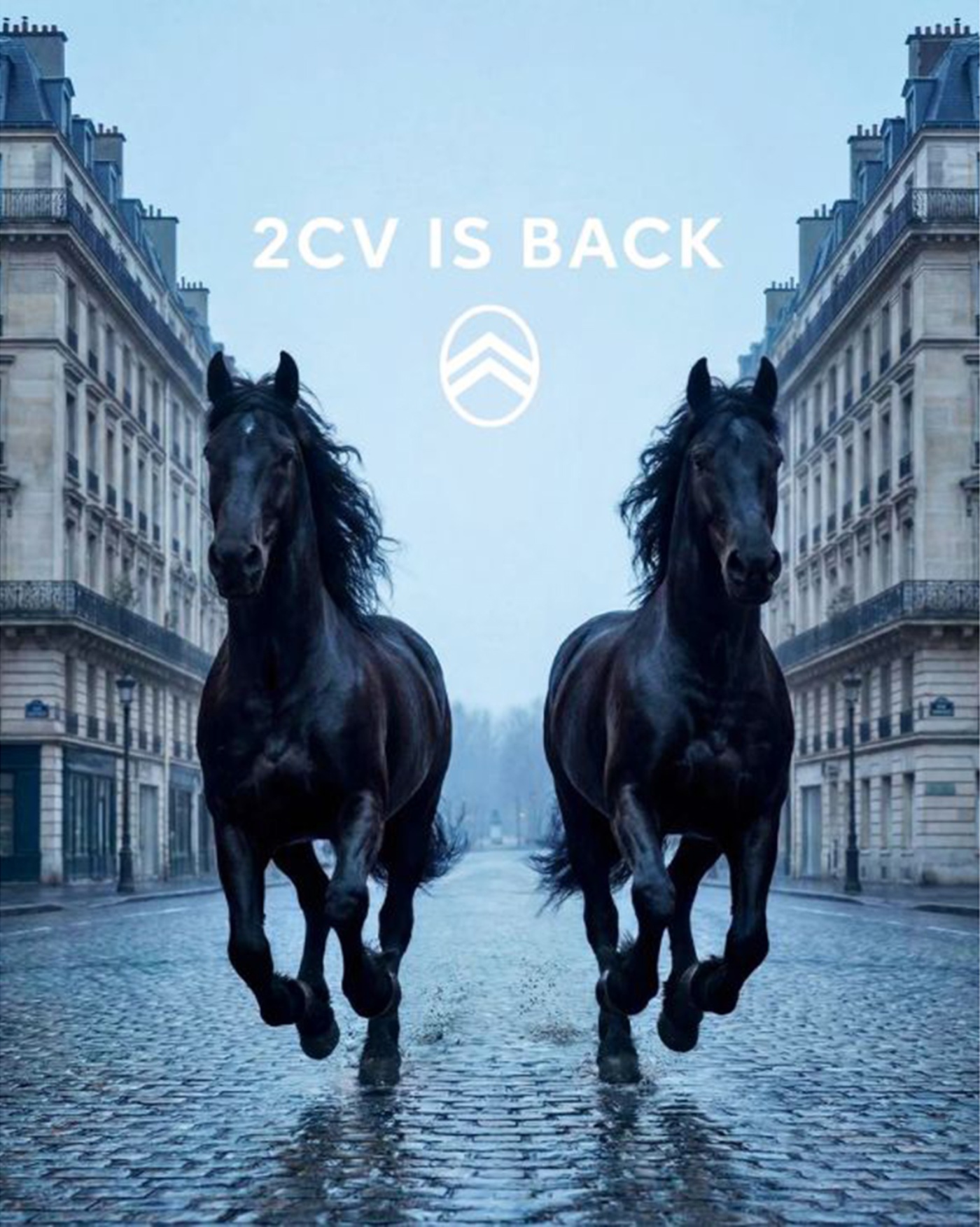
Alongside its technology push, Stellantis brand Citroën has announced plans to reinterpret the 2CV. The iconic "Duck" is set to return as a modern electric vehicle while retaining the original's core values of simplicity, affordability, and everyday practicality. The design will incorporate iconic elements of the historic 2CV while integrating modern technologies.
Alfa Romeo has also specified its future strategy, planning to forge ahead with its electrification plans while preserving the brand's sporty character. Future models will combine modern technology with classic Alfa DNA.
First Images of the Lancia Gamma
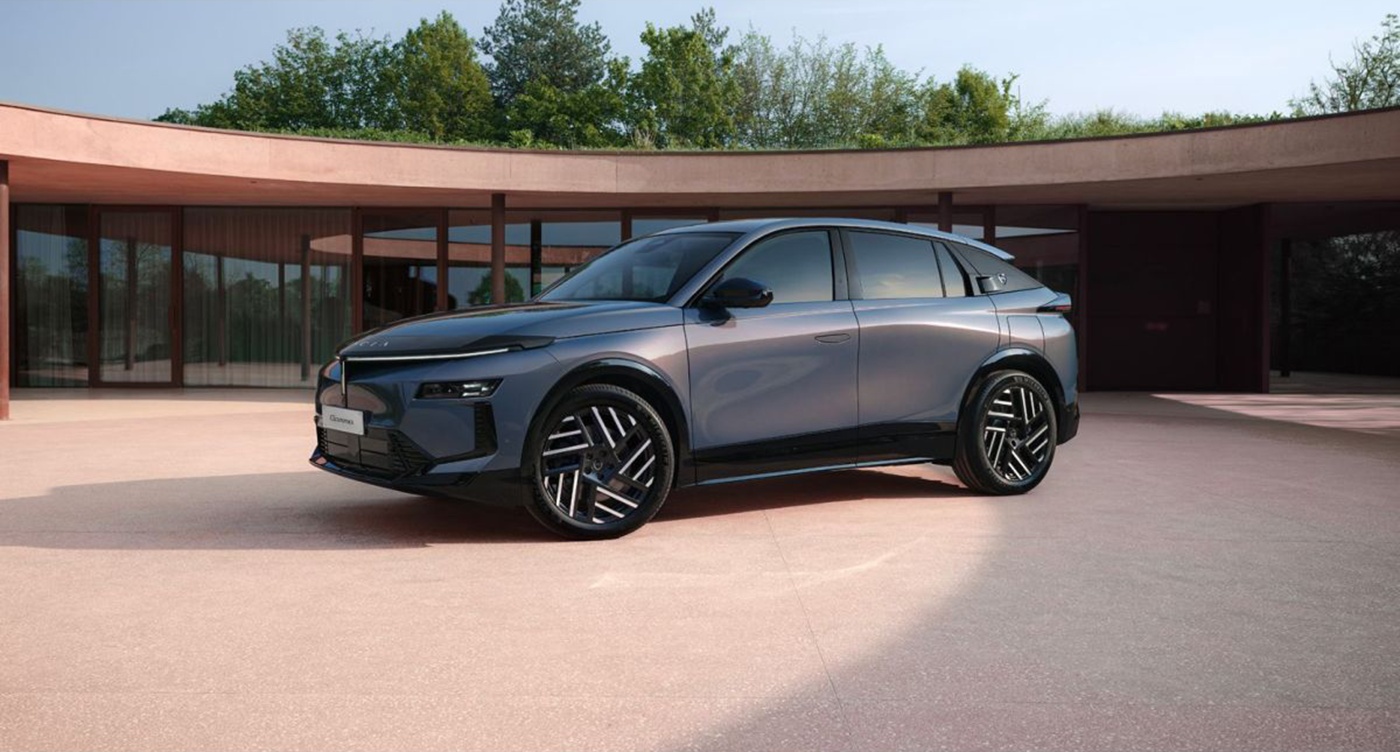
The return of the Lancia Gamma carries a particularly strong emotional charge within the Stellantis offensive. With this new model, the historic Italian brand aims to re-enter the European premium D-segment starting in 2026. The first official images already showcase the model's new design language.
The Gamma will be offered with both hybrid and fully electric powertrains. According to media reports, Lancia is planning several EV variants with power outputs ranging from 170 kW to 276 kW. Depending on the battery size, the range is expected to reach up to 740 kilometers. A high-performance all-wheel-drive version is also considered a certainty.
The New Opel Astra with Four Powertrain Options
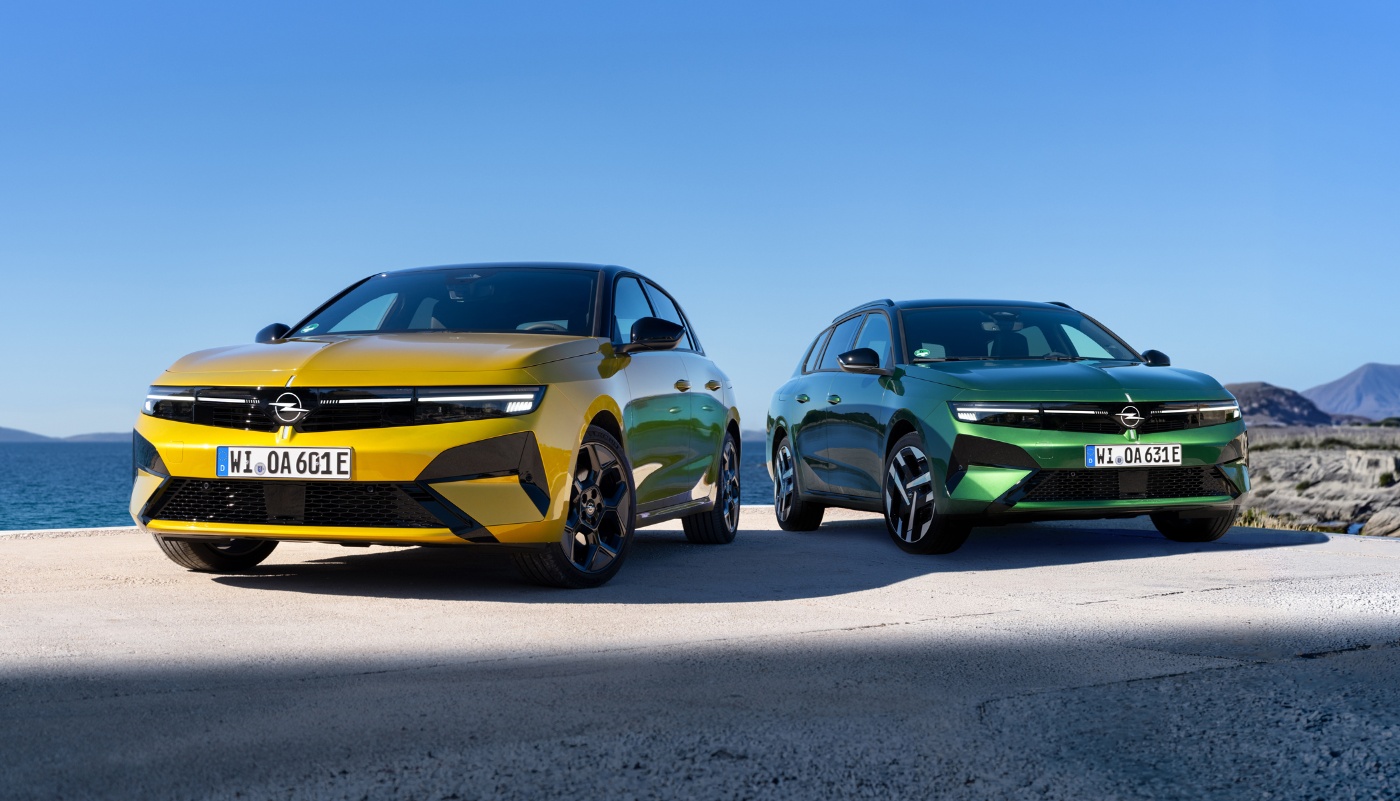
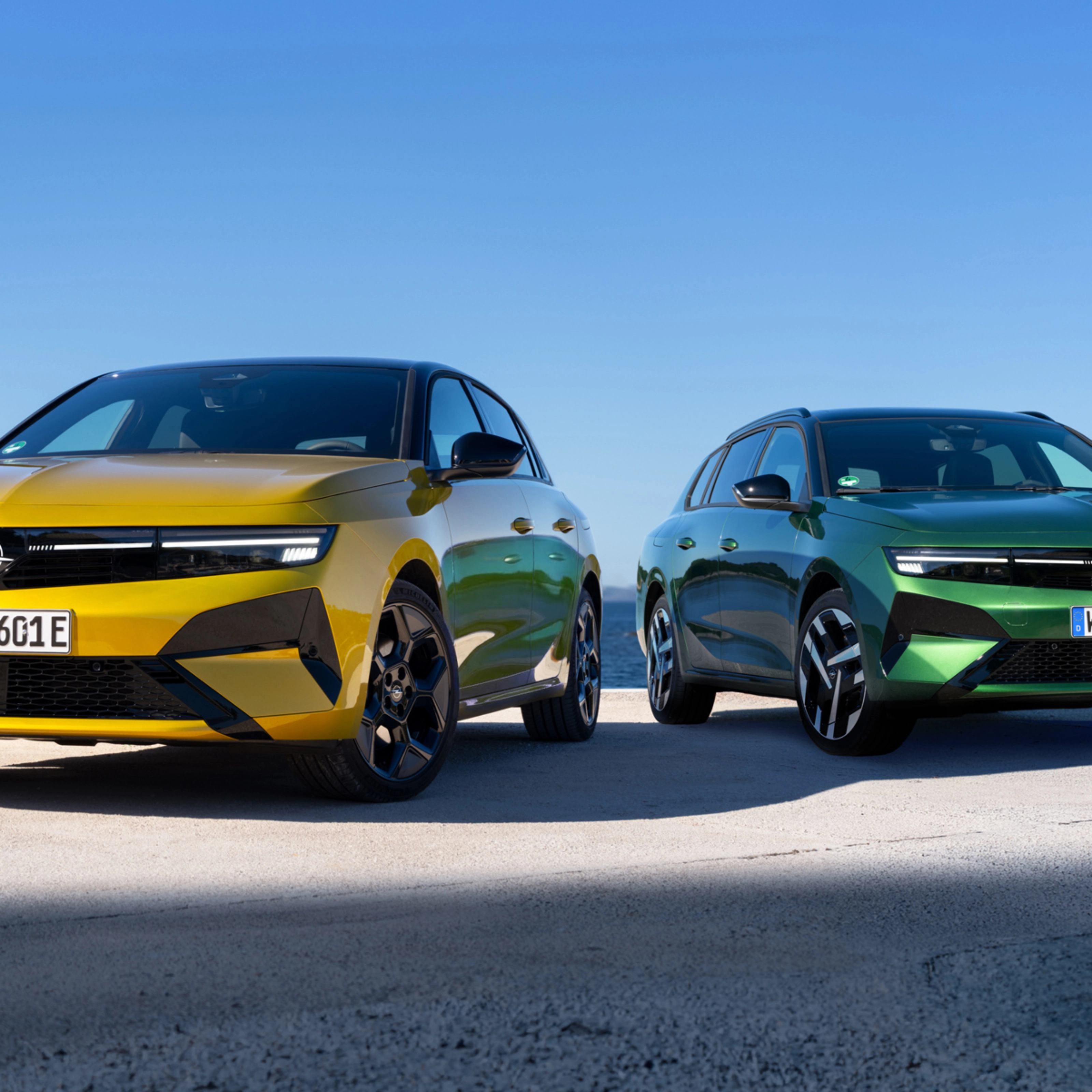
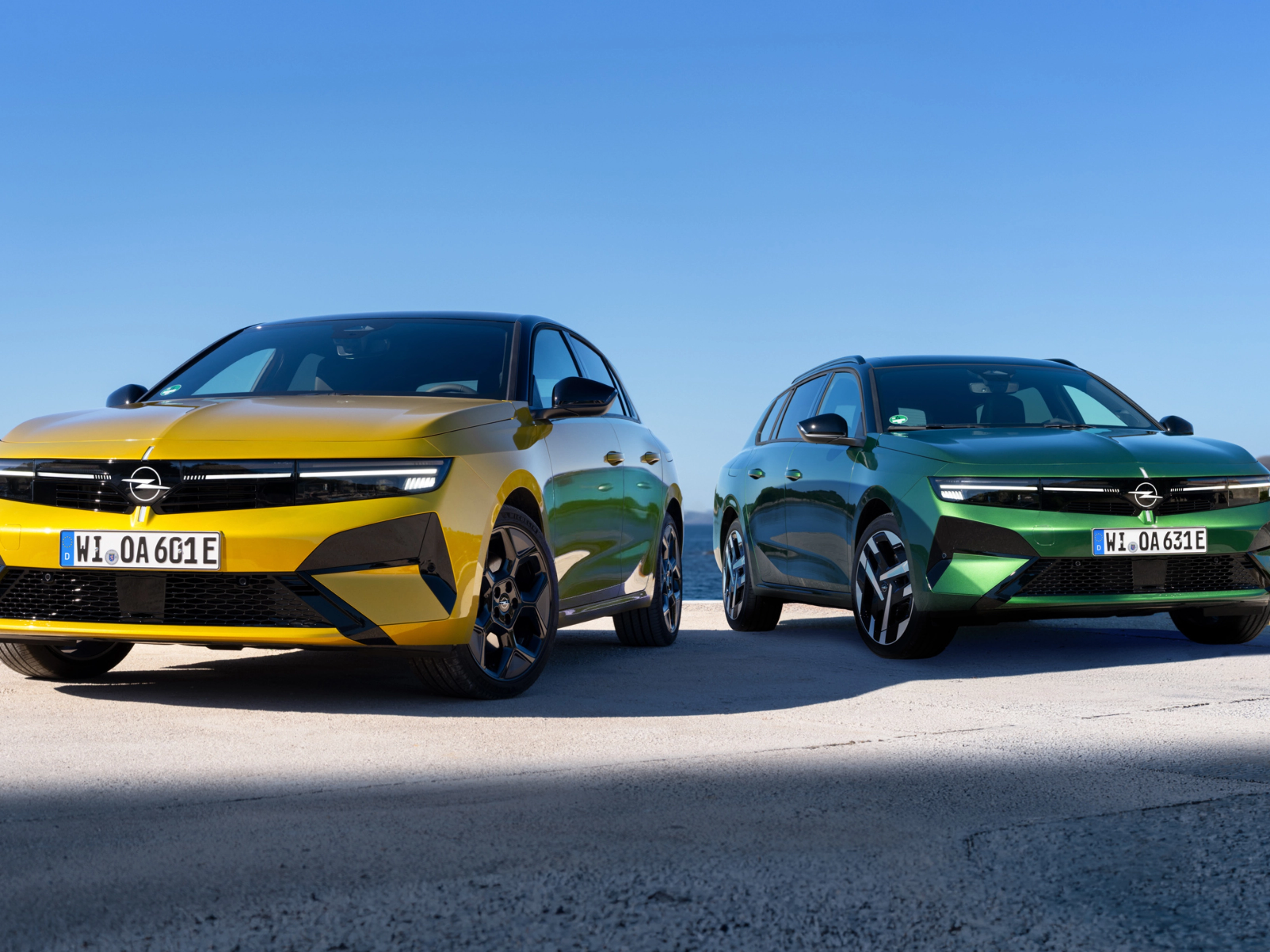
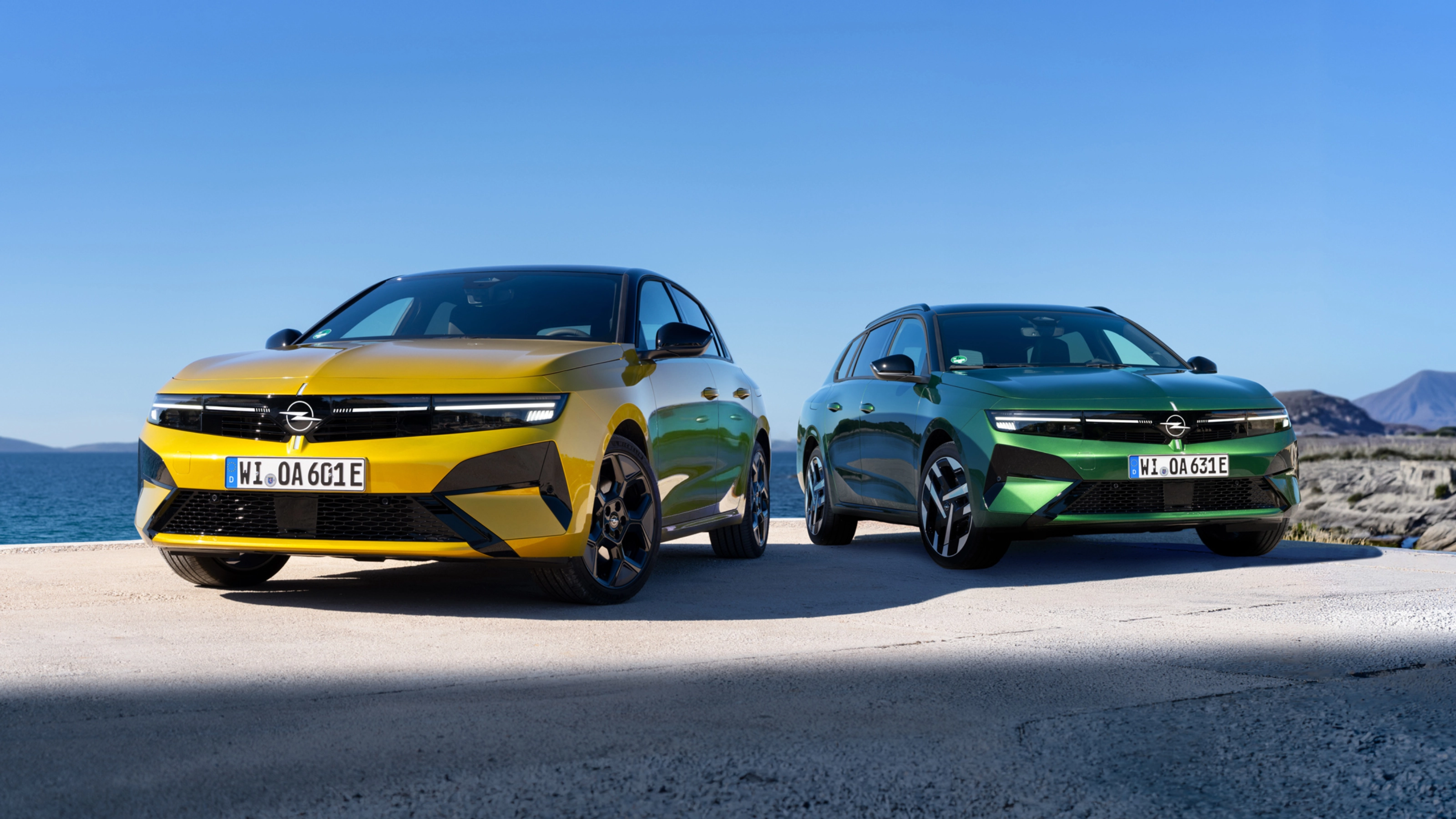
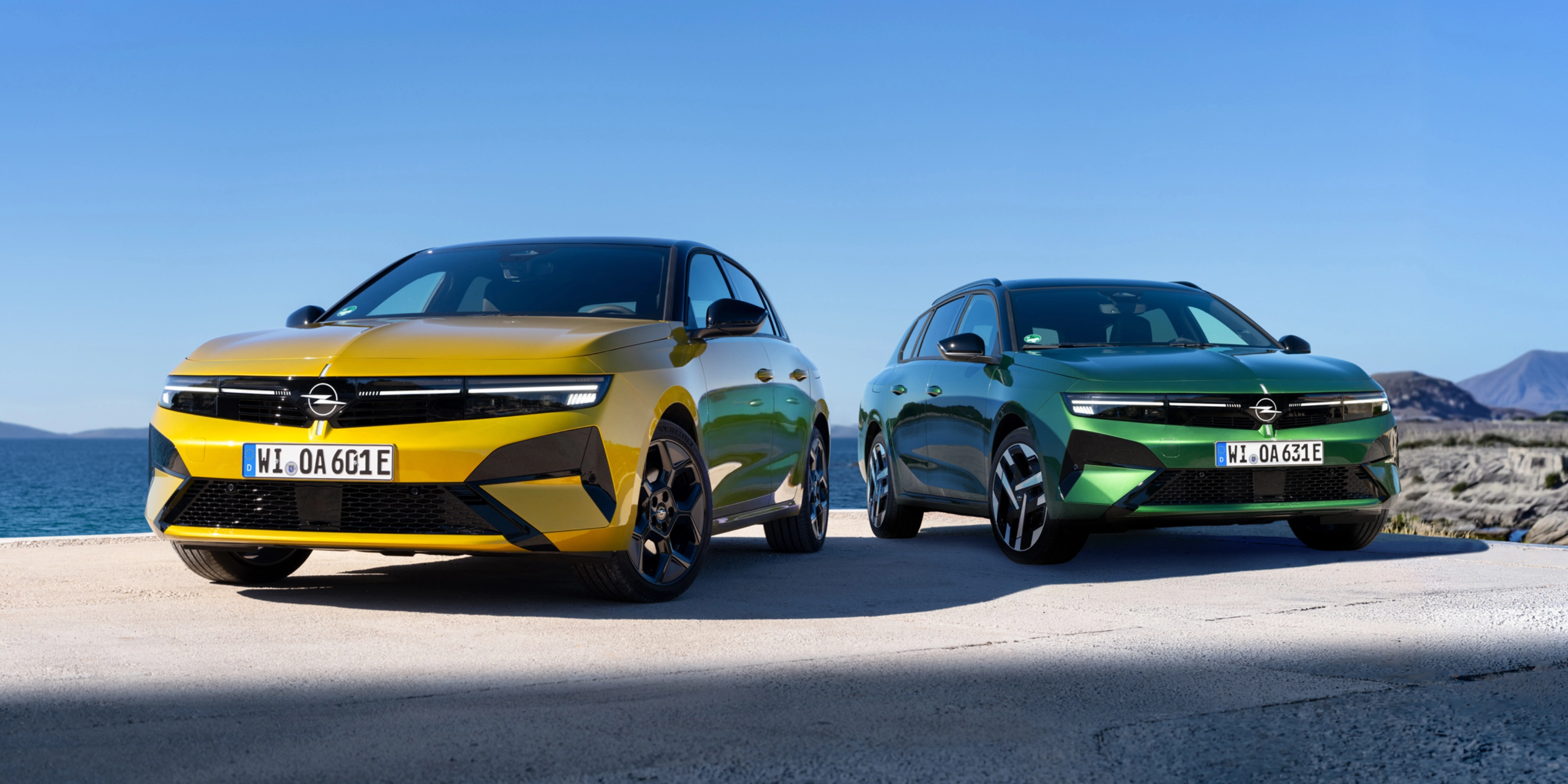
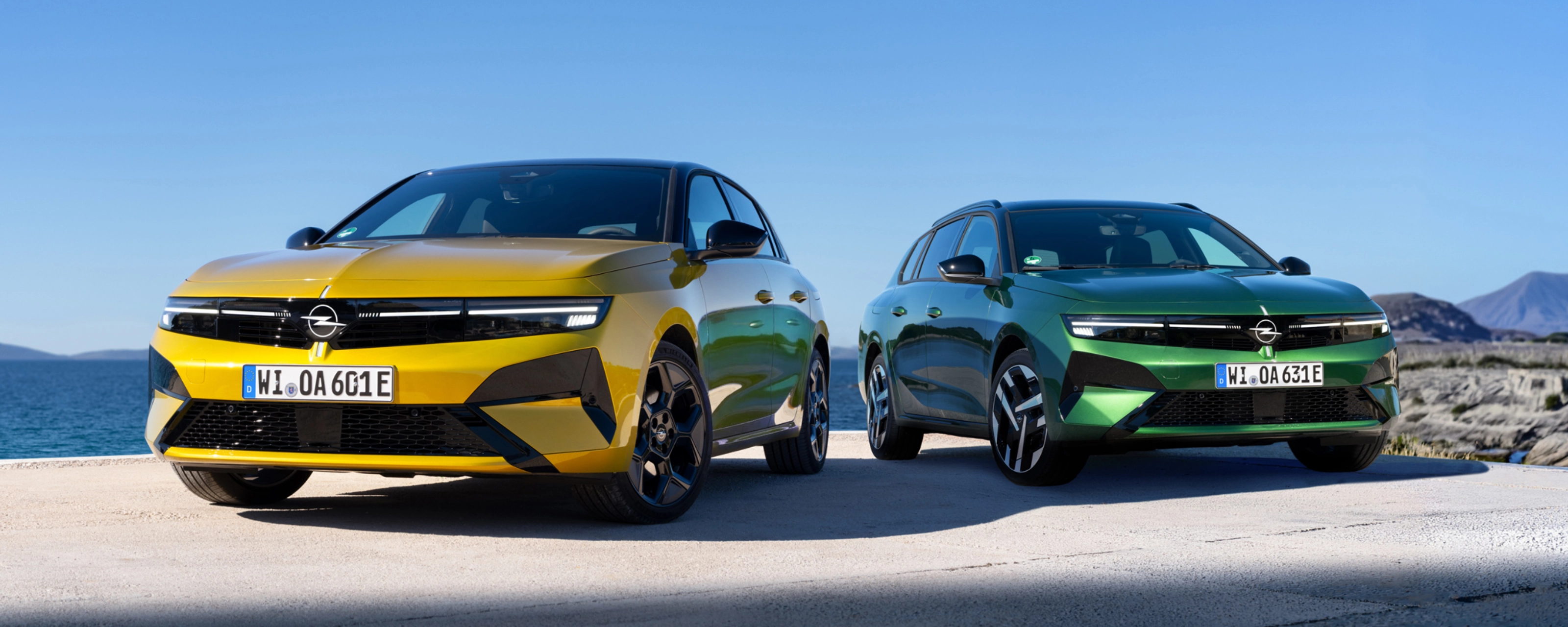
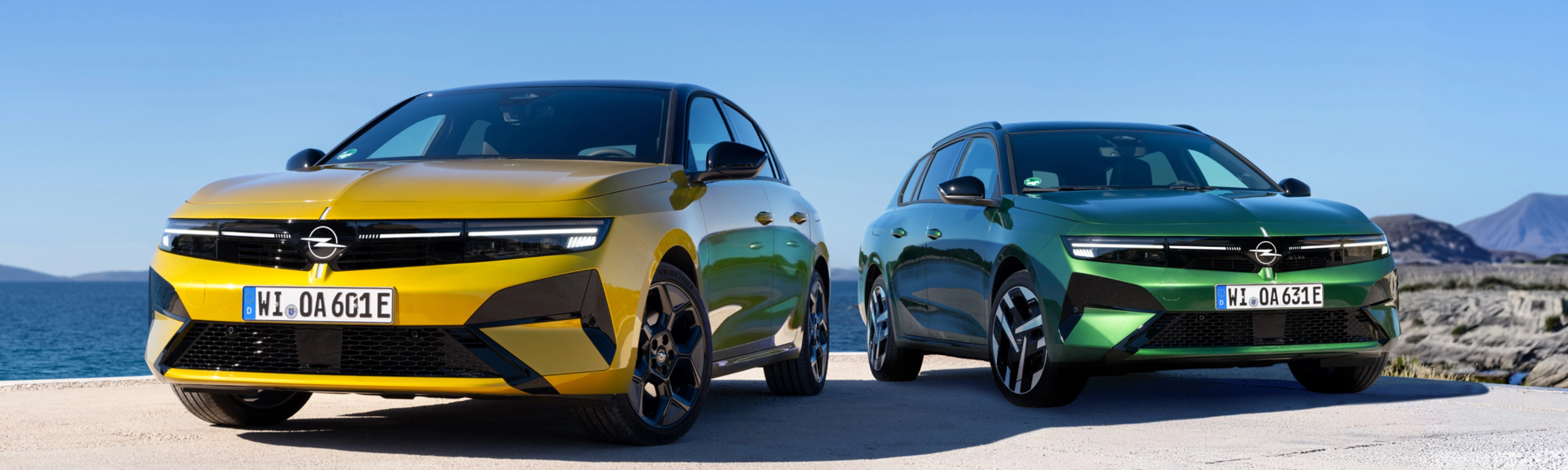
Meanwhile, Stellantis brand Opel is taking a deliberately tech-neutral approach with the new Astra. The compact model will be offered concurrently as a battery-electric Astra Electric, a plug-in hybrid, a hybrid, and with an efficient diesel engine.
The Astra Electric will serve as the fully electric spearhead of the lineup, offering ranges of up to 454 kilometers. In parallel, the plug-in hybrid has undergone comprehensive updates. This next generation features a more powerful electric drive system, a larger battery, and a new seven-speed dual-clutch transmission. Opel also remains committed to offering efficient hybrid and diesel variants.
The Astra has also received significant technological upgrades. Highlights include the high-resolution Intelli-Lux HD light system featuring more than 50,000 LED elements, new advanced driver assistance systems, and a modernized digital cockpit with intuitive controls.