








IAA MOBILITY Weekly
The mobility highlights of week 21/2026
Mercedes-AMG, Skoda, Stellantis, Volkswagen, Ford, Xpeng, Xiaomi
- IAA MOBILITY Weekly
- 21/2026

Mercedes-AMG Unveils Fully Electric GT 4-Door Coupe with Up to 1,169 PS, Škoda Celebrates World Premiere of the Škoda Epiq Stellantis drives electromobility, AI, and global partnerships; Volkswagen introduces its first all-electric GTI; Ford announces a major product offensive in Europe; XPENG kicks off mass production of its first robotaxis; and Xiaomi builds its own battery and electric motor manufacturing facilities—here is our top news for week 21 of 2026.
Mercedes-AMG Unveils Fully Electric GT 4-Door Coupe with Up to 1,169 PS, Škoda Celebrates World Premiere of the Škoda Epiq Stellantis drives electromobility, AI, and global partnerships; Volkswagen introduces its first all-electric GTI; Ford announces a major product offensive in Europe; XPENG kicks off mass production of its first robotaxis; and Xiaomi builds its own battery and electric motor manufacturing facilities—here is our top news for week 21 of 2026.
- 1. Mercedes-AMG Unveils Fully Electric GT 4-Door Coupe with Up to 1,169 PS
- 2. Škoda Celebrates World Premiere of the Škoda Epiq
- 3. Stellantis Drives Electromobility, AI, and Global Partnerships
- 4. Volkswagen Unveils First All-Electric GTI
- 5. Ford Announces Major Product Offensive in Europe
- 6. XPENG Kicks Off Mass Production of Its First Robotaxis
- 7. Xiaomi Builds Own Battery and Electric Motor Manufacturing Facilities
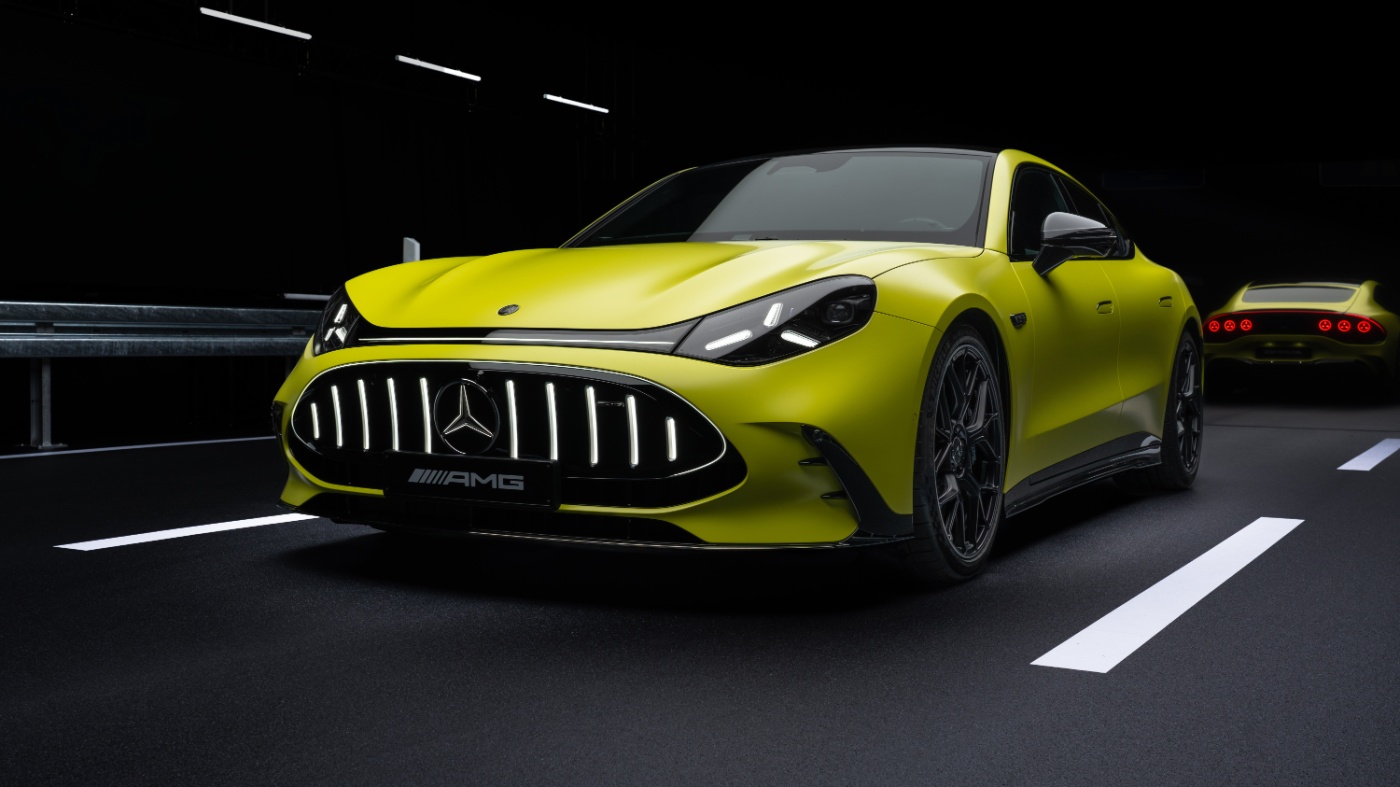
Mercedes-AMG has unveiled the new all-electric Mercedes-AMG GT 4-Door Coupé. The model utilizes three axial-flux motors, producing between 600 kW (816 PS) and 860 kW (1,169 PS) depending on the variant. According to Mercedes-AMG, the technology developed by YASA even opens up the long-term prospect of power outputs exceeding 1,000 kW.
The newly developed high-voltage battery with directly cooled cylindrical cells is designed to provide high power stability and enable ranges well over 700 kilometers (approx. 435 miles) in the future. At the same time, Mercedes-AMG is setting new standards in charging performance: thanks to an 800-volt architecture, charging capacities of over 600 kW are possible. Up to 460 kilometers of range can reportedly be added in just ten minutes, and the manufacturer states that charging from 10 to 80 percent takes only about eleven minutes. Five global fast-charging standards are supported, including CCS, NACS, and GB/T.
Inside, the new MB.OS operating system with AI integration makes its debut. The MBUX system utilizes ChatGPT, Microsoft Bing, and Google Gemini for intelligent voice control functions. The driver and front passenger each have their own 14-inch displays. The system is complemented by AMG-specific applications like "Track Pace" or the "AMG Performance Menu" for real-time analysis of energy flows, temperatures, and driving data.
Serial production kicks off in summer 2026 at the Mercedes-Benz plant in Sindelfingen. The axial-flux motors will be manufactured in Berlin-Marienfelde, where Mercedes-Benz employs over 100 production processes—including numerous world firsts.
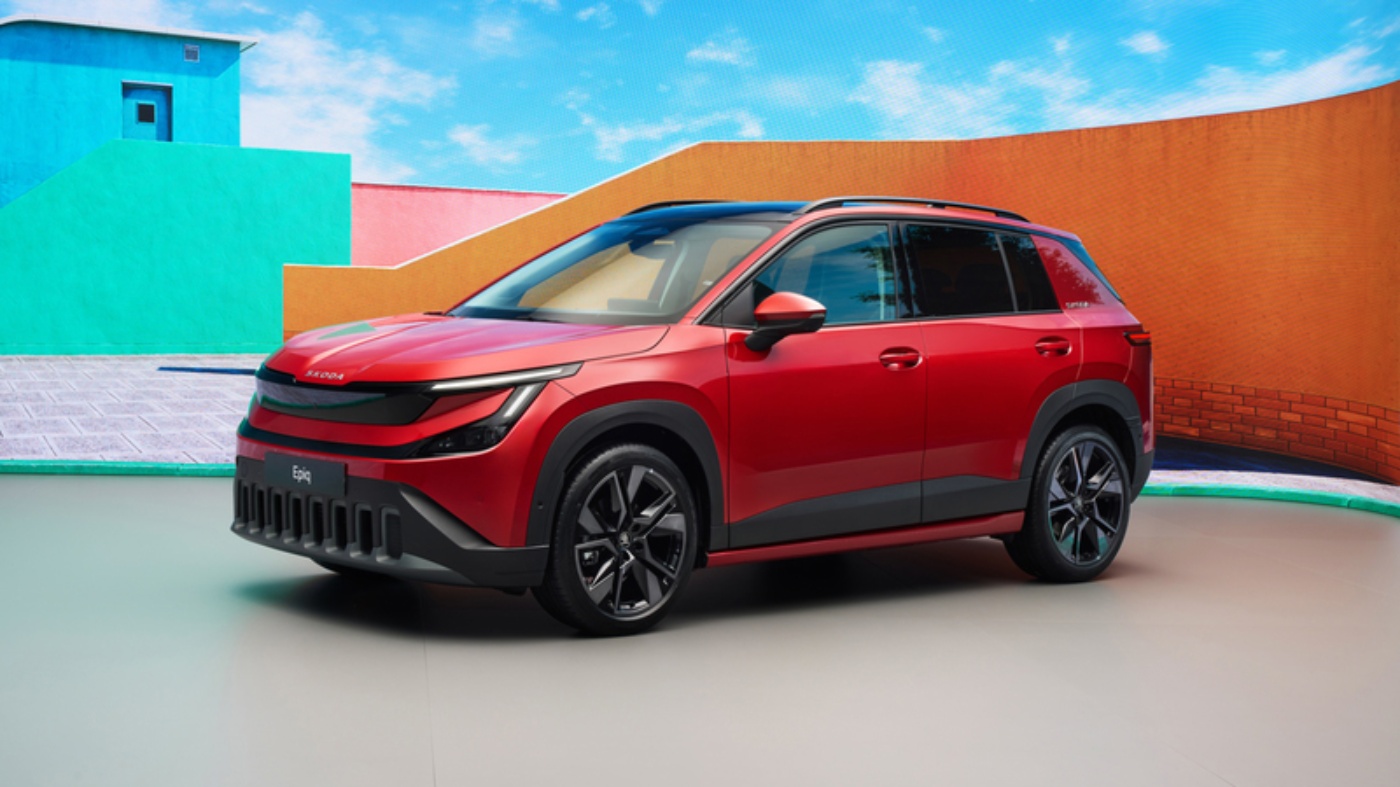
With the new Škoda Epiq, Škoda has introduced its most affordable electric vehicle to date. For the first time at Škoda, the compact EV is based on the new front-wheel-drive MEB+ platform and fully implements the brand's new "Modern Solid" design language. Depending on the variant, a range of up to 440 kilometers (approx. 273 miles) is possible, with DC fast charging taking around 24 minutes to go from 10 to 80 percent.
Despite its compact dimensions, Škoda states that the Epiq offers high everyday practicality, featuring a 475-liter cargo capacity, an additional frunk, and numerous storage compartments. The interior exclusively utilizes animal-free and recycled materials.
The Epiq will be offered with two battery sizes and three power levels: The Epiq 35 and Epiq 40 variants produce 85 kW and 99 kW respectively, achieving a range of up to 310 kilometers (approx. 192 miles). The top-tier Epiq 55 model combines 155 kW (211 hp) with a 55 kWh battery and up to 440 kilometers of range. As standard, the model supports 11 kW AC charging as well as bidirectional charging, including Vehicle-to-Load, Vehicle-to-Home, and Vehicle-to-Grid capabilities.
Furthermore, the Epiq features full one-pedal driving for the first time in a Škoda. Standard driver assistance systems include Front Assist, Side Assist, Lane Assist, and traffic sign recognition. Connectivity is powered by an Android-based infotainment system with a 13-inch display and the MyŠkoda app. The market launch is scheduled for September 2026.

Stellantis continues to push forward with its transformation in electromobility, artificial intelligence, and international partnerships. The main highlights include a new affordable electric car project, AI-powered manufacturing technologies, digital sales solutions, and the expansion of global collaborations.
For instance, Stellantis is planning a new compact EV project designed to bring affordable, compact electric vehicles to the European market. Production is slated to begin in 2028 at the Pomigliano plant in Italy.
At the same time, the automotive group is teaming up with Accenture and NVIDIA to scale up AI-driven manufacturing solutions based on digital twins and real-time data. Utilizing the NVIDIA Omniverse platform, virtual factory environments will be created to streamline production processes, detect errors early on, and optimize plants using a data-driven approach. The first pilot projects are scheduled to roll out in North America starting in 2026.
Stellantis is also leaning heavily into generative AI for its digital sales. According to the company, the AI-powered search feature "Spot i" on its used car platform, Spoticar, has already been used more than three million times. The technology allows users to search using natural language inputs instead of traditional search filters, aiming to deliver highly personalized vehicle recommendations.
Furthermore, Stellantis is expanding its cooperation with Dongfeng in China. Starting in 2027, new electrified models for the Peugeot and Jeep brands will be produced at the Wuhan plant. Concurrently, Leapmotor International is teaming up with the Grimaldi Group to expand its European logistics network for electric vehicles, accelerating the brand's expansion across Europe.
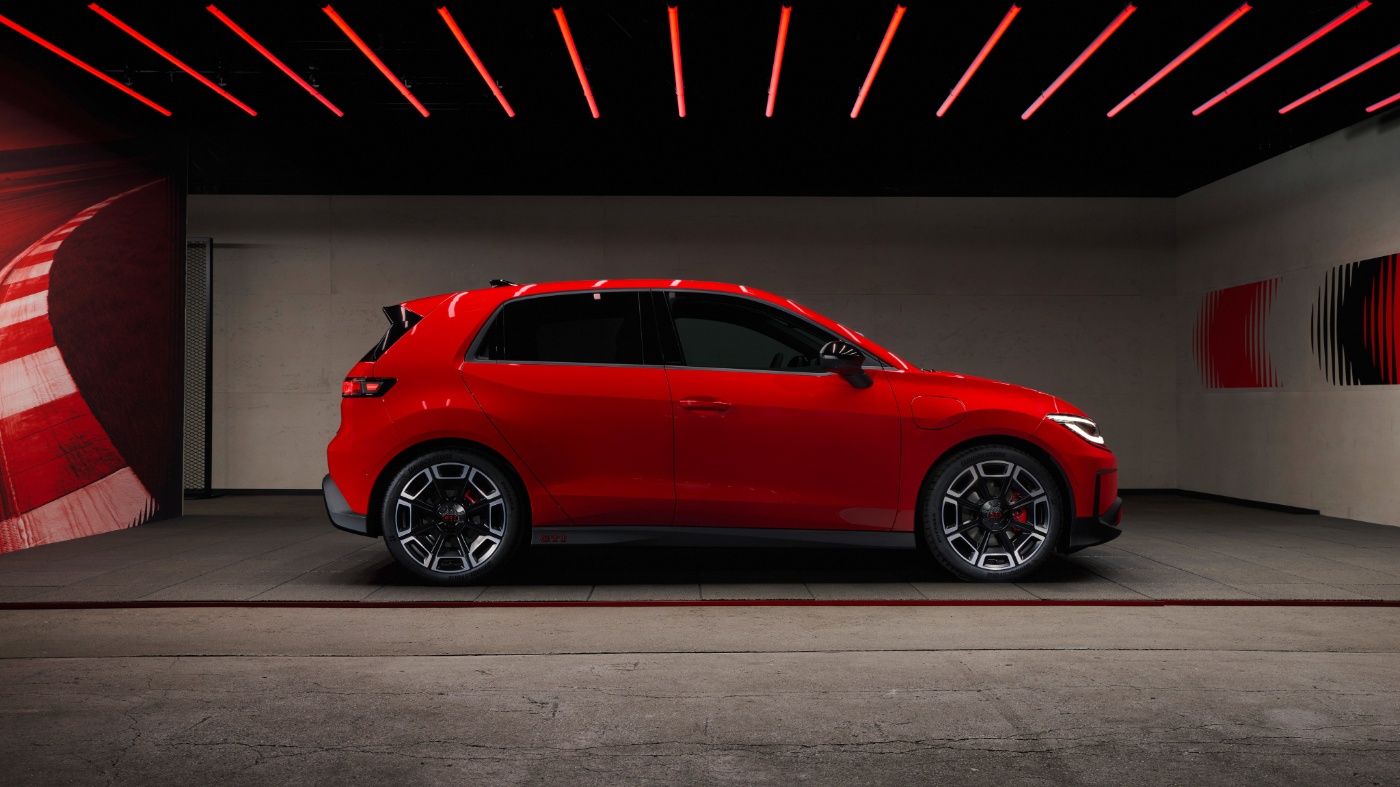
Volkswagen has revealed its first-ever all-electric GTI with the new Volkswagen ID. Polo GTI. The world premiere of the electric hot hatch took place during the 24 Hours of Nürburgring race—perfectly timed to celebrate the 50th anniversary of the brand's iconic GTI.
The ID. Polo GTI stays true to the classic, front-wheel-drive GTI concept. An electric motor on the front axle delivers 166 kW (226 hp) and 290 Nm of torque. The model sprints from 0 to 100 km/h (0 to 62 mph) in 6.8 seconds, with a top speed of 175 km/h (109 mph). Its 52 kWh NMC battery is expected to offer a range of up to 424 kilometers (263 miles). It supports DC fast charging at up to 105 kW, allowing the battery to charge from 10 to 80 percent in about 24 minutes.
Standard features include an adaptive sport suspension, an electronic front differential lock, and a special GTI driving mode. Visually, the electric GTI pays deliberate homage to classic GTI models, featuring the signature red trim strip, a honeycomb grille design, 19-inch wheels, and sports seats with a modern twist on the iconic plaid pattern.
Technically, the ID. Polo GTI is built on the new MEB+ architecture, which opens up more interior space. Trunk capacity expands to 441 liters (15.6 cubic feet), or up to 1,240 liters (43.8 cubic feet) with the rear seats folded down. Inside the cockpit, Volkswagen pairs a 10.25-inch digital display with a 12.9-inch infotainment system while placing a stronger emphasis back on physical controls. The market launch is slated for fall 2026.

Ford is planning a comprehensive model and technology offensive in Europe. By 2029, the manufacturer aims to introduce seven new vehicles, focusing heavily on electric cars, hybrid models, and connected vehicle technologies.
A core focus lies on expanding the digital services offered by Ford Pro. Moving forward, its "Uptime Services" will also be available to small businesses. By leveraging connected vehicle data and predictive analytics, the system is designed to catch issues early on before they cause costly downtime. Ford notes that this can cut repair times by up to 50 percent, while proactivity helps flag up to 80 percent of service center visits before they even happen.
Additionally, Ford Pro is adding two new models to its commercial vehicle lineup: the rugged Ford Ranger Super Duty—built for demanding jobs in emergency services, mining, or forestry—and the all-electric Ford Transit City, which was developed specifically for urban fleets.
Ford also plans to roll out five new passenger car models by the end of 2029, all engineered and manufactured in Europe. These will include a compact SUV from the Valencia plant, a compact EV, a small electric SUV, and two additional crossover models.
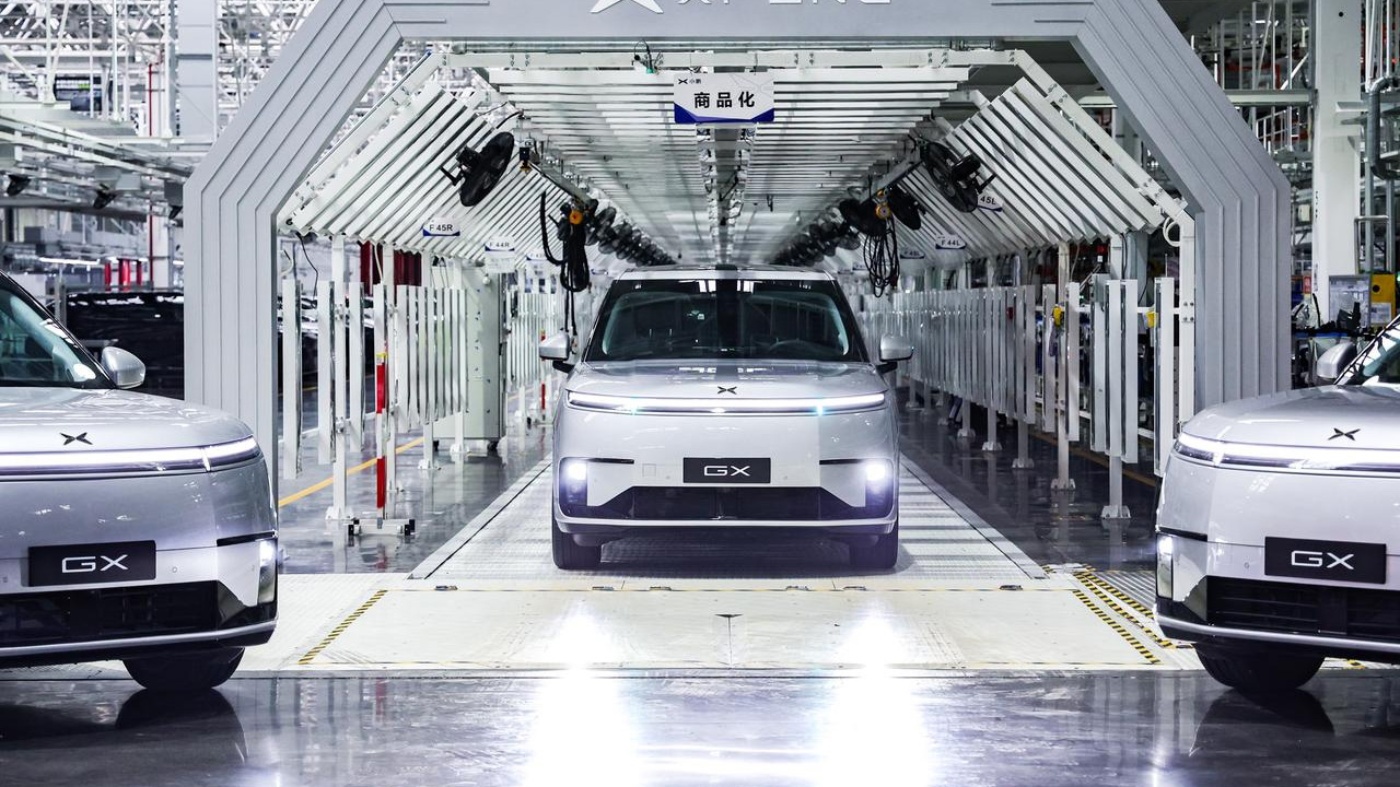
In Guangzhou, XPENG has started mass production of its first vehicle engineered from the ground up for robotaxi services. The robotaxi is based on the company's flagship six-seater SUV, the GX. According to XPENG, it represents the first mass-produced robotaxi model in China featuring entirely in-house hardware and software development.
The vehicles are designed for Level 4 autonomous driving, powered by four proprietary "Turing" AI chips and XPENG’s new VLA-2.0 model. Initial pilot operations are set to launch in the second half of 2026, with fully driverless robotaxi services planned for 2027. XPENG has already been permitted to test autonomous vehicles on public roads in Guangzhou since January.
To accelerate commercialization, XPENG has also established a dedicated robotaxi business unit that consolidates development, product definition, and operations. At the same time, the mobility platform Amap was introduced as the first global ecosystem partner for the Robotaxi SDK. The Alibaba-owned platform will help integrate autonomous services into existing ride-hailing offerings.
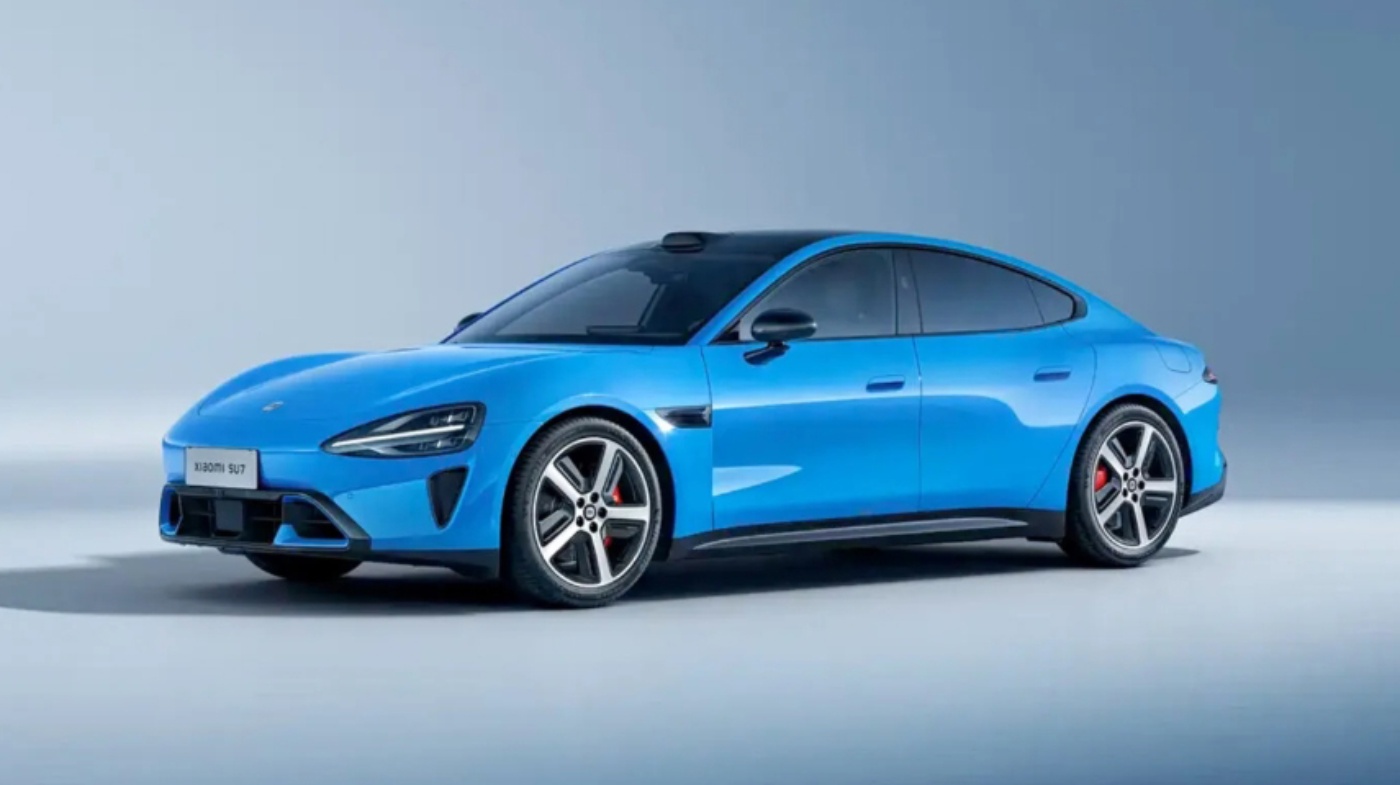
Xiaomi is further expanding its footprint in the electromobility sector by establishing a new subsidiary, "Beijing Xiaomi Jingxu Technology," dedicated to developing and manufacturing core EV components. Moving forward, the facility will produce batteries, electric motors, and electronic control systems.
Until now, Xiaomi has collaborated closely with CATL and BYD on battery technology. This partnership yielded a CTP3.0 battery pack with CATL, while LFP battery solutions were developed alongside BYD Fudi. On the powertrain front, Xiaomi has already relied on its own engineering, as seen in its "HyperEngine V8s" and "V6s" electric motors.
According to Chinese media reports, a battery plant with a planned annual capacity of 15 GWh is set to go online before the end of the year. The factory is being built as part of a joint venture between CATL, BAIC, Jingneng, and Xiaomi Auto.