








IAA MOBILITY Weekly
Mobility Highlights of the Week 17, 2026
CAM Innovation Rankings, Volkswagen Group, Mercedes-Benz, smart, CATL, Porsche, Kia, and Vertical Aerospace
- IAA MOBILITY Weekly
- 17/2026

The Center of Automotive Management has named the world's most innovative automotive groups, the Volkswagen Group has unveiled four world premieres ahead of Auto China, and Mercedes-Benz has debuted its first-ever all-electric C-Class. Additionally, smart presented its Concept #2, CATL showcased six key innovations at its “Super Technology Day,” and Porsche introduced the 911 GT3 S/C, its first-ever GT3 convertible. Finally, Kia gave the public its first look at the Kia Vision Meta Turismo study, and air taxi provider Vertical Aerospace achieved a historic transition flight. These are our top stories for Week 17 of 2026.
The Center of Automotive Management has named the world's most innovative automotive groups, the Volkswagen Group has unveiled four world premieres ahead of Auto China, and Mercedes-Benz has debuted its first-ever all-electric C-Class. Additionally, smart presented its Concept #2, CATL showcased six key innovations at its “Super Technology Day,” and Porsche introduced the 911 GT3 S/C, its first-ever GT3 convertible. Finally, Kia gave the public its first look at the Kia Vision Meta Turismo study, and air taxi provider Vertical Aerospace achieved a historic transition flight. These are our top stories for Week 17 of 2026.
- 1. CAM Ranking: BYD, Volkswagen Group, and Mercedes-Benz Named Most Innovative Automotive Groups
- 2. Volkswagen Group Presents Four World Premieres Ahead of Auto China
- 3. World Premiere of the New All-Electric Mercedes-Benz C-Class: Up to 473 Miles of Range
- 4. smart Unveils Concept #2
- 5. CATL Showcases Six Key Innovations at "Super Technology Day"
- 6. Porsche Introduces the 911 GT3 S/C: The First-Ever GT3 Convertible
- 7. Kia Unveils Vision Meta Turismo Concept to the Public
- 8. Breakthrough for Air Taxis: Vertical Aerospace Achieves Historic Transition Flight
- 9. World Premiere of the Long-Wheelbase BMW iX3 and BMW i3, Plus the New BMW 7 Series Sedan
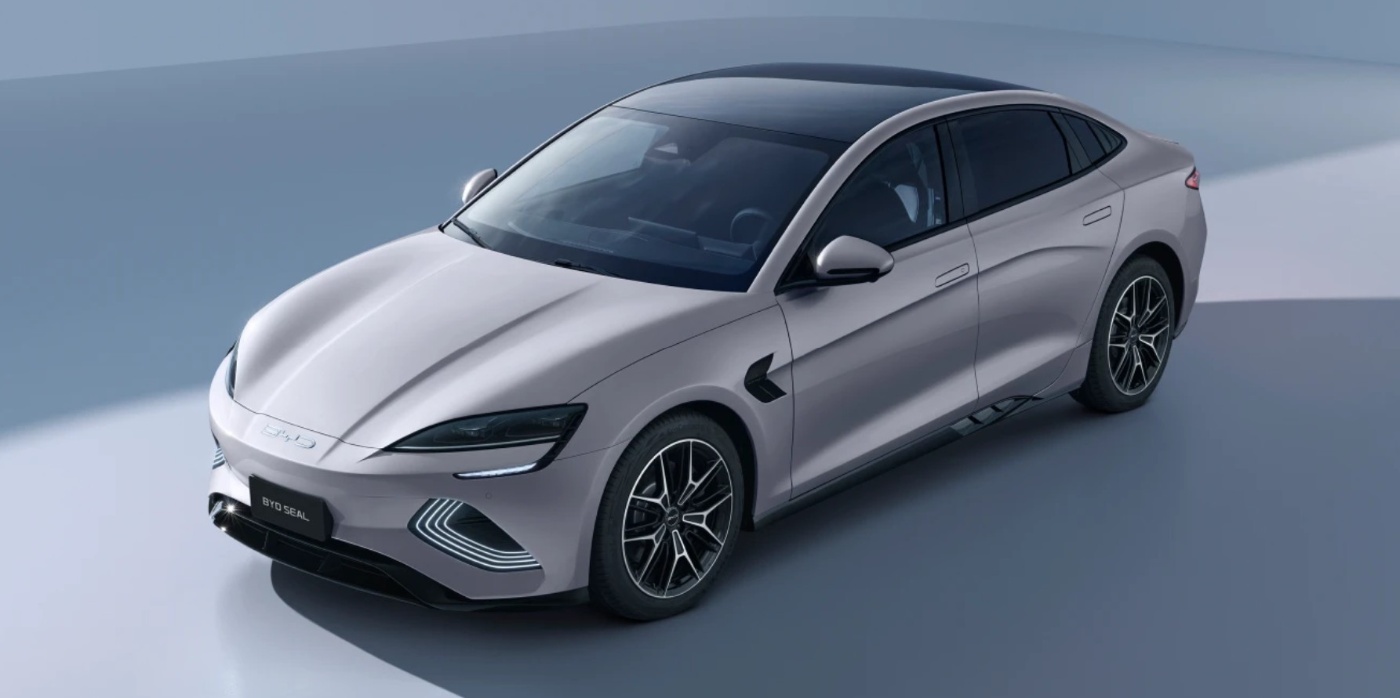
In the latest innovation ranking from the Center of Automotive Management, a Chinese manufacturer has taken the top spot for the first time: BYD leads the 2026 field, followed by the Volkswagen Group and Mercedes-Benz AG. Rounding out the top positions are Xpeng, BMW, and the Geely Group.
BYD secured its lead with the highest overall innovation performance and the most world premieres—particularly in battery technology and driver assistance systems—while simultaneously ranking as the strongest volume brand. Volkswagen’s strength was driven largely by its Audi and Porsche brands, while Mercedes-Benz successfully defended its position as the most innovative premium brand.
Other top spots were held by Renault, Toyota, General Motors, and Hyundai. Notably, the top six positions are currently dominated entirely by Chinese and German manufacturers.
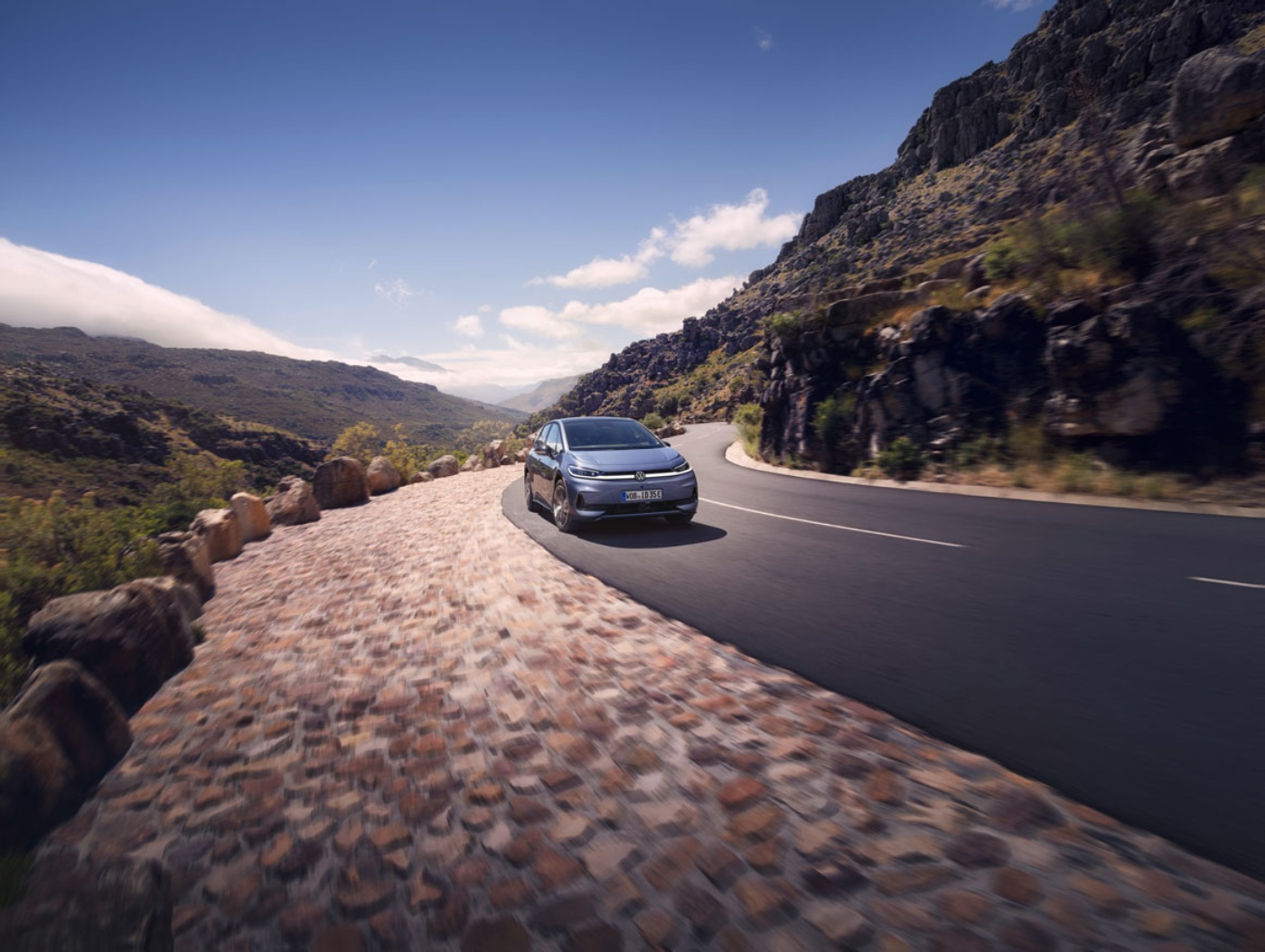
Leading up to Auto China, the Volkswagen Group announced a comprehensive product offensive for the Chinese market, unveiling several world premieres. At the heart of this movement is the "In China, for China" strategy: more than 20 electrified models are set to launch as early as 2026, with the portfolio growing to approximately 50 vehicles by 2030, including around 30 all-electric models. In parallel, the Group is advancing the use of agent-based Artificial Intelligence, which will be integrated directly into vehicles as a natural language assistant.
Among the four world premieres is the Volkswagen ID. AURA T6, the inaugural model of a new ID. AURA series based on the locally developed China Electronic Architecture (CEA). This architecture serves as the foundation for advanced driver assistance systems (L2++) and over-the-air updates. Also introduced was the Volkswagen ID. UNYX 09, a nearly 16-foot-long electric sedan equipped with AI assistance systems and high-performance computers.
Additionally, Volkswagen presented the JETTA X Concept, showcasing a new "Modern Robust" design language for the Jetta brand, which plans to introduce four electrified models by 2028. The offensive is rounded out by the AUDI E7X, the second production model and first SUV developed specifically for China under the China-exclusive AUDI brand. This model is based on a platform co-developed with SAIC and is designed to eventually enable Level 3 highly automated driving.
Technologically, the Group is leaning heavily into software: starting in 2027, the next generation of its E/E architecture (CEA 2.0) is intended to bundle driving functions, infotainment, and AI onto a central platform. Future vehicles will feature an integrated AI agent with a locally trained language model, designed to make interactions significantly more natural.
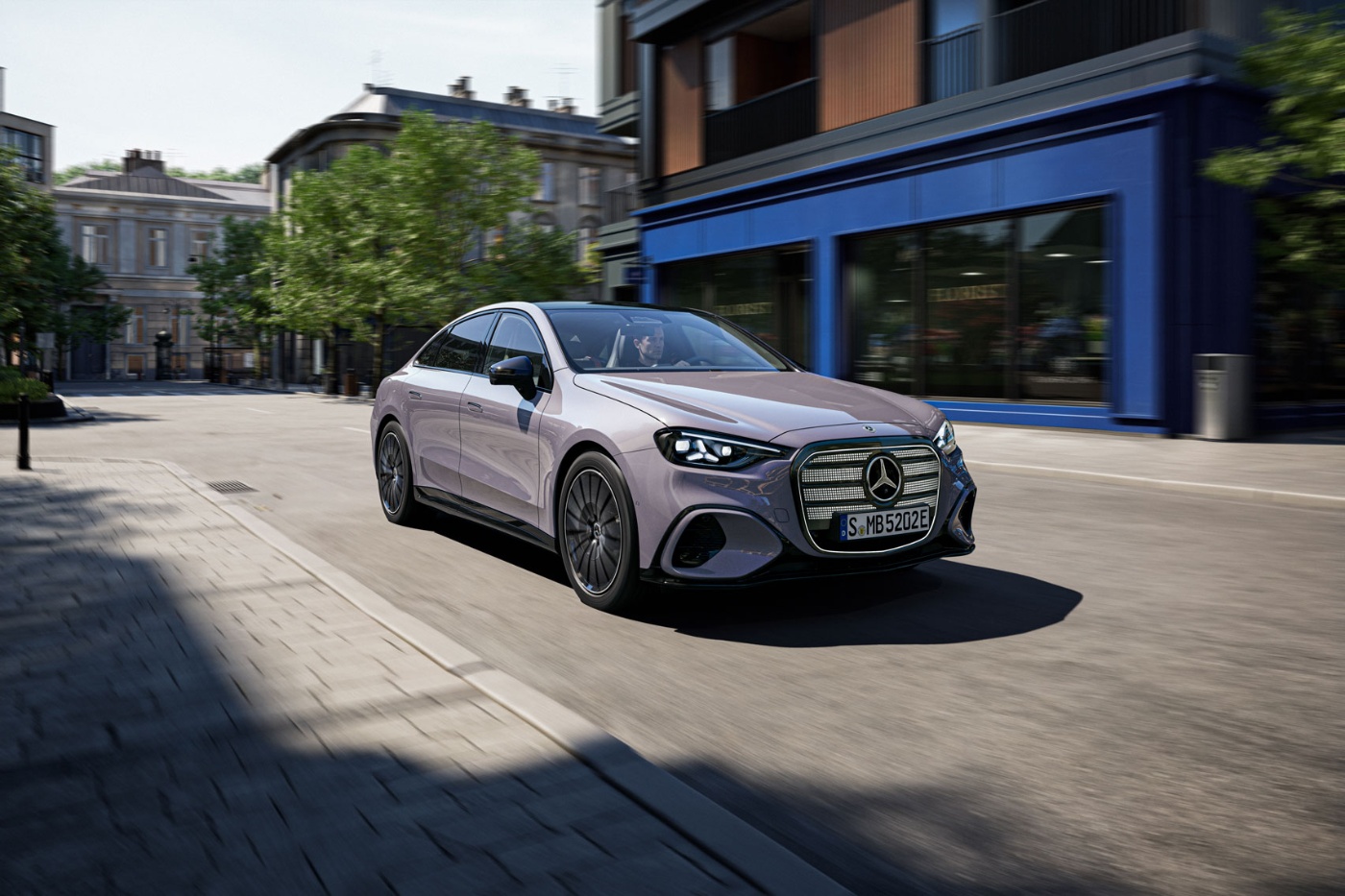
Mercedes-Benz has officially unveiled the first-ever all-electric C-Class, positioning the sedan as the new benchmark in the premium midsize segment. At the core of the vehicle is a new 800-volt architecture offering a range of up to 473 miles and featuring a 94 kWh battery. Thanks to its high charging capacity, the car can regain up to 202 miles of range in just ten minutes. The system is further enhanced by powerful recuperation, bidirectional charging capabilities, and a highly efficient heat pump.
In terms of driving dynamics, the model combines air suspension, rear-axle steering, and predictive damping control, while the design sets itself apart with a coupe-like silhouette and an illuminated front grille. Inside, Mercedes-Benz blends superior comfort with cutting-edge digitalization: the MBUX Hyperscreen, the new MB.OS operating system, and an AI-based voice assistant define the user experience. High-quality materials, innovative seating systems, and a customizable ambient interior underscore the brand's premium standards.
Equipped with advanced assistance technology—slated for highly automated driving functions in the future—and exceptional everyday practicality, the electric C-Class redefines the midsize luxury sedan through the lens of technology and comfort.
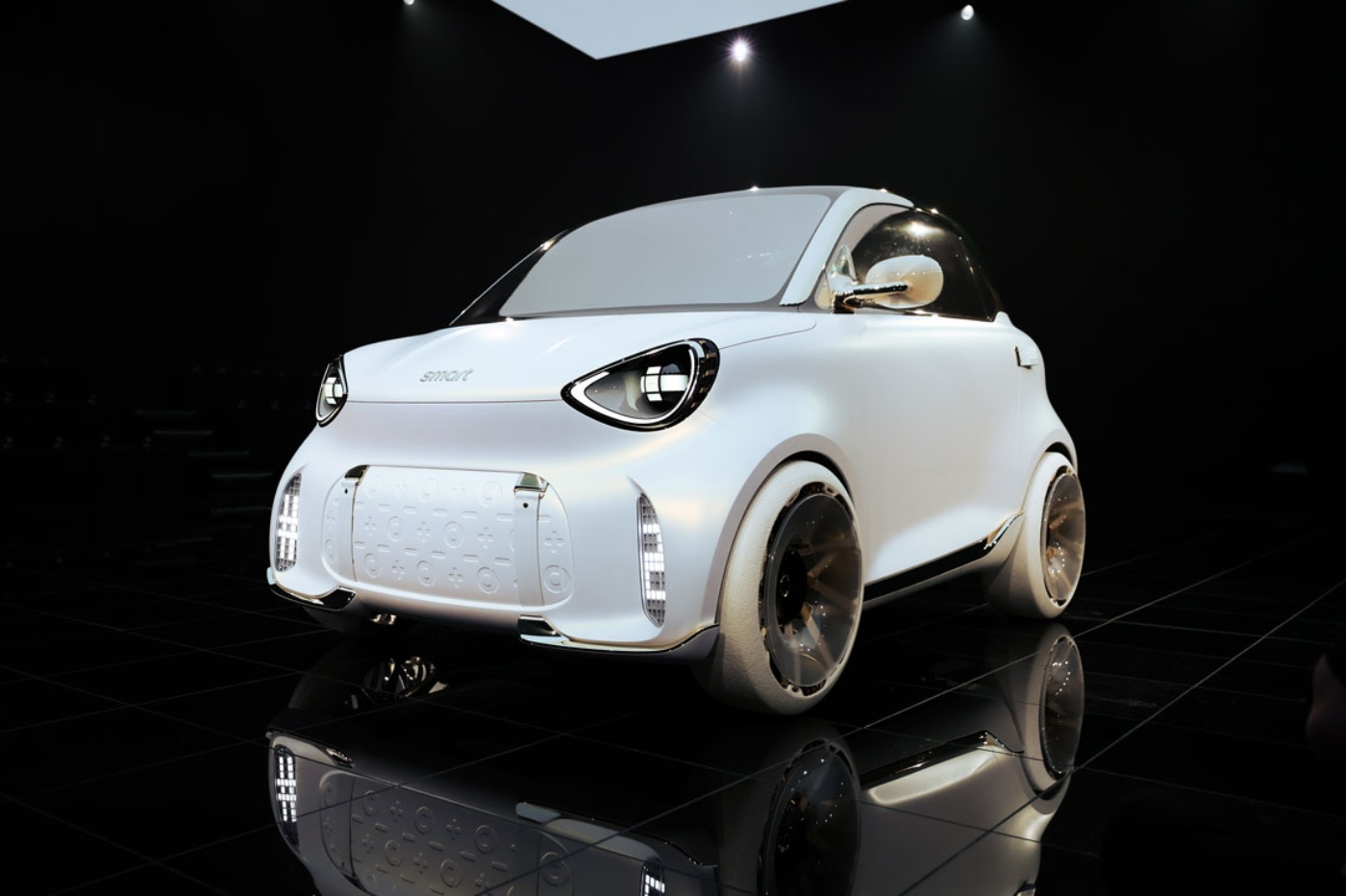
With the smart Concept #2, the brand has presented the first physical design model of the upcoming all-electric smart #2. This zero-emission city car is based on the new Electric Compact Architecture (ECA) and was created by the Mercedes-Benz Global Design Team.
Measuring just 110 inches (2.79 meters) in length and featuring the brand's signature "wheels-at-the-corners" architecture, the concept maximizes interior space while staying true to smart's urban DNA. For the production model, smart is promising a range of up to 186 miles (300 km), DC fast-charging from 10% to 80% in under 20 minutes, and Vehicle-to-Load (V2L) capabilities.
The production version of the smart #2 is scheduled to debut at the Paris Motor Show in October 2026 as the official successor to the fortwo. In tandem with this reveal, the brand introduced the smart #6 EHD3 for the Chinese market, marking smart’s entry into the premium fastback sedan segment.
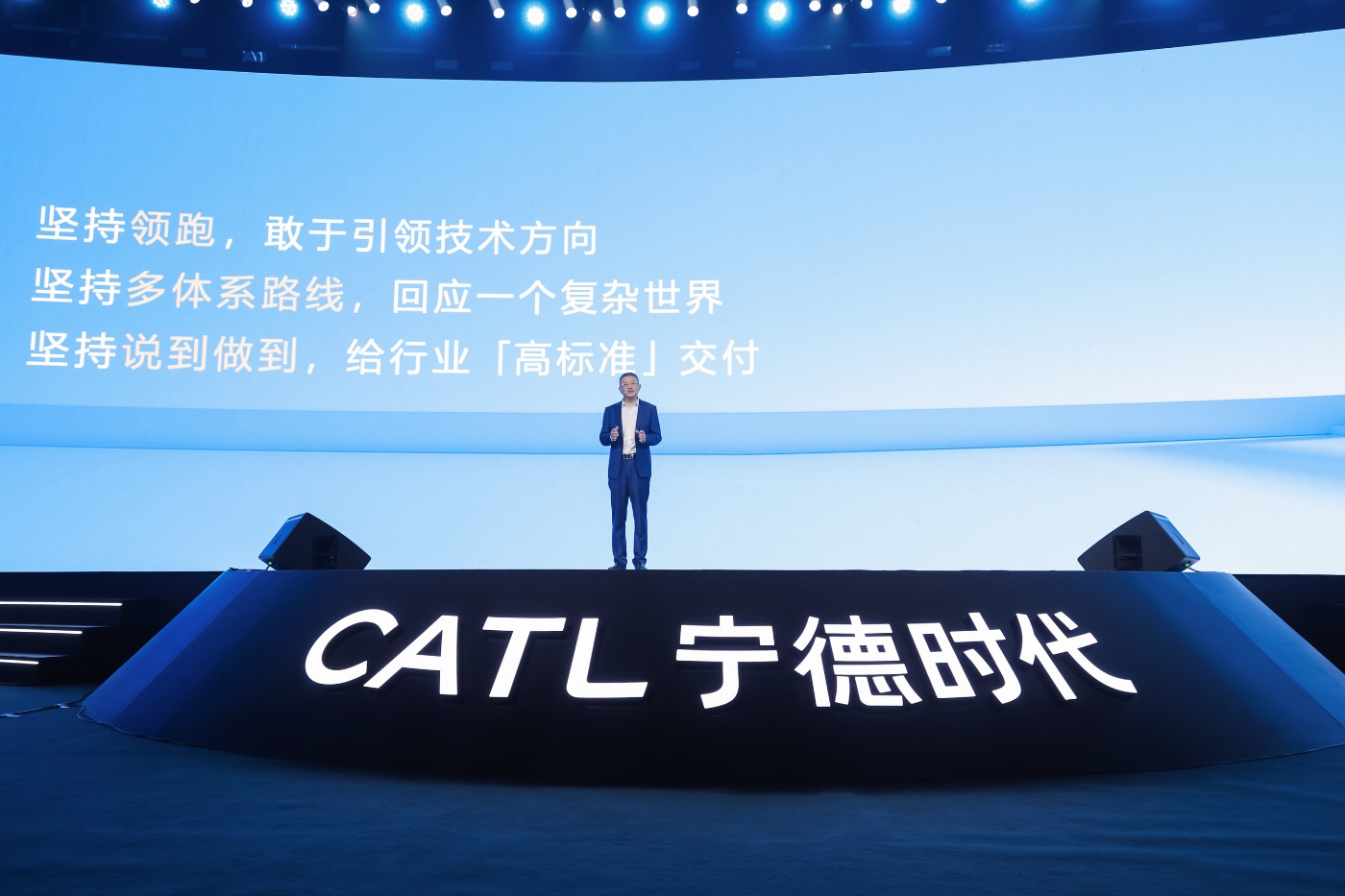
At its "Super Technology Day," CATL introduced six pivotal innovations, highlighting a future shift toward a multi-chemistry approach that combines various battery technologies depending on the specific application. The focus is on new cell concepts, such as the further evolution of Qilin technology and the Condensed Battery, which features energy densities of up to 350 Wh/kg and potential ranges of up to 930 miles (1,500 km). The portfolio is further expanded by a new generation of the Shenxing fast-charging battery, hybrid solutions, and a sodium-ion battery designed for cost-sensitive mass markets.
In tandem with these advancements, CATL is enhancing safety and efficiency through innovative material and design strategies, such as the separation of thermal and electrical processes. Strategically, the company is also aiming to integrate fast charging and battery swapping into a single, unified infrastructure to reduce charging times and further improve the everyday practicality of electric vehicles.
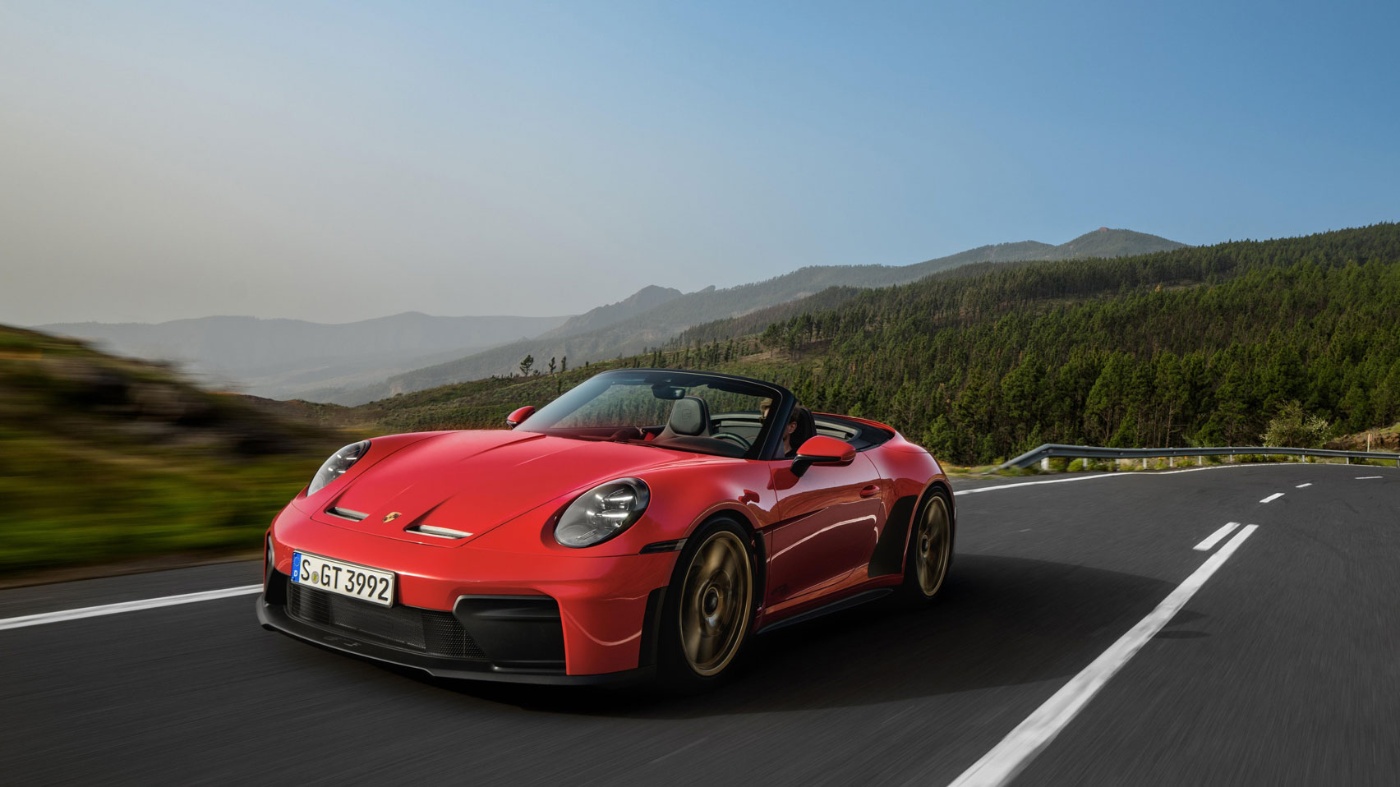
Porsche is expanding its GT3 lineup to include a convertible for the first time, presenting the Porsche 911 GT3 S/C as an open-top variant of the high-performance sports car. Designed as a two-seater, the GT3 S/C combines a rigorous commitment to lightweight construction with open-air driving dynamics. Components made of carbon-fiber-reinforced plastic and weight-optimized roof structures ensure that precise handling is maintained, even with the convertible configuration.
The model is powered by a 4.0-liter naturally aspirated flat-six engine producing 510 hp (375 kW), which revs up to 9,000 rpm and is paired exclusively with a six-speed manual transmission. It sprints from 0 to 62 mph (100 km/h) in approximately 3.9 seconds, reaching a top speed of 194 mph (313 km/h). A fully automatic fabric top that opens in about twelve seconds, along with a performance-oriented chassis architecture, underscores the brand's goal of pairing GT3 performance with an open-top driving experience for the very first time.
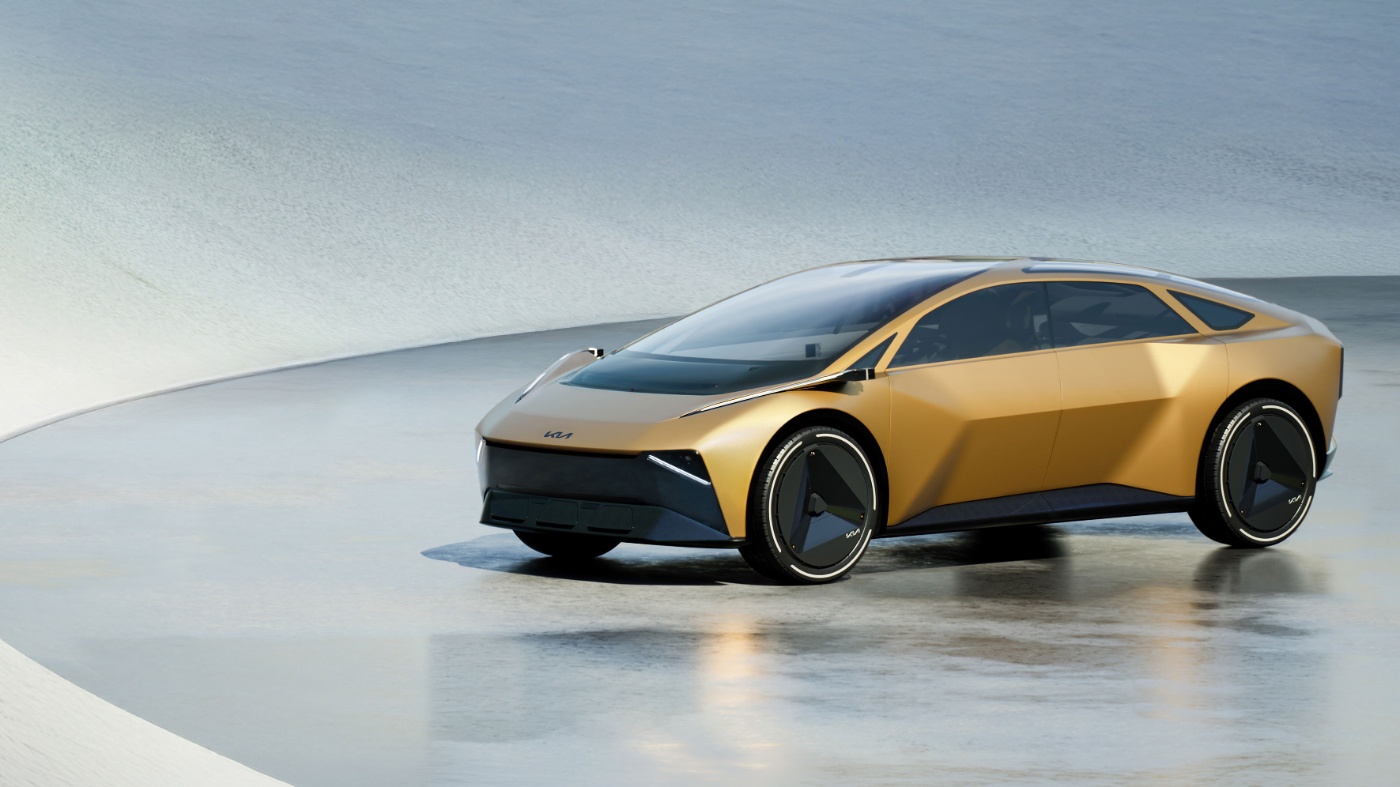
At Milan Design Week, Kia officially presented its Vision Meta Turismo study to the general public for the first time. The concept offers a glimpse into the brand’s future direction, navigating the intersection of electric mobility and user experience.
The study focuses on a holistic approach, combining high-performance driving characteristics with a lounge-like interior that reinterprets the cabin as an individual living space. This vision is rooted in Kia's "Opposites United" design philosophy, which seamlessly blends contrasting elements like dynamics and comfort.
Technologically, Kia is focusing on a fusion of the physical and virtual worlds. A 3D augmented reality head-up display, paired with optional AR glasses, creates an immersive environment. Digital functions complement analog elements through features such as simulated gear shifts, virtual engine sounds, and various performance modes.
The steering wheel serves as the command center for three distinct "experience worlds": "Speedster" for dynamic driving moments, "Dreamer" for urban AR exploration, and "Gamer" for interactive applications while the vehicle is stationary. Through these innovations, Kia is positioning the vehicle as an experience platform that extends far beyond traditional driving.
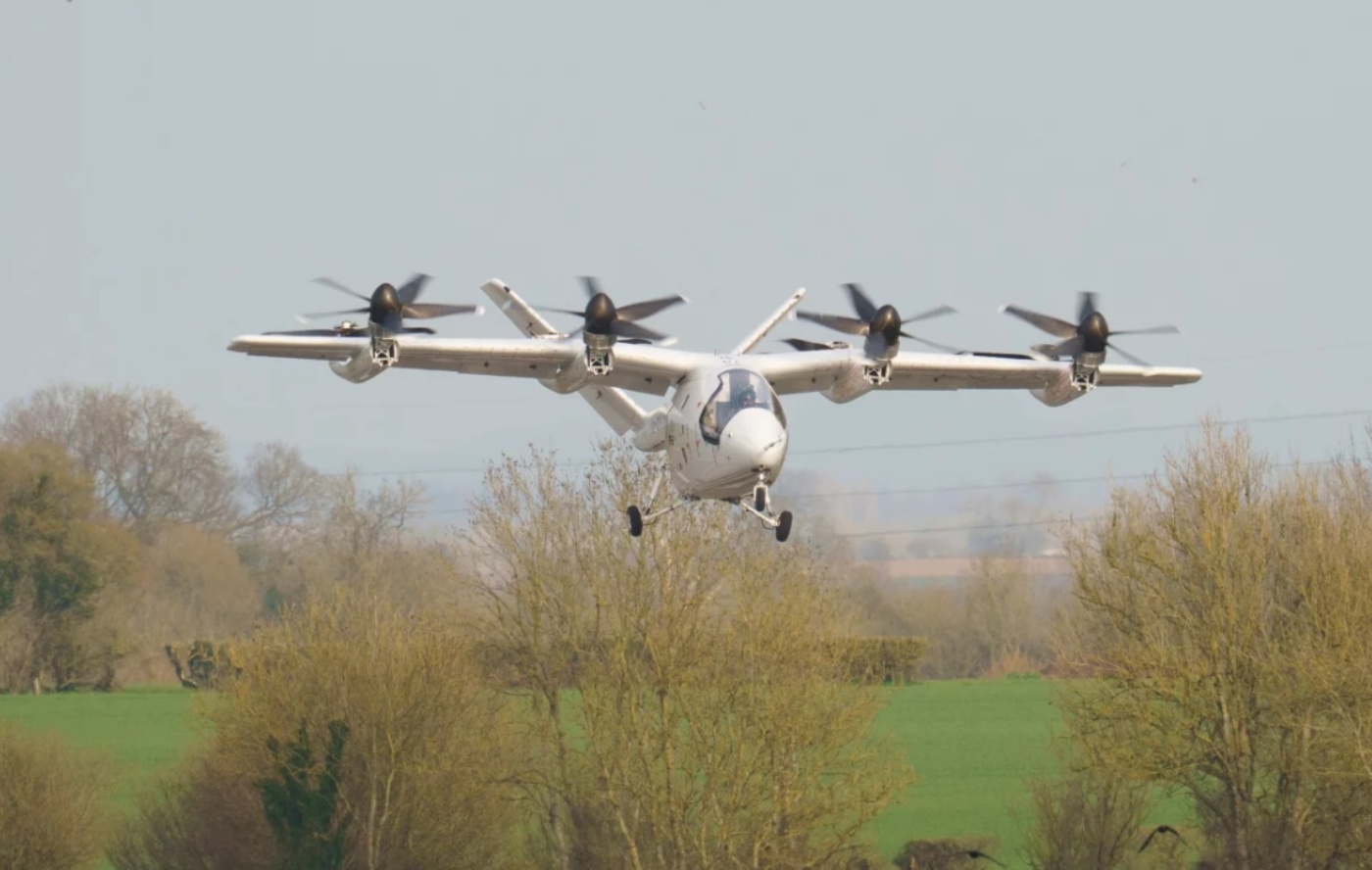
Vertical Aerospace has reached a decisive milestone for electric air taxis, successfully completing the first fully controlled transition flight with an eVTOL aircraft.
During the test, the aircraft took off vertically, transitioned into horizontal flight, and landed vertically once again—completing a full two-way transition within a single flight. This maneuver is widely regarded as the primary technical hurdle in the development of eVTOL technology.
A particularly significant aspect of this achievement is that the test was conducted under realistic regulatory conditions with Design Organization Approval, a first for the industry. The successful flight on April 14, 2026, marks a major step forward on the path toward commercial urban air mobility.
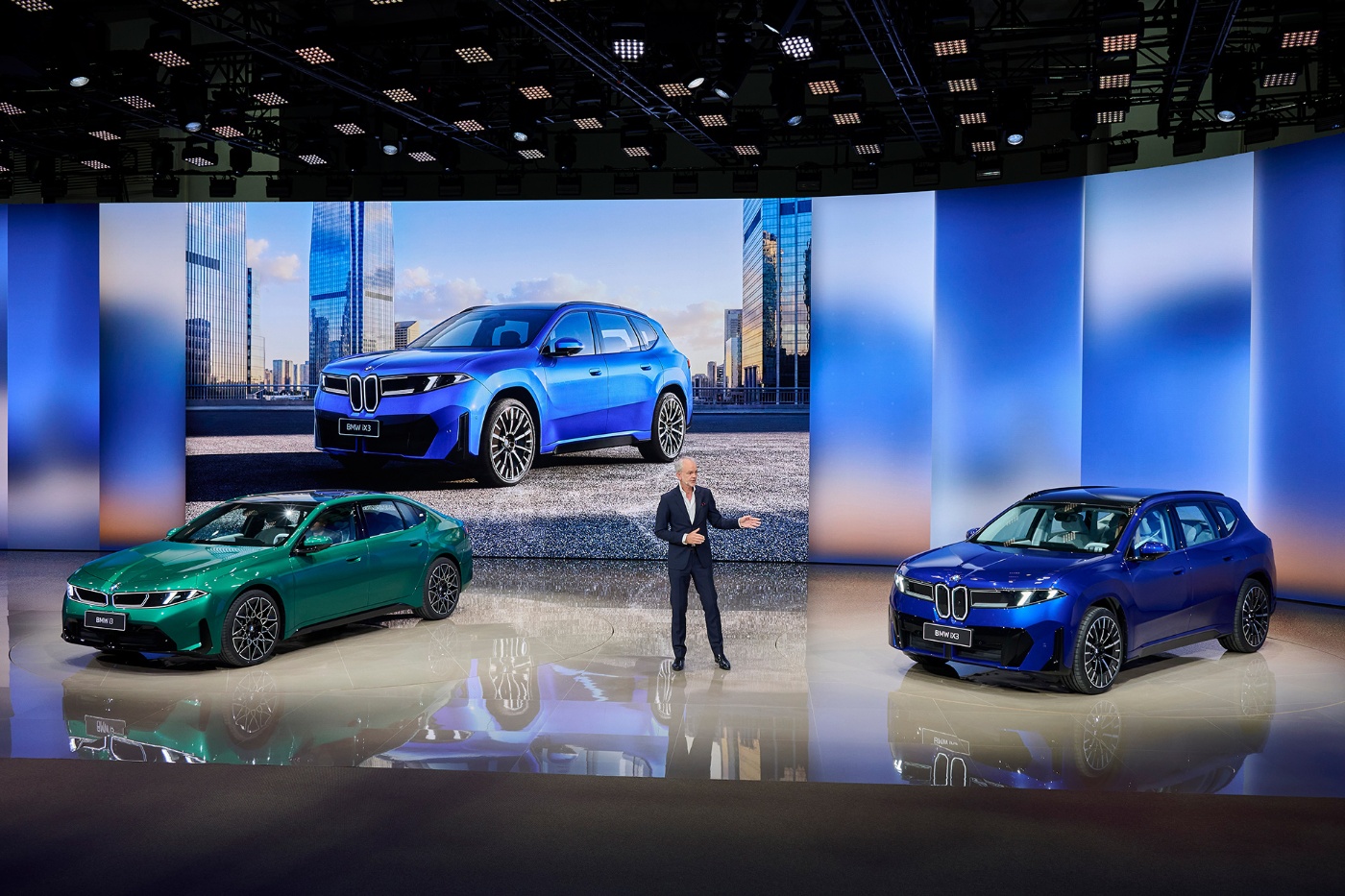
BMW celebrated multiple world premieres in Beijing, solidifying its "Neue Klasse" strategy for the Chinese market.
The spotlight was on the BMW iX3 and the BMW i3, both developed specifically for China and featuring an extended wheelbase. Powered by Gen6 eDrive technology with cylindrical cells and an 800-volt architecture, these models achieve impressive ranges of over 560 miles (900 km) for the iX3L and over 620 miles (1,000 km) for the i3L. High-speed charging at up to 400 kW allows drivers to add up to 250 miles (400 km) of range in just ten minutes.
Rounding out the product offensive is the new BMW 7 Series sedan, which brings Neue Klasse technologies to the luxury flagship segment. Features include the BMW Panoramic iDrive, enhanced driver-assistance systems with hands-free driving capabilities, and a deeply localized digital ecosystem built with partners like Alibaba and DeepSeek.
In tandem, BMW is rolling out new assistance systems specifically engineered for Chinese traffic conditions, which are slated to be available across several models by 2027. Hydrogen technology also remains on the roadmap: the BMW iX5 Hydrogen is scheduled to launch in 2028 as the brand's first hydrogen fuel-cell production model.