



Technology
DiDi Autonomous Driving: Robotaxi R2 Fleet Begins Real-World Testing
Bild (c) DiDi Global
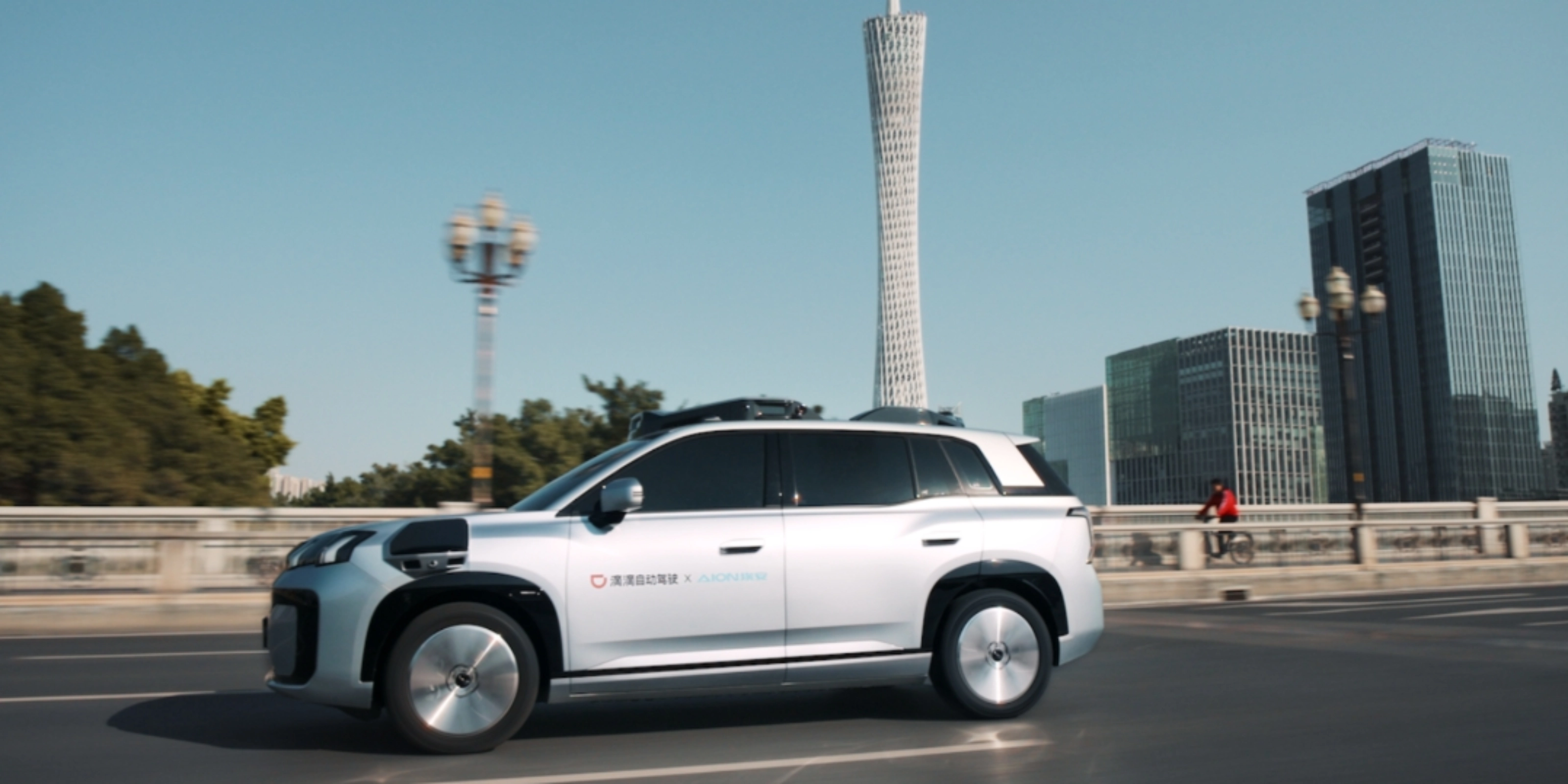
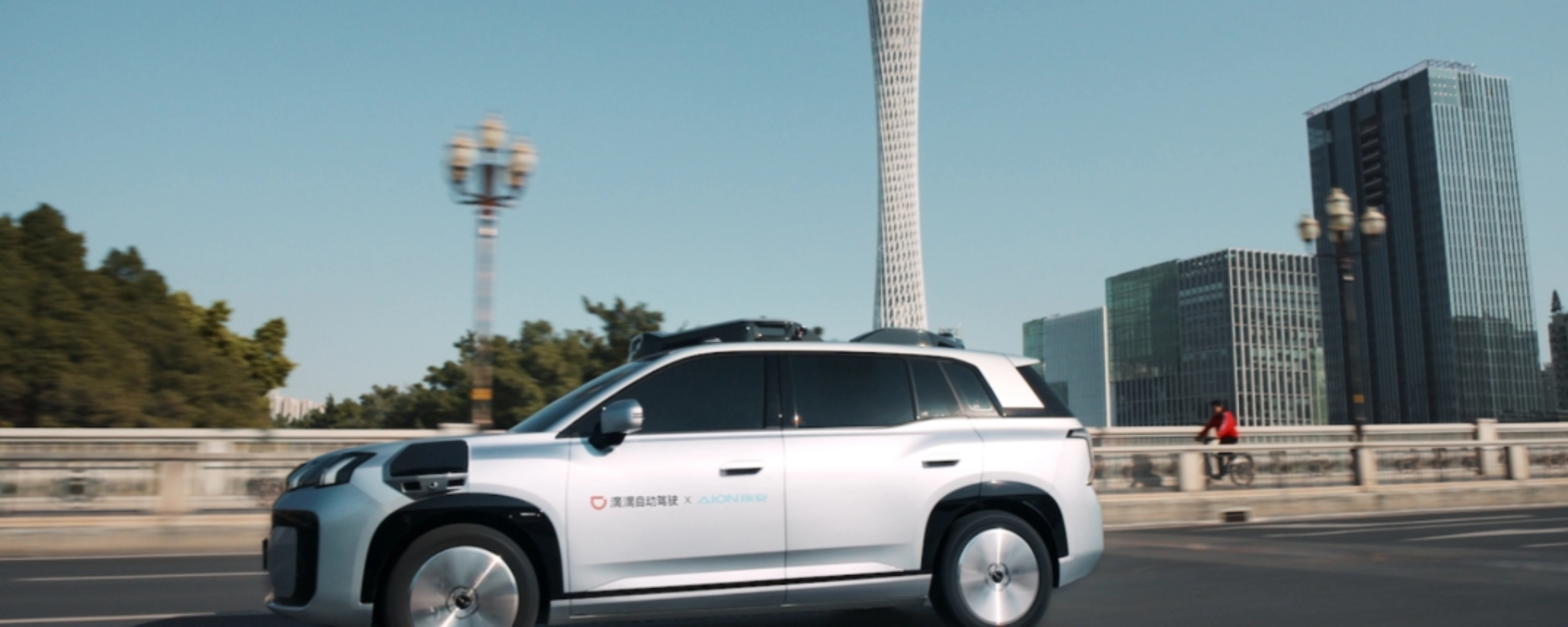
The Chinese mobility service provider DiDi Global is scaling its autonomous mobility efforts with the recent rollout of its first Robotaxi R2 fleet, which has now begun testing on public roads. Developed by DiDi Autonomous Driving (DiDi’s self-driving subsidiary) in partnership with Chinese automaker GAC Aion, these vehicles are designed to showcase the current state of robotaxi technology in real-world operations.
The Chinese mobility service provider DiDi Global is scaling its autonomous mobility efforts with the recent rollout of its first Robotaxi R2 fleet, which has now begun testing on public roads. Developed by DiDi Autonomous Driving (DiDi’s self-driving subsidiary) in partnership with Chinese automaker GAC Aion, these vehicles are designed to showcase the current state of robotaxi technology in real-world operations.
Robotaxi R2: Technology and Objectives
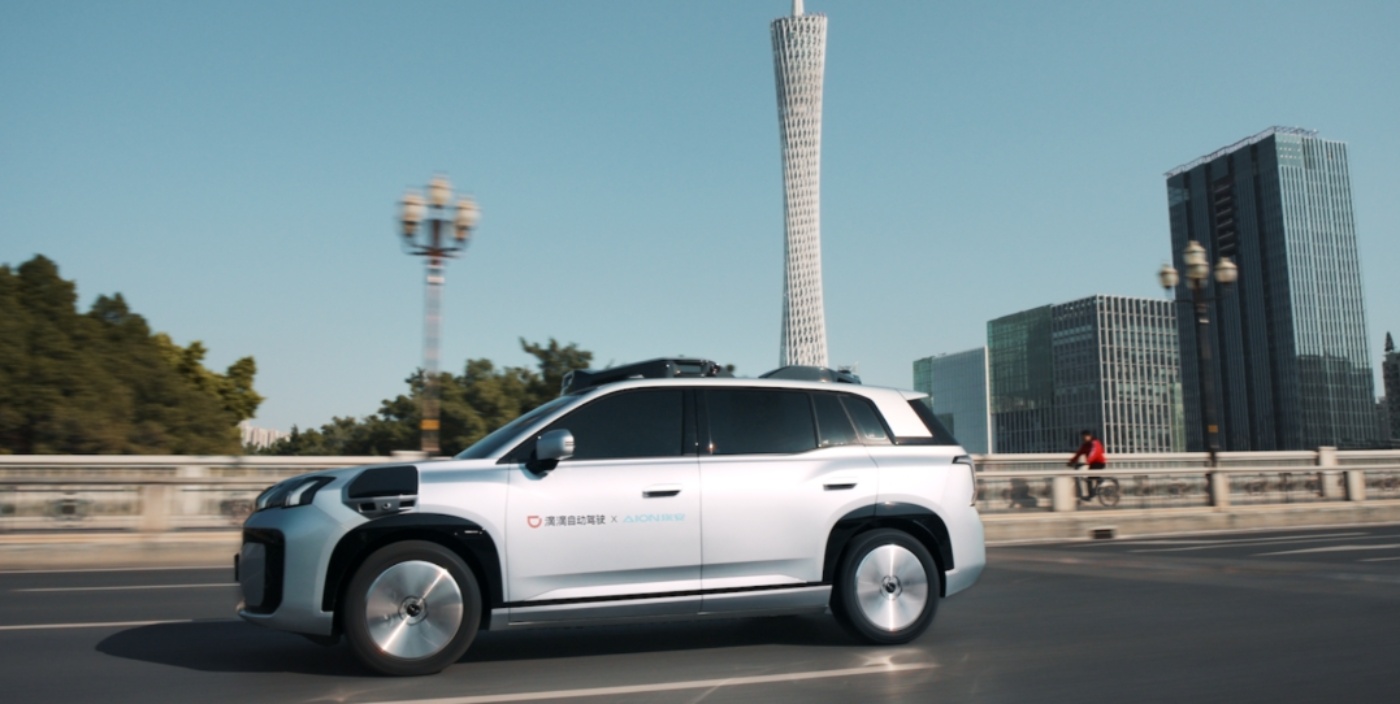
The "R2" model is based on the production Aion V SUV and features a comprehensive sensor suite consisting of 33 sensors, including LiDAR units, 4D millimeter-wave radar, cameras, infrared sensors, and audio systems. Powering the vehicle is a central AI compute platform delivering over 2,000 TOPS of GPU performance, designed to process massive amounts of data in real time. The fleet has already received approval for road testing in Guangzhou, with plans for a phased rollout of demonstration pilots in Beijing and other major cities.
Strategic Importance and Outlook
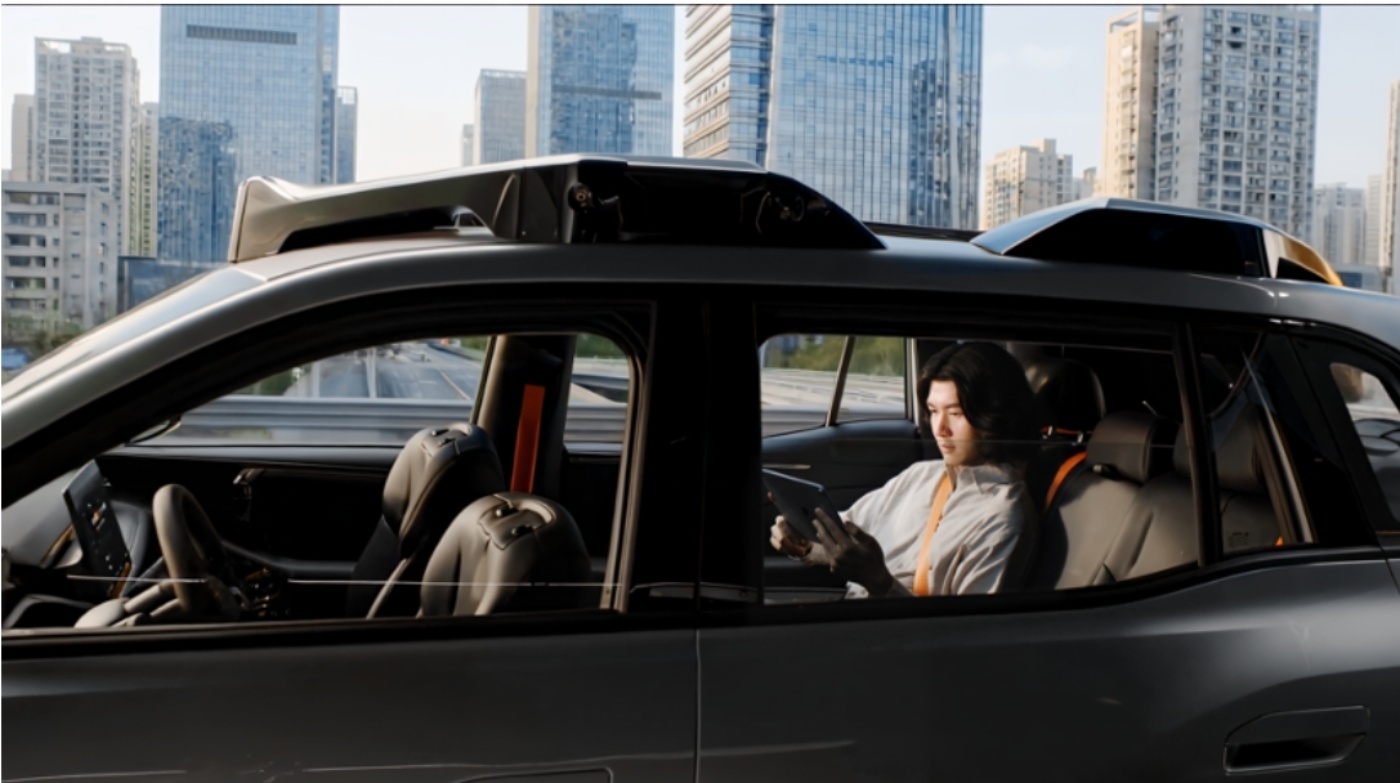
This is not DiDi Autonomous Driving's first foray into the space; the company previously launched 24/7 driverless taxi trials in Guangzhou, allowing users to hail autonomous rides via the DiDi app. The R2 project builds on that foundation, marking a transition from early prototypes to large-scale demonstration applications and potential commercial use cases. The partnership between DiDi and GAC Aion is a key pillar of a broader strategy to move autonomous mobility out of the lab and into active transit networks. By integrating local manufacturing, advanced driver-assistance systems (ADAS), and fleet operations, the companies aim to build a widely accessible robotaxi fleet in the coming years.