Sustainability
Cycling, E-Bikes, and Micromobility: Why the Future of Mobility Runs on More Than Just Four Wheels
Whether it's bicycles, e-bikes, or Light Electric Vehicles, the future of mobility won't be decided on four wheels alone. Compact, flexible, and electrified mobility solutions are gaining momentum, especially in urban areas. They complement passenger cars and public transit, unlock new possibilities for short and medium distances, and are increasingly becoming an integral part of connected mobility offerings.
That is why Cycling, LEV & Micromobility are core components of IAA MOBILITY’s comprehensive approach to transportation. The focus isn't on individual modes of transport, but on how people can travel in ways that are flexible, sustainable, safe, and connected in the years ahead.
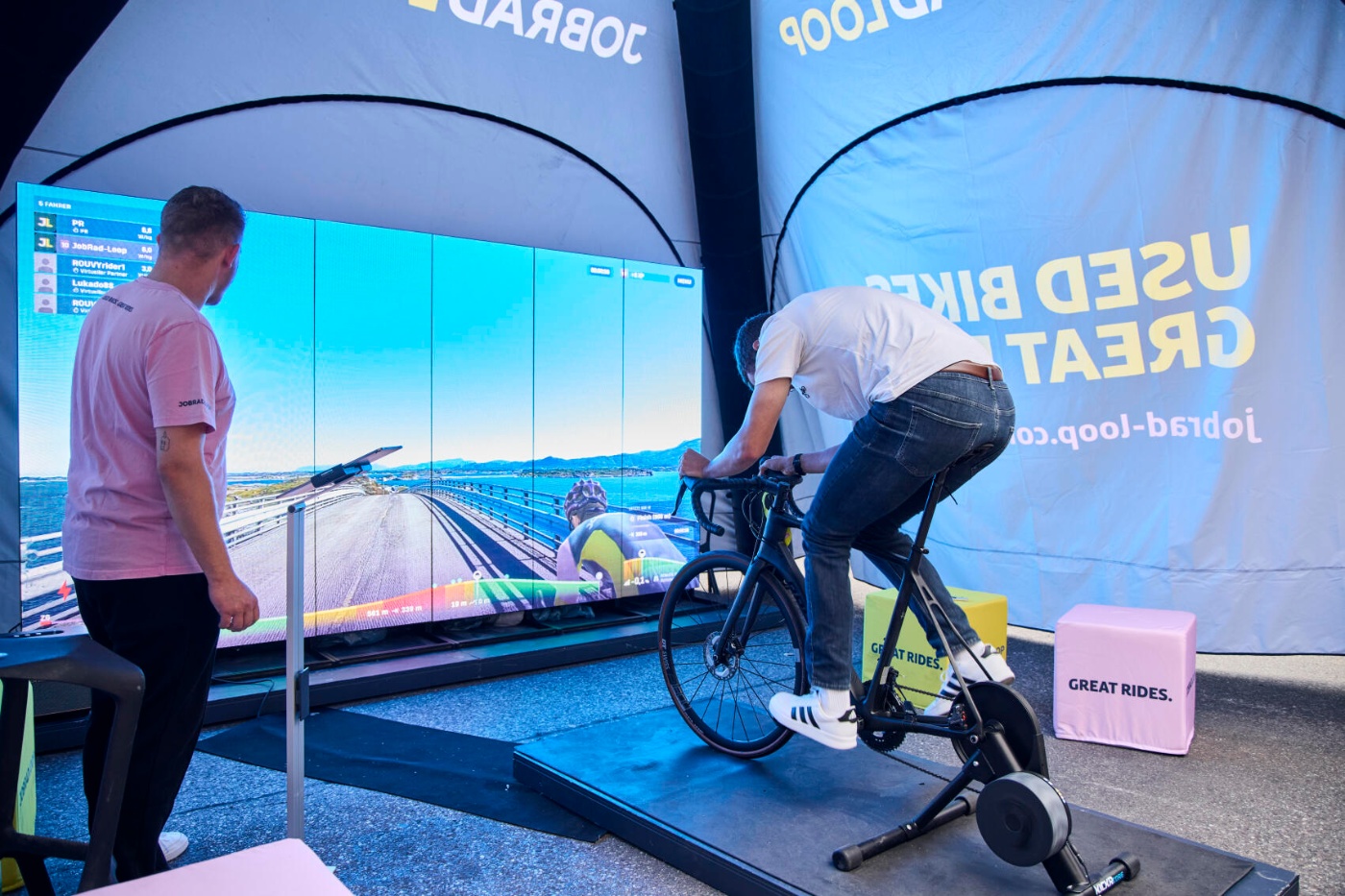
Bicycles Have Long Been Part of the E-Mobility Ecosystem
The figures alone underscore the importance of the bicycle to modern mobility. According to figures from ZIV – Die Fahrradindustrie, the Verbund Service und Fahrrad (VSF), and Zukunft Fahrrad, there were around 90.6 million bicycles and e-bikes in Germany alone in 2025—up more than 25 percent compared to ten years earlier. E-bikes in particular have established a strong foothold: more than 17 million e-bikes are now on German roads. Around two million e-bikes were sold in 2025, accounting for 52.7 percent of the total bicycle market. This demonstrates how electric assistance extends range and expands potential applications, making bicycles attractive for additional trips and user groups. At the same time, the lines between traditional bicycles, e-bikes, and new Light Electric Vehicles are becoming increasingly blurred.
This transformation is precisely what the "Cycling, LEV & Micromobility" focus area at IAA MOBILITY addresses. It encompasses bicycles and e-bikes as well as Light Electric Vehicles and other micromobility solutions designed for short and medium distances. The spotlight is on innovative vehicle concepts, new use cases, and their contribution to sustainable, flexible, and urban mobility.
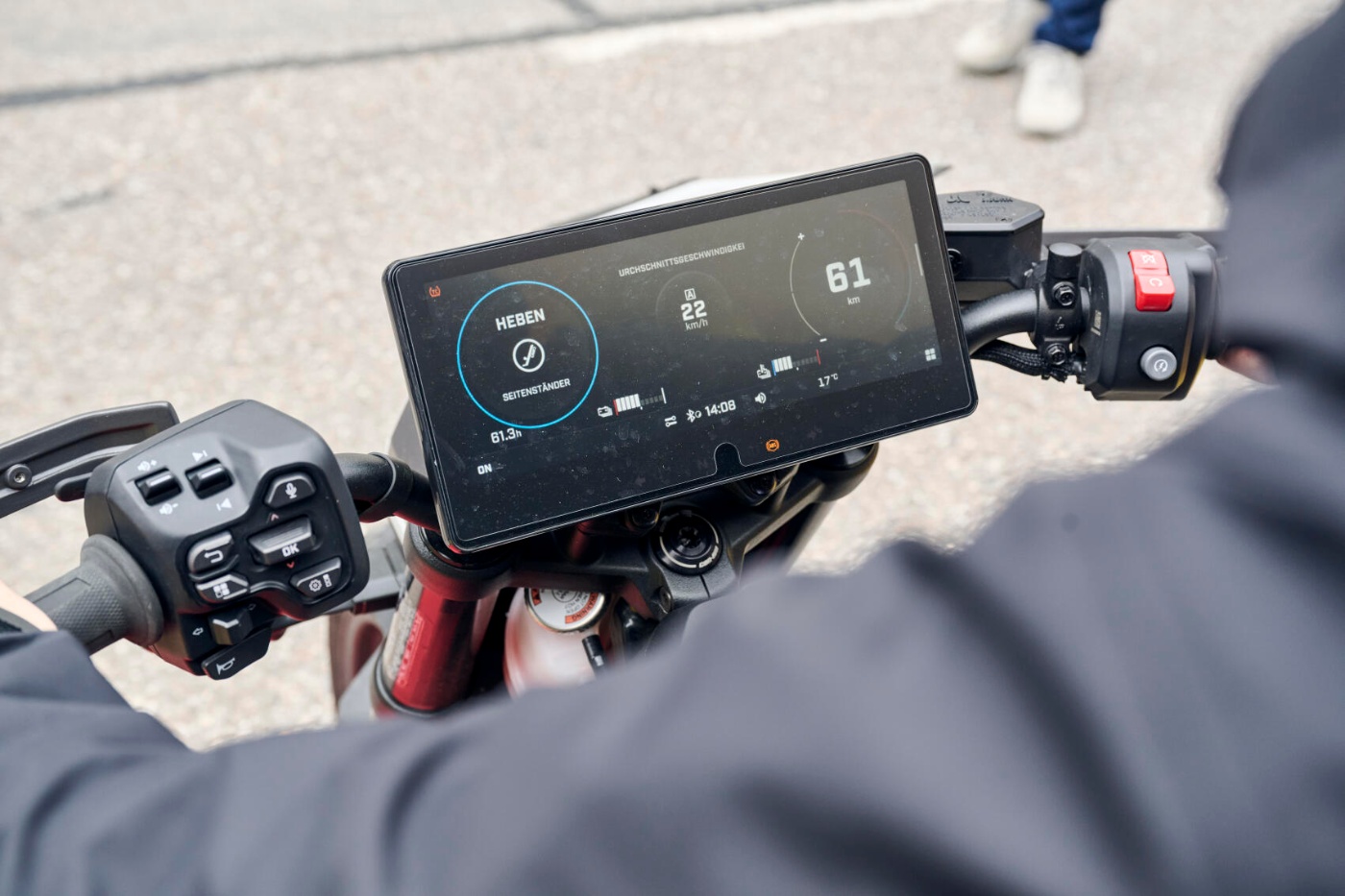
Mobility Is Becoming More Diverse
This shift goes beyond individual vehicle categories. Crucially, it also involves integrating bicycles seamlessly with other transport options. For instance, someone who covers part of their commute on a bike or e-bike before switching to a bus or train is connecting different modes of transportation within a single journey.
The growing popularity of e-bikes highlights how bicycles themselves are evolving technologically. Electric powertrains have spawned new vehicle concepts and widened the spectrum between traditional bicycles and other light electric vehicles.
Yet, this is about far more than standard everyday e-bikes. A variety of designs and usage concepts reflect just how diverse the market has become. Bicycles and electrified two-wheelers can be used for daily commutes, leisure and travel, or—in the case of cargo bikes—for transport.
However, how appealing bicycles, e-bikes, and micromobility are in daily life doesn't depend solely on the vehicles themselves. Just as crucial are the conditions under which they can be used: safe and connected cycling networks, seamless links to public transit, and secure parking options. Access to charging points for e-bikes is also a primary consideration.
Traffic safety plays a central role here. A safe infrastructure aims to make cycling more attractive, enabling more people to integrate bikes into their daily routines.
Infrastructure, public transport, and suitable parking and charging options must work together in harmony so that bicycles and e-bikes can unleash their full potential in everyday life.
This diversity was clearly evident at IAA MOBILITY 2025. Key players from across the cycling and micromobility ecosystem were represented, including companies such as Bosch, Riese & Müller, myStromer, and Schwalbe. The industry was also given its own dedicated platform at the IAA Conference 2025 with the Cycling & Micromobility Afternoon. There, representatives from Deutsche Dienstrad, Riese & Müller, and Zukunft Fahrrad joined the discussion on the sector's future trajectory.
Continued Strong Interest at IAA MOBILITY 2025
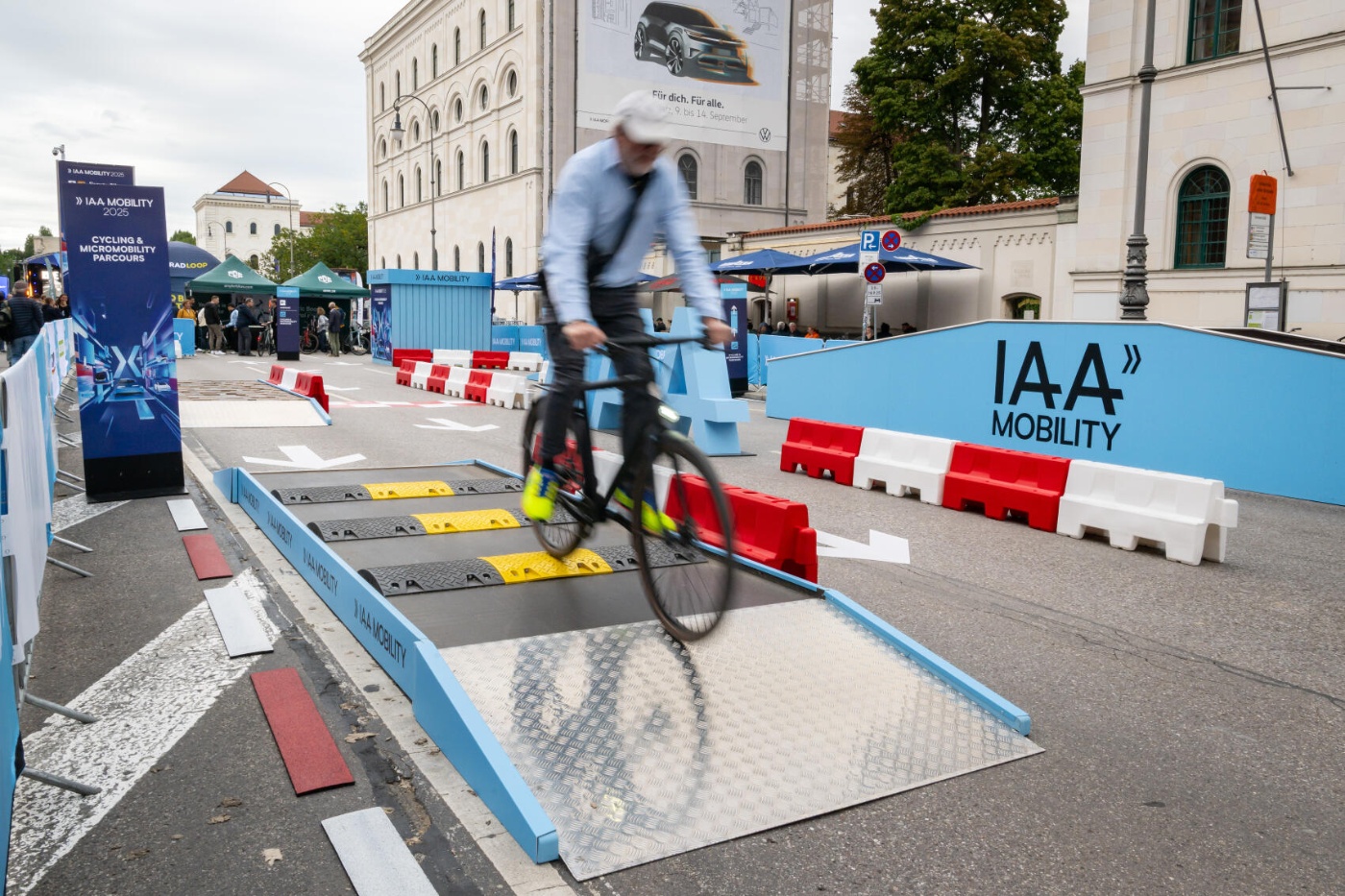
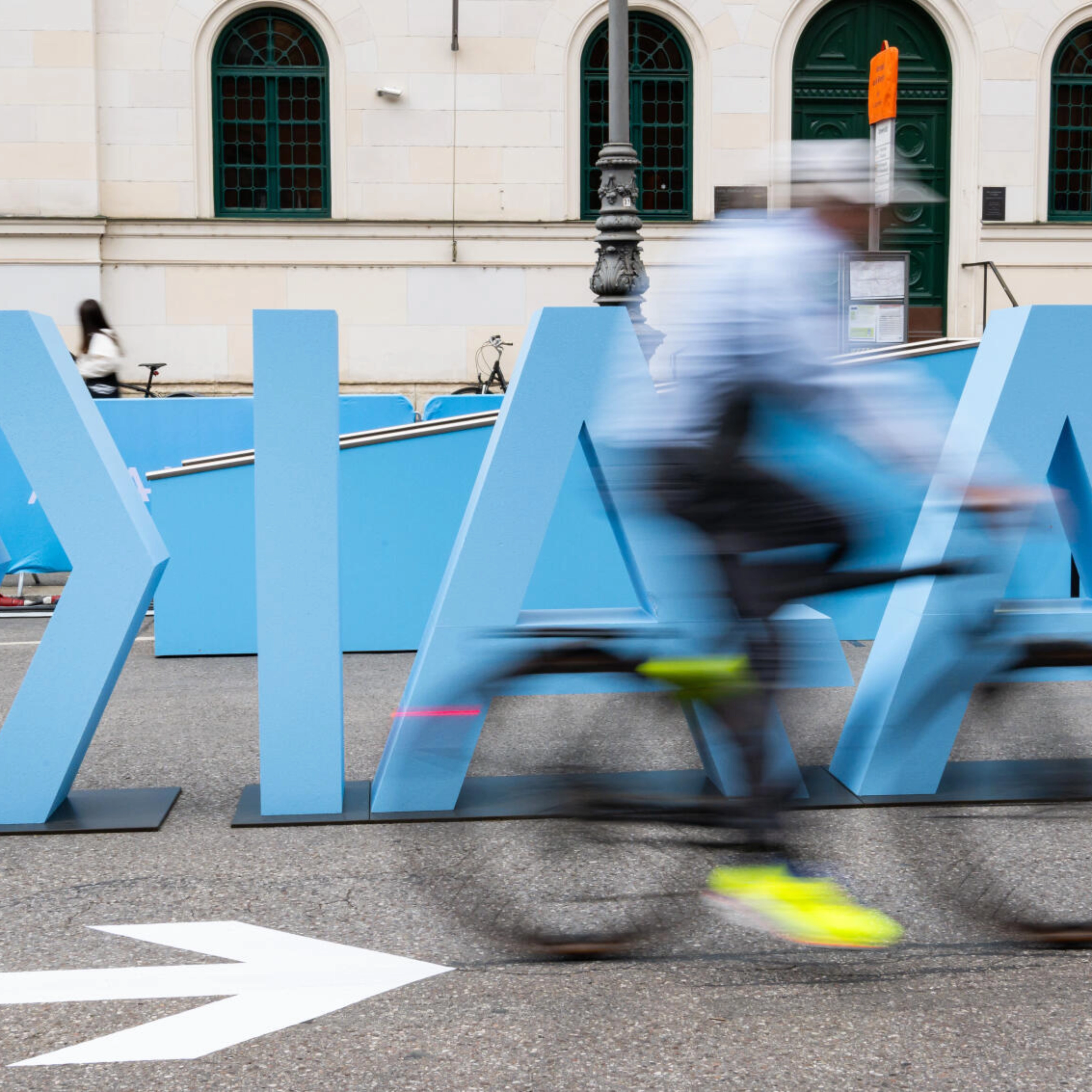
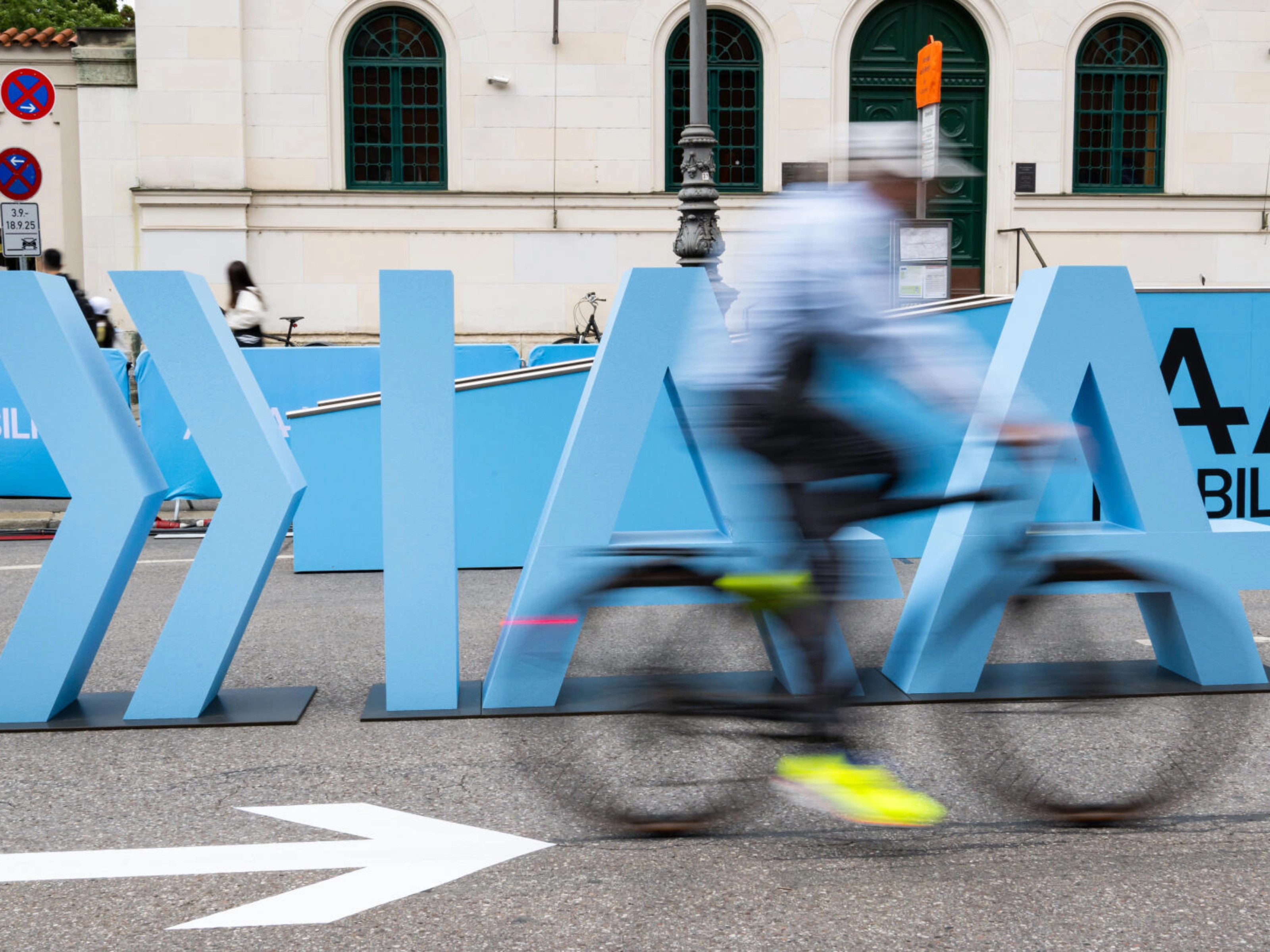
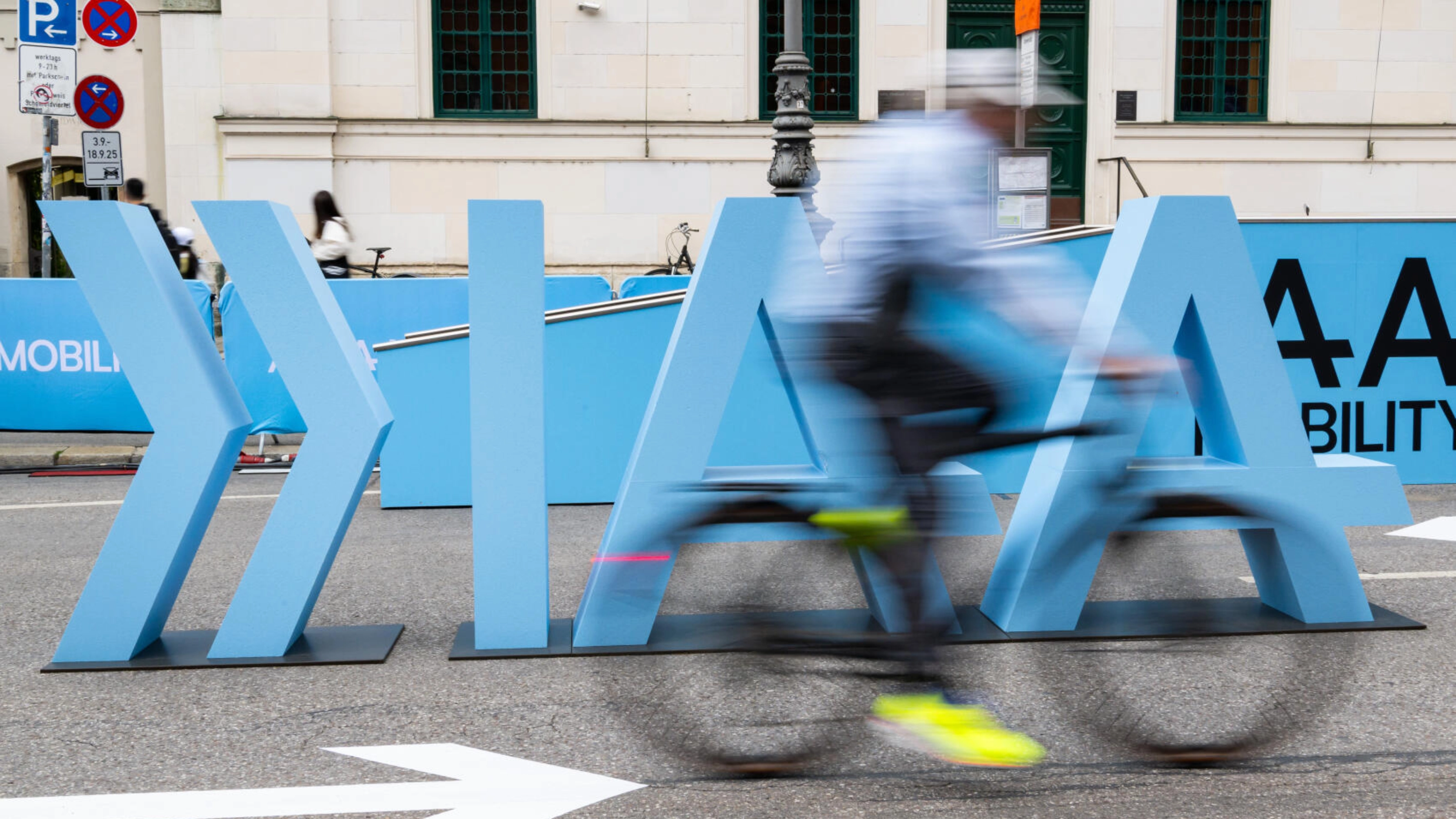
The high level of interest in new products and services surrounding cycling and micromobility was already demonstrated at IAA MOBILITY 2025. Featuring a dedicated Cycling & Micromobility Area on northern Ludwigstraße and a roughly four-kilometer-long Cycling Test Track in the English Garden, professional visitors and attendees were able to test bicycles, e-bikes, cargo bikes, and other micromobility solutions under various real-world conditions.
The offering was used extensively: more than 3,103 test rides were conducted across the Cycling & Micromobility formats, including 1,041 test rides on the dedicated Cycling & Micromobility obstacle course, which featured four new obstacles. A total of 29 exhibitors presented their innovations across roughly 2,427 square meters of exhibition space.
This made a core idea behind IAA MOBILITY directly tangible: new mobility shouldn't just be presented and discussed—it needs to be experienced hands-on.
As such, cycling serves as a prime example of the transformation sweeping the entire mobility industry: vehicles are becoming more electric and connected, borders between traditional vehicle categories are shifting, and digital offerings are linking different modes of transport together.
This is precisely why Cycling, LEV & Micromobility will remain a core component of IAA MOBILITY 2027. The mobility of the future doesn't run exclusively on two or four wheels—it takes shape where different solutions intelligently interact at the trade fair center Messe München.