



Mobility
Volkswagen Group China Unveils VEGA Technology Platform with 850-Volt Technology and AI-Powered Driver Assistance
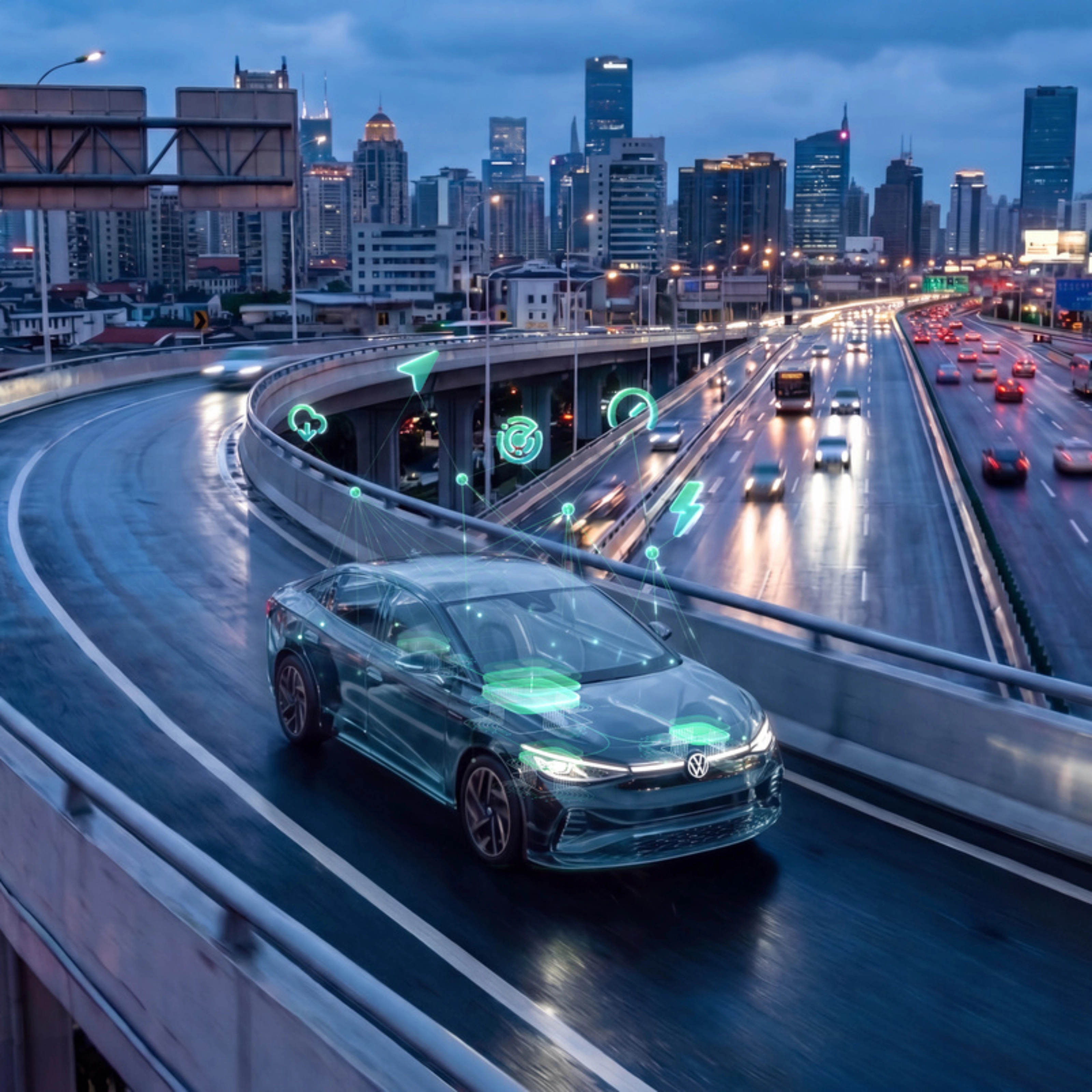
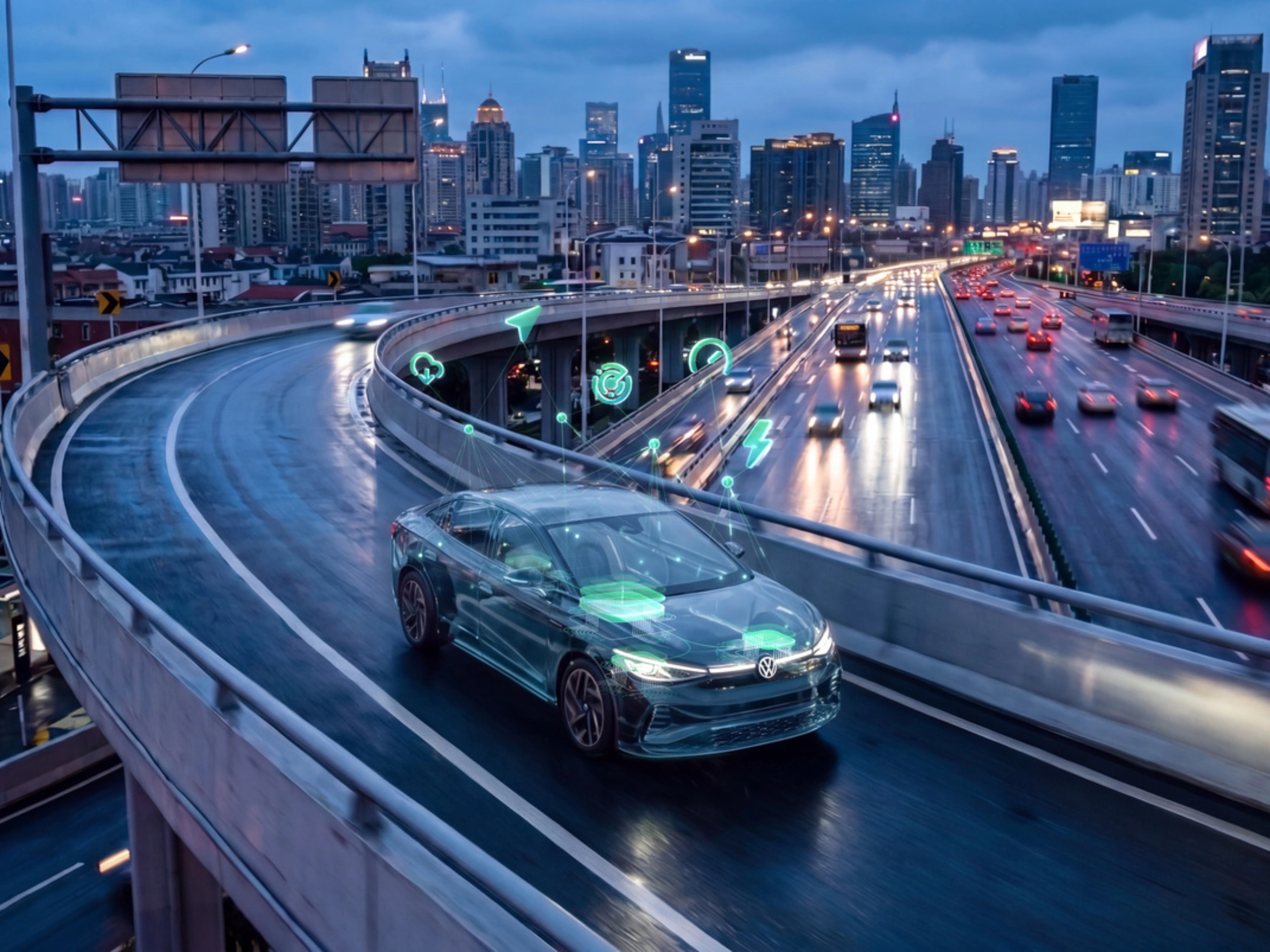
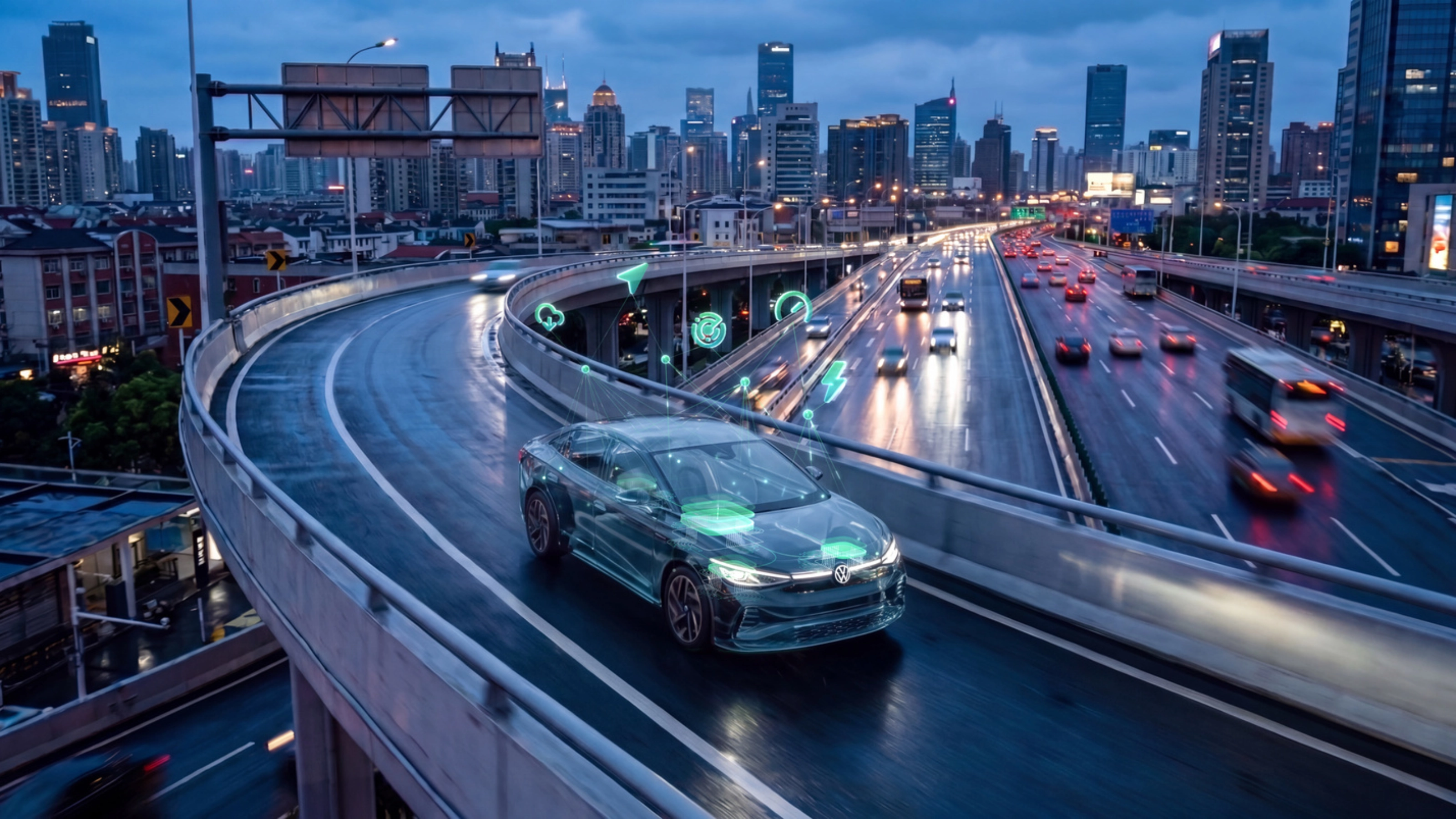
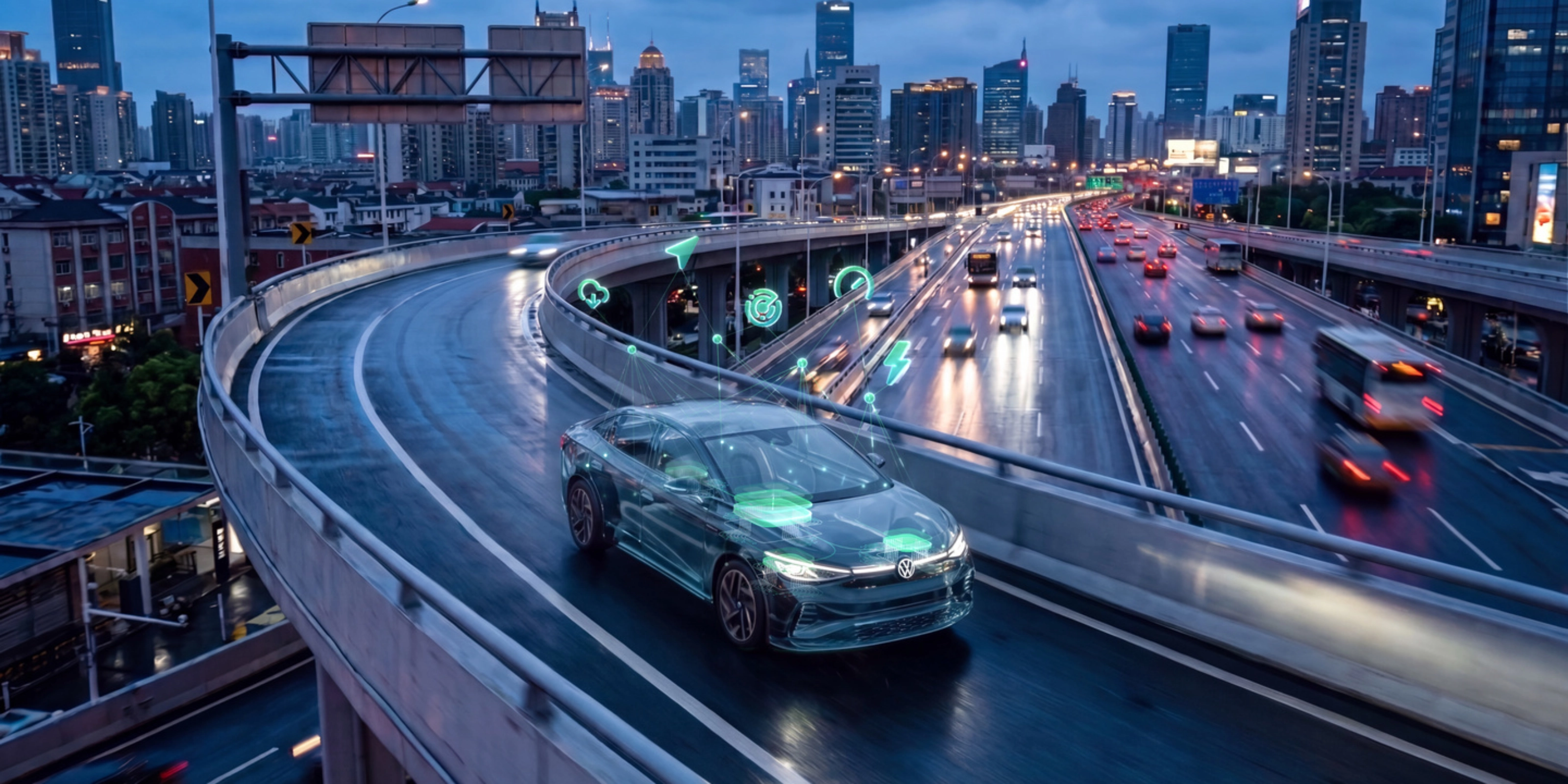
Image: (c) Volkswagen
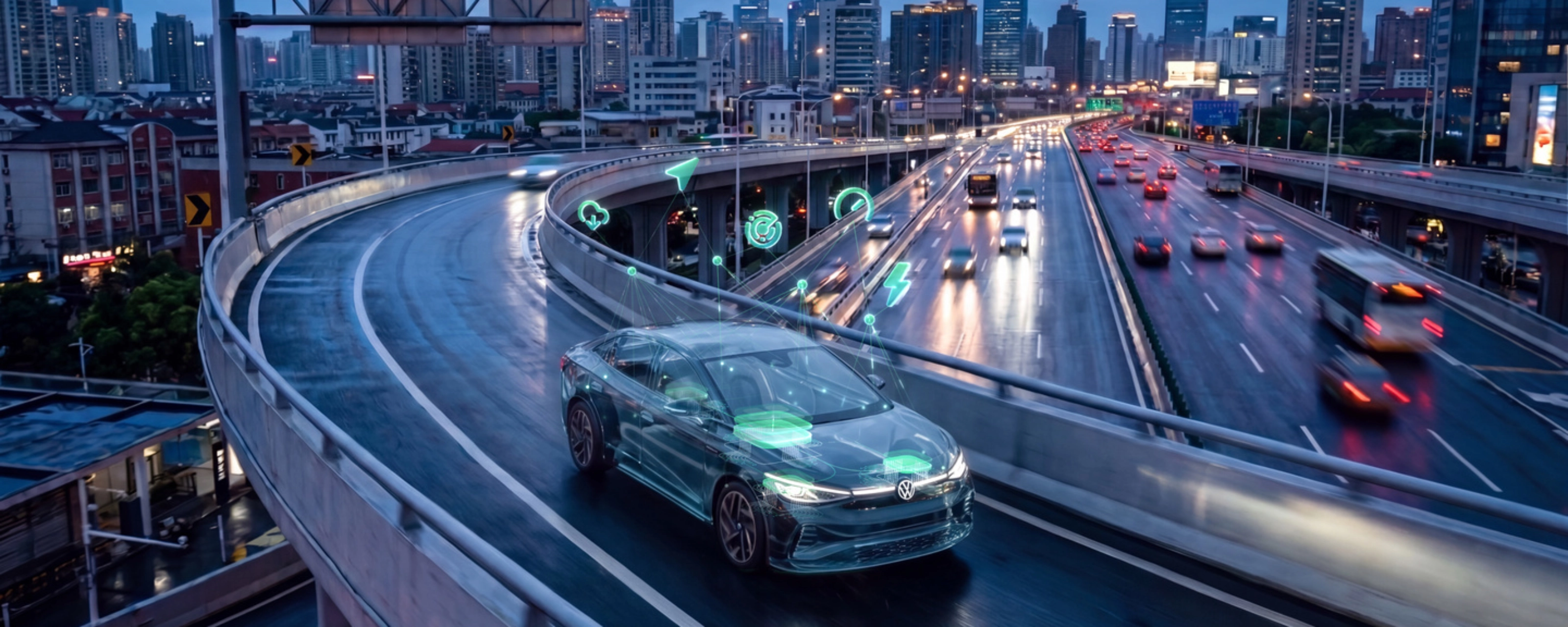
Volkswagen Group China unveiled its new VEGA technology platform at its Tech Day in Hefei, China. The platform combines locally developed vehicle platforms, a centralized electronic architecture, and AI-powered driver assistance systems. With this technology, the Group aims to accelerate the development of new electric vehicles, deliver software functions more efficiently, and achieve technical readiness for SAE Level 3 automated driving by 2027.
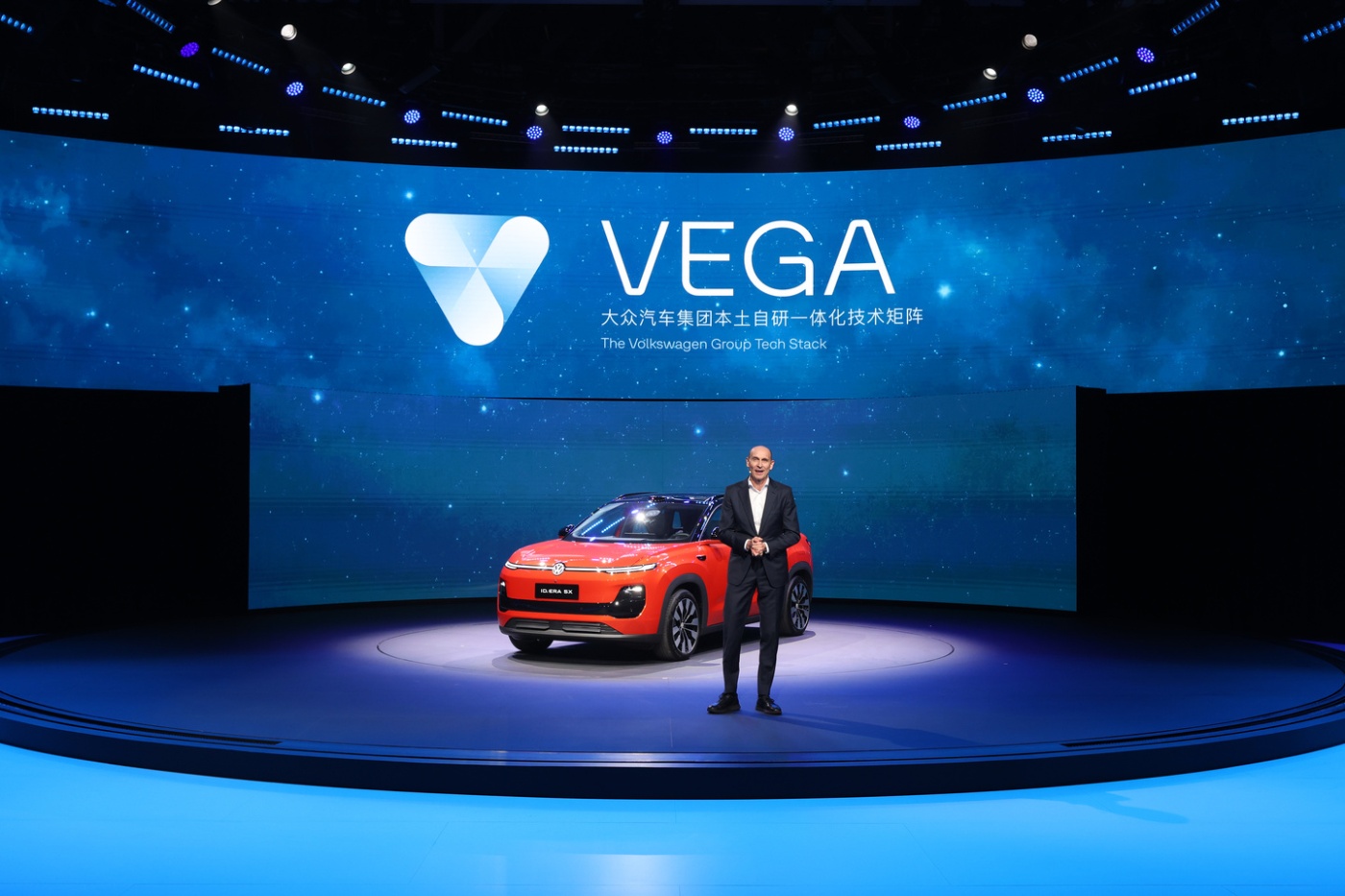
VEGA brings together three key technology areas: the Compact Main Platform (CMP) and China Scalable Platform (CSP) vehicle platforms, the China Electronic Architecture (CEA), and locally developed driver assistance systems.
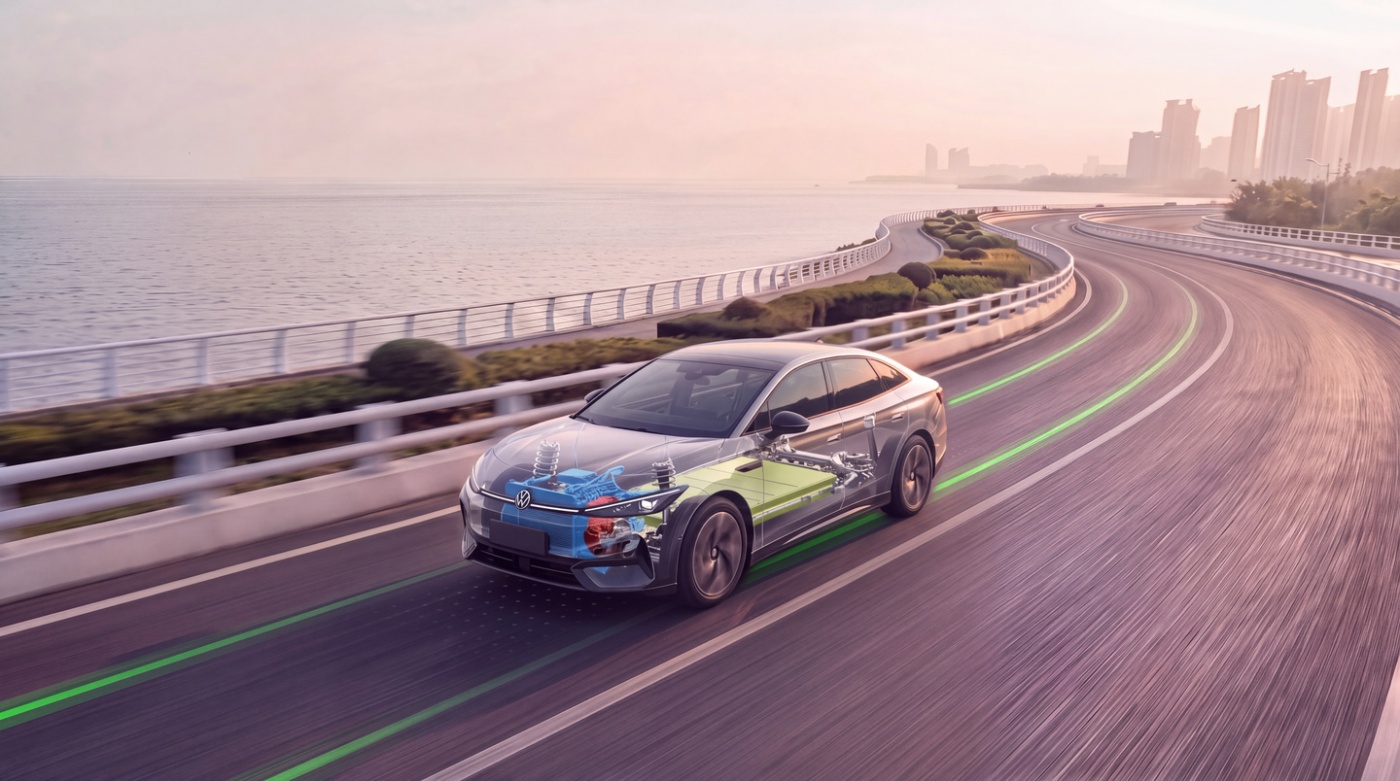
CMP is designed for compact electric vehicles and plug-in hybrids. In its most efficient configuration, electric vehicles built on this platform are expected to achieve a range of more than 600 kilometers under the Chinese CLTC testing cycle, with energy consumption of approximately 11 kWh per 100 kilometers. The battery is designed to charge from 30% to 80% in 25 minutes.
The larger CSP platform targets premium battery-electric vehicles and range-extended models. Volkswagen is aiming for a range of more than 800 kilometers for electric vehicles, with energy consumption of less than 13 kWh per 100 kilometers. Range-extended vehicles are expected to achieve a combined range of more than 1,500 kilometers. Thanks to a high-voltage architecture with a peak voltage exceeding 850 volts, charging from 10% to 80% is expected to take just 13 minutes.
New Electronic Architecture Enables Regular Software Updates
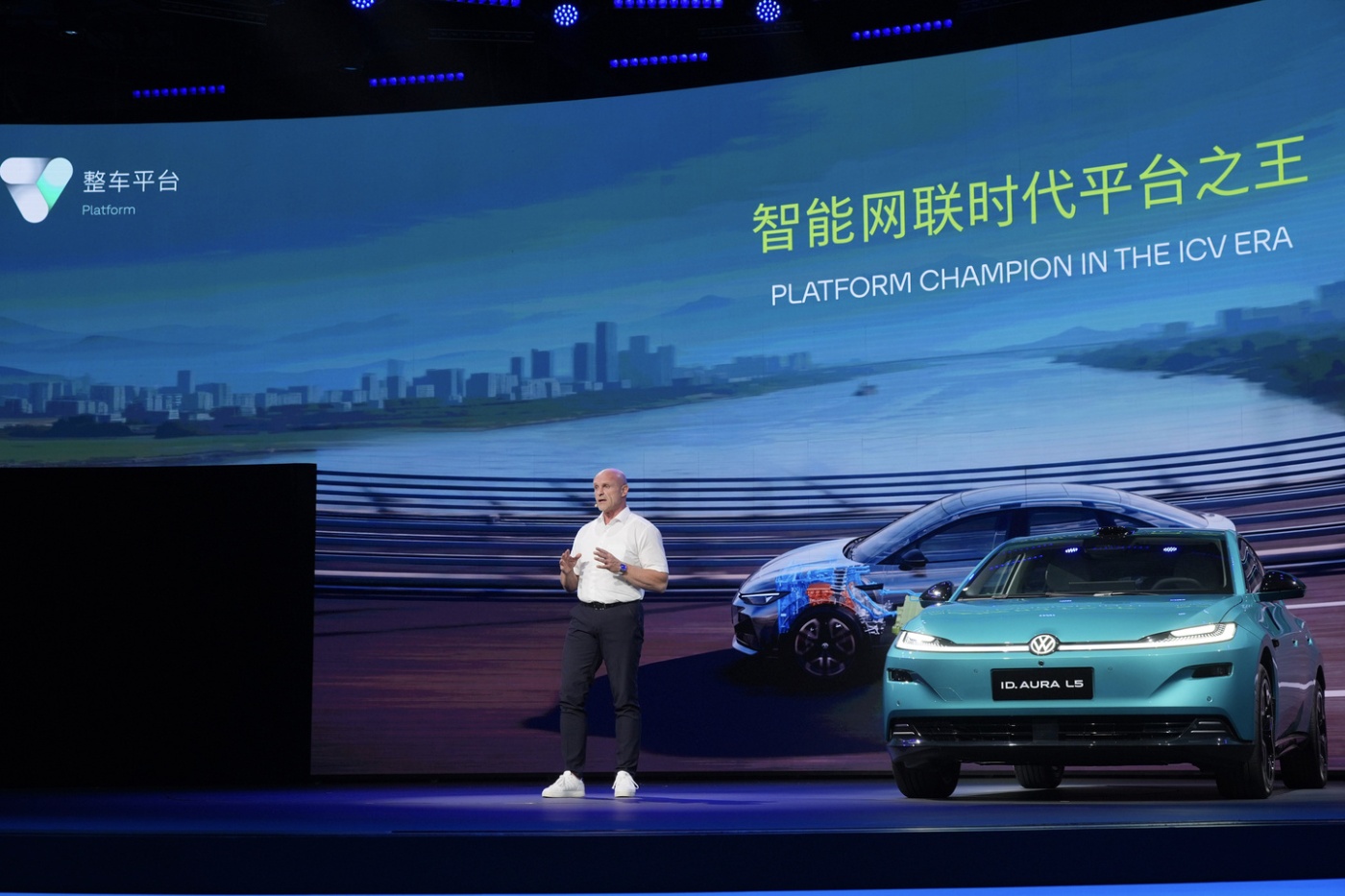
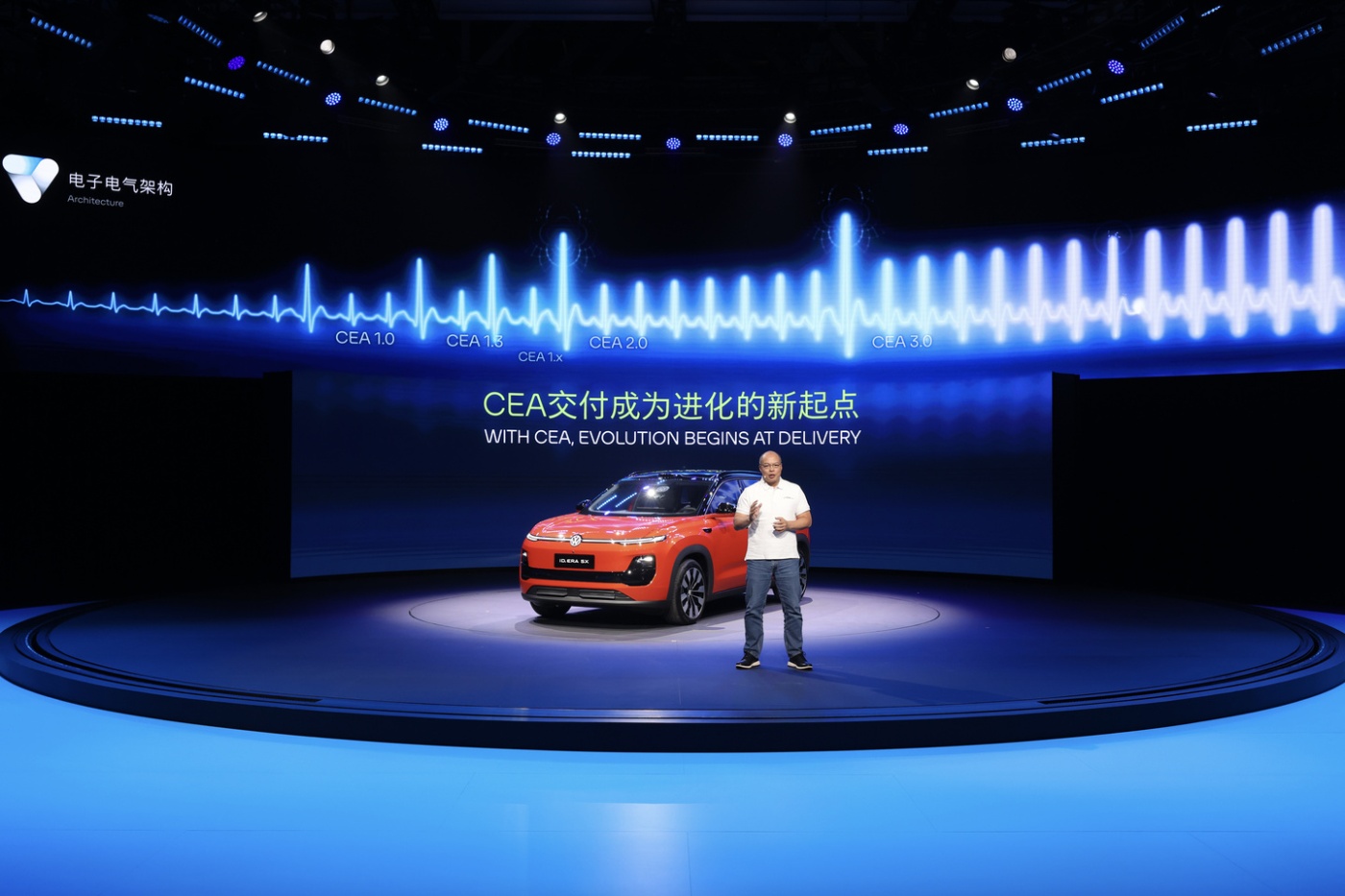
With the China Electronic Architecture, Volkswagen is also developing a centralized electronic architecture for software-defined vehicles. It is designed to support different vehicle segments and powertrain types while enabling regular software updates.
The architecture is scheduled to be introduced in five locally produced electric vehicles in 2026, including the ID. UNYX 06, ID. UNYX 07, ID. ERA 5X, ID. AURA T6, and ID. AURA L5. Plug-in hybrids and vehicles with internal combustion engines are expected to follow in 2027.
Volkswagen plans to update major software functions every three months and comprehensively enhance the architecture every two years. By 2029, the Group aims to introduce CEA 3.0, a more AI-driven architecture designed to eventually support automated driving functions up to SAE Level 4.
AI Reduces Software Testing from Three Days to Just a Few Hours
To accelerate vehicle development, Volkswagen is deploying its proprietary AI toolchain, C-Brain. The system assists developers with software programming, error analysis, and the validation of new functions.
According to the company, software tests that previously took up to three days can now be completed in just two to three hours. Troubleshooting processes are also expected to become significantly faster. Under certain conditions, tasks that previously took as long as two weeks could be completed in just 20 minutes.
Since the third quarter of 2026, the Group has also been introducing AI agents in vehicles equipped with the CEA architecture. These support functions such as voice control, trip planning, and entertainment.
Technical Readiness for SAE Level 3 Automated Driving Targeted for 2027
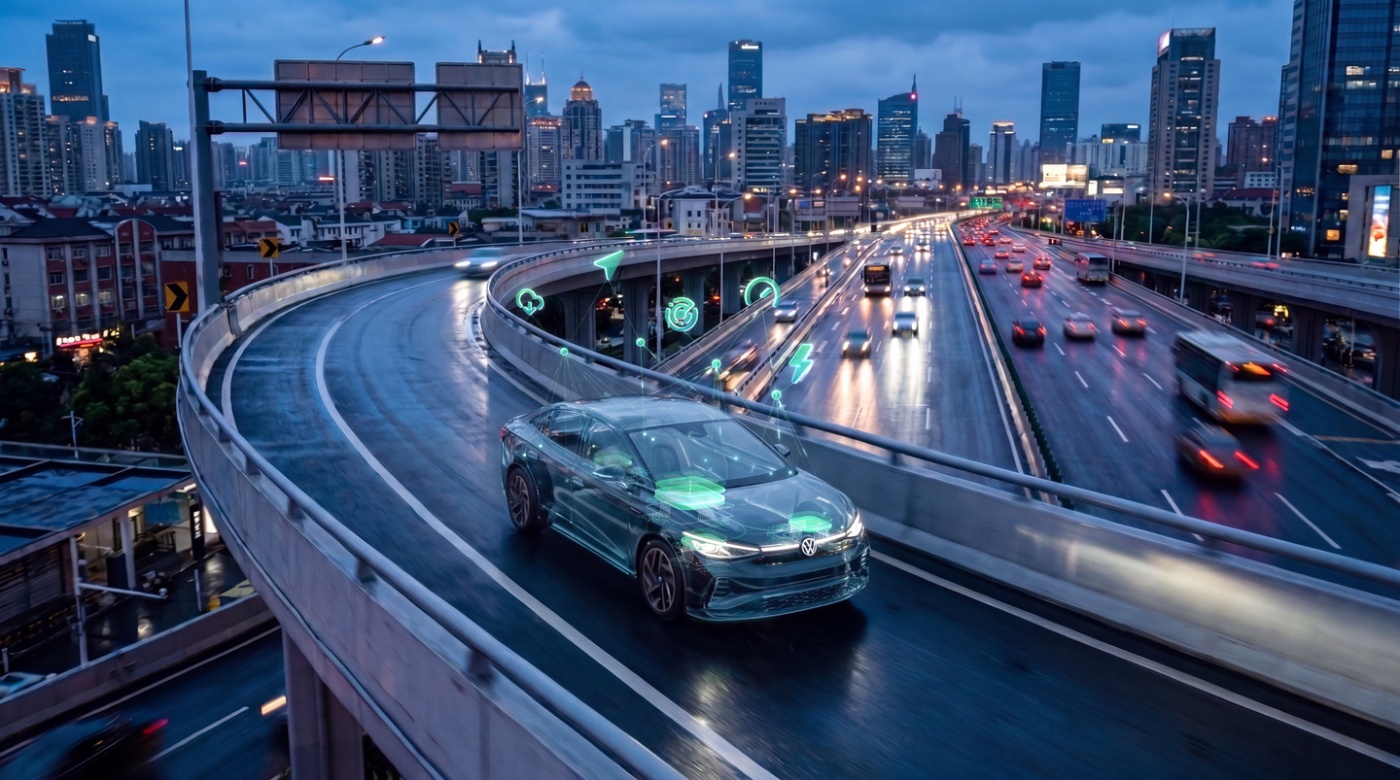
At the same time, Volkswagen Group China is developing its own L2++ driver assistance system, Hyper Sense 8 (HS8). The system is scheduled to be introduced in seven new electrified vehicle models from the Group's Chinese joint ventures in 2026. It is designed to enable navigation-based driving functions on highways and in urban traffic, as well as automated parking.
For development, the Group uses its GAIA 2.0 AI world model. According to the manufacturer, the model simulates traffic scenarios equivalent to approximately five million kilometers of driving every day and draws on up to 30 million recorded driving scenarios.
Volkswagen aims to achieve technical readiness for SAE Level 3 automated driving by 2027. The company has already received approval for corresponding road tests in Hefei, China. In addition, Volkswagen is developing its own C7H chip to support future automated driving functions up to SAE Level 4.
China-Developed Technologies to Be Introduced in South America
With its "In China, Beyond China" strategy, Volkswagen plans to expand the international use of vehicle platforms and software technologies developed in China.
The Group already exports vehicles produced in China to markets including the Middle East, Uzbekistan, Kazakhstan, and countries in Sub-Saharan Africa. Additional markets, including Mexico, Egypt, and Vietnam, are expected to follow by the end of 2026.
Before the end of the decade, South America is set to become the first region outside China to receive vehicles based on the CMP platform and CEA electronic architecture. These technologies are intended to support different powertrain types in the region, including electric, hybrid, and internal combustion engines.