


Mobility
Public Transport: How New Technologies Are Transforming Public Transportation
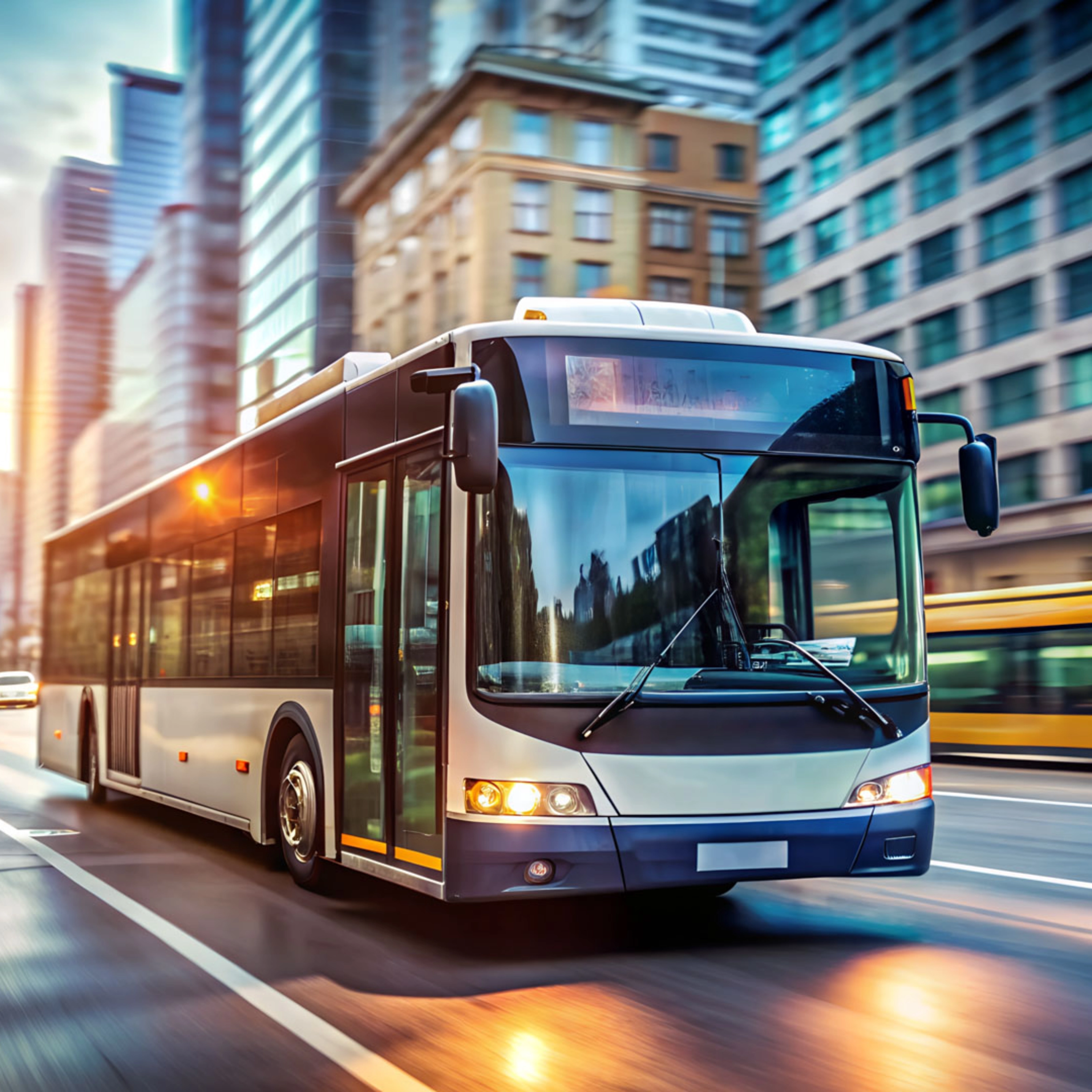
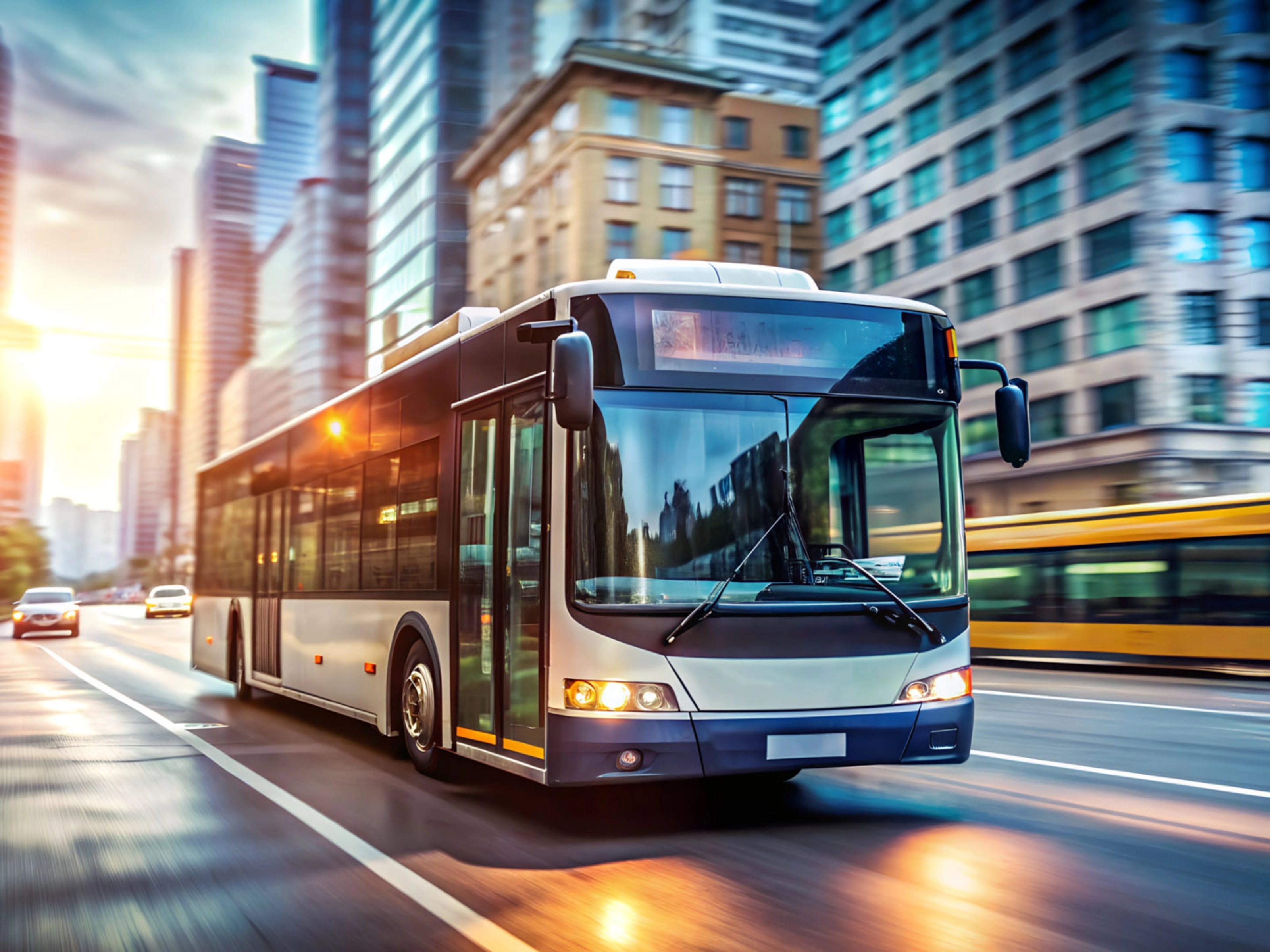
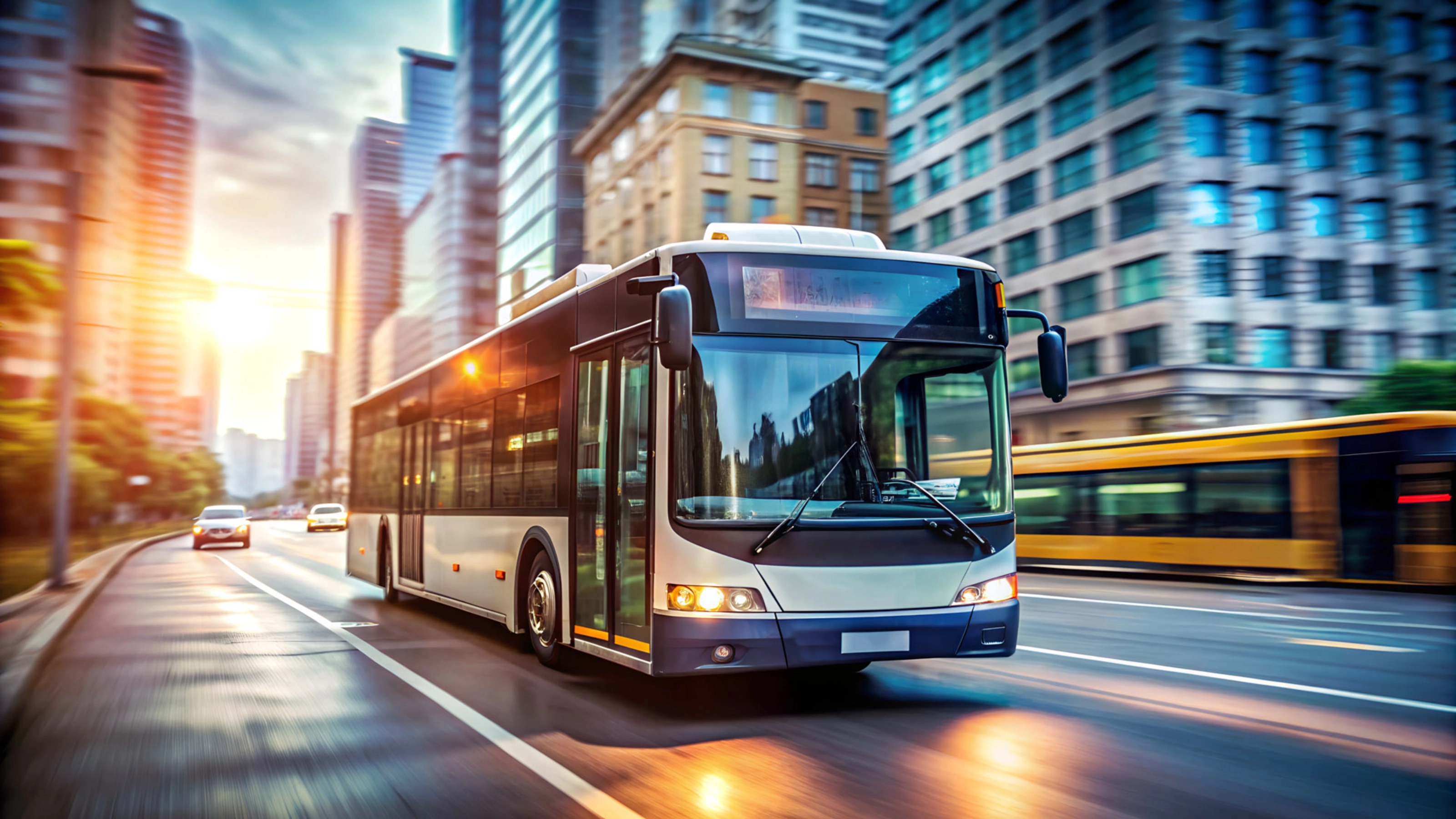
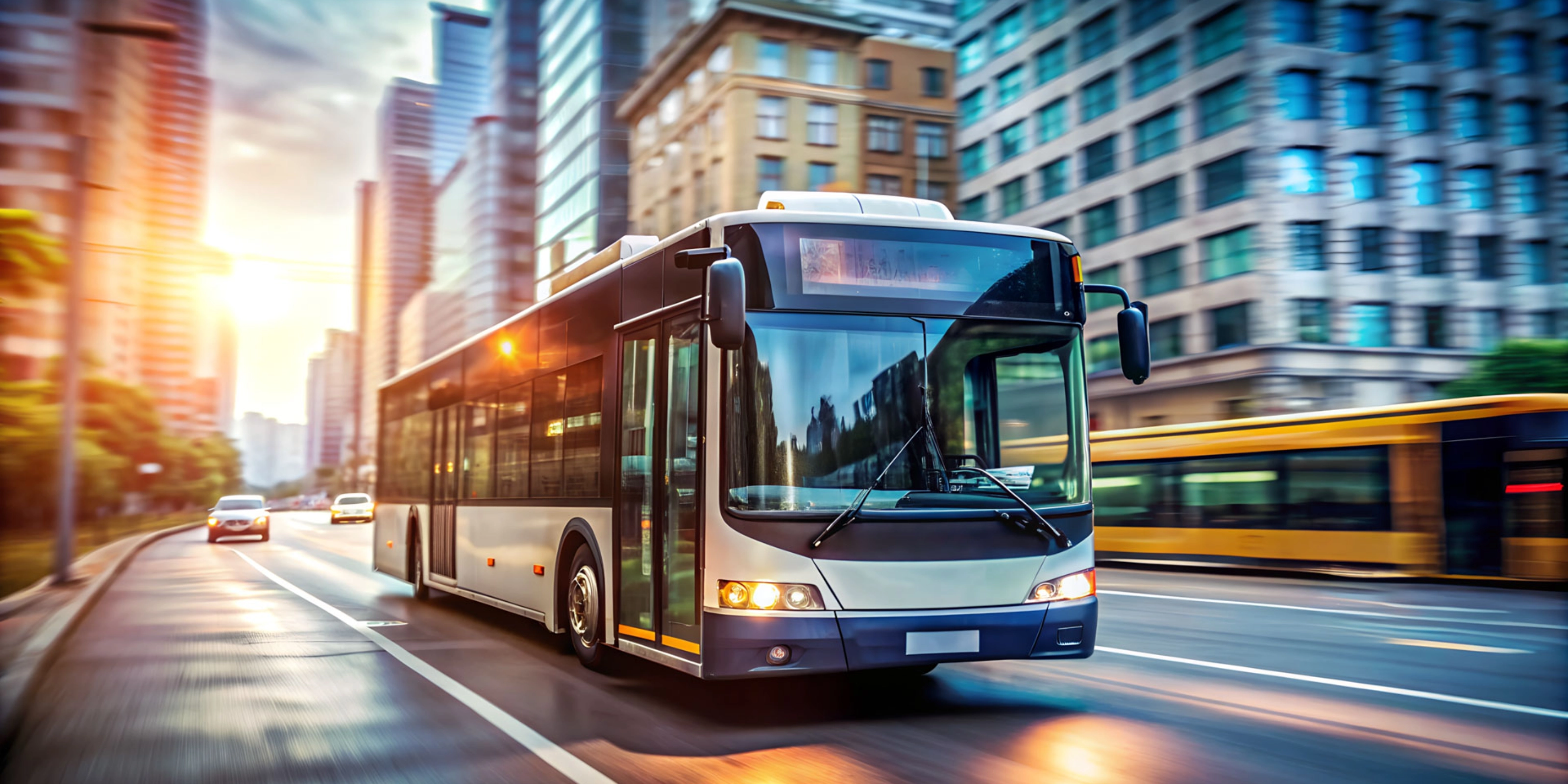
Image: (c) AdobeStock
Autonomous shuttles, electric buses, artificial intelligence, and connected mobility platforms: Public transportation is undergoing a transformation. New technologies and mobility concepts offer opportunities to move people from A to B more efficiently, sustainably, and flexibly in the future. At the same time, cities and public transit operators must balance growing mobility needs with limited resources and high infrastructure costs. What trends are shaping the future of public transportation?
Electrification: Reducing Emissions in Bus Transportation
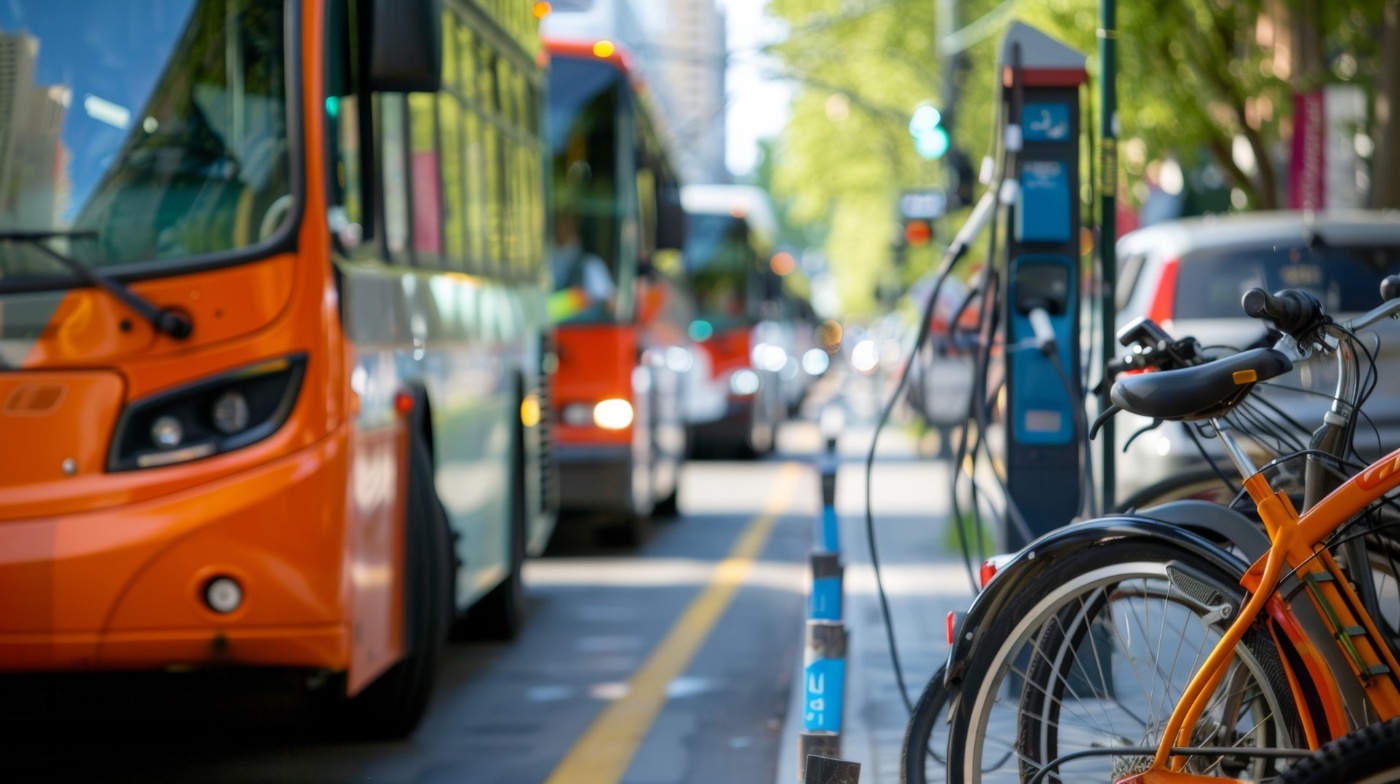
While trams, subways, and many rail lines have operated on electricity for decades, the electrification of bus transportation continues to advance. Battery-electric buses, in particular, are becoming increasingly important. They enable zero-emission operation at the local level and can reduce greenhouse gas emissions when powered by renewable energy. Hydrogen fuel cell buses are also an option for certain applications.
However, the vehicle itself is only part of the equation. High-performance charging infrastructure, intelligent energy management systems, and integration into existing operations are becoming increasingly important. New battery technologies, predictive charging management, and the integration of renewable energy sources are also creating additional opportunities.
Autonomous Shuttles and On-Demand Transit: Mobility When and Where It Is Needed
Self-driving shuttles could complement conventional bus and rail services in the future, particularly in rural areas, suburban communities, and during periods of low demand. Rather than operating exclusively on fixed schedules, on-demand services can respond flexibly to passenger needs.
Digital applications pool ride requests and calculate suitable routes. Combined with autonomous driving capabilities, these services could eventually enable new operating models that improve access to areas currently underserved by public transit. However, technical reliability, appropriate regulatory frameworks, and economically viable operations remain essential prerequisites.
Mobility as a Service: Seamlessly Connecting Transportation Options
Another major trend is the integration of different mobility services into digital platforms. The Mobility as a Service (MaaS) concept allows passengers to plan, book, and, in some cases, pay for trips involving buses, trains, shared vehicles, and on-demand services through a single application.
For example, a journey could begin on a shared bicycle, continue on a commuter train, and end with a shuttle ride. New ticketing systems, real-time information, and interoperable payment solutions aim to make transfers between different modes of transportation easier. Standardized interfaces and data exchange between mobility providers form the technological foundation for these services.
Artificial Intelligence: Making Transit Networks More Efficient
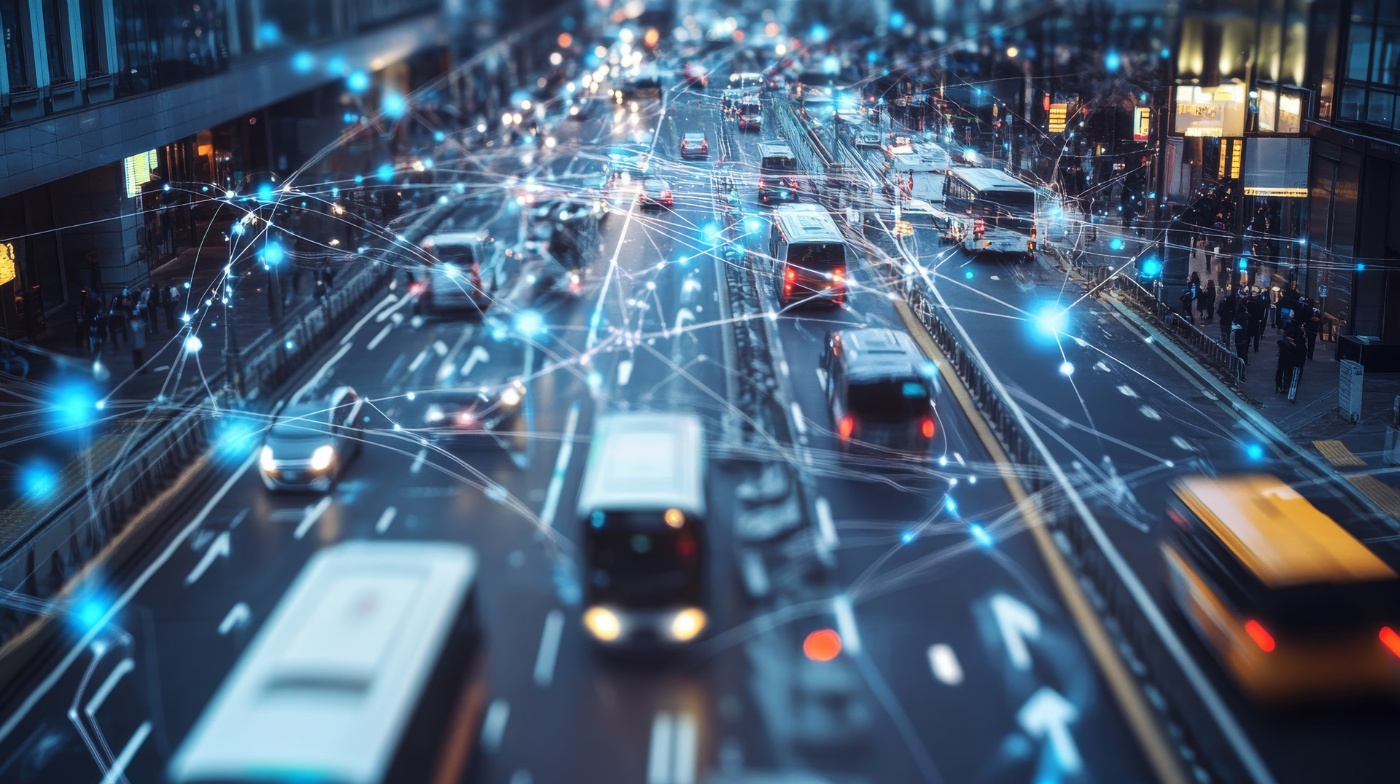
Artificial intelligence is also transforming the planning and management of public transportation. AI systems can forecast passenger demand, help operators adjust vehicle capacity to actual needs, and optimize traffic flows.
One important application is predictive maintenance. Sensors monitor the technical condition of vehicle components, making it possible to identify potential maintenance needs at an early stage. Digital twins of vehicles and transit networks can also help simulate different operating scenarios and test new mobility concepts before they are implemented.
Smart Infrastructure: Intelligent Transit Stops and Connected Transportation Networks
Digitalization is transforming not only vehicles but also transit networks and stops. Intelligent traffic signals can give buses priority at intersections, while digital passenger information systems provide real-time updates on departures, delays, and alternative connections.
At the same time, train stations and transit stops are evolving into multimodal mobility hubs that connect public transportation, shared mobility services, and cycling infrastructure. High-performance charging infrastructure and intelligent traffic management systems provide additional foundations for efficient, connected public transportation.
Sustainability and Accessibility: Mobility for Everyone
Alongside technological innovation, accessibility and social inclusion are becoming increasingly important. Accessible vehicles, step-free access, and clear passenger information are intended to make public transportation available to as many people as possible.
In the future, digital travel assistants could take individual requirements into account, recommending accessible connections or alternative routes during disruptions. At the same time, mobility services must remain affordable and accessible to people without smartphones.
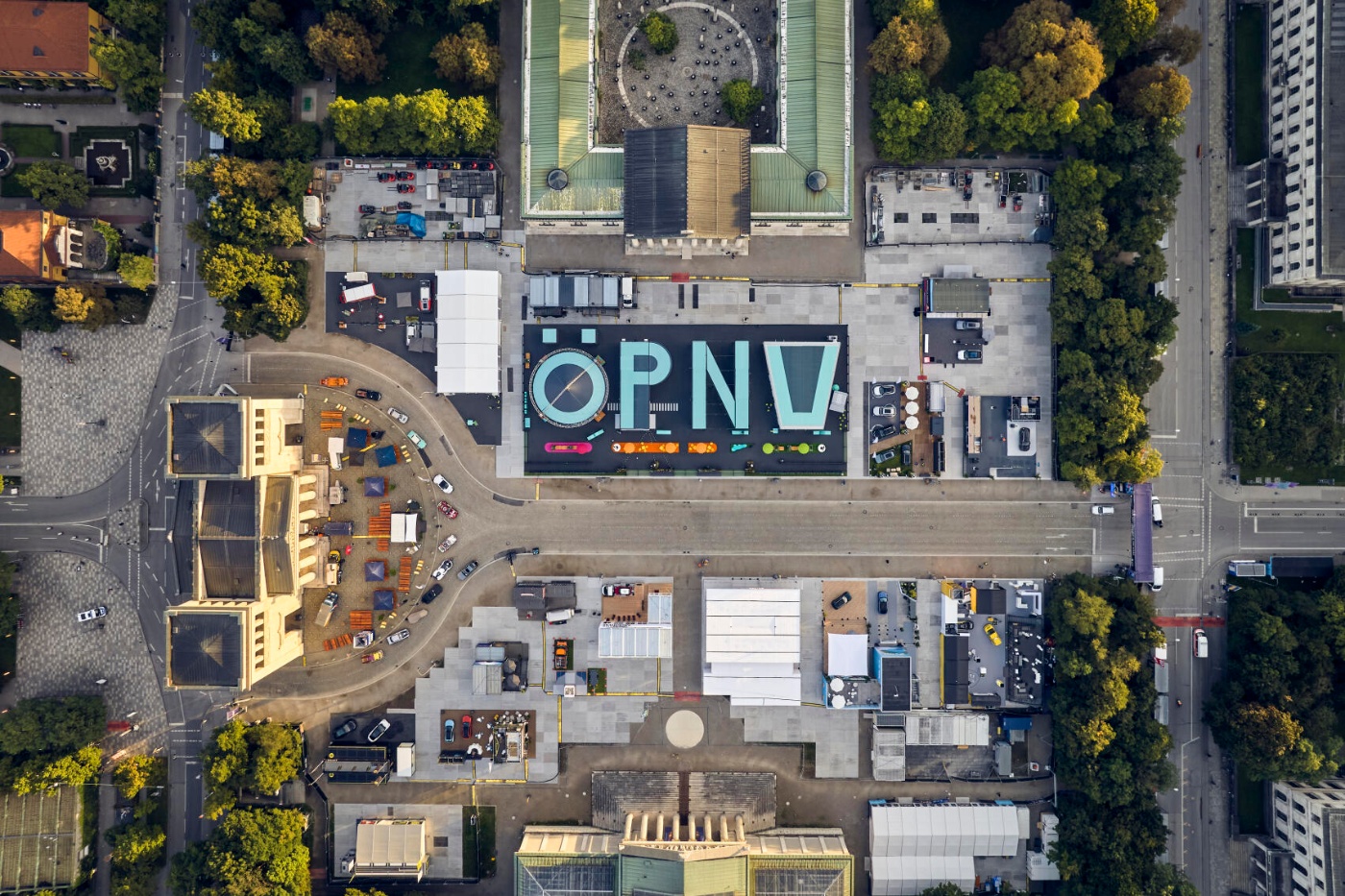
IAA MOBILITY 2027: Shaping the Future of Public Transportation
Developments in public transportation are reflected in the four key themes of IAA MOBILITY 2027: Mobility, Technology, Sustainability & Resilience, and Smart Infrastructure.
From September 7–12, 2027, IAA MOBILITY will bring together companies, technology providers, mobility service providers, policymakers, and researchers in Munich to discuss solutions for the future of mobility.
The future of public transportation will not be determined by new powertrains or autonomous vehicles alone. What matters most is the interaction between innovative technologies, high-performance infrastructure, and intelligent mobility services. Only when different modes of transportation are reliably connected can a more efficient, flexible, and accessible mobility system emerge.