

Mobility
GE Aerospace Demonstrates First Hybrid-Electric Flight Over 30,000 Feet
Image: (c) GE Aerospace
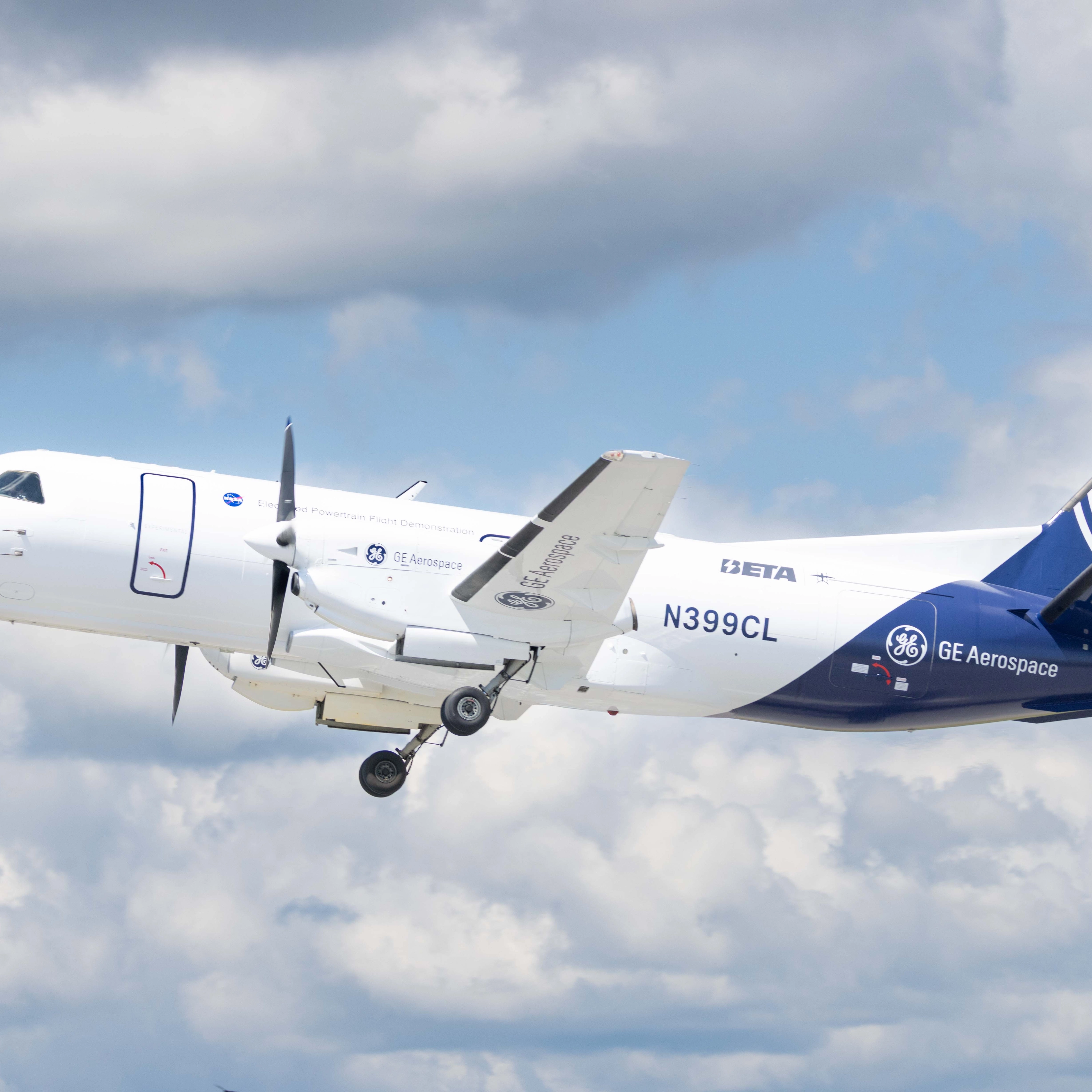
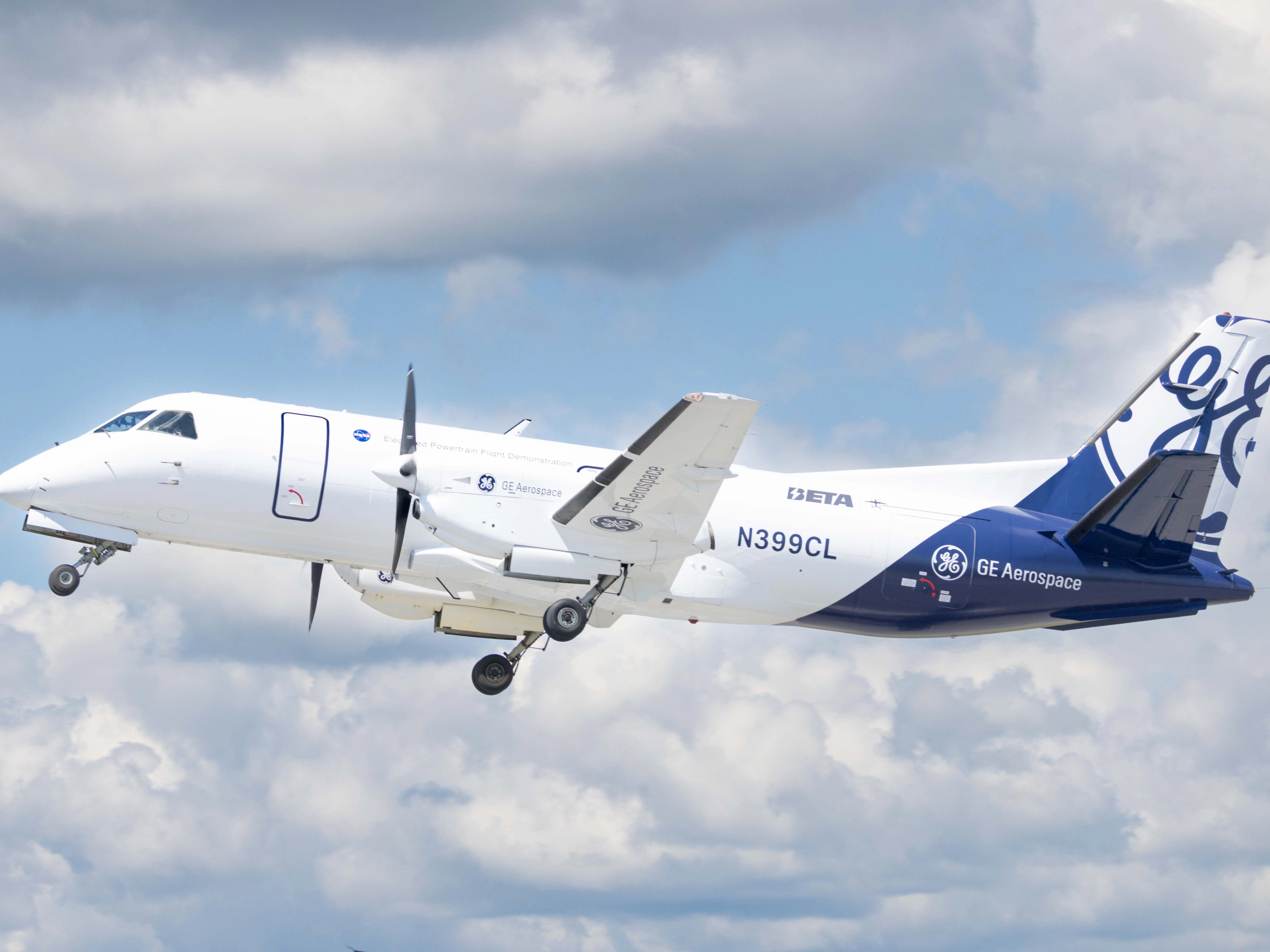
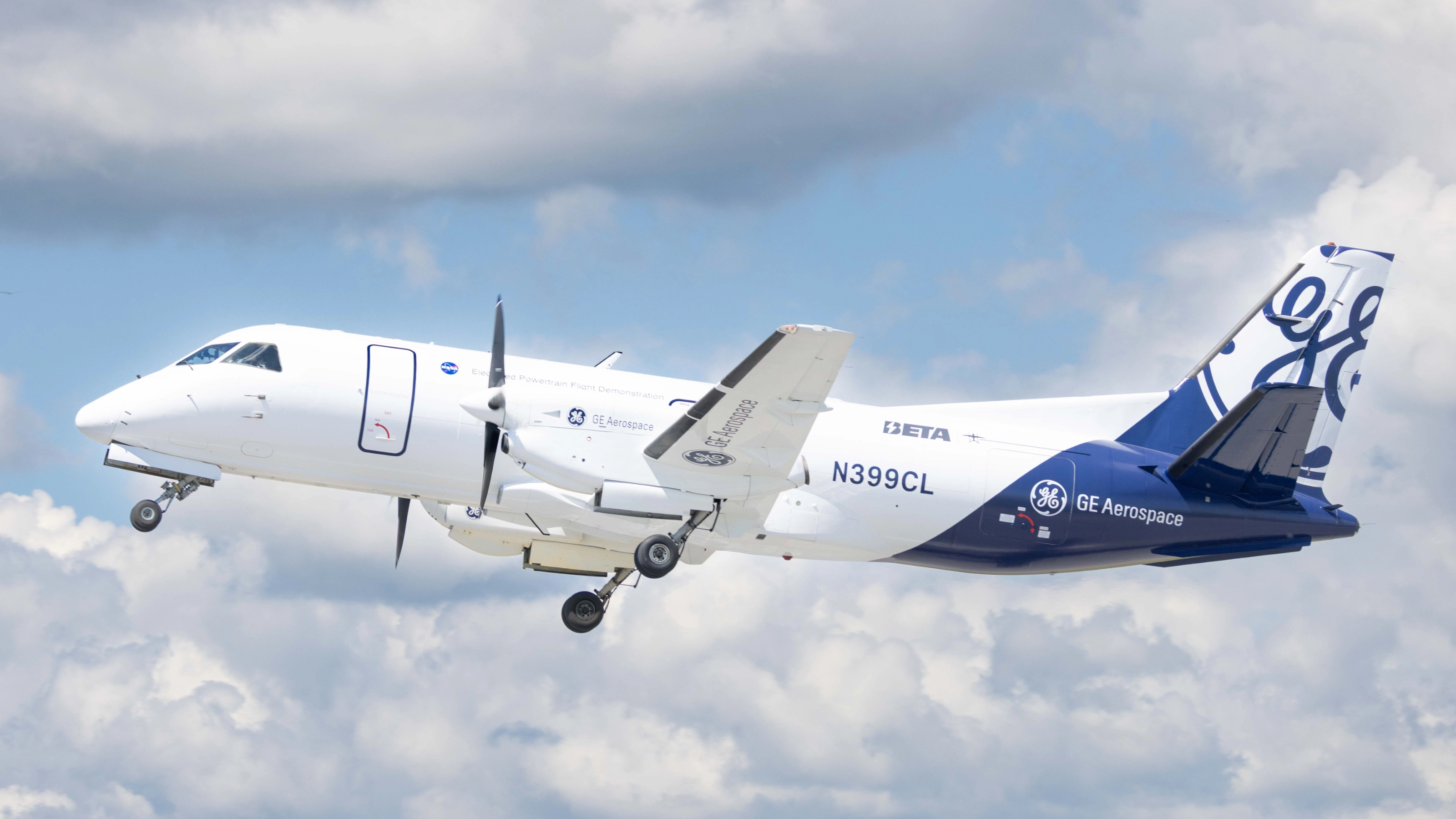
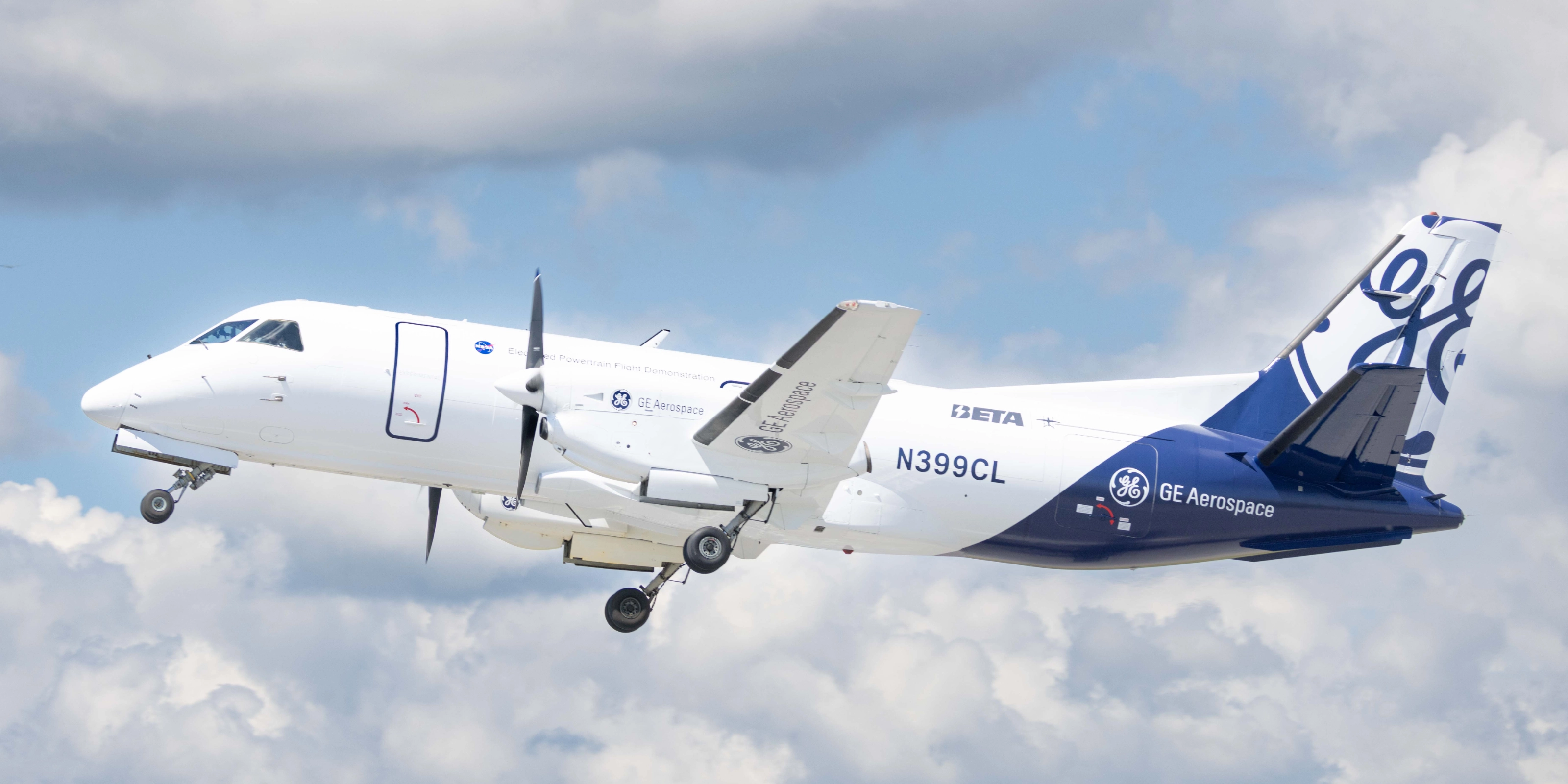
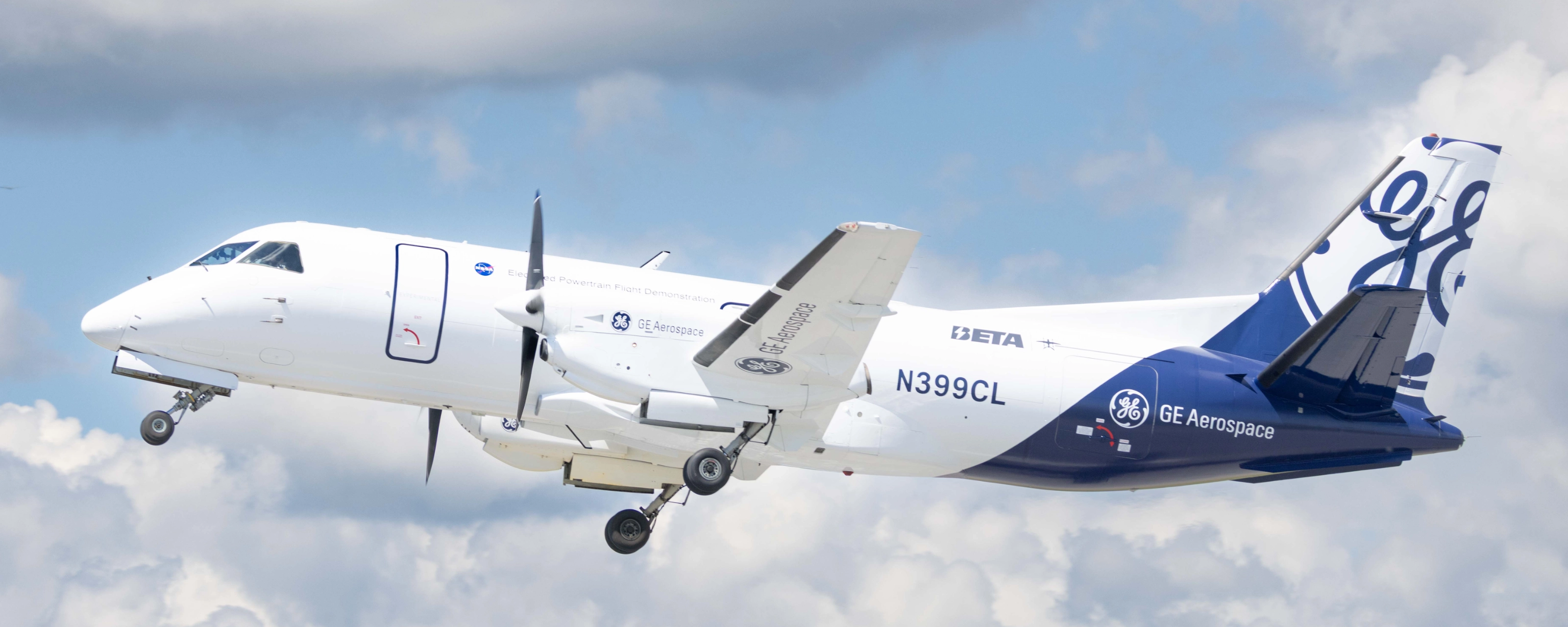
GE Aerospace, in collaboration with NASA, BETA Technologies, and Boeing, announced that it has successfully conducted the world’s first hybrid-electric flight at an altitude of over 30,000 feet (approximately 9,100 meters). The flight test was performed using a modified Saab 340B test aircraft and is considered a major milestone in the development of more efficient aviation propulsion systems.
GE Aerospace, in collaboration with NASA, BETA Technologies, and Boeing, announced that it has successfully conducted the world’s first hybrid-electric flight at an altitude of over 30,000 feet (approximately 9,100 meters). The flight test was performed using a modified Saab 340B test aircraft and is considered a major milestone in the development of more efficient aviation propulsion systems.
Hybrid-Electric Propulsion Tested Under Real Operating Conditions
The flight tests were conducted as part of NASA’s Electrified Powertrain Flight Demonstration (EPFD) program. The hybrid propulsion system combines a conventional turbine engine with an electric drive and was tested for the first time at altitudes typical for commercial airliners. A single test flight logged more than two hours in hybrid operation.
The propulsion system includes megawatt-class electric motors and generators, power electronics, gearboxes, and propellers. BETA Technologies served as the system integrator, while Aurora Flight Sciences, a Boeing company, handled the engine integration into the test aircraft.
Focus on Efficiency and Emission Reductions
According to GE Aerospace, the hybrid propulsion system improves the aircraft’s climb performance and enables more efficient operation. By utilizing electric power assist, the system is designed to lower fuel consumption and reduce CO₂ emissions. At the same time, the aircraft serves as a flying testbed for advancing future hybrid propulsion technologies.
A Key Component of Next-Generation Propulsion Technologies
The demonstration is part of GE Aerospace’s long-term development strategy for more sustainable aircraft propulsion. Among other initiatives, the data gathered will feed into work on the CFM RISE program for next-generation commercial engines. The successful test is expected to accelerate the transition from ground-based lab testing to real-world flight trials, providing valuable insights for future hybrid and electric propulsion systems.