



Mobility
FAW Hongqi Unveils Ultra-Fast-Charging Battery Capable of Charging in Under Four Minutes
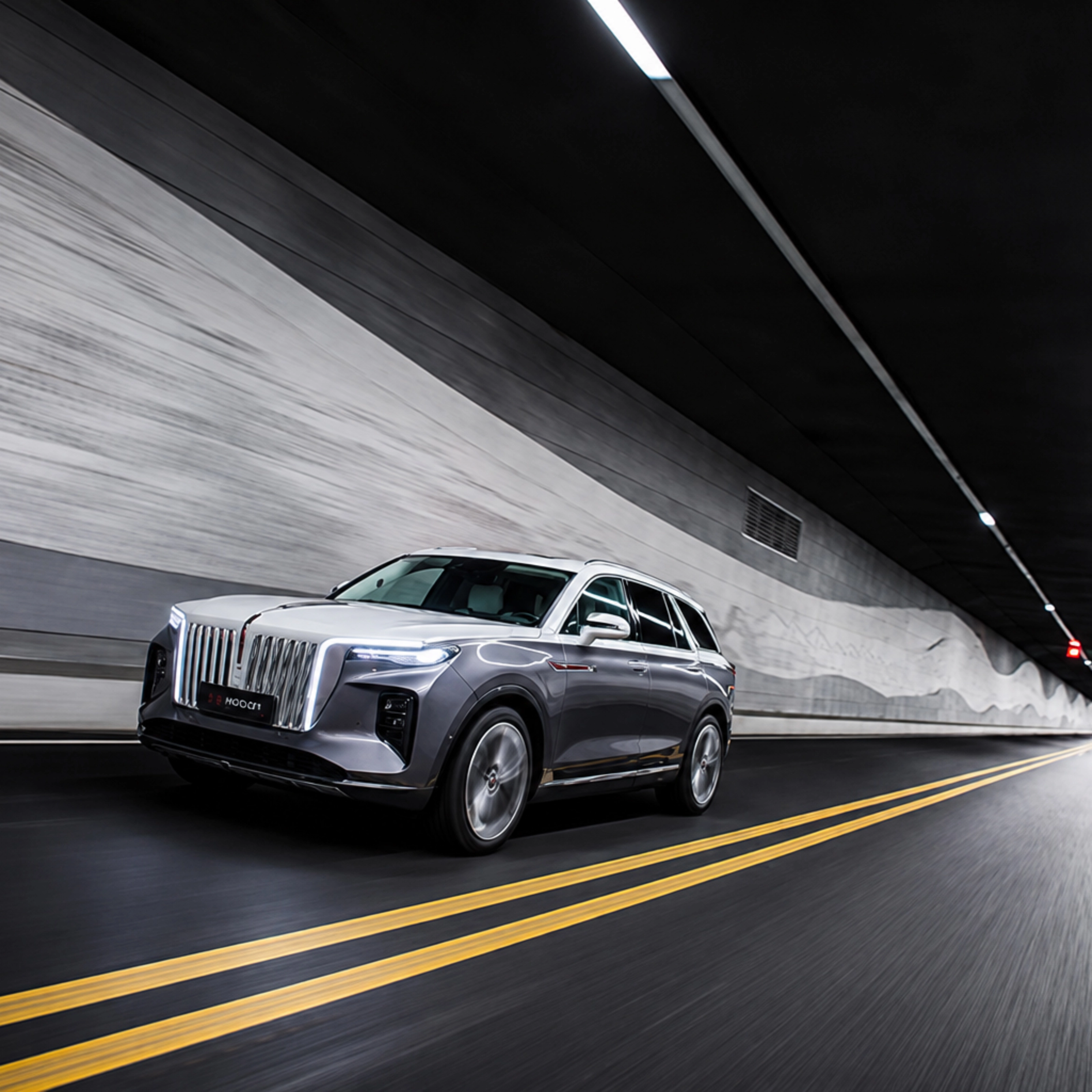
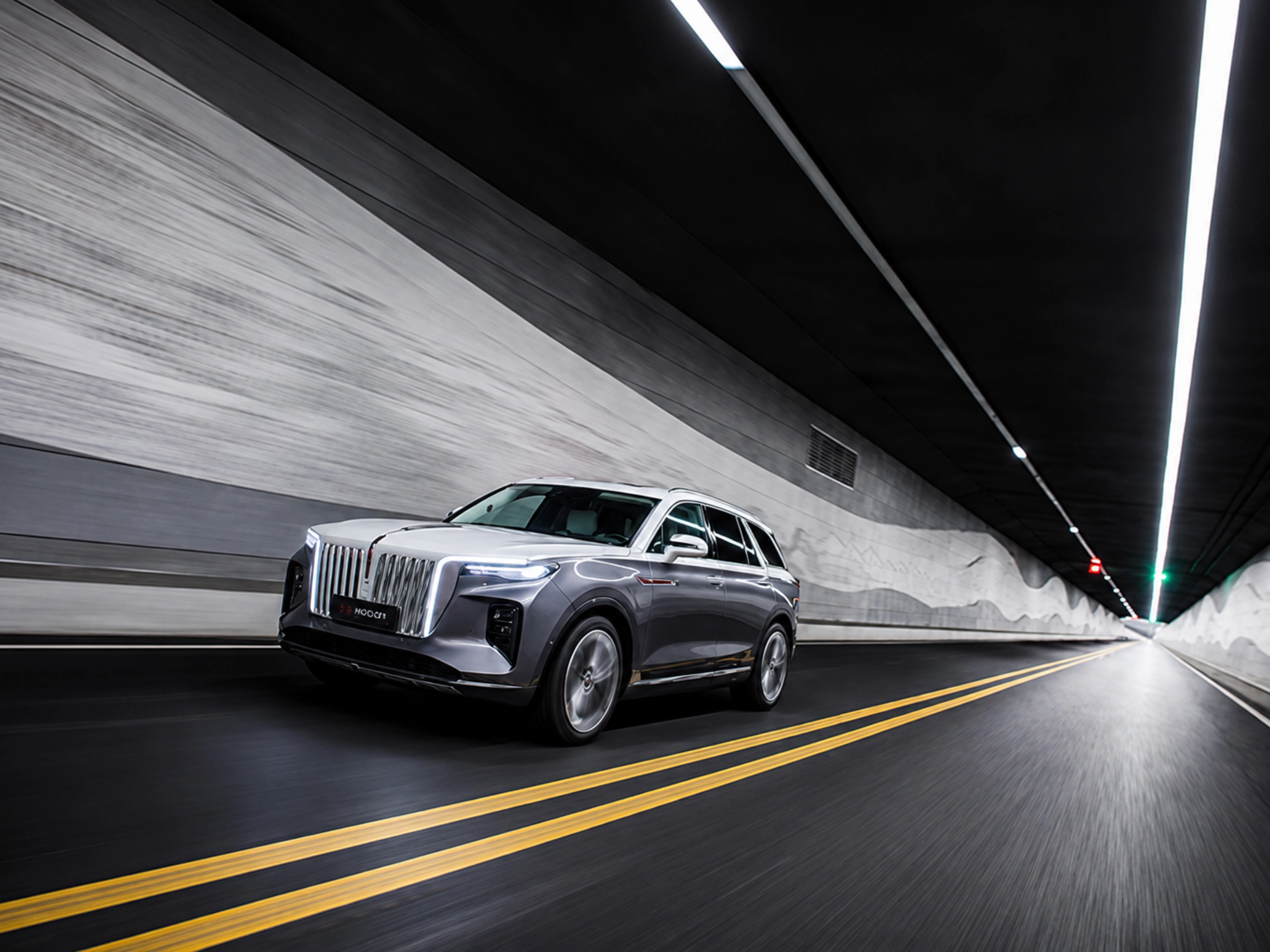
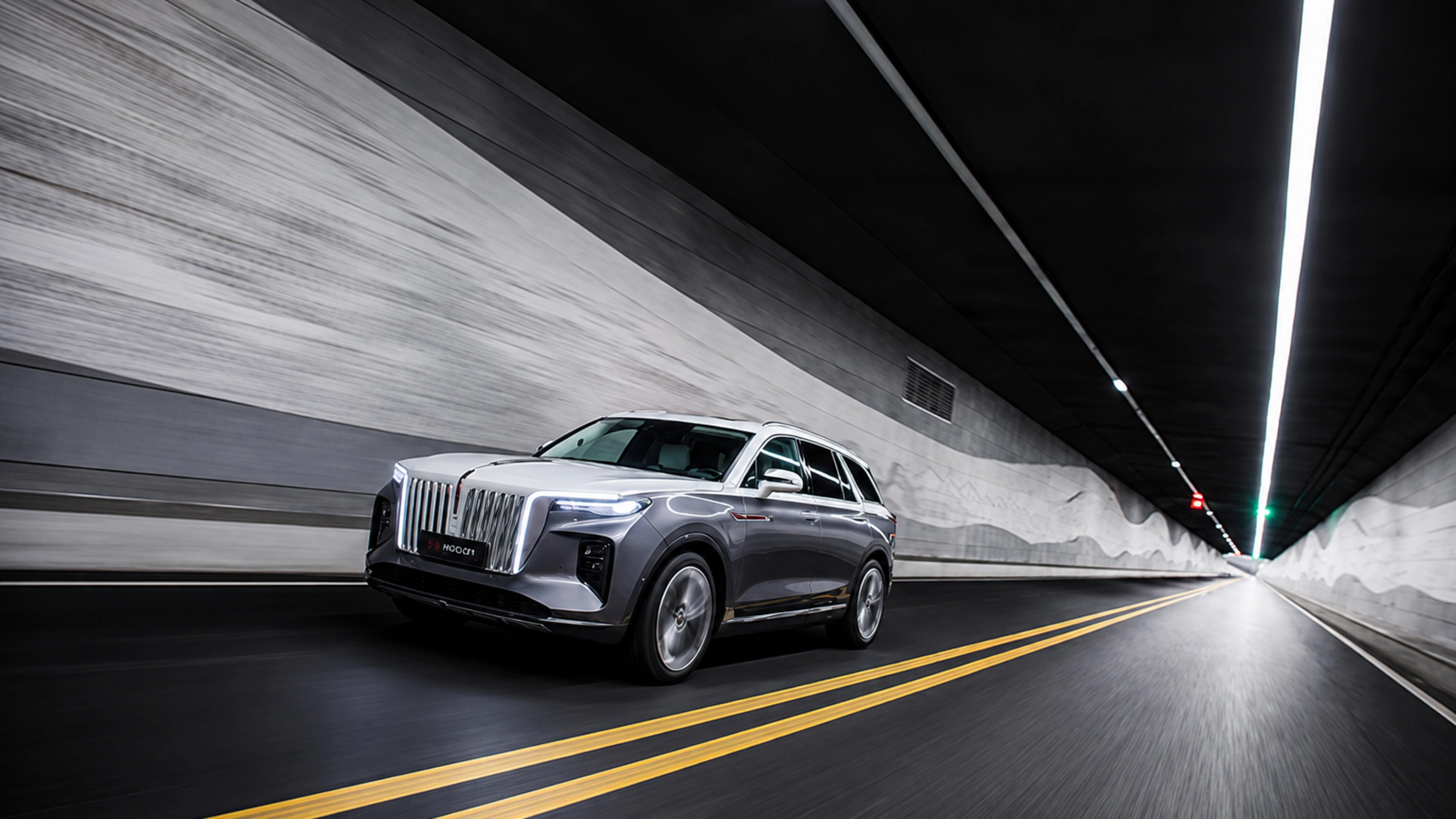
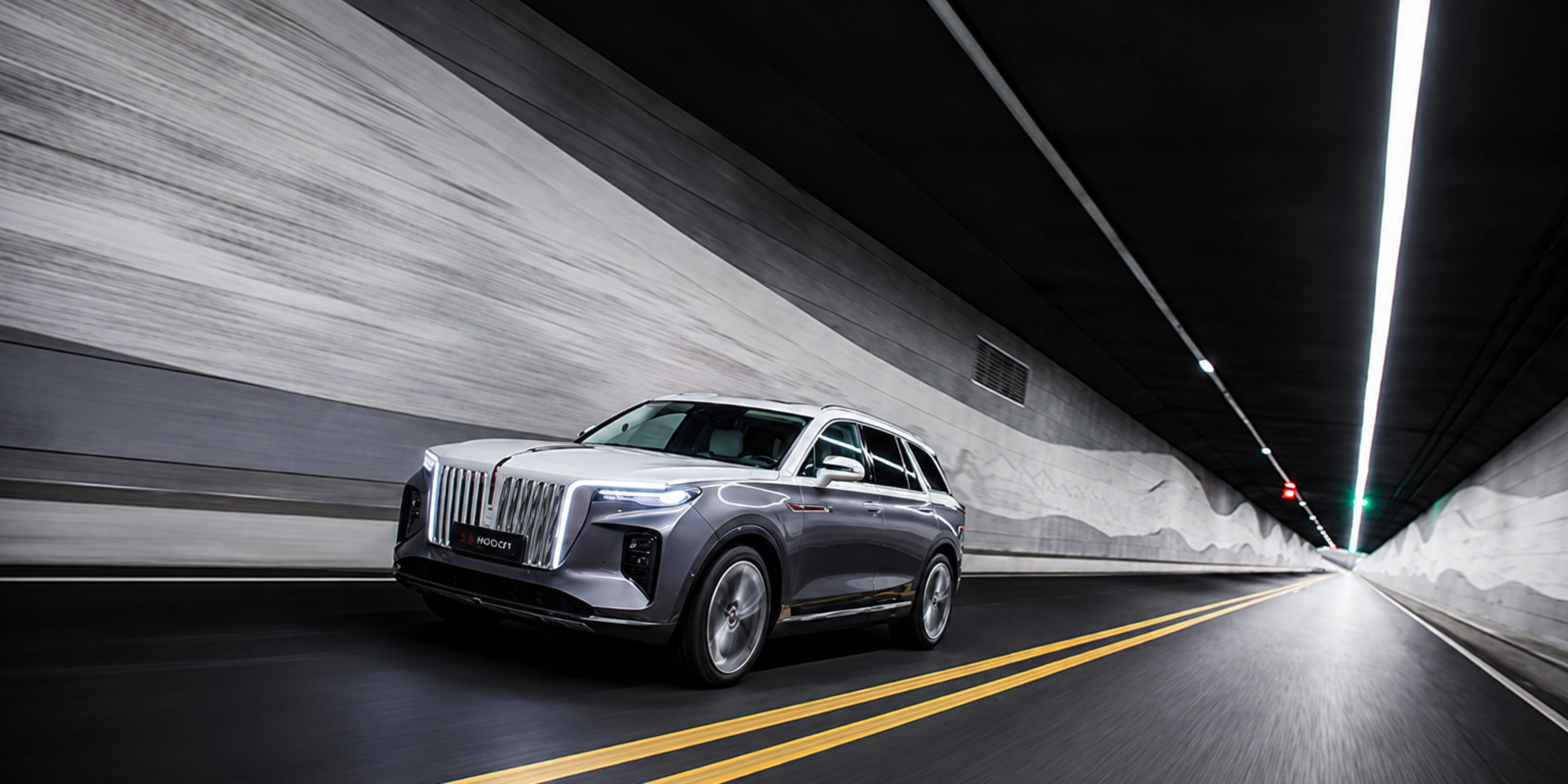
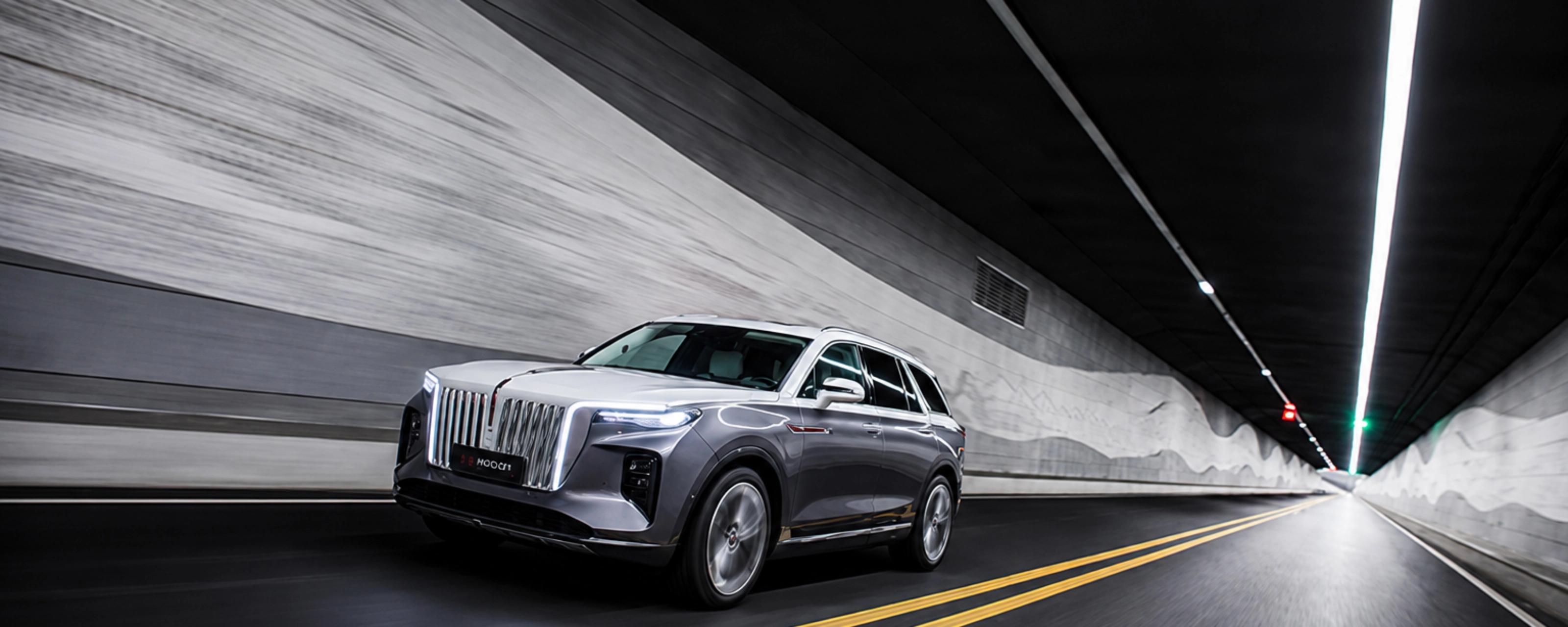
Image: (c) FAW Hongqi
Chinese automaker FAW Hongqi has introduced a new ultra-fast-charging battery that boosted state of charge (SoC) from 10 to 70 percent in 3 minutes and 41 seconds under test conditions. According to the company, tests were conducted at an ambient temperature of 25 degrees Celsius (77°F). If the technology reaches mass production, it would surpass the charging speed of BYD’s current second-generation Blade Battery.
Chinese automaker FAW Hongqi has introduced a new ultra-fast-charging battery that boosted state of charge (SoC) from 10 to 70 percent in 3 minutes and 41 seconds under test conditions. According to the company, tests were conducted at an ambient temperature of 25 degrees Celsius (77°F). If the technology reaches mass production, it would surpass the charging speed of BYD’s current second-generation Blade Battery.
Fast-Charging Battery with 12C Charging Rate
The battery was co-developed with China Automotive New Energy Battery Technology (CNET). According to Hongqi, it achieves a peak charging rate of 12C, which is expected to significantly reduce charging times. In testing, the battery took 8 minutes and 3 seconds to charge from 10 to 97 percent.
For comparison, Hongqi points to the second-generation BYD Blade Battery, which, when paired with the manufacturer's flash-charging technology, requires about five minutes to charge from 10 to 70 percent and approximately nine minutes to charge from 10 to 97 percent.
Optimized Cell Chemistry and Thermal Management
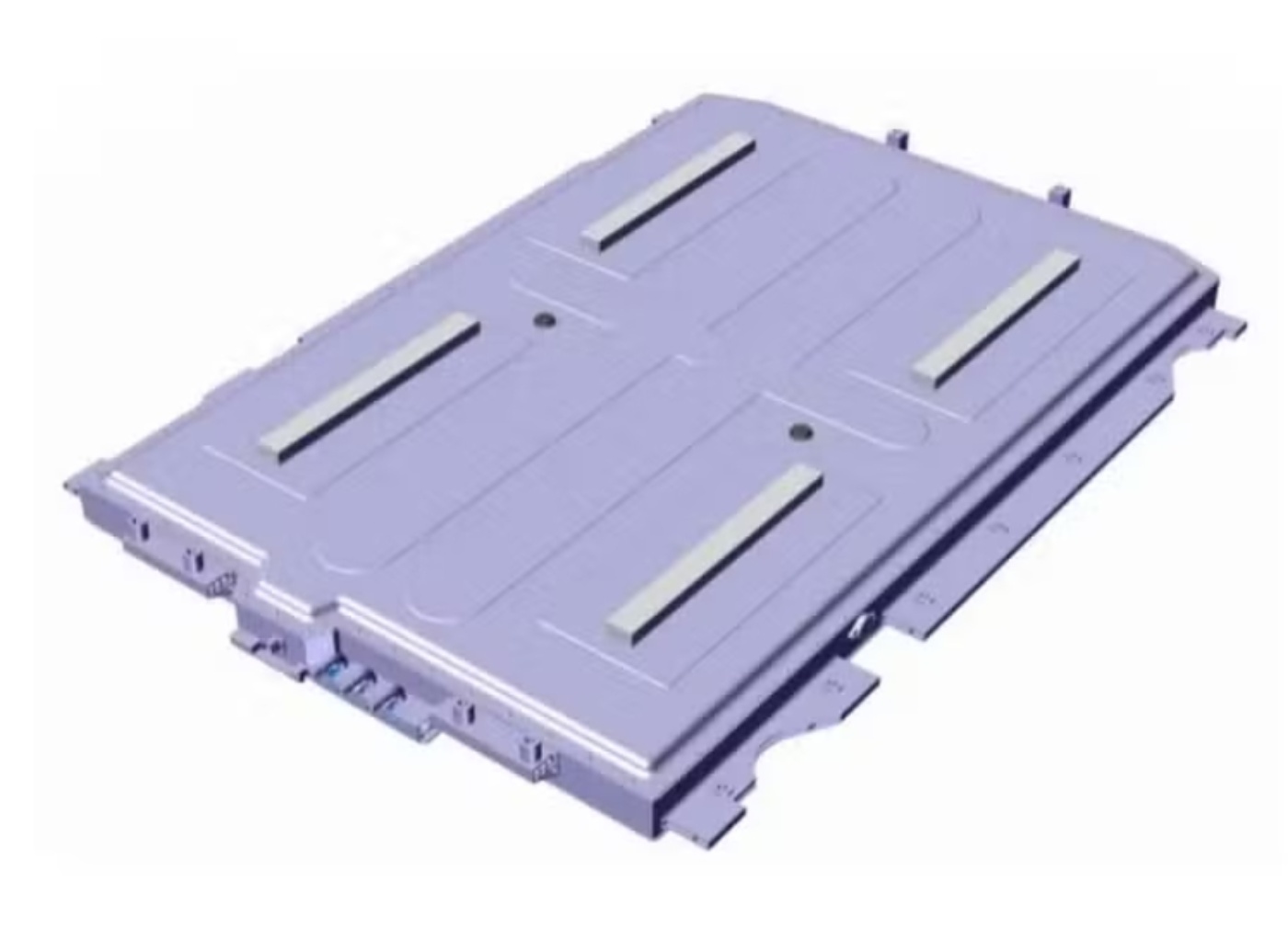
To enable such high charging output, Hongqi relies on several new technologies. These include an in-house-developed anode tailored for high charging rates, as well as a new electrolyte with low desolvation energy designed to accelerate lithium-ion migration.
Additionally, the automaker uses a combination of carbon coating and material doping at the cell level. This is intended to reduce internal resistance by 15 percent compared with similar battery cells and increase charge transfer efficiency.
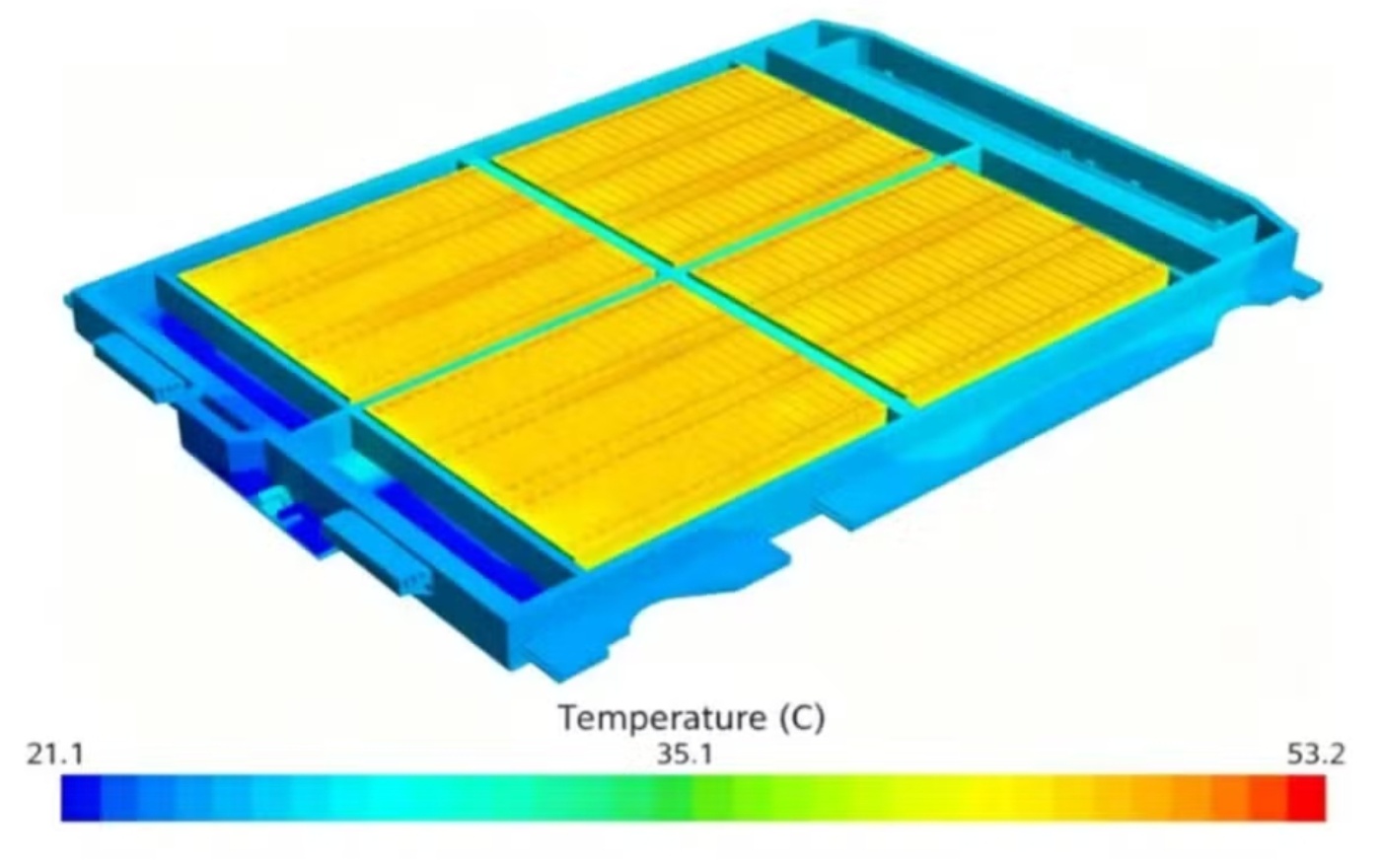
For temperature control, an intelligent liquid cooling system is designed to limit the temperature variance across the battery pack to less than three degrees Celsius during fast charging. The cooling strategy dynamically adapts to different operating conditions, such as driving or parking, keeping the battery within its optimal temperature range while minimizing the energy required for thermal management.
Adaptive Fast-Charging Strategy Enhances Safety
To safeguard the fast-charging process, Hongqi uses an adaptive charging strategy that continuously monitors cell temperature increases and adjusts the charging power in real time. Cell voltage and state of charge are also continuously monitored to prevent overcharging or overvoltage.
Start of Mass Production Undisclosed
Hongqi did not provide a timeline for mass production or specify the first vehicle model to feature the new battery. However, the company describes the successful completion of testing as a major milestone in the development of next-generation battery technology.