

Mobility
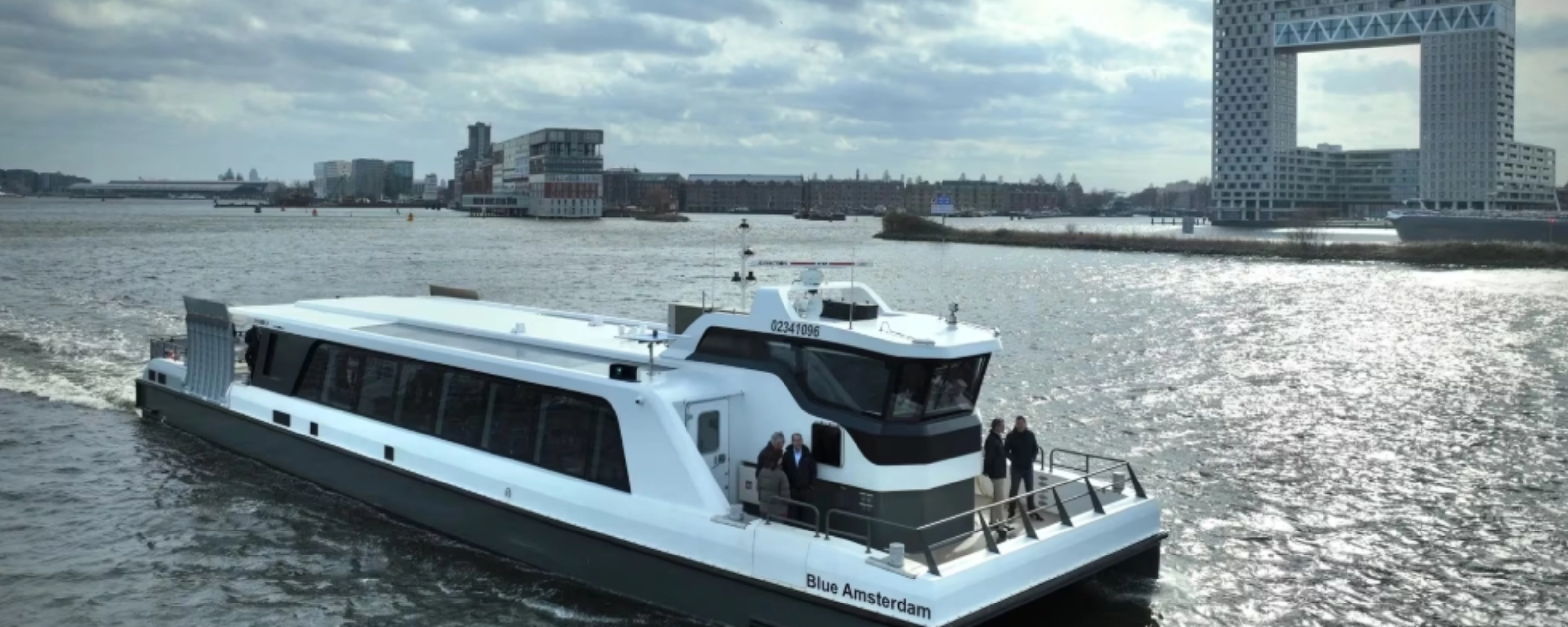
Damen Unveils First Fully Electric Waterbus 2907 Ferry
Image: (c) Damen
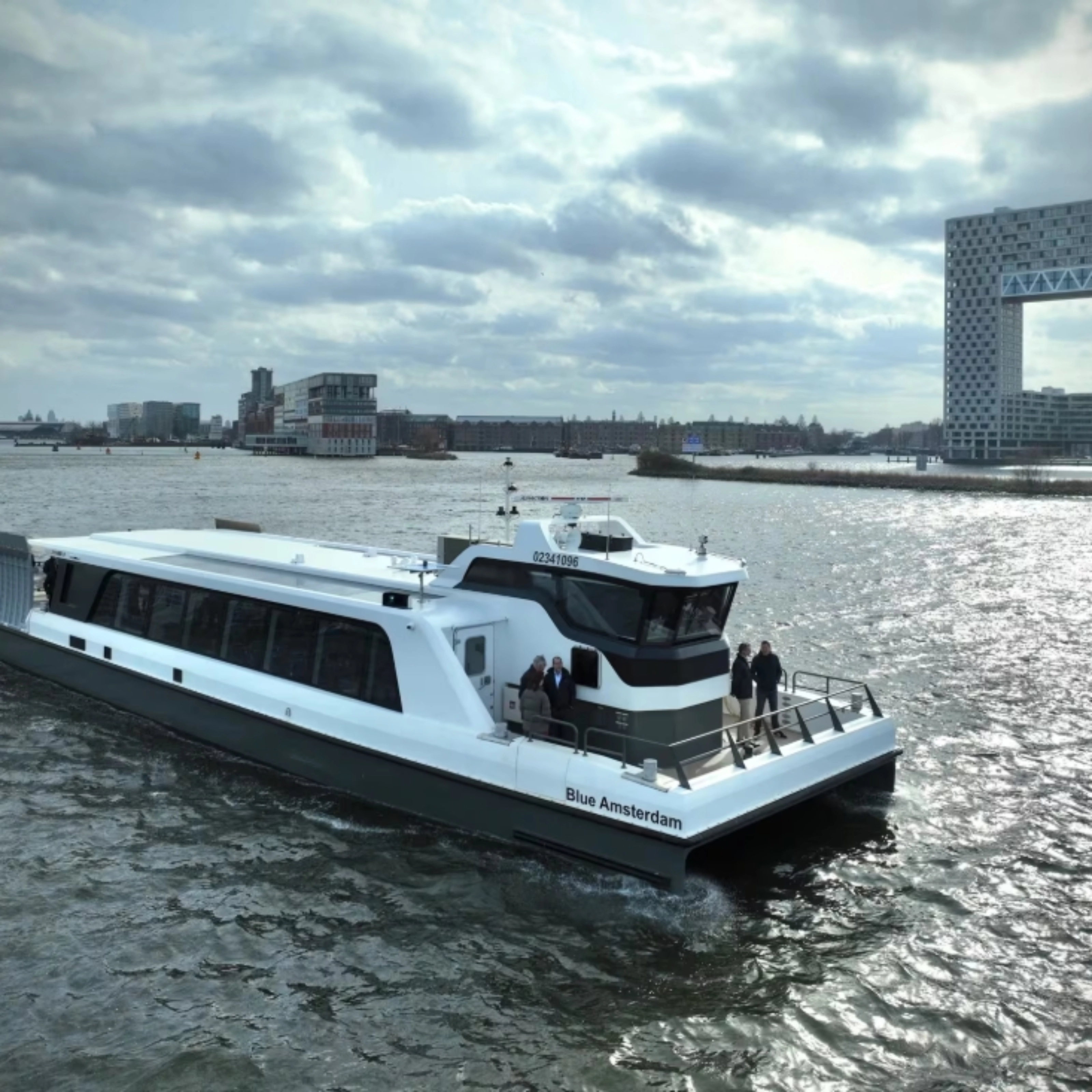
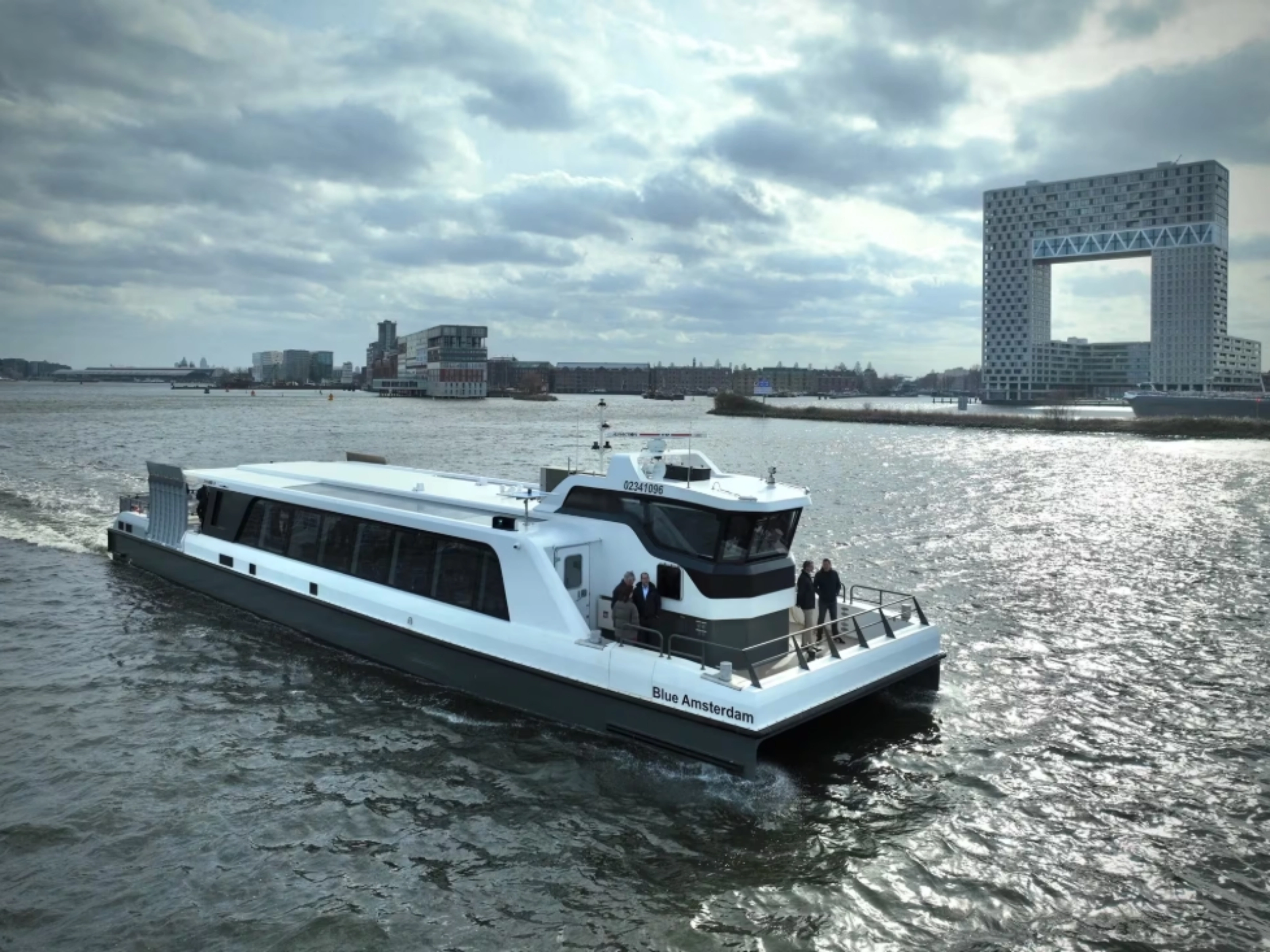
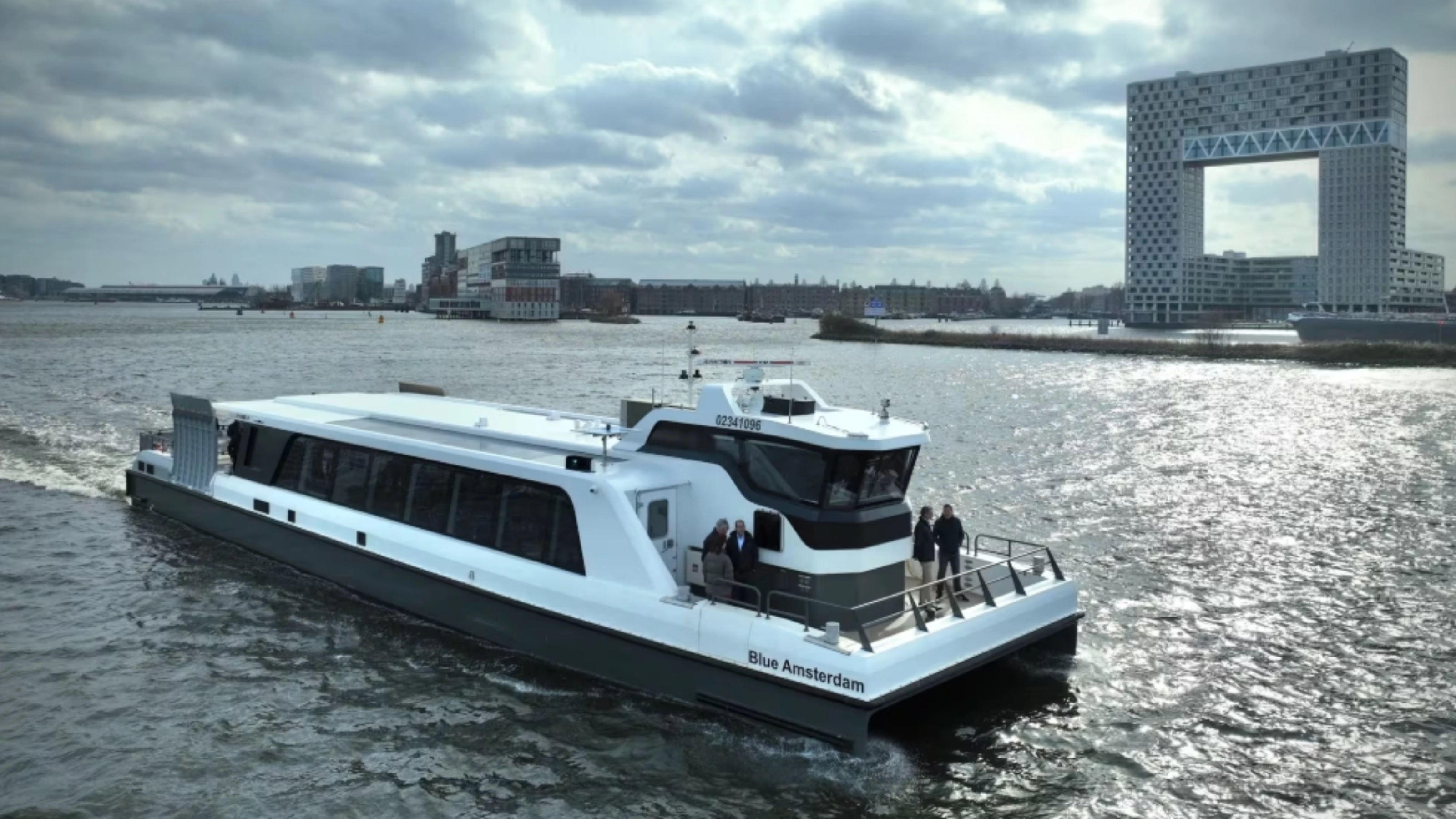
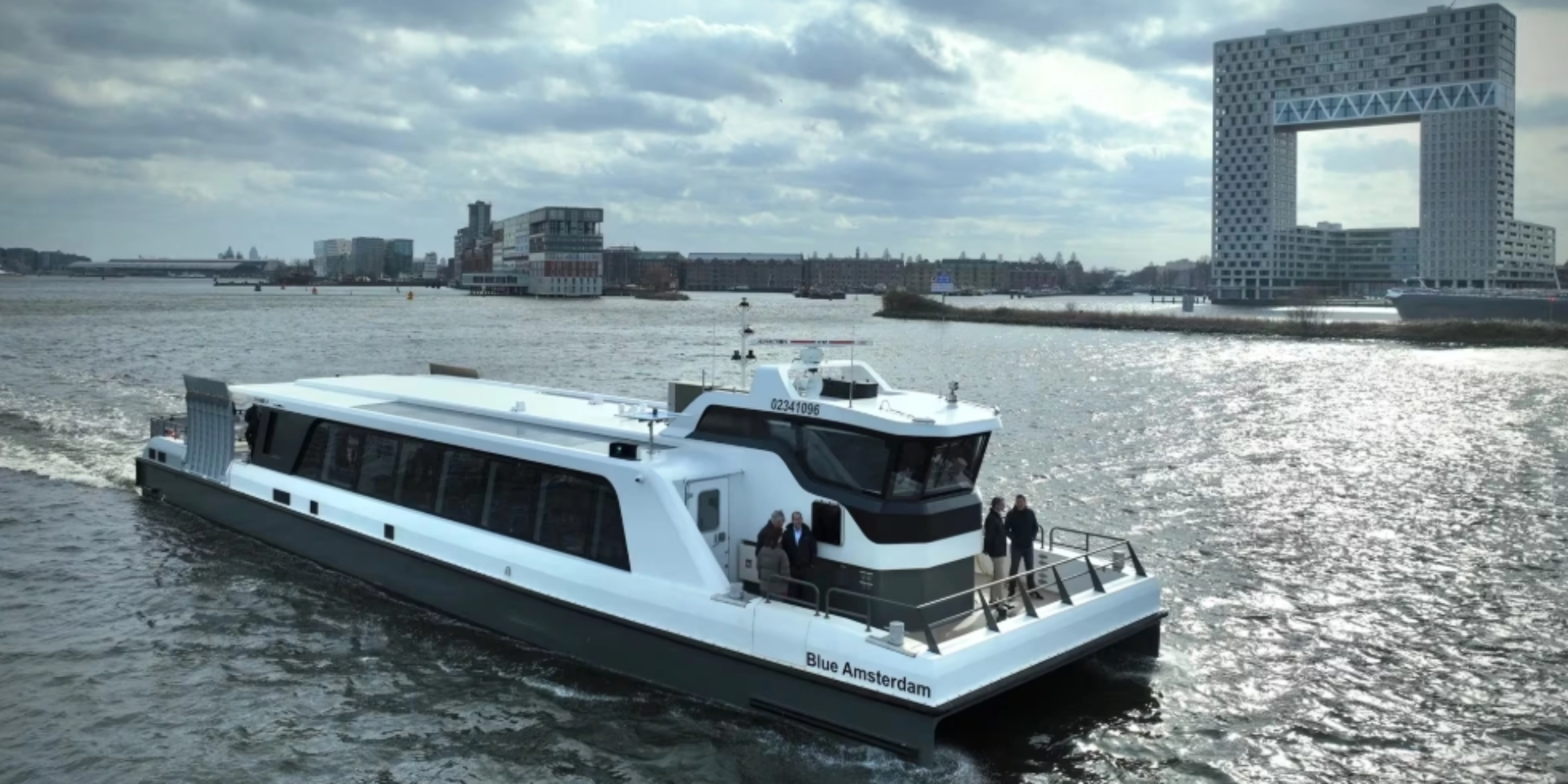
Damen Shipyards has introduced the Waterbus 2907 Electric, a 100% battery-electric ferry designed specifically for urban public transit. The vessel operates with zero local emissions and produces a minimal wake, a crucial advantage for navigating busy city waterways without disrupting other traffic or damaging shorelines.
Damen Shipyards has introduced the Waterbus 2907 Electric, a 100% battery-electric ferry designed specifically for urban public transit. The vessel operates with zero local emissions and produces a minimal wake, a crucial advantage for navigating busy city waterways without disrupting other traffic or damaging shorelines.
The Waterbus 2907 Electric is built on a previously developed hybrid platform that was engineered from the start for an eventual transition to full electric power. Key technical upgrades include optimized wheelhouse ergonomics and a 1,000-volt DC architecture designed to meet the high demands of modern electric propulsion systems.
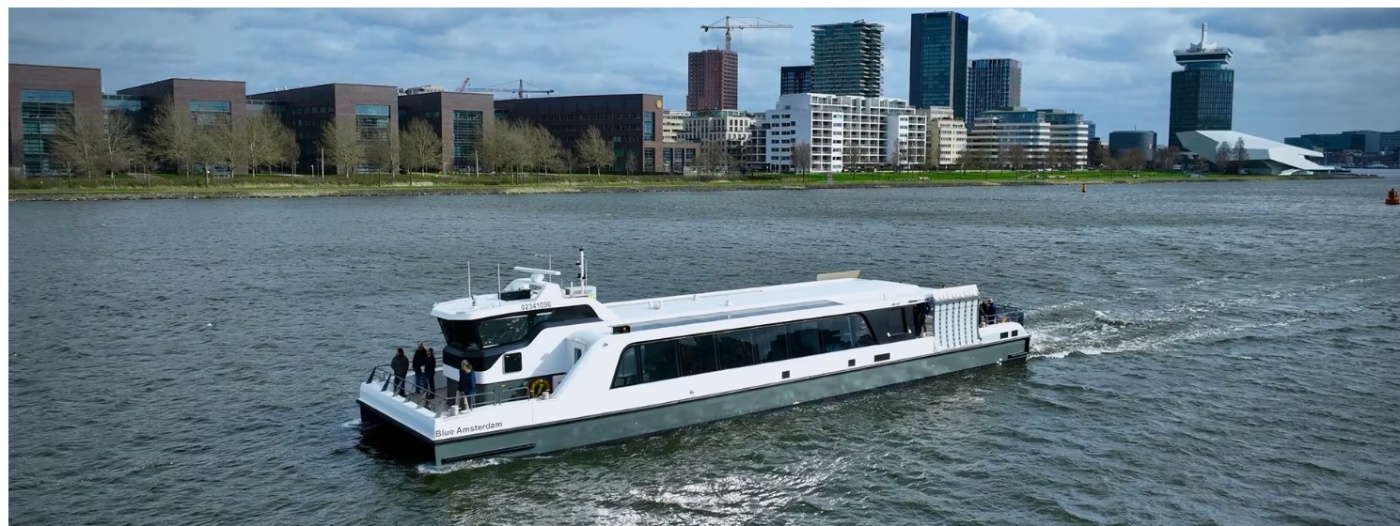
Measuring approximately 94 feet (28.6 meters) in length, the ferry has a capacity for about 130 passengers. It is powered by dual electric motors, each delivering 375 kW, with energy supplied by battery systems exceeding 200 kWh in capacity.
Interestingly, the charging infrastructure leverages technology from the automotive industry and is already "future-proofed" for upcoming Megawatt Charging Systems (MCS). This integration is expected to drastically reduce charging times in the future, allowing for more efficient turnaround times in high-frequency urban transit networks.