


Mobility
Autonomous Driving & ADAS: How Autonomous Driving Is Transforming the Future of Mobility
Image: (c) EYECATCHME Photography
Autonomous driving is one of the key technologies shaping the future of the mobility industry. Advances in artificial intelligence, sensor technology, and vehicle connectivity are creating new opportunities to automate driving functions, improve road safety, and develop innovative mobility services. From intelligent driver assistance systems to fully autonomous vehicles, the technology is increasingly changing how people and goods are transported. At IAA MOBILITY 2027, Autonomous Driving & ADAS will therefore be a key focus area within the Technology theme.
From Driver Assistance Systems to Autonomous Driving
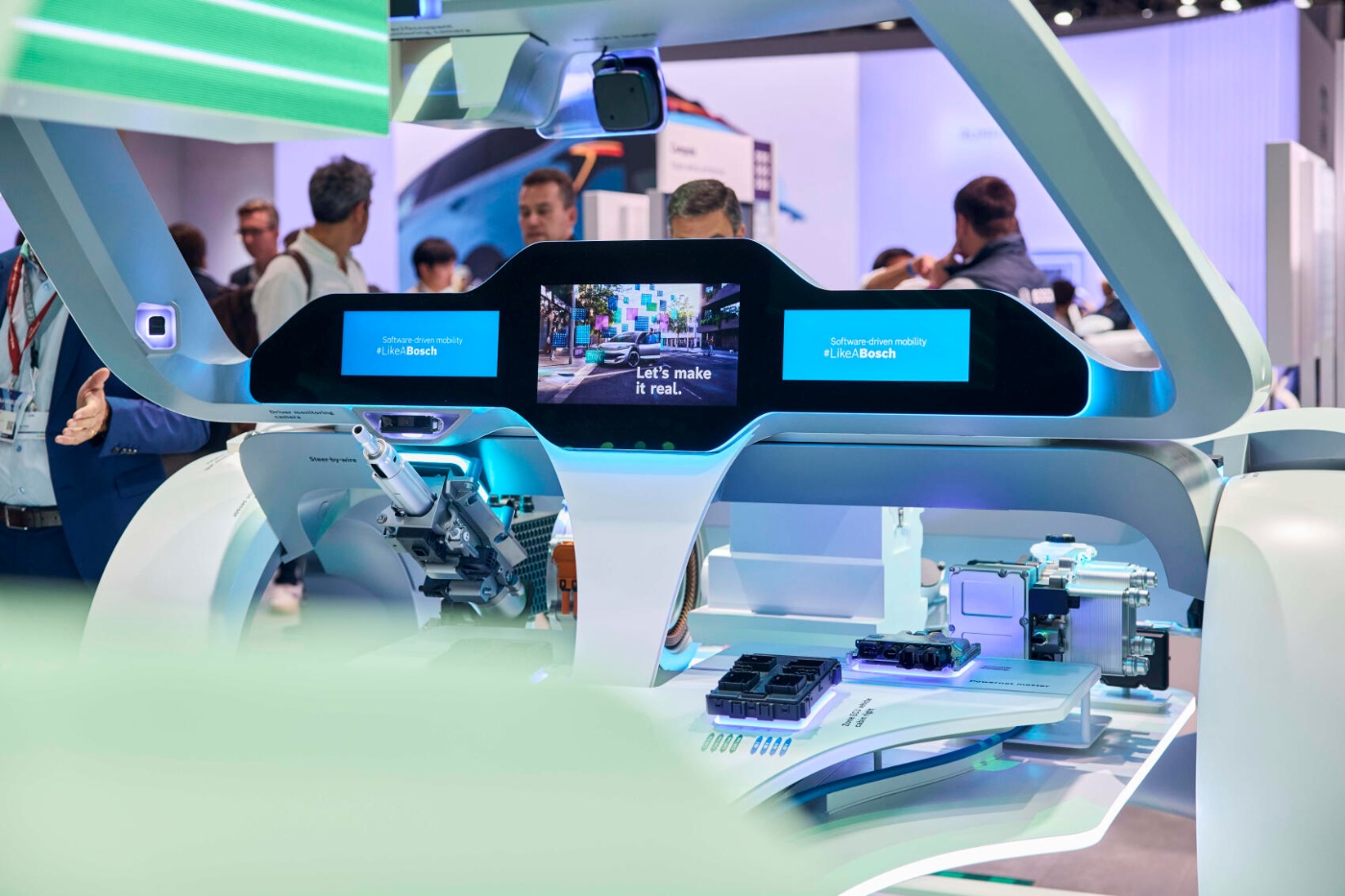
Modern advanced driver assistance systems (ADAS) already support drivers with a wide range of tasks. These include adaptive cruise control, automatic emergency braking, lane-keeping assistance, and partially automated driving functions that combine longitudinal and lateral vehicle control.
Technological development spans from driver assistance systems at SAE Levels 1 and 2 to highly automated driving functions at Levels 3 and 4, and ultimately fully autonomous driving at Level 5. While drivers must continue to monitor the driving task at Level 2, vehicles at Level 3 can drive independently under certain operating conditions. At Level 4, vehicles perform the driving task within defined operating areas without requiring human intervention. Level 5 represents fully autonomous driving under all traffic conditions that a human driver could handle.
These developments are opening up new opportunities for personal mobility, public transportation, and innovative mobility services. At the same time, they are increasing demands on system reliability, technological integration, and safety in real-world traffic conditions.
Artificial Intelligence, Sensors, and Connectivity as Technological Foundations
A fundamental requirement for automated driving is a vehicle's ability to reliably perceive its surroundings, interpret traffic situations, and respond appropriately.
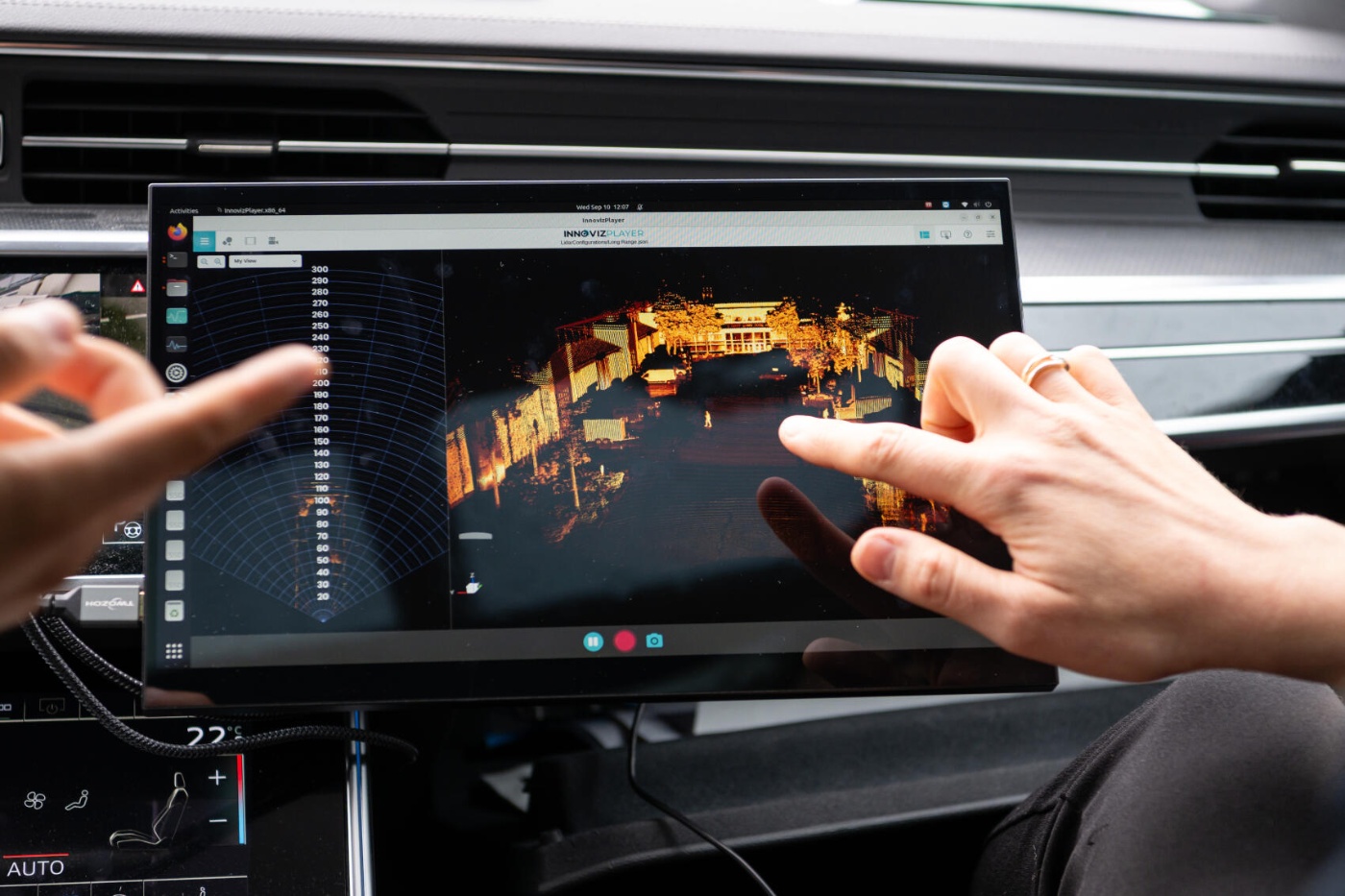
Several technologies make this possible. Cameras, radar, and LiDAR sensors collect information about the vehicle's surroundings. Powerful computing systems process this data, enabling vehicles to detect other road users, obstacles, lane markings, and complex traffic situations.
Artificial intelligence is playing an increasingly important role in this process. AI-based systems can analyze large volumes of data, identify patterns, and support the planning of driving maneuvers. Advances in machine learning are creating new opportunities to deploy automated driving functions across different traffic scenarios.
Vehicle connectivity adds another important dimension. Through Vehicle-to-Everything (V2X) communication, vehicles can exchange information with other vehicles, transportation infrastructure, and digital platforms. This provides additional insights into traffic conditions that can complement automated driving systems.
New Mobility Concepts Enabled by Autonomous Driving
Autonomous driving offers potential benefits that extend far beyond the development of individual vehicle functions. Particularly in public transportation and on-demand mobility, automated vehicles could enable new, flexible, and user-focused mobility solutions.
Autonomous shuttles could complement existing public transportation services in the future, improving connections to residential neighborhoods, commercial areas, and rural regions. Robotaxi services and automated on-demand transportation also offer opportunities to develop mobility services that respond more closely to individual needs.
Automation could also help make traffic operations more efficient. Predictive driving strategies, communication between vehicles, and intelligent traffic management could improve traffic flow and enable more efficient use of existing infrastructure.
IAA MOBILITY 2025: Automated Driving in Practice
IAA MOBILITY 2025 in Munich demonstrated how far automated driving technologies have already advanced. With a dedicated ADAS & Telematics Test Drives area, the event highlighted new driver assistance systems and automated driving functions.
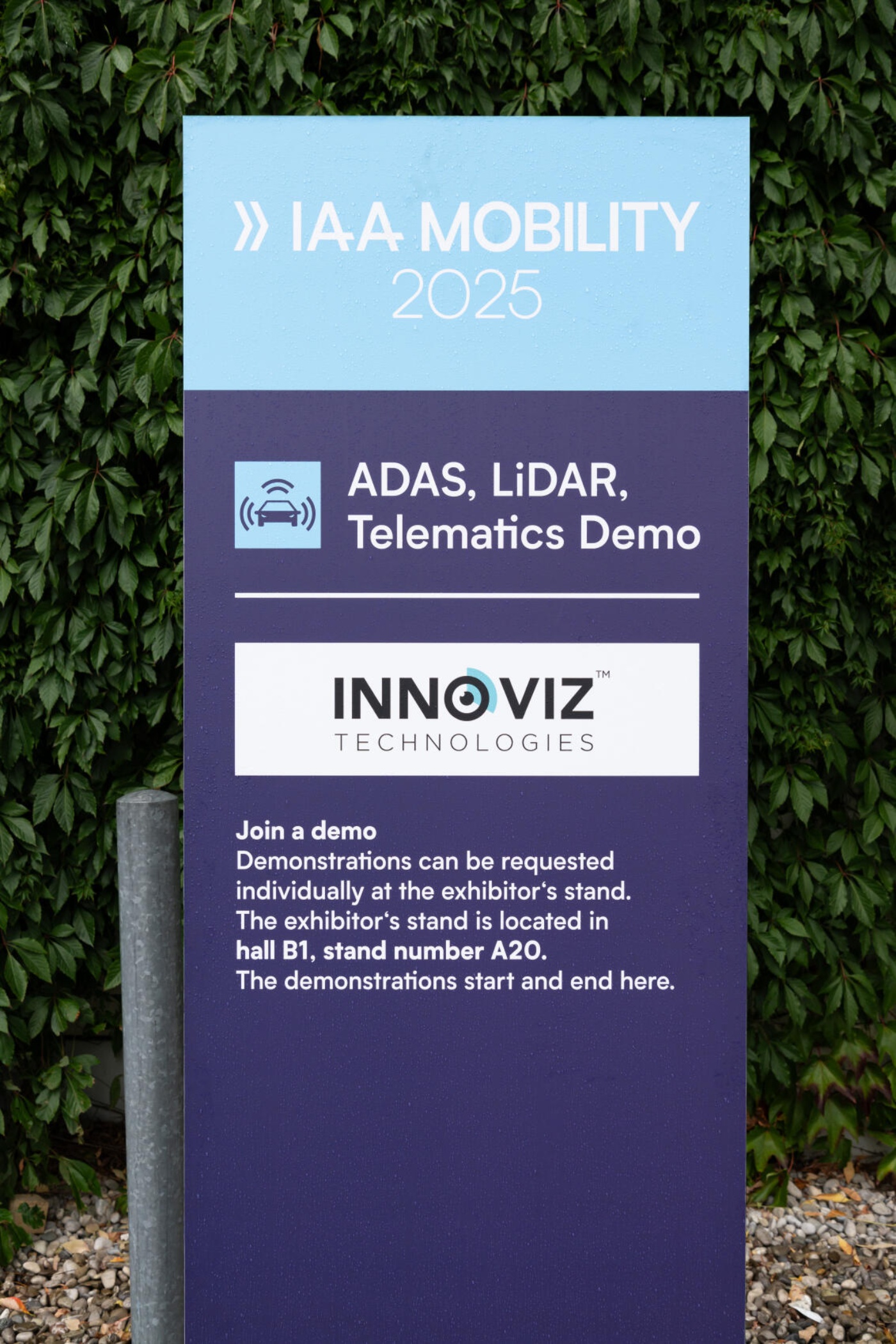
A total of 15 companies participated with 25 demonstration vehicles. Among the participating companies were Aumovio, Innoviz Technologies, Magna, and Mobileye. The demonstrations illustrated how different technologies can be used to perceive a vehicle's surroundings, support driving maneuvers, and automate driving functions.
Another focus was highly automated driving on the A94 highway. Mercedes-Benz and Volkswagen were among the manufacturers demonstrating Level 3 and Level 4 applications. A dedicated operating area was designated between the Munich-East interchange and downtown Munich.
Vehicle connectivity with transportation infrastructure also played an important role. A C-ITS Roadshow showcased applications that provide digital warnings about construction zones, emergency vehicles, and hazardous locations.
Safety, Regulation, and Trust as Key Factors
Beyond technological progress, safety and public acceptance are critical to the widespread adoption of automated driving functions.
Systems must operate reliably even in complex traffic situations, such as intersections with limited visibility, changing weather conditions, and interactions with pedestrians and cyclists. Extensive testing, simulations, and validation procedures are required to demonstrate the safety of automated driving functions.
At the same time, regulatory frameworks, liability issues, data protection, and cybersecurity must be addressed. In the European Union, Regulation (EU) 2019/2144 and related technical regulations provide important foundations for the approval of automated vehicles.
As vehicle connectivity increases, so do the requirements for securing digital vehicle architectures. Secure software, reliable data processing, and protection against cyberattacks are essential prerequisites for the trustworthy deployment of these technologies.
Autonomous Driving & ADAS at IAA MOBILITY 2027
IAA MOBILITY 2027 will once again place Autonomous Driving & ADAS among its key focus areas. As part of the Technology theme, this field brings together developments in artificial intelligence, sensor technology, vehicle software, and connectivity with new opportunities for safety, efficiency, and mobility services.
The topic also has numerous connections to other focus areas at IAA MOBILITY 2027, particularly AI at Scale, Software Defined Vehicles, Connected Vehicles & Data Ecosystems, and Cybersecurity.
IAA MOBILITY 2027 will provide a platform to discuss the next stages of automated driving development and foster dialogue among automotive manufacturers, technology companies, suppliers, mobility providers, and other stakeholders across the mobility ecosystem.
The central question is no longer simply which driving tasks vehicles will be able to perform independently in the future, but also how automated driving can be integrated into tomorrow's mobility systems in a safe, efficient, and user-focused way.