


Mobility
Audi A2 e-tron Sets New Efficiency Benchmark for Electric Vehicles
Image: (c) Audi
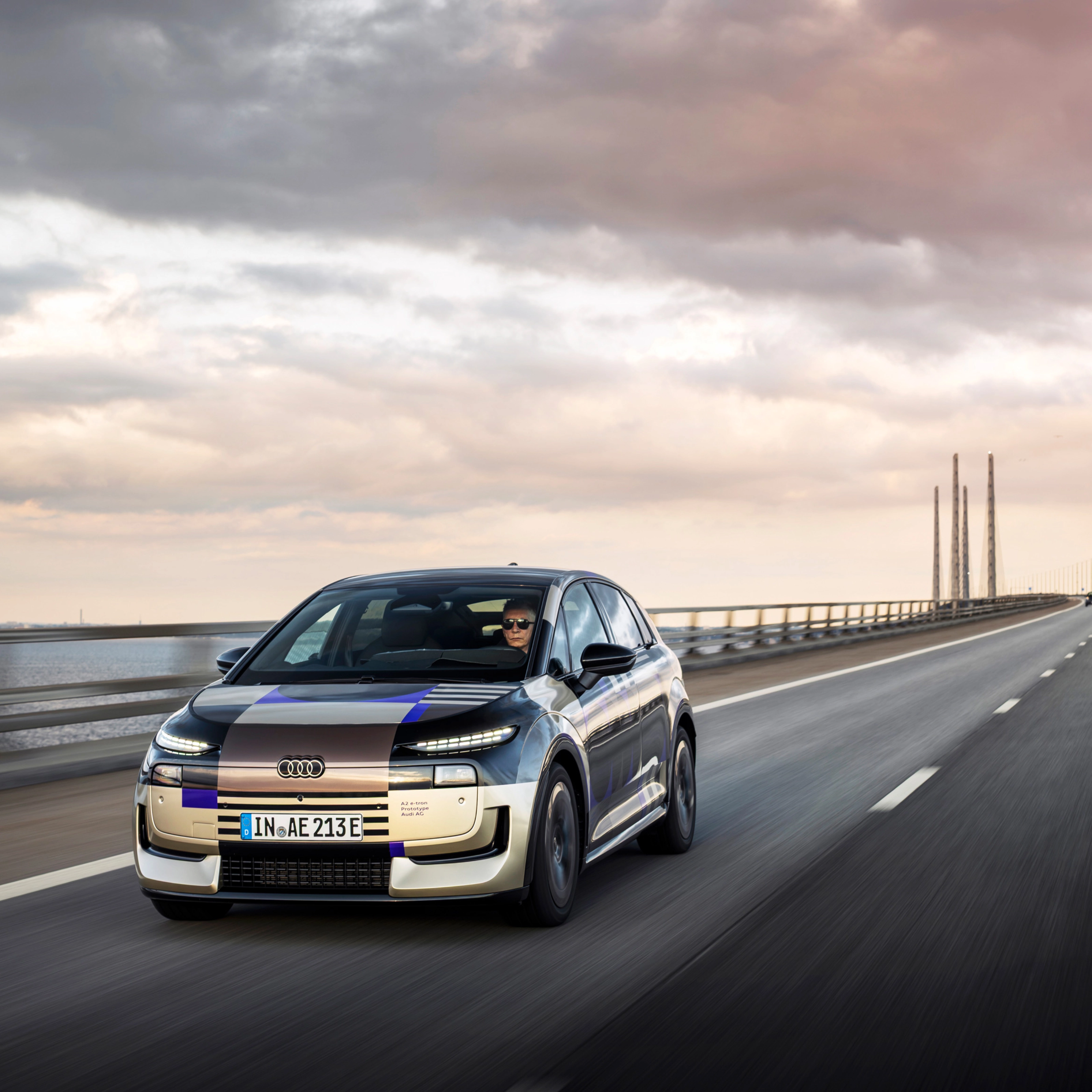
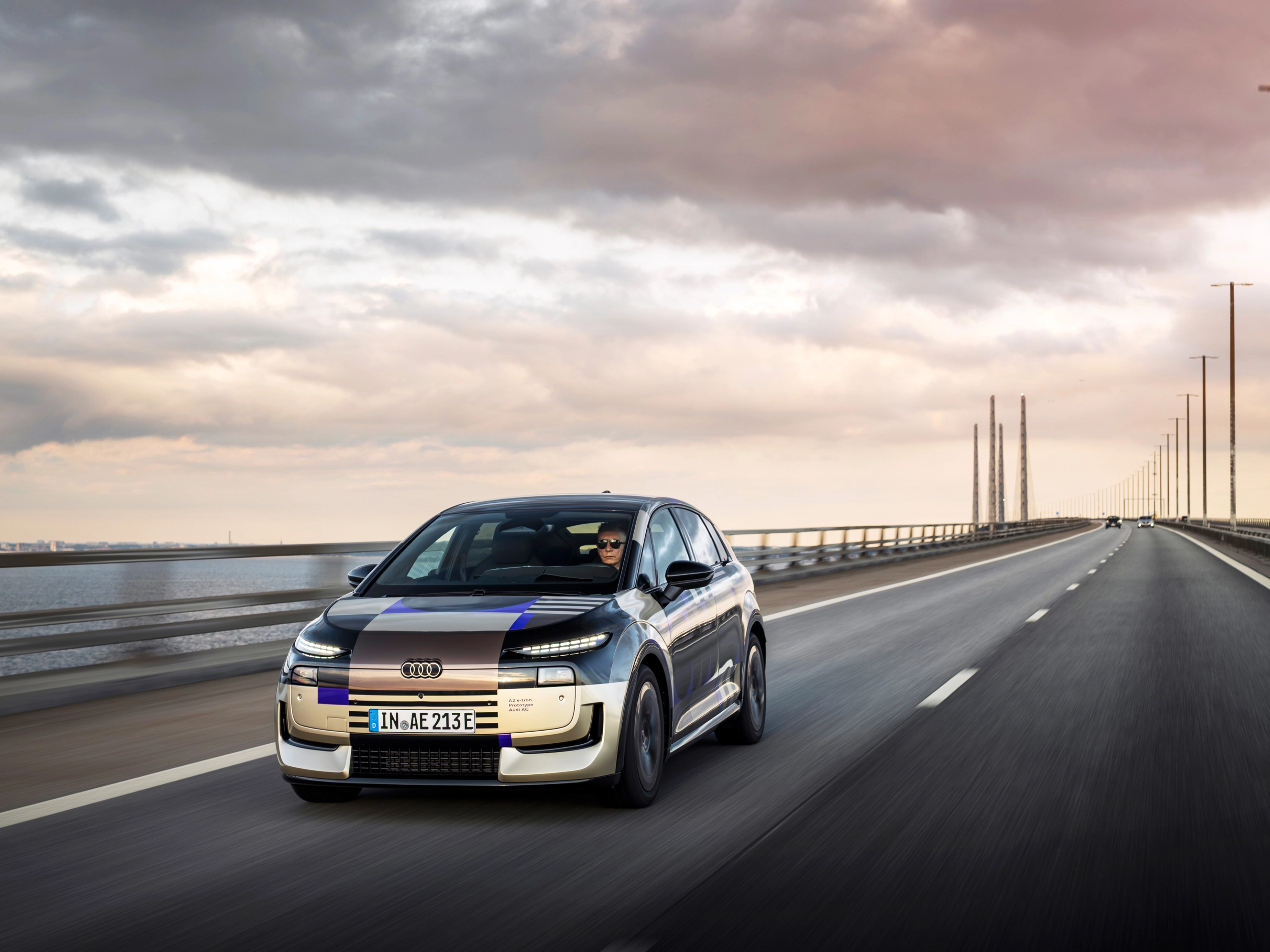
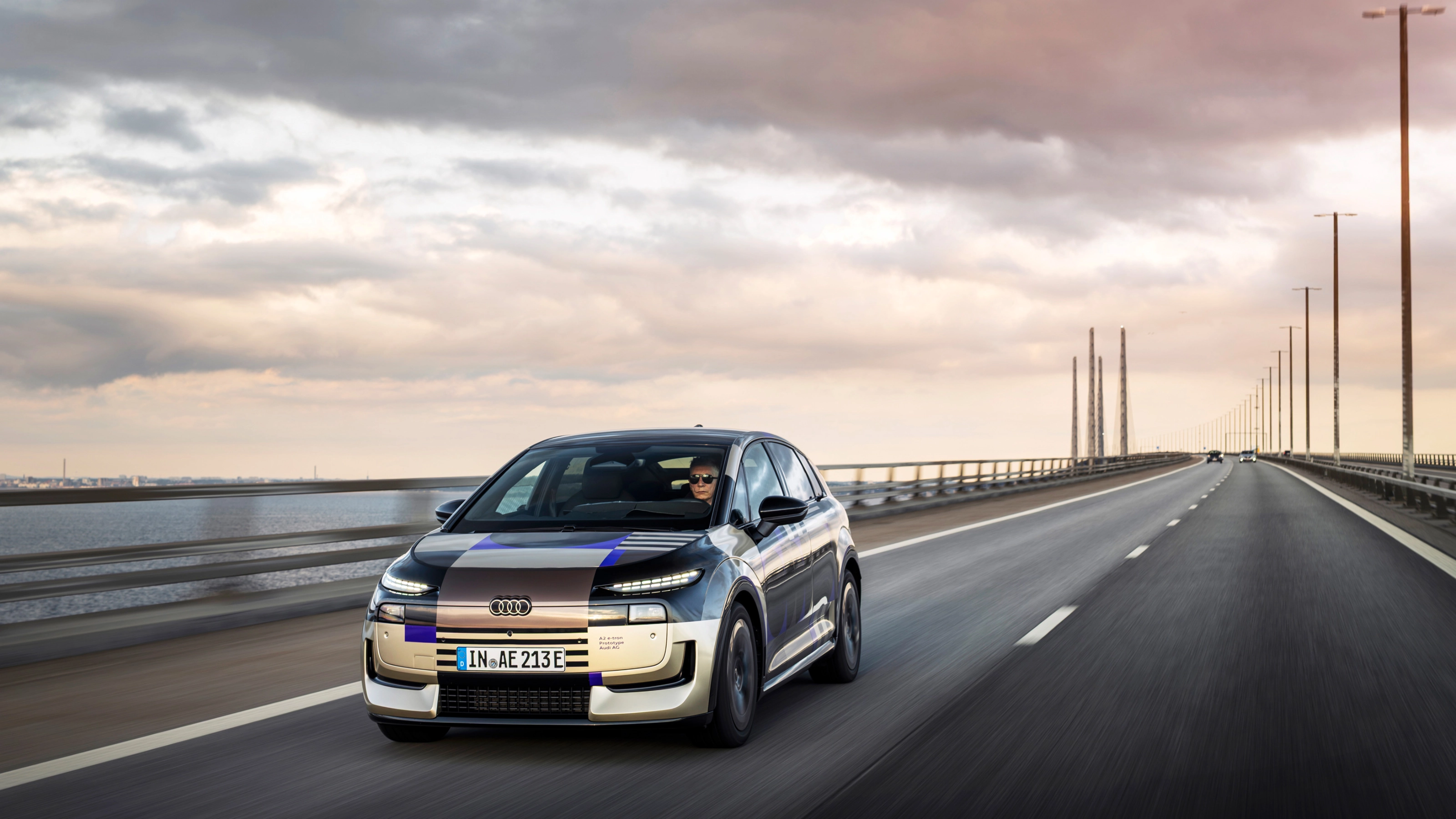
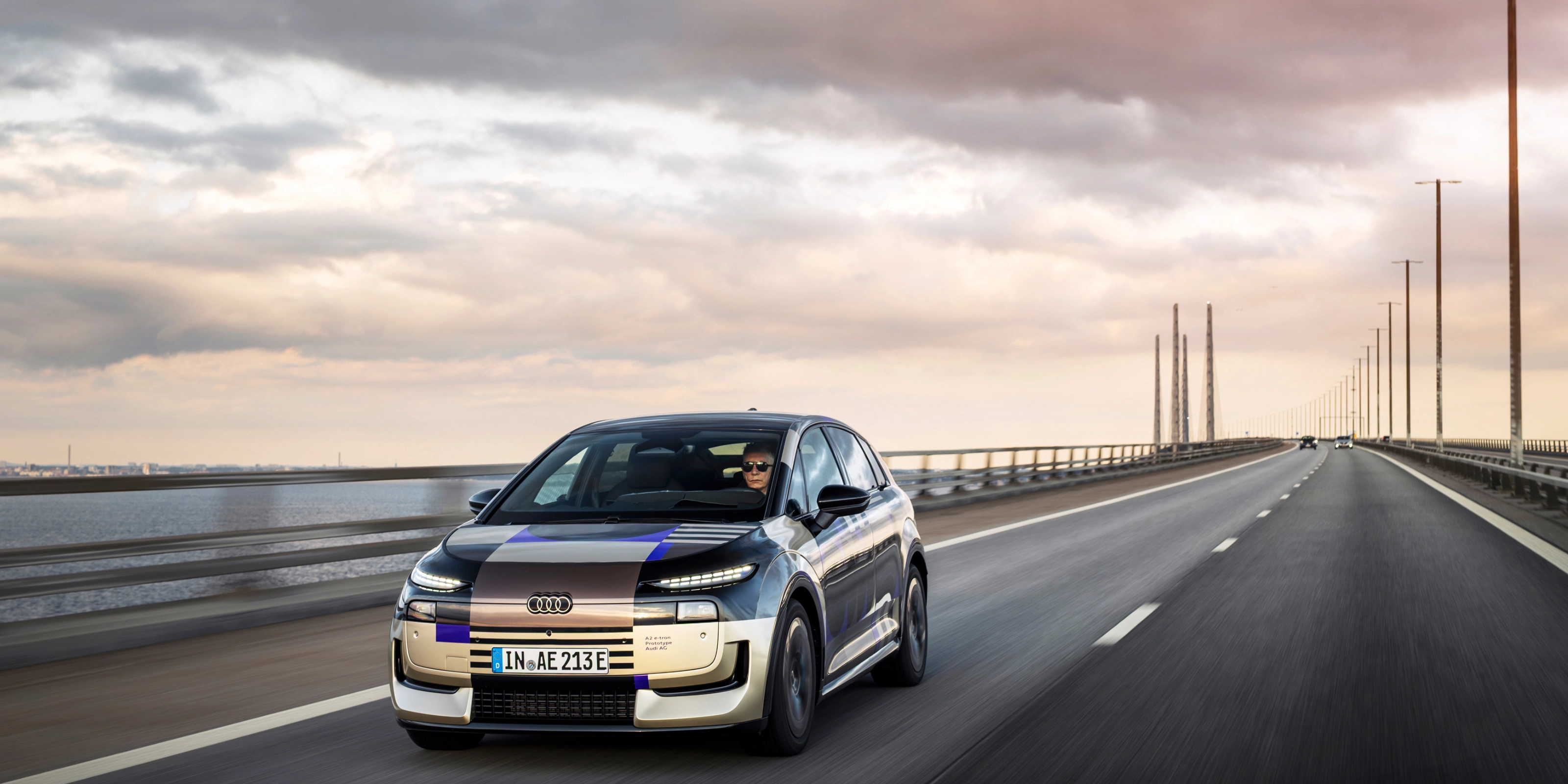
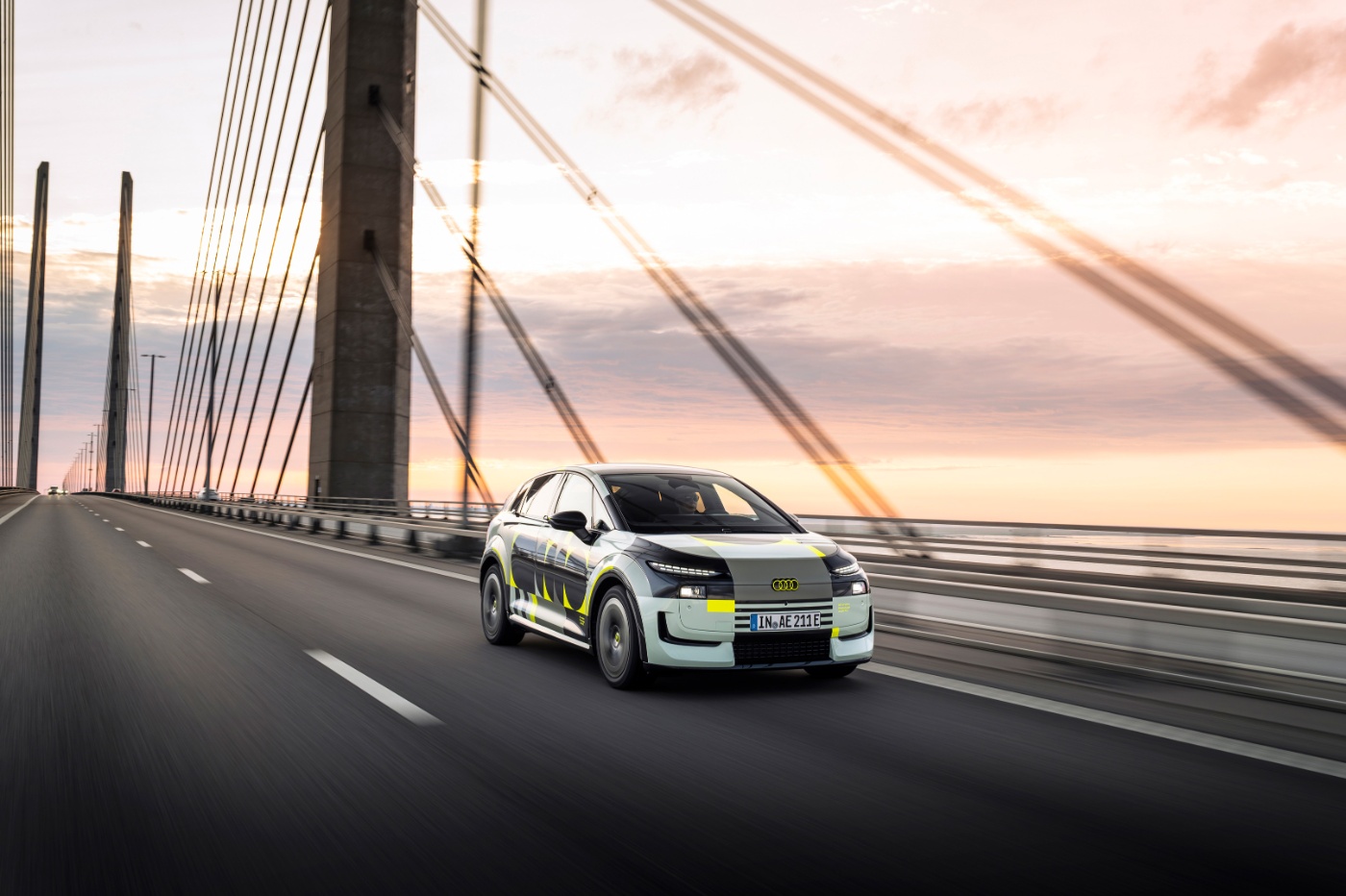
Audi has published new technical details regarding the upcoming A2 e-tron. Featuring an optional efficiency package, the all-electric compact model achieves a preliminary WLTP energy consumption of 12.8 kWh per 100 kilometers (approx. 4.86 miles/kWh) in its 140 kW version, making it the most efficient Audi of all time, according to the manufacturer. This figure is achieved through a combination of optimized aerodynamics, an advanced electric powertrain, and new battery technology.
Audi has published new technical details regarding the upcoming A2 e-tron. Featuring an optional efficiency package, the all-electric compact model achieves a preliminary WLTP energy consumption of 12.8 kWh per 100 kilometers (approx. 4.86 miles/kWh) in its 140 kW version, making it the most efficient Audi of all time, according to the manufacturer. This figure is achieved through a combination of optimized aerodynamics, an advanced electric powertrain, and new battery technology.
Aerodynamics and Powertrain Reduce Energy Consumption
With a drag coefficient (Cd) of 0.24, the A2 e-tron achieves the best drag coefficient of any Audi compact model to date. Contributing factors include a streamlined body design, Air Curtains, gap reducers, gap breathers, and an active cooling air intake. According to Audi, these measures reduce WLTP consumption by up to 0.9 kWh per 100 kilometers.
The electric powertrain has also been engineered for maximum efficiency. Silicon carbide semiconductors in the power electronics, an optimized permanently excited synchronous motor featuring thinner laminations and a modified stator winding, alongside a friction-optimized transmission, are designed to make the drive system more efficient, particularly in daily operation. Overall, Audi reports that the system operates up to ten percent more efficiently than the previous generation.
LFP Battery with Bidirectional Charging Capabilities
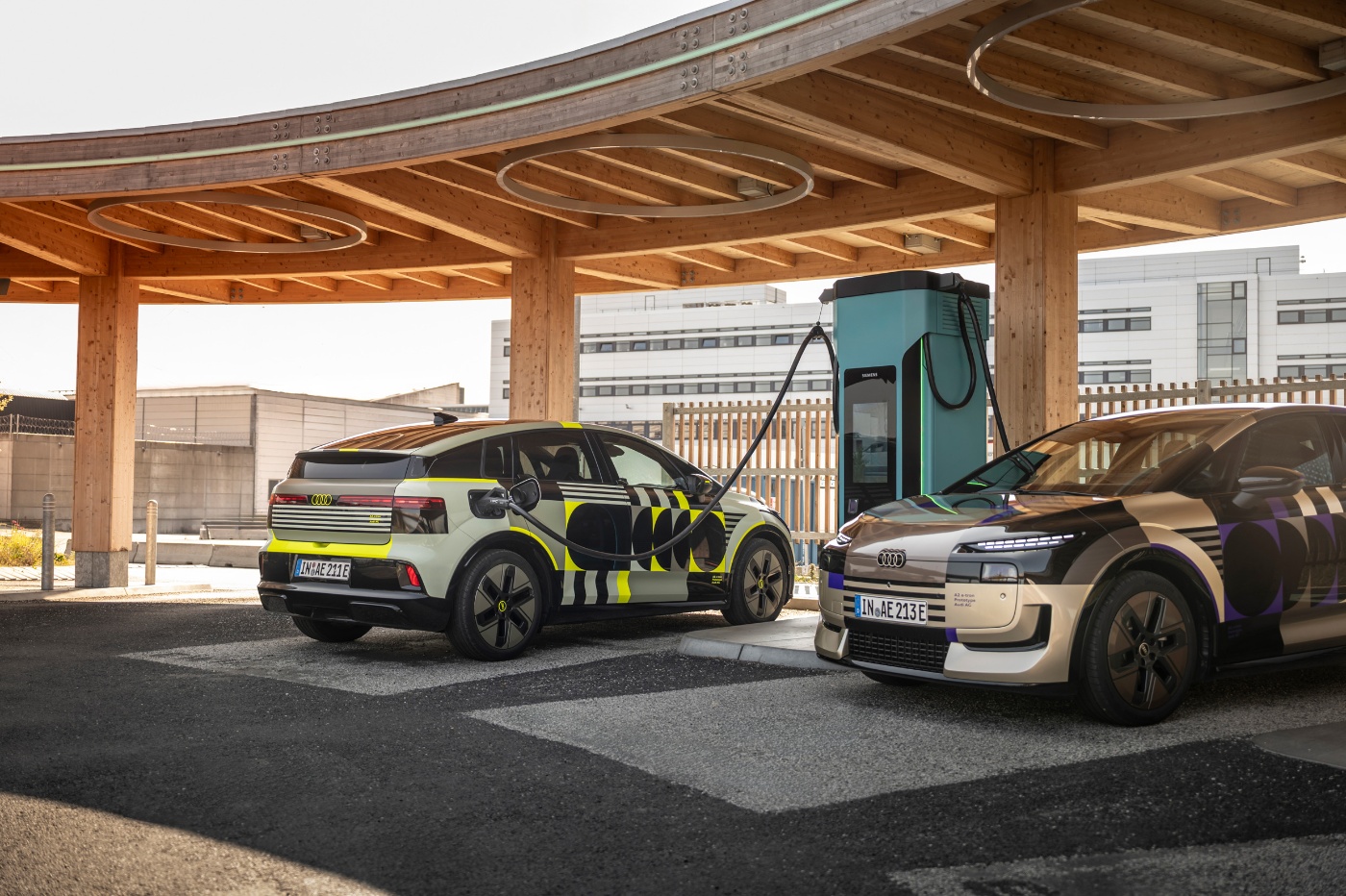
The vehicle utilizes a cell-to-pack 61 kWh lithium iron phosphate (LFP) battery. Audi highlights the battery's high aging stability, the elimination of rare earth metals, and the ability to charge it regularly to 100 percent in daily use. A tailored cooling strategy increases charging efficiency at a home wallbox to 89.6 percent.
Furthermore, the A2 e-tron supports bidirectional charging. External electrical devices can be powered via Vehicle-to-Load (V2L), while Vehicle-to-Home (V2H) allows the vehicle to serve as an energy storage unit for a residential property. The V2H feature will initially be available in Germany, Austria, and Switzerland.
Market Launch in Fall 2026
Audi plans to officially unveil the new A2 e-tron in fall 2026. With this model, the automaker is expanding its lineup with a fully electric entry into the compact segment while building on the efficiency concept of the original Audi A2.