

Technology
Horse Powertrain Unveils Methanol Range Extender for Electric Vehicles
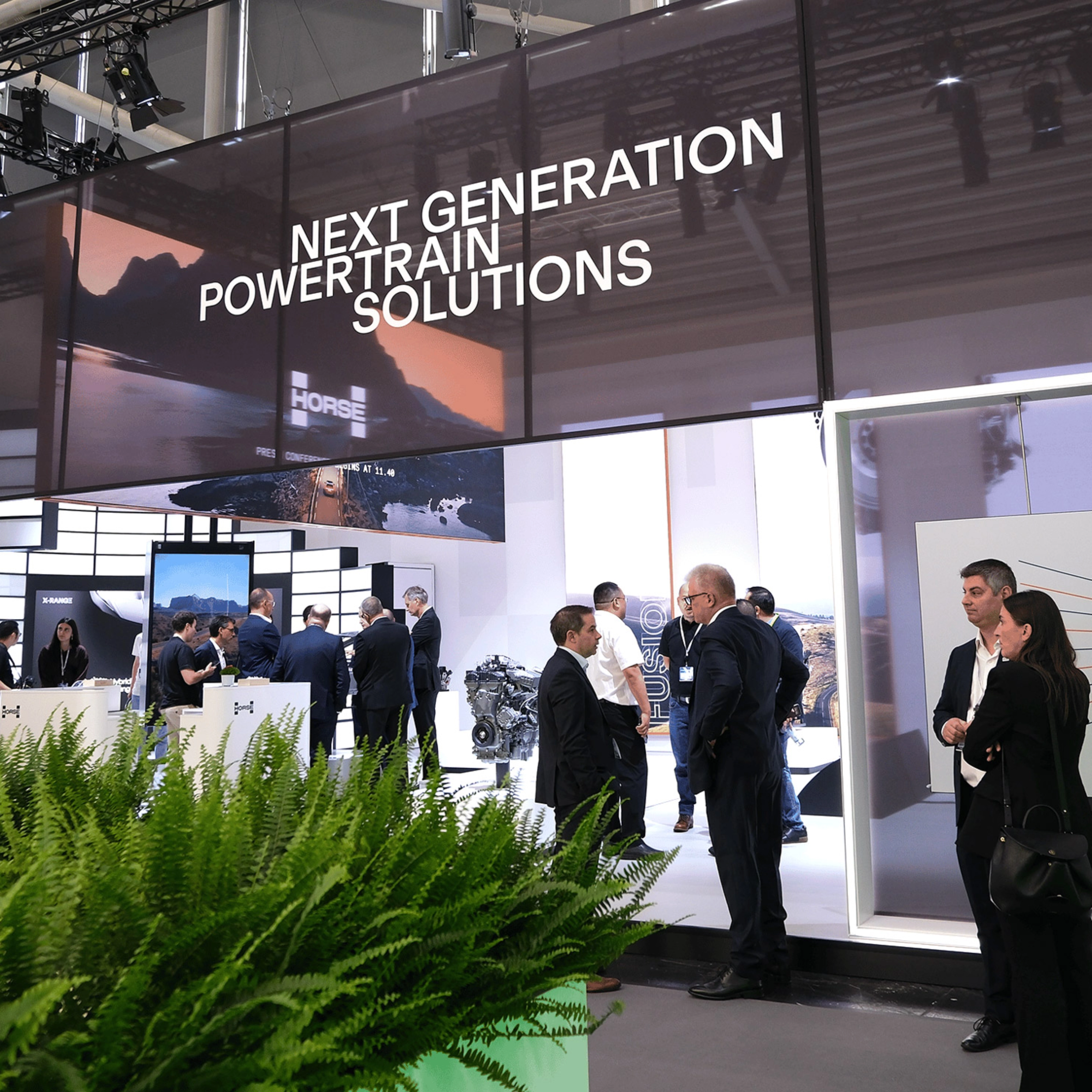
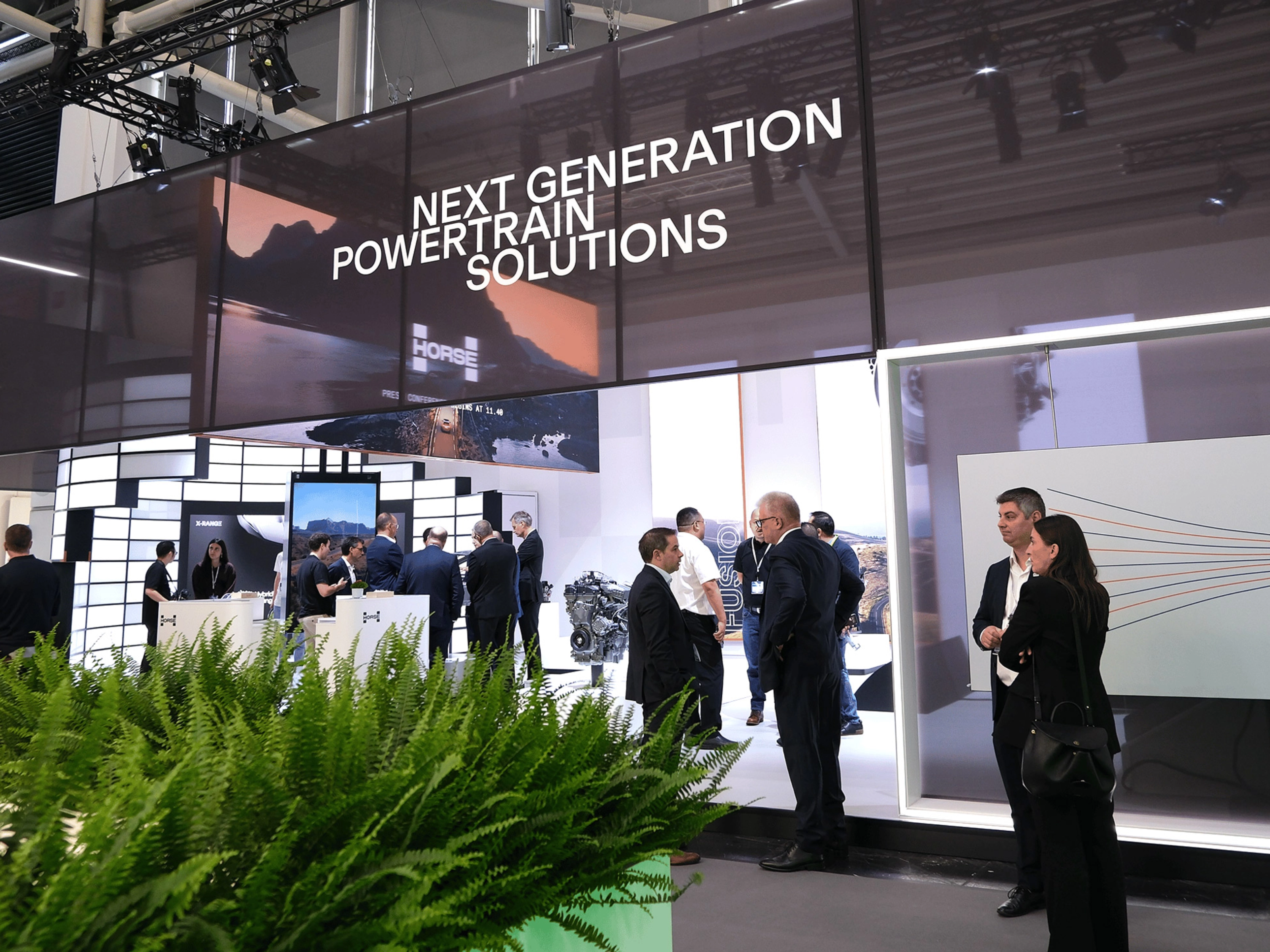
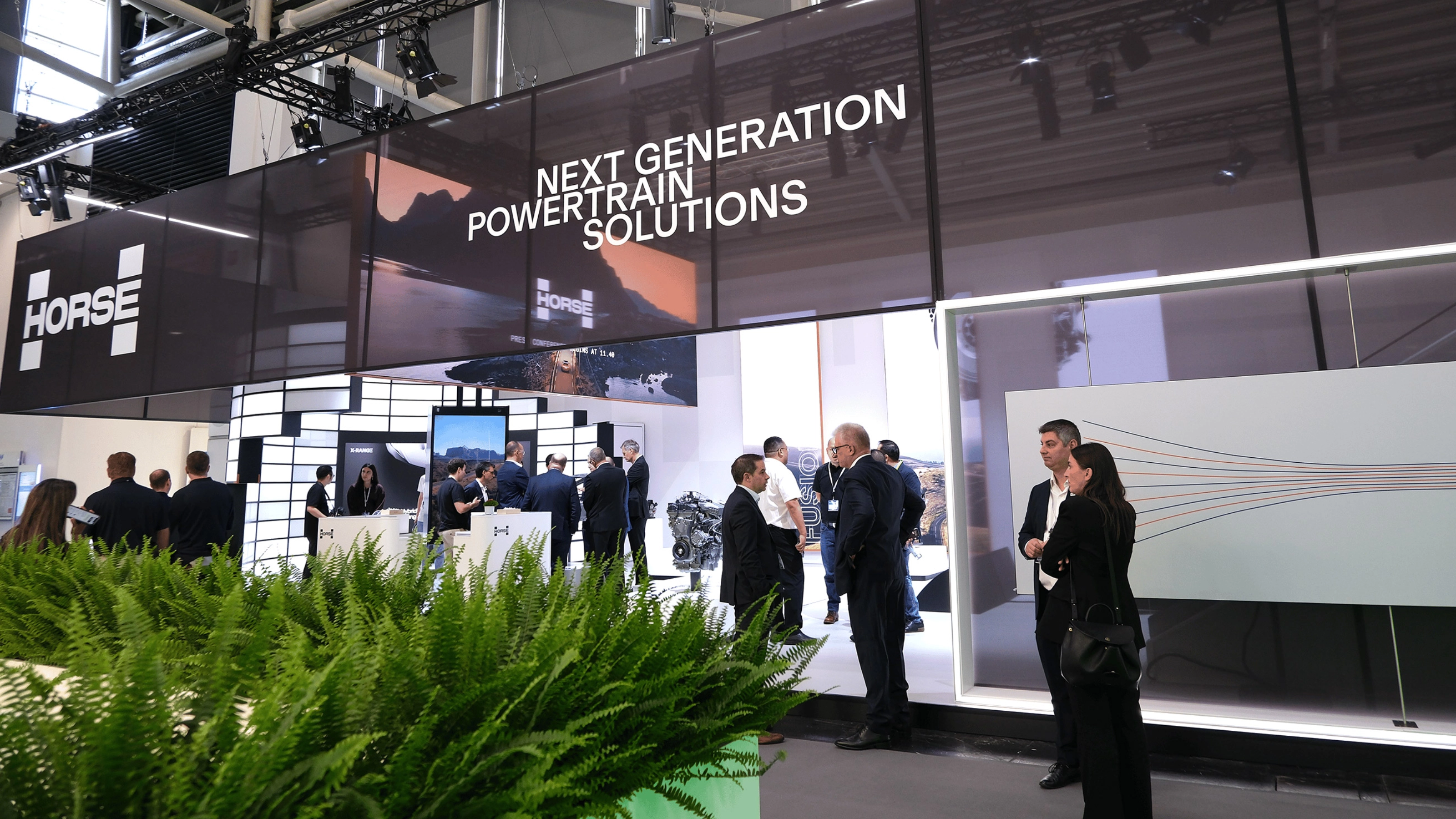
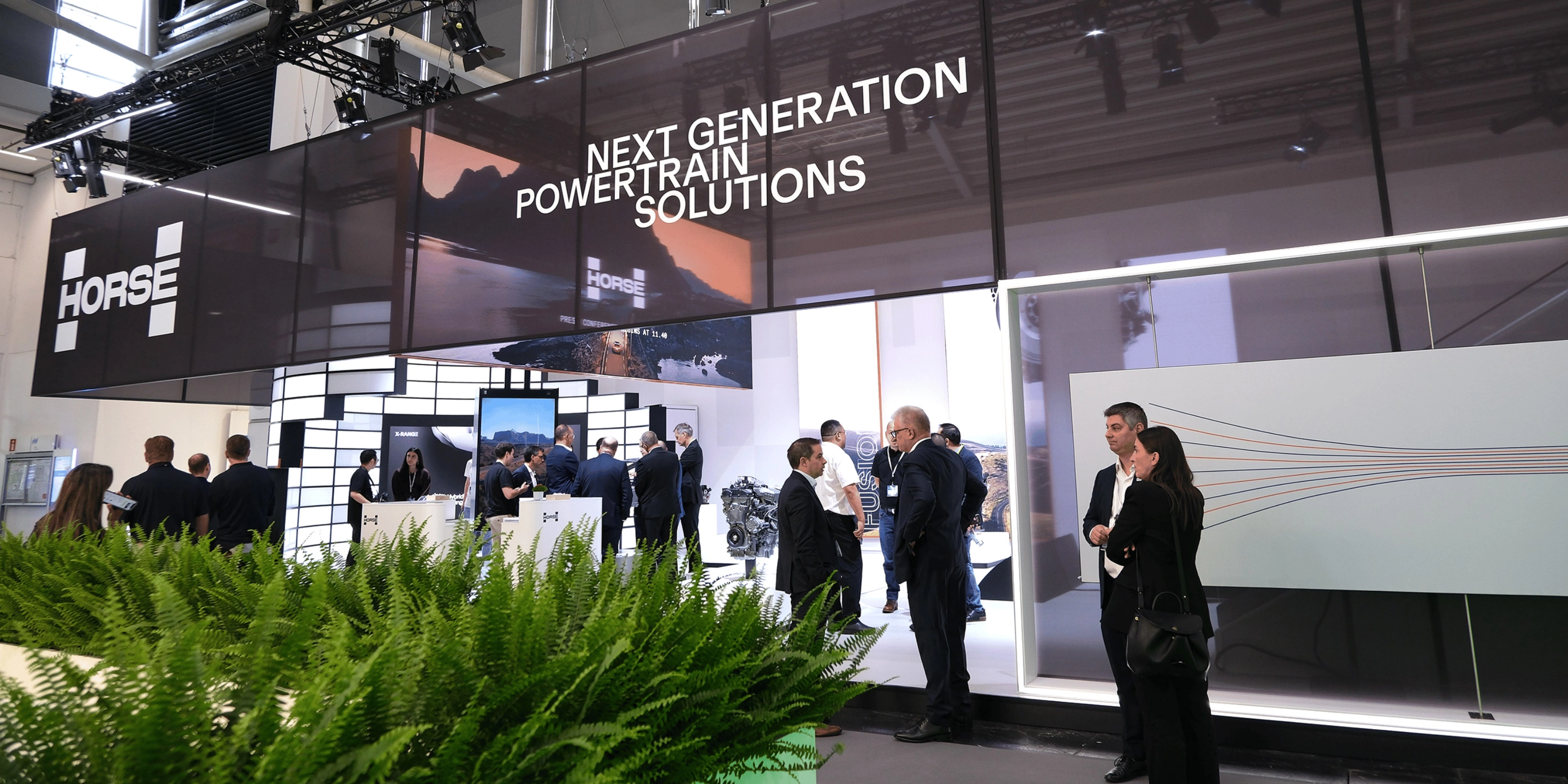
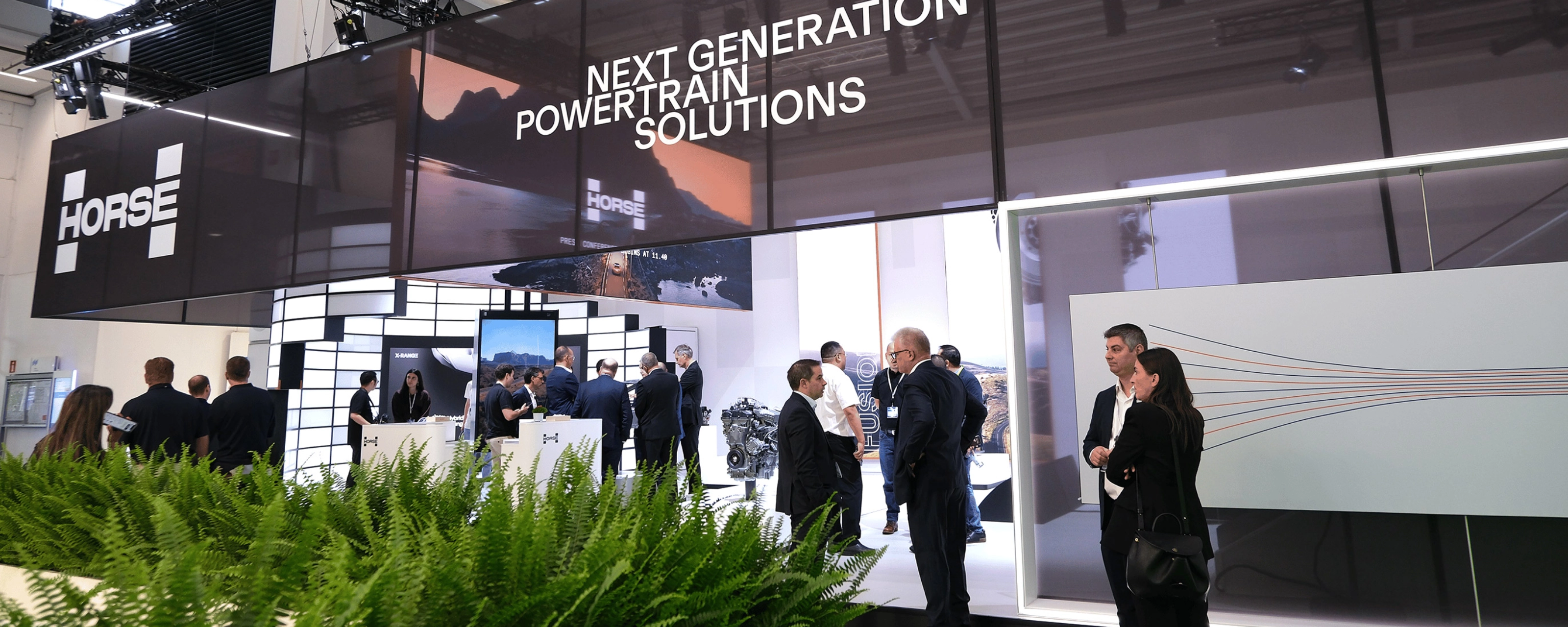
Image: (c) Horse Powertrains
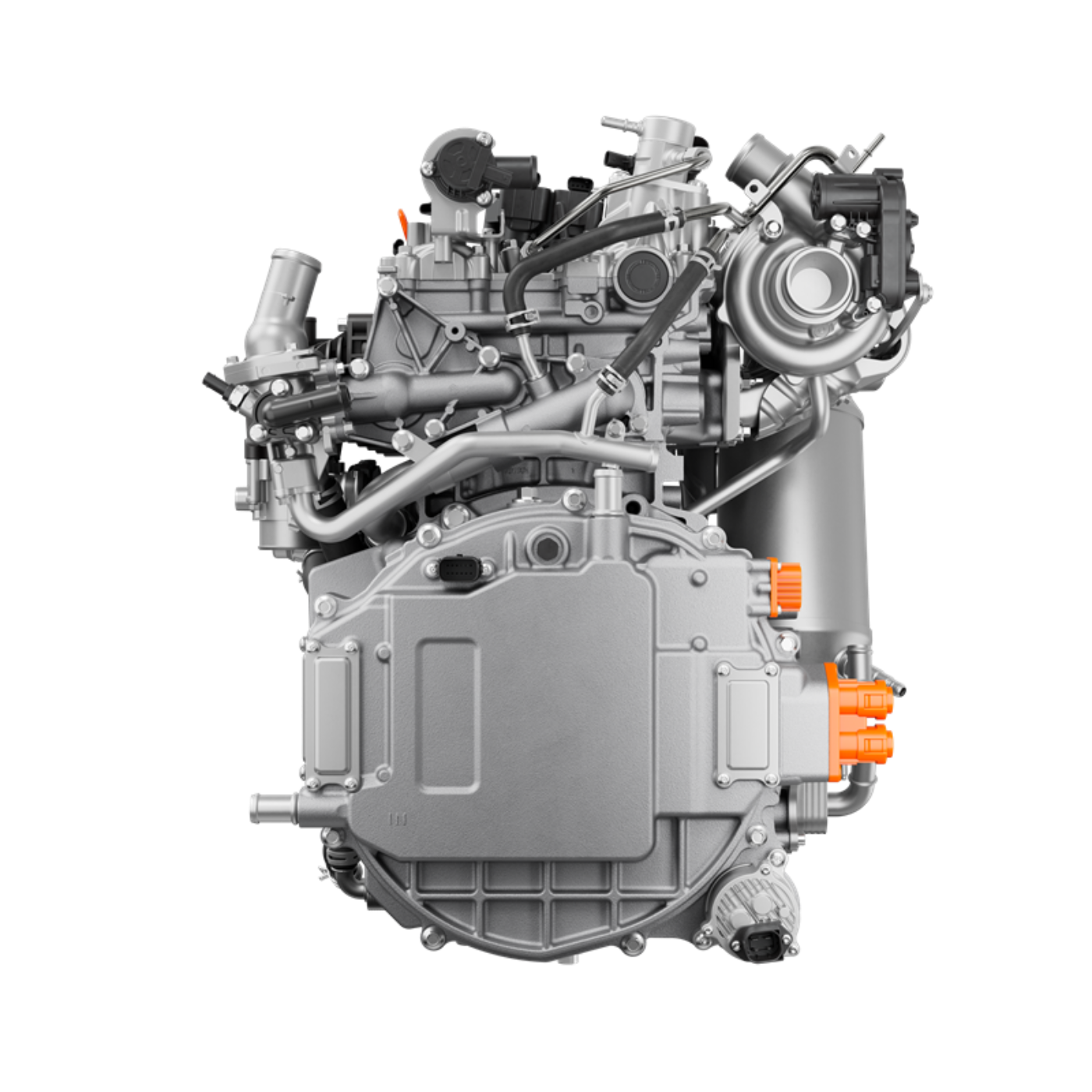
Horse Powertrain has introduced the HORSE D20 Methanol, a new range-extender drive system for battery electric vehicles. The system, which made its debut at Auto China 2026 in Beijing, pairs a methanol-powered internal combustion engine with a generator and electric components. Designed to boost the range of electric vehicles, it also enables the use of alternative fuels for electrification.
Horse Powertrain has introduced the HORSE D20 Methanol, a new range-extender drive system for battery electric vehicles. The system, which made its debut at Auto China 2026 in Beijing, pairs a methanol-powered internal combustion engine with a generator and electric components. Designed to boost the range of electric vehicles, it also enables the use of alternative fuels for electrification.
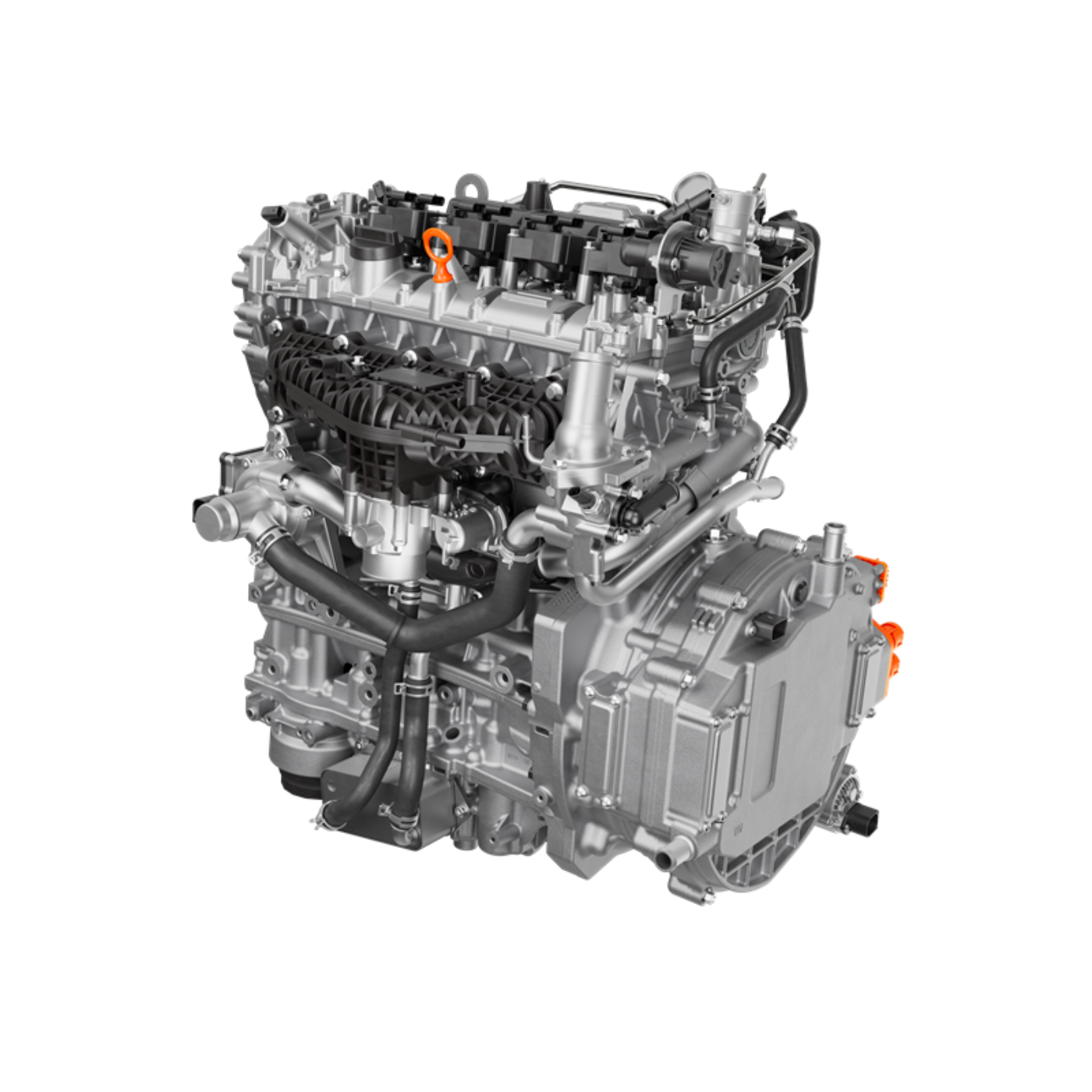
The powertrain was specifically developed for Range-Extended Electric Vehicles (REEVs). In this configuration, the internal combustion engine acts strictly as a power generator to recharge the traction battery on the go. The complete system delivers up to 105 kW of power, weighs 375 lbs (170 kilograms), and integrates a 2.0-liter turbocharged four-cylinder engine, an electric generator, and power electronics into a single compact unit.
Engineered for Pure Methanol Operation
The internal combustion engine is built to run on 100 percent methanol. A high-energy 240-millijoule ignition system enables ultra-lean burn combustion, driving up efficiency. At the same time, the system allows for cold starts on pure methanol even in freezing temperatures as low as -31°F (-35°C).
According to the company, the engine produces 35 mg NOx per kWh, meeting China's CN6b emissions standard and easily beating the requirements of the upcoming Euro 7 standard.
Axial Flux Generator for Higher Power Density
A key feature of the new system is a newly developed axial flux generator mounted directly to the engine's crankshaft. Unlike conventional radial flux units where the rotor sits inside a stator cylinder, the rotor and stator in an axial flux architecture are arranged like stacked discs. Horse Powertrain utilizes a "yokeless" design featuring two rotors sandwiching a central stator.
Compared to a conventional radial flux motor, this generator is 46 percent shorter while delivering 63 percent more power density per unit volume. This offers significant packaging advantages when integrating the system into various vehicle platforms.
The company rates the generator's electrical efficiency at 96.4 percent, thanks in part to an integrated power electronics module built on silicon carbide (SiC) semiconductors that minimizes electrical losses.
High Overall System Efficiency
Horse Powertrain reports that the overall system achieves a test-bench fuel-to-electricity efficiency of 47 percent. That translates to generating 1 kWh of electrical energy from roughly 2.1 kWh of methanol energy.
According to the company, a 40 kWh EV battery can be fully recharged using just 5.2 gallons (19.6 liters) of methanol. As a result, Horse Powertrain positions the D20 Methanol as an efficient solution for vehicles seeking to combine the advantages of a battery-electric drive with the range flexibility of a range extender.