Mobility
Volkswagen Announces ID.3 Neo as Successor to ID.3
Picture (c) Volkswagen
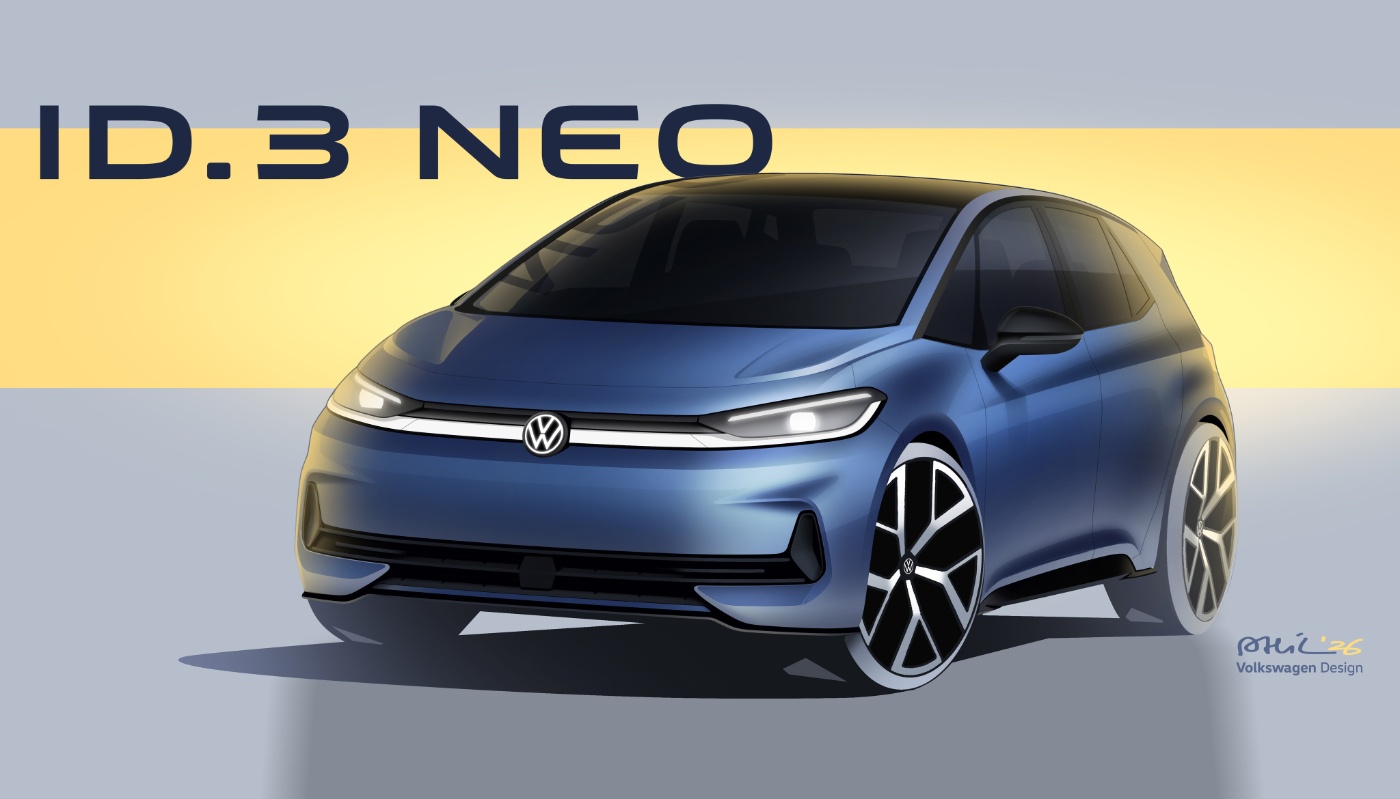
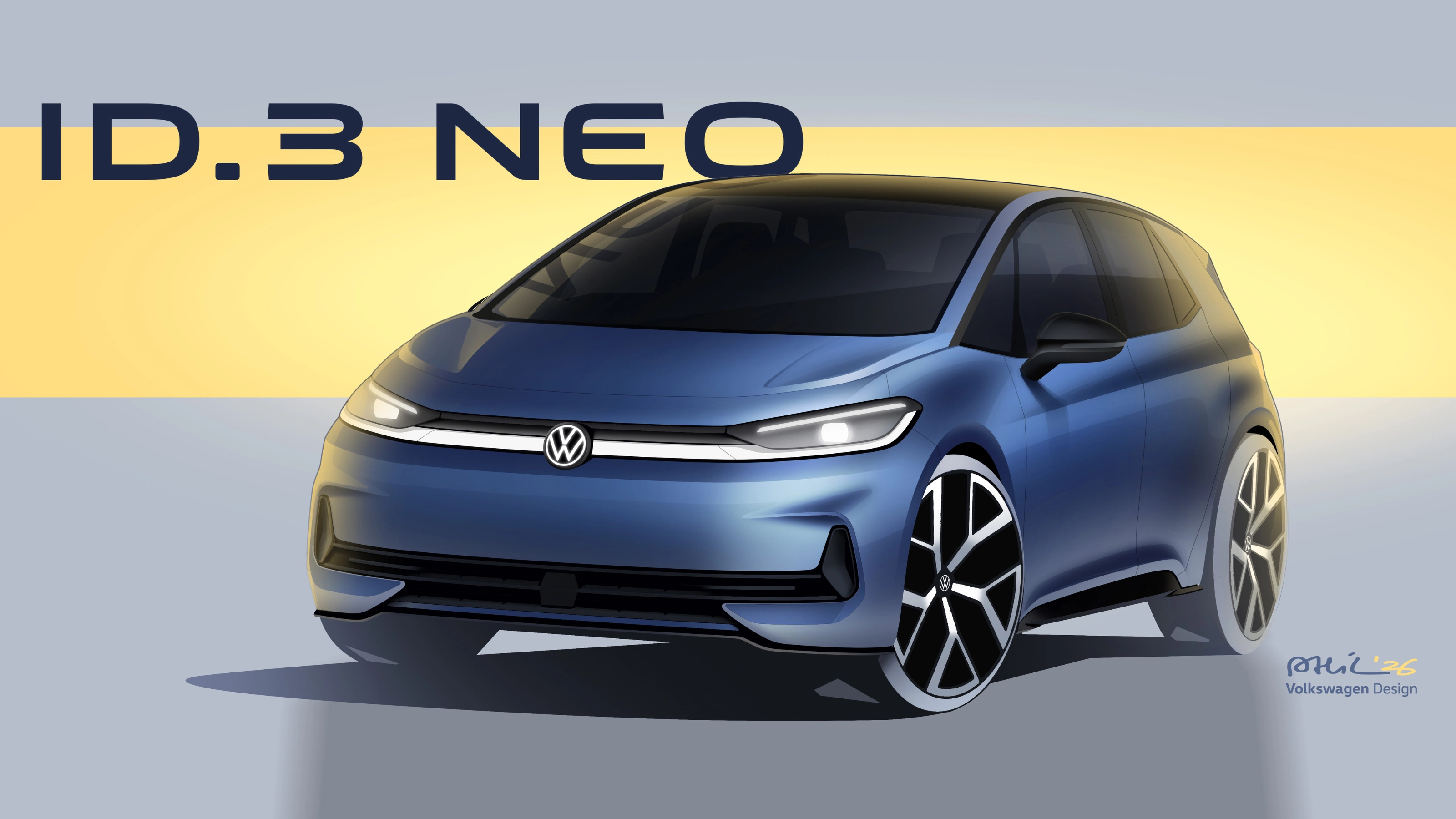
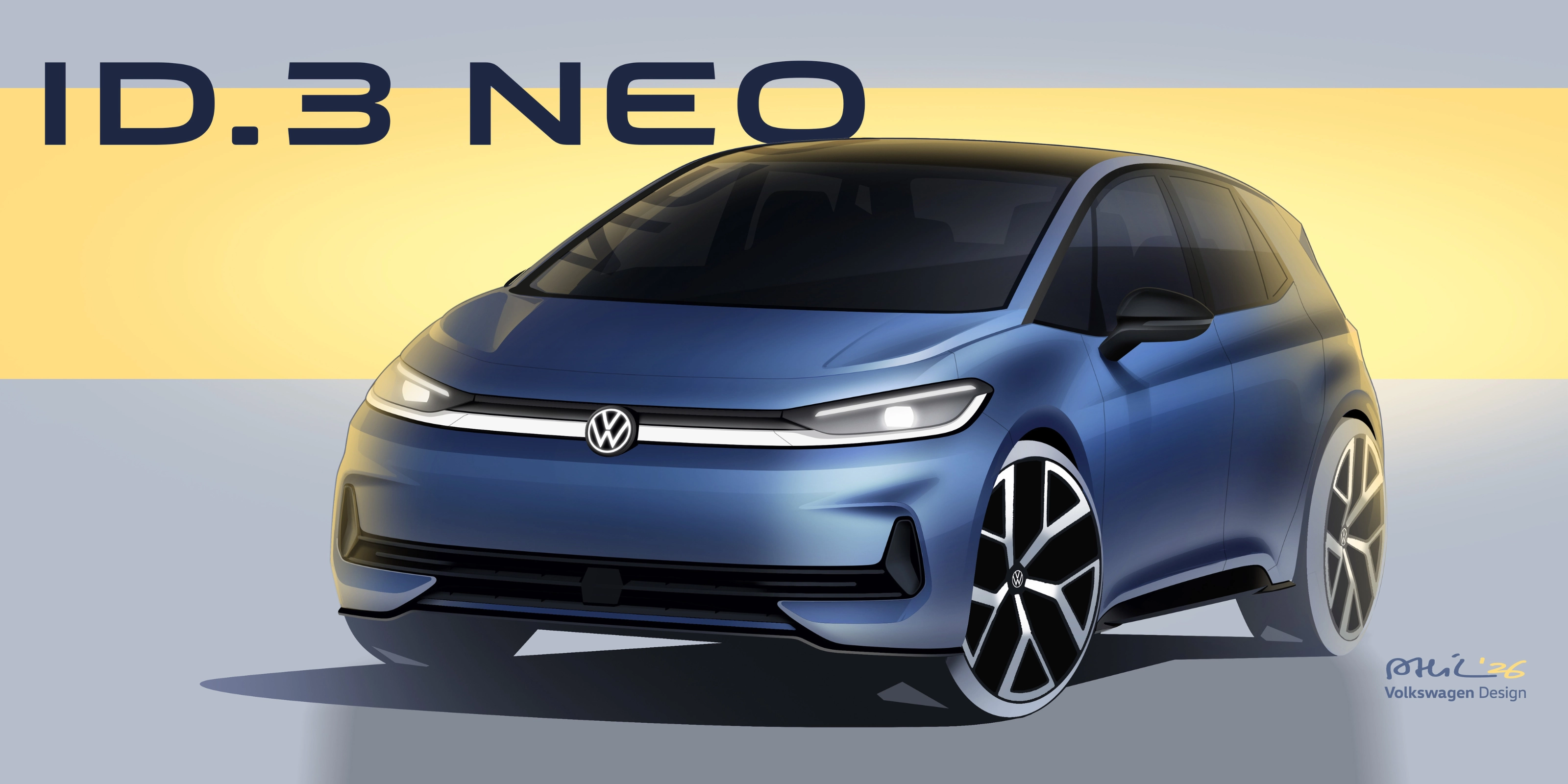
Volkswagen is taking the next step in the evolution of its electric compact class: the successor to the VW ID.3 will be named ID.3 Neo. Initially debuting as a near-production concept, the model marks the next stage of development for the automaker's electric compact vehicle platform. Alongside this reveal, Volkswagen announced a comprehensive digital product upgrade for the ID.4, ID.5, and ID.7 models.
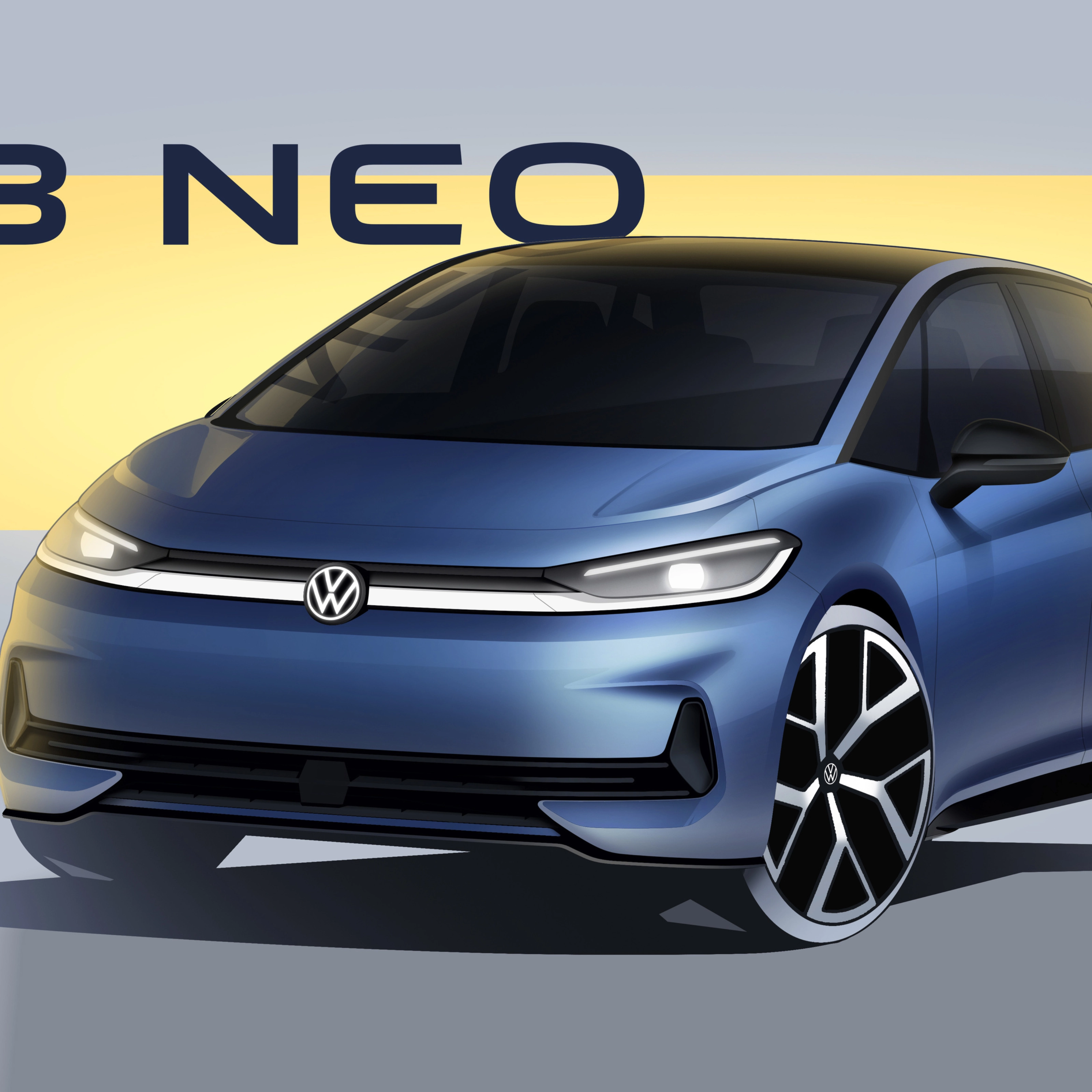
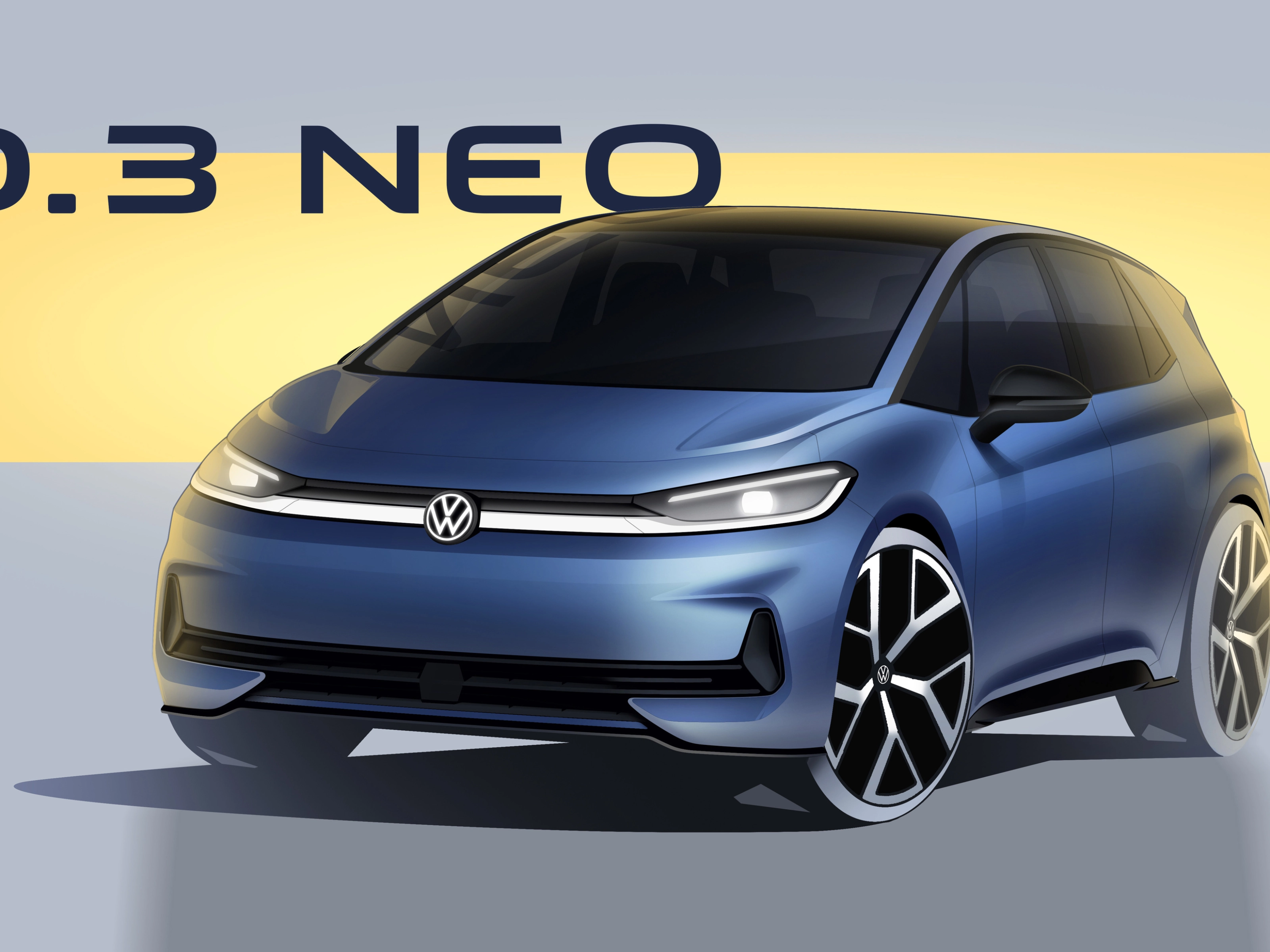
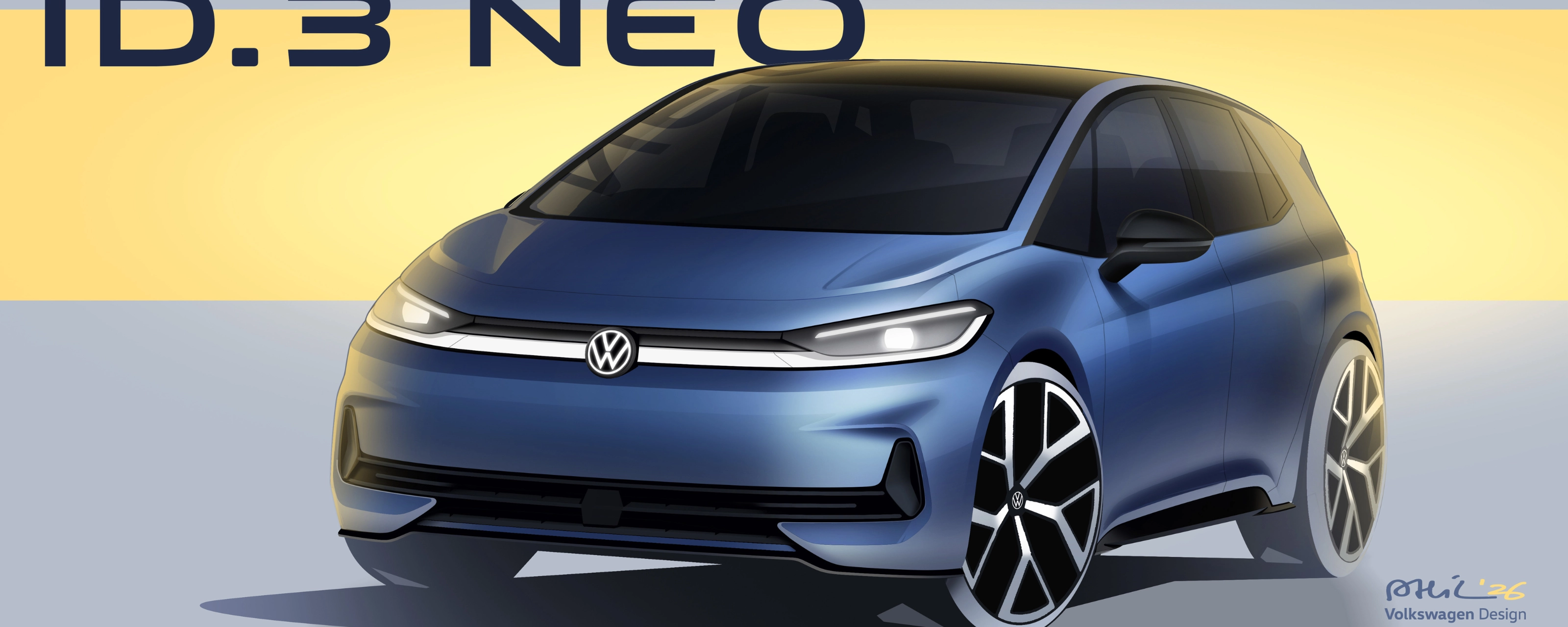
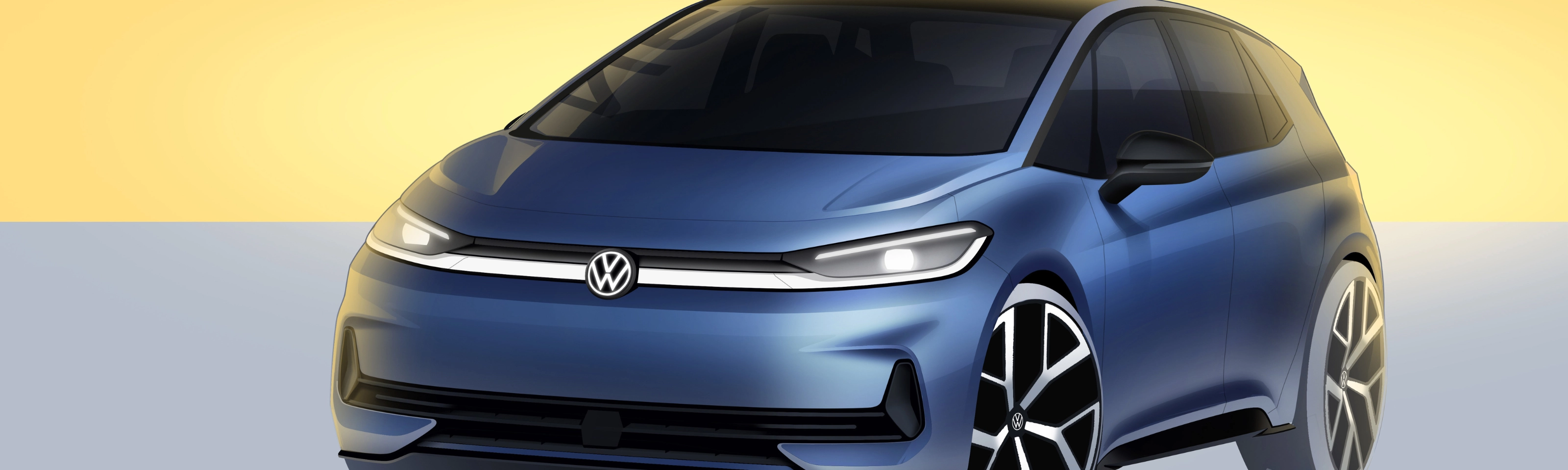
With this new generation, the manufacturer aims to further digitalize its EV lineup and enhance the overall user experience. Early images already reveal a refreshed design, featuring a new front-end look, updated headlights with an integrated light bar, and a completely redesigned rear.
Volkswagen is taking the next step in the evolution of its electric compact class: the successor to the VW ID.3 will be named ID.3 Neo. Initially debuting as a near-production concept, the model marks the next stage of development for the automaker's electric compact vehicle platform. Alongside this reveal, Volkswagen announced a comprehensive digital product upgrade for the ID.4, ID.5, and ID.7 models.
With this new generation, the manufacturer aims to further digitalize its EV lineup and enhance the overall user experience. Early images already reveal a refreshed design, featuring a new front-end look, updated headlights with an integrated light bar, and a completely redesigned rear.
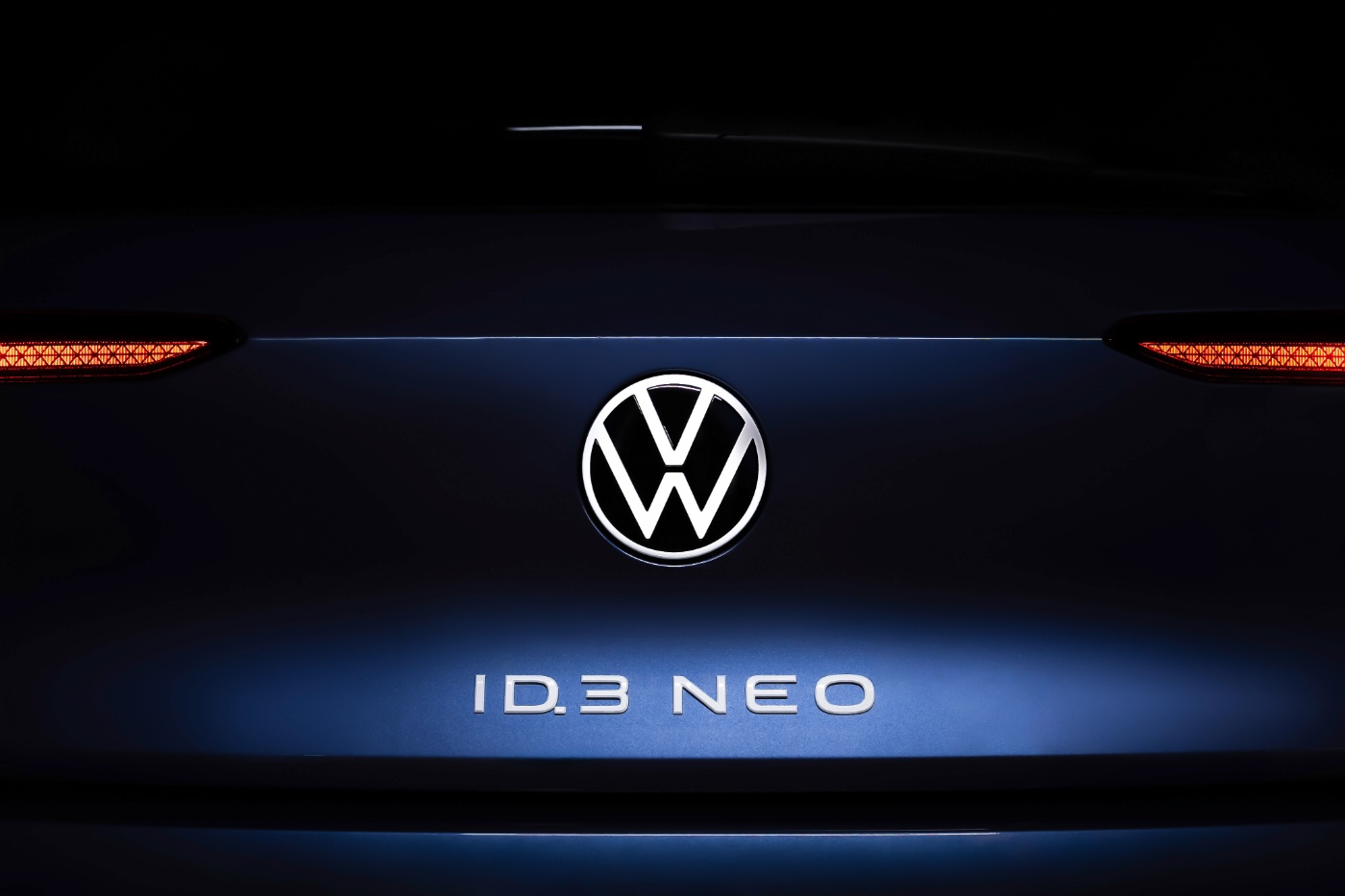
At the heart of the overhaul is a new generation of software and infotainment, which will be launched first in the current ID.4, ID.5, and ID.7 models before making its way into the ID.3 Neo. The system is designed to provide faster response times, a modernized user interface, and expanded digital services.
New features include a digital vehicle key and an integrated app store within the infotainment system. Similar to a smartphone, this allows users to install apps directly inside the vehicle—ranging from streaming services and parking assistance to specialized charging apps.
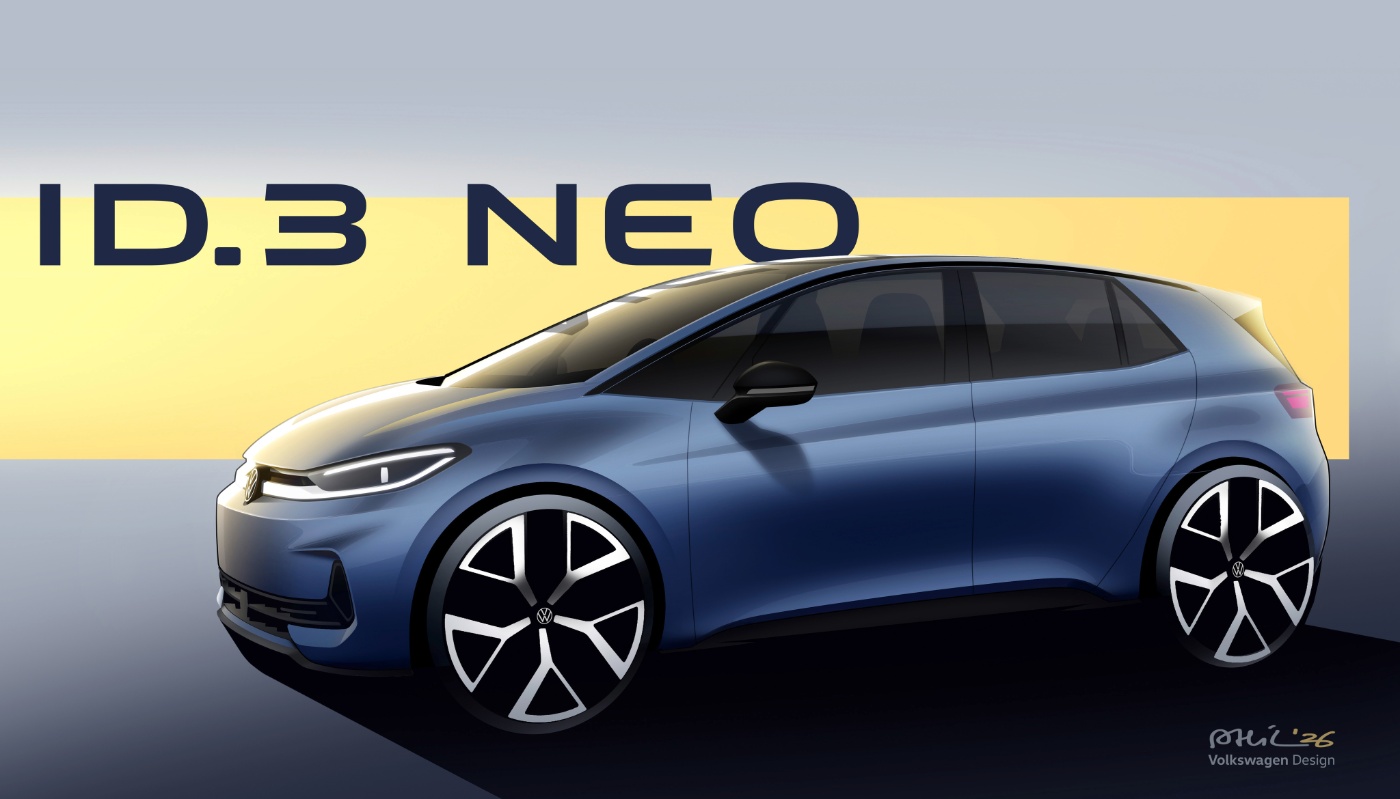
Volkswagen is also overhauling the interior control logic. Most notably, the company is bringing back physical buttons on the steering wheel to make operating key functions more intuitive. The system is further bolstered by new comfort and energy-related features.
One standout addition is the Vehicle-to-Load (V2L) capability, which allows external devices to be powered directly by the vehicle’s high-voltage battery. With an output of up to 3.6 kW, the system can run anything from e-bikes and electric grills to camping equipment.
Additionally, Volkswagen is integrating further software enhancements like one-pedal driving. This feature allows the driver to decelerate and manage energy recuperation using only the accelerator pedal, significantly simplifying stop-and-go city driving.