

Mobility
Vattenfall, Hyundai, and Kia Launch Vehicle-to-Grid Pilot Project in the Netherlands
Image: (c) AdobeStock
The energy utility company Vattenfall and the Hyundai Motor Group are teaming up to launch a large-scale pilot project aimed at integrating electric vehicles into the power grid. In Utrecht, Netherlands, up to 80 households will use Hyundai and Kia electric vehicles as mobile energy storage systems, actively contributing to power grid stabilization.
The energy utility company Vattenfall and the Hyundai Motor Group are teaming up to launch a large-scale pilot project aimed at integrating electric vehicles into the power grid. In Utrecht, Netherlands, up to 80 households will use Hyundai and Kia electric vehicles as mobile energy storage systems, actively contributing to power grid stabilization.
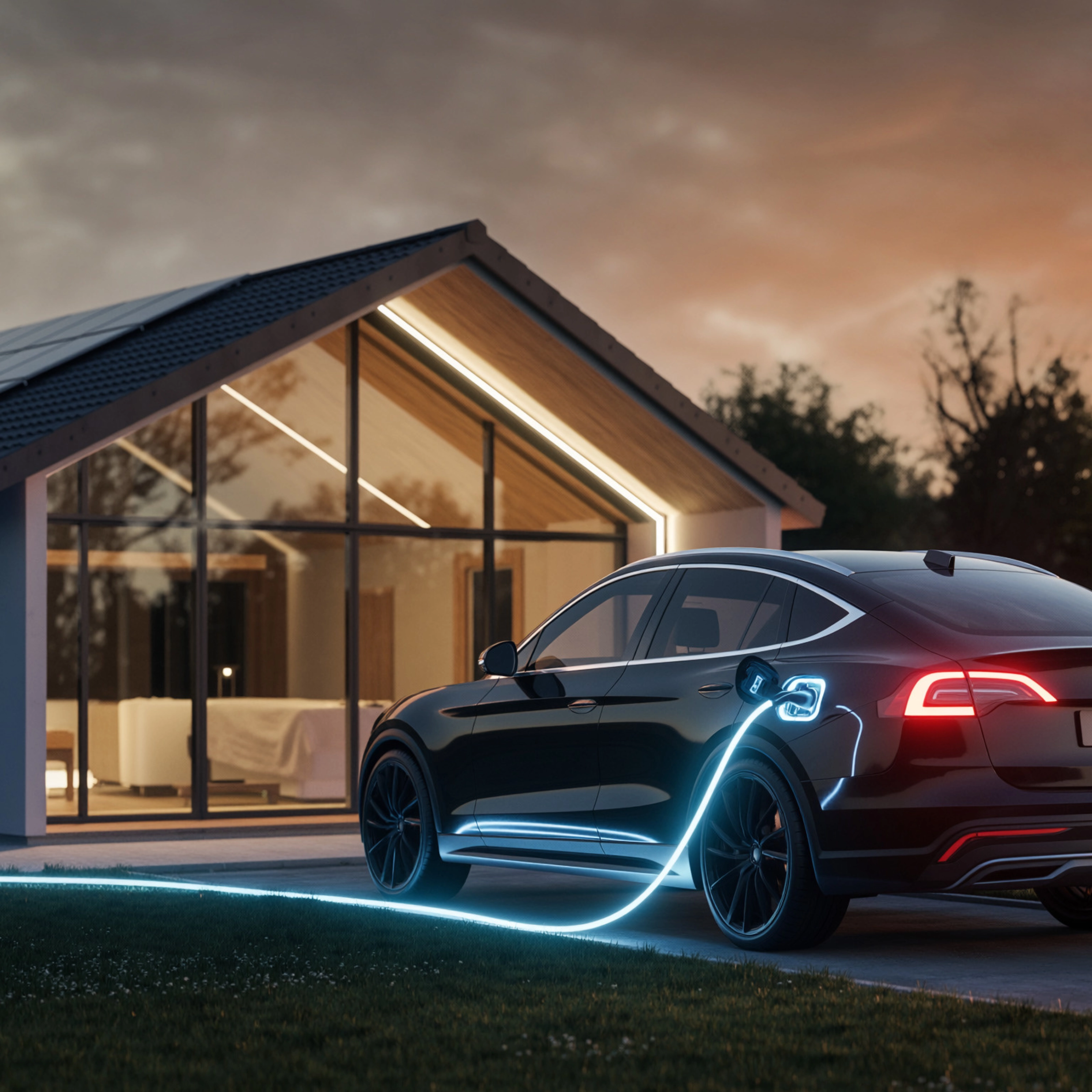
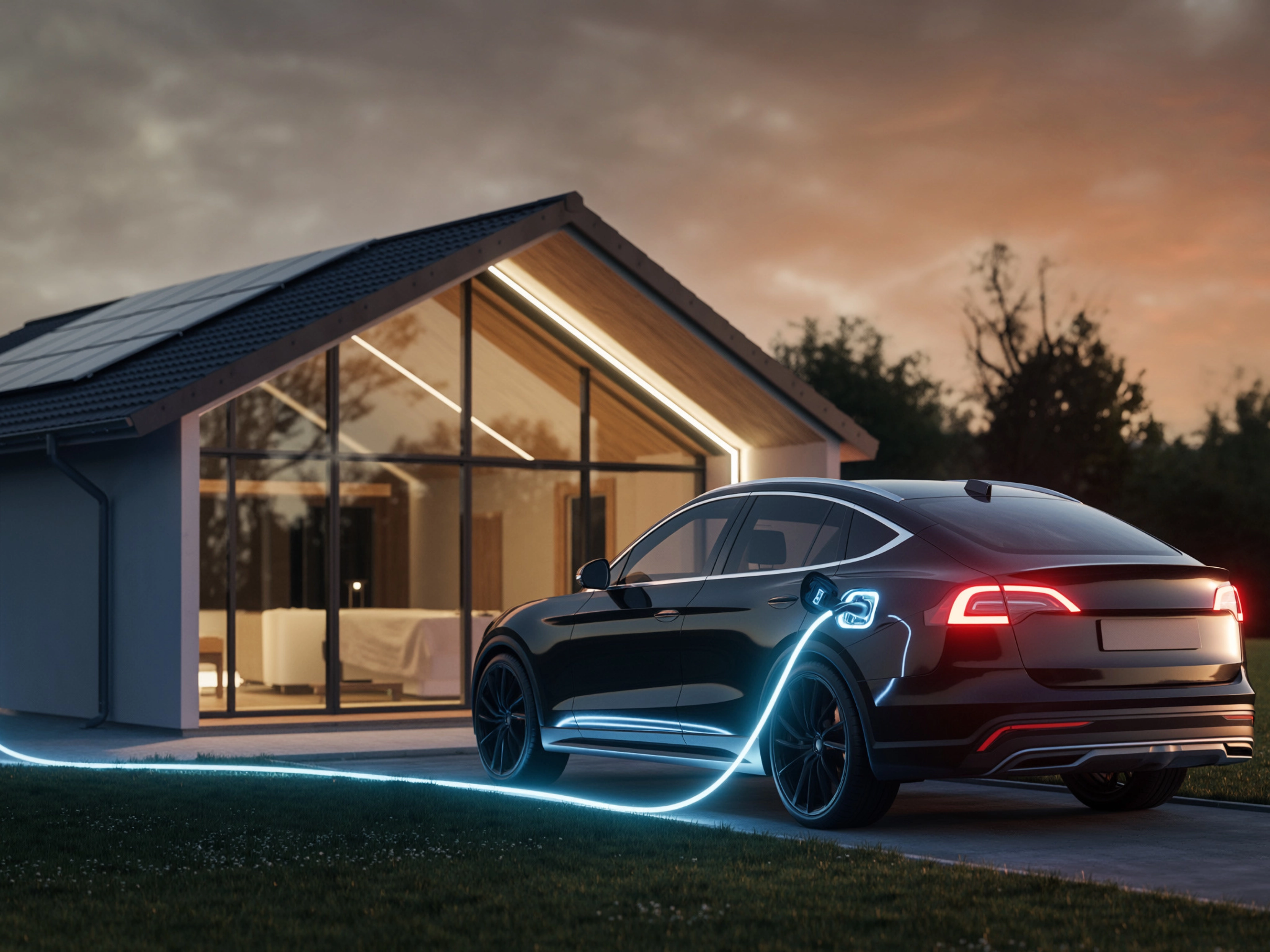
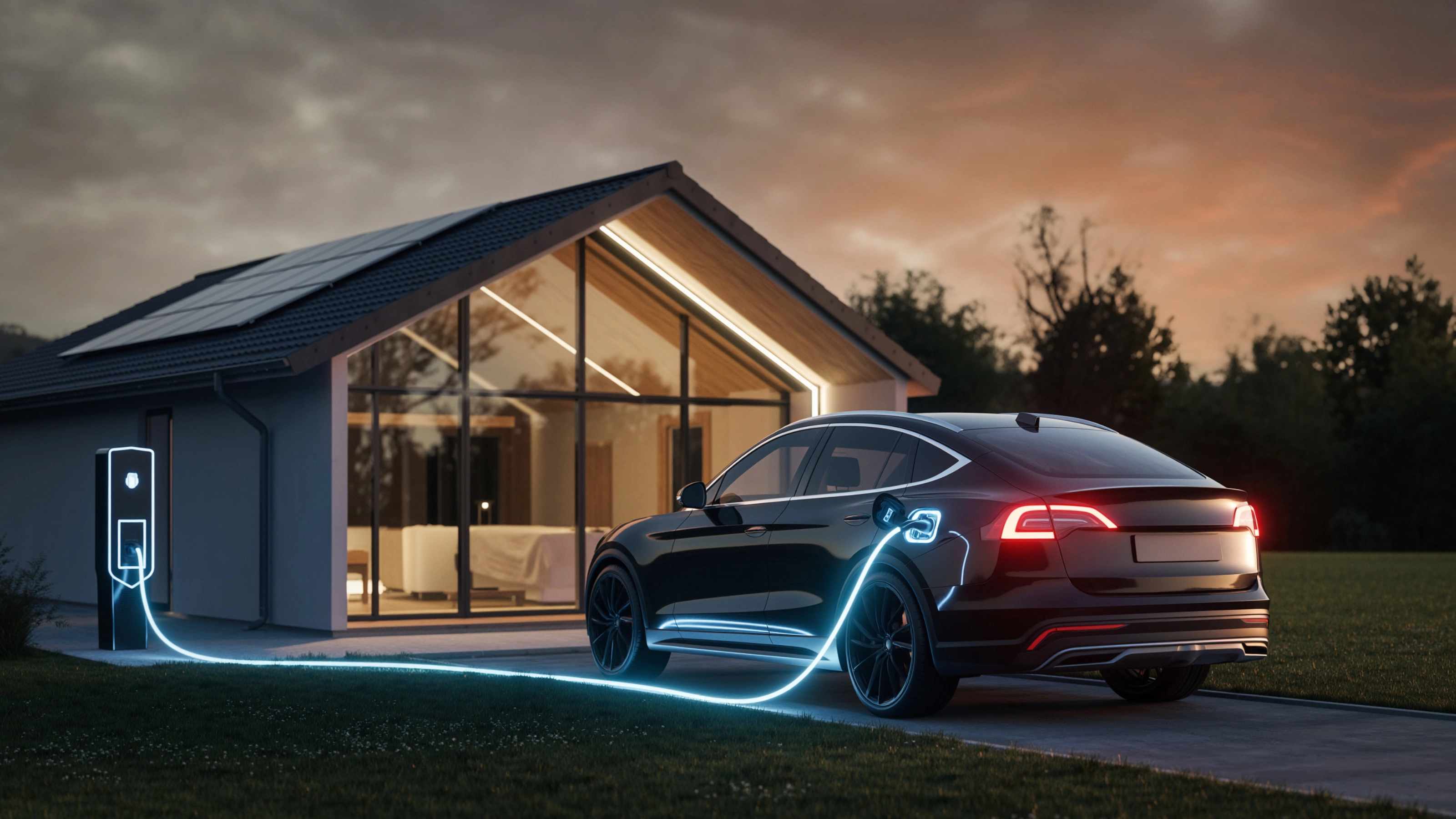
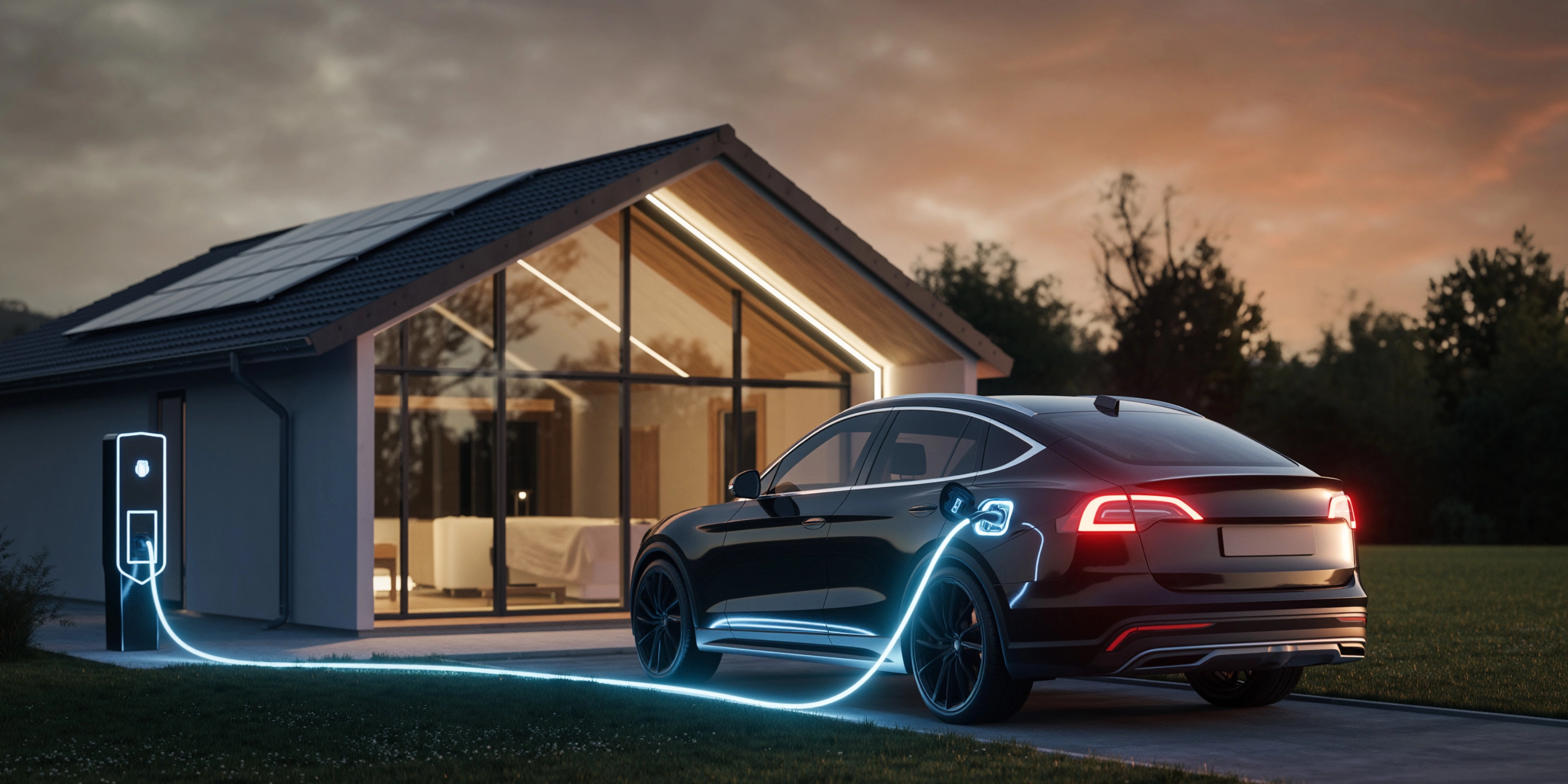
The initiative centers on Vehicle-to-Grid (V2G) technology, which allows electricity to be drawn not only into the vehicle’s battery but also fed back into the grid when needed. Over the course of the six-month pilot project, participants will be provided with a Kia EV9 or Hyundai IONIQ 9, a bidirectional wallbox, and an intelligent energy management system from Vattenfall.
The project’s goal is to leverage existing EV battery capacities as decentralized energy storage units. Since the vast majority of vehicles sit parked most of the time anyway, these batteries can absorb excess power generated from renewable energy sources and feed it back into the grid during peak demand hours. The stored energy is expected to help relieve grid congestion, particularly during the evening hours between 4:00 PM and 9:00 PM.
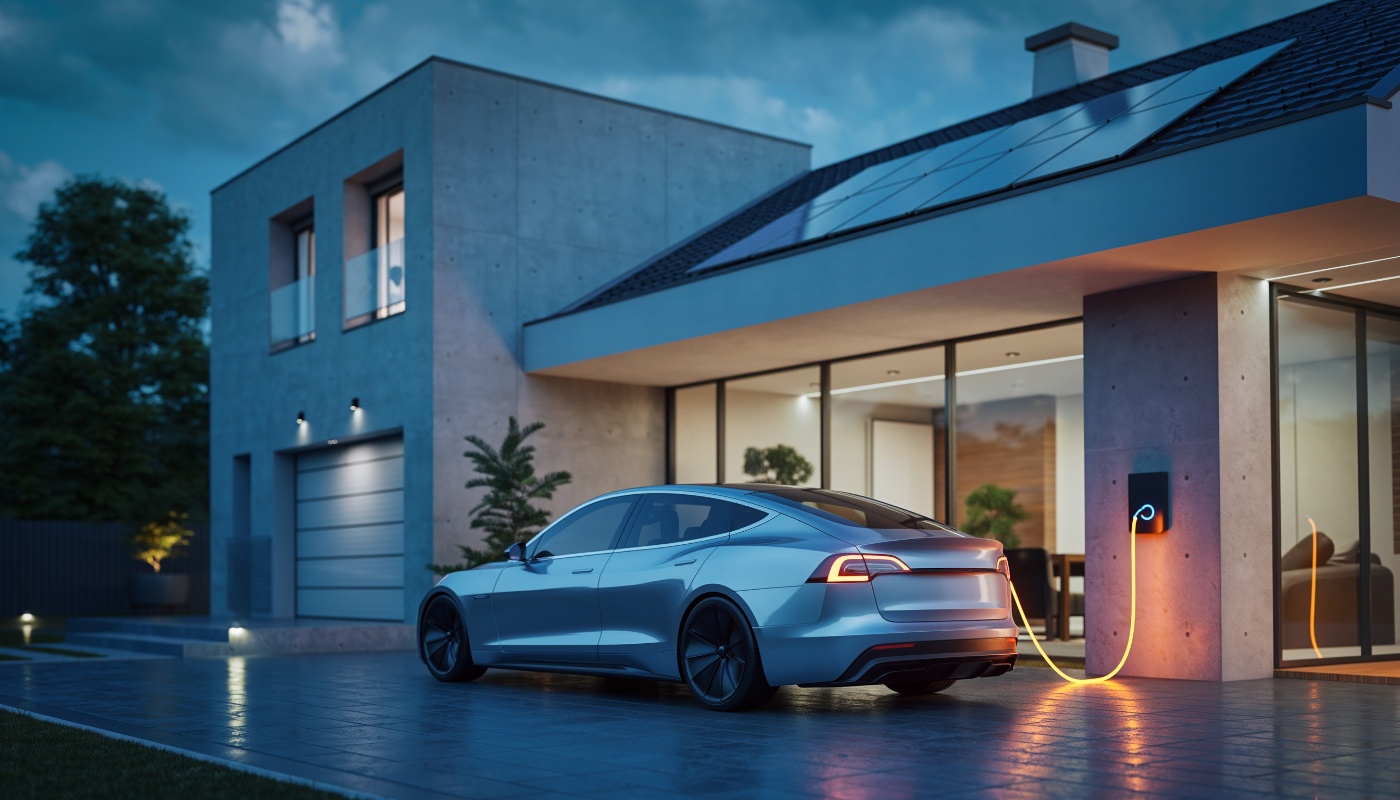
The partners view this as a crucial building block for the clean energy transition. Modern electric vehicles feature battery capacities ranging from roughly 50 to 100 kWh, offering significantly larger storage volumes than typical residential home batteries. By networking a large number of vehicles, substantial additional storage capacity for renewable energy could be unlocked in the future.
Participants will incur no additional costs during the pilot phase. Vattenfall will handle the installation of the charging infrastructure and reimburse home charging electricity costs up to €500. Concurrently, the project partners will collect data on user behavior, charging cycles, and the overall impact on the power grid.
The project is part of the Hyundai Motor Group's broader Vehicle-to-Everything (V2X) strategy. The automotive group aims to position electric vehicles not just as a means of transportation, but as active components of smart energy ecosystems moving forward. In addition to the Netherlands, other V2G and V2H (Vehicle-to-Home) projects are already underway across Europe and Asia.