



Mobility
Škoda DuoBell: Škoda Unveils Innovative Bicycle Bell
Image: (c) Škoda
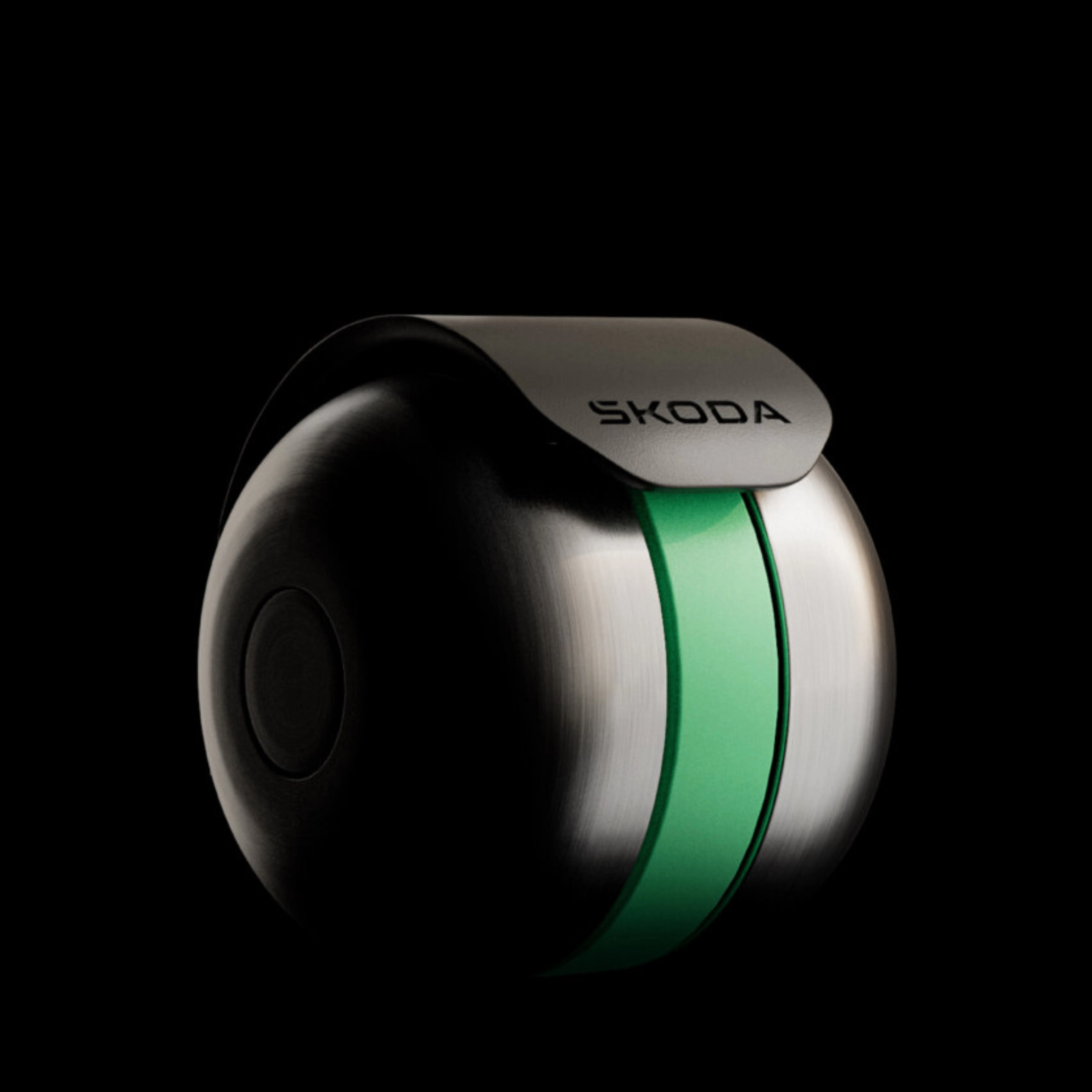
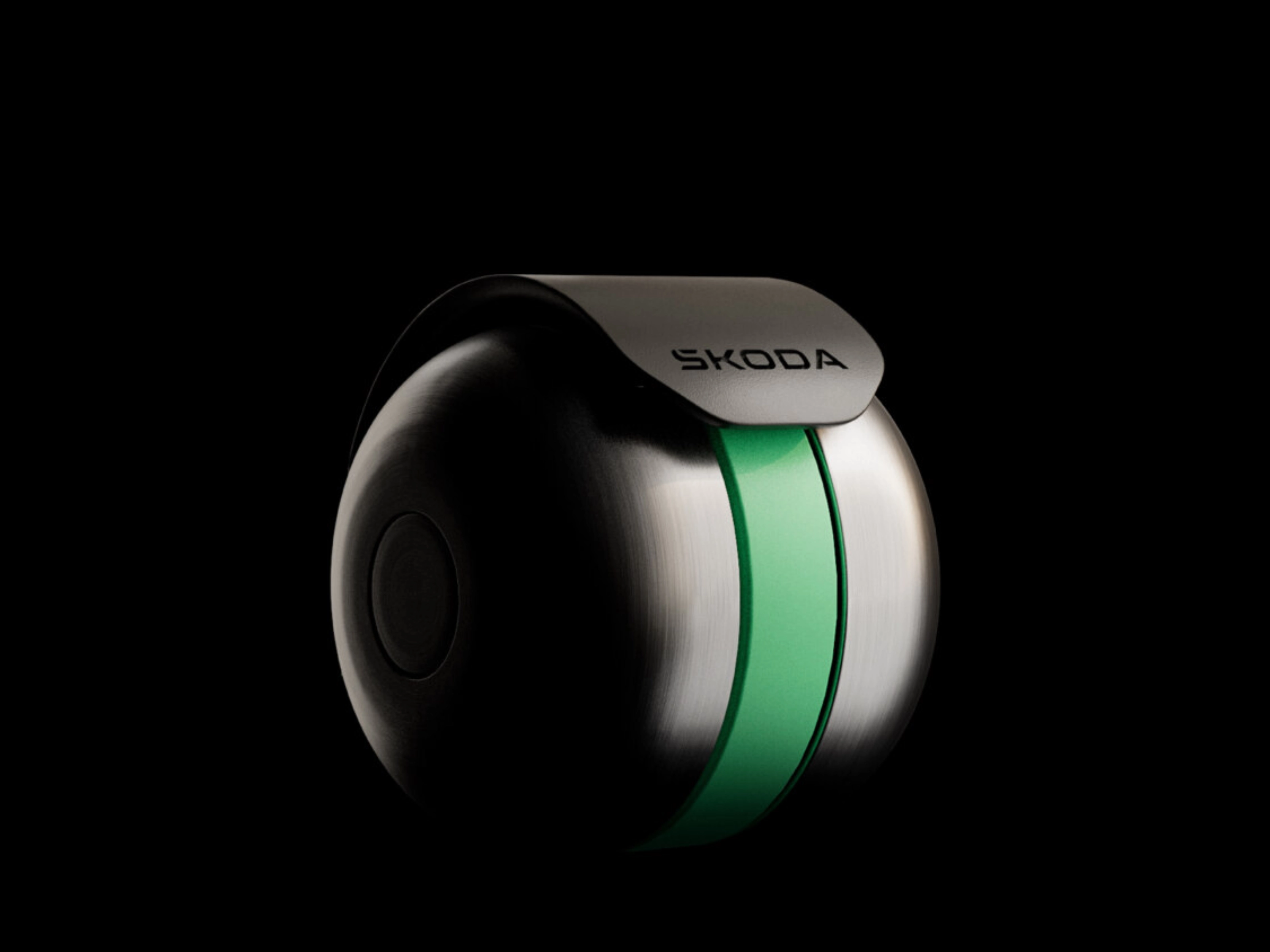
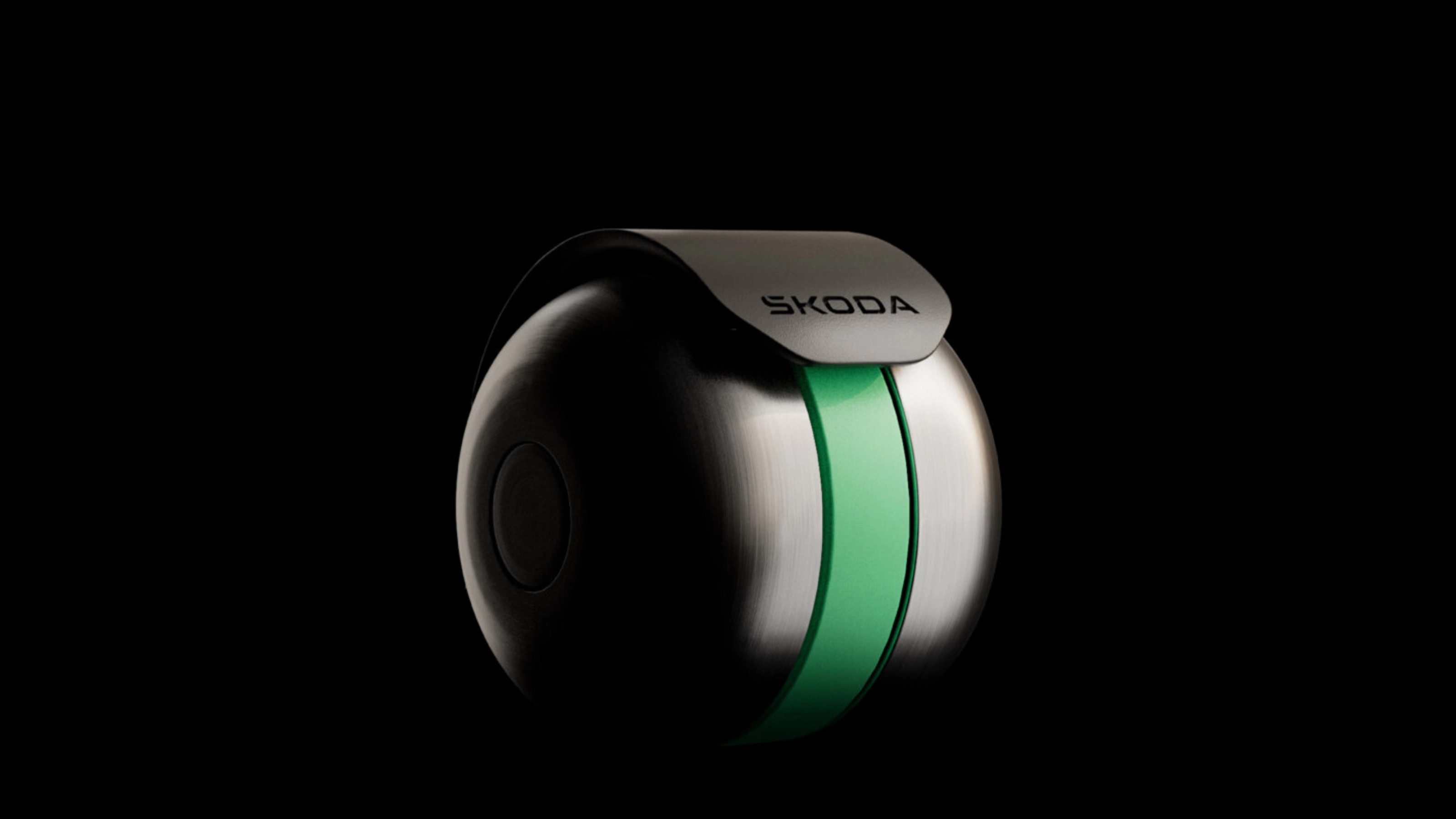
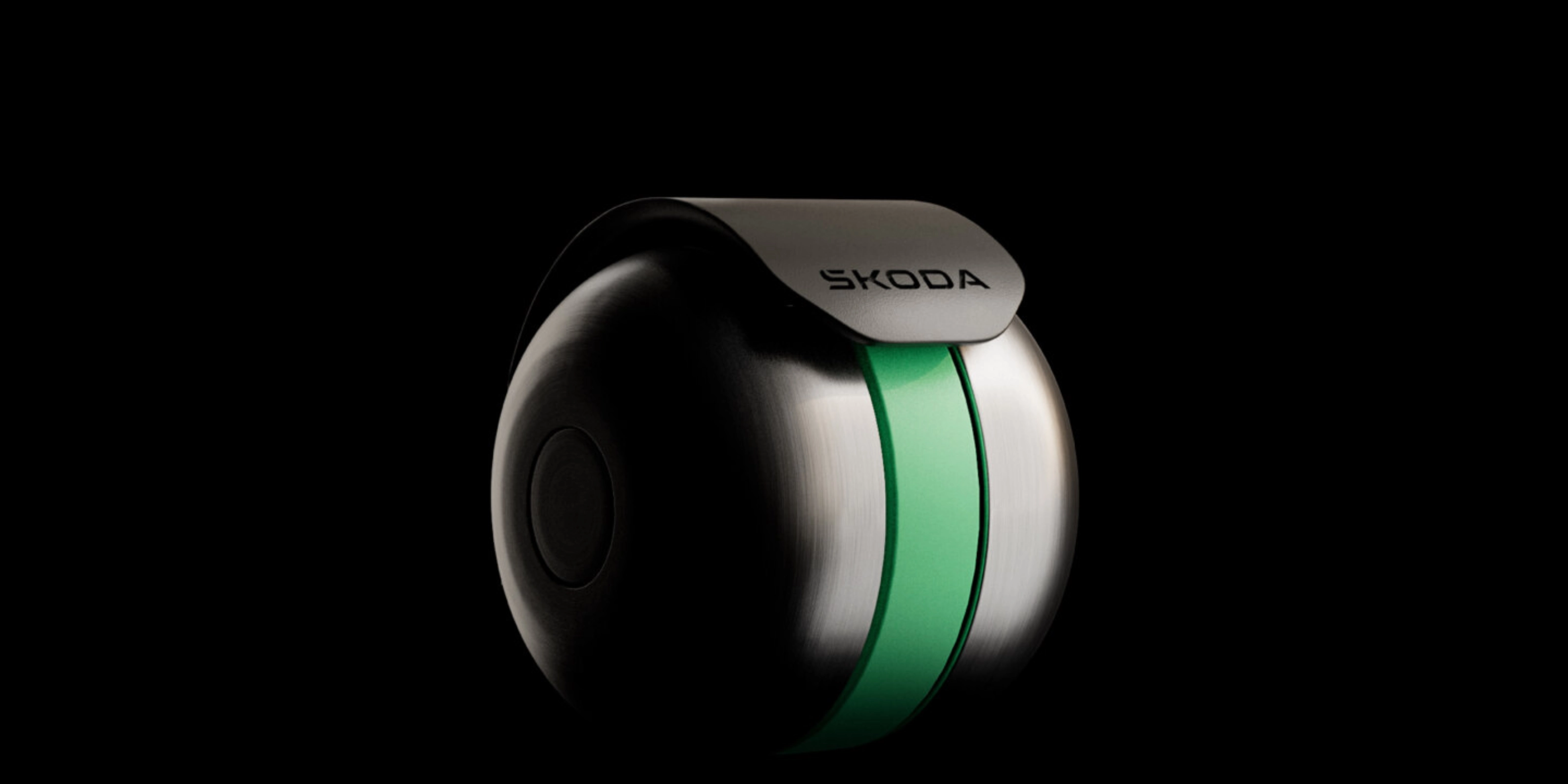
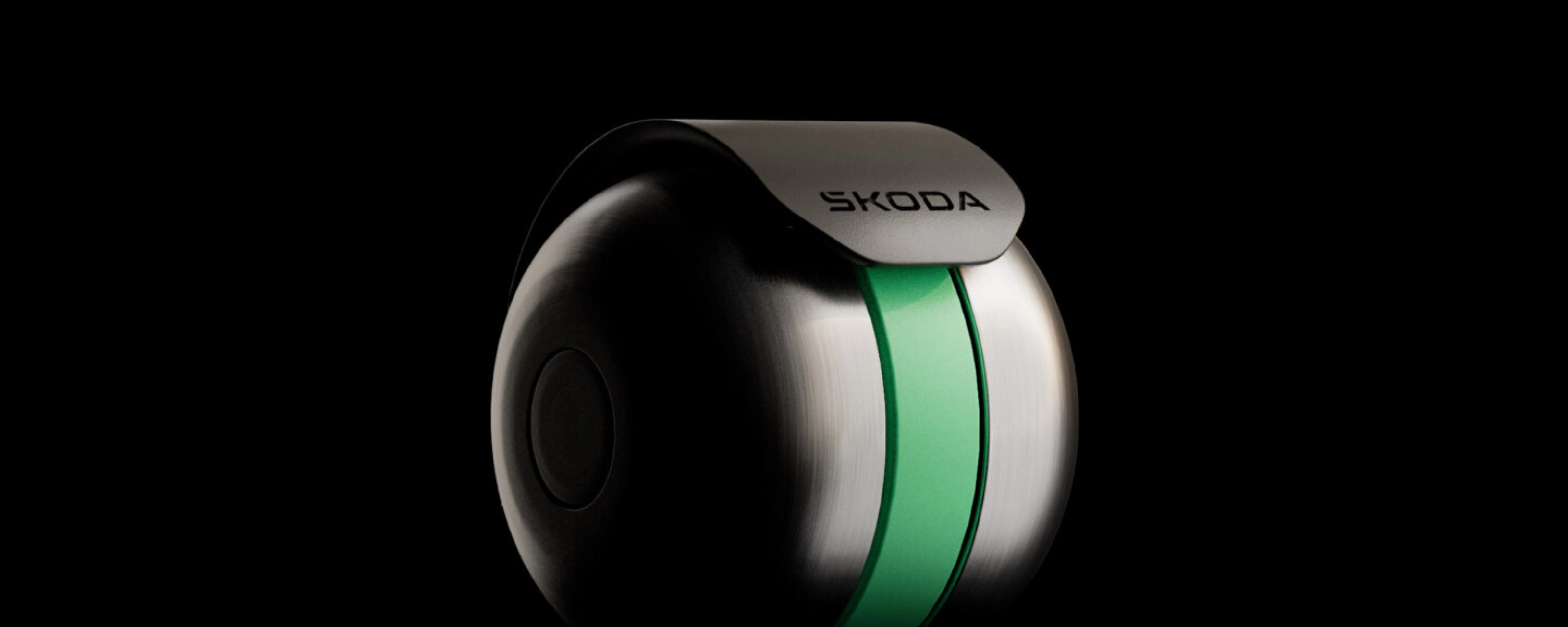
With the DuoBell, Škoda has introduced a unique but highly relevant innovation for urban traffic: a bicycle bell specifically designed to be heard by pedestrians wearing Active Noise Cancelling (ANC) headphones. This project addresses a growing safety concern by combining traditional mechanics with modern acoustic research.
With the DuoBell, Škoda has introduced a unique but highly relevant innovation for urban traffic: a bicycle bell specifically designed to be heard by pedestrians wearing Active Noise Cancelling (ANC) headphones. This project addresses a growing safety concern by combining traditional mechanics with modern acoustic research.
The impact of headphone use on urban safety is already measurable. In cities like London, collisions between cyclists and distracted pedestrians rose by 24 percent in 2024, according to Transport for London. During that same period, a significant portion of urban pedestrians was found to be using ANC headphones.
To solve this problem, Škoda partnered with acoustics experts from the University of Salford. Their goal was to identify which sounds remain audible despite active noise cancellation. The researchers discovered a crucial "safety gap" between 750 and 780 Hertz—a frequency range that ANC systems struggle to suppress effectively. This finding became the foundation for the DuoBell’s design.
The "Analog Solution to a Digital Problem"
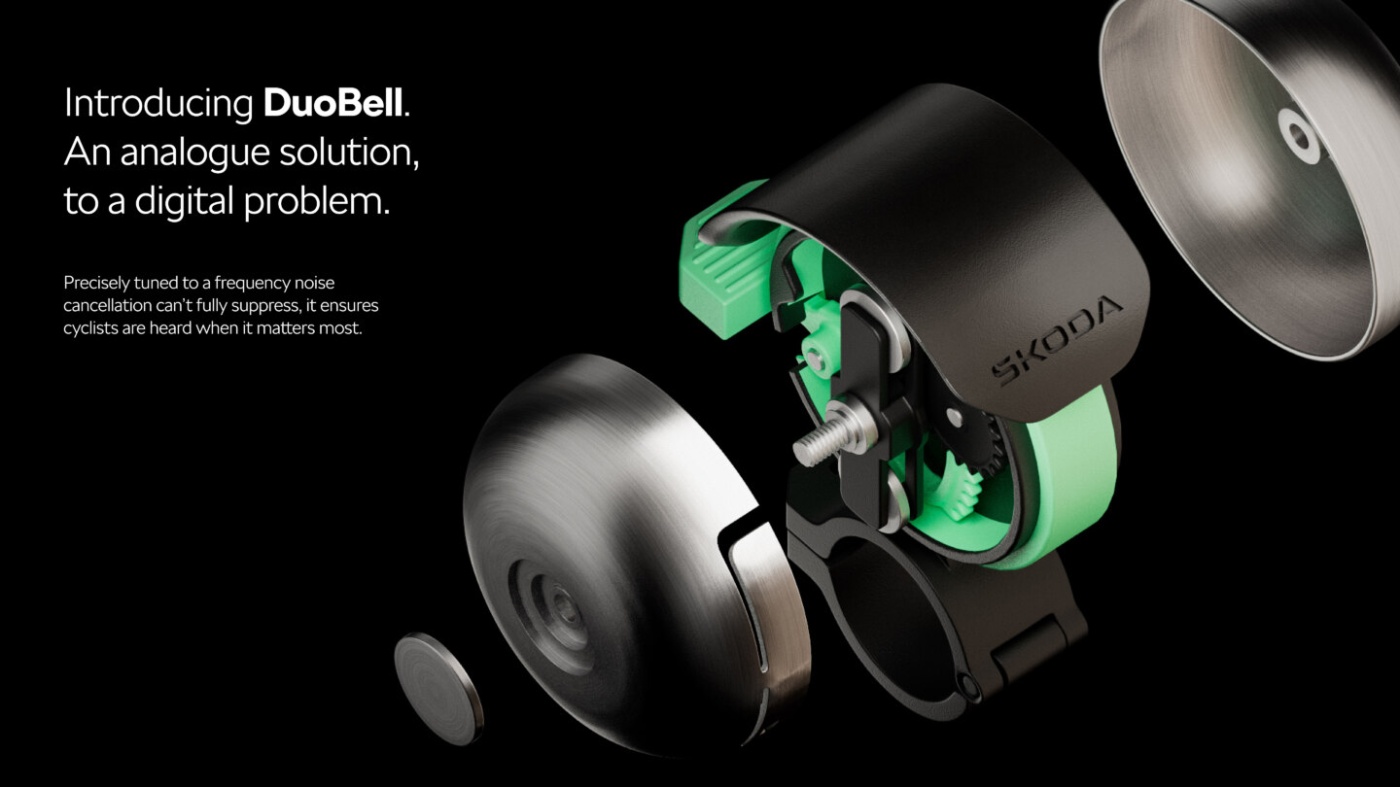
The DuoBell utilizes a purely mechanical design to exploit this acoustic loophole. It combines two core principles:
Dual Resonators: One resonator generates tones specifically within the critical safety frequency, while a second adds higher frequencies for better overall clarity.
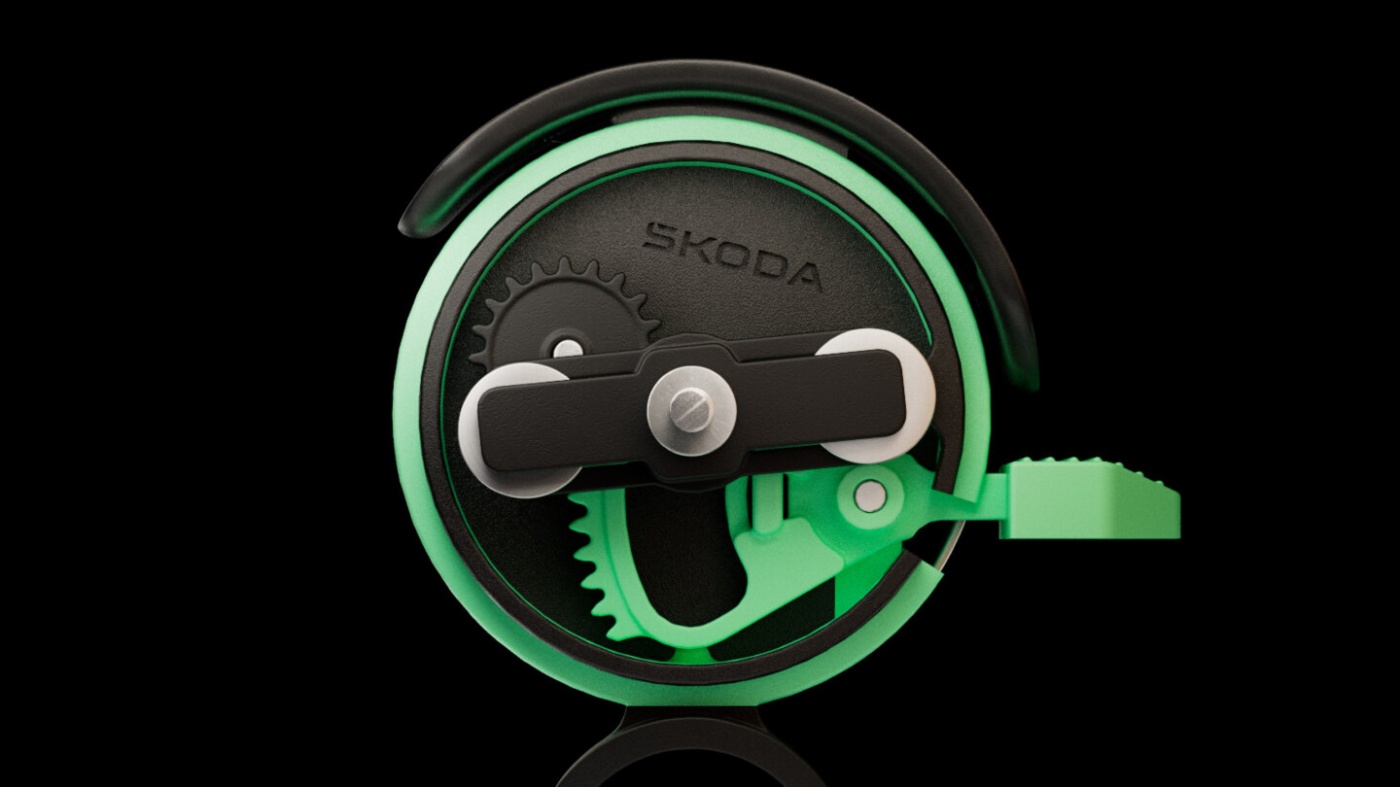
Irregular Impulses: A specialized striking mechanism creates rapid, irregular sound pulses. These patterns are difficult for ANC algorithms to predict, preventing the headphones from filtering them out.
Testing has demonstrated a clear safety advantage. Pedestrians wearing ANC headphones perceived the DuoBell up to five seconds earlier and from a distance of up to 72 feet (22 meters) further away than conventional bicycle bells. In high-traffic environments, this extra reaction time can be the difference between a close call and an accident.
Beyond laboratory trials, the bell was tested in real-world urban traffic, including by bike couriers in London. Feedback indicates that the DuoBell performs reliably in daily use and has been received positively by riders.
What makes this development stand out is its simplicity. Rather than relying on electronics or connectivity, the DuoBell remains entirely mechanical. Škoda describes it as an "analog solution to a digital problem"—a robust, simple construction designed to bypass the limitations of modern technology to save lives.